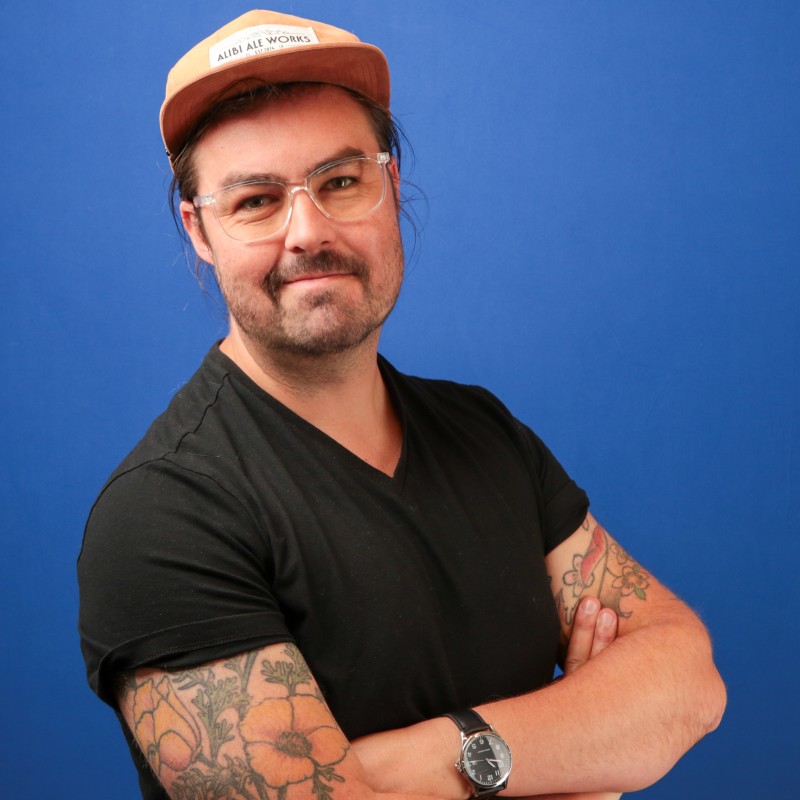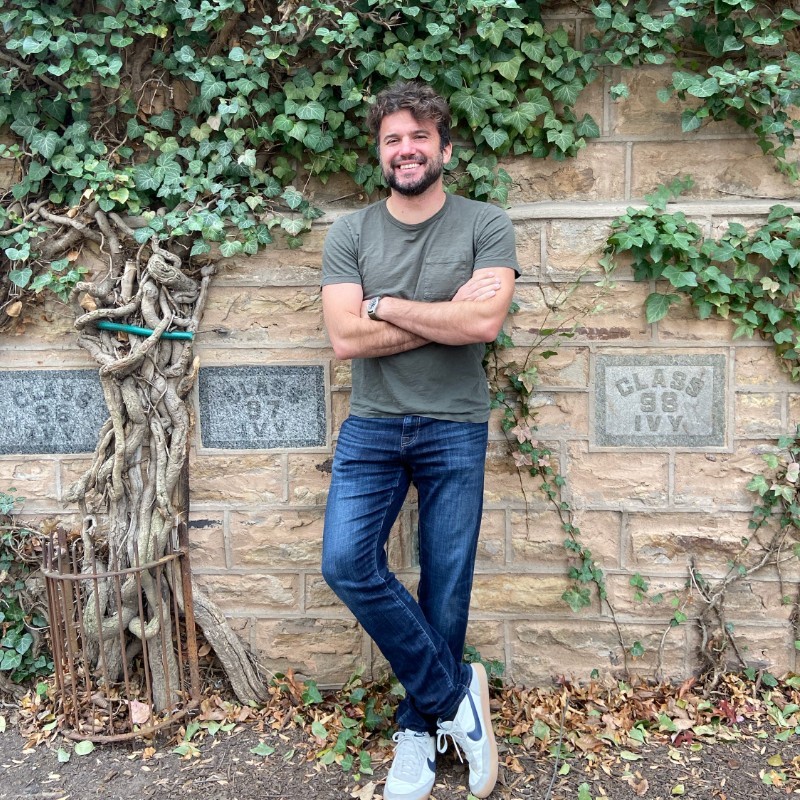
Alex Moore
8VC
Alex was employee number one at Palantir and now sits as a partner at 8VC, which is celebrating its ten-year mark and writing larger checks as the firm has grown. He set up 8VC's build program, which incubates a handful of companies a year, and he still interviews engineers and builds alongside founders. His framing is blunt: you are not just taking money, you are marrying operator-builders who help you ship. Favorite part of the job is living a few years ahead of the economy. The hard part is constant context switching and having to get to the point fast.
The tactical spine starts before any VC meeting. Practice the pitch on smart engineer friends first, then treat the deck as a deeply thought-out worldview document, not a brochure: where the puck is going in five years, why the problem gets big, and how the company intersects it. Cold email still works if you iterate. Email fifty people on LinkedIn, two reply, then email another fifty with a better pitch. Woody Allen's line sticks with him: 90% of life is showing up. In the room he is studying energy. Are you lit on fire by your own idea? The deck carries the idea. The meeting carries belief. Founder-idea match is most of the book. A little vulnerability goes a long way: say what you need help with. Intellectual honesty beats ego, and asking for help is also a litmus test on whether the investor is a banker or an operator who will get in the mess with you.
On closing he likes waves, not a blast of thirty firms at once. Eight to ten in the first wave, then a second, then a third if needed. Prefer your best group first so they feel special, then let later waves hear that earlier people are already signed and you need a lead. He calls it a slow boil with an estimated closing date as friendly pressure, not fake FOMO. When you have a choice, go to dinner, ask about childhood, and learn whether they are mission-driven. Optimizing for valuation and skipping that work is the common mistake. After close, the first ten hires dictate the outcome. Give early employees real equity. Founders owning over 30% reads as a negative to him. The locker-room close is history: Bezos raised his first million in $50k checks from dentists and his dad's friends, and Palantir took three years to its first revenue check while working out of a Stanford Hospital basement. Struggle is a rite of passage. Hire a buddy so you suffer together.
On why energy in the room beats reading the deck line by line
On running the raise in waves instead of blasting thirty firms at once
On why you should ask investors about their childhood before you pick them
On why the first ten hires dictate the company and founders owning over thirty percent is a negative
On Palantir's three years with no revenue in a hospital basement
Mat Vogels (00:10)
Hey everybody, welcome to another episode of Fun Raising, a podcast where we interview early stage and late stage investors to help you, as the first time fundraising founder, raise your first round of capital.
And today I have a very special guest, Alex Moore, partner at 8VC. I'm sure everybody listening has heard of 8VC, but Alex was also employee number one at Palantir. Is that correct? So you have seen
Alex Moore (00:36)
That is correct.
Mat Vogels (00:38)
this game from both sides, which I think is obviously one of the more valuable pieces of feedback that founders like to hear. Let's dive in a little bit into 8vc, and then we'll touch a little bit on yourself, but get it a high-level breakdown.
What A V C is investing in, average check sizes, you're focused more on the defense side, but obviously A V C is broadly all across the board.
Alex Moore (01:00)
Yeah, so APC, we're actually having our ten-year anniversary here and party in a month. So we're a ten-year-old firm started with, you know, sort of four hundred million dollar fund and then fund seven, you know, one, two, three, four, five, six, seven, we're at a billion and a half.
we'll be launching like a a side vehicle that's six hundred million just for sort of special opportunities but more like defense than hardware and and all these reindustrialization type things too. So the firm has grown quite a bit. We do a lot, you know, I think there's just a lot of AI stuff right now, but our verticals and traditionally have been like defense, healthcare, what we call bio IT, logistics, and then I'd say like in general, just sort of like business software is however you would
would categorize that or or sort of with a focus on on automation and and sort of work I'd say like industry workflows with an industry sp focus. But I think right it's like kind of game on with AI and game on with a lot of the other reindustrialization stuff. So but all also just looking for great founders. You know, we've done a lot of crazy weird stuff too that's just like these guys are cool, give them money, you know, that like that's simple too. Don't overthink it. Yeah.
Mat Vogels (02:04)
Yeah. Does A V C and even I think you're a part of the build program, is that right? Does A V C still incubate companies in a sense as well?
Alex Moore (02:11)
Yeah.
Yeah,
I mean I basically set up the build program. We incubate something like four or five companies a year. We've done thirty over the past ten years, including Saronic
Mat Vogels (02:21)
That's awesome.
Alex Moore (02:22)
as sort of the big winner. and then a bunch of other stuff. happy to talk about that. But yeah, I think that's what actually entrepreneurs like about us is like I interview engineers too, right? Like I'm building a company too right now, right? So you know, we're we're on that as like the operator builder side, hands on. So I think we're not just the money, you're kind of like getting married to people.
here who help you build your business and that kind of thing.
Mat Vogels (02:43)
Yeah.
Yeah, I love that. The so the interview, the podcast is a little rapid fire, so we'll go through
Alex Moore (02:49)
Great.
Mat Vogels (02:50)
some of these questions, but we'll start with a couple questions that founders ask us to ask the VCs that we talk to. The first being, what is your favorite part about the job and what is your least favorite part about the job?
Alex Moore (03:00)
Yeah, I mean I I think the favorite part about the job is like we're getting to see like across industries all the new ideas. So you feel like, man, I'm kind of like ahead of the economy here, even like I'm seeing like the idea and the of something that will like hit like sort of the market in two or three years. So we're you're gonna feel like you're living in the future a bit. The challenging part is probably just like constant context switching, and and it's like you have to sort of be a little ad to keep up with that, which I think like great investors probably are like literally ADD or
like the personality type fits the the the work. but that that that's like the the negative. You're like, man, I wish I could spend like three hours with that person and like go deeper on it. And like we have to get right to the point and and be very like quick and then make right decisions. So that those are the two things.
Mat Vogels (03:46)
Yeah, the contact switching is is brutal and sometimes well, I guess you get to dabble a little bit. You can go deep into some of these companies that you end up incubating with, which lets you maybe scratch both of those those itches. Speaking of that, are there any you mentioned AI, are there any specific areas, problem sets, things that you are super excited about over the next year to five years?
Alex Moore (04:07)
Yeah, I'd say like I'd say like the firm is excited about all this forward-facing stuff with AI around like we're we've done a bun a few AI robotic robotics looking deals or or sort of AI and hardware. I'm personally excited by everything that's coming out of like sort of what I would call like reindustrialization. It's specifically like sort of the SpaceX Tesla or or sort of this kind of alumni, but also people who are just interested in that. You don't need to be a SpaceX all-star to get money from me, right? but but those types of things where
like people are looking at like power or you know these other other types of like big big glut economy things where we're like yeah like the economy can't scale if we don't have any power or you can make all these things but you gotta plug them in. So so like just big chunky problems I think is what I'm interested in personally. I and I'm also anything with like autonomy. Again, these are like sort of smart hardware systems. You know that all of that stuff's cool right now.
Mat Vogels (05:01)
What a time to be doing what we're doing. it's always it's just one of those things everything is being turned over with AI and robotics, autonomy, all these things. it's an incredible time to be a founder as well.
Alex Moore (05:12)
Yeah, I I think that it's like one of these things where it's like never been easier to start a company. And like there's there should be like more companies, more founders, more dollars going into everything, and like more results, right? Like more on the back end. So there's just more, more, more. That was not the case when I started in like startups 20 years ago. It was like impossible to raise money and like there was no cloud and there I didn't there was like no iPhone until like three years after I got out of college, right? So it was like like really early. You had to build your own server rack. Like if to to build a software company, you had to have a server.
rack in your office, right? So like people don't understand that now. They're you just like spin up AWS and like spin up the AI and like you just you can make it. It's like pretty awesome.
Mat Vogels (05:52)
Yeah, and maybe to the founders listening, coming from you, is it too late? Like are some I get founders all the time like, it's already too saturated, there's already people doing everything. I I I feel like we're early. Isn't that is that what you would say?
Alex Moore (06:04)
Yeah, I
I I think it's like inning one or whatever in terms of like the real stuff. And I I just wouldn't be intimidated by like these big trillion dollar companies or whatever. It's like there's a million little problems all over this society that like need solving that are like really big and actually really important. Even you like in your local community, there's stuff, right? So so no, I I I think like like tear that wall down and it's not there. there it's just unlimited opportunity everywhere.
Mat Vogels (06:31)
Yeah. All right, let's jump into the fundraising process. We break it up into three different parts. The first part are the founders that are out there, they're trying to bridge this gap. They have a really good idea. Maybe they're working at a top company or they're in university or some sort of academia program. They want to start a company. Fundraising scares them. What is that first step in finding either the right investor, reaching out to good investors? How have you seen the best founders navigate that very first part of the process?
Alex Moore (06:59)
Yeah, I think you actually just practice by like doing your your pitch to your like smart engineer friends or like if you don't have smart engineer friends, like roll up to a your local college or you know, you know, call call people and say, hey, I'd just like to show you something cool. What do you think? And I think like pitching engineers, just who are like these very thoughtful analytical people first,
Mat Vogels (07:18)
yeah.
Alex Moore (07:19)
is a great testing ground because they'll sort of have ideas of like I don't get this, I don't get that doesn't make sense, very logical thinking. And then from there I think that is a formative process.
Which people underappreciate and are superficial with, which is like creating a very deeply thought-out deck. The reason the deeply thought-out deck is important is because you are demonstrating a worldview under which a problem is defined and a solution which you are building is defined against that. And you're saying in five years the world's gonna look like this. This problem is small now, but it gets really big, and then my company solves it. So it's like that Wayne Gretzky thing: don't go where the puck is now, go where the puck is going. So it's like we're gonna go here.
And it intersects, and you have this big company. so I just think it's like the deck and then the engineers, okay, now like
you know, start hitting up investors and like you can cold email people. You don't need to like know people, you know, you know what I mean? Like I I think it is a little bit of that perseverance thing and like, you know, email fifty people on LinkedIn, like two of them will respond. Cool. Okay, that's practice. Now email another fifty and you'll
Mat Vogels (08:18)
Yeah.
Alex Moore (08:18)
get four to respond because your pitch is better, like your way in or you're getting more sophisticated. So it's just like getting used to like people just being busy. It's not a rejection. They're just busy with the other thing. So like just kind
Mat Vogels (08:29)
Mm.
Alex Moore (08:29)
of having that personality as like Woody Allen.
Not my favorite guy, but like he had a good quote where just 90% of life is showing up. Just show up.
Mat Vogels (08:37)
Yeah.
Alex Moore (08:38)
Just show up.
Mat Vogels (08:39)
Yep. Keep showing up. And I think the more shots on goal you can have, the better. I want to touch a little bit on the quality piece 'cause you mentioned I I feel like the quality of your pitch deck and the thoughtfulness that you can put into some of these things is almost more important now than ever. Just like you know, we're seeing and I'm sure you guys are seeing it, the amount of pitches that we are getting is multiplying, but the quality of those pitches is going down. And I think that if you can create something of quality
it will fight through the noise, whether the the fund or firm is using AI to help them mitigate and get through pitch decks, those surface. Like the high quality pitch decks will get through that barrier. But even just the eyeball test, we go through so many every week, we can tell which ones were made with that thoughtfulness and quality. And I like that you said cold is still in because a lot of founders I think don't realize that that is still a valid play if they can do it the right way.
Alex Moore (09:31)
Yeah, and I I think it's also this idea of iteration. So you like make a deck and you like pitch your engineer friends and you like iterate on it. It's like this living, breathing document, but it is also the most effective form of like communication quickly for deep ideas. and it is like a real art form. and there's a little bit of that like Steve Jobs thing. I'm like studying like do you have a spatial brain? Can you like put information and communicate to different types of of other brains? Right. And like if you can't do that, maybe you can you sell your product?
But if you can do that, I'm like he probably, you know, he or her can probably sell their product, they can probably recruit, they can do lots of things. They have a a spatial brain that can put ideas where they're supposed to be and allow for a conversion to ideas.
Mat Vogels (10:15)
One thing that we always like to ask some of the VCs is there seems to be a a different thing that you're looking for on the pitch deck or the materials ahead of time versus that first meeting with the founder, which we kind of have in that second phase there. It's a first impression. Sometimes it might be the only time you actually talk to the investor. What are you looking for in those first meetings with the founder? And what is different than what you are looking for in in the pitch deck or the materials that maybe lead up to that?
Alex Moore (10:41)
The Dekas
idea in the in-person is like energy. Like if you don't if you're not like lit on fire, like I'm just like looking at your face, studying you, like are they are they like, you know, kind of animate like like not cartoonishly, but like are they turned on, turned on by their own idea or not? Like, do you believe that? Why should I believe it? Right. Like, like I wanna I'm looking for like the belief in the own idea. and then if someone is like, you know, really sort of dedicated to the their own idea, like all that will come through every time, right? Like it you can do
That in half hour, right? So, so I think it's just like I would just use the word like energy, boiling it down to one thing. And like, even if you're tired, you should still be like super turned on by like what you're what you're, you know, I didn't I stayed up all night and I have energy, right? I'm I'm we're doing this,
Mat Vogels (11:25)
Yeah.
Alex Moore (11:25)
right? So it's like that kind of thing, like literally for me, it's just that.
Mat Vogels (11:30)
And so that's the I think it's a it's an important piece. I think founders tend to go into some of these meetings thinking that it's like a school presentation where they're just presenting a pitch deck and like running line by line. What most VCs say, kinda what you're saying is it's kind of how you show up, maybe not what you show up with, although that's still important. but how much of that is I I guess what what balance goes from the the thing that they are presenting versus maybe how they're presenting? Obviously it does play into both.
But do you have an idea of could you have a bad idea but the founder stands out and that's enough to get them going? How many times do you have a bad
Alex Moore (12:04)
Yeah, or like yeah.
Mat Vogels (12:05)
founder but a really good idea?
Alex Moore (12:07)
Yeah, two concepts here. Like the first one is I would just say this concept of like founder idea match. So if someone's
Mat Vogels (12:13)
Yeah.
Alex Moore (12:13)
like, I've been doing this industry for 10 years and I like found this problem in the industry that I'm an expert in, and then like I'm gonna go fix it. I'm like technical on that industry, then that's in exciting or two, it could just be someone who's like insanely impressive and you're like, This person will like pivot around and like figure something out and like I'll kind of just wanna give them money because they're just so like special.
Mat Vogels (12:34)
Yeah.
Alex Moore (12:35)
but I I think actually it's more
Of the first is like 99.9% of it is like probably like Travis from Uber, like that, someone like that. You just give him money, and you're like, I don't even know what he's doing. Give him money. Who cares? This guy's gonna murder everything. But like normally it's like, you know, I studied this, I did like, or I worked at I learned this industry, it's and then like it matches, and like I did, you know, I've been studying this. I this is who I am, is sort of like the undertone of like what their pitch is is like this is who I am, and like the I this company is sort of an extension of that.
Mat Vogels (13:06)
Yeah. Is the opposite of that the red flag, or are there any other mistakes or red flags that founders have when you're either meeting them for the first time or in the way that they're presenting some of these things?
Alex Moore (13:16)
Yeah, and like yeah, I hack this at the hackathon and I just toss it together and like, you know, I just wanna be a founder. but I it's funny because like that doesn't work at APC, but it actually does work at Y Combinator, cause Y Combinator's
Mat Vogels (13:29)
Ha ha.
Alex Moore (13:29)
so so they're so accomplished at like helping hackers find their way and their identity. So I would like actually if if you're that person who's just like really young and smart, but you're like, I kinda don't know and like I just wanna get mix it up.
Go to YC, like they're gonna sort you out in like three minutes. Yeah.
Mat Vogels (13:44)
And their volume is for that too. They're they're you know
they're they're investing into hundreds of companies a year now.
Alex Moore (13:49)
And I think they're very good at handling these people because you always hear like we we brought into YC and then we pivoted around three times and then they like built this like cool thing that like the partners there like help them with that that's not how we do it at APC. We're just, you know, we're we're more like there's a smaller group and we want experts and we want founder match and we want this and we want that. But like every firm there's a firm for everyone. Like, you know, y there's like you know, you know, whatever the theme is, or the there's even firms that have different personality types too. So like you can find the firm. Like don't worry, like
Just keep pushing through and meeting more people.
Mat Vogels (14:22)
Yeah, that's great advice. Are there any questions that founders should be asking during that initial meeting or process? Not because you're looking at it as a as a green flag or something that you you like that they ask, but so founders can take control of the process and don't feel like they're they're out of the control or being drug on.
Alex Moore (14:39)
Yeah, I think it's like honesty on what you need help with. So you're like, like I need help like meeting more like this industry expert, or I need help with like hiring engineers, or like like like what what what we don't wanna see is like I know everything and I'm good at everything and like blah blah blah blah blah. And I'm like, you're probably not good at everything because no one is. So like I think a little bit of like guard comes down, a little bit of vulnerability. this is what I'm stuck on. I just kinda do you guys know anyone that can like help me with, you know, like even you know, whatever even
basic things. I mean the facts are we do know someone who can help you. And it takes me like a minute to like email you and you get a coffee and they they help you. So so like and then showing like I like to work with the VC firm. I ask for help. I and then more or less the one-liner is intellectual honesty. Because I just don't have the time to deal with any bullshit or dynamics of like this person has an ego or stubborn. Like you're not like why do you have the ego? Like shouldn't I have the ego? Like I said a palantir with my friends out of college like why do you have the ego and I'm not like you know what I mean?
like I don't have an ego, maybe you shouldn't either, right? So it's like be vulnerable a little bit and ask for help a little bit and and and just sort of like this kind of honesty thing, this intellectual honesty thing goes a long way. And I do think there's a
Mat Vogels (15:49)
Yeah, we actually
Alex Moore (15:50)
yeah.
Mat Vogels (15:51)
I was gonna say I think it's also a good litmus test for the investors that you're talking to, 'cause I think good investors will see that as a strength, like you just mentioned. Bad investors might see it as a weakness and not be able to see through it as, this founder hasn't figured it all out, but they're okay figuring it out and asking for help and and doing the right things there. So it's a good question, not only because it's good to ask for help, but also good because it's a litmus test for the investors that you're talking to.
Alex Moore (16:16)
Yeah, like are these money people who are like bankers who don't
Mat Vogels (16:18)
Yeah.
Alex Moore (16:19)
know anything about startups, or are these like operator builder like people who get in this shit with you who who help you out? Like, like you're testing them, like, will this guy help me out on something? Like, I don't know if I want to work with him. You know, you're you're just creating a relationship where it's of abundance.
Mat Vogels (16:34)
Yeah. One of the things that we see founders with over and over again is they have these initial meetings with folks like yourself and then they go into kind of the meat of the fundraising process, which is herding cats, you're building FOMO, you're trying to build momentum, you're trying to push this thing over the finish line. Any advice for founders on on ways that you've seen that go well? Every founder is trying to build that momentum and FOMO. Sometimes it falls flat on its face. How can founders walk that line without being overly desperate or too pushy?
Alex Moore (17:04)
Yeah, I I like cause we also help our once we give money, we also help them with the next round and like we have strategy sessions. So I like to just kind of set it up in like what I call like waves. So like I you know, let's let's make a list of thirty VC firms or whatever and let's put them in like waves of like eight to ten, and then I'm gonna like email the first eight to ten wave and I'm gonna start meeting with them, blah, blah, blah, blah, blah. And then it's like, okay, we need to kind of spice this up, then I'm gonna do the second wave, blah, blah, blah, blah, blah. And then if I need the third wave, blah blah blah blah blah, and then kind of
like it will kind of compound and create a little bit of dynamics, which is what we want. But
Mat Vogels (17:38)
Yeah.
Alex Moore (17:39)
without like being overwhelmed with like 30 tickets at once. And then you're kind of like preferring your like first group to the best and you're saying, hey, look, I'm meeting with you like in like first, you know, like you're special too. And then like that gives the investor feels good or special. And then as you go mature, then you can sort of say, hey, look, I have a few investors who are signed on earlier and you know I need a lead now.
And you you it sort of sounds a little more mature to like the second, the later waves like, this is like kind of coming together. I'm like, I need to rush, I need to like be on my game here. so it's like a way I would call it like a slow boil. I'm I'm not a big fan of like pressure tactics, but you can add a little bit of structure to it. You can have a estimated closing date. I'm I'm starting the raise now, I'd like to close in the end of the second month or the end of the month, and that provides like what I'd call friendly pressure, which
Yeah.
Mat Vogels (18:31)
Yeah. For the founders that maybe are in the fortunate position of picking their lead investor, maybe they have multiple offers at the table. Maybe it's that they have a hundred K, two hundred K left and there's a handful of investors that want in. Regardless, what are some of the what's advice would you give to founders on picking the right VC, especially in the early stage? And then because you you've had such a great track record personally, but also from the investing side
What's a common mistake that you've seen founders make when maybe picking the wrong VC?
Alex Moore (19:00)
Great question.
Yeah, I think like you have a few firms that are all interested. Like go have dinner with people and like, you know, if you drink w wine, have a glass of wine
Mat Vogels (19:08)
In real life. Yeah, yeah.
Alex Moore (19:09)
and talk about your childhood and make them talk about their childhood. This is my secret. I'll give it away. and then like you kind of know if you're a match because you're married to these people. Are these like ethical people? Or like does the person volunteer on the weekend? Like you can learn about people and you ask about it, or do they have a hard childhood? I think it's like is a resilient person, people from immigration.
Backgrounds, I extra points for that because you did something hard, you learned a new language. Like I can't imagine going, you know, doing that myself. So, like, like just kind of getting to know people. and then so like I pick people who I like. I've had dinner, I know about their childhood, I have an idea of values. Is this a good person or not? What and then what the one number one word is motivation. Are they like a mission driven person or like a money or like a negative, you know, whatever motivated person? And then the mistake is to optimize for valuation and to cut off everything I just
Said because now you will get the money, you will get like this superficial thing, and and cool, you own a little more equity, but now you have this person who's not like a mission or values aligned, and you don't know anything about them because you didn't go to dinner and ask about their childhood, which is my secret, and you don't know what their motivation is. That gets very tricky later if things hit the fan. Are they like gonna come in and help you or are they gonna kind of not? so those are the things, just human being things, like the way you would select a friend or someone who you're dating is you
Go on a date, you ask about the schooling, you ask about the childhood, or do you like this activities, do you like that activities? So you're you're just doing a little investor dating.
Mat Vogels (20:35)
I
think founders don't realize just how long this game is and how important it is to just like the people that are on your cap table, let alone how helpful they can be. Every VC can be helpful. You do need to like them. And one thing I'll add on is that some VCs they know that they can just throw out a valuation and undercut and they'll get maybe in or accepted. not because they're doing it in a negative way, but just as a founder, you should realize that sometimes it is a tactic for sure.
Light, let's say they've closed the round and there's this point of time where switching from fundraising mode to founder mode can be can be hard. What are some of the best things that you've seen founders do right after they close, especially those early rounds for the first three to six months after?
Alex Moore (21:18)
I think it's just all about talent. And like I think because like in my opinion, it's like the first ten hires dictate the outcome of the company. It's like that severe. It's scary, right? so it's like being super thoughtful on like who you're hiring out of the gate and like not just hiring the hire, but like getting like real experts or like real people who are like and giving them a lot of equity. I'm always like, say like like a cap table where the founders own like much less equity and the early employees own much more. Now it's almost like you have ten founders or like
10 partners, which is like that was the secret to Palantir. It was like we had like eight people who had like one percent or whatever, and like some of them are still there, but like we had like 10 people that we could rely on. Not and then I was
Mat Vogels (21:58)
Huge.
Alex Moore (21:58)
one of them, I guess. But like, you know, who who you could like would stay late, like we were like all of us staying late because we all own a lot of it, and we're like, we care, you know. And then the next hundred people are like, Whoa, like I kind of reference behavior
Mat Vogels (22:11)
Yeah.
Alex Moore (22:12)
from the first 10, and then cool. Now the 110 founders are 110.
And you know, loyal, loyal, sort of like hardworking people. so like I wouldn't bastardize that. Like if you own like over 30% of your company, like that's a negative for me, right? If you are you
Mat Vogels (22:26)
Yeah.
Alex Moore (22:26)
Jeff Bezos, you're not, right? Like none of us are. So I'd be like less on the founder's equity, more on the early employee equity, and now you have partners and I can give you money now.
Mat Vogels (22:36)
Yeah. And that's gonna help attract some of the top talent as well that maybe some of these other places cannot get 'cause the best talent wants that ownership not only from an equity standpoint, but from a problem solving standpoint and just the that that brain thinking too.
Alex Moore (22:51)
Yeah, like you don't want it to be like you're working for me. You want it to be like we
Mat Vogels (22:55)
Yeah.
Alex Moore (22:55)
are working together as partners and like I have a little more equity because I started it, but like you still have a lot and like you're you know what I mean? Like you're you kinda have a lot too, as much as possible, right? And and then of th there's limitations of course to that, but like that's the vibe.
Mat Vogels (23:09)
Yeah. you've packed a lot of information into a a short amount of time here. The last thing we always like to l end with is it's halftime locker room talk. You got people are down right now, they're trying to raise capital, they're struggling with it. What's your your halftime locker room speech to the founders right now that are maybe struggling to raise capital?
Alex Moore (23:28)
Yeah, I mean like the just I like to be a student of Silicon Valley. So to me, like going back and reading all these old blogs from like legendary founders from the eighties, you can like you know, even like the Steve Jobber, the El Ellison or and those are like so so so examples, but even just like you'll go like find these old articles or blogs of like how hard things were in the eighties for like the people who are like legends, even they were like no one would give money, like Jeff Bezos, even like read about him, right? Like he his first seat.
Run
was a million dollars, and he got that from 20 50k checks from like dentists and his like dad's friends. No one would give this guy money. This is Jeff Bezos, the bet maybe one of the best ever, you know, and and and our the our our are you know undisputedly, but like okay, like he had a hard time. It took him over a year. He only got 50k at a time. He was begging, borrow, borrowing, stealing, you know, or what whatever, like like just just like doing hundreds of meetings. And like, if that guy did it, like you could do it.
It's too right, so it's like just read history, study like people, you know, and like learn from each, and like you'll see how much these guys struggle because there's no industry for them, and there's an unlimited industry for you guys now. and and and just understanding, too. I think it's like part of a rite of passage, like you're supposed to sort of struggle and like feel crazy. Like, why am I the only one who believes in this? Like, shouldn't like more people like believe in what I'm doing? And then you're just kind of like slowly converting the world, but it's
like one person at a time at the start. but then I think like the satisfaction of the payoff of it is is you know extremely high. so I'm like I like listen to podcasts. Even now I like study entrepreneurs. I'm like I've been doing this 23 years. I'm like I still have more to learn. Like I don't know all this stuff you know and and neither does anyone else kind of right so like you know I think being like a student of the industry and like understanding there's not like this
big difference between you or other people, even if you didn't go to college, even if you don't program, you know, whatever it is. Like, I don't think that it's more like the will, the human spirit, and like being an optimist and believing in yourself, and just kind of like never saying quit. But also like getting solace in like, my God, like this successful person did this too. Like that's crazy.
Mat Vogels (25:40)
Yeah.
Alex Moore (25:41)
I never knew about that. And like and then you go through and you're like, wait, like hundreds of them? Like almost all of them, right? You know, it's like it's like almost all of them, right?
Mat Vogels (25:47)
Almost all of Even the ones today that
you think went really well, they probably did not.
Alex Moore (25:53)
Yeah, I'll give you an antidote. So like Palantir got its first revenue check the fourth year in the company. So we had three years of no revenue, and the first revenue check was for a hundred thousand dollars. So like three years, Palantir, three years, no revenue. Imagine like us in your Stanford basement hosp of the hospital. like me. Like I was going to work in a Stanford basement hospital, living in a garage like literally a guy's garage in his next door to the hospital. And like not making this up, like I I have photos.
whatever like and doc is documented like and and then like we're in the end of the third year and like the engineers are like why don't we have like revenue or whatever like what's going on like what like should I like quit or whatever you know and we're like no no no wait wait wait like we're we're gonna get there right so so like that's Palantir and like you probably think it's this big powerful thing but like it started with these like just three years in a the page mill road they have the doc office for Stanford Hospital and we're in the basement because we couldn't afford the regular level so I'm like
Going down underg underground. You know, like like like
Mat Vogels (26:52)
Yep. Lights flickering.
Alex Moore (26:53)
There yeah, like it was not like super
Mat Vogels (26:54)
It's like a haunted mansion, yeah.
Alex Moore (26:56)
like like fun to be in that like physical space. I remember I do like walks around the hospital to like get like sun in my eyes because I'm like I
Mat Vogels (27:03)
Ha ha.
Alex Moore (27:03)
think I'm like kinda like like this is we like am I like a mental patient or like you know or whatever. So so like I just say like like everyone kinda goes through it, it's a rite of passage, you'll just make you stronger. And like every a lot of people did it and and I I hope that it's it's not quite at that bad. I I hope that I hope that it's not like three years, no revenue, basements, hospital.
Like I don't want you to go through that, but I did, and it's probably made me a little tougher now and a little more longevity. So so you know that those things can be quite informative for building your character and and your your your strength for later, which which could be end up being quite useful for you as you run into other challenges in the lifetime of your business.
Mat Vogels (27:43)
Yeah. And last thing I'll say is it's mentioned earlier, why conviction is so important for you as a founder, 'cause you gotta ride through those years of no revenue and working out of basements for sure.
Alex Moore (27:54)
I think that's right. I I think also it's like fun 'cause like that's why
Mat Vogels (27:57)
Yeah.
Alex Moore (27:57)
I always say like have like a buddy in the company, like a friend or just like your smartest friend, just hire them 'cause you're like
At least we're suffering together. Like and it's kind of funny
Mat Vogels (28:06)
Yeah.
Alex Moore (28:06)
and you like I don't know, I remember just like going to like Dutch Goose or whatever the the those bars around the thing and and we kinda like on the Friday at like ten PM and go have like a pitch or a beer and we're like laugh at how like pathetic we feel you know like
Mat Vogels (28:18)
Ha ha.
Alex Moore (28:19)
like you kinda conf confident you know, the confiding beer, you know, and you're like you're like we must we're Yeah,
Mat Vogels (28:23)
Yeah, 'cause no one else knows what you're going through, yeah.
Alex Moore (28:26)
like and like my girlfriend dumped me 'cause she thinks I'm a loser and like there's some of that or or and like you probably more
Charming than I am, and that your spouse doesn't or your your partner doesn't dump you. But like we were all having things like this, and just like people are just not believing, and like the VCs were like not even taking our meat, you know, like like what are we doing? You know, so just all that stuff, or and then like there's also, but there's like a confiding, there's a bonding with the team, even if the team is two people, three people, four, you bond, you bond. This is a good thing. It's it's it's nice to bond with other other people, and you're not so you're not alone. So so it's in fact it's
not not as lonely as one could be, you know. So I so I so I so I I I mean some of my best memories are are you know back in those bars or in those basements just like laughing or just like even laughing at ourself for the ridiculousness of the situation we're in. But like hey we're but also like that we're gonna keep going and and you know you know and and that's part of the fun of the game. And and I do hope actually it's easier now and not quite of this stuff. And then the guys
Mat Vogels (29:25)
Yeah.
Alex Moore (29:26)
in the 80s that you can't even imagine what they dealt with. So there's always like a history
History to industries and you study history and you go, wow, those were like the real pioneers. I have a lot of respect for you know 80s software people. Software didn't really even work back then, they had to sell it, and like people don't know what they're buying, and you know, so there's like pioneers that we can all admire. and and then and and then examples that we can take solace in.
Mat Vogels (29:49)
Yeah. Alex, I appreciate the time today. I think that's a good place to to end it on a high note. Thank you again for being on. There's a lot of information packed into here. I think folks will appreciate it. thank you and hopefully we'll tout again soon.
Alex Moore (30:02)
Thank you so much. Have a great day. Cheers.