
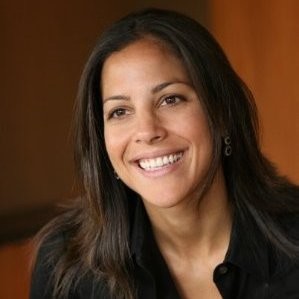
Jordan Wan
CoFound
Jordan brings a go-to-market operator's lens that's genuinely rare among early-stage GPs. He ran one of the largest recruiting firms in NYC, scaling it across over a thousand startups, and that experience shapes everything about how he evaluates founders. His central investing framework is that founders and markets are mirrors of each other. He's not just looking at team pedigree or TAM slides. He wants to understand the rationality (or irrationality) of why someone started this business in the first place. A founder leaving a seven-figure salary to raise a gritty $1.5M pre-seed signals something fundamentally different than someone making a lateral career move into a well-funded seed. He also has a strong bias against what he calls "level one markets," the obvious problem spaces like recruiting or event platforms that anyone can see, and instead looks for founders with deep, earned insight into a specific industry.
His approach to first calls is notably different from most VCs. He doesn't want to walk through the deck (he's already read it). Instead, he wants to riff on the founder's origin story, their worldview, and their vision for where their industry will be in five to ten years. He uses a "third inning of baseball" mental model: he wants to invest early enough that the trend hasn't fully played out, but late enough that there are real signs the founder's thesis is directionally right. Products change, features get rebuilt, pivots happen. Core beliefs are what compound. Founders who get defensive when challenged or dismiss hard questions are a major red flag for him, because if they can't handle tough questions on a Zoom call, how will they handle them from customers and employees?
On the tactical side, Jordan gives founders a genuinely useful sales technique to close out investor calls: ask "What are your concerns about moving forward?" It invites honest feedback, eliminates ghosting, and gives the founder real signal on where they stand. He's also blunt about funding announcements, calling them one of the most common post-close mistakes. His argument: stealth is your greatest advantage at the early stage, and broadcasting what you're doing to the world rarely has asymmetric upside unless it's paired with a specific goal like recruiting or customer acquisition. And his biggest piece of long-term advice is to prioritize invalidating your hypothesis over validating it. If you're on the wrong track, you want to know as early as possible while you still have capital and time to pivot.
On why he cares more about core beliefs than product details
On cold AI-generated outreach being a red flag
On the one question founders should ask at the end of every investor call
On why early-stage funding announcements are almost always a mistake
On why founders should try to disprove their own thesis
Mat Vogels (00:10)
Hey everybody. Welcome to another episode of fundraising where we interview top early stage investors and ask them all the questions that you want to know about the fundraising process. And today I have a very special guest, Jordan, the general partner of Co-Found right here in Colorado, right down the road from me. Very excited about this one.
We were talking before we hit record that I find that Colorado investors have a little bit more authenticity than most. So I think this will be a good one for founders to dive into. Could you start a little bit with a brief introduction on yourself and CoFound on what you're investing in, the stages you invest in and the average check size?
Jordan Wan (00:53)
Awesome, well thanks for having me, Matt. It's a pleasure to be here. So I should actually, first of all, caveat that I'm a more newer Colorado because I lived in New York for 15 years, was in the East Coast for over 20 years. So hopefully I bring some of that East Coast spice into the.
Mat Vogels (01:06)
Mm-hmm.
Yes.
Jordan Wan (01:10)
Colorado market here, but I'm primarily a coastal investor. Most of our opportunities are in New York and San Francisco, but we're often just looking for a lot more investments between the coasts. Co-found as a name suggests is a very deeply immersive fund that works closely with founders at the idea stage. Given all the names we have in the market today, pre-seed, seed, inception, et cetera, I think what we really wanna be is the first institutional investor and believer to the most visionary founders.
And rather than, I think, our experience over the last couple of decades as operators, founders.
of venture, rather than delegating, we want to dedicate our time and resources to really helping founders at the earliest stage. My background is very similar to many founders today that we look for, multidisciplined, software engineer, spent some time at hedge funds, was at a couple of startups, did my tour of duty as an operator, and really fell in love with the go-to-market function. Go-to-market is a really poorly understood business function that I think if you look around the room,
there's just an under-representation of GPs, specifically GPs that have that as a core competency. And I ran one of the largest recruiting firms in New York City called Formative that scaled over a thousand startups over a decade of its existence. And so I fell into venture accidentally.
And the reason I started venture was because I noticed that so many brilliant founders, technical industry experts would fail to get their product to market. And they were making the same mistakes over and over again, which is why I was really, really passionate about building a venture firm that could really help with that zero to one phase. And so the ideal investment for us is a founder that has clarity in their particular venture thesis, have built something material, either recruited a great team, built some kind of prototype or done incredibly
customer discovery, anything that can show us in this very noisy market that there is some substantive work that was done in which they're raising capital. And we would love to lead or co-lead your first institutional round.
Mat Vogels (03:11)
I love it. I think your background in the go to market piece, we wrote a post about this the other day here at Harpoon where that is going to be the separating factor over the next five years or so where there's a lot of capital that's been ingested or put into the markets over the last couple of years. So capital is no longer an obstacle. And what are these founders going to do to scale with that capital is going to be the difference maker for sure.
Jordan Wan (03:36)
Yeah, you know, my belief is that it takes a village and we want to build cap tables with intention. think the smartest founders are very thoughtful about.
building a diverse investor base, all of whom bring superpowers. And I regularly collaborate with VCs and GPs that are very different than myself. And I think that's what makes Early Stage such a wonderful place to be a venture investor in, is it's really not a zero-sum game. And so we all want to work together to support founders. And so we have a very specific job on the cap table, which is to be the first call when the founder has questions surrounding go-to-market, and hopefully being just as tactical as we can be as strategic.
Mat Vogels (03:53)
Hmm.
Jordan Wan (04:13)
magic.
Mat Vogels (04:15)
All right, Jordan, so we have some questions that are more for you before we go into the fundraising process. These are questions that were voted on and nominated by the founders that are listening. I think just to get a peek behind the curtain on what it is to be a VC. So the first question is, what is your favorite part about being a VC? And then what is your least favorite part about being a VC?
Jordan Wan (04:27)
Yeah.
I feel like I love venture principally because it keeps you young because you're always looking and seeing the most incredible visionary ideas.
Mat Vogels (04:41)
Ha
Jordan Wan (04:46)
And it is very much tied to the natural arc of innovation. And so you have an opportunity every day to hear visionary founders pitch you on their imagination of the future. And I think that as we all age, there's nothing more fulfilling for me personally as a technologist than to feel like I'm always on the frontier, on the edge.
of what's going to happen next. And so that gives me a lot of long-term purpose and think happiness of just knowing that I'm always going to be staying at the forefront of innovation.
Mat Vogels (05:19)
No, least favorite part.
Jordan Wan (05:22)
These favorite part for me is probably saying no, you know, because there are just so many nuances and I think a lot of founders, some of them do take it personally, you know, and I think that's okay too, because at the end of the day, you know, we are in a business model that has a lot of...
downstream implications and say no means that you're answering to both the founders of why you said no as well as your LPs if you ultimately get a wrong when you say no. That's my least favorite part, certainly by far, because it is hard to be genuine and let founders know, particularly over Zoom or after one meeting, that you don't want to proceed, but it has nothing to do with them, and you're not trying to cast any judgment on the life work that they've kind of put together. It's not fair.
So I think that's my least favorite job, but obviously you have to do it far more or there's a magma to more than saying yes, so
Mat Vogels (06:08)
a lot.
Yeah. And it kind of blends into another question that founders wanted to know, which was what is maybe something that founders don't quite understand about the VC process that you wish they had a better understanding of? Saying no is obviously a big one. Any other pieces of insight that you wish founders were more aware of?
Jordan Wan (06:29)
That's a great question. know, I think ultimately there is a Goldilocks problem in fundraising where you need to understand what's important to VCs to know. And that is the art form of fundraising.
But there's also something to be said about over-engineering, over-optimizing the pitch to a point you lose the authenticity behind what it is you're doing. So an example of that would be contrived shoehorning of what you're doing into popular venture narratives and categories when it doesn't really quite fit. And yes, on one hand, it makes you more legible from a thesis point of view, more VCs will get it. But on the other hand, if it doesn't really fit,
it for shrewd investors, I think we just see through it. And then I think that loses the trust, loses the authenticity behind whether or not someone's really going after this because this is their life's work. so I think another practical way to say this is that founders can be over coached for the fundraising process. And I think there's a delicate balance between knowing what it is that you have to highlight versus over optimizing your pitch to a point where you lose.
the sheer vulnerability and essence of what it is that you really believe in.
Mat Vogels (07:41)
Yeah, I like that. All right, last question here. Are there any particular sectors problem sets that are most exciting for you right now? Or is it more about the founders in the characteristics you see there?
Jordan Wan (07:54)
Yeah, when I first started, I felt like I had a very contrarian take, which is I was not founders first, I was market first. And as I reflected on, you know, 50 investments to date, I've realized one thing, which is it's one in the same.
Founders and markets are essentially mirrors of each other. Founders choose markets, which is indicative of how they evaluate opportunity, how they filter, and how they choose to build. And so now I think that, you know, for me, there are multiple ways of looking at an opportunity. One is certainly about the characteristics of the founders, what they've achieved in their career, how they conduct and manage themselves through the diligence process. But I also look very deeply at the market they're choosing to go building. Why is that an
I have a couple of general takes, one of which is what's the rationality or irrationality for them to start a business in the first place? If they're starting a business and looking to raise $6 million in seed and pay themselves $250,000 a year,
That seems like a pretty rational move. think most entrepreneurs would probably make that trade if they can do it. But if they're going a seven figure salary to raise a one and a half million dollar gritty pre-seed round and pay themselves $100,000, I think that they're really putting something at stake. I think they have good irrational reasons to build.
I also look at a lot at the market they're pursuing. Is it an obvious market that comes, that would be very apparent to anybody who wants to start a business, which is why I think I generally am biased and have an aversion towards the level one markets like enterprise software or a mentorship matching or event platform or recruiting marketplace. And I'm a bit, you know, of a hypocrite here because I did build a recruiting business for 10 years. But I realized I was a bad
venture-backed founder because I sort of went out the first problem that I saw right in front of me, which was recruiting. And guess what? Everybody has a problem recruiting. Everybody sees that problem. And so I want to find the founder now as an investor that not only has a very high filter, a very high bar for what deserves their time and energy, but has actually spent time to really have that kind of founder market fit. Someone who really suffered in that industry, who have earned their stripes to really find that one
incredible insight that defines their venture thesis. And so all of that and the founder and how they sort of perform and how they sort of manage themselves through the diligence process is really one and all the same thing. And I think we're very much in the business of building this entire longitudinal mosaic of who the person is, what the market looks like when we sort of make evaluations on whether we invest or not.
Mat Vogels (10:33)
I love that. All right, let's jump into the fundraising process itself. This is why the people are here. We're to break it up into three parts. The first being how do founders get in the room with VCs like yourself? Second phase, once they're in the room, how do they knock it out of the park? Third phase is how do they push the fundraise over the finish line and ultimately build that cap table and get back to work? So starting with the getting in the room phase.
A lot of founders that we see is they make this Rolodex CRM of investors that they want to reach out to and then start reaching out to them, cold email, try to get warm introductions, all those things. But what advice would you give founders on making that list? What characteristics do they need to be looking for on the funds that they're hoping to reach out to? And keep in mind, this is in many cases, their first time fundraising, this is their first check that they're looking to get.
Jordan Wan (11:23)
So this is, I can only speak for myself because I think every investor is different. I do read every email, know, cold emails, but the bad ones are clearly AI generated or clearly off thesis, you know, it goes into the same spam folder. But if you just send me simply a deck.
maybe links to the team, you yourself and your co-founders, maybe a couple of bullet points on any traction or anything you've done, a demo link. mean, the more you can give me upfront, the more I can just determine whether or not this is a company that I think will be likelihood of us running a process for. When I read an email, I'm not deciding on whether I'm gonna invest. I'm just trying to decide whether or not I'm gonna spend 30 minutes on a first call. And so, the founders that provide so much narrative
of our so much content, but don't attach a deck or don't share a deck and you know, write all these other things that I think kind of vanity metrics. It just doesn't cut to the core of it, which I think for most investors in this market, we all have strong opinions about things that we like and dislike. And quite frankly, it is a numbers game. So I don't mind getting pitched cold email, but I just think that most of the emails are very ineffective because they don't have a deck. They don't really quickly get at who is the team, what is the market, what's the traction or if there's any
kind of indications of product market fit and what the whole venture thesis is. For me, I think the other gold star is I love a long memo. I love to see someone who's really done research and is not afraid to volunteer their thinking upfront as opposed to what I see a lot of founders is giving you very minimal information just to try to get you on the call.
But if you don't give me much information, then I really will probably just move on. And I think that is the paradox in these cold outreaches. And beyond that, yeah, of course, warm intros from reputable people, people who have accomplished, whether they're operators, founders, or VCs are always something that I take a little bit of extra time with. But I don't mind a cold email or a cold LinkedIn message, so long as there's clarity up front and there's substance on me being able to make a decision.
Mat Vogels (13:22)
Yeah. Yeah. One of the biggest mistakes mentioned earlier and I see is that I get a lot of emails from folks that are like, let me know if you want to see a And it's a, that's the worst. Like include all the information in there. might be your, your only shot. You mentioned pitch deck and seeing some of those, is there a particular slide that's more important than the others? What's the slide that you think founders really need to focus on? Maybe it's one, two or three slides.
Jordan Wan (13:30)
Bye.
Yeah, you know, the advice I give to my own founders is that you have to first of all sit down as a team and figure out where are you strong, where are you weak, right?
You know, if you have a strong team with recognizable tech logos, know, folks that, you know, VCs typically like to back from a lazy pattern recognition, then the team might be the first slide. If you feel like your traction, revenue, customers, proof points is really strong, maybe that's your first slide. So I think it's a little bit different for every startup, but they do have to have some self-awareness or exhibit some self-awareness as to where they're strong and where they're weaker.
and start with the strong stuff. It's just like the resume, you know, there's valuable screen real estate because the abandonment rate only increases as you go further and further into a deck. So if you're not making the best points, the strongest points upfront, then they may never get seen.
Mat Vogels (14:34)
True. And it's so important to make sure. VCs spend so little time in these decks. It has to be clear and upfront or else you risk losing, I think, a lot of the points that you're looking to make. We kind of skipped over this, but I'm curious, what is your thought with warm intros? How important are warm intros? You mentioned cold being okay, but what about warm intros specifically?
Jordan Wan (14:58)
Not all warm intros are the same. Obviously, think warm intro is a proxy of trust. You're proxying your reputation and brand to somebody else. And so I think a little secret for founders is GPs get asked often by LPs where their deal full comes from. And the best answer a GP can give to an LP is it comes from my founders.
And so there is some, for whatever it's worth, extra sauce in getting a referral from an existing founder that you've backed. Be careful of that reason. This is maybe a little bit more something that people won't tell you, but it's true. However, I think for me, it's really not about the fact that, in most cases, it's not about who it's coming from, but the fact that you did enough homework to get somebody to do a warm intro. I think that itself is already a big differentiator.
Mat Vogels (15:45)
Yeah, yeah, I agree. It eliminates, I think, some of the uncertainties that we might have with founders as they go into this process. Are there any mistakes that you see founders make? You mentioned some of the slides you look for and some of those, but anything that you see from a mistake standpoint as it relates to the outreach or the pitch deck, anything that happens before that first call that founders should be aware of?
Jordan Wan (16:12)
A lot of it is just about efficiency and information density. I think a lot of times you'd end up seeing very long rambles or you see very long pitch decks that is very bite size in terms of piecemeal. Whereas really what you want is to compact all of that into very information dense content such that...
through a one minute read, you kind of get a good idea of all the highlights. And so, you know, one thing I would probably encourage founders to do is just to think a little bit more about, you know, how do you ultimately optimize for getting the entire story across as quickly as possible.
And the other thing I would probably encourage is just doing a bit more real research. I think connecting with dots and being able to, because you get so much AI just generate a slot now on these personalized outreaches. And a lot of them are just instant DQs for me.
Just because like look, if I feel like you wrote an AI slot machine to get to me, then I know that you're just blasting this. And if you're just blasting this, then that's already a negative signaling for me in terms of like, you're not very thoughtful, you're not very intentional. You don't actually care who your investor is. So you're basically gonna go to a bunch of people that aren't relevant.
So what does that say about the conviction that I should have in you and your business? And so I think that's one thing is don't come across first and foremost as AI sloth. Because if you do that, then most likely, even if you do get investors, you're probably going to get adverse selection.
Mat Vogels (17:39)
Yep, so true. All right, well, let's say that they've done all these things. They've done the right things. They have a meeting with you. It could be the most important 30 minutes of this relationship because without nailing this one home, there may not be any additional calls. From a VC standpoint, what are you looking for in those 30 minutes the first time you're meeting with the founder?
Jordan Wan (17:59)
you know, this is where my style is probably a little bit different. I, my personal preference is not to go through the deck because you already sent me the deck and I already read the deck. So going through the deck, doesn't save anybody time. I only need on the phone or zoom and just jump right in. You know, there are certain things I care about. want to care. I hear, I want to hear the origin story. I want to hear why you started the business.
Mat Vogels (18:06)
Hmm. Mm-hmm. Nope.
Jordan Wan (18:23)
how you got the band together, why you chose to build in that market, right? Usually the deck doesn't address that, it just shows the team and it shows the market, doesn't give that context. So that is a popular starting point for me. But ultimately, I love to just riff, riff with the founder and understand their way of the world and what their core beliefs are. I mean, one of the feedback I do get from a lot of founders, they feel like...
first call, they felt like they were kind of backs against the wall. Not by purpose. I'm not trying to like be mean or anything, but I think that's my style of just to be a challenger and to understand your core beliefs and distill it down to because right now I think we're in an age where the automation playbook is a bit stale. It's a bit tired, right? Like selling against workflow, selling against time. It's a bit stale. What I'm most excited about is founders that are really looking at reinventing an industry from first
principles. They're really trying to incite a new paradigm shift through reimagining how things should really work. And in order to understand that as an investor, I want to understand your core beliefs. And so it's not about the software, it's not about the product. I usually never want to get into the specifics of the product and software in the first call. I want to always start in the first 30 minutes of your market hypothesis. Where do you think your industry is going to be five to 10 years from now?
And why is it that your approach is gonna be ahead of the game? Because I say, like, look, we make money in VC in the third inning of baseball, not in the first inning, and not in the seventh or eighth inning. So I understand that you're early enough, but there's enough signs that this is the right trend for the industry and that your core beliefs are ultimately worth betting on.
Because at the of the day, products can change, features can be rebuilt, you're going to pivot. However, your core beliefs is usually what drives the long-term orientation of what the business is going to be about. So in that first 30 minutes, we pare away the deck, we pare away the product talk and all the details and all the minutiae. We just want to understand what's your vision for the future, for your industry.
Mat Vogels (20:26)
I like that. I've never heard the third ending approach, but it's a really cool piece of insight to say the third ending more than the first and more than the last ones. It's kind of right in that point. It's still early, but inevitably there's going to be the most changes, the most pivoting moments, all those things happening right there. That's a really cool piece of insight.
Jordan Wan (20:45)
Thank you.
Mat Vogels (20:45)
Are there
any red flag characteristics that founders have in these meetings? Is it the opposite of some of those things you just said? Or what are some of the things that send you running?
Jordan Wan (20:53)
Yeah.
Well, you know, I think what I'm very biased, every VC has biases. My bias and my affinity is for founders who are truth seekers, who are intellectually honest, who care about fundraising, but care even more about making sure that they're building the right business.
Mat Vogels (21:03)
Mm.
Jordan Wan (21:11)
And so I can tell usually when a founder is really interested in raising capital versus finding a right partner and making sure that they're on the right track to build a great business. The best conversations I have are founders who may not have a great answer to the question, but doesn't get super defensive, doesn't dismiss it as a dumb question, but maybe engages at a level of understanding because they care, because it may be a good question. It might be a good point that drives their thinking about how they want to build a business.
And yes, they may already feel like you're probably not going to invest, but they still care about understanding your point of view. And the truth-seeking part of building a startup, I think, is really, important because over time, the founder's vision is compounded through all the conversations they have with customers.
And hopefully every once in a while, an investor as well. So if I can push a founder to think more clearly about their business, then I think that's a great conversation. And I think that's the right type of partnership that I want to, that I want to also be a part of is a founder that ultimately will let truth and let, you know, good questions drive the outcome of their business and not be overly dogmatic or stubborn about, you know, implementing a particular product that they envision should exist. Because I think ultimately what defines us right now,
is not the product, but it's the market and the business model. And so, you know, that's something to write. See, when founders get really defensive and they start dismissing questions, they get a little bit visibly frustrated. I think that's usually a bad sign because I'd say, look, you're going to have tough questions from customers. You're to have tough questions for your employees. So if we can, in a 30 minute Zoom meeting, get to a point of good debate and conversation, then what does that mean for our future partnership?
Mat Vogels (22:52)
So true. What are some of the questions that founders should be asking VCs during this first meeting? Or should they not be asking questions at all?
Jordan Wan (23:00)
You know, so first of all, I do a lot of sales coaching for founders. That is one of the things I, you know, I promise and I deliver on. And one of favorite things I like to tell founders when they do their first call with customers is at the end of every customer call, I think a very good question to ask is, hey, based on everything we discuss, think you could be a great fit in the round. What are your concerns about moving forward? Why?
because it invites the investor to be honest. What are your concerns about moving forward? You're soliciting constructive feedback and guess what?
You don't have to worry about getting ghosted because if you do you know why you got ghosted. So vendors don't always ask me this but when they do I always give it to them. know I always tell them like look I'm a little bit concerned about you know whether or not the sales motion could scale or I can you know I'm worried about the unit economics of your deal sizes relative to how how how difficult it is going to be to acquire customers. I tell them what my concerns are.
But if you don't ask, you'll never know. So I think that's one starting point where, you I would say add that in there. The other one is I think it's important for founders to qualify investors.
What is your typical deal? What's the deal you just did that you liked? Tell me about something you're really excited about. That's a way of just doing discovery, like in enterprise sales. You want to make sure that the investor you're talking to fits the category of type of investors that you want on your cap table. So whether they're a lead or non-lead check, what is their fund size and what is their typical check size? actually don't, like founders ask me that and I think it's a great question because I just tell them.
And because later on it is part of the calculus if you do run a process as to where this ultimately yields.
Mat Vogels (24:43)
Yep,
agreed. Our last two questions, these were ones that founders were kind of curious about. You already answered a couple of them earlier, but this one was whether or not you want to see multiple founders on that first call or just the CEO, maybe another person, or how does that look like for you?
Jordan Wan (25:00)
I prefer to have the core business or visionary founder on the first call by themselves. Because I think that that person should be raising money. And I also think that that person should call balls and strikes. And so sometimes when I get multiple founders on the first call, I'm a little bit confused as who's in charge here.
And I get like we grew up in a world where, you know, every blog article says founders should be 50 50 and whatnot. But I think we've learned through hard times that 50 50 is pretty difficult. So I want to know whoever is raising capital should be the one that holds the vision, owns the vision. And the person that is going to be, you know, is going to live and die with the company.
Mat Vogels (25:19)
Yeah.
Nope. Agreed. Last question here was how should founders approach? You mentioned, you know, asking the questions and, to see if the investor is interested. Should founders be asking specifically to schedule the next meeting before the meeting is over or what's the feedback on next steps and trying to make sure that you're not leaving the call without next steps.
Jordan Wan (25:57)
Yeah.
Well, you know, think fundraising is an art form in that case. You know, don't want to come off too aggressive because it shows weakness. But you also don't want to be too timid. I think that it is true, the adage that, you know, if an investor is not chasing you, they're not interested. It's true. So I would not be so forceful of trying to get, you know, running the same playbook as you would in enterprise sales as a far as trying to get a next meeting on the books before you get off the call.
Because quite frankly, in some ways, you kind of want the investor to say that. You want the investor to be showcasing how much interest they have. Because you're also trying to figure out whether this is the right investors to spend time with. You don't need everyone to say yes. You just need one person or a few people to say yes in your fundraising process. And so I think actually being a bit more discerning about whether this investor is truly interested.
is actually on that a better strategy than to really try to over create momentum in the fundraising process.
Mat Vogels (26:54)
Yeah, that investors will chase you if they're if they're interested, which kind of brings us to the final phase of the fundraising process, which is the biggest. It's the media. It's what happens when you do have a lot of investors that are potentially circling. You've had a lot of initial meetings trying to build FOMO and organize and you're essentially herding cats. But what is the maybe we start more with you. What is the diligence process look like with co-found specifically after me? You had that initial call.
Jordan Wan (27:14)
Yeah.
Yeah, I mean, I think that in an ideal world that we have a checklist of things we really want to get to know, but I also think we can move it faster depending on the circumstances. And I think that is probably true for every VC firm. So I've committed to companies in 24 hours and I've also committed a company after months of conversations, ideations. So for me, what's really important is
There is a, there is, the more you tell me, the more that you have achieved, then there's probably an increased burden of proof.
So if you've already have customers, then I want to see customers. I want to see the contracts. I want to understand what the customers say about you. So in other words, as an idea stage investor, I think we are only going off of thesis and memos, maybe some customer discovery. But if you're raising a seed round, if you're raising a higher valuation seed round, then I think there's just a lot more work to do. And if I know that you're looking for a lead investor, then I think I have time to do that work.
However, if I'm late to the round and you already have a lead investor, then I know that I have to figure out.
and make a reasonable ask of the founder. Like, I can't look over under every single stone, so I have to prioritize and figure out what's important for me to get into no or get into yes. So I do think there's a set of modules, which is sort of the way we think about it. There's a modules of diligence. And then we have to, you know, pragmatically sort of figure out which modules are applicable to every single opportunity. But at a baseline, I would say, look, I want to be able to do some references. You know, I want to be able to understand the customer's point of view or the process.
prospects
point of view, want to meet the whole team and I want to really spend enough time with you that I feel like there's a good partnership here. And all of this could happen in a weekend, but you also have to be willing to spend the weekend with me. So I think that's something that, you know, particularly for our solid investment, concentrated, early, prefer to lead or co-lead, you know, we want to be able to run that process. Now there are founders that come to me over LinkedIn or email and say, Hey, we've got a great lead. Here's who that person is.
like this match allocation left, know, we need a decision by Friday, would you want to chat? And my answer is probably not. I don't think it's going to be a good of time because it's just, even though this could be a great opportunity, I just don't think that we're going to be able to get there with, you know, such, you know, timing pressure.
So, you know, our style is we make less investments and we really concentrate our checks. And our model is that we work really closely with founders. And so that's just a very extreme way of doing venture. And there are also lots of venture funds that can move very, very quickly. But I think they tend to have a larger portfolio size and probably a little bit more hands off. And so you also have to figure out based on where you are in the fundraising process, what type of investor you should be spending time with. So if you're looking for a lead, come talk to me.
But if you're at the end of your round and there's like 250k left in allocation, I'm not the person you should be talking to. You should be talking to a fund that is typical check size of 250k and can make a very fast decision. I think founders should rely upon their own network and their lean investor to help guide them through what is the most efficient use of their time.
Mat Vogels (30:17)
Yeah.
That's a great answer. You kind of hinted at a thing that a lot of founders will get to is they have, I always call it, it's not quite oversubscribed, but they have maybe one check left, but they have multiple investors that want it. Maybe they are oversubscribed, but they have other investors that now want to get in all of a sudden. They have to start making some of these decisions about who to have on their cap table and perhaps who they want to leave off. Any feedback you give to founders on, especially for this very first round.
what they should index on and then maybe any mistakes you see founders make when they're in this phase two.
Jordan Wan (31:06)
So at the end of round or the end of the fundraise, your valuation is basically either determined or range-bound. And at that point, I think it's sixes and sevens as to how you want to play the game. mean, you could try to drive over subscription, which is really a validation thing. It's fine. If you want that validation, get it. I'm not going to...
cause any judgment. But at end of the day, once the fundraising is done, you got to remember, you got to go build this business. You got to find where the right next set of milestones and you got to hit those milestones. Right. And so I do think that founders should look at their cap table and figure out who they can count on for what type of advice. Now you might be a type of founder that is very confident and you don't think you need anything from your investors. You just need the capital. And that's fine too. Then in that, in that case, you're completely, you you know, all you care about is really price and probably amount of capital.
But if you're a founder that just think that they could benefit from investor guidance or investor advice, then I think you want to really narrow it down. And then I think you should call some founder references. Ask the VC for founder references. If they can't give you references within 24 hours, that's a big red flag.
If you on the phone and the founder is not really giving you the time of the day or giving you sideways answers or lukewarm answers about the investor, you should expect that it's 10x times the worse. Right? I mean, the only acceptable founder reference you should be hearing is incredible enthusiasm. And getting into the specifics, they say they do this thing. Can you give me an example of how they did that with you? Like it's the same thing in reverse. And so you owe it to yourself. If you think about the last dollars of capital on this round, how to build that with
Mat Vogels (32:32)
Yes.
Jordan Wan (32:46)
intention and doing your own homework, doing your own diligence, not just relying upon what you read online. You know, there's a huge dissonance. Every VC knows this. Huge dissonance between the perceived success and value of VC firms and how they actually act post investment. And I think the only way you're going to find that out is doing your own references.
Mat Vogels (33:05)
Absolutely. think that I've heard this commonly on this podcast is founders tend to think of the fundraising process as something that they just need to push through and get over with and then get back to work. But that's where a lot of these mistakes come in and they end up making these decisions. This is a long journey. These investors are going to be, you know, your best friends or enemies for the next 10 years. So making the right decision here is really important.
Jordan Wan (33:28)
Yeah, I will say, I don't know who started this or who gave this advice, but there are founders out there that before they even meet you, try to ask your founders for advice about you. Don't do that. It's a weird tactic. know, if the founders just start asking us, hey, do you know this person? They wanted to do a reference on you. And I'm like, I've never even spoken to this person. I don't even know who they are. No, don't do that reference. I'm sorry that they're bothering you. wasting your time.
Mat Vogels (33:41)
Yeah. Yeah.
Yeah.
Jordan Wan (33:58)
It happens like a couple times a year and it's the weirdest move and it's a quick, probably a quick way to get you blacklisted from most VCs.
Mat Vogels (34:07)
Yep.
I'm a, I was a founder before and raised capital before I get weekly emails from founders that are like, Hey, I'm thinking about, you know, getting an investment from co-found. Could you make an introduction and then provide some feedback on whether they'd be a good fit? Like they're almost trying to do two birds, one stone of an introduction and a diligence call all in one as an introduction. It doesn't work. Yeah. It's weird move for sure. All right. Well, let's say that they've closed the round.
Jordan Wan (34:28)
Right. It's a weird move. Yeah.
Mat Vogels (34:36)
Champagnes pop in, they got five minutes to celebrate, everything feels great for a little bit. But the work kind of now just begins. And part of that work is now beginning with their relationships and the VCs. You hinted at a little bit earlier, but what is the expectation that founders should have with the VCs that, you know, maybe over promise some things, and now the real work begins? What's the expectation setting there?
Jordan Wan (35:00)
Well, I think it's helpful to ask the VC what do they do post investment? What does that look like? What does that engagement, what does that relationship look like?
I have a very simple answer for this. We have 8 weekly sprints followed by 8 bi-weekly sprints which gets you to 6 months. And then from there we can decide whether we move to stay at bi-weekly or downgrade to monthly. My goal is to give you all the ground support you need to make sure that we cover all the modules we've identified are risk factors in the investment.
We wanna be partners with you and we wanna do so in a way that is not like armchair quarterbacking, but actually in the field with you. So that's a very specific answer. For most founders, I think if you ask a VC, what are they gonna do after post investment, does that engagement look like? They may get a very different answer. And you just have to triangulate on what's important to you, what kind of partnership you're looking for. And by the way, my style...
doesn't resonate with a of founders. They just want to be left alone. And I'm hoping that, you know, that what we did, what we demonstrated mutually to each other in the diligence process is that I can help you, you know, in a way that maybe you didn't think you could. And so anyways, there's a little bit of a style match here. And so I think founders should just ask the simple question and then get the answer and figure out whether it's something that they want.
Mat Vogels (36:21)
Yeah, I like that. What are some of the mistakes that you see founders make right after they close their round? In some cases, it's the first amount of real money that they've seen that can now actually start actioning things. What are the mistakes you see them make there?
Jordan Wan (36:29)
Yeah.
Oh, I don't know, there's so many. But here's one, like doing a PR or funding announcement right after they close their app. I hate funding announcements in early stage. I only do it when we have to do it because there's asymmetric upside downside in most cases. When you're in stealth, when no one knows what you're doing, that's your greatest advantage. When you broadcast it to the world, everybody knows.
Mat Vogels (36:36)
Hahaha.
Jordan Wan (37:01)
So sure, there's a trade off. It might be good for recruiting. It might be good for customers, but at least do it with a very strong intention to pair it with a particular goal that you have. Don't just do a funding announcement like we raised money. Here's what we're doing. There's no real value to that. And so I do think that as much as we think about it as a milestone, it's really just the beginning of the journey. And I think it's really about getting to work.
getting started on the right footing, start thinking about the right set of objectives and hiring and all the other things that comes with raising capital. So that's probably what I would say off the top of my head is maybe one of the core mistakes I see a lot. Lots of funding announcements.
Mat Vogels (37:39)
Yeah, and
I think what we typically see and what founders should do is they should pair their funding announcement with other really good news. Like they just hit a milestone in revenue or a big contract or a breakthrough in the technology. and by the way, we also just recently closed our series A or seed or whatever it might be.
Jordan Wan (37:50)
Right.
Right. Yeah, I mean, look, I think a lot of investors are going to push you for a funding announcement because they want it for their marketing. But guess what? It doesn't really help you if the whole world knows what you're doing. So I would just say do it when you have a real specific goal. Like you want to build some brands so that you can recruit better. You want to some inbounds or you want to reach customers or audience or social proof so that you can win some deals so you can point to some social validation. I think those are better reasons for doing a funding announcement.
Mat Vogels (38:23)
Yep. All right, Jordan, last question here. This one is almost more from the long-term perspective. You've worked with a lot of founders, seen a lot of companies. What are some of the biggest reasons that you see startups fail that founders in these early stages can already start to look through?
Jordan Wan (38:37)
think it's really about the sequencing of validating or just as good invalidating the venture hypothesis. think we have a lot of founders who are very academic in nature. They sort of want to build the pyramid with the foundation first and then later on.
meaning build the product, then take it to the customer, sell a bunch of contracts of A type, but really what they're looking for is to eventually validate the B type. I think that as a founder, you have to carry with you that your greatest opportunity costs is not even capital, but it's time, your own time. And so if something is gonna work, wanna know if it's, sorry, if something's not gonna work, you wanna know that as quickly as possible.
And so I think seeking founders who are really prioritizing the invalidation of their hypothesis is probably the best way to make sure that you're pursuing the right mission. Because quite frankly, if you're on the wrong track, you still have the capital, you can pivot. But if you spend all of it and then go figure out whether you have a real business or not, then it's too late. And you've also wasted all that time.
Mat Vogels (39:43)
Fundraising
off a pivot is not the right way of doing it, but I see it all the time.
Jordan, thank you so much for coming on. That was a jam packed 40-ish minutes of feedback here for founders. Where can founders continue to follow you and stay along for the ride?
Jordan Wan (39:59)
I'm more of a LinkedIn guy and we just set up a new sub stack which we'll be starting to be a bit more active on sharing some of these insights. So LinkedIn or sub stack are probably the starting points.
Mat Vogels (40:10)
and I'll include those in some of the show notes as well. But Jordan, thank you. Hopefully you have a good weekend ahead. We're recording this on a Friday and I'm sure that we will be in touch and see each other soon.
Jordan Wan (40:21)
Thanks for having me, Matt. It was a lot of fun.
Mat Vogels (40:24)
Have a good one. Bye.









.jpeg)












.svg)














.jpeg)