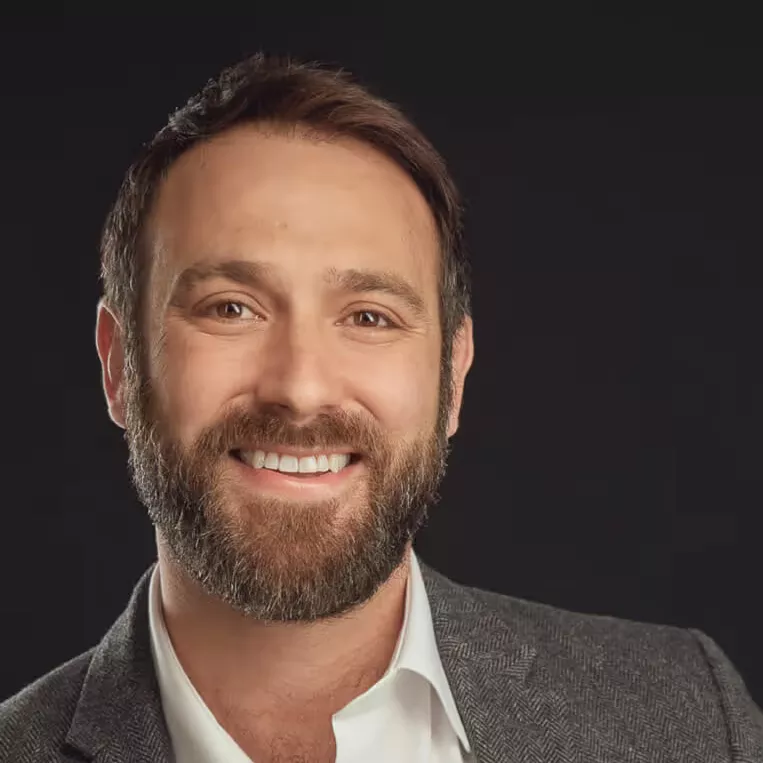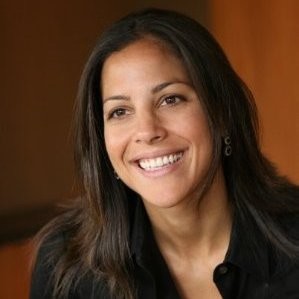
Adam Burrows
Range Ventures
Adam's biggest throughline is that how a VC behaves during the fundraising process is exactly how they will behave as a partner for the next decade. He is unusually direct about this, encouraging founders to treat the diligence phase as a mutual interview and to do back-channel reference checks on investors just as VCs do on founders. He gives a sharp breakdown of the VC landscape too, suggesting that roughly 20% of VCs are genuinely valuable, 20% are actually harmful to your company, and 60% do little more than write a check. Knowing which bucket your investor falls into before you close is one of the most important decisions a first-time founder can make.
On the pitch deck and first meeting front, Adam cuts through a lot of noise. He goes straight to the team slide, not to see a big roster, but to understand whether the people behind the company have the relevant experience and obsession to go the distance. He warns against hiding weak metrics, arguing that VCs will always assume the worst about the numbers you don't show. His advice: own your narrative, get out in front of your objections, and never let a VC discover a weakness before you do.
Perhaps the most grounding piece of advice Adam gives is for founders who have just closed their round. He pushes back on the imposter syndrome that causes many founders to avoid asking their investors for help, reminding them that investors want to hear bad news early, there are no dumb questions, and it is the founder's job to put their investors to work. He closes with a candid note that might be the most memorable line of the episode: he would not invest in himself, because great founders are outliers who take moonshots, and that is genuinely rare.
On the scrappiness it takes to get a warm intro, and what it signals to investors
On the one thing VCs always check first in a pitch deck
On why hiding your weak numbers is always the wrong move
On how to evaluate whether a VC is actually worth having on your cap table
On why fundraising is supposed to be hard, and what that says about the founders who make it through
Mat Vogels (00:10)
Hey everybody, welcome to another episode of Fundraising, where we interview top early stage investors and ask them all the questions that you, as a first time fundraising founder, want to know about the fundraising process. And on today's pod, we have another local, Call Raden, Adam from Range Ventures.
I'm really excited to have this conversation. I'm glad that we could finally do it. Could you start a little bit with a little background on the fund for anybody that might be interested in range?
Range Ventures (00:38)
Sure,
Matt. Thanks. Well, thanks for having me. First of all, I'm really excited for the opportunity. So yeah, we started range in 2020. We're on our second fund. We are a pre-seed and seed focused fund with a focus on Colorado. So about 75 % of our companies are based in Colorado. And we say the other 25 % come through network that we have built by virtue of the work we do in Colorado. So I think deals that come from LPs, other venture funds we work with, founders, referrals, and so forth.
What's a little bit unique about us is all of us at Range, there's three of us and my partner Chris and I started it, are former operators and founders. We've personally gone from zero to billion revenue, ring the bell in New York and everything in between, and really are passionate about helping founders, particularly in Colorado, build bigger and better companies than we've ever been a part of. We will end up leading most rounds, don't have to lead, write checks between 750K to a million five out of this current.
Mat Vogels (01:31)
I love it, I appreciate that. We have some questions at the beginning that are a little bit more geared towards yourself and the investors. First question is, why did you get into VC and what were you doing right before you got into this role?
Range Ventures (01:44)
Yeah. Great question. So I've always wanted to do this. And when I went and decided to start Range, everybody who knew me and worked with me was like, yep, yep, you had to go do this. Right. I'm a person who's always been a more mile wide, inch deep kind of learner and engager than somebody who really goes deep and specialized in one thing. I'd like to know a little bit about everything and enough to be dangerous. And I'm an insatiable learner and have so much curiosity. so
Always wanted to do this. Before this, as I alluded to, former operator, worked at a couple of big tech companies, one called Home Advisor that we took from 100 million revenue to going public, and then was early at a company called Guild Education that grew to a series E company here in Colorado as well.
Mat Vogels (02:27)
Love that. Another popular question was, what is your favorite part about being a VC, favorite part about the job, and then what is your least favorite part about the job?
Range Ventures (02:37)
Yeah, favorite part by far is just getting to learn about new areas. I had no idea anything about before right no idea that something was a problem and and here's a brilliant person that not only is telling me what this problem is and how it works but how they're going to fix it and change the industry and sometimes change the world and That energy can be infectious. There's nothing better than that And the flip side of that is telling some of those founders. No, that's the worst thing. It's the absolute worst
Mat Vogels (03:01)
Yeah, that is the worst.
Range Ventures (03:04)
part of the job is telling people no, particularly people that you've spent time with. mean, we really, really value treating founders like we wanted to be treated when we were in their seats, not being the VCs that lead people on, don't respond to emails, do diligence for fishing expeditions. But sometimes really you are leaning in genuinely, you are doing diligence, you are spending a lot of the founders time and you can't quite get there at the end, even though it was a good faith effort the whole time. Those are the absolute most.
gut-wrenching nose and are the worst part of the job.
Mat Vogels (03:35)
It really is. Yeah, noses are tough. Another question kind of in a similar vein, one of my favorites, what is something that you wish that founders knew about what it was like to be a VC? Both of us were founders and then switched sides, so to speak. And I think the revelations are big in a lot of ways. What are some of the ones that you wish more founders were aware of as it relates to be a VC? Yeah.
Range Ventures (03:58)
yeah, there's a lot of these, man. There's a lot of them side based. I think
one would be, think founders don't realize how hard it is for VCs to fundraise, right? They're focused on their own fundraising, how hard it is. And I always tell founders, there's some pros and cons to VC fundraising versus founders. One, if you're a founder, you really only need one person to say yes. You need a solid lead, not easy to get, but once you get it, everything else usually falls into place. As a fund,
In our case, we have lot of high net worth individuals and founders that are LPs. We have over 100 LPs. So we needed over 100 people to say yes. That's a lot, right? The pro though for VC fundraising is you have a little bit more control over the timeline for a company. can be existential. You can go out of business if you can't get the money in the bank by a certain day. So the fundraising is one piece of it. I think the other is really appreciating the breadth that...
VCs operate with and the number of companies that we do see and the perspective that we do have on kind of what's the norm in the industry, right? And obviously as a founder, putting your VCs to work in that capacity, really what is market? What are you seeing out there, right? Well, how do I stand out good, bad or otherwise as a company versus everything else you're seeing and asking your VCs regularly for that and getting real honest feedback is something I think more founders could benefit from.
Mat Vogels (05:12)
You are crushing these, these are awesome. Last question on more of the personal side, what are industries that you are personally really excited about right now? It doesn't have to necessarily be maybe that you're investing in or anything too. You can kind of take any shot you want here, but what's exciting for you right now that you're excited to see over the next couple of years?
Range Ventures (05:30)
Yeah, we as I will say is a fun we are generalists and we are founder driven, right? There's two views of the world is the Excel prepared mind and the benchmark founder led. We are more founder led and we try to keep an open mind and not geared towards certain industries. This is a fun thesis. What we do end up leaning in towards those we like what we call sexy solutions to unsexy problems. like boring ass industries. We like stuff that is ignored. We like niches that other people say like I've never even heard of this before things that but and then we underwrite and say hey, this is actually sneaky big.
This is actually sneaky big. That's the stuff that we really gravitate towards. I'll give you an example. We have a company in front too, local company in Colorado. I love the founder. The company is called BoltWise. It's AI for nuts and bolts and fasteners. Really huge area you've never heard of. It turns out at an industrial scale, when you and I, if you're a homeowner, you go to Ace Hardware, you've got that one nut or bolt and screw and you're like, I gotta go match this up or what do I do? Turns out that same thing happens at an industrial scale times a thousand
in terms of the number of possible skews of nuts and bolts, this guy is using AI to go really bring some transformative change to that industry. That's just one example. We are really attracted to things like that.
Mat Vogels (06:38)
I love it.
See, it's conversations like this though that make us really bad at parties where other people aren't VCs. Because this is a good example of like a kid pick up when people are like, what's interesting right now? And I'll rattle on about something like that. But before I finish, they've walked away. So it is what it is. Okay.
Range Ventures (06:53)
It
sounds right the stuff that we're interested in is much more esoteric like that versus talk to somebody else well, are you investing in the latest energy? I got an energy drink my buddy is
Mat Vogels (07:02)
Totally. Exactly right.
that's
the worst. The reason the reason I never tell anybody that I'm a VC, I just say I'm in like, finance or something, which no one ever asked any questions about because you're exactly right. If you say that you're an investor, you'll start getting all kinds of like, my, my mom is starting this like bag making company out of our house. And it's very, very, very different game. All right, so there's three phases that I like to think about when I talk to founders about fundraising process, there is the first phase of getting in the room. lot of people listening to this, a lot of people that go to VC sheet, there
Range Ventures (07:19)
Thank you.
Mat Vogels (07:32)
first time fundraising founders. So they don't have the network necessarily. Maybe they have some friends that have raised capital. Maybe it's a little bit there. But for a lot of times, these are folks that are going from nothing to trying to get a meeting with an investor and raise capital for the first time. So that's the first step. Second step, you crush that meeting or you crush the pre-process. How do you get into the meeting and then crush the meeting so that you can continue to have a second meeting and then ultimately third phase, pushing it over the finish line, closing the round.
And then after we'll talk a little bit about maybe some of the things that founders should know about what happens after you raise your round. But kicking off the get in the room process here.
When you're talking to founders or for founders that are listening, what is something that you would recommend that they do when they're trying to build that first list? A lot of founders, what they'll do is they'll do some research and they'll build a backlog of 20, 30, 50, 100 VCs that they wanna reach out to. Is there any advice that you would give on what they should index on when building that list?
Range Ventures (08:28)
That's a great question. think it depends on how network that founder is, right? The more networked, obviously, in the world, the better because the best targets are going to be people that you're able to get warm.
Intros to and have a personal reference and someone saying hey, I know this person. They're really solid I've heard great things about them. It's obviously gonna be at the top of the list I think you know if you don't have that and you can't ask somebody Like you have a couple people in there and ask them who they know and kind of that general networking game if you're doing it cold I think looking for somebody who's got some Presumed affinity for what you're doing. So it could be geographic VC if you're in Colorado, right? There's a few of us that are geographically focused if you're in e-commerce, I know some e-commerce
focus funds, right? There's funds that specialize in industry. So that's where I would go on that dynamic. will say just on that, I got to say a few things not to do, right? So don't go hire an investment banker to go send your deck out to everybody. It pains me when I see those in my... Unless somebody spent money on this and I'm just going to... Me and every other VC just hits delete, right? Part of this is, know, the founders express frustration of,
Mat Vogels (09:13)
Yeah, please.
Ugh, the worst! does.
Range Ventures (09:29)
it's too hard, I can't network into any VCs, I don't know any of these. First of all, we all try to be found, okay? We do look at, least, open the email of every inbound cold email we get. But also, part of the ability of being scrappy and finding your way to network into VCs is how you're also gonna network into customers and how you're also gonna network into talent that you wanna go recruit ultimately.
And so it's a little bit of a test to show that you can find your way into the intros you want to get.
Mat Vogels (09:58)
That's 100 % right.
yeah, there's no excuse. Ultimately it is hard. That's why we call this fundraising because it's actually not very fun. but you gotta do it and it's a grind, but I love what you said about indexing on trying to find the funds or the investors that are genuinely interested in either part of your business, the sector geography, like you mentioned, there's, there's some similarities that you can find that'll certainly peak their interest. The one thing that we see a lot, obviously our pitch decks and there's a lot of questions on pitch decks on how founders can create that pitch deck that stands out. Is there any?
any
slide for you and maybe just at range in general, but we can maybe speak more broadly that you look for a lot of VCs, they scroll, they find the slide they're looking for, and then they kind of like decide if they want to read the whole thing. A lot of times. Do you have that slide or metric or anything that you look for?
Range Ventures (10:44)
Yeah, great question. I actually go the opposite way, It's more like red flags and things that I'm looking to filter some the... Okay, okay. I'll go positive if we're gonna go into red flags. That's a bigger topic for me. things positively, I look for, it's the team slide, right? I look for the team slide. I go right to the team slide. I wanna know who are these people? What have they accomplished in their career? How does what they've done tie to...
Mat Vogels (10:49)
That's the next question. What are the red flags? So yeah, do whichever direction. I love it. Yeah.
Range Ventures (11:06)
problem they're solving and how big is the team, right? And again, to the what not to do, the team side can make or break if it's just you as a solo founder, okay, maybe you're non-technical. Now my question is, do you even have a technical co-founder or somebody on your team? Two, I've seen slides the opposite way, Matt, where it's a slide with like 15 or 20 people on it for a pre-seed company with every C level title known to man, right? And that is a red flag a bit.
Mat Vogels (11:24)
Yeah.
And the advisors
and all those things too.
Range Ventures (11:31)
You've got 20 advisors,
Which the other thing, advisors, one or two or three advisors that are really well thought out, that can be a great thing. 25 advisors, not so good, right? So there is a balance on this stuff of what goes from good to bad real quickly.
Mat Vogels (11:48)
Absolutely. So yeah, what about the red flag? So red flag is that, but is there any other red flag slides that are different than team?
Range Ventures (11:55)
Yeah, red flag, I'll tell you another one. One thing VCs, I think I can speak for our team, but I think in general are really good at looking at is what you're not saying. Right? So if you're a company and you have been around for a while and you show that have customers and you don't show your revenue, which just happened with a company we saw today, my assumption is your revenue sucks. Right? If there's basic things that you're not showing,
You are better off showing numbers that are not good and framing it in the most positive way you possibly can even though you know It's maybe not your strong suit versus hiding them because VCs will assume the worst
Mat Vogels (12:31)
Yep, that's exactly right. One of the things that we're trying to build right now is a resource where can get feedback on how you can improve your pitch. And almost all of it is built on identifying things that founders are leaving off, which is the most common mistake. It's not, they don't say too much, although sometimes that can hurt, but it's that they don't say the specific things that VCs are looking for. So that's definitely a, that's a big one. Yeah.
Range Ventures (12:49)
Yeah, I would say also maybe to generalize
that more, and this is one tip I give people is think about what you know. Every company has one or two things that you know, every, the majority of investors are going to pro-bot or going to not like, are going to object to, right? Own that, own that narrative. Take that head on, right? If you know you're in a super competitive space, everyone's out too much competition, one of your first slides should be we're in an incredibly competitive space, but we're doing the X or Y differently.
Right? Don't leave that to the VC's imagination to look how smart I am. This founder has no idea how competitive this space is.
Mat Vogels (13:22)
Yeah, no, it's a because VCs are with Hantel founders as a lot of times VCs aren't as smart as we like to think we are too. And we typically will think less than even what you would think is like the minimum. So yeah, you never want to index on a VC being smarter than you are because it's not often, not often the case. Not for us to it's different. We're smarter than the average VC, but maybe.
Range Ventures (13:32)
Correct. Correct. Correct.
percent.
⁓ No, that's part
of this job is we get to work with people way smarter than we are.
Mat Vogels (13:46)
It's so true.
get to, yeah, Larson, who I work with at Harpoon says that one of his favorite things is that he gets to be the dumbest person in the room a lot and ask the dumb questions and all that. And I think that's an incredible way to look at it. Because if you can do that humbly and show your curiosity, it's a good place to be. So I agree. All right. Last comment, last question on the get in the room slide. This is a very common question. I'm curious to get your thought. How important is a well-designed pitch deck?
I selfishly have it because I'm a designer by trade. So I was curious to see how quickly this one rose. But my guess is a lot of founders get pressure similar to you mentioned with advisors and these types of things to like either hire somebody or to do an agency or to get a designer. Like I think the common mistake that they get is the VC is like, well, I don't like this pitch deck. You should go hire somebody to like go fix it or something like that. How important is a well-designed pitch deck?
Range Ventures (14:36)
So I think you can get away, if you have a pitch deck, your design is no different than how you're dressed or present yourself, right? You can get away with dressing however you want if you've got the goods to back it up. If you're a multiple time founder, you can show up in a room with a robot, right?
Mat Vogels (14:43)
Mmm
Range Ventures (14:54)
We all know you've IPOed three companies. You can act and dress however you want. If nobody knows who you are and nobody has any other basis to make a first impression on you, probably spend some extra effort, you know, get a new outfit, look really good, take a shower. And it's the same thing with a pitch deck, right? We've all seen founders who are proven founders literally can raise money with a word document that's got a handful of bullet points. First time founder, don't take any chances. I think get your deck designed.
Mat Vogels (15:21)
Yep, I love it. And with AI these days, there's so many good AI tools, it'll get you 80 % of the way there, at least from a design standpoint. So there's no excuse anymore. All right, let's say that they've gotten your attention, they've slid into your inbox, and you're gonna book a meeting. What are some ways that founders can look at this meeting and prepare themselves? And actually, let me ask it differently. What are some of the things that you, as a VC, when you're in that first initial meeting with the founder, are looking for? It's a positive characteristic
maybe something they're going to cover. What are you looking for in that first meeting to get interested for the next meeting?
Range Ventures (15:55)
I'm looking for a founder who gets me excited. Right? That's just an intangible thing. A founder who can sell.
doesn't mean the founder has to be ultimately be the salesperson for the company. There's a lot of technical founders who, you know, are never going to ultimately do that once they get a first handful of customers. But you got to just entangle people excited because ultimately you're to have to not just get me excited. You have to get customers excited. As I mentioned, employees excited, ultimately in a choir probably, or the public markets excited, other people excited. So you got to be that, have that personality and you can tell the story of your company to get everybody excited. That's what I look for, Matt, on a first call.
than anything.
Mat Vogels (16:32)
Yeah, and it's funny how that can work in so many ways. Like you said, it could be that, you know, they have a high energy and they're able to get people excited. Sometimes it's that you can tell there's a passion there. It doesn't have to be loud and fast. Yeah, exactly. Absolutely.
Range Ventures (16:41)
could be a quiet intensity. We have some founders that I say, you've got a quiet intensity
and just, but like they are locked in, right? There's different ways to get somebody excited, but it's an intangible thing, you know? And it's something that, you you either have or you don't to some extent. I wish it something that could tell founders like, here's how you train for things you can do that anybody can prepare for, One, do a little research on the person you're talking to and the fund you're talking to.
Mat Vogels (16:50)
Yeah.
It is.
Range Ventures (17:08)
Okay, that's just basic sales like salesmanship 101. And I think, you know, asking questions about the VC too and expressing a little bit of what are you looking for in a partner? Yes, in a founder, you know it's hard to raise money. The VC and that dynamic oftentimes has a little bit more power than the founder, particularly in this type of fundraising market. But you still as a founder are...
Entitled and should be demanding something from your VC and anybody any VC who's offended by that is not your right partner
Mat Vogels (17:37)
No, that's absolutely right. Do you think that, how important is founder market fit to kind of echo some of those things that you just said? Yeah.
Range Ventures (17:45)
We think it's essential. We think it's essential.
Like we are looking for people who, like Matt, you nailed it. Table Sticks is you have to be just obsessed with what you're doing and passionate about it, right? We're not looking for people who are running science experiments or, know, you know, just thought, you know, starting a company would be something fun to do. It's people. Yeah, we saw a lot of that in 2021, but not so much anymore, which is a good thing.
Mat Vogels (18:05)
Yep, yep, playing startup, yeah.
Yeah, I love that. So we've talked about some green flags. What are some red flags? Are they just the opposite of the green flags? Are there other specific things that a founder could do in that first initial meeting that is just, you know, it's a dead giveaway and you're done.
Range Ventures (18:25)
Yeah. One red flag I would say is when the founder brings somebody else to the meeting. So it could be an advisor or a co-founder and the founder doesn't actually do much of the talking. Like the CEO, the CEO, could be co-founders, it could be a CEO and a COO and the CEO sits there silent while the COO does all the talking. We've seen this happen multiple times. That's just not going to work. Right.
Mat Vogels (18:32)
was the worst.
Range Ventures (18:49)
is because the CEO needs to be the one and maybe that other person should be the CEO. Then the fact they're not raises other questions of what's the dynamic between the co-fighters such that they won't give the right title to the right person. So that's a big red flag that I see Matt. I also would.
Mat Vogels (19:03)
Is there any, yeah.
Range Ventures (19:04)
I'll
say another one that I see too is when we ask people to you know, one of the questions I'll often ask like why are you doing this? Right? Like what is what is your goal? You know, what what is Like what ultimately do you want to accomplish here? And if it's something about I got it. want to go sell this company in a couple years That's great. That's totally fine. But there's no VC that's going to be excited about that
Mat Vogels (19:24)
Yeah, no. Similar to your point earlier about bringing somebody else on the meeting, a question that I get with founders is, if they have a CTO or COO or somebody that's a part of the founding team, but they're maybe not as engaging and they worry about bringing them on, what are your thoughts on, do you want the whole founding team to be on that call? Would you rather they not be there if it's gonna be just one person talking and the other person just kind of sitting silently? How should that work?
Range Ventures (19:47)
I
don't mind that. Personally, I don't mind if they bring two, three people to the meeting. What I care about is the CEO is doing most of the talking and driving the narrative.
Mat Vogels (19:56)
Yep.
Yep, I agree. You mentioned how important maybe it is for some of the founders to take some of the initiative and ask some questions. Maybe it's during this meeting or subsequent meetings. What are some of those questions that you think founders should ask? And I don't mean questions in that when they ask them, you're like, yeah, I'm glad that they asked that question, but that it's actually important for founders to understand during maybe the fundraising process or before they start working with a fund.
Range Ventures (20:22)
Yeah, I would say, what do you systematically do for all of your portfolio companies? Okay. And then give me some specific examples of ways you've helped portfolio companies in the last year. Right? So one is, yeah, because anybody can cherry pick a few things, right? And I want to know what those things are. That's why I'm asking for specifics. But I also want to know generally, like if I'm a portfolio company of range,
What do I get just for being a portfolio company range if you don't go out of your way to go do something extra for me? Now, and we think about that in the flip side and we think about both. say, hey, what are some things that we give every, you're a company, you now are an investment range, you get X, Y, and Z no matter what. And then what are the tons of very specific things that we have done to move the needle in an impactful way for companies. And we make sure we can affirmatively answer those in really exciting ways all the time.
Mat Vogels (21:14)
We'll get to why maybe getting those questions early is important a little bit later on.
What during this phase, so they're kind of in the initial phase of trying to get investors involved, you're really trying to start build a little bit of FOMO. Is there a common mistake that you see founders kind of during this phase? And maybe actually we'll bleed this into the next phase a little bit, which is that let's say you've had a bunch of initial meetings, you have some VCs that are kind of circling a little bit, diligence processes are starting. What does that process look like for?
for founders he showed a little i mean what what is your diligence process look like and then we'll get into maybe some of the stakes that could happen during that phase
Range Ventures (21:48)
Sure,
what I would say is just to take a step, one quick step back, Matt, and I wrote a blog post about this that I cite a lot because I just think it's so important is how a founder and how a VC show up during that whole fundraising process is how you should expect them to show up as a partner for the next 10 years, right? So if somebody is super slow, doesn't write you back half the time in the diligence process, that will be how they will be.
Mat Vogels (22:04)
So true.
Range Ventures (22:12)
If somebody is on it, they're quick, and that's what we look for in founders. We talk about this all the time. Hey, I really like this founder, I really like the company, but we asked him for something and we haven't heard anything for four days. That is like red high alert flag.
Right? So, and it should be for you too, as a founder, if you're asking the VC and you don't hear from them for a while. Right? And, oh, sorry, I was traveling for the last week. No excuse. Right? This is their job. This is their job. Yeah. Yeah. If they can't, know, if they don't prioritize your company to get back to you while they're traveling for a week and didn't let you know, like that's going to be incredibly annoying when you're trying to close a massive acquisition and you need their sign off and they just can't get back to you in the future. So that's my number one thing.
Mat Vogels (22:37)
Yeah, it doesn't get better, man.
So true.
Yeah, I love that. What does your diligence process look like? if you're, yeah, maybe for you specifically, but then broadly, we could talk about maybe what other funds are kind of looking for, because a lot of founders don't even make it to the diligence process. ⁓ What can they expect when they get there?
Range Ventures (23:05)
Right.
Yeah.
So again, we try to be, do act how we wanted and we liked when investors acted at our side table, which is don't ask for anything that's not necessary and particularly be thoughtful about the things that are going to take me as a founder extra time. So we want to see a data room, right? Should have your model in it. Should have any big contracts that you have signed or referencing should have, you know, your previously, if you have previous financing docs and the kind of basic stuff there. We also, if you have customers, we're going to want to talk to a couple of customers and we're going to want.
a if not your pitch deck a sales some sales collateral that we can go send to prospective customers. This is actually something that I think a lot of founders don't take enough advantage of is you should hopefully get a bunch of customer intros out of your VC process. We have made customer intros for people that we've invested in and ones we haven't invested in right ⁓ but but we want to know not just what your existing customers say but
Mat Vogels (23:53)
Yeah.
Range Ventures (23:57)
prospect potential prospect customers what are they saying as well we're also going to go do some personal back channel references if we can find them and if we can't we'll ask for a couple references personal references yourself that would be more towards the end of the process
Mat Vogels (24:11)
Yeah.
So one of the things you mentioned earlier, which I think is important is asking some of these questions, really getting to know some of these VCs before you get into what sometimes is I think the most stressful part about fundraising. It's a good problem to have and a lot of founders will be like, I can't wait to have that problem. But if you are at a point where you are oversubscribed or borderline oversubscribed and you're trying to figure out who to let in and who you're going to keep off, it's really stressful, especially if you're a first time fundraising, because VCs can be aggressive. They've done this before. They've done this a hundred times, maybe a thousand times. This is your first time.
So they're going to know all these little tips and tricks to get under your cap table and all these things. What are some, what's some advice that you can give to the founders that might find themselves in this position and picking maybe the right VCs to put on that cap table.
Range Ventures (24:54)
Yeah,
great question. Well, there's a few answers to that. One is I just got to reiterate the thing I said before, which is a lot of times I've seen this, Matt, where somebody is not such a great actor. They're slow. They're not responsive to the diligence process. Now the round is closed and they're your friend and they're talking to you all the time. Like forget that person, right? They are how they showed up the whole time. Okay. You can bank on that in the. Exactly.
Mat Vogels (25:05)
Yep. It's the worst. Yeah. Yeah.
and they'll throw out all the excuses like this person was traveling, this person was sick
and all these things, yeah.
Range Ventures (25:20)
Exactly, don't buy any of them. don't buy any of them. Other than that though, listen, it's going to be based on the same way that we're going to evaluate a founder or employee. You should go do back channel references to the extent you can. Go talk to other portfolio companies. Talk to other investors. Other investors oftentimes know who's good and who's not. I think that's something I've learned as a VC is I like to say this, in my experience, 20 % of VCs are really helpful and valuable. 20 % are actually like a huge drag and big problem.
to your company, but 60 % do no harm, right? They're nice, they're money, they'll try to help you every once in a while, but they're not gonna go above and beyond. But other VCs will often know that, right? And other people in the community as well.
Mat Vogels (25:58)
They will.
The founder one is a big one. get a lot of feedback from founders like, I tried talking to the founder and they didn't want to do that. And I'm like, well, when did you ask them? And it's like, it was like early on in the process. I still get these. I haven't been a founder for years. still get, you know, Natty Zola will be like, Hey, I saw Natty invested in you. Could you make an introduction X, Y, and Z? I will never really answer those. I have a default template that's like, you know, no, sorry, blah, blah, blah. can submit, you know, whatever, go reach out to them directly. Those most founders aren't willing to do. What I do and am willing to do is if a founder reaches out and says,
Hey, we're on the finish line. We got a term sheet from know, Natty or from range and You know, they invested in you. Can you give a quick like thumbs up thumbs down? Am I making the right choice here? Nine out of ten times eight out of ten times I think founders will reply to those because they do genuinely care We don't have the time to answer a hundred emails about like introducing you to investors that we have But if you're on the finish line and it's a like thumbs up thumbs down, you'll get some good feedback
Range Ventures (26:42)
I agree.
I completely agree, completely agree.
I think founders, again, I don't think oftentimes because fundraising is difficult, right, often feels emboldened to go really check their VCs in the way that they should. And all we have is VCs, all we have is a reputation. So we protect it, you know, big time.
Mat Vogels (27:12)
Is there a mistake that you see founders make during that selection process or commonly maybe they pick the wrong VC because of certain they index on certain things or anything like that?
Range Ventures (27:22)
That's a really great question. Yeah, I think oftentimes they'll pick the wrong VC based on the name of the fund versus the person's role in the fund.
Mat Vogels (27:30)
Yeah, the logo, yeah.
Range Ventures (27:31)
Yeah, yeah logo. I think a big mistake I've seen at again I'm biased in saying this, but I genuinely believe this, Madden can give you zillion examples now, right? Taking money from a big name multi-stage fund at Seed, or even sometimes at Series A, is not the best thing to do, okay? I have seen a lot of times at multi-stage funds they have...
Partners who really are employees of the fund and it's very different than a person who's a partner that has effectively their name on the door or started the fund like we do and I heard a founder say this in a really great way which is you want an investor who has career risk in the same way that you do right?
Chris and I started Range, Range is us. If your company does not succeed, Range is no more, right? I'm not just gonna go quit and go take another job somewhere else. It's totally different. And so a lot of times at these bigger name funds, people really get enamored with the brand and the actual partner who's going to be working with you is a junior person maybe.
Mat Vogels (28:12)
Yeah.
Range Ventures (28:26)
One, they don't have that much experience. Two, they don't even have that much influence or sway within the firm itself. So you're not going to get any of the largesse that that firm even brings to bear. And it ends up not being a great decision.
Mat Vogels (28:37)
Yep, think that's gonna be a common answer for sure. All right, let's say they've gone through the process, they've closed their round, champagne's popping, everything is good. What should founders think about the relationship they have and maybe starting with range, what is that relationship expectation that you set going forward after the round's closed?
Range Ventures (28:54)
The expectation I said is, work for you. I'm a resource at your disposal. You should put me to work and put all your investors to work as much as you can.
Right. And it's on you to tell me why, you know, it's on you to tell me how I can be helpful and how to put me to work. you know, we're going to have a regular check in at the cadence. If I'm on the board, it's a board meeting, right? If not, it will be a different cadence. at, know, we'll figure out what that is so that I can help you. we have a Slack channel that we communicate with all of our founders. We have one for all our founders. We have one for individual founders. we do a bunch of other stuff, but really it's like, take advantage of me, right? Put, put like, make me say no to ask, keep asking me for things.
Mat Vogels (29:30)
Yeah, because we want to help. It's absolutely right. Is there any mistake that you see founders make quickly or shortly after they close their round of funding, especially first time founders?
Range Ventures (29:39)
Yeah,
I think it's founders who are afraid to ask for things because they feel like they have to seem like they know more than they do. All these people just bet on me. They think I am gonna go do this, but I have imposter syndrome like we all do, right? This is a really dumb question I have or something I'm not sure what to do. If I ask them, they're gonna really lose confidence in me. No.
Right? No. Like we want to hear bad news first. We want to hear there's no dumb questions. We all we care about is you succeeding and the company succeeding. And so I think that's a mistake I see founders make.
Mat Vogels (30:14)
Good answer. If you've been in the game long enough and even then, know, certainly in our founding careers as well, we've seen a lot of startups fail and not make it. Most startups fail. It's more than the average. What is one of the common reasons that you see that for some of these founders listening can start to think about and maybe avoid long term? But what are those common reasons that you see a lot of companies fail?
Range Ventures (30:34)
Yeah,
I think it's been well said that companies actually die more often from indigestion than starvation. And so even though it feels so tough, I want to go raise money. Be careful what you wish for because we've all seen a ton of companies, particularly in the last cycle, that they were put out of business because they raised too much money and they got undisciplined in their spending. There is not one founder I've ever met who even with best intentions when they take on money, so I'm just going to put this in the bank, I'm going to stay lean and frugal, doesn't change how they spend money. And so
Yeah, I think that is something just to stay lean and, you know, only raise the money that you actually need to raise.
Mat Vogels (31:08)
Yep, that's a good answer. Any last parting wisdom across the entire fundraising process that you want founders to know that maybe I didn't ask today?
Range Ventures (31:17)
You said it Matt, but I just read it again and it sounds like this is the ethos of your podcast. This is supposed to be hard
Mat Vogels (31:23)
Mm-hmm.
Range Ventures (31:23)
This is
supposed to be hard, You've got to run the gauntlet. I've had founders come up to me before and say, hey, can you help me find a technical co-founder? I'm like, well, if I meet somebody, but that's kind one of the things you have to go do, right? You've got to go, that's freaking hard, but you've got to go find the co-founder to complement your skillset. You've got to go get those warm intros. You've got to go get those initial customers. I don't know how, I can't do that for you and I don't know how. In fact, again, to your point, Matt,
We're looking to back people who are more intelligent and more capable and more scrappy and more every superlative than we are. That's hard. I always, I tell founders too, I wouldn't back me. I would not invest. I mean it. I would not invest in me. I am way too rational. I'm person who's to sell in two or three years. I'm not going to go take the moon shot myself. I admire the hell out of people who do it, but it's not me. We're looking for outliers who go through hard stuff.
Mat Vogels (32:05)
Yeah ⁓
⁓ huh,
Yep, that's absolutely right. I back you. You should back yourself. I know you wouldn't. All right.
Range Ventures (32:28)
You could
back me for a 510Xer for sure. Moonshot, no, I'll sell too early.
Mat Vogels (32:32)
Yeah, okay, there you go.
Yeah, there you go. Adam, thank you so much for hopping on here. This was great. I think it's easy to see anybody that's listening. You'd be lucky to have range on your cap table. I know a lot of the founders that you've invested in and they've said nothing but incredible things. So thank you for coming on. Any last pieces of where founders can find you, submit their deck, how to reach out, follow you, anything like that?
Range Ventures (33:04)
Yeah, thanks Matt, really appreciate the opportunity. Yep, just go to range.vc. I'm adam at range.vc. Again, we look at every email we get. If you've got some connectivity to Colorado, love to hear from you. We love to help out and build the tech community here, whether we're an investor or not.
Mat Vogels (33:17)
Awesome. All right, Adam, appreciate it. Happy Friday, this Friday here in Colorado. And we got some good weather to look forward to. So let's go. Let's enjoy it. Bye.
Range Ventures (33:26)
Thank you Matt.