
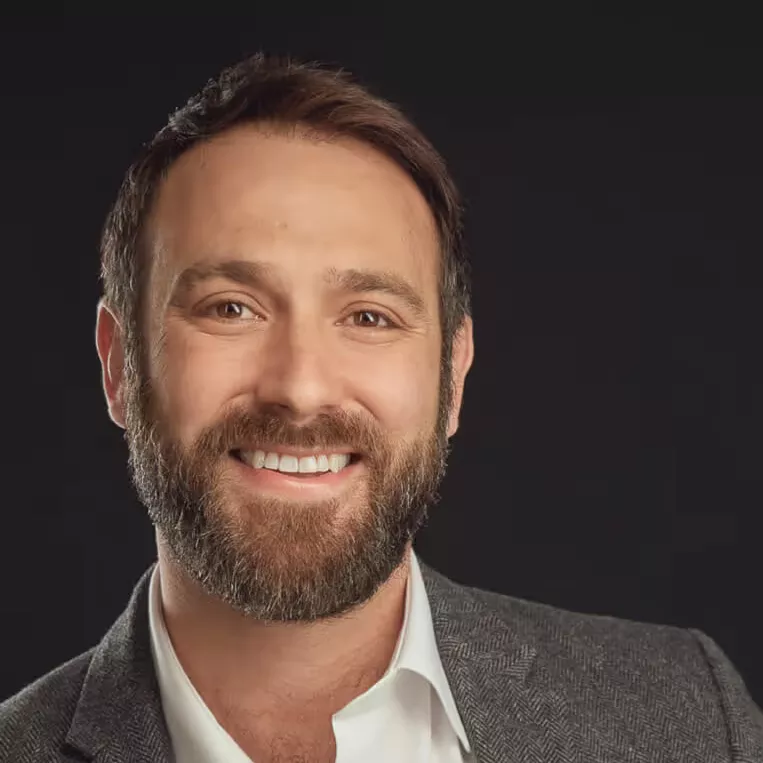
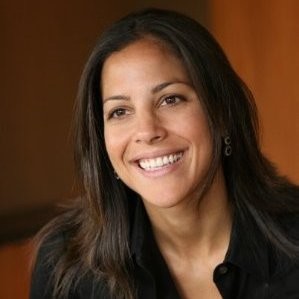
Jesse Marble
Wildwood Ventures
Jesse brings a rare dual perspective to this episode. Having built and sold his own company before becoming a VC, he speaks to founders as someone who has genuinely sat on both sides of the table. One of the most refreshing threads throughout the conversation is his honesty about what VCs actually go off of at the pre-seed stage: almost nothing. With data rooms described as "ghost towns," Jesse explains that social proof and momentum matter disproportionately, not because VCs are lazy, but because there is simply very little else to evaluate. This reframes the fundraising process less as a merit contest and more as a momentum-building exercise, with strategic meeting sequencing playing a bigger role than most founders realize.
Jesse also gives unusually direct feedback on pitch decks, pushing back on some of the most common slides founders spend hours perfecting. The TAM/SAM/SOM slide, the hockey stick revenue projection, and the bloated advisory board are all called out as doing more harm than good in most cases. Instead, he wants to see a team slide with punchy, concrete achievements, early evidence of traction, and a go-to-market rooted in a specific ICP rather than a list of channels. His two-by-two framework of "conviction versus coachability" is a memorable and genuinely useful lens for founders thinking about how they come across in that critical first meeting.
Perhaps the most underrated part of this episode is Jesse's advice on what to look for in a VC. He pushes founders hard to actually interview their investors, asking about reserve strategy, deployment cycle, and how they show up when things go sideways. He also makes a pointed case for matching fund size to your ambitions, noting that smaller funds have many more "paths to victory" and can generate strong returns without needing a unicorn outcome from every bet. For first-time founders who default to chasing the biggest name brand funds, this is a perspective worth sitting with.
On what flips the power dynamic between founders and investors
On the one thing that makes a founder unforgettable in a first meeting
On why early-stage VCs follow each other's lead
On the only thing that truly matters long-term for a startup
"Whatever valuation is, which might sound great for your dilution, is only setting a higher hurdle for next time... the question you need to be asking is, is the round size that I'm raising enough to get me to the next milestone that would justify that next round?"
Mat Vogels (00:10)
Hey everybody, welcome to another episode of Fun Raising, a podcast where we interview early stage VCs and ask them all the questions that you
as a fundraising founder, lot of first time fundraising founders wanna know about the fundraising process. And today I have Jesse Marble, founder and GP of Wildwood Ventures, local Colorado fund, which is always exciting. Thank you for being on Jesse. Could you give a quick introduction on the fund, what you invest in, stages and so forth?
Jesse Marble (00:41)
Yeah, absolutely. Matt, thank you for having me. Great to be here. Hope this is helpful to the founders listening. Wildwood Ventures, based here in Colorado. We are early stage, so pre-seed and seed. And we focus on what we call healthy and active humanity. So that is, we're trying to address the...
urgent crisis happening amongst us humans. You know, you've heard the stats that we are objectively better than so many generations, but subjectively worse around things like mental health and relationships. You've heard the stats about we're the loneliest generation in human history. And so we tackle and invest in things like physical health, mental health, social relationship and spiritual connection. But we use the phrases life to the full and human
flourishing a lot in what we invest in. Both B2C but also B2B models as well. And part of our background, we're actually a spin out and backed by Denver based Fortune 500 called VF Corporation. Many people haven't heard of VF but they have heard of the brands.
that VF owns, the North Face, Timberland, Ultra, the running shoe company Vans, the classic American brand Vans that are based here in Denver. So we invest in technology startups that promote human flourishing across those areas. Our check size for Fund One is 300,000. We also do what we call a growth studio. So we actually roll up our sleeves and work alongside our founders after we invest as well.
Mat Vogels (02:07)
I love that. is, I love it's such a unique thesis. And you know, one of the things we'll dive into here is, especially for founders, finding the VCs and funds that have a very specific thesis and what they're looking for can make a huge difference. So we'll, definitely dive into that. The way we're going to break this down is start with a little bit of an introduction on you. A lot of these are questions that founders had asked and we kind of voted up and saw the most popular ones rise to the top.
One the most popular ones to kick things off was what were you doing right before you got into VC? Why did you choose to get into VC?
Jesse Marble (02:38)
Yeah, so I built and sold a marketing company called Magneti. That was an 11-year journey from zero to exit. And so I have operator experience. I think the last stat I heard is that 7 % of VCs have...
a founder experience themselves. And so I kind of proudly fall into that minority. But what I realized, I, you we had great success running a business, but I didn't always consider myself the best operator. And so I wanted to get to work with great operators, but in bring my skill set, but kind of come at it from a different side of the table. So I know the game, I know what it is to build a company in a culture and try and make payroll, but I wanted to be able
to do that kind of with a different seat at the table and to be supporting the founders that are doing that work.
Mat Vogels (03:23)
He
I love that. And it's, think having that operator experience is such a huge difference for the founders that you get to invest in as well. Another common question that we got was, what is your favorite part about the job and being a VC? And then what is your least favorite part about the job and being a VC? ⁓
Jesse Marble (03:44)
Yeah,
it's, I probably have different answers to that on different days, but...
Mat Vogels (03:49)
⁓
Jesse Marble (03:50)
It is really,
Mat Vogels (03:50)
It's true.
Jesse Marble (03:51)
it is very cliche on both of them to say that number one, I genuinely feel like I get a peek into what the world will look like. I think that entrepreneurs are amazing, visionary. And when I say visionary, mean, literally able to imagine the future and able to build that future. And so being able to just watch that happen in real time is really fascinating. And I...
I think to go from the moment, the idea that maybe this will work but there's a million things that will go sideways, to then see the green shoots, you know, we invest in early stage, so we're not, you and we're a fund one, so we are not yet on some unicorn journey with our portcos, not yet, right? We're too early for that as a new firm. But we see the green shoots.
And that moment of going from here's a non-consensus idea, here's a way to view the world that's a little bit different, and then to start to see the green shoots, that is one of the most special moments when we've been able to support a founder, they've got a different idea on something, and then guess what? Again, it's not, the shoots aren't bamboo yet, the shoots aren't sequoias yet, but we get to see the green shoots. That is an addicting feeling to be a part of.
Mat Vogels (05:02)
Mm-mm.
truly his least favorite part about the job.
Jesse Marble (05:12)
I think again, maybe this is little cliche, but I'll say, know, turning down awesome founders is really hard. And I got into this business because I wanted to encourage entrepreneurs. Yet the math says I am a net discourager of entrepreneurs. We only we fund point two percent of the companies that we look at. And so
Mat Vogels (05:25)
I haven't heard that term, but it's so true.
Jesse Marble (05:34)
I'm much more of a no than a yes. And I think that that is more emotionally difficult than I expected. To be clear, I'm not saying that that founder's job is not all so hard. It's very hard to be a founder and dealing with that rejection is hard on the founder's side too. I guess I just didn't know what it would feel like to go through this process so many times and have to let people down.
Around great found. mean happened this morning right sent an email to a founder that I really liked Liked the idea but there was just certain things that we couldn't get to conviction on and you hear that a lot From investors. There's like this there's this little this little stratosphere that we call conviction and it takes a lot of exit velocity to get to that stratosphere and so sometimes it's Stuff is great, but it's not excellent enough
Mat Vogels (06:07)
Yeah. Yeah.
Yeah, and there's so many variables. And one of the next questions actually that maybe you could touch on a little bit on is the...
peek behind the curtain a little bit. What's something that you wish more founders understood about what it is to be a VC? A common answer is, you know, why we actually do have to say no. It's not always because the founding team's not good enough or the company's not good enough or the traction was too low. There's so many things that go into that. Maybe dive a little bit more on that. Or if there's anything else that you wish that founders as a whole knew about what it was to be a VC.
Jesse Marble (06:50)
Yeah, so my brain goes to a few different categories here. Number one is that I found that founders do a better job of interacting with VCs when they understand the VC business model. Like what it means to raise a fund, have LPs, the investment period, you've got a 10-year fund, the dynamics of interest rates or IRRs and...
Markups and how we need to go on and raise our next fund. I've noticed that when founders understand the business model of VC They they just talk to us differently They talk to us more like up here more like hey My job as a founder is to help you do your job as an investor So I would say I could unpack all that you could do a whole you know hours and hours on the the VC business model and And what a founder should know about it, but I think
⁓ The other, here's an interesting dynamic, is that in most recent years there has been a proliferation of venture funds. There's a lot more venture funds in the world than startups to fund. I can't remember where this data comes from, Matt, but I saw some measure of total liquidity from LP. So the amount that have been committed into venture funds.
versus how much all these startups could raise. And there's, think at this point in time, there's like significantly more capital available than great startups to fund. And so you'd say, well, okay, I'm a founder, then why am I getting no from VCs all the time? There is a unique thing, I want every founder to know this, that if you get traction and you build momentum,
There's heck of a lot more VCs that need you than you need them. But it doesn't feel like that early on. It feels like you're coming sort of hat in hand or something to like, you know, please can I, that dynamic switches when you get momentum. There's a lot of VCs that are desperate to find great companies to fund.
Mat Vogels (08:24)
so many.
Jesse Marble (08:42)
And so just kind of know your worth and know you're, you know, the person you talk, you're talking to. Yeah, maybe they don't get it. Maybe they don't get it, but somebody else might and actually a lot of people might. And so I think the...
VCs are humans too, and I'm not trying to say that in some like woe is me way. saying they're just trying to do their job, trying to return their money to investors and trying to do that the best way possible. And that founders, once they get great traction, you will see VCs that really want to fund you when those things flip.
Mat Vogels (09:13)
Yeah, we'll talk about this a little bit later of what happens when you get to that last phase and you're getting oversubscribed and all these different things. Because it seems like it kind of happens out of nowhere sometimes. But last kind of question in the introductory phase, why should founders pick you or Wildwood to be on their cap table? Kind of a moment to show why you.
Jesse Marble (09:34)
Yeah, yeah, thank you. This feels like some sales moment that I was, know, every instance probably. ⁓
Mat Vogels (09:37)
Exactly right. You got full permission. Yeah full permission to brag
Jesse Marble (09:42)
I will tell you few very specific things that we do differently at Wildwood. Yes, our thesis is very specific and so we tend to get founders that see we're very kind of missional or thesis driven is another way to put it. We're not an impact fund. We are not trying to deliver concessionary returns. We're trying to deliver excellent market rate returns to our LPs. But we tend to work with the kinds of founders as you've heard from our thesis that have, yes, want to build a
big business that has it's got a mission to it right it's it's missional
in some form. And so we tend to get a lot of founders that connect with that idea that yes, we are investors and yes, we are trying to build big businesses that make money and not or but and we're investing in the kinds of businesses that move the needle for the human condition. So for us, you know, this kind of thesis and missional angle, the other is a big structural thing in our model. I mentioned it earlier, we write checks and then we come alongside our founders, we call it a growth studio. So
We look for founders that are not just looking for capital, but want business partners. So we are super involved. pretty much only lead.
and we're very high conviction. So what we have seen is there are lots of awesome folks who only follow and maybe aren't as involved, and that's okay. You need lots of people on your cap table early. We're high conviction, very hands-on, and we like to say all the time, we believe startups are a team sport, and so we treat them. We treat startups like a team sport.
Mat Vogels (11:17)
I love that.
And I can attest, feel maybe it's we got some great investors here in Colorado, but when you can have an investor that's willing to roll up their sleeves like a lot of funds here in Colorado do, I think it goes it goes a long way you're lucky when you can have some of those folks on your cap table. All right. Now into the fundraising process, the the fun of the fundraising process, we break it up into three different parts. The first part is how do you actually get that first meeting? Again, a lot of folks listening to this, they don't have the relationships, they don't have the network. They're doing this for the first time.
So how do they actually go from, have an idea and I have this pitch deck to getting it in front of folks like you or other investors. That's step one. Step two.
You've landed the meeting. How do you blow that meeting out of the water? How do you make it so that you're unforgettable and can continue in the fundraising process with that VC fund, but with others as well. Third phase, you've done a lot of meetings and you're now starting to build momentum. You're starting to pick people that go on your cap table and who you have to leave off and everything there. So it's pushing it over the finish line and closing your round. We'll then talk maybe a little bit about what happens after the round, but going back to the very first part here.
If I'm a founder, typically what I hear founders do is they have this checklist. They go and they build out a CRM of 20, 50, a hundred VCs that they want to reach out to. My question for you is any advice that you would give to founders on maybe what they should index on characteristics, fund size, you name it on what they should be looking at when, building that list. Cause I find a lot of times that list is not very well done and they've just kind of gone and you have the top 100 most popular VCs and they just add those on there. But there's, think.
chance of more success if you do it in a more methodical way. So any advice for founders that you'd give there?
Jesse Marble (12:55)
Yeah, so a couple of things come to mind. So your comment about fund size, I'll talk about that, and then I'll talk about thesis too. So on fund size, so listen, it sounds awesome when you can go on LinkedIn and say you raised from Andreessen or something like that. As a general rule of thumb, the bigger the fund is, the bigger an exit they need from you to make their money. So if you go and pitch all of the big funds, assuming you could get meetings, you're saying I think I could be a deck of corn.
That's just the basic math of those funds. They need you to be generational businesses.
Whereas if you go to smaller funds, this is gonna sound like a pat on the back to Wildwood, smaller funds don't need as big of exits to be a great performing fund. Smaller funds, so little inside baseball for anybody listening, Matt and I were talking this before we hit record, there are a lot of really cool things about running small funds. And one of the upsides is that you just don't have to have that kind of one in a million company. There's lots of ways.
Mat Vogels (13:33)
It's okay.
Jesse Marble (13:57)
to return money to your investors because your fund size is smaller and so 3X, 5X-ing that fund, you just have a lot more paths. Sometimes I think about, know when you watch the night of the election and they'll talk about somebody's path to victory and it's like, they have these five paths, if you win Pennsylvania, small funds have way more paths to victory than big funds. So fund size is just something to be aware of. I'm not saying don't pitch go big.
Mat Vogels (14:17)
great input.
Jesse Marble (14:25)
big funds, but just know the fund size that you're talking to. Okay, something else that can be good to know is their reserve strategy. Sometimes you can find this information, sometimes you just have to ask them on the call. If things go really well, can you even back me at the next round? There's a huge debate. I'm sure Matt has, you have even more probably experienced data, LinkedIn posts on this than I do. There's a huge debate.
Mat Vogels (14:35)
Hmm.
Ha
Jesse Marble (14:51)
around how much do you keep in reserves for follow-ons for your existing portcodes. One school of thought says spray and pray, write a bunch of checks into a bunch of companies. The other end of that spectrum is like high conviction, high reserves, and you're saying double down on the ones you already have. So knowing their reserve strategy. But then the other thing that I am amazed at how many people
seems like they don't even look at our website or look at what we do at Wildwood and send cold emails. We are a very specialist thesis at Wildwood and we're unique and we get deal flow and ideas of just the wildest stuff where I'm like, listen, if you want to send us an email, I'm not offended. I'm not like mad that you sent me a cold email that's off thesis. Just the chances that we are helpful to you are very low. So I...
Mat Vogels (15:21)
Mm-hmm.
Jesse Marble (15:42)
So fund size, reserves, and thesis, I think are really valuable. But what I would say is that like this notion that we're gonna be in business a long time together, I've heard this before, and I'm gonna say it again, don't just take any old check. You want, like you are diligenting us as much as we are diligenting you. And I think that founders, I'm surprised at how little time the average founder takes in our meetings asking about us and what we care about.
Again, not because I'm like, you should care about, you know, I'm not offended about that. I'm just saying you should ask. I want you as founders to find investors that are well aligned with you and you are interviewing them as much as they're interviewing you. So just that's a reminder is that like, this is a two way street. Don't give all your power away. Ask questions and find somebody who's well aligned.
Mat Vogels (16:35)
I love that. It's so true. And the more work that you do during this process, I guarantee you the more successful your process will be instead of just finding a bunch of emails for hundreds of VCs and just sending them out where the majority are not even close to a good fit. It ends up just wasting, I think a lot of people's time and probably energy, at least email credits for the founders. So save those email credits for the ones that matter. ⁓
Jesse Marble (16:57)
That's right.
Mat Vogels (16:57)
The other question that we had a lot of founders is they're thinking about how they actually get their pitches. Let's say they have a list. They've gone, they've done the homework. have 50 VCs that they think are, you know, they're thesis matched. They're really good, perfect size, all those things. Is the best way just to put it into an email and just cold email them? Is it to like go to their office? Like what are some of the best ways for founders and maybe even more specific to you to get their pitch deck in front of you?
Jesse Marble (17:24)
Yeah, so there's a fascinating debate. You've probably seen it play out on LinkedIn is like, is it warm intros or nothing? That's one of the schools of thought is that warm intros are so valuable. That's your gold medal. You have to be able to get warm intros. And Mark Andreessen says it this way. I think it's a I agree with it a little bit. And his point is it's not that we're trying to be elite and exclusive.
Mat Vogels (17:32)
Mm-hmm.
It is.
Jesse Marble (17:48)
that we only respond to warm. It's like the first test. Maybe test is the wrong word. It's the first skill set. Your first skill set in sales is the ability to navigate, network, and find a path to somebody. Maybe you know somebody in common, you get a conversation with them. So I see his point, right? That warm intros are the best. But imagine you put in a bunch of work.
and you can't find a way to warm intro in. I know a lot of firms, and Wildwood is one of those, that read cold emails. We look at every single email that comes in. Any deck that's submitted to our website, we've got a little, you know, send us your docs form. We look at every single one. So cold, so my general framework, warm is better than cold, but cold is better than nothing.
The notion of just sending your slide deck to hundreds of people with no context and like trying to name drop in the email and you haven't vetted the list at all, it's just a waste of your time. You're just not gonna get any meaning. So my framework is warm is better than cold, but cold is better than nothing.
Mat Vogels (18:55)
It's so true.
And I think that's a benefit to your point that smaller funds can do because when you, Andreessen and them, they'll get thousands of submissions and pitches across the world every month. They can't do it. Smaller funds, every single fund that I've listened to that in small being, I would say even under a hundred million or whatever it might be. So even still big, big, bigger funds, they read every pitch that comes through. On that note, is there a slide that you look at? One, maybe it's a slide, maybe it's a piece of information
Jesse Marble (19:03)
Yeah, very true.
Mat Vogels (19:24)
that you're looking for, but something when you open a pitch deck, what's the one thing that you either scroll to first or even as you're going through side by side, you have that keen eye that you're really looking for to get you excited to maybe schedule a meeting with that company.
Jesse Marble (19:38)
Yeah, so because we're at pre-seed, I definitely am gonna look for traction. Like, do they have revenue yet, yes or no? Now to be clear, there's a lot of pre-revenue VCs. We're one of them. We've invested in some companies pre-revenue, but it's just helpful to know right out of the gate, are we pre-revenue or not? I am jumping right to a team slide. I wanna know who is it?
Do you have some kind of points on the board in some form in your life? You don't have to be an exited founder, but can you show me something that says you know how to kind of lean in hard? I don't know if you were gonna ask the any slides you don't like question, but I'm gonna answer that. I'm gonna just jump to it. I have a few that are really common that I personally don't like. This is just me.
Mat Vogels (20:12)
Yeah, that was going be my next one. Which slide is maybe one that, yeah.
Jesse Marble (20:22)
There's a lot of slides that will have the concentric circles, the TAM Sam Psalm slide. ⁓ Most of the time, the TAM is some outrageously large number that's hard to believe, and the Sam and the Psalm are some strange, like, well, if we only get 2 % of this trillion dollar, those slides, even though they have a great intent, like so many times, they're hard to really get my head wrapped around.
Mat Vogels (20:25)
huh.
Jesse Marble (20:47)
Another one I don't like is the hockey stick slide where it's like, well, we could be at 20 million in three years. And you go, yeah, we're all in this business because we believe that that's possible.
It just comes across as strange to me. I would rather be like, we have no idea. We've got big plans and we're the ones to build it, but we're not gonna claim to guess what our revenue is gonna be in four years. So don't love the hockey stick. Don't love the Tim Tam slam slide as I call it. One other one is, and this is a little strange because I'm a sales and marketing guy. So many times the go to market slide.
is just this weird funky, well, we're gonna use influencers and we, know, whatever. It just feels like a bit of this word salad around channels and ideas as opposed to like, here's the ICP and this is what they want and here's how we're gonna get 10, 100 or a thousand of them. That's what I prefer from a go-to-market slide than like, we've got this Reddit strategy that we're.
Mat Vogels (21:31)
you
Yeah, it's so funny because some VCs, think they want most of those numbers. I most, think especially early stage are saying exactly what you're saying because otherwise it's just a lot of guesses. It's all guesses and hypotheticals and it's tough and usually it does more damage than good, especially that TAM slide. The only time I feel like TAM works well is if it is an obscure market where it's like you're making some sort of thing to help.
like manufacture screws. And it's like, at first I'm like, how big is that? And if you show me some number that like opens my mind to something that I wouldn't have guessed, it's different than that. But I agree, oftentimes I see these massive, massive times and how they got there and the random percentage that they chose on how they're gonna capture it. And it ends up, think, doing more harm than good for sure.
Jesse Marble (22:27)
Yeah, by the way,
if you show up and you want to pitch Wildwood, I'm not saying we don't care about big markets, right? That is absolutely an important thing. I've just put the percentage of time that that TAM slide, I feel like has a rigorous thinking to it and that the numbers are believable is just less than I expected.
Mat Vogels (22:35)
Of course.
You mentioned team slide. Could we double down really quick? What is something that makes a perfect good, like a good team slide? What are you looking for on those team slides? And what's something that you see founders often leave off of that team slide?
Jesse Marble (23:01)
Listen, we are, you only have seconds slash minutes to be, to project yourself on that slide. And so in many ways you do have to play the game of putting logos of places you've been before or big numbers of something that you've achieved. One of the things that's fascinating is, is
And I want to say this with the right intent and heart, because I hope this is a helpful statement. But sometimes people will put all these logos of places they've worked, and we just, no offense, nobody has heard of those places. ⁓ And so it can just be this like, listen, I bet you have worked hard and that you've got this great career.
Mat Vogels (23:31)
That's so true too.
Jesse Marble (23:38)
I just, I don't know what signal I can receive from some of these. So I would prefer like big punchy headlines about something you've achieved. Almost like if you were to think about a resume, like what are the big action words of something you've done? ⁓ So I like, I like a team slide that is concise.
Mat Vogels (23:53)
you
Jesse Marble (24:00)
One of the things that I've learned is that even though advisors can be valuable, a lot of people have very impressive advisory boards. I have changed on this, by the way. I have kind of lost steam on how much credibility I give to an advisory board because it almost seems like it's relatively easy to build. And also, we don't know what value they're adding.
Whereas you as the founder, you are the whole company. And I don't know if this advisor is like your great uncle who said you could put his name on the slide. So team slides, I like to see the main team. If you've got a bigger team, I don't personally need to see that you've got this marketing person and this senior engineer. And team slides that have eight faces on them are just kind of harder to say.
Mat Vogels (24:34)
Yep
Jesse Marble (24:49)
But like, I wanna know about the core founding team founders. And so it's probably gonna be less faces compared to more or the team slides that I like. Yeah. Or even just down here. Yeah. mean, unless you're advisor, like you literally have, you know, Sam Altman, like he's worth mentioning, but besides that, you know, we just, we're even specialists.
Mat Vogels (24:58)
should just be founding team. Yeah, I agree. Unless there's some super, yeah. Yeah.
Yeah.
Jesse Marble (25:16)
you know, in our thesis, we have a much narrower band that we're trying to understand. And even still in that narrow band, we don't know everybody. We don't know. And so these advisor slides end up, they're just not as helpful as even I wish they were.
Mat Vogels (25:32)
Yeah, I agree. All right, so let's say that they've knocked it out of the park. They've created the perfect pitch deck. They've gotten your attention. You're scheduling a meeting. They're going into that first meeting with you and maybe some other VCs that they've scheduled. How can they crush this initial meeting? So again, they have the privilege of continuing to have this conversation. And let's flip it maybe on onto your side where...
When you're going into these initial meetings, what is it that you as a VC are looking to walk away from after that 30 minutes of conversation there? So we'll kind of start with what you're looking for and then we'll go into maybe some mistakes that you see founders make during that first call too.
Jesse Marble (26:08)
Yeah, so a lot of VCs are going to say that they appreciate and are drawn to confidence. And that is very true. When somebody comes across like, I know what I'm doing. I have this business. I'm looking for business partners. I'm not desperate for your money, but I'm really curious. Potentially, maybe we'll work together. There's this like curiosity as opposed to a sense of
desperation that I think really works well. Another thing we look for, so a reminder on our model, because we both invest and then work really closely with the founders, our model's a little bit different. We need this kind of, imagine a two by two matrix. On one axis is conviction. We want high conviction, high confidence founders. But on the other, imagine the other axis is coachability. We're gonna be working so closely together.
Mat Vogels (26:55)
Mmm.
Jesse Marble (26:59)
We're teammates, we are business partners. We're not just, we'll see you at the board meeting. And so the founders that we connect with best are high conviction. They have data, they have a lived experience that's driving their passion, but they also are showing up saying, here's some things that I don't know yet about my business. So.
High conviction, low coachability can be somebody where like, maybe they just don't need us. But to be really clear, sometimes we've met founders that are high coachability and they're too low on conviction. That's a problem as well, because you are the leader of the business and even as involved as we are at Wildwood, they're the CEO and they're the ones, you know, driving the business kind of minute in and minute out. So conviction, coachability.
One other quick idea is that one of the things that I find very compelling is when they know their numbers cold. Now again, this is early and so a lot of these things are kind of, they're all squishy. But you can start asking some questions about numbers. Maybe it's their LTV, maybe it's some historic CAC that they have, maybe it's their gross margins, maybe it's the market size, all that kind of stuff. You can get a sense really fast when somebody has taken their business from here,
Mat Vogels (27:54)
yeah.
Jesse Marble (28:14)
You can't see it on the video, but it's it's moved from their head to their gut. And there's these founders that you're around where like, it's almost like you sense they're never gonna get caught off guard by any question because they just know, they know their business so well. And not that they are, again, back to coachability and conviction. I'm not saying they're not coachable, not that like everything's perfect, but.
Mat Vogels (28:16)
Right.
Jesse Marble (28:38)
They care so much about this idea that they have internalized even the numbers. It's rare when somebody's like, when they're, listen, you don't have to have every answer to every question in the meeting. You don't have to do that. But sometimes you ask a question and there are, you're like, some things, hey, let me get an answer for you on that, are fine. But there's a few big things that like you kind of want to know.
So I just think I feel very drawn. When a founder, just feels like they've played this song before. I'm not saying memorize their pitch. They've just, they've played in this genre so many times, they can play jazz with anybody. That is something that is just hard to teach and fun to watch.
Mat Vogels (29:19)
is.
Yeah. On the opposite side of that, are there any red flags or characteristics that you see that end up being a negative? Is it the opposite of some of those positive ones or any other ones that you could think of?
Jesse Marble (29:30)
You know, here's one that comes to mind. Like I'm a sales and marketing guy, ran a PR and marketing firm for many years. PR matters, network matters, all of that. But make sure you don't get in a zone of being a name dropper too much. You have to find concise and strategic ways to highlight that you know lots of people and you know important people. Like you gotta find a thoughtful way to do that.
Mat Vogels (29:45)
you
Jesse Marble (29:55)
but it can tip into coming across a just a little strange, a little insecure. Sometimes it can feel like if I say enough names, you'll like me as opposed to, well, how about you? We're investing in you, not just who you happen to know. that is a, maybe warning is the right word.
I'm not saying don't talk about your network. I'm saying you gotta just kinda keep it in like little bite-sized things. ⁓ It can come across just a little, it can be tough to navigate. What is real here? Do they, know, when somebody's a name drop.
Mat Vogels (30:29)
And so often than not, those names that are dropped are not, they have no idea. I'd say more than half the time when there's a name and if it's one that I know, and it's a small community. Like if I'm on a call and they're like, oh, Jesse Wildwood, like, you know, he's thinking about investing and he thought we were great. And then I'll text you and you'll be like, who, who's this? And maybe they did meet you, but yeah, you know, it's kind of, there's like these stretched truths that kind of happened through those name dropped events for sure.
Jesse Marble (30:48)
Yes.
absolutely. is like, assume that any name that you're going to say, just assume that they'll reach out to them and ask what they think so far. It's just a great, it's just a great rule of thumb to, as you're navigating life.
Mat Vogels (31:09)
100%. And it's easy to get trapped and you can't really, you lose that trust right away. And then it's really hard if not impossible to earn it back, which kind of goes to another point. lying is a very common answer that we get here where if you tell lies or you're not truthful or honest, like those are things that are huge red flags during those initial meetings and the initial pitches, any of those initial conversations, that trust is where you're trying to earn that in this meeting if you can.
One of the other questions that we had, founders are often maybe encouraged, whether it's through Y Combinator, these other accelerators on turning the tables when they can. You mentioned this earlier, asking questions to the VCs during these meetings as well. Are there any questions that you would recommend that founders ask? Not because when you get them asked, you're like, I'm impressed that you've asked that question, but for their own sake, for them to get a better understanding of that fund or the process.
Jesse Marble (31:43)
Yeah.
Yes.
Yeah, so we were talking earlier about, you know, fund size and reserve strategy. Now, be careful that you don't ask a bunch of questions of, you know, in a meeting and you're wasting time on things you could have found on the internet. So for example, you can probably find out their fund size from maybe it's a pitch book, maybe they did a PR announcement, but a lot of times you can find out fund size. So that's not a question that I would ask. But...
It is helpful to know how they think about reserves. I would totally ask that. Do you have reserves? How do you think about that? Have you done any follow-on rounds recently for any of your portcos? And also deployment schedule and diligence process. So on deployment schedule, lots of people probably heard of the idea of zombie funds. That's essentially a fund that has deployed all of their dry powder and are kind of living off management fees until they can raise their next fund.
⁓ It's kind of a strange thing because I don't know many
Mat Vogels (32:54)
They have to stay relevant.
can't completely leave the chat. But yeah, they don't have any funds to allocate.
Jesse Marble (32:58)
Exactly. You have to take pictures.
You can't go out and say, we're waiting a year to raise our next fund. That would not be good. So they have to kind of, there's a bit of this kind of keeping up appearances thing. So, but ask where they are in their deployment cycle or how much dry powder do they have left or something where you're trying to get at, are they a zombie fund? I don't think I've ever had a founder ask me that directly. Maybe it's because we're new enough that they know we have capital.
Mat Vogels (33:21)
Are you a zombie friend? Yeah.
Jesse Marble (33:24)
And then, so there's all the like logistics of diligence, how do they make decisions, how quickly do you write checks, do you look for any, do you ask for anything specific in a side letter, do you want things in addition to, you know, what somebody else might ask for? So there's all the like deal level stuff. But I think asking questions about style, culture, how they show up for founders, you know, when things go sideways, how do you get involved?
is a great question. What are the types of things that your founders can rely on you for? And listen, they don't need to promise that they're gonna do everything in the world for you. Of course, that's not how it works, but maybe that just sets your expectation, right? Hey, they love making intros. Or hey, maybe they love the Friday night phone call when things are going sideways. Maybe that just tends to be their personality. But it is a good way to find out just.
Are these, there are lots of people who write a check and they have such a big portfolio, they can't lean in. They can't be the ones who are helping you. That's just kind of the math of the business sometimes. So just ask those questions and I think that that's okay to kind of set your own expectations for. You you're trying, you want to try and piece together a cap table that is, yes, the capital you need, but also maybe some of these different styles and personalities. And so, you know, maybe you want to, maybe you want.
a VC who likes the turnaround mode, the hard moments, the drama moments. There's lots of those out there too.
Mat Vogels (34:49)
there's so many. All right, before we jump into the next phase, the closing the round and all the diligence process and those things, any last pieces of feedback, advice, mistakes that you see founders make during that initial meeting phase where they're just meeting with a lot of funds and they're getting those first meetings in their calendar.
Jesse Marble (35:08)
Yeah, I'm amazed at how many people show up and they're literally reading a script. Please don't read a script. Please understand your business. What I like to do is even if it's a meeting where I know I have 10 minutes or whatever, I might write it out like big bullets, what I want to say. Like here's full sentences of what I want to say and practice it, but then don't be reading it, right? Like have...
Again, you're trying to get it to go from here, from your head down to your gut. So I would just say we don't like when people are reading stuff. I understand why it's nerve wracking and you're trying to show up well, but the best conversations are ones where it feels more of a conversation. We're talking back and forth. Now we like slides. Our style is like show up and show it, tell us the story. Let's tell the story quick. Go through the slides. We actually like that in a lot of our meetings.
but it can't feel too robotic. Gamma has made it so that slide decks can look pretty. The average quality design of slide deck has gone up demonstrably over the last couple years because of Gamma. And so that just puts more pressure on you as the founder to know the story, know what you're talking about, not rely on the slides.
Mat Vogels (36:06)
easily.
All right, they've had a lot of these initial meetings and now they have a bunch of investors circulating. They're essentially trying to fill up their cap table. Let's start maybe more with what your diligence process might look like. So let's say you're officially in this diligence process. What might that look like? And maybe give a brief timeline of those events too.
Jesse Marble (36:38)
Yeah, so for us, again, back to our model, high conviction, we're more like business partners and we're gonna be working together. So what that means is yes, we're diligencing you, but we're gonna wanna make sure that there's enough value add and trust that you know what you're signing up for to work with our team too. And so in general, we're actually slower, even than sometimes we want to be, only because we want the founders to know what they're signing up for.
you're getting business partners, not just somebody who sits on the cap table and reads your quarterly emails. So it's slower. But some of the things that we do, yes, we do a technical deep dive with our CTO, we'll do reference checks, we do a lot of the standard stuff. One thing that's different for us, and again, slower process, more involved, this is just the Wildwood approach, there is a personality profile called the Strength Finders.
We actually do it with most of our founders. Now, by the way, sometimes we'll do it after a term sheet, not before. So where you put in diligence, right? So this might be after the term sheet, but before we close. We'll actually want to know what it's like to work with you. And so we do the Strength Finders profile and we'll do kind of a mini coaching session. Mini coaching session. I know the Strength Finders really well. I can give a bunch of pointers, things to look out for. That's one of those little value add moments for us where we're like, even if we don't invest, I hope I've given you something valuable.
Mat Vogels (37:45)
Hmm. I like that.
Jesse Marble (37:58)
to learn about yourself and how you lead and how you show up in the world. And it's been really fun. Those have been really cool times together. And I just, you learn so much about a founder when you do some of that qualitative stuff.
Mat Vogels (38:11)
That's so true. So the dealing process is gonna look different for a lot of funds and they're gonna go through it.
There's this sense of, I don't know it, founders, especially first time founders have never been in this process before. And I always like to say it's an unfair advantage that VCs have typically, because we've done this a hundred times, maybe a thousand times, depending on the VC that you're working with. So there's all these games and things that are being played. Is there anything at a high level, any advice that you give founders when they're in this phase of getting feedback from a VC on like raising their cap or letting them write a bigger check or a smaller check or anything that they could do to help better.
manage this process for they're essentially herding cats.
Jesse Marble (38:49)
Yeah, so my brain goes to a couple directions. One, so you're talking about there's like this kind of golden triangle between round size valuation and therefore implied dilution. That is a really tricky dance because what you have to remember is that whatever you're investing, whatever price you have priced this business now, your investors assume it's going to go up. And so whatever that valuation is,
which might sound great for your dilution, is only setting a higher hurdle for next time. And so you'll hear these people that go on, you you've heard the stories of somebody raises, you know, a pre-seed round, these names start stop losing their meaning anymore, but some early stage round, pre-revenue, pre-product, $100 million valuation. Okay, what is the round size? So now you say, here's the valuation, here's how much cash they got.
that cash has to get them to the next milestone. So if they raised it a hundred million dollar valuation, the next round needs to be 200, 300, whatever. So the question you need to be asking is, is the round size that I'm raising enough to get me to the next milestone that would justify that next round? That tends to be a simple way to think about it. And so we'll kind of do this dance and we'll explain this and we'll help think through this with the founders where you go.
I know that you don't want to give up dilution and that's true, but maybe you should manage the round size then and you're just trying to triangulate round size evaluation and dilution so that you are giving yourself the best shot to succeed in the future. So sometimes that means maybe we shouldn't raise as much or maybe we bring the valuation down just a touch. It's very rare to be clear. Nobody's like, we don't need to talk anybody into that.
But just know what you're signing up for when you take an investor's money and that valuation that you're so proud of now is just setting a big expectation. Think of this. Most investors are gonna want at least a 2.5x, 3x markup on that next round, hopefully.
Can this fund size and the dilution therein get me to justify that price two years from now, or 18 months from now?
Mat Vogels (41:03)
And you mentioned this earlier, but understanding the VC business model.
can help a founder when they're kind of making these decisions. Another thing that could happen here, this kind of goes back to a point I made earlier, more often than not, more often than I think than founders think. It's not that it's common, but it happens more often than think than founders think, where all of a sudden they get to this point where they're at 75 % filled, 80 % filled, and now all of a sudden you got VCs that said no, like three weeks ago, are now like coming back, they're circling back and they're interested. And what ends up happening is you're in this phase where you kind of start, you have to pick and choose.
Who's gonna be on your cap table? Maybe you have to cut some people down or lower all these things. What are some pieces of advice? This kind of goes back to the point of picking the right VC on your cap table. Is there any advice that you give founders on maybe what they should index on for the VCs that they let onto their cap table, assuming this is their very first round of funding, that's that precede round.
Jesse Marble (41:53)
Yeah, honestly, I would say I don't know that I have any genius remarks on that other than my comment back to the puzzle pieces is like maybe there is a VC who just has a certain approach that you like certain style, you feel mission aligned with them, you feel like you could pick up the phone and call them a little bit more. Maybe they have a certain kind of network and background. So I think that's a pretty standard approach is you're trying to put together this roster that hopefully can magnify your strengths and manage your
liabilities and so when you're at to that last 20 % of the round I think I tend to optimize for kind of network and surface area above all else where it's like who do I think can can help me again I'm a sales and marketing guy right so I think through the lens of brand and community and network scale and so that's where my brain tends to go it's like
Mat Vogels (42:43)
and your operators too,
so you're actually putting in the work. So having that on your cap table, I think also is a good thing founders should index on.
Jesse Marble (42:47)
Yeah. I want fans. I
want fans that are going to actively cheer us on help in really tangible ways. And listen, there's mad respect. I've met more and more investors that will say, listen, we can't help. We can write a big check and we just the way we're structured, we just can't help much. I'm so grateful when people say that because there's a place for them, too. ⁓ So so just putting those pieces together. It's hard if that's all you have. The people who are
Mat Vogels (43:09)
huge.
Jesse Marble (43:15)
the silent checks, that is hard. But there's people like Wildwood that are smaller checks, but we want to help. like build the roster. Think like a GM of a football team or something.
Mat Vogels (43:21)
Yep.
Yeah, there you go. Last question in this phase, what is the most common mistake that you see founders make as they are in this final phase pushing it over the finish line?
Jesse Marble (43:33)
There is such a strange, know, VCs will talk about building momentum and building signal. Okay, one of the things going back to the question of like, what's it like to be a VC and what do you wish founders? Like, if you think about PE investors and investors that ⁓ look at like public equities, for example, they're going off a lot of data. There's experience, there's PNLs, there's...
There's so much to look at. In early stage, there's not. The data rooms of pre-seed companies are ghost towns. You're just a tiny business. You're barely built anything. There's not much in there. So when you remember that, you're saying, so then what can you go off of? If you're an investor, what do you have to go off of? You like the founder? You think the market's big?
venture over indexes on sometimes group think because it's so hard to know what else to go off of and so it can just show it helps us to know ⁓ Matt's interested in that he's a smart guy I know him and trust him if Matt likes it that is an important kind of mental shortcut
And so I don't tend to think, at least this is my experience, that VCs are just kind of lemmings and lazy. It's that it's so, there's so few things to go off of. We respect our co-investors and like, okay, maybe they know something that's valuable here. And so take that concept and say, how can I build momentum? How can I start with a place of momentum?
Mat Vogels (44:48)
You
Jesse Marble (45:06)
And so sometimes you just see these founders that are out in the market pushing hard and pushing, pushing, pushing for months and months and months and months. And it just feels like they have a hard time. I use this analogy of like trying to knock over the dominoes. Sometimes it feels like the dominoes are there, but they're like 100 yards apart. And so you're hitting one domino and it just doesn't knock over anything else. So listen, this is easier said than done. It's like create a hot round and build momentum. All of the founders are probably
Mat Vogels (45:23)
Yeah, that's smart.
Yeah, of course.
Jesse Marble (45:34)
Well, duh, like of course.
But just trying to, even how you might sequence meetings. So we're doing this right now with a founder who's raising their next round, one of our portfolio companies. We are advising a certain sequence around, because they've got a bunch of calendlies from these VCs and they're kind of going, how can I build the most momentum? And so we've helped them kind of say, okay, I think this person.
will be the warmest and so you start there and then you're gonna kinda have a little momentum as you go. listen, again, it's one of those cliche answers but I think momentum building in the process is something to try and manufacture as best you can.
Mat Vogels (46:11)
So the last part of the fundraising process is really what happens after the race. So you've closed the round, you know, you can celebrate for five minutes and then all of sudden the work begins like really quickly. Maybe at a high level, could you talk a little bit about what founders
typically can expect right after a raise. Maybe the easiest way is to start with what mistakes they make right after the raise and the first like three months or so after. Are there any common mistakes that you see there?
Jesse Marble (46:37)
Yeah, good question. So back to our model, we're really hands on. We work across, we call them our five stars. They're just these five common work streams, product.
unit economics and then kind of growth and scale and then fundraising and team. These are like the five common things that we are working on really hands-on but again our model is a little bit different. But yes we're thinking about finishing out the round because we lead and close without finishing the syndicate. That's just our approach is we we fund right away and then we start fundraising with the founder. We do it it's a little strange but
But so we're jumping in across the business. We want to we want to just get deep and understand what's going on It's customer intros. It's VC intros. We are now doing Both partner level sinks as well as there's a bunch of people on our team We have a head of growth ahead of ahead of product a CTO ahead of strategy that all that all are leaning in and doing different stuff So that answer is a little different for us. But in terms of the you know common mistakes Fundraising is really hard
And I said, duh, I kind of ignore myself sometimes when I say the cliche thing, but here's where I'm going with that is when you're done, it's not actually a finish line. It's more like a starting line. You are committing to try and build a big, exciting business. Sometimes I'll see people over hire a little bit or kind of rest on their laurels a little bit. But in general, would say, remember that we're just signing up for.
for a big long journey together. And we're excited and we're here to support you, encourage and challenge you on that way. But how could we build sustainable rhythms over the next year, two years and going on ⁓ that are gonna serve you well? because our deals are smaller, because we're at pre-seat, these are not big enough checks for somebody to try and go buy a new car. This is enough to need to get to work.
Mat Vogels (48:20)
Yeah. You know, when you've been in the game for a long time too, you start to see the outcomes of a lot of these companies and sometimes they're shorter than others. And more often than not, it's because the startups have failed, which is normal in this game. The vast majority of companies don't make it all the way through.
Have you been able to identify maybe some of the key reasons that you've seen companies fail? And obviously it's early for a lot of the founders listening, but some things that they could maybe start looking to and trying to avoid or identify in the early stages.
Jesse Marble (48:50)
I think at the early stage, the founder is really important in your skill set, in your grit, in your resilience, your ability to pivot, your ability to learn. That's really important. The ability to sell, whether it's to customers or to VCs or recruiting a team is a sales skill as well. So there's lots that's been spoken on that.
I think one of the major points is around product, the essence of your product, this notion of having an MVP and finding product market fit. like to think, like imagine an hourglass that's turned sideways and there's all this stuff behind the business. It's your team and it's your research and it's your brand and it's your go-to-market, all that, but it funnels down to this one point of contact.
And the other side is the customer. And you're trying to understand the customer, you're trying to understand their needs, blah, But that single point of contact is the product. At the end of the day, your customers, they don't care where you went to school and if you're a resilient person and how much money you raised and who's on your cap table. The customer doesn't know any of that. They care if the product solves the problem that they bought it for.
And so I tend to see a huge trap around thinking that we're doing a lot of the right things as opposed to saying almost like ET. There's like this like touch point of, you know, the ET fingers. Like if that is not so well aligned with what the customer wants, you see it all the time really well for the startups.
Mat Vogels (50:14)
Yeah.
all the time.
Jesse Marble (50:22)
that never found product market fit, they hired all these people that sound smart and are sitting in rooms doing smart things, if the customer doesn't care, you're toast. Full stop, there is nothing else. This is the only thing that matters for you over the long term is if you have a system and a cadence and a team that knows how to listen to customers and build what customers want to pay for. And so I think...
Mat Vogels (50:32)
Yeah.
Jesse Marble (50:47)
Listen, that's again, also easier said than done. It's not just like talk to a few customers and then you're in there. But I'm amazed at how few founders have like even just a muscle memory cadence and rhythm around regularly talking to their customers. It's much more of the exception than the.
Mat Vogels (50:52)
Yeah, yeah, I know.
It's funny, so I've done maybe 40 or 50 of these. That's the first time that I've had somebody mention just not being able to build the product, being one of the bigger reasons. Because everybody has the same answer of founders, discomfort, and all those things do it, which is true. But usually that stems from exactly what you just said, in that you just weren't able to build a product that people want, back to kind of an old YC phrase. But it's so true. And it's just like any sports team or anything, when things are going well, ⁓
All of these things work out. Even if you have a horrible founder relationship, co-founder relationship, things are going well somehow that still ends up to work out okay. But when things aren't going well, even good co-founder relationships can turn sour and all these things fall apart.
Jesse Marble (51:46)
Yeah, mean, we run companies and companies need to make money. And companies are, what I like about them is they need to be sustainable. You are generating more than you take in in resource and that means you can do more, is when you are a sustainable business. And the basics of that are that you can make more money than you spend. And the venture world is so obsessed with like, let's spend a bunch of money and grow fast. That's great, that's right, that's important.
but we're building companies and a company needs to be a sustainable entity. And so, the only way to then do that is to have customers that want to take their hard earned money out of their pocket and give it to you. And that's a very high bar.
It is not the same, you know, field of dreams. If you build it just because you dropped out of Stanford and have a CS degree, just because you can build it, that doesn't mean somebody's going to take money out of their pocket. They're hard earned money. The best founders have an empathy towards their customers that is like they worked hard for their money. And to earn the right for them to hand it to me is like this sacred
Mat Vogels (52:27)
It really is.
Jesse Marble (52:53)
moment of transaction that I need to care for my customers if I think I have earned the right to their dollar.
Mat Vogels (53:00)
During YC they used to have this thing on that where was like lot of founders think like if you build it, they will come. It's better to try the opposite. It's like, they came here, I should now build it. So it's like identifying the problem or all these things first. And honestly in today's age, because of AI and all these things, it might be the better business model as well. So. ⁓
Jesse Marble (53:19)
Well, by the way,
see a great model around this, guy named Yanni, who's one of the partners at Slow Ventures out of New York. He says, you either call your shot or you call your customer. Calling your shot is that like, if I would have asked my customers, they would have wanted a faster horse. There are some times, every once in a while,
Mat Vogels (53:24)
Mm-hmm. Yeah.
Yeah.
Jesse Marble (53:38)
and this is the fun of venture, is sometimes there's these businesses that are so visionary that they're creating a space. They're creating a space. That's really fun and exciting. For the 90 % of the rest of us, it's call your customers. You're not that creative and let your customers tell you what you want, but either call your shot or call your customers.
Mat Vogels (53:52)
Yeah. Yeah.
I love that. All right, on that note, this was jam-packed. I think we're about an hour of some of the best fundraising advice I think that you can get. So we'll call it there. Any last bits on where folks can reach out, find you, learn more about Wildwood, anything like that.
Jesse Marble (54:13)
Yeah, yeah, thank you. Yeah, if anybody's building in this space for healthy and active humans, physical health, mental health, early stage, we'd love to chat with you. closed our first, we are a fund one. We've closed that fund, so we have capital to deploy. Our website is wildwood.vc. actually have, it says, I think, pitch to us, it's the button at the top. It's a place to send us your docs, like I mentioned, we read all of those. Also, we're very active on LinkedIn, but
Just so everybody knows, and this is I think true of a lot of VCs, LinkedIn DMs are a hard thing to manage and so I just accidentally lose a lot of pitches in LinkedIn DMs. So I apologize. But honestly, cold emailing us, my email is jesse.marble at wildwood.vc. We will look at every single one of those that come in. So our website, there's my email or if you want to just connect with me on LinkedIn, I'm happy to always have new connections.
Mat Vogels (54:50)
Totally.
Jesse, thank you again. I hope that folks, think they will really enjoy this episode and I'm sure you and I will meet each other in person here soon. Again, benefit of being in Colorado. Looking forward to chatting again soon. Yep. Absolutely. ⁓ plenty of nuggets, plenty of nuggets. Thanks, Jesse. Have a good one. Bye.
Jesse Marble (55:19)
That's right. Good to see you, my fellow Colorado friend. Thank you for having me, Matt. I hope this was a nugget in here for anybody. Thank you.






























.jpeg)