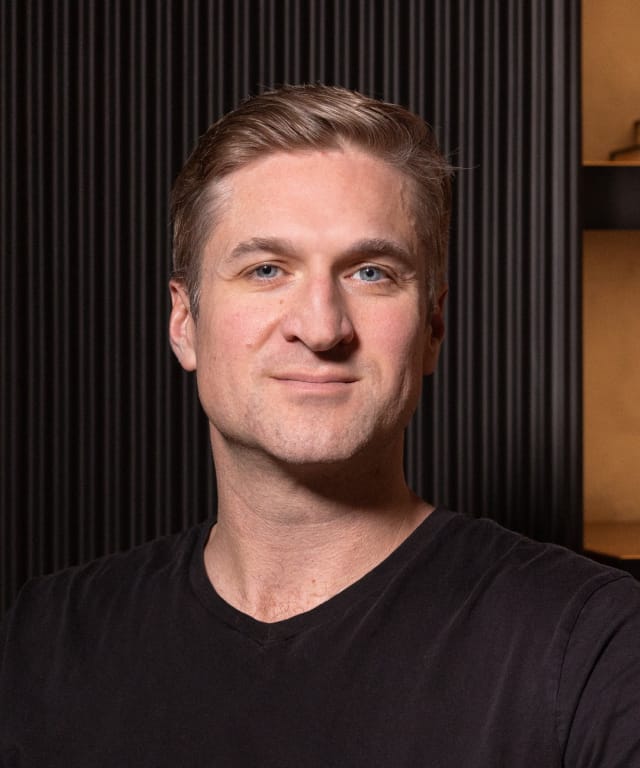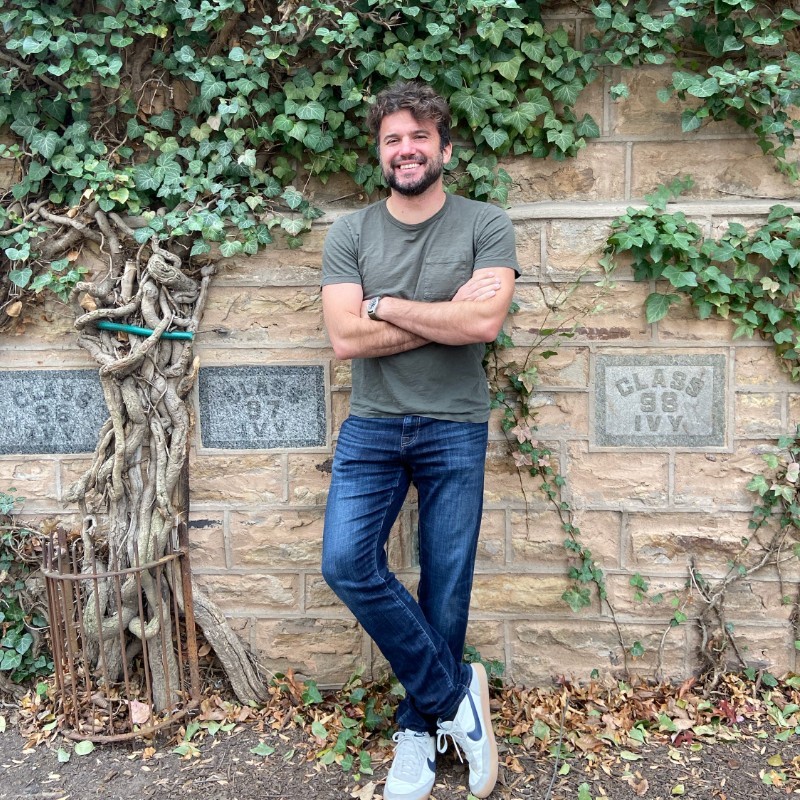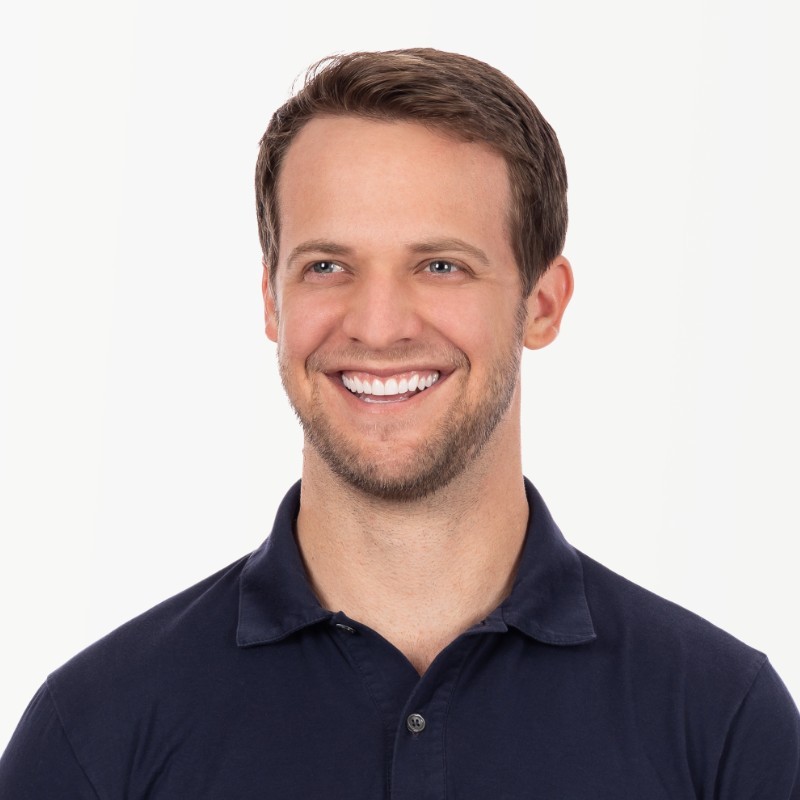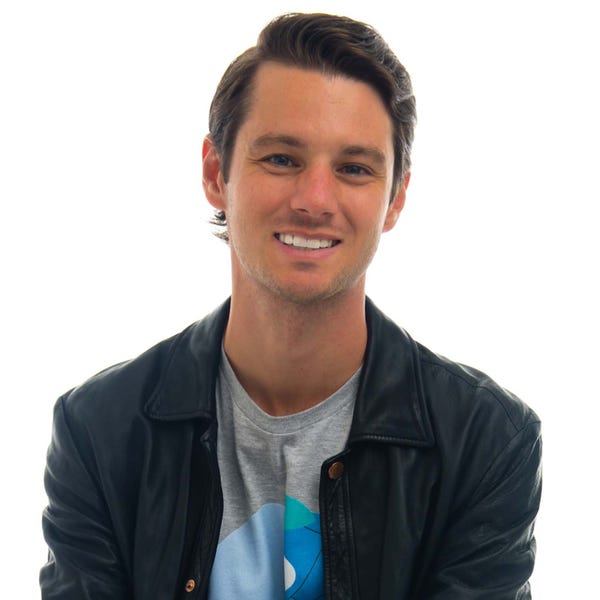
Jack Dreifuss
Impatient Ventures
Jack's path into VC is anything but standard: he spent his teens and college years as a professional online poker player until the DOJ shut down online poker in 2011, did a brief hedge-fund stint, then moved to Silicon Valley in 2013 as a sales engineer at Box before building two of his own venture-backed startups. His first real SPV investment, Oats Overnight, returned 12x and hooked him on venture. Now on Fund 2 of Impatient VC, he runs a thematic strategy across deep tech (defense, reshoring, manufacturing) and consumer AI, framing both as national-security bets on "saving the West." He writes $1–3M early-stage checks and $10M+ growth checks, and calls his core craft "serendipity maximization."
The thread that runs through the entire episode is what Jack calls "relentless authenticity." He's convinced founders consistently underestimate how much investors are reading them, not the deck, and that most rejections are actually about the founder. His single favorite screening question is: "If this startup crashes and burns, what are you going to do next?" Any answer that smells like a concocted Plan B is a red flag. He wants founders willing to commit an entire life to the mission, not just grind to the next milestone, and he leans heavily on a Viktor Frankl line: "who has a why will find a how."
On the mechanics of fundraising, Jack is refreshingly blunt. He has responded to exactly two cold emails in three years of investing; warm intros (especially from his LPs and portfolio founders) drive almost everything. Decks should explain the business in the first slide, full stop. He feeds confusing decks into AI and asks for a "12-year-old explanation," and he calls out jargon-heavy pitches as "LARPing." His framework for what a VC actually delivers is tight: capital (a commodity), perspective, and access. And when a VC passes, he says, stop rationalizing it as "they didn't get the business." They got it. They just passed on you. Let it go, move on, and keep being relentlessly yourself.
On the screening question he asks every founder
On the harsh reality of why VCs actually pass
On staying yourself through the fundraising grind
On why sloppy cold emails can backfire
On what the first slide of your deck has to accomplish
Mat Vogels (00:10)
Hey everybody, welcome to another episode of Fundraising, a podcast where we interview top early stage investors and ask them all the questions that you, as a first time fundraising founder, wish that you knew about the fundraising process. And today, a very special guest,
Jack, the founder and managing partner of Impatient VC. Thank you for coming on today. I don't like to take the spotlight away. I like the guests to kind of give the highlight on their own. Could you start with maybe a quick introduction on yourself and the fund?
Jack Dreifuss (00:42)
Yeah, happy to and appreciate you having me. So impatient honestly was a consequence of just life iterations.
I started my career though, it started when I was a teenager as a professional online poker player. So if you remember in the early 2000s when they televised the World Series of Poker on ESPN, I was the ADD kid not doing his homework, but heavily medicated. so I, my ADD, I think ADD very quickly turns to OCD when you find something you love. And I saw Chris Moneymaker win the 2003 World Series of Poker main event and I became obsessed. And throughout high school and college,
basically became my like full-time thing. I was not doing my homework. I was not following the rules. and, that was basically what I wanted to do professionally. felt like it was a very honest form of like human psychology, risk taking competition. was a competitive athlete as well. and so this felt like a way to apply like money and risk and human psychology in an interesting way to a competitive sport. don't need to prove that to anybody. It was on ESPN. ⁓ and then.
Mat Vogels (01:45)
Yep. Now, of course.
Jack Dreifuss (01:46)
Uh, online poker became illegal very unceremoniously in 2011. The DOJ rated all the online poker sites seized six and a half billion dollars. That was the end of my aspiring career. Had a brief stent, uh, working, uh, for a hedge fund throughout college thought that was the natural progression because I grew up in a family of Chicago floor traders. My dad moved to Chicago in 1980 to trade options at the CBOE. Uh, his cousin brought him there and then he married my mom whose brother is a big hedge funder.
trader. I didn't really find the fulfillment working at a hedge fund, despite the fact that I like thinking about markets in the sort of dynamic way you do when you're really trading any asset class. But I always felt like we hired such smart PhDs to work at these places. And it felt like a waste of talent. And, you know, like sort of the 2010, 11, 12, 13 kids as the iPhone was proliferating, the coolest thing to do back then was to have an app.
I ended up starting an app that took off a little bit in the business category and it just sort of caused me to find a certain type of inspiration that I hadn't found since poker that led me to joining the ranks of Silicon Valley. Moved to Silicon Valley in 2013, started as a sales engineer at box.com. I just Googled what are the 10 most interesting startups in Silicon Valley and with my sort of crappy GPA and state school certificate, I went and hunted my way through finding the person
that could get me an interview, landed an interview for a job. didn't even know what sales engineering was. Um, ended up having a really cool first manager shout out to Zach Lorick, who's now the head of sales engineering at open AI. Um, and, uh, you know, it was really fortunate. I had a great first boss, uh, it got me into Silicon Valley. And, uh, from 2013 until 2023, I was either an operator at a startup or I had two of my own venture backed startups. So guess you could call me an operator.
Mat Vogels (03:29)
Nice.
Jack Dreifuss (03:44)
turned investor, or you could call me a poker player turned operator turned investor. I was lucky enough to start angel investing in friends companies when I was in San Francisco and it was just like my tuition. I always recommend anybody that's wanting to get into investing to just start literally yoloing.
the, you know, the, the, the, the most, most least painful, like don't, don't throw away your rent money, but like, you know, put enough money that you give a shit about that investment. And it's the best way to learn. first investment I ever made, an angel invested into a friend's company that went under seven weeks later, which was a jarring experience. then the second investment I ever made, I ended up talking my way into an oversubscribed Microsoft led enterprise SaaS company, called Panda doc. I met the CEO at a summer,
Mat Vogels (04:17)
Mm-hmm.
Mmm.
Jack Dreifuss (04:27)
a founder's party at emergence capital in July of 2016. I want to say maybe 17 and I'm talking my way into an angel check into his round and the round had closed, but I convinced the founder to sell me secondaries with a little bit of a discount, literally called some of my friends because I couldn't afford the ticket size, drew it up on a napkin to cut up the investment. And four years later in a tender offer, I sold 80 % of the position for a 12 X
cash on cash return. And I was like, wow, this is the coolest thing ever. And around that time, I had been excited about doing SPVs on AngelList, which was also the coolest hobby you could have in Silicon Valley is be an operator who has like a, know, AngelList syndicate on the side. And the first investment I ever made, and I was like the show and tell of this is I met a former pro poker player who started in, all things, a mule replace.
Mat Vogels (04:56)
Yeah.
⁓ huh.
Haha, I I love
oats overnight.
Jack Dreifuss (05:19)
So we're not, is an incredible company founded by an incredible person. Brian tape, 10 year professional poker player. we bonded over that. He bootstrapped the business, vertically integrated it. He basically has like a, a, a food and data science driven food development company that I can get into later, but it's like a truly like American company that could also be an AI company. It's very quickly turning into that because of their data set. I'm the largest outside investor in the company. I've done every round from leading the seed round to their most recent
private equity round, CEOs become one of my best friends. He's an LP in both my fun one and the fun two that I'm doing now. And I was, I was just like, again, you know, sometimes you just get lucky in life. My first manager at Box was awesome. My first, you know, SPV investment and venture was an amazing CEO and amazing friend. Now that led me down the path. And I did about probably about 20 companies in 2021 and 22 before I shut down my last startup, which was an attempt at
personalized medicine. I'm going to that later. And then I launched Impatient Fund 1 in 23 and 24 and now about halfway through raising fund 2.
Mat Vogels (06:24)
That is an awesome backstory. Definitely unique.
We definitely don't have any professional poker player turned operator turned VC, but I think there's a lot of similarities between poker and being a VC. I'll try to pull some of those in, because I think there's definitely some backgrounds there. Some quick for folks that heard the term SPV and don't know what that means. It's essentially special purpose vehicle. It allows you to almost like create a mini fund around one singular investment. So instead of saying, hey, I'm just going to put 10 grand into this.
You can go to a company and say, we're going to give you a million dollars. You can go raise that million dollars from a bunch of people and turn it into like one big investment. It's a very common thing that you'll see individuals and honestly, VCs, it's becoming more commonly done there as well. So that's an awesome company. I drink it every morning. I am definitely my wife is a spoon eater of it. And then I am the I am a drinker of it. So in which she finds disgusting. But it's it's it's good both ways.
Jack Dreifuss (07:09)
and I'll be sure
You get the benefit of having that optionality and you know optionality is an important thing and from a human desire standpoint is like why? That's right.
Mat Vogels (07:22)
Yep.
And we are, should say we are not sponsored by Oats overnight. We're not, we're not putting it out there.
But it's body by Oats overnight is what we're, what we're saying right now. So that's all good. All right, Jack, what is, so before we go into some of these questions, let's give a little more information on, on Impatient itself. What are you investing in from like a sector standpoint? What is your average check size if you have one? And then maybe some of the stages that you invest in.
Jack Dreifuss (07:48)
Yeah. So I like to call what I do sort of thematic. And I certainly am also careful. So as to say that, like, I'm a big critic of what I would call fair weather fan investing. You I saw a lot of people pivot hard into crypto during the final sort of period of Zerp. And I resisted very strongly because I just didn't get it. I'm not sitting here saying that crypto is not going to be a thing. I tokenizing of real world assets and stable coins, these things make a lot of sense, but it just felt like a
a pretty overhyped blown out thing when we were culminating with NFTs and sort of the final days of that period of time. I like to say that actually venture capital is a thing that I've just thrown a trademark onto on my LinkedIn profile recently. I've never sort of constantly changing LinkedIn bio to tell my evolving story, which is I think the art of VC is serendipity maximization.
So serendipity, meaning like you're in a lucky situation and then maximization of how do you make the most of it? And so when I set out to sort of do a impatient fun one in 2023, we were starting to see this sort of deep tech thing really starting to form and look no further than the largest funds in the world. think American dynamism fun one had already been raised and was deploying. don't know if they were on the second version of that yet. GC was, know, founders funded, obviously, of course, because Peter Thiel's early to all this stuff.
Mat Vogels (09:05)
It was still early for sure, yeah.
Jack Dreifuss (09:11)
clear that this was becoming an asset class and there was capital formation around it. And there was an intensity around the builder energy in it. I'm in Venice Beach. We've got the famous Gundo where a lot of these companies are taking place. And all of sudden, 22 year olds cared about manufacturing, national security, new materials and otherwise. And it felt like a very important category to spend time in. I read a book by a super forecaster who's got a lot of things right.
or forecast or you're in the business of getting a lot of things wrong, but sometimes get things right. His name is Peter Zahan. He has a book that got him famous called The Accidental Superpower about China. But then his book that really hooked me that I read in 2021 is The End of the World is Just the Beginning. And it talks about mapping the collapse of the sort of globalism economy and what the implications of that were. And it became clear between Trump term one and Biden term, the Biden term, that there was a bipartisan desire to financially
supports this reshoring US manufacturing as the sort of severing of particular US and China was taking place. And really the only way we were going to actually be able to do that, really the only way we can do that is through innovation. so technology needed to be the leading sort of way that we were going to do this reshoring. I don't think that is any different now than it was then. And so it became clear like this is the category to back. Now, I didn't necessarily come from a like a background in sort of like mechanical engineering or manufacturing.
But
I had a very big belief in a statement that your parents tell you when you're a kid, which is you can do anything you set your mind to. And I was determined to figure out this category. And what I'll sort of add to that is I was quite lucky and it's going to be weird what I say next with what happened in 2023 is the war in Israel started. So I come from a staunch sort of family background of a family that lives in Israel. My grandparents were Holocaust survivors. Grandparents on the other side were politically involved in this sort of U.S.
Israel relationship. I'm a big believer that if you strip away the complexity of the politicians involved and the religious side of it, you see just an alignment of Western values and democracy. And unfortunately, that's diminishing and an accelerated pace in a lot of other Western allies in Western countries. I won't call anybody out right now, but I think we can all sort of read what's going on. And so this felt like a very mission oriented category that was also a big money making opportunity. And so I kind of went through sort of that path and I ended
starting by actually investing in the Israel sort of category of deep tech that includes defense companies like Kela and a few others that I'm an investor in. And then it kind of evolved into just relationships I was able to form with folks at funds like Eclipse and Riot Ventures, where I started to sort of see a more of wider base of opportunities for funds that had been spending time in the category. And then the second theme, and this is more of a happened at the back end of fund one and now as a part of fund two.
is consumer AI. Now, whenever I tell people that, so, so people look at this and they say, like, those couldn't be more different categories. How does that make any sense? You know, I think that if you look at where we're at in AI enterprise, AI is just, it's very confusing to me. I don't know that I have a clear edge and it's very hard to tell like, even these labs going to survive? Like is Salesforce and HubSpout now they're pivoting to headless. And so there's going to be like, like a database that just gets agents crawling it and servicing.
Mat Vogels (12:04)
Yep. Consumer AI. That's a okay.
Jack Dreifuss (12:31)
Like it's very unclear and it's changing too fast. Consumer AI to me is illustrative of an opportunity that you would have seen during the last major technology shift, which was cloud and mobile. So if you look at cloud and mobile, it starts with Facebook in 2003 and it ends with Instagram in 2012, which was the first mobile native social network. And then basically after that, it was sort of done. Like you had YouTube and all these Pinterest and Snapchat and Twitter were all built in this sort of defined period of time. You could maybe make the argument
TikTok, but like that was by the way, an American company that was built in 2011. like basically everything was built during that period of time. Even discord started and like it kind of like pivoted into discord chat. so I think that the consumer AI opportunity is sort of staring.
at us right now. And it's going to be new, weird and unexpected is what I like to say. and I think the founders in it are also going to be mission oriented because I think the number one poisonous thing right now in the world is social media. I think it has made the world incredibly divisive. It's a playground for foreign agents to, to create controversy and civil unrest, because I do not believe the United States loses in a kinetic war. We lose because of civil unrest.
And so I think the next generation of opportunities in consumer with AI at the center of it is, is it almost as important as deep tech is for saving the West? And so these two categories I find to be, you know, as sort of nationally, national security interests as I could possibly be. And I love the founders I'm getting to partner with in these categories. And that's where I spend my time.
Mat Vogels (14:02)
It's funny because you mentioned they obviously are from like a technical aspect, kind of very separate sides of the spectrum. But when one succeeds, the other kind of succeeds too. Because if we can re-industrialize and everything happens on the deep tech side, hard tech side, consumer things can flourish because we do feel like we're kind of in this new, almost a Renaissance in a way. I love it.
Jack Dreifuss (14:20)
That's right. I mean,
I think that like...
What is America's two major economies? It's the defense industrial complex and it's consumerism and entertainment. Right. Like the reason why China can't completely separate from us is because they need us to buy the stuff that they make. And so like this argument that like China is going to hightail it into, you know, separating from us, which is kind of more their fault than ours, to be honest, of like, you know, the one belt road and all the different things that Xi has done.
They are the ones that decided this, their economy depends on ours because we're buying the things that they make and what other, you know, country has a GDP growth at this point?
We're the few, the product, the only that buys the stuff that they make. you know, to me, it's like they're basically creating a death wish for themselves. And as we get better at bringing robotics and software into the physical world and figure out how to become basically just a continuous net exporter of all the things we need to survive, we're going to have the opportunity to basically thrive off of that. And my only hope is, that we don't become an isolationist country. don't believe in that. I'm not a fan of nationalism, but I think that the more independent
the United States can get, the more opportunity we have to heal the parts of what has basically been the biggest cultural experiment in the history of the universe, which is we just took all of these cultures and peoples and religions and races and just shove them into one island basically. And like, yeah, it's hard, you know, a hundred years ago, women couldn't vote. 70 years ago, black people couldn't vote. We have completely radically shifted what was a lot of obviously civil inequity and accelerated it into the 21st century. We were one of the first to abolish
Mat Vogels (15:41)
Yep.
Jack Dreifuss (15:56)
slavery. And so like, I'm a very proud American. I'm a very proud Jewish American. I love both this country and Israel. And, you know, I think that both countries represent a certain type of Western democratic values that I think we need to protect. But we also need to evolve. You we can't stay stagnant. So I find it lucky to be betting on what I think are like the things that will keep us safe and the things that will evolve our culture. And I'm here to try and do my part in it.
Mat Vogels (16:22)
I love that. That's such
a good, that's such a good summary. These answers are fantastic. A few more here before we dive in kind of the fundraising process. One of the more common questions that we had founders ask us was what your favorite part about being a VC is and then what your least favorite part about being a VC.
Jack Dreifuss (16:37)
Well, it's easy because it's the same answer in two different ways. So my favorite part unquestionably is the very thing that this asset class is built around, which is great people. If you're a good, capable and ambitious person, I usually probably want to be friends with you. so like my joke is, is that I'm a professional friend buyer. I mentioned Oats Overnight, you know, it was my first, you know, VC investment six years ago and we led their seed round. CEOs become one of my best friends. So many of the people that I have
back to become true, close, real friends. And, know, no offense. He's a great investor, but I once heard, um, uh, uh, leaf Excel, uh, uh, talk about at addition, um, famously ran tiger's VC book for a long time. One of the best VC investors of all time talk about at, uh, uh, uh, sort of a salon sort of, uh, uh, fireside chat that, uh, we're your partners, not your friends is kind of how he framed it. And I was like, that's a very old school way of doing it, because to me, I think that's the flaw.
in the word friend is that your friends are the people that actually you'll tell the biggest, deepest, most forthcoming truth. And so I think.
Mat Vogels (17:42)
Good or bad news,
Jack Dreifuss (17:43)
Exactly. think the crisis of humanity right now is that think most people don't have real friends because one of my hot bars, so I deleted social media three years. It was actually after the October 7th war started because the algorithms were trapping me in this doomsday of just like the level of antisemitism I was witnessing, which is very scary. And I just felt like it was always a waste of time. And this was my perfect excuse. And so many people are like, you'll be back. And the amount of times I've told people I don't have social media. So back then, when I did it, this was three years ago, people were like,
Mat Vogels (17:50)
Good for you.
Jack Dreifuss (18:11)
I would
you know, like be a hermit or like how do you meet people or like all and I'm like and now I tell people and they're like, my god, I should do the same thing literally every time everybody's like congratulations. I should probably do the same thing. But like I will tell you that the the the opportunity for me to meet extraordinary people on a daily basis and then build a relationship and then ultimately go on a mission to try and like do these big, you know, sort of like in the future crazy things like what a privilege that I get to do that and I get to do that with so
many people like I am definitely, you know, an ADD, even though I kind of resent the title. I like to work on a lot of things at the same time. And so one moment I'm talking about oatmeal. The next time I'm talking about, you know, autonomy, autonomous warships. The next time I'm talking about, you know, an AI health app. And so I'm getting the opportunity to have this really wide gambit of meeting extraordinary people. Now, the flip side of that is I meet a lot of un-extraordinary people and it kind of breaks my
because when I meet these people, you know, I think the real trade of venture capital is you usually know on the first phone call pretty quickly if you want to get in business with somebody. And I'm kind of skipping probably a question here, but process is basically, and this is what I call the scientific method of trying to debunk that instinct that this is a person that I think is a winner.
right. You do found, you do, you do references, you do market research, you talk to customers, you do all these other things. you know, you do technical due diligence. And so that is the process of trying to basically map that, like that instinct you had usually after our first meeting is an accurate one. and so I think one of the hardest things is, is that you professionally have to say no 99 % of the time. And so you just had to constantly reject people. And there's one thing humans don't like it's in our biological code is source code is
being rejected. And so it breaks my heart when I have to do that, but it's required to be able to do this job well. So on the one hand, I get to say yes less than 1 % of the time to extraordinary people and partner with them and they become close relationships most of the time. And I get to help potentially shape the future because technology is shaping the future, number one, shape of the future. But then I have to say no most of the time and that can be a hard thing.
Mat Vogels (20:15)
Yeah, it is. It doesn't get easier either. And kind of you kind of hinted at maybe a couple of them, but one of the other questions that founders wanted to know was if there was any sort of unique insight as a VC, like what do you wish founders may be better understood in being a VC? A common answer is how many times we have to say no. But is there any other thing that you wish founders may be better understood about the process and then in turn would help them maybe in the fundraising process?
Jack Dreifuss (20:17)
Yeah.
Yeah, this is when I would show a GIF of Morpheus saying to Neo when he's trying to get him to jump from one building to the next, which is the truth will set you free. He says, free your mind. If founders could get comfortable knowing that actually the most authentic version of themselves is the only way forward and relentlessly, it's one of my favorite words. custom painted my quads, it says relentless on it.
Mat Vogels (21:00)
Love it. Yeah.
Jack Dreifuss (21:02)
If you can relentlessly demonstrate the most authentic version of yourself and you are the leader that you think you are, the right things will show up. The gravity and the magnetism of that energy will carry forward because we're instinctual creatures. We feel first and then we think second. And so if people feel that you're telling the truth, ultimately the right people that believe in that truth and want to support and collaborate with that truth will show up. And so my advice is relentlessly be yourself.
constantly be reflective and, and upgraded, right? Like my authentic truth today is hopefully a more evolved truth tomorrow because I'm constantly reflecting on how can I get better and telling my story and doing my thing. but, that, that authenticity will carry you through to the best possible finish line, which is you'll be surrounded by people that see you for really who you are, not this manufactured version. think when I was first fundraising, cause again, I had to venture back startups of my own, ultimately failed with each of them. there were times where I was basically.
compromising integrity by trying to tell a version of the truth that I thought would just get me money.
and you know what, like it's a noisy world out there. There are a lot of options and there are a lot of investors. you just gotta be confident that you're going to find the right one ultimately and not allow yourself to, try and fabricate a version of yourself because you have a scarcity mindset that like, this is the only option I'm going to get. so relentless authenticity is, is the best possible path forward.
Mat Vogels (22:23)
Yeah, I think kind of to add onto that, think one of the thing founders don't necessarily understand, especially at the beginning, is just how long the game is. And over time, if you are not yourself, it's just like this weird stress that builds and builds and builds, and you end up just being crippled with anxiety and stress, the longer that you put yourself in that position.
Jack Dreifuss (22:43)
I had so much physical pain while I was a founder and I was like, you know, it's because I'm an Ashkenazi Jew and I'm allergic to everything or like, you know, something this or I've got some genetic problem. I had every old man syndrome possible that I won't even go into details, but think you can use your imagination. my stomach was in knots. I was having memory problems and
It was stress and I think that you're the least stressed when you put the most authentic version of yourself in the world. You might be rejected some of the times for that version of yourself, but that's an honor.
If you put the most authentic version of yourself going forward and it's rejected, the world just did you a favor because now you know it, need to spend time guessing with whoever that is because they don't like what, you know, what you're putting down. But if you can stay in the ring and, expand out your time horizon, it will eventually work out and it will show up and, then it will be all the more sweeter. Yeah.
Mat Vogels (23:35)
All right,
last question for this little segment. Why should founders pick you and or impatient ventures to be on their cap table?
Jack Dreifuss (23:43)
Yeah. so I've been saying this is recently, it's a bit of a crude answer, but, I, I found that actually there is still alpha in giving a shit as a VC. I have no interest in being a passive investor. Now that doesn't mean I'm going to tell you what to do. In fact, if I am telling you what to do and you're listening to me, then I made a bad investment.
I think that having a point of view is what people often confuse with the word ego. I think the difference between having a healthy ego and a, and and a weak ego is one that's paired with high awareness or low awareness. I think if you have a point of view and you have high awareness, that means you'll adapt your point of view as good new information updates or your world model. And so I give a shit so much that I almost feel like
I channel as like a very sort of part-time micro co-founder of my companies.
And that means that I'm going to be a person that's going to talk to you at midnight. It means a person that's going to be out there as your number one brand ambassador, trying to like bring all of the best possible resources and people to the table and perspective. think as an investor, you really can only provide three things. One is obviously a commodity, which is capital. I will say that I am an early investor and I write one to $3 million checks early. And I'm also a growth investor that I'll write 10 plus million dollar checks. So like I could be a continued capital.
partner to mine portfolio companies. But then if you just kind of consider capital as a commodity, right? Uh, whatever Andreessen's new fund is 16 billion. There's a lot of money out there. Um, uh, it's perspective and access and, uh, and access is basically just like, somebody's like, I'm trying to hire somebody. I'm trying to get in touch with Palantir or whatever it is. I'm usually.
One of the most resource people on the cap table to go and hunt down how to get access if I don't already have access. I have hundred LPs in my first fund. I raised from a lot of founders and operators to be able to help me with supporting deal flow, due diligence, but then also for portfolio management support so that when somebody needs something, I can go email an ever-growing sort of network of people that have skin in the game with me. And I'm help, I'm helpful with, you know, hiring. I'm helpful with, introductions to companies on the commercial side.
And then the final piece is, is again, because I care, right? And like I said, because I give a shit, I'm a pretty good sort of edit function, sort of a collaborator thought partner. It's like I said back about friendship, my friends know that I'm going to be the person to bring the smoke. I'm not, I'm not going to let you off on an easy answer. If I sniff out bullshit, I'm going to call it out.
Mat Vogels (26:03)
Hahaha
Jack Dreifuss (26:09)
or weakness. want to surround myself with strong people that are trying to like save the world. Like I've been saying it lately, it sounds crazy, but like I'm trying to save the world over here. I think like startup land is like the way to do it because it's technology that's again going to shape every corner of our universe going forward. Right. The next version of you and I doing this interview is like literally two holograms in a living room where it'll look like you're sitting on my couch or I'm sitting on yours or at the same time. And so if that's true, then like being at the early
Mat Vogels (26:14)
Mm-hmm.
Jack Dreifuss (26:37)
these days of backing the leaders and the technologists who are trying to shape that reality. Like what a privilege that is to be able to do that. And I want to be.
somebody in the foxhole, in the trenches, on those midnight calls, hustling, number one in brand ambassador. You know, I can bring other investors to future rounds. I can do a lot of the hypey sort of stuff, but like ultimately it's access and perspective that I think are the two most valuable things. And I think so far as I can tell, my founders have believed that I've delivered that to them and I plan to continue to.
Mat Vogels (27:07)
I love that. It's great to have somebody on their cap table that gives a shit. And it is one of those things that especially, and we'll get into this, think here, maybe in this next question, but a lot of funds don't and they can't, their business model almost doesn't necessarily allow for it, which kind of goes into, like I said, the next question on this where in the fundraising process, we're gonna break it up into a few parts. The first is how do they get in the room? Before they could even get in the room, they kind of have to start thinking about which investors are
worthy of them reaching out to. Do you have any advice for these founders as they're building this CRM of funds to reach out to? What characteristics, what traits, what things should they be indexing on for their list?
Jack Dreifuss (27:47)
I mean, I think it goes back to the friendship thing is like, start with your most trusted resources. So one of my founders, he runs a, consumer health app that's actually in the app store, but it hasn't like fully, fully launched. It's still kind of testing with a small group of people. It's called a list a dash list.com. It's basically like the AI.
App Store health super app like it's it's it's it's an app store for health protocols it makes it really easy to be able to kind of navigate a health journey and whatever one that you're on and Farb the founder I think is both a brilliant CEO and a good friend and he said to me recently there are three people that exist in the world those that understand me those that are trying to understand me and those that don't
Most people are in category three. There's a decent amount of people in category two. There's very few people in category one.
But if you're lucky enough to have anybody in category one, and that's actually just really like a feeling state, like do they get you? Do you have to explain yourself to them? Are you constantly needing to apologize or explain something again to them? you know, for me, like I surround myself by a lot of alpha, sort of personality types that you would think wouldn't do like the types of favors that sometimes I'll ask them to do or vice versa because they're so alpha. But like when I asked my friends who see me and I see them and they're in category one, it's like,
Yeah, I'll drive across state to like come drop off lunch for you as a joke. But like, and so if you're lucky enough to have people in category one who are also like a part of the system and in the game, whatever it is, try and leverage as much of their, network and support because it's those people that are going to give you probably a next chain of nodes in the network to be able to get introduced to the right people.
You know, there's the classic advice of when, you know, if you want money, ask for advice. If you want advice, ask for money. Like spend time. Yeah. Spend, time trying to get perspective by the people you look up to. most people want to be helpful. Like there are of course, limited time spans and prioritization and all these things are competing with. But if you show up earnestly and authentically, and you really want to know like how things work or how you get introduced or how you do X, Y, and Z, and you go and hunt down that, you know, that person or that ask.
Mat Vogels (29:36)
That's one of my favorites, yeah.
Jack Dreifuss (30:00)
I had to do that in the beginning. I'm still doing that. I'm still hunting down support. know, I'm raising my fund. I'm looking for founders. Founders are looking for me. It's a hunt and it's a constant hunt. But if you're lucky enough to have people that see you and see your authenticity and want to support that, like most people do. And so I think people are always surprised at that point, which is people want to be more helpful than it may seem. And so you just got to relentlessly go hunt that down for, then, be willing.
Mat Vogels (30:03)
You
Jack Dreifuss (30:29)
to ask. Like, you know, it's the classic line of you miss 100 shots, 100 % of the shots you don't take. It's like, worst thing is they say no, then you get to not have to sit there guessing like.
Do they want to help me? Do they want to give me their time? Like go ask and make a mistake and then go iterate. And so the next time you may, maybe you asked too soon, right? You know, you typically don't ask somebody to marry you on the first date. And so like, but maybe you, maybe you do, and maybe they say no. And now all of a sudden you're like, maybe I shouldn't ask them to marry me on the first date. So it's like that iterative process is a big component here to build your understanding of how the world works. Like I'm 34 years old. I turned 35 next month. I feel like I'm turning five years old next month because it really
wasn't
until I was 30 that I finally felt like, okay, I kind of get how this works. Where I would even have the confidence to know how to point my time and my priorities. And so I'm only feeling like I can now actually prioritize and I have a pretty good felt sense of like, how to make best use of my time. But it's iterations, everything is iterative and you get better as you make mistakes.
Mat Vogels (31:33)
How are you noticing on the deals that you're actually doing in closing? How are those deals coming to you so that founders can almost work backwards from that? Cold email, warm intros, all those things.
Jack Dreifuss (31:43)
Yeah. So I've responded to, think, too cold emails in my, you know, sort of, uh, uh, really three years doing this since we'll call it fun one, fun zero being. Yeah, it's not, it's not many. Um, and so like, and I get, oh my God, I get, I think I get 15 a day and they're so bad. I'm like, who is responding to these emails? Like at this point, I'm just like, is this like a foreign adversary? Like who's trying to mind me for data? Like.
Mat Vogels (31:54)
That's not many.
Yeah.
Well,
the problem is, they're getting worse. Everybody talks about AI slop and sales and those, and we've definitely over the last year or so, know, quadrupled the number of inbound cold pitches that we get.
Jack Dreifuss (32:23)
Yeah, I feel like people should spend the time thinking about like three really well crafted emails. And if you're trying to do like a 200 and think that anybody's going to respond to you, that's any good or has any money like.
I mean, I would love to be proven wrong, but like I never respond to cold emails because they're just atrocious. It's lazy. And to me, it's like, you know, I don't necessarily fully believe this line, but there is a lot of truth in it, which is how you do one thing is how you do everything. And I think that if you're thinking that you can just go the sort of like very wide, unpersonalized approach to cold emailing, like you've already failed. I usually get warm intros and that's usually how I do it. I'm now
Mat Vogels (33:01)
Is it from
your LPs in a lot of ways too?
Jack Dreifuss (33:03)
A lot of it's from my LPs. 25 % of my Fun One deals came from my LPs, which I take a lot of pride in. A lot of it's been coming from my founders lately because founders are, know, oftentimes angel investors. And so, you know, they tend to be the good gatekeepers. Like when a founder that somebody's already invested in, uh, uh, uh, uh,
refers you deal, you're almost always going to say yes, because you obviously have the perspective that they were a good founder. So you assume that there's a transitive property there. I've recently been starting to get some founders cold reaching out to some of my founders and saying like, Hey, her good things about Jack and impatient. Like, will you introduce me? I mean, I'm impressed by that. I think that's a decent approach. I think that'll at least get my attention. I'll probably say yes to that. If it was a reasonable enough, you know, outreach.
You know, think other ways are, yeah, just being creative. know, it's like, when I was an enterprise sales rep at a company called Simple Legal when I was 24.
I mean, I was just doing crazy things to try and like personalize the way I would sort of cold outreach to people. First of all, I mean, this kind of air is over. Like I think one of the things that unfortunately no longer really exists is a cold calling. I think cold calling is a beautiful art form to be able to like test your skills on the spot. You know, I always respect, for example, like door-to-door salesmen and the people that come in knocking. I mean, what a hard job. But there are creative ways to be able to get people's attention.
Mat Vogels (34:19)
Yeah.
Jack Dreifuss (34:22)
think people are just really lazy about that. There's not a ton you can find about me on the internet, but there's enough that you could put something together and say something reasonably personal, not something you read in pitch book or something like that.
put a little bit of effort into it. If you really want to get in touch with me, it's not that hard. And yet somehow nobody knows how to do that well. like attention to detail, personalization, authenticity, using a chain of, know, who do you know to be able to get to somebody, you know, you can go to my LinkedIn. There's probably oftentimes dozens of people that I have in common with you. I'm usually actually pretty picky about who I accept. think actually I still have, you have to put my email in to, to, to connect with me because I was just so sick of getting rando.
connections like people are, I joke, people are LinkedIn slots. like, you know, I'm like, come on.
Mat Vogels (35:05)
It's like as soon
as you accept it, it's like, bing, bing, bing, you get like three messages from them.
Jack Dreifuss (35:10)
Yeah, so I find that like there's very few people that have actually put in the work to put that effort in and it's not that hard. It's second degree connections, it's personalized outreach, and you you can make it happen. And there's still an opportunity to do that right now because 99.9 % of people suck at it.
Mat Vogels (35:28)
Yep,
that you can definitely be an outlier there. Do you read, do you like pitch decks, memos or anything like that? Or how do you get to know a startup before you meet with them?
Jack Dreifuss (35:38)
I like really simple, very few words, picture books. I don't want it to be a third grade level explanation of things. One of my favorite uses of AI is I take people's confusing ass stupid decks, because they're so confusing, so much jargon, so many acronyms, and I stick it in to AI and I say, explain this to me like I'm 12 years old so that I can understand it. I'm pretty smart and I can get most things, but I'm not a specialist, so it takes me a while to ramp up. Making it easier for me to understand
what you're doing. Like if I can understand what you're doing in 60 seconds, then I already think you're a good communicator because I think one of the most important skills of any leader, which a founder is or CEO, is to be able to explain complex things simply because that will translate into raising capital, closing deals, hiring people away from their high paying jobs. So really simple communication. think people feel like they either two things are true when you're explaining
Mat Vogels (36:17)
Yeah.
Jack Dreifuss (36:28)
something really complexly. Either you don't understand it, so you're just using all this jargon to try and make it seem like you do. And so this is called LARPing, which is live action role playing, it's WWF Wrestling. Or you feel sort of insecure in a way that like...
The most unsophisticated answers are usually the most sophisticated answers. Like Steve Jobs, the reason why he is the most captivating person to listen to, and I fall for the LinkedIn short form video clickbait, that's the one social platform I have, because it's for work, is I always click Steve Jobs stuff because I'm like, damn, he's explaining things so simply and clearly. And it's intoxicating to be around that. We're all storytelling people and we all love
listening to good stories. And so I often tell my founders, I'm like every single time beat this into your head is the best story wins. And the best story is the simplest one.
Mat Vogels (37:20)
Yep, I like that. Is there any particular part you mentioned being able to maybe tell the whole story? Are there any slides in particular? The team slide, how important is that? First slide, yep.
Jack Dreifuss (37:29)
The slide. The first slide.
If you can't tell me what you're doing in the first slide and I don't understand it, it's probably a bad deal or I'm too stupid to get it anyway.
Mat Vogels (37:39)
Will you continue going or will you just drop right off there if it's something that's completely...
Jack Dreifuss (37:42)
It depends on how strong the connection was. If like, you know, somebody sends
me something and I actually think that this is a good node in my ecosystem. I'm willing to indulge that like either they've made a mistake or maybe I need to just get smarter and I am stupid at that point in time. both can be true. I think that the, the team's light super important, but you know, again, all I want to know is like, can I understand at a very simple level what you're doing?
So that I can have a conversation with you about it I don't need to keep like trying to like literally like look on AI in the side being like what the fuck is this person talking about? You know, it's like the simplest like if you can't explain what you're doing again Like I said in the first slide in a really simple way then either you don't get it It's a bad business or maybe I'm too stupid to understand it. But like usually it's not bad It's just like, you know the reason why for example I struggle with nuclear and quantum is because it's just like I'm like nobody understands like
of really. So it's just like, you know, you have all these pre-revenue hypey companies and I've taken a lot of pitches from a lot and I passed them a lot of them that are going like this on the valuation front because I'm just like, it's not that I need to understand it at a very, very technical level, but it's like, don't, one thing I'd also leave, Excel said funny enough in that same interview where I disagreed with him and the audience about the, we're not your friends or your partners is he said he doesn't like to do deals where there's like 15 competitors.
because it's very hard to like really know who the winners or one or two or three winners are going to be because that you have to meet all of them. Right. Otherwise, you're basically have this like blind spot of like somebody you might not have met that might be the winner. And so that's why it's like it's been pretty difficult for me to do nuclear in particular, even though I'm like, damn, I want to do a nuclear deal really badly. Like, kind of just like what, you know, Scott Nolan's doing with General Matter and, you know, uranium supply chains because it's like, well, I'll just fucking
Mat Vogels (39:27)
Yeah.
Jack Dreifuss (39:30)
sell everybody uranium. don't care who wins. So I kind of wish I was an investor in that company because that feels more of the infrastructure level of it. I'd rather sell the core parts to like what's like the one, what are the materials and the hardware and the software that everybody's going to need at these nuclear startups? Like I'd rather go do that.
so again, like I think it's super important that like, can explain what you're doing in the first 30 seconds, whether it's in the memo or in the first one or two slides. and if you can't do that, I'm bearish.
Mat Vogels (40:00)
All right, let's say that they've done all the right things. They've gotten you excited, you're hopping on a call. What are some of the things that you need to get from them on that call to move on to the next phase of the fundraising process? Maybe in addition to getting additional clarity on what they're doing, anything else that you're looking for from them.
Jack Dreifuss (40:18)
Yeah, I one of my favorite answers to a question, I'm kind of giving people the answer a bit, but I'll often ask people, I'm like, if this startup crashes and burns and doesn't work, what are you going to do next? It's really important for me to know that they don't already have a concocted plan B. If somebody's like, I'll go get my PhD or I'll go to opening high or something. I'm like, I'm like, there is no plan B. There's just a new plan A.
Mat Vogels (40:37)
Interesting. Yeah.
Jack Dreifuss (40:41)
So like, like answers like, I'll just do another startup or like, I'll figure out a way to make this work because I'm so sure of it. so I want to see that they're like truly all in on it.
Because truly all in is really hard place to live because you're needing to fight a certain level of constant like fight or flight mortality where when things are starting to go poorly, you're constantly hatching a like, how do I survive sort of mental state over and over again? And unless you're comfortable with that feeling state and you're willing to press on, then I don't, it's important for me to hear that you're really like.
fully chips in the middle, all in on this thing. You know, I think there's a line I really like, which is, who has a why will find a how. It was originally a Nietzsche quote that was adapted by Viktor Frankl, who is the Holocaust survivor who wrote a book called Man's Search for Meaning. And I think that like, your why is your inspiration engine. And it's the energy that's that's like your nuclear abundant energy source is inspiration. And if you're inspired by the mission that you're on,
Then in theory, nothing should stop you from ultimately accomplishing it or living an entire life inspired. Like imagine that even if you don't succeed, if you get to live your entire life inspired because you truly have inspiration for the mission that you're on, that's a life well lived. But I believe in human capability that if you have the capability, skill sets, and you're truly deeply inspired by what you're doing, then you will succeed. You just got to be like the reason why resilience is such an important characteristic of most founders.
if not all founders, is because resilience just means that you're willing to stay in the ring while like you're getting, you know, assaulted like basically at every direction psychologically and physiologically, competitors, people quitting, getting sued, whatever.
What you're in the business of, if you truly believe in the mission you're on, is expanding your time horizon to be able to complete the mission as long as possible. So what do you need to do that? Well, you need to keep going and you need resources and collaborators and all these other things. And the same way that your investors will draw towards your authentic why and inspiration. So all the people that work for you. So all the companies that buy from you, you need to defy gravity for a pretty long period of time before you ultimately get to more of like a
I call it like an inevitable state. Jeff Bezos and Amazon, that was a public company dumpster fire for the first, I don't know how long, they were incinerating.
Mat Vogels (43:03)
Yeah, over a decade
Jack Dreifuss (43:06)
They were
Mat Vogels (43:06)
now.
Jack Dreifuss (43:06)
incinerating money, but he was a really good storyteller and everybody was just like, yeah, we believe you. Here's more time. Okay. Here's money. Um, and so you got to give people an inspirational reason to give you a long leash, to be able to go and complete your mission. And so, uh, if you have a predefined plan B, don't be a founder. Um, yeah.
Mat Vogels (43:27)
It's common answer we get from a lot of, because I think founders go into this first meeting and they try to explain everything from a tactical level. This is what we're doing. This is our planned MRR from a year from now and all these things. But very commonly we hear VCs say at the end of the day, I want to get the why are you here? Why is this something I should spend time on more than anything?
Jack Dreifuss (43:47)
you
So I'll give you another anecdote. The CEO, Safe Kouaja of Shinkai. I'm an investor in a seed round. I love that company. I'm an investor in every round. the seed, seed plus, the A, the A plus and the B. Love Safe. He's an LP in my fund. He actually referred me to my first deal I didn't fund too. Brilliant operator, amazing.
Mat Vogels (43:57)
I love that company.
Nice.
Jack Dreifuss (44:12)
I was actually sitting in my front yard with him and another close friend, Jordy Hayes, the TBPN co-founder, also an LP, also close friend. I almost co-founded his prior company with him called Party Round that later became Capital. And yeah, yeah, yeah, yeah, super cool. I mean, Jordy was born to be a media star. I I'm only lamenting the fact that I never had the opportunity to invest because he never raised any money for TBPN, but I knew that he was going to blow this out of the park. I didn't realize he'd do it this quickly.
Mat Vogels (44:19)
TVVNU.
No, that's awesome. I'd love to party around.
Ha
Jack Dreifuss (44:41)
But he, I brought him in, he invested in the seed round with me. And I remember asking him, like, so like, where do we go from here? Like, what's the future like for you? And he goes, he goes, I want to buy house. I think it was in Santa Monica at the time. I don't know if he still wants to do that. I want to three kids and I want to build Shinkei for the rest of my life. And I was like, I was like, I like, I believe you, you know, and it's like that level like
Mat Vogels (45:01)
man, so you're just like, yeah, winner winner.
Jack Dreifuss (45:08)
Durability is a really important word that I don't think is appreciated enough because too many people are talking about the next round, the flip, the MRR, the this, the that, the next milestone that is important to think about in order to hit the mission. But thinking about it in terms of like a whole life of like, I'm going to commit my entire life to this thing. Like.
I want to see that energy. And by the way, you should want that too, because if you're not willing to commit to something you'd potentially commit your whole life to, and you're taking this much risk, like you are actually making a really bad expected value trade, expected value, meaning probability times payoff. Like you should just go work for a big corporate job and just collect a paycheck so that you can be safe.
But if you're willing to make that much of a risky decision, you owe it to yourself to want to potentially spend the rest of your life doing it. And so I want to see that level of vigorous commitment to the mission.
Mat Vogels (45:57)
Yeah, I love that.
We have a couple minutes left. Maybe one more question here. I love that this is one of my favorite episodes. think you've kind of tied in all the questions I want to ask and the answers without me asking them, which are some of my favorite. But maybe one that we can end on is any common mistakes throughout the fundraising process that maybe you haven't mentioned yet. You mentioned obviously being authentic and really kind of tying that to the core part of your process. But any other maybe tactical mistakes or pitfalls that you see founders make in the fundraising process.
itself as they go from beginning to end, finally closing the round.
Jack Dreifuss (46:33)
Yeah. So I think one of the stark harsh realities of a venture is that when you're passing, you're usually most of the time passing because you don't think the founder's good. Sometimes it's because of opportunity trade-offs. that's just like, unfortunately this is a good deal, but I got limited time and resources and I'm, you know, more bullish or I've spent more time on this other thing. So there are obviously in-betweens on this point, but I think founders often get confused. I've seen even some of my better founders confused when somebody passes and they're like,
Oh, they just don't understand the business or this or that. I'm like, they're just passing on you. Unfortunately, like it's a harsh reality. I mean, I was especially, mean, the obviously early stage for sure. Like definitely pre series eight. think honestly pre series B cause like these rounds.
Mat Vogels (47:07)
especially early stage for sure.
Yep. These
days, I think for sure,
Jack Dreifuss (47:18)
Yeah.
and I think you just gotta be willing to move on. Like just like they gave you, they gave you definitive signal. Don't, don't get caught up in it. Like people take things too personally. You gotta basically operate dispassionately and not allow those things to like confuse you. Use it as fire. mean, I, people will use it as fire. I mean, I'm to prove this fucker wrong and I'm going to go and show them what they don't believe is true. But to believe that like, I once did a practical joke years ago with a friend where I made a website called unfortunately.io.
Mat Vogels (47:38)
Thank you.
Jack Dreifuss (47:44)
we took a bunch of VC rejection emails and actually fed it to Dolly. This is pre GPT and then made this auto VC rejection email website. Cause I'm like, what's the one word you're looking for basically in rejection emails. It's the word, unfortunately. and you know, they'll give you all this blah, blah, blah, blah, blah. And it's like totally a waste of time, but like, and so we had this auto generated thing and it actually kind of took off and a lot of people ended up using it, which was kind of like so cringe because I'm like, jeez, I mean, and there's a lot of like, there's a lot of fake.
Mat Vogels (47:51)
⁓
Jack Dreifuss (48:12)
I think just because the coincidence or the irony is like investors pass because of the business because that's what they say. But they're really passing because of you and that's okay. It's a harsh reality.
Mat Vogels (48:24)
Yep. Yeah. You mentioned earlier,
it's the world giving you a gift that you just need to move on.
Jack Dreifuss (48:29)
The more signal to noise you can get, including the stuff that is rejections or not getting what you want, let it go. There's a good line in Mad Men, I love it. It's let it go so you can get what you want. It's a hot bar and it's so true. If you can let things go so you can get what you want, the world will work out and just stay relentlessly, authentically yourself.
Mat Vogels (48:52)
I love it. That's a good place to end it. Jack, I appreciate you being here. You said you're down on social media, but where can folks continue to follow along with what you're doing and impatient?
Jack Dreifuss (49:01)
So I am on LinkedIn. I do have an ex personal account and Impatient Ventures account. I'm sure I'll probably post it on there. I don't have the apps because I don't want to get sucked into that hole. But I'll probably end up posting it there and I'm on LinkedIn as well. I'm Jack at Impatient.BC if you want to reach out and just write me something with a little bit of personality in it.
Mat Vogels (49:25)
Yeah, let them be the number three cold email that you've ever responded to. Awesome. Well, appreciate it again, Jack. I'm sure we'll talk again soon, but thank you for coming on. Bye.
Jack Dreifuss (49:29)
Exactly.
Sounds good. Thanks, Matt.