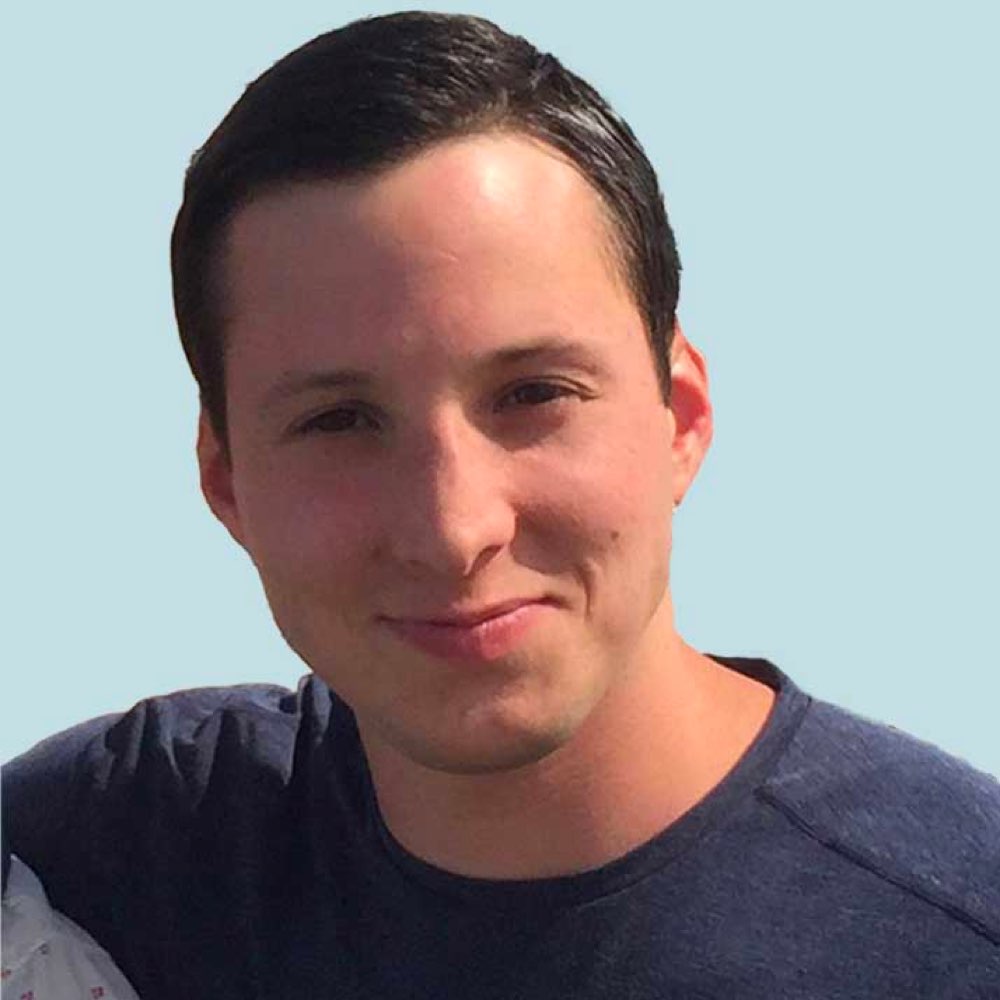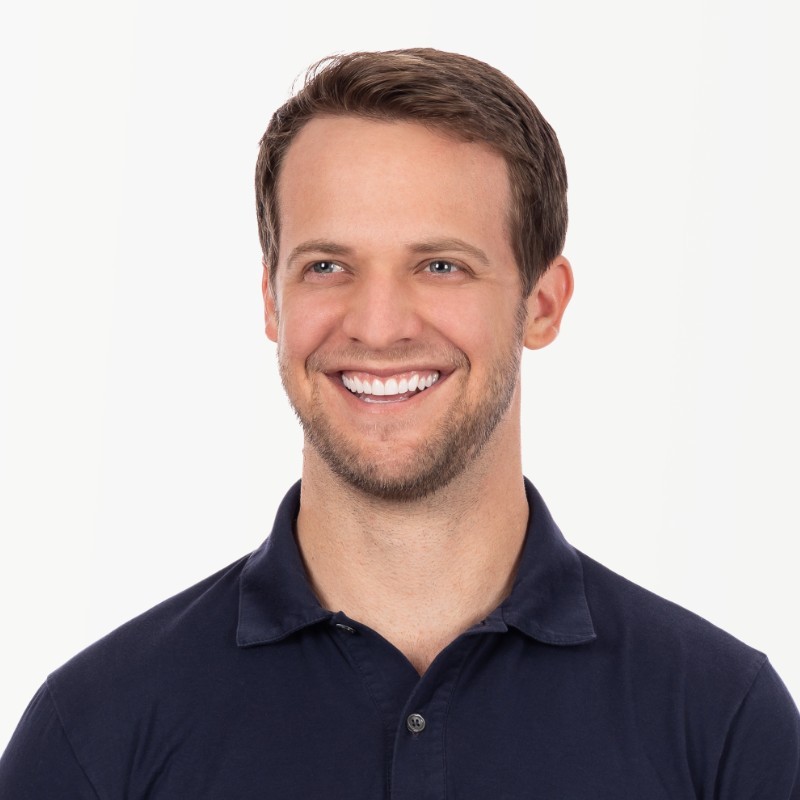
Aaron Stachel
FirstMile Ventures
Aaron isn't a default VC. He spent ten years as an Army helicopter pilot and a West Point grad before an MBA pulled him into startups, and in 2015 he co-founded FirstMile with Bill Miller to be the first check for founders building in non-coastal markets. He writes $400K to $800K into rounds generally below $2M and leads roughly a third to a half of them, which he frames as deliberate: a check that size lets him anchor a round without crowding out other investors, so he stays an ally rather than a bully for allocation. That geographic and structural position shapes everything he looks for.
His most useful contrarian point is that team is not his first filter. The industry default is "we invest in people," and Aaron agrees team matters, but he evaluates the team only in light of whether the problem is big and urgent enough to justify a company. He goes further on where to hunt: obvious, hot problems (agentic guardrails, prompt injection) attract $50M seed rounds and teams spun out of the big labs, so a pre-seed founder is walking into a knife fight. He is drawn instead to offbeat, overlooked markets where a uniquely positioned founder teaches him something he'd never thought about, like an old industry still running on spreadsheets and WhatsApp. The red flag that mirrors this: founders who oversell, wave off competitors, and try to get him excited rather than taking his concerns two or three levels deep. He wants to be made comfortable with a risk, not talked out of caring about it.
On process, the tactical advice is specific and worth the listen. Qualify VCs the way you qualify sales leads, and after two or three calls ask directly what's left in their process; a vague answer means they don't know what would get them to yes, and you should push or move on. Real FOMO comes from more demand than room in the round, not from fake caps or "closing Friday" deadlines that other VCs quietly fact-check with each other. And after the round closes, stop managing investors like prospects: your update should be a screenshot of the dashboard you already run the business on, shared honestly, bad news included. The weaker stretch is the "getting in the room" section, where the advice (warm intros beat cold outreach, target aligned investors) is fairly standard. Aaron's fresh wrinkle is that AI has flooded inboxes with polished cold emails, which has made warm intros and real-world relationships matter more than they did two years ago.
On why the problem can outrank the team
On the real base rate of pre-seed investing
On how VC FOMO actually works
On qualifying a VC mid-process
On what an investor update should be
Mat Vogels (00:10)
Hey everybody, welcome to another episode of Fundraising, a podcast where we interview early stage investors to give you, the fundraising founder, all the tips, tricks, tidbits that you need to hopefully raise your first round of funding. And today I have a very special guest, fellow Colorado investor. As folks know listening, I'm a big fan of Colorado investors. I think we tend to be more authentic.
and provide I think really grounded advice, especially to those, as we were saying before this, that are investing out of places that aren't San Francisco or or LA. So hopefully we can add some a value to folks that are outside of those networks. Aaron, partner at First Mile Ventures, a pre seed fund, like I said, located out of here, Colorado, and then also Texas, is that what I saw as well?
Aaron (00:58)
That's right, we have a venture partner in Texas.
Mat Vogels (01:01)
Very cool. Well we'll dive into the the specifics, but again, thank you, Aaron, for being on. Let's start with a high level overview of the fund, what you're investing in, the stages you invest in, and then maybe the average check size that you typically are are investing.
Aaron (01:16)
Great. Well thanks for having me. I hope I can represent Colorado well. So First Mile is a pre-seed fund. You know, that can mean different things, as you said, kind of depending on what part of country you're in. You know, for us, we're typically investing in companies that have built something. They're getting ready to start selling it or they just started selling it.
Mat Vogels (01:20)
I'm sure you will, yeah.
Aaron (01:36)
So we're often part of the first round with a VC in it, you know, part of the round that takes them into market and produces the traction they need to go on and raise a later seed or Series A kind of round. You know, we started about 10 years ago, we saw a gap in Colorado as this ecosystem was growing. seed was a relatively new thing, and you know, we felt like there was a big opportunity to build a seed fund.
focused on this market and fill that gap. we added a venture partner in Austin, Texas in 2023 with a goal of having, you know, similar to we have here, you know, boots on the ground in, you know, another one of the largest markets outside the coast. So, you know, between Colorado and Texas, we're
you focused on pre-seed companies, you know, being the first partner to founders in these you know big non-coastal markets that are trying to prove you know they've got some level of product market fit and then you know hopefully they can attract investment from anywhere after that.
Mat Vogels (02:31)
I completely agree. I think Austin and and Denver are the two areas that I hear most often from folks. Our fund is located a lot of times out of LA, San Diego, and the Bay Area, but more and more we see founders that are especially in you know aerospace in Colorado, a lot of good defense and and aerospace in Austin. So we're we're playing catch up, but I'm excited for for the things that we have there. I can't remember if you mentioned did you mention average check size? Do you have a check size that you're typically going for?
Aaron (02:58)
Yeah, we're typically investing four to eight hundred thousand in rounds generally below two million is kind of our sweet spot.
Mat Vogels (03:05)
Yep. I like that. And I think the the reason why I think that check size works so well, especially for founders listening, I I find that when you are in your case that means you could lead kind of ish, but d are you leading a lot of these rounds or what percentage of them are you leading typically?
Aaron (03:20)
Yeah, I'd have to do the math. But I'd say we probably lead maybe a third to a half of the precede sort of smaller rounds that we do. If the round gets over two million, it's we're generally sort of a follow-on check in that case.
Mat Vogels (03:22)
Kinda depends.
Yeah.
The reason why I bring it up is I think when you can have an investor that has a little bit of that flexibility, you end up being such a great ally to the founders that are raising capital as well. Cause sometimes you'll find if if you are trying to lead or you're writing a bigger check. So if you're looking for a you two million dollar round and you're trying to write a you know one, one point two million dollar check, you end up being not the bully investor, but the investor that has to come in and essentially take away allocation from potential partners. But if you're writing a four hundred, eight hundred K check in those rounds
you become an ally to these founders where you can then help introduce them to additional capital. You'd prefer to lead maybe in some cases, but you don't have to, which means that you can still be along for the ride if you have that conviction.
Aaron (04:15)
Yeah, that's exactly right. It is a it gives us a lot of flexibility as you described to, you know, put a stake in the ground and help catalyze around and pull it together as a lead, but it's not so big that, you know, there's not room for others or that we can kind of slide in and collaborate with other folks that we, you know, work well with.
Mat Vogels (04:34)
Yep, I love that. Let's go into a little more background on yourself. I I know you have a a very interesting background, similar in in ways to the the background that our GP Larson Jensen has, with some of the military background and pieces there. Talk a little bit about your history, how you got into VC, and then what you were doing in the earlier parts of your career.
Aaron (04:53)
Yeah. So I've always been in interested in investing. When I was in high school, I had a physics teacher who would like play stocks on the TV on mute. And one day he sort of
Mat Vogels (05:02)
Nice.
Aaron (05:03)
Drew sort of the compound interest chart on the blackboard. And you know, I got convinced from that point that I should get started in investing. and so kind of a nerdy, a nerdy segue, how I got interested, but I ended up doing an econ degree at West Point, spent 10 years in the Army as a helicopter pilot, that brought me to Colorado. I got stationed at Fort Carson, and then I left the military, got my MBA, and while I was doing that, I got really interested.
In startups and venture capital. I took some entrepreneurial classes. I worked with startups kind of as a summer intern and part-time employee while I was in school. I did MA at a big company after business school for a couple of years, but was really searching for a path back to tech, back to startups, and got connected to my partner Bill, who's an entrepreneur who had taken a company public, was investing his own money in.
Yeah, wanting to start a fund to sort of fill that gap we talked about earlier. And I was able to jump ship and help Bill start first mile and we launched our first fund in twenty fifteen and have done, you know, over seventy-five companies now and are investing out of our third fund.
Mat Vogels (06:10)
That's awesome. Well, congratulations and and thank you for your service. Do you have any from your from the history and on the on the military side, I talked to Larson about this a lot. What are some of the things that you think that's given you that's almost a unique edge in finding companies, helping and supporting some of these companies? What has that history kind of given you as you go into the world adventure?
Aaron (06:32)
Yeah, I've you know, I've not been a founder, but I have been, you know, a leader of a lot of organizations in the military and sort of challenging uncertain times. And so I think that gives me sort of a perspective of kind of gauging people and how they will serve as leaders and founders. it also gives me a lens to sort of help them, you know, a lot of issues that startups face are people issues.
and so I've dealt with my fair share of those and can help along those sides. and likewise, you know, I think the the military is really good at sort of pushing decision making down to a decentralized, sort of lowest level possible. You know, I think the the stereotype is kind of a hierarchy and yes or no, sir. But the reality is you've got a lot of young leaders making decisions kind of out in the field, you know, with uncertain information, you know, with the mission in mind.
So that that sort of framework of, you know, we have to do something, we don't know exactly what the right thing is, but we know our mission and we're gonna take the next step and move forward and we'll adjust as, you know, as the plan we gather new information and need to change the plan.
Mat Vogels (07:38)
No. Yeah, we we like to say that you have true operator experience. A lot of folks they say, we have operating experience, you have a very different but honestly maybe more of a a truthful operating experience. ⁓ Yeah.
Aaron (07:45)
Yeah.
Yeah, that's one the reasons I went to business school after the army. It
sort of filled in. I had a lot of leadership experience, but you know, certainly a lot of holes on the business side. And so it was a, you know, a nice way to sort of r round things out and launch my next career.
Mat Vogels (08:03)
Course.
Yep, love that. The next questions are questions that we had submitted by founders. Founders want to know a little bit more about the world and what it is to be a VC, and I find that sometimes a little bit of that empathy or understanding can help them in the process. So the first question is, what is your favorite part about the job and being a V C and then what is your least favorite part about the job?
Aaron (08:27)
Yeah, so my favorite part I would say is the variety. So I am you know, the founders that I want to back are kind of like want to sink their teeth into one thing and like won't give up until they, you know, solve this problem. I'm kind of the opposite. You know, I love staying at the high-level sort of strategy kind of level and then sort of moving on to the next company and having those kind of discussions over and over again with a variety of companies really suits my interests and personality.
So I love that part of the job. I'm always meeting new, really passionate, smart founders building crazy things, and just love it. The thing I probably don't like the the the thing that I like the least is you know, I'm a pre-seed investor, the failure rate is high, and so
You know, we expect, you know, fifty percent of our companies to sort of not make it or at least return less than one X capital. And so, you know, in any other context, that's like an absolute bloodbath. You know, but you know, so there's always something going wrong. you know, helping founders through tough situations, you know, it can be stressful if you build those relationships with your founders and
you know, really genuinely want them to succeed. You know, there's a lot of moments where, you know, things just don't feel like they're going well, even if you have the handful of breakout successes that make the fund, it there's a lot of times where it still doesn't feel like things are going well.
Mat Vogels (09:52)
Yeah. Yeah.
I think we like to talk about normalizing failure in in some ways because it is almost more normal to to not make it all the way through. Certainly not make it to the point where a V C would consider you a truly good outcome of, you know, a billion dollar, multi billion dollar outcome, ten, a hundred X. a lot of founders will find success in building very good businesses that go on to continue to thrive and survive. but obviously there are a lot of companies that that go to zero and move on to the next thing, which is
Obviously not the ultimate goal, but is in many cases the most normal outcome.
Aaron (10:26)
Yeah, it's unfortunate, but that's just kind of the reality of of this stage of investing.
Mat Vogels (10:29)
Yep.
Yep. Agreed. What are some of the things that you wish founders maybe better understood about being a VC? Kind of how I mentioned some founders, if they maybe understood this thing about the life in a VC, they'd have a little bit more empathy, which can help them as they get no's or yeses or work through that that process.
Aaron (10:50)
Yeah, I think it's important to understand that, you know, VCs are saying no almost all the time. It's not a personal thing. You know, it certainly feels that way. You know, if you're a founder raising for your company, it really hurts if somebody doesn't want to get behind you. And you know, we go through the same thing. When you're raising a fund, people are deciding if they want to invest in you as a fund manager. And so when they say no, it's hard to not take it personal.
And so there's certainly, you know, often not any sort of reason about the founder themselves that we might be passing. And so they shouldn't sort of assume that. And you know, even the best VCs are wrong most of the time, as we were just talking about, you know, both on the, you know, the affirmative and the, you know, doing something that they should have, you know, not doing something they should have done or doing something that, you know, in hindsight they wish they wouldn't have done. And, you know, I'm
My biggest miss is probably Sondermine, which is a local company run by another West Point, you know, army vet who's a personal friend of mine. And, you know, I didn't invest in the early days. And, you know, fortunately I'm still good friends with Mark. But, you know, even sort of having the access and the relationships, you know, you you can still screw it up. And so,
Mat Vogels (11:47)
Mm-hmm.
Aaron (12:06)
You know, as we said before, you know, you're making these decisions in a high degree of uncertainty and doing the best job that you can. And so certainly don't take it take it personal.
Mat Vogels (12:14)
Absolutely not. Yep. And we we say no to more companies than we say yes to, and many of those companies that we say no to, to your point, go on and build very successful businesses. So it is certainly not something that you should take to heart there. What areas or industries right now are you
personally excited about? We're kind of living in this AI renaissance that's opening up all of these new doors. What are some of the things that are most exciting for you, maybe either personally or also from an investment angle?
Aaron (12:43)
Yeah, and this is what like one of those answers that could look really silly in six months because the world is sort of changing so fast. but one of the things we've been investing in in our new fund, in an area that I think there's a moment in time for right now, sort of AI enablement. You know, I think the the big model companies have built
These really powerful engines and you've sort of seen this pendulum swinging from, yeah, it it works okay, to like, my god, these things are so powerful, everybody needs to use it to, hey, we need to slow down, we're not getting the you know, the ROI on this investment. And so I think.
There's a lot of companies that are figuring out, you know, how can we leverage these powerful tools across our organization and teams and applications and workflows. And so we've done a few things that are sort of levered to that sort of picks and shovels side of AI in terms of connecting to your data and applications and integrating into workflows. And you know, I think a lot of companies need somebody to help them. and so that's been a, you know, we've done a few companies in that space.
Mat Vogels (13:49)
Yep. And it's only going to continue to grow. I mean all the stats kind of show right now how early we are into AI implementation. It it's you know, we maybe the world that we live in, we think, everybody's using AI, it's already overcrowded and too busy, but the reality is there's still a long, long way to go. We're in the early innings.
Aaron (14:02)
Yeah.
Yeah.
Yeah, I I think if you're in tech and talking to developers who have been some of like the biggest, you know, early adopters of this technology, it's easy to think that everybody is a, you know, clawed code power user. But the reality is most people are just scratching the surface.
Mat Vogels (14:22)
Yep, yep, agreed. Last question here before we dive into the fundraising process. Why should founders pick you andor first mile to be on their cap table?
Aaron (14:34)
Yeah, I think, you know, we've been at it for over 10 years, investing in, you know, over 75 companies at this point. You know, since we started, we've been focused on being, you know, a local partner to founders, you know, building something in these sort of non-coastal geographies. and so I think if you went and asked those founders, you know, you'd get
A mix of like they, you know, made some really key introductions. They really helped us think through like a key problem. And you know, and sometimes we haven't been as involved, but I think you would hear fairly consistently that you know they were good people, they believed in us before it was obvious. They helped us kind of get started, get those first rounds done, you know, they helped us where they could, and you know, they stay out of our way and let us run the company otherwise, and you know, good, good.
Good people to work with over a long period of time.
Mat Vogels (15:27)
Yep. Yep. I I like that. And I think what founders realize maybe the second or third time around is how valuable having VCs like yourself on the cap table really is. You know, it's a it's a cliche, but being that first call investor, the one that you can go to when things aren't going well, is is so critical and you need to have folks like that on the cap table. And and I would agree, I think you and First Mile represent that very well. All right.
Aaron (15:51)
Thank you.
Mat Vogels (15:53)
Going into the fundraising process here, for folks listening, we break it up into three different parts. The first is how do you get in the room? How do you go from being a founder in a place like Colorado? You have an idea, you want to start this fundraising process, how do you actually do that? The second phase is the first meeting. How do you get into that meeting and then ultimately leave with a positive signal that lets you go into the rest of the process? Third step, final step is really just pushing it over the finish line.
There's a lot of ups and downs that'll happen. It's the true meat of the process there. We'll maybe give some tips and tricks on on how to navigate that. And then at the end we'll we'll maybe talk a little about what happens after you close your round because that's truly when the work begins. So let's go into getting in the room. As I mentioned, a lot of folks listening don't have the network, they're not in the Bay Area, they're not in LA, they could be in places like a Colorado or even in Austin.
What should founders be doing to start either either building out that network or finding the VCs that are the most likely to maybe invest in their round? Any tips or tricks for that?
Aaron (16:54)
Yeah, I I think there are, you know, but I think maybe you kind of laid out these sections of fundraising. And before I answer that question, I think it's important for founders to realize like this is a process and it is a lot of work. And you know, you need to be prepared for, you know, especially the CEO and senior leadership team. This is a a full-time job on top of your job of running the company to to move through this process efficiently.
and so kind of the the way to start that is figuring out who's most likely to say yes. And so you know who are the VCs investing in the kinds of things that you're doing at the stage that you're doing it? because as I mentioned before, most VCs say no to most things. So
You want to find the the ones who have a history of saying yes to things like you to up your odds. And you know, some are better than others at sort of spelling out what they're gonna do. you know, we try to make it really clear on our website. And I've had a handful of founders as we, you know, are taking pitches, you know, thank us for that because they have a good sense of who we are, what we do, what we don't do.
and so use Crunch Base or Signal or whatever you can to sort of narrow the top of funnel down to the right folks.
Mat Vogels (18:09)
Yep, I agree. The more likely you can find the investor that's aligned, the less of a a a friction that you're gonna have to push past, you're gonna go, hopefully not upstream to to make that happen. What have you found maybe is one of the better ways in getting a pitch deck, a memo in front of an investor like yourself? So let's say they have that list of investors that they feel are aligned with their mission and their thesis. What is the best way that you found for that pitch deck to make it in front of them?
Aaron (18:37)
Yeah, this is a another area that AI has really impacted. I think you know, I used to sort of pride myself on responding to cold inbound, you know, most of it, maybe not always all of it, but
AI has made it so easy to sort of send a personalized email to a list of investors that, you know, the inbox, the LinkedIn sort of inbox are just constantly flooded with cold inbounds. So it's really hard to sort of stand out in that environment. And so, you know, relationships and warm intros is, you know, the gold standard of
You know, meeting people at events, you know, building relationships in the startup community, you know, especially for somebody like me in Colorado, it's not a huge ecosystem. you know, you should be able to find somebody in my network that knows me.
and if I get a pitch from you know somebody who I know and trust and they say, Hey, I met this team, they're really solid, they're working on something really cool. I think you should take a call. Nine times out of ten, I'm gonna take a call, unless it's you know just out of focus for us. versus if you send that sort of cold, cold message, it just ends up in the pile. And it's sometimes gonna, you know, the AI messages are getting so much better that you start to assume they're all sort of.
AI generated and not, you know, this person may not even know who you are or have any idea, you know, why they want to work with you. and so warm intros are the best. You know, we have a website form that has the basic fields and information that we need to decide if we want to take a meeting or not.
And so that kind of tells me that somebody, you know, spent a couple of minutes filling that out and they they know who first mile is, they want to work with us, and they provide us the information to sort of make that decision to take a call or not. And so I think that's that's the second best way.
Mat Vogels (20:28)
Yep. Is there anything in some of those cold inbound that you are getting that you have found stands out maybe a little bit more that gets you more eager to jump into that pitch deck? Is it a really good blurb? What are they saying or doing that maybe ups their odds a bit?
Aaron (20:44)
Yeah, my like initial sort of top top of funnel kind of screening is like very big picture on like the most important things. So it's like, is this a big important problem? You know, is it a problem I can understand? you know, I just talked to a company like in the advanced materials space. It sounded really interesting. I took an intro call, and the more I thought about it, it's like
You know, I just don't have the the network or the experience to really understand the technical risks. I don't know who's gonna do the next round. I don't know what the right milestone is. And so I'm just gonna bow out. so I have to be able to understand that problem. And then I'm looking like, is this team, you know, if I sort of believe this is a big interesting problem to solve.
then I'm looking at, okay, who is this team? Are they really well positioned to execute? Is this going to be, you know, the big winner in this space? And if if those things sort of like jump off the page, I'm gonna take a call and you know dig in a little bit deeper.
Mat Vogels (21:44)
I like that. The pitch deck is one of those things, it's one of the only things that we may see before actually meeting some of these founders. So it is important, I think, to get it right. we're seeing even a lot of memos these days, which I also kind of appreciate too. Are there any things is there a favorite slide or a favorite thing in in a memo?
that you gravitate towards other than what you kind of just said, something that goes into more detail maybe on that, that you gravitate towards first before even diving deeper into the rest of the pitch materials.
Aaron (22:15)
Yeah, and you'll probably hear me sort of come back to this. Like the longer I've been doing this, like the the more the problem and the urgency of that problem sort of come back to me as like one of the most important things. so I'm almost always starting with like, is this a big important problem to solve? Is this like a top one or two priority for this customer? and then, you know, if I'm you know, and then it's sort of like, is there
what is, you know, the reason that nobody else has done this or why are the competitors not doing it well enough and what is sort of your angle on it? and again, I think the default answer is always team and that's certainly a huge part of our decision. But I'm always evaluating the team in the light of is this a big important problem to solve? Is there a good reason to to build a company here?
And then I'm looking at is this the right team to go do it? So it's you know, it's really important, but we've certainly passed on great teams that we just felt like weren't attacking a problem that was, you know, important enough to, you know, break through the noise in the market.
Mat Vogels (23:22)
Market pull is so is so important and then the unique insider edge that they have to to pull on that is is very important. So I agree. So let's say they've done those things, everything goes well, you're excited to talk to them, you schedule a meeting, you're going into this meeting, a lot of times founders don't realize you know, we do
hundreds of these, maybe even a month, certainly in a year, they may be doing these a dozen times per year. So we have this unique advantage in having so much of the experience, but I think that if we can share that experience, it'll help give them an edge on what we are looking for. So what are you looking for from a VC in these initial meetings with the founder that you've never met, you're meeting them for the first time, what can they do going in here to hopefully stand out for you?
Aaron (24:07)
Yeah, so aside from sort of really defining a big important problem, you know, there's like a lot of people write about this in different ways where it's like they have a unique sort of earned insight or like a secret that they've sort of learned about their market or you some sort of unfair advantage.
you know, they figured out a way to solve a big important problem that nobody else has figured out how to solve yet. And so like you have to believe that to think there's an opportunity for, you know, a really early stage startup to break through. And so, you know, I really like it when you know the founder is sort of teaching me
You know, this might not sort of like be obvious, but then they sort of you ask them some questions and they answer your question, but then they take it one or two levels deeper where it's like, yeah, a lot of people think that, but let me explain to you how it really works and why it works this way and why the competitors fail to solve it. And so they really go into the weeds on why there's a big opportunity there. And so, you know, I'm usually learning something in these pitches.
Mat Vogels (25:09)
Are there any green flags from just the founder's presentation ability or characteristics that you find in those meetings too? And what are some of those traits that you're looking for on the founder side?
Aaron (25:21)
Yeah, so
we're, you know, investing in Colorado and Texas, you know, we kind of have a belief that like the the pr the big important problems that are obvious are gonna attract lots of capital. And so, you know, if you're doing something around like, you know, security and guardrails around, you know, agentic workflows or something like that, it's like that's an obvious problem, you know, prompt injection and things like that. You know, people are trying to figure that out.
There's probably a team that left, you know, one of the big model companies that's gonna raise a $50 million seed round that you're gonna be competing with in those kind of spaces. And so I really am a sucker for like the founder who's working in like
you know, it seems like an offbeat, sort of niche kind of thing, but you know, it's you haven't thought about it yet. You know, so we have a company that is called Trade Buddy, and it's a marketplace for scrap metal trading. And you know, it's one of those things I never spent two seconds thinking about how metals move through the scrap market and how it's different than the commodity markets, and kind of understanding that it runs on spreadsheets and WhatsApp messages.
Mat Vogels (26:19)
That
Aaron (26:33)
And you know how there's a huge opportunity there. And you know, you're talking to somebody who's built and run two scrapyards, and it's like partnered with somebody who's modernized these old industries. It's like, okay, now I believe there's a really big opportunity, a uniquely well-positioned team that has taught me all about this, you know, industry versus you know, something that is maybe obvious, and now like the question is more like.
Now I've got to sort through the hundred other companies that are doing something around this area and figure out if there's something really unique there. That is a little bit, you know, tougher for me to get excited about.
Mat Vogels (27:11)
Yeah, yeah. It's always fun. And y there's a delightfulness, like the surprise nature of of stumbling into that is always so fun. What is a a mistake that you see, maybe commonly in these calls, or or maybe it's a a red flag in the way the founder presents some of these things that they should try to avoid?
Aaron (27:29)
Yeah, and so like it's kind of the opposite of what do I, you know, I'd really love to be sort of taught and brought along and understand their journey and what they've learned and what that unique insight is and why they're so well positioned. And you know, you sort of just are nodding your head, and it's like, wow, this sounds like a huge opportunity that nobody's figured out yet, and you're the right team to do it. The opposite is sort of like overselling, where it's like, you know, they just want.
To just sort of dismiss competitors, they want to dismiss your concerns. You know, they're kind of you know just getting you to sort of believe that this is going to be the next big thing and you better get on now. you know, that's a red flag. When you have a concern about a competitive landscape or an issue that, you know, why can't you know this competitor just add this functionality? It doesn't seem like that difficult. And the answers are a little bit hand-wavy and let's move on, versus
having a founder that says, I understand why you think that's a problem. Let me walk you through why, you know, our approach to solving it, you know, yes, it keeps me up at night and I'm worried about this, but here's why we don't think they're going to do that. And you know, they really sort of take you again two or three levels deep into your question and get you comfortable with the risk, not sort of getting you to not worry about it, which is, you know, always makes me want to look elsewhere.
Mat Vogels (28:49)
Yeah.
Yep. Yep. W are there any questions that founders should ask and or you know, take control of the process during this meeting? Not because these are questions that you like to hear because it shows some sort of characteristic or trait, but more so that founders can take ownership of this process themselves and and make it that much easier.
Aaron (28:56)
Yeah.
Yeah, I think the first thing is just qualifying. You know, the same way a founder's qualifying their sales leads to figure out who they should spend more time with, you should qualify your VCs and understand, have you invested in this sector? Have you invested in this stage? You know, do your check sizes line up with the kind of round that we're trying to raise? You know, get a good sense of like, have they ever done something like this? Or am I, you know, going to be the first? And, you know, that's gonna just really let
lower
your chances. And so you want to do that up front. And it, you know, you don't want to let the process run too long before you sort of check back in and understand, you know, where are they at?
you know, after two or three calls, you should be able to ask a VC, what do you have left in your process? What are the things you're still trying to get comfortable with? And if you don't get a straight answer on those kind of questions, the VC is probably still figuring it out and they don't really know what they need to hear to get to a yes. And so you might want to move on or, you know, push them to come back with an answer there so you know.
All this time you're spending, is it moving you towards a yes? Or is it just sort of educating them on the space and but they don't really know if they're ever gonna get there?
Mat Vogels (30:26)
Yeah. Yeah, the sooner you can find those things out, the better. And it it's you know, it's not uncommon, it's not super common, but sometimes VCs are you know, they have one or two checks left. So some questions that we hear are, how many checks do you have left that you're writing out of this fund? Or those types of things? 'Cause you'll find sometimes they may not share it 'cause they may not want it, you know, the world to know that they're only writing one more check for the year and it's July or something. But it is important to your point in knowing where you might fit
Aaron (30:51)
Right.
Mat Vogels (30:55)
in their planning and to get those answers earlier is certainly better because you mentioned earlier as well it's a full-time process this fundraising and the sooner that you can kind of accomplish what you want to the the better and yeah you don't want to waste your time with folks that aren't gonna get there.
Aaron (31:11)
Yeah, there's a lot of nuance around those kind of topics where, you know, a fund might say they you know, we we see this a lot. A lot of people say they do precede, but you know, it might be only if we've backed the founder before, you know. Generally they don't want to go that earlier, or maybe they do precede, but they're in their third or fourth year of their investment period and they really need to do things that are further along at that point to make their portfolio work. And so
Mat Vogels (31:19)
Yes, I bet.
Aaron (31:35)
That is, you know, when somebody says they do pre-seed, you know, you you can dig in there. What, you know, how often, give me some examples and really understand. Do they really invest early at that stage with people they've never met before?
Mat Vogels (31:49)
Yeah. I we see this a lot where we have founders that say you know, they they talk to an investor that says they invest in a pre seed, but find out that they say pre seed so they can get early, but then they give them all of these obstacles and things that they wanna hit. By the time they finish those, they're s they're certain they're like a seed stage company, but they can hopefully, you know, hook them in on that. So I agree that's that's good advice.
Aaron (32:06)
Yeah.
Yeah.
Mat Vogels (32:13)
So let's say they've
they've crushed the initial meeting, they're now going into the meat of the process, it's a lot of back and forth, it's probably multiple meetings. Let's talk maybe a little bit about what your diligence process looks like. So right after that first call, what does it look like? You're still excited, you want to pursue the process. What does that diligence process look like at first mile?
Aaron (32:33)
Yeah, so we always start with like a 30-minute intro call. and sometimes I'll spend almost that whole call on just sort of understanding, you know, is this a big important problem? You know, and it generally if I can be convinced that this is a really big important problem to go solve, I'll spend more time on it. And so I want to be convinced of that first. And then, you know, I'll usually have a follow-up, you know, I'll usually take a little time to do a little research on my own.
And sometimes that is sort of reaching out to my network, to somebody who I know that really understands the space better than me, you know, doing a little homework to make sure I'm asking the right questions. And then I'm coming back with a follow-up call to go through those. Now that I've thought about it, here's sort of like the things that jumped to top of mind that I want to understand better.
And at that point, again, we might be sort of doing a lot of research on our own to understand, you know, what we're hearing from the founders. Can we go validate that in some way through our own research or through our network? and then pretty quickly, you know, after a follow-up call or two, you know, we're starting to talk about this looks interesting. You know, I like this, I'm worried about that. Like, what do we need to believe to make an investment here? And we try to sort of get down to like two.
Or three sort of bets. Like for this thing to be successful, you know, this has to happen and that has to happen. And people need to move away from this and move towards that. You know, there's some sort of, you know, if you're investing in something that is pre-seed that wants to change the way an industry works and you know, really disrupt it, you've got to believe that you know these big things are gonna happen in the future. And so we're trying to distill our decision as quickly as possible into the process down to those two or three big bets.
And then we'll work with the founder and you know say, hey, here's what we're trying to get comfortable with. And sometimes, well, you should talk to our advisor who spent 10 years doing this and is the perfect person to talk about. Or let me introduce you to our first customer who can tell you about all the other stuff they looked at and why they chose us. And so we're kind of nailing down what do we need to do, you know, what are the big risks we want to get comfortable with and work with the founder on a plan to sort of, you know, work through that. You know, they'll have a call with my partner.
Get to meet him, he'll have some questions, and then you know, sometimes that can be a couple of weeks to get to a decision, and sometimes it can be months where you know we're working with the founder, you know, they're introducing us to folks, you've got to get those things scheduled, you know, things come up that you get uncomfortable with that you have to work through. And so it can be an iterative process that takes longer.
But that's generally sort of the path that we look to identify these risks and then work through them with the founder.
Mat Vogels (35:16)
Yeah. Are there any tips that you'd give founders? Usually the hard part about this from a founder lens is that they're typically juggling multiple VCs at the same time. They maybe had conversations with a dozen investors. They're trying to keep the momentum going across all of those areas. Any tips that you give a founder on how they can maintain that momentum and, you know, build FOMO, but also not come off as too desperate or too pushy?
From the V C side, anything that you like seeing in founders when they're managing this process?
Aaron (35:47)
Yeah, there's a lot of techniques that you'll see founders use to try to manufacture FOMO.
Mat Vogels (35:52)
Yeah.
Aaron (35:53)
Where it's
like, you know, we're closing on two million and the first million gets this cap and the second million's gonna get this higher cap. And it's like, that's not a real thing. You know, it's like nobody wants to pay more than other people closing around the same time. if you tell me I've got I'm raising two million and I've got three million of interest and I need to do, you know, allocations by this week, then that tells me I better make a decision.
Mat Vogels (36:02)
Yep.
Aaron (36:21)
so the way you create FOMO is creating more interest in the round than there is room. And investors are pretty good at seeing through the sort of manufactured timelines or you know, sweep deals for people coming in early. and so again, one of the ways you do that is just getting you know, building enough top of funnel with the right investors that
You know, investors start to say, like, I need to put this at the top of my list and I need to make a decision because this looks like it's gonna come together with or without me. That's the kind of you know sense that you want on your investor side. but if you sort of manufacture that, you start to lose credibility. And it's like, they're pushing me to make a decision and I think it's because nobody else is saying yes.
Mat Vogels (36:52)
Yeah.
Yep. And if you, you know, say, Hey, we're closing on Friday, we have this much interest, and then it comes and goes and you don't have that, again, you you lose a lot of that credibility. We see a lot of times where they will, we're we have a term sheet from, you know, a tier one or they they kinda do this. We kinda know who's circling around these. I think founders forget that VCs do know each other pretty well.
And you can kind of gather quickly who's interested in each deal, and then those things circulate pretty quickly. And we'll find that, actually that tier one said no or passed. Or, you know, actually th they don't have anybody closing on Friday. And we because we see it more often than we would like, I don't know if you feel the same. We we take it with a little grain of salt, like especially if they're a first time founder and you know this is kind of what they've feel like they need to do or or whatnot. So we give them a little bit of a of some some leash, but
Aaron (37:27)
Right.
Mat Vogels (37:57)
Sometimes, yeah, you gotta you gotta be careful though, 'cause not a lot of VCs will give you too much.
Aaron (38:01)
Yeah, and there's there's a little bit of like the happy ears phenomenon at that stage where people are having conversations. Like, well, this is interesting. Let's schedule a follow-up call. And the VC might have a lot of things to figure out before they ever get to a yes. But to the founder, it sounds like they're leaning in and you know they're gonna invest and they they sort of, you know, it's not because they're trying to be misleading, but they genuinely think that.
Mat Vogels (38:06)
Mm-hmm.
Aaron (38:27)
all these people want to invest, not sort of appreciating how much work is left in the process.
Mat Vogels (38:33)
And VC, you it's a sales process for us too, because we also wanna make sure that we are in the deal flow and that we don't wanna be left out. So we in some cases we try not to and a lot of VCs will try not to, but we also wanna show
strong interest, even if not that we not that we're lying, but that we want to make sure that we're still top of mind as we start to figure things out to your point. So sometimes it can come off as more exciting than not that we are, but that founders maybe give credit for.
Aaron (39:02)
Yeah,
yeah, that's something to be on the lookout for as a founder also.
Mat Vogels (39:05)
Yep, absolutely.
Although it's a nice problem to have, some founders will find that they're in a position where they maybe have, you know, a few hundred K left or you know, one check left, one or two, but they have a handful of founder VCs circling. Maybe they have a few leads that they can only pick one. You mentioned some of these things earlier, some of the traits that that you have as a fund, but what should founders really be thinking about when they're making some of these picks at the end of their round?
on what VCs they should have on their cap table. 'Cause it's it's a really hard process. It's a ten year journey. If you haven't done this before, there's a lot of mistakes that can be made. So what what advice would you give founders in that position?
Aaron (39:42)
Yeah, a couple things on this. I mean, I think first and foremost you want to optimize for good people. You know, once somebody's on your cap table, you're not getting rid of And it might be a ten year journey. And so I think it's important for founders to sort of reference check.
They're you know, their potential investors. You know, you can go look at their portfolio page, you know, find somebody who you can reach out to and say, hey, what's it like to work with Aaron? What was it like having Aaron on your board? You know, was he disruptive? Was he a jerk? You know, was he helpful? Was he not? You know, you can ask these questions and find out what these people are like to work with. And again, it's a long journey, and so.
More than anything, you know, brand, reputation, you know, all these things, you know, find out who these people are and what it's like to work with them. And you know, I think founders, you saw this a lot in 2021, especially, and certain sectors are hot right now where rounds are closing fast at these high prices, and you know, founders may be optimizing for those things, but sort of missing the point on this is you know the beginning of a long journey, and I want people around me that are good to work with. And so if you sort of everybody you're selecting
Collecting
with sort of checks that box. I think creating some diversity is helpful. Like, you know, you might want somebody who's an industry sector focused fund that specializes in robotics if you're doing a robotics company, because they have special insight and connections that can be really helpful to you. If you have one of those, rather than getting another robotics investor, you might want you know somebody like First Mile who is local and can help you build your network of peer CEOs who are at the same
stage and connect you with the right local service providers and can think about a broader set of things maybe better than a specialist fund could. And maybe you want to bring in a coastal fund who has relationships that could really help with the next round. And so you might kind of look at sort of you know how you sort of check all those boxes versus finding a bunch of people who are pre seed robotics investors, for example.
Mat Vogels (41:44)
Yeah, yep. Great advice. All right, let's say they've closed the round. Everyone celebrates. It's it's this weird transitional period though for founders. You mentioned it, you're kind of full time on this effort, and then it kinda ends pretty quickly and then you gotta snap back into into real work mode.
What advice would you give founders in the first, you know, three to six months after they've closed this round? Whether that's, you know, mistakes that you see, a lot of these founders haven't seen money like this before, or maybe some of the things that you've seen founders do well in in kind of snapping back into that process.
Aaron (42:16)
Yeah, and so I think that the people who sort of manage their investor relationships well. And again, at this point you're on the same side of the table. So I I think it's important to realize the negotiations done. If you've done your work and picked good people to be around the table with you, we're on your side of the table now. We want you to be as acces successful as as possible. And so kind of letting your guard down and being transparent and open and honest is like a good place to start so that we can you know
know, address challenges head on together and like work through them. And so I really like, you know, the flip side isn't a founder who says, I gotta keep them at arm's length. I don't want to share bad news. Sending investor updates is a pain in the ass. You know, the founders who I think that are more successful tend to
work with their investors on, you know, what is the dashboard of things that we want to look at to run this business? And then let's agree on a set of things that are important and how we're going to measure progress. And let's talk about those once a quarter. And my investor update is not inventing some report or set of things that
I don't care about as a founder, but my investors bug me for it's working with them to decide on what's important. And so your investor update should just be a screenshot of your dashboard on how you're running your business and what's important, what's going well, what's not, and working through that with your investors. And so that sort of shared understanding of what we're working on, how it's going, and kind of what the milestone we're trying to hit with the runway that we have is like, you know, a very basic set of things, but a lot of founders.
founders sort of get in the weeds or kind of you know try to sort of manage that relationship in a sort of a still in a salesy way ⁓ where I just want to like I want to know exactly what's going on and how I can best help.
Mat Vogels (44:03)
Yeah.
You you said it perfectly. I think that founders forget that we are now officially on the same team. We're in the boat with you and we wanna know and help for all the things. In fact, we would rather know all the bad things than the the good things, but we feel the same way. Founders still wanna only present good news.
Aaron (44:15)
Right.
Mat Vogels (44:25)
so that's why they you they go dark for months at a time at times and like those are the things you actually want to be a part of and we appreciate when founders can can surface them more so than we'd rather you surface all the bad things in between than just the good things every six to twelve months.
Aaron (44:41)
Right, right.
Mat Vogels (44:43)
What are some of the things that you've seen founders do well in these early stages of a company just in general? So in hiring or in the way that they do customer management, maybe all the above, but in the pre seed stage, there's so many things that founders need to get right. Are th are there things that you would recommend founders hyper focus on in the early days of just company building in general?
Aaron (45:04)
Yeah, I would say one of the things
That is really important is founder-led sales. we invest in a stage when product market fit is like not identified yet. And so I think founders that we invest in, you know, all the stuff we talked about before, usually have a very strong, well-grounded worldview about sort of what needs to change in an industry and how they're going to do it. But then that plan sort of comes into contact with reality and they need to shift.
And one of the best ways to sort of understand, you know, your blind spots and test your assumptions is to go try to sell what you built to customers and hear firsthand why they don't want to buy it. And so I think founders who sort of stay in that founder-led sales mode.
to get the you know product market fit truly identified, you know, that pays huge dividends down the road. You can't do that forever, it doesn't scale, but in the early days it's extremely important.
Mat Vogels (46:08)
Yep, yep, I agree. Aaron, this was awesome. we covered a lot of information in a in a little bit of time. Any last remarks for folks that are in the thick of it right now in that fundraising process? Any speech that you would give them to keep going here?
Aaron (46:23)
Yeah, I think it's I mean it's a really exciting time to be building. I mean, AI is just changing the way that software is developed and the kinds of software that people need. And so transitions like this are create a lot of opportunity and excitement. And so it's a great time to be building. I think for folks in markets like Colorado and Texas that are outside the coastal sort of hype cycle, I think.
You've got to sort of take the headlines with a grain of salt because the headlines are often written about companies who are raising, you know, the $50 million seed rounds or, you know, the billion-dollar, you know, Series Bs or whatever like that. And so those are the stories that sort of get people's attention and it can give you a really skewed perspective of what's really going on in venture capital. And I would say, you know, the reality is it's a really tough time to be fundraising, despite all those headlines.
lines on these big rounds and enthusiasm and excitement. And so if you're sort of outside of those sort of bubbly places, again, I think
There's money out there, you know, there's a lot of great early stage funds in markets like Colorado and Texas, but sort of understanding how your market differs from, you know, those sort of San Francisco, New York markets is going to, you know, really understanding that nuance is going to help you sort of navigate that process and be more successful.
Mat Vogels (47:49)
Yep. Yeah we we saw that it was in the last quarter
something like eighty percent of all funding went to like a handful of companies. ⁓ so you're right that it feels as though there's a lot of money to go around, but in reality it is it is a tough time to be fundraising right now. So to keep going. Aaron, thank you again for being on. Where can folks continue to follow you and and first mile you mentioned on the website, folks can go there to to fill out the the form. Anywhere else where folks can continue to follow you.
Aaron (48:00)
Yeah. Yeah.
Yeah.
Yeah, I I'm on LinkedIn, Aaron Stachel and then firstmile VC dot com. You know, if you fill out the pitch us button, it comes straight to me. I r try to respond to all of those. and again, get out, you know, I think that the
AI has made it really easy to sort of outreach to people digitally, which I think makes building relationships in real life more important than ever. And so I'm trying to get out in the world a little bit myself. more so kind of shake off the sort of post-COVID, you know, endless Zoom days and get out in the world. And so I think there's, you know, human relationships are more important than ever these days.
Mat Vogels (48:58)
Agreed. Aaron, thank you for being on. like I said, local Colorado and hopefully I can see you in person here soon. but appreciate the time and thank you for for providing all the advice today. Absolutely. Have a good one.
Aaron (49:08)
Yeah, likewise. Thanks for having me.
You too.