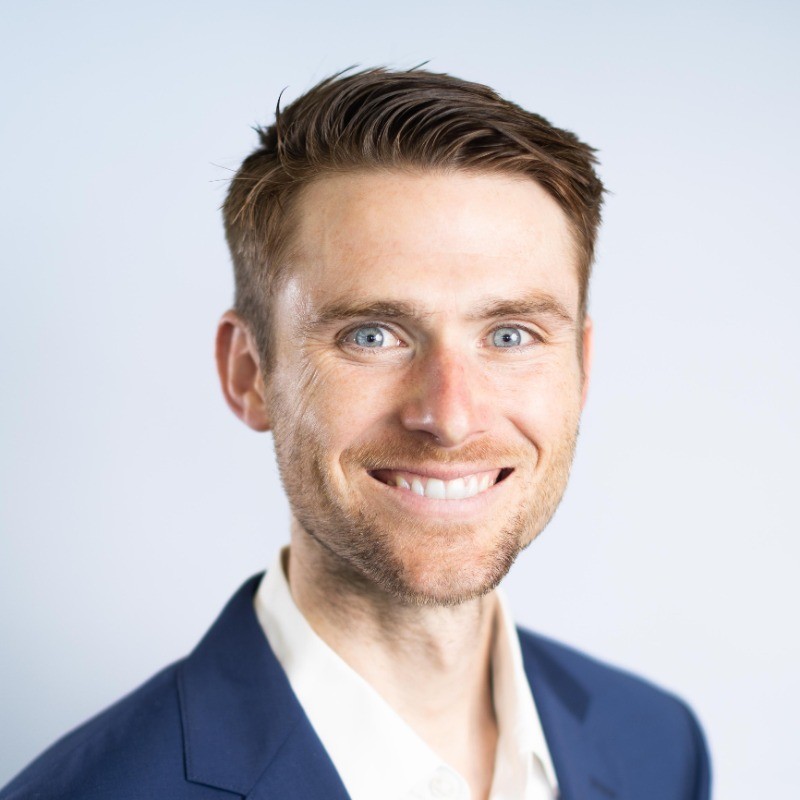
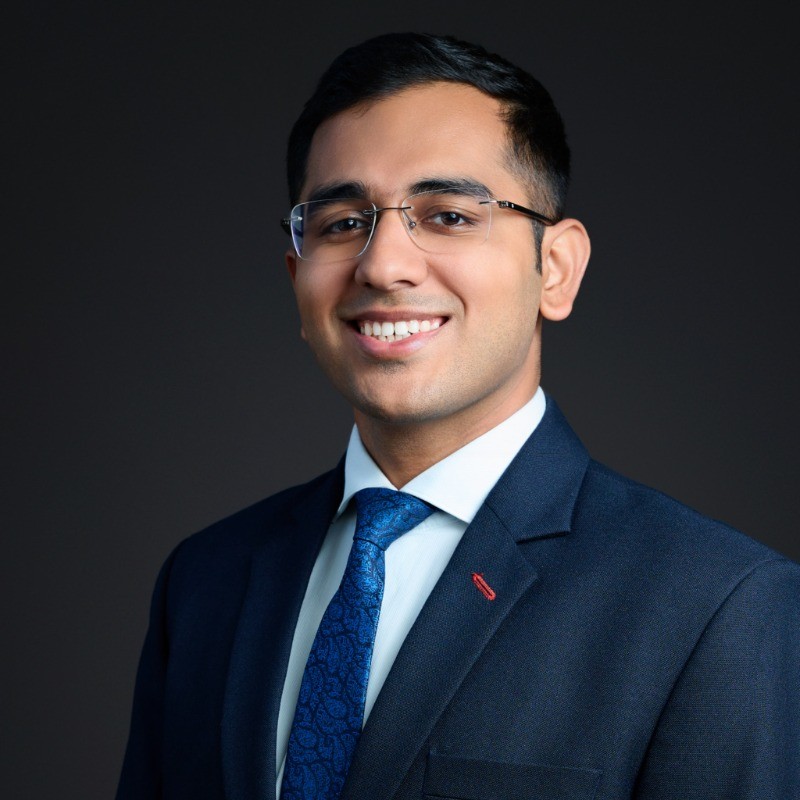
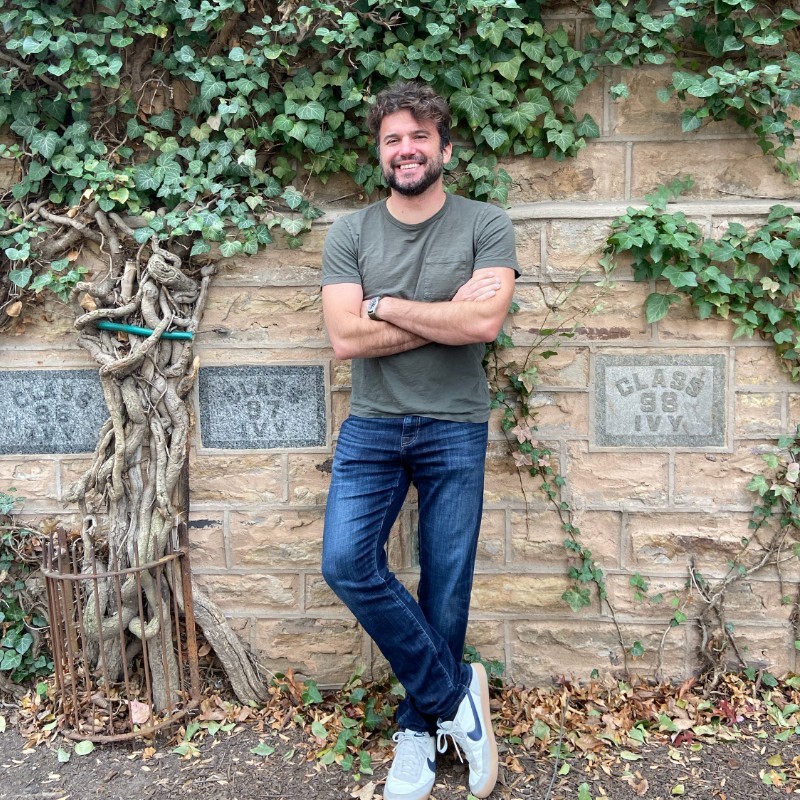
Zal Bilimoria
Refactor Capital
Zal isn't your average seed investor. He's the solo GP behind Refactor Capital, a hard tech seed fund based in Burlingame, and he just closed his fifth $50M fund. Before going solo, he spent a decade in product at Google, Netflix, and LinkedIn, then jumped to A16Z where he helped launch the Bio Fund. Today, he writes $1-2M checks into energy, aerospace, robotics, bio, and health. The cap tables he sits on read like a hard tech hall of fame: Solugen, Astranis, Orchid Health, YourChoice Therapeutics, Vitra Labs. And every founder he backs gets free mental health therapy through Lyra Health, on his dime. Not many seed funds do that.
The first half of the episode is a masterclass in cold outreach and first meetings. Zal's mental model for a fundable founder is sharp: they need to be "magnets for customers, talent, and investors," which means being both technically and commercially gifted, and a great storyteller. He breaks down his "test pitch" approach (start with 5-10 friendly VCs before expanding to 50+), why he reads every deck on his phone (and decides in 30 to 60 seconds), and the specific tells that lose him in pitches: reading off the screen, low energy, no homework on him as an investor. He's also refreshingly direct on decks: 10 slides max for a teaser, use Claude to design it for $10 in tokens, and stop spending $50K on deck designers.
Where the episode really pays off is the back half on round construction and post-close mistakes. Zal lays out his "airport layover test" for picking investors, argues hard against optimizing for the highest valuation, and explains why a "village" cap table beats a single lead. He's also blunt about the post-close trap first-time founders fall into: a six-month hiring crawl driven by second-guessing, when the real test is one or two days in office with the candidate. And he closes with what may be the most actionable advice in the episode for hard tech founders: the fastest way to make your next round easier is to get a third party (LOI, pilot, paid contract) to validate your tech so the next VC doesn't have to do de novo diligence.
On why cold emails need to work on a phone screen
On the kind of founder he wants to back
On the tells that kill a pitch meeting
On picking investors when you have options, aka the airport layover test
On why commercial traction unlocks your next round
Mat Vogels (00:10)
Hey everybody, welcome to another episode of Fun Raising, a podcast where we interview early stage investors to get all the tips, tricks and tidbits on how you can complete a successful fundraise, especially if you are a first time fundraising founder. A lot of these questions are going to be for you. I have a very special guest today, quick behind the scenes. Zal, should I say that founder and solo GP? Is that correct? Right?
Zal (00:39)
That's
right.
Mat Vogels (00:40)
Solo GP of Refactor Capital. I'll let you do the details on check sizes and what you're investing in. But I want to do a quick behind the curtain. You were the very, very first episode over a year ago for this podcast in the very first iteration. You still set the bar, set the standard, but we've added more questions from founders since then. So this is a round two and I have no doubt that you are going to do an exceptional job. But leading right out of the gate, Zal, can you give a quick background on
refactor what you're investing in, average check size, and we'll go from there.
Zal (01:12)
Yeah, absolutely. Thanks again for having me, Matt. Really appreciate it. Yeah, so again, it's all from Refactor. Run a hard tech seed stage venture capital firm.
Based in Burlingame, which is right by the San Francisco airport. I've been running Refactor now for 10 years. Just closed my fifth fund. All the funds have been roughly 50 million in size. It's just me here. There's nobody else at Refactor. I'm the only employee. And I'm investing in all things hard tech. So what is that? So that includes energy, aerospace, robotics, physical AI.
manufacturing, but also bio and health because I actually was at Andreessen Horowitz before this where I helped start the Bio Fund and I started getting into digital health and computational biology and synthetic biology while I was there.
Mat Vogels (01:53)
That's awesome. then average check sizes.
Zal (01:56)
Average check sizes are about one to two million dollars. I'll sometimes do less in pre-seed rounds. I sometimes might do more in larger seed rounds.
Mat Vogels (02:03)
That's awesome. All right, some of these next questions here, little introduction for the folks to get to know you personally. You mentioned you were at Andreessen before this. Why did you choose to get into VC? Why did you even choose to get into the game in general? And then we can maybe start about why you chose to leave arguably one of the top venture funds in the world to start Refactor. Let's start with how you got into VC in the first place though.
Zal (02:25)
Yeah, before my VC career, I was in product. So I was a product manager for a decade at Google, Netflix, and LinkedIn, building a variety of consumer and enterprise software products. I was early on the AdWords team at Google, and then we acquired YouTube, and I was asked to move over there in product and help build all the early modernization stack. So I was there from 07 to 2010, getting that off the ground. I actually had a short stint as a founder in 2010. I built a consumer mobile company that didn't really end up going anywhere.
but
it was a great learning exercise as you would imagine. And then from there, I had a mobile at Netflix and then was at LinkedIn working on the premium product and A16Z reached out to me actually. They were looking for people kind of of my phenotype, people who were former founders, former product people, because a lot of the folks at A16Z were former product. Ben Horowitz was head of product at LoudCloud and Netscape and...
Chris Dixon and all these folks. And so when they were hiring the investment team to work with the GPs, to source evaluate and work with companies, they wanted people with product backgrounds who had technical knowledge of how software and technologies built, but also commercially, how you launch and scale those products. And so I just kind of fell within their phenotype at that time back in the summer of 2013, it's just when I ended up joining A16Z.
Mat Vogels (03:45)
I love that. And then why did you think of joining or creating refactor? Was there just a, what spark or what gap did you see in the, in the market?
Zal (03:53)
Yeah, I had been at A16Z for a few years and I knew I wanted to do investing for the rest of my career and I wanted to go early stage. I wanted to focus on seed and so decided to spin out and start Refactor. Initially, I started with an amazing human, David Lee. He and I were at Google 20 years ago. He was helping run SVAngel. I was obviously at A16Z. We both were getting into bio and health among other hard tech categories. And so we had decided to team up a decade ago.
to start Refactor. He ended up retiring a couple years in and I've been solo now for eight years but that was the impetus of me getting started with Refactor.
Mat Vogels (04:33)
I love that. Maybe this isn't a question on there, but what are some of the benefits that you think being a solo GP bring to the table. Cause I do think that's a unique advantage in a lot of ways.
Zal (04:43)
yeah, I obviously believe it is. So like for me, being able to have all of my time, you know, get this be spent with founders, right? Being able to understand kind of their challenges and their issues, being on call for them, right? And you know, on my website I have the better call's all call sign.
Right? And so it's how you pronounce my name, but it's hopefully what founders think of me because I'm going to be their thought partner as they help build their business. Right? And so being able to not have to deal with other partners and associates and staff and managing all of those, those teams allows me to spend all of that time with my startups.
Mat Vogels (05:21)
And founders, I think, that'll appreciate that as you add more people to your team, so much of your time is spent on the people. If it's just you, you can remove a lot of that noise and do what you care about most, which is obviously working with these founders.
Zal (05:32)
That's right.
That's right. That's right. I mean, it is, is, I love that part of the job. And I think going from zero to one is such a hard challenge. despite, you know, regardless of which industry you're in, right, whether it's bio or energy or aerospace, et cetera, right. But there's a lot of similar challenges and hopefully now I've invested in over 120 companies now in the last 10 years. So I've seen a lot of stories.
Mat Vogels (05:56)
Yeah, that's awesome. One of the other questions that founders wanted to ask and you kind of hinted at it, but what is your favorite part about being a VC? And then what is your least favorite part about being a VC?
Zal (06:07)
My favorite part of being a VC is when I meet a founder for the first time and they just electrify me. I can't stop thinking about them, their idea, their product, their market. I'm already thinking I'm gonna be on the cap table.
I want to figure out a way to get into this business and how to help them grow and succeed. And sometimes I know that in the very first meeting that I really want to engage. And I walk in the door at home and my wife and my kids, they realize there's there's this, you know, there's this lift in my step, so to speak, right? Or I've got this energy.
and I tell them all about the companies that I meet and yeah, those are really fun days. It only happens, I would say, once every couple months, where you've unquote fall in love and those are fantastic moments. And then I think on the flip side, one of the parts I don't like about VC, there are some really tough struggles at the seed stage. It's a very high loss ratio.
Mat Vogels (06:51)
Hmm.
Zal (07:03)
You more than half of a average seed funds portfolio of companies will go to zero They won't make it and so those are really tough times where you have to be there for founders you have to help support them Mentally and physically it is a grueling struggle and so those days are obviously not as as You know as uplifting but at the same time I want to be there for them because I've seen that unfortunate story multiple times
Mat Vogels (07:27)
And I know for a fact, lot of founders that just like your website says, better calls all, a lot of those are going to be better calls all in times of struggle and sometimes shutting down. So I think that the fact that you are so open and willing to work with founders there is one of the greatest assets that you bring as well.
Zal (07:43)
Yeah, no, I appreciate that, Matt. I think
the other value add that I'll just drop here is that I've been doing this for years now, but all refactor companies get free mental health therapy and coaching on my dime. Yeah, on my dime. Yeah. And so we have a partner, Lira Health. So they usually work with the large self-insured employers like Google and Starbucks and Facebook, but...
Mat Vogels (07:56)
that's so good. That's so great.
Zal (08:07)
They put together a nice little plan for me and my founders and employees. the founders don't just get the service, their employees get it as well. And yeah, I think it's one of the best things that I think I can offer, especially as a solo GP.
Mat Vogels (08:15)
Wow.
That's awesome because that's very rare. I haven't heard of VC offer that, especially from a non-billion dollar fund standpoint. So think that's very meaningful.
What is something that you wish founders better understood about being a VC? So this is an opportunity for you to like pull the curtain back. I think a lot of founders think, VCs, it's an easy job. Anybody could do it. It's not hard at all. Maybe shed some light on what it is in the life of a VC and maybe some things that founders don't understand or appreciate.
Zal (08:53)
Yeah, mean, I think from a VC perspective, you know, we are meeting companies all the time, right? Like I am averaging more than 10 new meetings, sorry, yeah, 10 new pitches every week. So two a day is what I'm doing, right? Sometimes it's more, sometimes it's less, but this is how I stay informed. This is where I can get surprised by amazing companies that, you know, ⁓
Mat Vogels (09:16)
Yeah. Fall in love, yeah.
Zal (09:18)
Yeah, and like I said, when you fall in love, you can least expect it sometimes. And so I want to be there and I want to be available and I want to meet a lot of companies. But sometimes that can be a little draining. so depending on all the other stuff that I have on my plate.
helping my current companies fundraise or deal with their own fire drills and challenges. Maybe I'm chasing two or three other companies that are exciting and I may want to invest in those. so just from a timing perspective and I'm just one person, I don't get to necessarily spend as much time with some of those other new companies. so I think that's kind of the biggest knock that VCs get is there's an appearance of lack of attention.
on with founders at times. But I think it's because especially people like me who are like, you know, running small seed funds, there's a lot to do and just like there is for any founder running their own startup.
Mat Vogels (10:08)
Yep, that's absolutely right. What are some of the areas or industries that you are personally excited about right now? It could be personally from your own personal consumption or consumer standpoint, or from an investment lens as well.
Zal (10:21)
Yeah, yeah, I mean, listen, I'm still, so first off, I'm very focused on founders. So I want to find founders who are gonna be magnets for customers, talent, and investors. ⁓ They have to be technically and commercially gifted in their areas in which they are building their business. And it could be any of these hard tech categories. Like, you I didn't know anything about chemicals before I led the seed round in Solugen, right? I didn't know anything about satellites until I led the seed round of Astronis.
Mat Vogels (10:32)
Mm.
Zal (10:48)
And I can go on and on and on for examples in that space, but these founders of these companies have educated me in a very short period of time during the diligence process to get me where I needed to know, what I needed to know and what I needed to believe. And obviously getting them, helping me get there does help then other investors get there really rapidly too. then they have a really natural ability to attract capital to their cause, right? And so,
founders first and foremost, and then answer your question like what sectors are interesting to me. You know, I looking at everything in hard tech as I mentioned. You know, I am myself a biohacker, so I love everything that's happening in the healthcare AI biospace. And so, you know, there's a ton of things happening in the autoimmune therapies space. I've done like four investments in that category. know, fertility and women's health, I think is gonna be an amazing category. There's still...
It's such a sorely unfunded category of companies. But I have Your Choice Therapeutics, which is the pill for men. I have Vitra Labs, is hormone-free IVF. Orchid Health, which is polygenomic embryo sequencing to help pick the right embryos for implantation. And so these are all really fun categories to me that I'm going to continue investing in.
Mat Vogels (12:01)
love that. Astronas and SoliGen are both co-investments on Harpoon as well. So it's always fun to hear those names. All right. You've already mentioned, I think some of the reasons why, but maybe one more pitch if you'd like on why folks should choose you, why should they call Zal to be on their cap table?
Zal (12:04)
That's right.
Yeah, I think if you want somebody who's going to be there for you post investment for small questions or large, I have a lot of my companies, they actually set up on their own, you know, team slack, the better calls all channel, right? And so ⁓ it literally any questions that the founders of the teams have, you know, I could be quickly available for them. I could talk about questions. They can obviously call me and you know, we talk all the time when a founder calls me and I'm on and I'm doing a podcast, you know, maybe I called them back in half an hour.
Mat Vogels (12:30)
So good.
Zal (12:46)
but usually I'm pretty fast with those responses because if they're in the thick of making a decision and like trying to work through it, a three hour delay, never mind a 24 hour delay, is just not tenable, right? And so being available to them I think is the one thing that I can offer my founders.
Mat Vogels (13:04)
And honestly, that's one of the most valuable things that founders can appreciate. that's good response there. Okay, let's go to the fundraising process itself. Like I said, we break it up into a few different categories. The first is how can a founder get in the room with you? There's a whole process before you even have that first meeting with a VC. That's what we'll kind of cover here. Typically what we see founders do is they create an initial list of funds or investors that they want to reach out to. Is there any advice that you would give founders on
and how they should index on what characteristics or things as they're making that initial list, their CRM almost, of VCs that they should reach out to.
Zal (13:43)
Well, obviously VC Sheet is an amazing tool. It is an amazing tool. I think you guys continue to add great names and great context for founders as they go and figure out which VCs to hit up, which ones are gonna lead my round, which ones are gonna be angels, which are gonna be follow checks.
Mat Vogels (13:45)
Yeah, it's a good one. Yeah.
Zal (14:01)
The way that I think about it with a lot of my founders is that they go out in a raise and they're doing it for the very first time for that particular cycle, whether it's a seed or a series A or even a series B and beyond. You may want to do kind of like a test pitch with maybe five to 10 friendly VCs that you may have met before or that you can get a common introduction to and you test run the pitch with them. And if that's going well and they ask for second meetings or they ask for more information, then you can start expanding that to maybe 50
Mat Vogels (14:13)
Mmm.
Zal (14:28)
or a hundred and try to get your network activated to go find the people that you need to invest in your business, right? Whether it's a lead check or a follow, I would try to go and kind of canvas a lot of different people. Because you never know, like I think there are a lot of VCs think, no, just focus on the lead initially, right? And I think that could be a little bit of a challenge because the leads also want some signal from, you who might be other investors in the round. But at the same time, the follow on checks, maybe a 500k or
or 200K follow-on check from a smaller fund could open the door to another lead investor or other follow-on checks. And they could be incredible advocates for you during that fundraising process, because they had just finished the diligence with you. They've committed in the round, in the current round, versus maybe a previous investor who could, of course, help you. But I think having a new investor open doors for you is extremely beneficial.
Mat Vogels (15:22)
Is that something from your angle? Do you lead typically or how often do you lead rounds typically?
Zal (15:28)
Yeah, the vast majority I'm leading and co-leading and whatever verb the founder wants, right? But I'm usually one of the one or two largest checks in the round.
Mat Vogels (15:37)
But then how often do you then help them fill out the rest of their round from there?
Zal (15:42)
yeah, mean I think that's a big value add. That's a huge value add for me, right? And so luckily over the years as I've invested in companies, my signal matters in the market and so it really does help I think founders rapidly close their rounds thereafter.
Mat Vogels (15:44)
Exactly.
I think this is speaking from the harpoon side because we're big fans of what you're doing. And I think more than a lot of the VCs that we know, you have such strong conviction and are one of the few VCs that will actually come in with conviction without having to see who else is interested in the round. Although it helps with those things. But when you have conviction, other funds like us take it seriously. So I can also say that that is absolutely true with what you're doing there. ⁓
founders
are kind of navigating this. One of the things that they're doing is they're sending out a lot of cold emails. They're trying to get warm introductions. Any advice on how founders can kind of stand out during this process? I mean, you mentioned you're meeting with 10 companies a week. You're probably getting dozens of more that are reaching out to you or getting intro to you every single week. What's some advice that you would give founders on how they can stand out via a cold email or some sort of warm introduction? How do they get that in front of you in the first place? Stand out above the noise.
Zal (16:54)
Yeah, I think a couple things. So, obviously, if you can find a common connection...
between you and that venture firm, that would be the best way to get an intro. And so if it's a VC, if it's a founder, if it's an angel, if it's just, you you look on LinkedIn, use your second degree connections to figure out who might be connected to a certain VC. The warm intro is one of the most powerful ways of being able to actually then get a scheduled meeting, a first scheduled meeting with a VC. ⁓
So
barring that, I think you want to try to reach out to VCs with a pretty clear and concise story. We have a contact form on the Refactor website that goes straight into my inbox. I review every submission and I get back to everybody that submits on that form, usually within hours. And so the idea there is my...
My attention is obviously limited, just given all of our jobs are very busy. And so I think the longer those messages are, it's harder for me to kind of get a strong understanding of what the business is. And so I think having much more of a concrete idea, a blurb of like what the business is, who the team is, and what they're trying to accomplish, and then including a teaser deck of some sort or a memo or something brief that I can quickly consume. I think what a lot of founders forget is a lot of this processing for VCs
are happening on cell phones, right? So on mobile devices. And so, you know, if you have a deck that has a thousand words a slide, you know, good luck, right? Like that's not gonna be read, right? And so often VCs are making a decision within 30 to 60 seconds of receiving that email, of like reading that email, deciding whether they're going to yes, accept the intro, or no, say it's not a fit for me, right? And so they literally, you know, you have 60 seconds with your blurb and your content, your deck,
Mat Vogels (18:24)
So true.
Zal (18:52)
to make a first impression.
Mat Vogels (18:54)
Yep, that's absolutely true. Similar or on the deck itself or even in the memo, is there something that you are looking for specifically? Is there a slide maybe that you gravitate towards first that's kind of your make or break slide?
Zal (19:06)
I don't know, I don't think there's any particular slide. I think the quality of the presentation is important, right? And so, you know, I do, you I hope founders, whether you're doing a consumer business or an enterprise business, you are taking the marketing of your company seriously, right? And this is going back to, you know, what I look for in founders who could be magnets for customers, talent, and investors. The reason that they're magnets is they're great storytellers, both verbally and visually. And so they have to, even from the early days, you don't have to go spend $50,000 on a deck designer
to go and do your deck, Claude Design can do it for you, right? Or like all these amazing tools for like, know, maybe you have to shell out some money for a token, but like, you know, I just did my entire annual meeting deck with Claude AI, and I think I spent an extra $10 on tokens, right? So it's a very powerful tool, and it looks beautiful, and you know, it would have cost me $10,000 with the deck designer two years ago to do that, right? And so I think with the AI tools available, I think you need to create something that
visually appealing, that is concise. You know, a teaser deck is usually not more than 10 slides. If it's more than 10 slides, you're trying to put 50 slides in front of somebody in an intro meeting. know, sorry, for an intro email. Yeah, good luck getting that read.
Mat Vogels (20:21)
Yeah, concise is so important. also shows to your point how well you can articulate what it is that you're building, which is going to affect everything from fundraising to hiring to customers, all that it can be shown just by going through that initial deck.
All right, let's say that they've done all these things. They've done the right things. You're now excited and you're going into this very first meeting. So the next wave of the fundraising process is typically going to line up a bunch of initial meetings with typically in your case, it'll be just you. But in other cases, it might just be one partner at a fund and they're going to carry that water forward and tell everybody else whether or not that they should move forward in the process. So it's a very important first impression meeting. What is it that you are looking for? You mentioned earlier, you want to fall in love. You hope that you get that.
from there. Maybe the question for you is what causes you to fall in love with the founder in that initial meeting?
Zal (21:13)
Yeah, mean, it's such a, it's a tough answer for this one among all the ones that you've asked because it's like, you know, you have to see it to understand it. so I think there's a, yeah, I think, you know, there are founders that like truly understand their markets, not just their technology, are the ones that really pop in those meetings. Like you could be a scientific founder who truly understands their particular space and, you know, they've maybe been a postdoc in a
Mat Vogels (21:22)
Yeah, there's no right one way. Yeah.
Zal (21:42)
preeminent lab for five years. They're about to go raise like a two million pre-seed round. But if they haven't spent enough time thinking about customers or even talking to potential customers and partners, it does sometimes kind of come off in some of these conversations. So think that's really important to understand. And I think you have to get a little bit of a read of how the VC is engaging with you.
I mean, you can't just sit back and read a pitch for 30 minutes, right? I do have these sometimes, by the way, and you can really tell when a founder is literally reading something off of a screen and wants to get through the whole deck, right? And so, again, these are telltale signs of someone who doesn't have confidence in their own storytelling abilities naturally to be able to go off the cuff and have that discussion.
Mat Vogels (22:27)
How much is the energy or personality affecting in this? You mentioned hard tech, obviously. We invest in a lot of hard tech companies. A lot of times you're gonna have highly technical founders where...
the energy level, the charisma maybe isn't as high if you are just like a pure business software founder, for example. I know that I'm stereotyping here, but how important is that? And how often do you want to see founders that are bringing the charisma and the energy on top of the technical know-how and understanding?
Zal (22:57)
Yeah, I think you need to have charisma and energy for sure. I think that's part of being able to read a room and read customers, read investors. When you're trying to land a candidate, being able to understand those types of social cues are really critically important. At the same time, I don't want a salesman to try to schmooze me, right? And so there is a fine line where charisma can actually go too far and...
and cause it to be not necessarily a most natural interaction, especially a first interaction. But no, you've got to bring the energy because if you don't have that, then why would a VC want to invest with you for the next 10 years as you go build this business?
Mat Vogels (23:35)
There's a couple of kind of rapid fire questions that founders were curious about here that we'll go through. The first is how often do you, and then maybe you can speak from a high level from other VCs if you have a good input, how often have you done your research, read the deck, kind of had a little bit of a deep dive into the company before going into that first meeting?
Zal (23:56)
Yeah, I read every deck and blur before every meeting. Sometimes I do it when I actually get introduced to the company. And then I try to do it before a second time, right before the call. I don't always get to it. But I've at least read it and consumed it at least once.
Mat Vogels (24:11)
Okay. That's great. Cause I think a lot of feedback that we've gotten from founders is they go into these meetings and a lot of times they feel like they have to spend that first meeting educating VCs on everything they have like VC has no clue. It's like, do you guys do? And that's the worst. Cause then you do have to spend a good chunk of it, if not all of it explaining it. So they asked like, how often do you at least have the surface area covered? And it sounds like you do, which is, which is great. Second question was, and you kind of hinted at it earlier, a deck or no deck. Do you have a preference?
Zal (24:22)
Hmm.
Mat Vogels (24:40)
Do you want a founder to go through a deck? Maybe not reading through it, but should they have the deck up? Should they at least have that prepared? What are your thoughts on a deck during that first call?
Zal (24:50)
I think a deck can be valuable, especially in hard tech businesses because the visuals and some of the, whether it's a chemistry or whether it's a manufacturing opportunity, can really be best explained in combination with their voice, but with a visual as well. But you don't have to go through it systematically, but hopefully you're having an engaging time with that VC. And if they're not engaged, I think you can try to figure out a way to kind of pull them in.
Mat Vogels (25:15)
Yep, agreed. Last rapid fire question was, do you want or expect or should founders bring the whole founding team? Should it just be the CEO? Again, this is that first initial call. Do you have a preference there?
Zal (25:27)
Yeah, it should just be the CEO. Like you're building one-on-one relationships initially. And if that goes well, of course I want to meet your co-founders and the rest of your team during the diligence process. in the initial call or maybe even the first two calls, you are solely trying to develop a relationship between the founder and the CEO and seeing if that can fit because even post investment, even 10 years later, like, you know, most of my relationships are with the CEOs. I do have a lot of relationships with the co-founders and CTO.
of those businesses as well, as it goes, it's really hard to kind of develop those relationships with so many people inside of a company.
Mat Vogels (26:04)
Yeah, especially in that first meeting as well. So I agree with that. What are some of the questions that you think founders should ask VCs during that first meeting? Because it is a two way street. Are there any questions that you think founders should kind of take ownership of maybe at the end of the call?
Zal (26:06)
Mm-hmm.
Yeah, I mean, if the VC has not explained their average check size or if they have an ownership target, I think those are all very fair questions. Secondly, I think you should always ask what might be next steps look like. Do you need to review my deck or get back to me on a future meeting? Or is it going to be a quick no? All of those things are legitimate asks at the end of the first meeting.
Mat Vogels (26:43)
Yep. Last question for this phase. Are there any glaring mistakes that you see founders make during the initial meeting that they should try to avoid?
Zal (26:52)
Like I said, think if you're reading your pitch, I would, yeah, low energy, and maybe you haven't engaged, maybe you haven't done your homework on me, right? And so... ⁓
Mat Vogels (26:56)
Low energy, just kind of, yeah.
Mmm.
Zal (27:05)
I appreciate people that can really understand a little bit about what I've invested in and what's interesting to me. And that's what I've done with my new website. I've tried to make it very clear who I am, what are my check sizes, who are my companies. And you can read this all right on the home page.
Mat Vogels (27:14)
I saw that.
That's so smart. love your new website, by the way. I mentioned that via text, but I love it. Okay. The final phase of the fundraising process is kind of the hardest. It's the heaviest. It's the longest. You've had all these initial meetings. Now you're really into the diligence process. The thick of it. You're trying to build FOMO and momentum at the same time. Maybe we go back even just for more you personally, what does the diligence process look like for you after that initial meeting to actually writing the check? What can founders kind of expect there, even though it might change from a
Zal (27:22)
⁓ thank you. Thank you.
Mat Vogels (27:49)
need a company.
Zal (27:51)
Yeah, like I said, I wanna spend more time with the CEO. I wanna meet your co-founders. There might be some customer diligence that I might wanna do toward the end of the process. I wanna basically in the initial part of the process, make sure I am still loving the team. I'm understanding the product and the technology. I'm understanding what the business model is. I'm understanding what the use of funds are and like, is this the right amount? Should they be raising four or should they be raising two?
to get going, whatever it is, should they be raising more? And so being able to understand the financial picture of the company is obviously really critical. All of these things can be done, at least for me, potentially in one or two weeks. Often I have to make decisions, as you know, in days in some of these rounds, but usually I have a few weeks to get there. if I'm gonna be the first conviction lead check in a company, I usually have a little bit of time to make that happen.
Mat Vogels (28:39)
I always find that more often than not, surprisingly, think founders have a decision to make as far as who to keep on their cap table. They have choices, which sounds like a nice problem to have, but I found as a founder, it's one of the hardest things to do when you actually have to like say no to some investors and yes to others. So there is a picking process.
Any advice you would give to founders on how they can actually pick the right VCs once they've gotten deep into the conversation to be on their cap table? Because it's a, you know, it's a 10 year journey.
Zal (29:08)
Yeah, and so if you are in the beneficial position of having multiple offers and trying to decide which investors to take on, because unfortunately not a lot of companies get there, especially at the pre-seed and seed, but if they do, you know.
Valuation is obviously not the only thing to look at and I think if you end up actually trying to pick the largest valuation like you could be Doing yourself a disservice for the next round in terms of the the performance and the milestones that you need to meet But I think you know, this is such a people business and you're gonna be spending so much time potentially with your investors that At least I hope you do that that that that relationship needs to matter and so pick people that
you know, we'll pass the airport layover test, right? You're stuck in an airport with somebody for three hours. Like, are you looking to go sit at the bar and watch the game by yourself? Or are you looking to have a great conversation with somebody next to you about life, about politics, about their company, about their team, about everything under the sun, right? Are you engaged and excited about that? And it's really hard to understand that in such a short period of time during a diligence process of like, who am I going to really love, you know, for the next 10 years? But
Don't sell yourself short. People have amazing instincts for the types of people that will get them going and get them excited to pick up the phone and talk to them for the next 10 years. so use your gut when you're making these decisions on the types of people and the types of firms that you're working with. Because you also remember, Refactor's a little bit different because it's just me, but other seed firms have lots of potential partners and venture firms have lots of partners that might leave after a few years and then...
you might have to go work with another partner or another team member at that firm. so getting a chance to meet more people at some of the larger firms is to your benefit if that's possible.
Mat Vogels (30:49)
Yep, pick somebody that you're gonna invite to their Slack channel with, in your case is a good rule of thumb. ⁓ What common mistakes do you see founders make? You mentioned maybe, know, over diluting themselves or picking maybe the logo over the fund itself or something like that. Any other common mistakes you see founders make as they're constructing around and kind of closing it out?
Zal (30:54)
That's right. That's right.
I think you wanna make sure you have a lead and maybe even co-leads if possible because it takes a village to be able to help build businesses from seed and beyond, pre-seed, seed and beyond I should say. So the more people that you have in your arsenal that you can call upon, whether it's a 10K angel check or a $2 million lead check, I think the better, right? And so definitely, if you can avoid it, try not to raise from just.
one group for the entire round. And it's pretty rare when that happens, but I have heard a couple of founders do that. And then they're stuck with that group for better or for worse. So when you have multiple people coming out to your cap table, whether they're angels or VC funds, you are buying advice, relationships, their networks, their Rolodex for customers, investors, and talent. And so the more people you have in your arsenal,
Mat Vogels (31:36)
Good advice.
Zal (31:59)
to go and build like a mission defining company, category defining company rather, that's in your favor.
Mat Vogels (32:07)
That's excellent advice. All right, let's say that they've done all this, they close the round, they get to celebrate for five minutes and then it's like back to work. What do you see founders make or what's some of the mistakes you see founders make immediately after they close their rounds? A lot of times it's the first time they've seen money like this. They've already gone through a marathon. Now the marathon's beginning. Any advice for founders and some of the mistakes you see them make?
Zal (32:28)
No, mean, listen, I think most founders realize that they've got a huge opportunity in front of them. You know, with a few million bucks in the bank, you know, they can go hire a couple of people. I think, and they can, you know, start working on their product. think some of the mistakes that I've seen that are, especially first time founders make is that, you know, they have such a high bar for the types of people they want to hire that, you know, it takes them months to hire those first few people.
And I love the high bar culturally and competency wise, but if it's getting to a point where like you're, you know, four or five, six months in and you still haven't pulled the trigger on somebody, it's because you're second guessing yourself. And so it sucks, but at the same time, like you've got to make decisions quickly as a founder, you need to have a sense of urgency. And if...
that person doesn't end up actually working out, you will know in the first month, if not the first week, right? And so a lot of founders will do like a 1099 for a one to two weeks if that employee can stomach that. Maybe they're leaving a job and they can't do that. And so you just have to kind of take the risk on that. And then they have to, you have to see if there's a good fit there. But I think spending a full day or even two full days with an employee in the offices as part of your evaluation,
I think is so critical both ways to understanding culture, competency, and just overall mission alignment.
Mat Vogels (33:48)
Yep. All right. Last question here. You mentioned earlier, you over 50 % of the companies that you might invest in won't make it all the way. It's a it's it's one of the hardest chops in the world to be a founder. What are some of the common reasons that you see founders or companies not make it? So even in these early days, founders can start to think through some of those things.
Zal (34:07)
Yeah, mean, making sure, you know, they have.
enough capital that they can actually get to the next milestone. And so sometimes, you know, it's a hard slog in the fundraise. could just raise what you can. But if you're in a very beneficial position to make sure that you can raise enough capital to get to the next milestone, you know, I think that's really important. think some founders, I think it cuts both ways. There's no clear easy advice here, Matt. But like, you know, if there's an opportunity to go from four to six million, is that a good idea? Are you open to taking that dilution?
You know, in hard tech, often the cases, yes, it is probably a good idea because things can take longer. And who knows where the market is going to be in 6, 12, 18 months. And if you have not met your milestones with that 4 million, it'd be nice to have a couple extra versus relying on your leads and other existing investors to help bridge you later, which is in a very much, probably much more tenuous situation, right? Where the terms may not be favorable and it might be like,
cash from people, right? And so I think if you have an opportunity to raise a little bit more, you know, that is definitely something to consider, but do it from the right people, as we talked about earlier. And then I think the other thing I think just to keep in mind is like, you know, the faster you get some form of commercial and partner traction, the easier it is to raise follow on financing. It could be an LOI, it could be a pilot, you know, it could be any number of things, but like the faster you get a third party to value
your product and technology, the easier it is for a future VC to not have to like, you know, do tons of de novo diligence on your technology because they can actually trust a third party realizes A, that they desperately need your solution and is A, B, willing to trial it and then C, maybe with dollars, you know, being exchanged.
Mat Vogels (35:55)
Yeah, agreed. Zol, thank you so much. That was a lot of really good information packed into a short amount of time. think founders are gonna really appreciate it. Where can folks continue to follow along with you and continue on your journey as well?
Zal (36:10)
Yeah, no, I appreciate it. You know, like I said, I have a new website, refactor.com. There's a contact form, like I said, go ahead and fill it out. It goes straight to my inbox. I will reply within hours to you, whether it's a fit or not. But I do take a lot of meetings from that form.
Mat Vogels (36:25)
Love that. Awesome. Thank you all. recording this on a Friday, so I hope that you have a great weekend. Congrats again on the recent fundraise, and I'm sure we'll talk again soon.
Zal (36:36)
Thank you so much, Matt. Thanks for having me.
Mat Vogels (36:38)
Have good one.





















.jpeg)