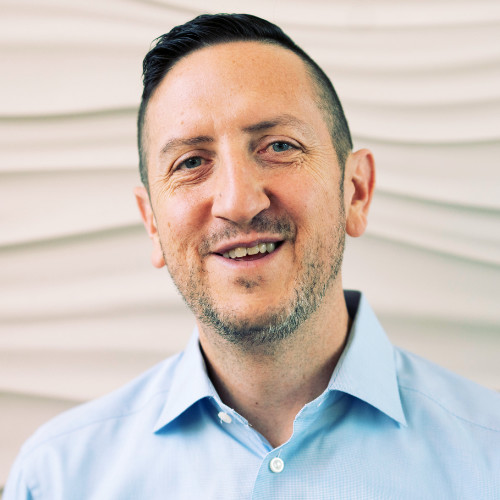
Rishabh Surendran
Gaingels
Rishabh is a pre-seed deep tech and frontier specialist at Gaingels, a 12-year-old venture syndicate that does not lead rounds. Instead it co-invests behind a lead at roughly 10% of the round (typically 250K and up at pre-seed and seed). His background is atypical for a VC: engineer trained in India, a stint at Goldman, deploying deep tech for the Indian government in remote terrain, then an internship at Draper pitching deals directly to Tim Draper before landing at Gaingels. Because his fund follows rather than leads and writes smaller checks, his view of what a founder should want from an early investor is different from the default partner-at-a-lead-fund perspective.
His sharpest contrarian point is to stop obsessing over GPs and partners. The associates, senior associates, and principals actually run deal flow and respond faster, so win them and the partner conversation follows. He also argues founders wrongly write off a non-lead because it cannot cut a big check. He frames his own value as connective, making warm intros to leads he knows from Draper and elsewhere, and says that in one recent four-month stretch intros he sent by email led to over a million dollars of investment across a couple of companies (he cites checks around 750K and 350K). For cold outreach he wants the opposite of mystery: one or two plain sentences on what you build, what's next, and how much you're raising. Cryptic "cursor for defense" style one-liners are a turn-off for him.
On the round itself he leans hard on transparency, because investors verify with each other. He recounts a founder who claimed a soft commit from Draper that Draper flatly denied, which cost the founder both relationships. He warns against the oversubscription trap, where a planned 2M round creeps to 3.5M and over-dilutes because saying no to money feels wrong, and against valuations with no math behind them (the "next Nvidia" claim with no TAM logic), which scare off early investors. On the deck he wants a real team slide rather than just the founder's blurb, plus one clear product slide and a short five-slide send-ahead version. And he prefers first calls that open as a conversation, with slides shared only about 15 minutes in, when the technology genuinely needs them.
On reaching out to junior investors instead of GPs
On a non-lead investor's intros moving real money
On sending cryptic cold outreaches
On lying about commitments or investor interest
On oversubscribing the round
Mat Vogels (00:10)
Hey everybody. Welcome to another episode of Fun Raising, a podcast where we interview early stage investors to help you as a first time fundraising founder get all the answers that you need to help close your round. And today I have a very special guest, Rishabh Investor at Gangel's, a fund that we were talking about a little bit earlier, I think is a little bit.
under the radar and we'll kind of dig into maybe why that is. hopefully after this podcast, not as much under the radar because as I was mentioning last year and this year, you guys were easily, think in the top, I think last year in the top 10 on the number of companies that you had invested in that were in the Black Flag 100, our list of companies that are voted on by founders to be the most excited. I can't remember for this year, but you were certainly in that top 10 percentile.
on again on Investments Made. So I'm very excited to do this episode with you. Let's start with a high level overview. If you could tell the audience a little bit more about what you guys are investing in, check sizes, stages, and then we'll go from there.
Rishabh (01:19)
Yeah, thanks Matt. Pleasure to be here. So Gainesville is obviously full credit to the team who's built this. I'm fairly recent to the team here. But about 12 years old, started as a venture syndicate. That's our core bread and butter. And we sort of invest in deals as an active co-investor. So we rely on leads to come in, set the terms, but we'll come in and we'll do about a small check size, which is roughly 10 % of the overall round itself.
So you can say pre-seed and seed is typically 250k and upwards and downwards from there. And then once it's series A and beyond, we start doing larger checks as well. So yeah, that's a little bit about Ganges. We're sort of fully remote across the US, but we invest globally, all different countries, all different regions. Obviously larger deal flow is still US. And yeah, sectors, I like to say this, which is obviously we invest in all different sectors.
but deep tech is definitely our favorite one and it's continued to become the most favorite sector in the last few years. And I specifically just look at deep tech and early stage deep tech. So in terms of stages, Gaines does all stages, pre-seed to pre-IPO. I look at pre-seed deep tech. So it's my favorite, which is early stage and everything frontier.
Mat Vogels (02:30)
I love that, which is perfect for this conversation. And I was going to say that I feel like Gaines was ahead of the curve, at least for the average fund on investing into hardware and deep tech, which kind of goes to show that you were skating where the puck is going, which is great. The first set of questions that we'll go through here are more about you. So it's an introduction on you itself, how you joined the fund and your past. So let's start there. Why did you choose to be a VC?
and what were you doing before you joined Gangels?
Rishabh (03:00)
Yeah, absolutely. I actually didn't choose VC. I'd say the VC world chose me. I accidentally ended up in VC. You know, I'll tell you a quick brief, right? Bored, raised in India, engineered by training, worked at Goldman, worked with the government of India on deep tech, early stage deep tech. It was mostly deploying deep tech in very remote, difficult terrains.
So learned a lot on actual field deployments, how technologies work, where do they fail. Came to the US for my graduate school in New York, finished that and I was basically looking for jobs, right? And I got an internship with Draper, pretty big fund and a big deep tech investor. And that was in San Francisco. So that was my entry into VC and that was a fantastic team. I think very lean team. Every Tuesday we found deals and we used to pitch to Tim the best deals.
and they had an absolute zero hierarchy rule which I loved. So every intern used to pitch directly to Tim and could convince Tim to invest in it. Obviously the best deals but and there were some great mentors right shout out to Michelle, James. So I ended up spending three, three and a half months there and got two deals that were invested by Draper and I said you know what this is fun because I'm meeting such amazing deep tech founders I'm getting to deep dive into every single sector.
and started to see what really is that muscle to find early stage deep tech success. So yeah, I did that. Then I did a brief stint with another fund called Rock Health Capital.
but that was a very different role, which was building automations for a VC firm. So I became hands-on with a lot of tech there. And so I realized, look, this is a very unique skill set I have, which is of building a lot of automations and also speaking with early stage founders. And just around that time is when Gengels happened and I started first as a scout for them and then slowly increased my responsibilities with Gengels and now full-time sort of into actively investing in early stage deep tech.
Mat Vogels (04:43)
I love it. That's a great story. So you've had some fund experience before joining. mentioned, I mean, winning some of those deals and getting to invest in some of these companies is kind of why we do it. A little bit infectious. Maybe brings up the next question here, which is a very popular one, which is what is your favorite part about the job and being a VC? And then what is your least favorite part about the job and being a VC?
Rishabh (05:05)
You know, it's almost like it's probably the same thing, which is my most favorite and least favorite, but I'll tell you what exactly it is, right? I think about it a lot, which is, you know, I'm a generalist in the sense that I'm highly curious about multiple industries, right? And I think if you're very curious about a lot of different industries, right? And you want to spend an equal amount of time reading about everything, I think there's no better job than VC because, you know, I start my morning studying about, you know,
debris removal in space and then in the afternoon I'm looking at what's the copper supply chain in the world and then probably end my day with
you know, don't know, counter drone systems, specifically say lasers, you know, so it can really be anything across the spectrum. And generally, I've found myself highly curious about the entire frontier tech industry. Right. So that's my favorite part. I get to meet founders across the range and really, really amazing individuals, right, who sort of committed their life's purpose to actually building something phenomenal. So that's my favorite part. But I think the least favorite part is on the same lines, which is
the context switching, right? There's so much of context switching that you actually can't end up going too deep into one thing, even if you want to. Like I sometimes think, okay, you know what? This is such an interesting deal. Let me spend two days on it. But then there are a lot of other founders, there are other things to finish and I have to switch context. So I'm never able to go so deep enough that I absolutely get obsessed with one thing. I have to almost forcefully switch myself into something else. So it's almost like the same thing.
But it's a paradox really in terms of what I love the most and don't like the most.
Mat Vogels (06:33)
It's so true. I'm actually the exact same way. It's I love that we get to go a mile wide and an inch deep on a bunch of different things, but it is one of the hardest parts is that sometimes every now and then I'm like, I want to spend the next week or two diving in on this particular industry.
Rishabh (06:47)
Exactly.
Mat Vogels (06:47)
but you
can't do that. And it's important, I think, to mention that because I think founders need to appreciate that, that we wish that we could go deeper, even on their own business, because it's the same thing that reflects not just on an industry, but on a particular deal or startup as well. We wish we could dive in a mile deep with you, but we just can't. We're scattered across the wind. So very good answer there. Similar to that.
Is there anything that you wish maybe founders had a better understanding of what it is to be a VC? Maybe that being, you know, having to go abroad being one of them. Is there any other things that you think founders should know about VCs that might help them during the fundraising process too?
Rishabh (07:27)
Yeah, absolutely. think one thing is, and this might have been said multiple times, which is the fact that VCs are always switching context so much that really starting from a sort of level where it's easy to explain something to an investor.
and then going deep into areas that interest them, right? Because I've seen, you sometimes and you know, most founders do it the right way, but sometimes founders, what they do is they get so obsessed with what they're building that they go so deep into it, they forget that the investor also has time constraints and so do they. And you can always do a follow up call, but the idea is in the first call, you know, typically try to give them just enough of a brief overview of what they're exactly building, why they're unique and what do they need at the moment, right? What value do they need, whether it's in terms of
investments whether in terms of you know they're still sort of gaining traction that is something founders miss they get too obsessed with it and then you know they would spend 45 minutes and then the crux of the meeting is actually lost so that's one but I think I think yeah generally that's one of the biggest things I think you know the rest of them are pretty minor.
Mat Vogels (08:27)
Yep, I agree. think that if you're a founder going into that, that understanding, think will help at least add some appreciation to the VC process there. What are some of the areas you mentioned Deep Tech? Are there any particular areas or problem sets in Deep Tech that are most exciting for you right now that you get excited when you get to dive into?
Rishabh (08:47)
Yeah, absolutely. know, it's funny, it goes back to my childhood. I grew up in a military household, all through in Air Force bases. So I've always been obsessed with aerospace and space. So those have been my favorite parts of, especially deep tech, even in my government role. So I always secretly try to just scout more aerospace and space deals. But other than that, I think I've been really interested in semiconductors, compute.
as an industry just the sheer pace of innovation happening there and complete resets in terms of what is possible. That's one and then the time of the hour is obviously there's a lot of focus on energy. I always like to look at climate as well. know it's not the most popular sector now in terms of raising a lot of capital, climate technologies especially which involve a deep tech side of it, which involve a scientific advancement, those are super interesting to me.
these interests me broadly robotics, aerospace, semiconductors, compute, you critical minerals and we sort of cover the entire spectrum but if I had to pick a favorite it would be space and aerospace.
Mat Vogels (09:46)
I love that. think we're about to go through a whole renaissance, obviously with the SpaceX IPO and beyond in space. So it's fun to be investing and building in that space right now. All right, last question here before we get into the fundraising process. Why should founders pick you and or Gangell's to be on their cap table?
Rishabh (10:04)
Yeah,
that's a great question, right? Especially in a time when capital is fairly abundant. think, look, I can give you both. Firstly, Ganges because look, like you said, right, last year Pitchbook named us as the most active investor in North America alongside Y Combinator. So I think Ganges really is that fund which not a lot of people, not a lot of founders actually know about.
But once they learn about it, they really want to work with us, right? Because we have seen the entire cycles. have seen, you know, we have portfolio companies that have been acquired, that have exited, that are right now in very late stages, series FG, right? And we also have portfolio companies at the earliest stages. So we've seen all cycles. We've seen what it takes, what kind of capital and support you need at all stages, right? That's one. And second is obviously, you know, we have a pretty good network in terms of other portfolio companies, our investors, our
you know members and then also co-investors right you know kudos to Paul here you know who's built out this fantastic network you know he's always I've seen this and I'm learning it from him right when I make an introduction of a company even if it's not a fit he's like hey do you want to meet any other lead investors that I can introduce you to and it's just a quick email that he sends across and things get done so that's there and then I think the last thing is we're just a bunch of nice people like we we don't we're not too like obsessed with any one area anyone you know
type or know any kind of attitude in the founder we just we just want to support founders move on and as support as many founders as possible and really look I want to call this out right Gengel started with the thesis that we wanted to invest in women underrepresented groups, LGBTQ founders so and you know because the volume has grown so much we obviously invest outside of that as well but that still remains core to our value so we want to invest in folks who typically would not have that access to capital.
Mat Vogels (11:49)
I love that. And it's a great mission. you guys have been able to take advantage isn't the right word, but obviously there's a lot of incredible companies with founders that meet that category that you were able to invest in because of that thesis. So that's All right. For the meat of this now, let's get into the fundraising process. it's your first time listening to this, we break it up into three different steps. The first, which is very important is how do you get in the room? How do you actually land a meeting?
Rishabh (12:01)
Yeah.
Mat Vogels (12:16)
with an early stage investors. We talked about the different ways of doing that. The second, although it might just be a 30 minute conversation, is one of the more important steps. It's how do you impress an investor on that call to get them to move forward and continue in that fundraising process. And then last is everything else to get to that check. So that's ultimately the ups and downs of diligence and creating FOMO and building that urgency after you've had those initial conversations. So let's start back with the getting in the room.
Typically what we see a lot of founders do is they go in, they start building their CRM, they start doing research. What are some of the feedback that you would give founders on what things they should be looking for when creating that list of investors or investor partners to start reaching out to? So it could be sector, it could be something more specific, but what feedback would you give founders as they're making that initial list?
Rishabh (13:08)
Yeah, I have a very nice one on this, is, know, think was founders know how to sort of get the list and get the list of VCs that invest in their specific sector. That's not a hard one to get these days, right? But I think one thing that founders actually miss is they always, you know, and I'm not saying every founder, but a lot of them obsess over pitching directly to the partners or the founders or the, you know, the GPs of the fund.
right and look that's amazing you know the JPs can make a decision really fast but they're really hard pressed on time right they're meeting a lot of LPs they're meeting their team members and so
I think almost always a lot of founders actually neglect the junior people in the team, especially the associate levels, the senior associates and the principals. They manage a lot of the deal flow. My opinion is try and reach out to the associates and the principals in the team who would actually be far more responsive to you. Some principals and some solo partners, GPs do this really well, but I'm saying the junior folks, they're looking at a lot of deal flow. Try and reach out to them.
good impression with them it's very easy to sort of get a conversation with the partner right that's that's the number one thing I would want to emphasize on
Mat Vogels (14:16)
Yep, I like that. I think that in VCs, you this podcast being one example, but VCs are also more open and out there that you can learn about the individuals much easier these days and you should do your research whenever you can. What have you found is the best way for founders to actually get in front of these investors just from like a tactical perspective? it?
reaching out on LinkedIn? Is it just sending cold emails? Is it pigeon carrier? What are some of the best ways that even maybe for you personally that you have deals presented to you?
Rishabh (14:46)
Yeah, absolutely. So I know this varies person to person, right? But I'll tell you what I've seen, which is apart from all of the outbound I do and know, meeting people at events and everything inbound, right? It's a good mix of email and LinkedIn, but I usually prefer LinkedIn because what happens is, right? I think...
you know, we've made all this fantastic technology, but I think email filters still haven't worked very well. So there's a lot of inbound email that comes and you know, lot of them end up in spam, you know, founder emails about their pictures end up in spam. And I feel quite bad about it because I try to respond to everybody who has email. But the challenge is, know, because we're in the VC business, we get a lot of emails about, know, just SDRs and this and that, and a lot of other stuff, right, which is not relevant to us. So all of that just goes into spam. So, you know, while email is nice, you
you may think that the investor is ignoring you, but maybe the email has not just hit their inbox, right? So that's one. Second is, I think on LinkedIn, personally what I do is, right, you can always shoot a note, you can shoot a warm note, you can shoot an inbound, not an inbound, I think it's called an inmail, but you can shoot that. I am pretty much of an open investor in the sense that I have my email listed.
up on my LinkedIn in the sense that feel free to just email me a pitch, right? A lot of folks don't prefer that, but I think it's okay. Like, you know, I prefer volume because you know, that's one, it's important for our business. We do a lot more deals and two, I personally would err on the side of meeting more founders than being very selective before even meeting them. Cause sometimes my first impressions have been wrong. I'm fairly new in the industry, so I want to be honest about it. So LinkedIn is really the best for me, but you know, shoot an email too and try both.
at the same time sometimes that works even better.
Mat Vogels (16:19)
Yeah, I like that everything anywhere all at once. When you receive those, is there anything that could be done in the blurb or maybe it's the pitch deck? Usually it's that initial message. What's what's the thing that gets you excited to kind of take it into that next step? I would say the fundraising is a lot of little steps and your goal is to try to get the investor to keep moving to that little step. The in mail that you might receive or the message. What about that, you know, quick two or three sentence message gets you excited to read it?
Rishabh (16:49)
for sure, I think that the accompany text that you can send with a request, right? That's pretty short. And I've seen some founders do a great job at it. It's really trying to keep it as concise and use as less buzzwords as possible. So just keep it very simple that, Rishabh, my team and I, we're in Boston building drones for payload delivery, right? And we're raising two million at this moment, moving on to two new pilots. Do you wanna have a quick chat? I've seen...
Typically what I would do is even if I don't take a call straight away, I would reply to that saying, hey, would love more details. Can you send me a pitch deck? Right? I think so, you know, just, just keeping it as simple as possible, saying what you're building, what are you doing next and how much you're raising is actually perfect. Even if you don't call out the amount you're raising is fine. But I think what I personally don't like is, especially when founders try to keep a lot of suspense. They're like, Hey, we're the, you know, cursor for defense. Do you want to chat more?
Right? So, you know, that line really is so cryptic, right? You don't understand what are they trying to say? Is it even relevant? That's one. And then the second thing I'd say is a lot of times I get inbound about stuff that's not relevant, right? I've clearly put on my LinkedIn saying, hey, I only do deep tech, frontier tech, right? And I think the world largely now at least knows what deep tech, frontier tech is, right? But I still have somebody reaching out saying, hey, I'm building this sort of media company.
right and so I still try and reply occasionally saying hey this is not deep tech so you know I'll pass it but then you have these folks pestering you again saying explaining how it is deep tech like they're like this media company is deep tech because I'm using like you know three different LLMs I'm like come on that's not an answer right so I think pestering someone when you when they've said no is a bad idea
But yeah, slowly giving the exact amount of information and then topping it up with a deck and your email. Usually the second message I hop on, I send them a Calendly or they send their Calendly.
Mat Vogels (18:36)
I like that being specific.
being upfront, honest, it kind of goes back to what said earlier. If you do the research and you're reaching out to an investor, you're hopefully done the research to know exactly what they're looking for. And it's a very quick no. We get pitched all the time, things that are very irrelevant to what we invest in. And obviously those are ones that we have to either, we have to ignore them most of time, which we reply to most of them. But typically we have to ignore them, which we'd rather not do. So I agree with that. Definitely be upfront, specific about what you're doing. Don't be cryptic.
Honestly, cursor for defense is better than a lot of the ones that we get, is like, you know, it's better than something like redefining the way that our military operates or something like that, where it's just so broad. Yeah, be specific wherever you can. The last question in here, which also kind of goes into the specificity, when you open the pitch deck, the pitch deck is one of those things. It's a great tool to really allow an investor to very quickly understand what you're doing before scheduling your call. Do you have a favorite?
Rishabh (19:12)
Yeah
Mat Vogels (19:36)
slide or something that you are personally looking for as you go through the pitch deck before you decide that this is somebody that you want to schedule a meeting with.
Rishabh (19:45)
That's a good one. Yeah, think, know, PitchDex, most founders send it through links and, you know, Docsense and all of that. But I think obviously at an early stage, right, and this is something you know better than me, man, which is it's a lot about the team. So the team slide is something I really focus on. I think one thing that really puts me off is when founder, when they have a team of say seven, eight people, right, and everybody is an integral part of the team, but the founders would only put...
know, a blurb about themselves, right? Or if it's a solo founder, they just have some info about them or just two co-founders, but you're ignoring the team, right? The team's making it possible. So I like the slides which sort of break and explore the whole team and their backgrounds. That's one. And then I typically also look at like what really is the product they're making. A lot of decks, right? They talk about everything. They talk about a thesis. They talk about the history and what SpaceX has done and everything, but I'm really not getting what they are building.
Right. So even if you have just one slide explaining a product like an exploded view of what you're building, where is it going to fit? Right. Who's going to buy it? That's more than enough to at least get a head start before we speak. But yeah, I think a good idea is to have like two decks, which is like a complete explainer with all the appendix and everything which you can run through on a call, but a five slide just to send people, which is a send ahead deck. A lot of founders do that, but you know, I still see a lot of them not doing it. So always a good practice.
Mat Vogels (21:03)
That's really good advice. I agree. think having something that you can really quickly as an investor, another one, Zoll over at Refactor had a good point of doing that, but then also making sure that it's very mobile friendly. Because I think I don't know about you, I open up a lot of those decks, early like, you know, in my phone and I look through it. And if the text is too small, I'm less likely to go through it. So that deck could be five slides, but maybe also optimized for smaller screens, which maybe helps you by not
Rishabh (21:29)
Yes.
Mat Vogels (21:30)
loading it up with too much information as well.
Rishabh (21:33)
Absolutely, no, no, that's a very good point. The phone won as well during transit and everything.
Mat Vogels (21:35)
All right.
Yep, yep, exactly. All right, let's say that they've done all those things well, and they are now, they're going through your Calendly, they're scheduling a meeting, they're getting ready for it, but let's take a step on your side. What are the things that you look for in that initial meeting and conversation that gets you excited? What are you hoping to achieve and get from the founder during that initial meeting? Because it does vary from investor to investor.
Rishabh (22:02)
100%. Yeah, this one's really a big make or break, right? I think because really at the junior stages, right, you sort of become the funnel to the investment committee, right? So it's really a decision that you make and you need to apply good judgment here. So I think a lot of the times, again, you you start the call.
You know, just spend like few minutes having a normal conversation just as humans. I think founders also miss that. A lot of them do it really well, especially second time founders and folks who are experienced. But I've seen like more junior founders, they just, you know, I've joined a call where the screen share is already on and then I'm like, whoa, like I just came from another call, you know, like tell me about.
where you are. Like I just typically like to ask where you based and what are you doing today and you know has it been a bad day for you, good day for you right and then we sort of get into the conversation. So that's something just break the ice for the first few minutes and then I think
You know, I've seen this work both ways, but one very good thing that founders do is some of them actually ask saying, hey, do you want to keep this like conversational? We can just like not share screen. I can tell you what we're building. You can get to know about me. I'd love to know about you. And then and then if you want, we can hop on to a hop onto the slides, right? Then, you know, the other approach, which is, you know, directly going into slides because sometimes the conversation could do a better job. Again, I'm not saying always you may want to visualize occasionally when it's a very complex technology.
So it's always good to show slides, but show slides when you actually need it. when you're just having a conversation, don't have the screen up because that's going to take most of your screen and you know, it's going to distract the person on the other side. So you can have a conversation 15 minutes into the call, go into the presentation. those are my favorite advices.
Mat Vogels (23:38)
Those are great, that's great advice. Another thing that founders are always curious about, so showing the deck, you mentioned that, how many founders do you want on the call? Is it a red flag or green flag if you see either too many founders or just the CEO on there? Do you have any preference?
Rishabh (23:53)
That's such a good question. Yesterday I was on a founder call where there were like three people and then I've seen like all variations from one to like five. So that's a very good question. think, look, I have no concern if the founding team joins, right? If sometimes you have four co-founders, you have three co-founders and they all want to join, it's completely okay. It's just that make sure who's going to actually speak and pitch, right? Because what happens is, and this happened very recently, there was a call I was on and you know, both the co-founders, one was a technical co-founder, one was
non-technical. Both of them were like speaking at the same moment when I asked a question and then they were like hey you want to go first? Okay I'll go first and then so I think that's something you need to rehearse yourself right in terms of who's gonna pitch sure the other person can do their intro but the rest of it the pitch is completely handled and you call in the other person when you really need them right or
just like stick with one person, like one person does the fundraising, so meets all the investors, right? Who's sort of better at it, who likes doing it as well. that's something which again, I'm starting to see that, know, the less is always more, right? So less is better. I think keep it one, keep it two at max, but make sure you rehearse who's gonna actually speak.
Mat Vogels (24:57)
Yep.
Yeah. And I think that it's important to know that for the initial call, especially you want to be able to go through this, articulate it well, usually just the one founders. Okay. The investors will meet everybody else eventually. So you don't have to do it all in that first call. Because that's the other mistake I think we see founders do is they try to overload everything into the first 30 minutes. Again, fundraising process is all about those little steps forward. You don't have to cram everything into into that initial meeting.
Rishabh (25:15)
exact.
Yes.
Yes.
Mat Vogels (25:28)
Another thing that founders always ask us is how can they take control during that initial conversation? Are there questions that they should ask of the VC, whether it's just specific to the fun process, but also other things that they can do to help steer the conversation and turn it into the right way. Any feedback or advice you give founders that are thinking through that?
Rishabh (25:50)
That's a good one. think founders should definitely ask questions. I've seen a lot of times where they immediately want to start pitching and then the call ends and they're like, sure, let us know. But I think you should definitely ask an investor on, hey, what's your sort of track record and what stage do you invest in? And how does your operating model work? So that always helps set context. And typically founders do that at the start, which is, think, ideal so that you can keep the rest of the call just for your pitch.
So you should certainly ask that question. And I think, in the, you know, you can always do Q and A as you go, but to keep more control of it, right? You finish your pitch, but don't take up the whole call for your pitch. Do that in like another 10 to 15 minutes and then keep a good amount of time for just an open conversation. Stop sharing your screen and share it only when you need it, but have an open conversation on the Q and A.
Mat Vogels (26:36)
Yeah, yeah. Again, it's a the conversation is where a lot of these deals are going to be one. It's less about showing your pitch deck or trying to show too much of what you are doing.
You kind of mentioned a lot of red flags, green flags, but are there any common mistakes besides, you know, whether they're talking too much or showing their slides or anything, maybe it's a characteristic or a trait or anything that maybe you didn't touch on already that comes off poorly in, these early meetings. And then maybe the other way, if there's a thing that the founders do, it's maybe not tactical, but the way that they're presenting, that's a very green flag that gets you excited. Any of those things that we hadn't mentioned so far?
Rishabh (27:13)
Absolutely, I have two here Matt. one is the first one is really, you know
trying to, you some founders do this, especially when, you know, they're a technical co-founder or they've played a major role in like the product or anything. They almost feel like they're pretty much the only person behind the mission, right? And they don't give enough credit to their co-founders. They're almost like, you know, I did this, I did that, and I started this and I went through all of this. And then, you know, barely there's a mention of the co-founder. So that's something which I feel like, you know, you should try and avoid. You know, it's a team effort, right? And even if your co-founder is say, you know, fairly
less experienced, right? They're still playing a value, which is why they're your co-founder or you need to sort of reconsider that. So I think making it all about yourself and not the company is something that, you know, it's a fine line to sort of tread. But more importantly, right, I have another one, which I think I have some good data to back as well, which is...
lot of the times right founders meet an investor and they think this investor they only see it from the lens of which fund they work with right so for example I work only with I work with Gainesville so they see that okay Gainesville is not a lead investor so they may not be able to do a big check into me so you know maybe this is not worth it they may not hop on a call or maybe they'll be like you know what like we will do it later but a lot of the times what they don't realize is all the investors are connected with each other they're good friends right so sometimes they meet a really good founder
just because I'm impressed with their deck or pitch and then I really like their presentation and you know it's maybe you know it's early for us right because we're still they're still securing a lead but I'd go ahead and make introductions for them with some really good I worked at Draper before right I know them very well I know a bunch of other investors all tier one names right so then what happens is they you know they get a direct intro they're almost certain to take a call and fun fact
most recently, right in the last four months, I made introductions that led to about 1.25 million of investments for two companies, right? Just across two companies. One of them got a 750K check. One of them got a 350K check. One of them is right now at a 250. So it was just emails I shot to people I knew saying, you should speak to this investor, sorry, this founder. They're amazing. I personally recommend that. So that's something which I think, you know, really
makes a difference and investors, founders miss it at the very start, right? But you should always keep that in mind.
Mat Vogels (29:26)
Yep.
And we talk a lot. and that kind of goes to the other thing too, which goes, maybe we'll save it for this next phase here. But after the conversation, this is where you're going to have to start juggling. You've had multiple conversations with VCs. You have to start building FOMO. You have to start building urgency. And this is where founders really forget that we talk to each other as they start to circle and kind of a circulate these, these meetings. What is some of the advice that you would give founders in creating that FOMO and urgency?
I think in your position, you're in a benefit where you're not trying to lead the round. I think for lead investors, it can be more difficult with these conversations with founders because you have to win. But then also, they're sourcing other leads too. If somebody else bites, you're probably out. In your case, you can essentially almost help build that round with them.
But what feedback would you give to founders as they're trying to put together the round, build that FOMO and keep momentum high?
Rishabh (30:22)
Absolutely, I think yeah, you're right since we sort of follow right in a round. I think what's helpful is just number one be like absolutely truthful about what's happened so far right like what's your commitment so far.
with how many investors are you in late stages of due diligence, right? And how much of money do you actually have wired? I think that's something founders really mess up. And look, the world is small again. You can verify these things, right? So, you I had an example where a founder said, hey, you know, we got a soft commitment from Draper and I checked in with them. They said, no, hey, we've not given any soft commitment. And so there it goes, right? You lost your chance with both of them. just be absolutely truthful about those numbers, even if it's not really the case, right? And look, investors are in no hurry.
like you know we can come back to you but you know just tell us the straight up truth right that's one. Second is I think a lot of times you know founders want to also you know sort of
pooled together and this is related to my first point, but you know, they're like, Hey, you know, I spoke with eight investors and I have like six soft commits. And then I have four other, you know, uh, family offices who want to also commit. So I just need you to say yes. And then they'll all commit. Right. And you know, it's pretty much like they're saying that to everybody else. And it's really like, you know, it's sitting on a thin, thin sheet of ice, right? Nobody's really committed, but you're sort of.
buying out commitments from others based on the promise that others have committed. So that's again a very flaky one because sure, I may not be able to check there, but you know, once you even get a commitment, you may not be able to close the round. look, just be as transparent as possible. I know lead investor conversations take time. It's tough. You need to show them all the amount of data, but...
Always consider speaking with follow on investors as well as in when you sort of are raising because don't come to that very late. Follow on investors are always willing for a conversation. They'll keep you in their pipeline and as soon as you're ready, we'll hop in, we'll take it forward.
Mat Vogels (32:13)
Would you guys say so I was like to say that there are and there's no right or wrong way necessarily, conviction investors and non-conviction investors and that I think conviction investors are willing to write a check before that there's a lead and before sometimes there's other money in. Does Ganges do that? Does Ganges write checks before there's a lead in?
Rishabh (32:33)
I wouldn't say that's often like in most cases we don't but interestingly in the last few years we also started a few early stage funds which was know pure funds to invest 25 50k checks into pre-seed and seed founders mostly pre-seed founders who we feel are not ready for the SPV yet and yeah that's mostly like how you said right which is if we really love the founder you know they're still sort of waiting on others or they're
they're still working through all of their complete fundraisers, we would write the check and move on. So like you said, is not exactly conviction, but there have been a lot of wherein there are founders, they have leads, they have excellent leads.
But just because of how they've sort of shaped the terms or they've not communicated something well, you that would have been a perfect deal for us, but we've still said no to it. We're like, hey, you know, we'll pass on this one. And they're so surprised. They're like, we assume that you're coming in anyway. But so I think transparency is most important, right?
Mat Vogels (33:24)
And on both sides, obviously, investors, we try to be transparent whenever we can as well. It's a two-way street. ⁓ Although it's a nice problem to have, founders can find themselves in a position where they have to pick the right investors. They kind of have to pick and choose. They have to pick a lead. Maybe there's a few leads that are circling that are offering term sheets. There's some follow-on checks. You want to fill in the gaps at the end. Is there any feedback you give to founders? This is almost more of a cap table building exercise.
Rishabh (33:31)
Absolutely.
Mat Vogels (33:51)
to think through when they're making these decisions. I think one of the benefits that you have, mentioned high volume, you've invested in a lot of deals. So you've seen a lot of founders go through this. Are there any common patterns that you've seen of right cap table management or wrong on some of the decisions that founders make at this early first fundraise?
Rishabh (34:09)
Yeah, you know, I wouldn't say I know a lot about this space, but at least from my limited experience, I'll say, you know,
getting in a rough amount from all the investors you're speaking with and who sort of expressed a commitment interest, right? That's important to get an idea of, you know, whether that's matching your total round or whether it's exceeding it by far, right? Because a lot of times you feel like you shouldn't say no to capital. So you say yes to everybody. And then you realize you're doing a 2 million round, but you ended up doing like a three and a half, right? And you raised a lot of capital, which you actually didn't need and you diluted way more, right?
because it was early. So that's something which I think founders do often. I always see them start with a 2, they end up at like 3, 3.5 just because they oversubscribed and they committed to a lot of investors. So I think that's one. Keep a safe limit on how much you want to oversubscribe. Bye.
Right? then, and then obviously I think, you know, general cap table practices are obviously, you know, try to keep as, you know, as little names on the cap table. Don't crowd it up a lot. And then, you know, with lead investors, get those allocation numbers locked in. That always helps the follow on investors, right? The follow on investors also want a clear number in terms of what's committed because that's something which helps us. And then, you know, mutually agree on the, on the allocation amount for follow on investors. That's always a good idea. You know, don't assume that they're coming in with 200, right? Sometimes it could be a hundred.
be 300, you need to sort of mutually decide and figure that out and always like be selfish there right go back to your founding team and see okay who's gonna add the most strategic value how much of capital do you think can I take from this particular investor versus another right and you can always be transparent on that like you know a little bit of the amount changing does not matter for us but it's trying you know seeing how can we work with you and then you know as we go into future rounds we'll always try and support if you're you know growing the right way.
Mat Vogels (35:52)
Any other, you mentioned a couple common mistakes. We see those as well, where they raised too much more than they originally thought, because it's hard to say no to the money coming in. Any other mistakes that you see founders make in this phase, where essentially they're in the picking, the choosing, maybe even some of the diligence processes or pieces there? Any mistakes you see founders make in this phase?
Rishabh (36:13)
That's a good one. You know, the thing is I've seen a lot of variations. Enough time hasn't passed for me to sort of see whether, you know, those were mistakes in hindsight, right? So that's the only thing I'll say, Matt. But what I'll say is, yes, a lot of them come in uncapped, right? And then a lot of them also have like really high valuations, you know, because of obvious reasons on, whatever background they've had. And a lot of them don't actually end up justifying that valuation very well. I've seen this a lot, right?
Now look, I know that's a bigger headache for the lead investors, but you you ask them why this is valued so much, you know, they really don't have an answer. They're saying it's because of the industry. This is going to be the next big thing. It's going to be the next Nvidia and whatnot. you know, there's no real maths done behind it. At least, you know, a broad sense of
the market, what's the kind of obtainable market you have and what kind of market can you capture that'll give you a sense of what really your company is valued at at the moment, right? I think that fundamental math is something a lot of, not a lot, but at least a decent amount of founders miss. And they basically just fix valuations based on industry standards and their backgrounds and whatnot. But look, end of the day, these are all fundamental economics, right? So they need to work well. And I think high valuation numbers can also discourage investors early on.
Mat Vogels (37:26)
Yep. Yep, that's great advice. All right, let's say that they've followed everything you said, they found the right investors, they've crushed the initial meeting, and then they've ended up closing out the round. It feels like everything is done, but it's a hard switch. And so we've changed a little bit of the questions on this because I think that we've learned is that founders don't realize how much of a switch it actually is to go from fundraising mode back to actual company building.
What are some of the, what's the advice that you would give founders after they've closed their round to snap right back? And maybe that's mistakes that you see and how they can avoid them or things that you've seen other founders do well to get right back into the building mode.
Rishabh (38:07)
That's a good one. So I think when they get back into building, I understand it's a complete context switch and they don't want to schedule time and they don't want to spend time with investors anymore. think being 100 % honest about it is amazing. There are founders who reach out to me saying, hey, we're in the building phase. We are not taking a single call until we hit the next milestone.
So I'm sorry. I fully respect that. I feel like that is real courage. even if you have capital coming to you or even investor wants to talk to you, you're saying no. 100 % respected. So I think being super honest about that is helpful. And second is I think once you go back into building, it almost feels like, again, this depends investor to investor. are investors who write big checks, who take board seats, so they're more involved. We're not in that phase. And neither was Draper taking board seats.
I think funds which sort of do smaller checks and they move on pretty quick. It's very easy to sort of not keep them in the loop or not keep them informed. I think that is where, you know, having those...
monthly quarterly newsletters or know sort of a progress update checks right that really help. I've seen some founders do it really well and I love reading it because I'm like hey yeah I did an investment into them in November right and then I've not known what they've been up to but you know I have this founder you know I'll not name the company but she makes sure there is an update every month or maybe every other month in our inbox and that gives a perfect sense on what they've been up to what have they been doing on the building side who have they hired most recently right where all have they gone
in terms of their presence from a company building standpoint and what do they need right now, right? So the last they would include, hey, I'm looking for an introduction to large automobile companies for a few pilots, right? And that always helps. You quickly look at it you're like, I spoke with this other founder, what if they could talk? So I think that ask through a monthly newsletter and with AI now you can automate a lot of that. So that's something they should definitely consider to sort of stay passively in touch with the investors.
Mat Vogels (40:03)
Yeah. And it's I think founders tend to think of it as homework sometimes the best founders that I found treated as a reflection on their side and then they just so happen to also share it with investors. So it's a great way for them to think through these things. But then just sharing it with your investors is always a big help. But it shouldn't feel like homework is what is what I like to say.
Rishabh (40:20)
For sure.
Mat Vogels (40:21)
Any other common mistakes that you see founders make in the company building side in the early stages after they fundraise? So maybe the first three to six months, maybe even up to a year. So besides the investor relationship or even snapping back into build mode, any other common mistakes you see founders make now that they've landed that first round of capital?
Rishabh (40:40)
Okay, so after landing the phone, I was going to say one of the common mistakes I've seen is a lot of founders take investor calls before they're actually ready, right?
This one's so common, like a lot of them say that, we've built this, we've done that, and we're on this phase and whatnot. And when you talk to them over a call, you can understand they're actually not ready, and they are still doing a lot of research in their domain yet, their pre-revenue, pre-seed, pre-product, and there's a lot more homework that needs to be done. So that's one. I think the second is, once the capital is in...
Yeah, I think keeping in touch with investors, that's number one. But really, think one of the recent cases I saw, again, will not name the company here, but there was a co-founder fallout. And if this is a particular case, but I think that was a good learning for me on it, which is when I spoke with the co-founders later, turns out that there were a lot of issues that they were sort of not surfacing early on. There were a lot of ideology conflicts that were taking place between the co-founders in terms of where this industry is headed.
They wanted to add a new product which was a more software driven product but the other the more technical co-founded didn't agree with it. So there's really some red flags I think which they somewhat ignored.
And then I think, what happens is typically it's a very intensive job, right? You're always working, you're having this sort of vision of building something really great, but the everyday is really hard, right? Each day is super hard. It's a lot of uncertainty. So surfacing those challenges early on and having those conversations with your mentors, with your co-founders and with your team is really important. I think that one case that I saw, you know, they never really addressed it and they were heads down building for their customers. And, you know, it just broke all of a sudden, right? The co-founders had a fallout.
and the teams have split. So I think the outcomes can be bad when you don't actually address things early on.
Mat Vogels (42:24)
It's a marathon, not a sprint. Certainly. Rishabh, this was amazing. There's a lot of information packed into a short amount of time. Any last bits of high-level fundraising advice you'd like to give any founders before we call it here?
Rishabh (42:39)
Yeah, last thing I'll say is look, it's a long journey like you said, right? Not just building but also the relationship, right? With your investors. So, continue building that relationship, right? It's not just a transaction you're doing. I understand it's end of the day a financial transaction but really it's a relationship you're building because once you're in touch with them, you make a good impression, you become good friends, you can...
you can benefit from each other quite a bit. It's not just the sort of transactional side of it. You could be helpful to each other in your own lives. Like I've had now founders making me introductions to other founders, catch up with them for coffee, discuss about life. I've gone and done fun things with some founders I know.
and then you know coming back and I know a founder who's quit the first company, came to the second now you know was talking to him about a second company so I think life just goes on right you keep building you fail sometimes you succeed but the relationships will always stay so focus on building that I think the the outcome is always around the corner.
Mat Vogels (43:36)
Where can folks continue to follow along with your journey with Gangel's? Where can they find you guys online?
Rishabh (43:44)
Yeah, for sure. So I'm pretty active on LinkedIn. So LinkedIn is the best place for me. I have my email list on LinkedIn as well. So feel free to shoot me a note anywhere. And yeah, I engage with a lot of deep tech content. I love what you guys are doing at Black Flag Fundraising. A lot of other folks as well follow all of them. for sure, Gainesville is also quite active. I mean, in the sense that we have a pretty active website. You can reach out to any one of us. There's me, there's Philip, there's Paul. Find us on LinkedIn, shoot us a note.
than not we'll always respond to you take a call with you.
Mat Vogels (44:13)
that and we'll include all the links to all these in our show notes as well. Again, thank you so much for being on. I appreciate all the response and the advice you gave today. We'll have to do another one like you mentioned with maybe some of other folks on your team as well. I think it's always fun to have different folks from the same fund and it's interesting for founders to hear a lot of similarities, but every investor has a slightly different take as well.
Rishabh (44:37)
Absolutely. Yeah, no, there's a personal style and then there's an organizational style. fully agree. Such a pleasure to do this with you, Matt. It was fun.
Mat Vogels (44:45)
Love it. We'll chat again soon.
Rishabh (44:48)
Yes.
Mat Vogels (44:48)
Have a good one.
Rishabh (44:49)
Have a good one.