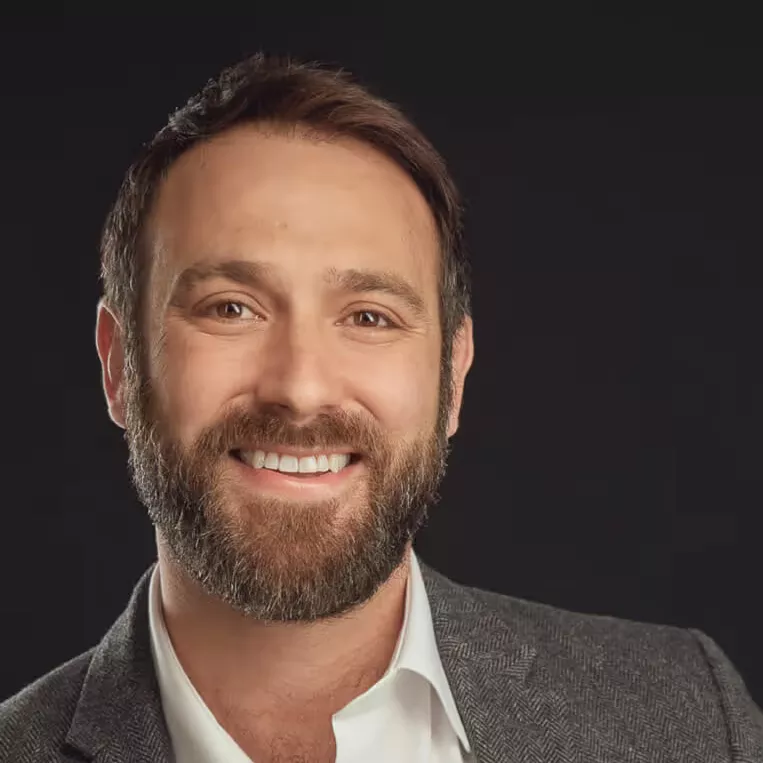
Jason Gray
Pioneer Fund
Jason is an operator before he was an investor. He ran a division at SunEdison up to roughly $250M in revenue, went through YC in 2015 as a founder, and built Pioneer Fund out of the alumni network he kept gravitating back to. The structural difference from a default seed fund is the 500 YC alumni who serve as venture partners and LPs. When Pioneer takes an investment call, Jason pulls in three or four of them who are operators in that exact space, so diligence on "is this team actually moving fast" comes from people calibrated to that domain rather than from a generalist partner. He frames the whole firm as the process he wished he'd had as a founder.
The most actionable material is about running the process, not selling the story. Pioneer commits to a decision within 48 hours, usually 24, tells founders upfront who will be on the call and when they'll hear back, and treats a second meeting as evidence its own process failed. Jason is openly anti-deck: the deck's only job is to win the meeting, and once you're in the room he wants it put away so you can actually talk. On outreach, he cites the YC line that conciseness correlates with how well you understand your own business, and prefers a tight email with the unique insight and traction over a half-memo. On constructing the round, he lays out three buckets (strategic angels, smaller or emerging funds, and big funds) and makes the case that small "base hit" checks of $50K to $200K compound into the momentum that forces fence-sitters to move.
The counterintuitive takes are where founders should lean in. He warns hard against manufacturing fake FOMO, because his side has run the pattern hundreds of times and the founder's dataset is a single fundraise. When you do have options, he says carve out a day or two, decide, and execute, because flailing costs you allocation when handshakes elsewhere expire. He tells founders to back-channel the specific partner, not just the firm, especially with mega-funds where pre-seed and seed attention is thin. And on why companies die, he puts co-founder misalignment and treating raised capital like revenue well ahead of competition. None of this is generic "build a great product" advice; it's a working investor describing his own mechanics.
On why they refuse to look at your pitch deck
On decision speed as the actual product
On treating a second meeting as their own failure
On the question they've banned internally
On manufacturing fake momentum
Mat Vogels (00:10)
Hey everybody, welcome to another episode of Fundraising, a podcast where we interview early stage investors to talk about all things fundraising, which like the title insists is actually not any fun at all. And I couldn't think of a better investor to have here today. Jason Gray, the founder and managing partner at Pioneer Fund. I am sure that you have seen them around, certainly if you've been to a YC demo day.
I think it is one of the more unique funds in the ecosystem, especially in the early stage. Jason, thank you for being on. Could you do a quick introduction on yourself and then maybe dive a little bit deeper on what Pioneer Fund is? Because like I said, it is a unique fund.
Jason Gray (00:56)
Great, great. Thanks. Well, thanks for having me. So Pioneer Fund is a big, group of YC alumni. The origin story started when I went through YC in summer 15 with a startup and like many YC alumni started to become an angel investor, but quickly realized I was sort of trapped in my area of expertise and my node and a growing YC network. And so started chatting with other YC alumni and said, Hey, well, why don't we just aggregate our capital and our expertise so that we can write larger checks?
into YC companies and in a more methodical way support them as they grow. My YC startup was in the renewable space, so an energy startup. Prior to that, I was also at another startup called Sun Edison. I was early team there and that grew to eventually a public company, which is a long story for another day, but really enjoyed the founder journey and have just been thrilled that, you know, through Pioneer Fund, I've been able to support a lot of YC alumni.
Mat Vogels (01:52)
Yeah, we were talking before this. said I'm wearing my my official YC shirt. So I was a couple of years after you and in winter of 17 and we were talking before we started recording. I think that the quality of YC companies is continuing to get better, exceed expectations. I feel like everybody's waiting for the trend to stop. And when is YC going to stop being YC in a way? And I'd argue that it feels like it's the opposite from the VC lens. The companies that are going through the ambitious process
Jason Gray (01:56)
That's it.
Mm.
Right, right.
Mat Vogels (02:22)
and companies that are coming through seem to be just getting bigger and better. that kind of the lens that you're seeing as well?
Jason Gray (02:28)
Yeah, I agree. Yeah, each batch, it's just phenomenal. The quality that goes through and I think the move to four batches a year just made so much sense. You know, there was always that that sort of the shoulder season where a founder could slip through and join another accelerator or just not go through YC. And so that really closed the gap there. And, and I think, you know, Gary being back now for a while, it's just been a phenomenal gravitational pull for
founders. it's yeah, the quality each batch, we're just constantly impressed.
Mat Vogels (02:57)
And then from an investment strategy, are you investing exclusively in YC companies? Is there a little bit of wiggle room? And obviously with the YC network being what it is, you probably have access to deals outside of YC specific batches, but still kind of, you know, one degree of separation away from that ecosystem.
Jason Gray (03:02)
Mmm.
We do, yeah. we will look at non-YC Deal Flow. We're pretty YC centric. So if a company is going through the batch, we're looking at them. We have 100 % batch coverage. Most of the batch we actually do a full investment call with. We now have 500 YC alumni that are venture partners with the fund. So just an army of people to help us with diligence and help us with our portfolio.
But with that army, there comes great deal flow outside of YC. So sometimes that second time YC founders or sometimes it's just great founders who've decided not to go through YC. I was doing the math earlier this week and with our portfolio founders, pretty quickly approaching 2000 portfolio founders, like one in five YC alumni are either a venture partner or a portfolio founder with a pioneer fund.
So phenomena, yeah, we're super blessed on deal pipeline and it can be hard to manage at times, but yeah, it's a nice, nice position to be in.
Mat Vogels (04:10)
Absolutely. Do you mind sharing, do you have like an average check size that you're currently looking at as well, or does that vary?
Jason Gray (04:15)
It's at seed is pretty standard. So we're kind of around the 200,000 check size at seed. We do have a follow on vehicle and that's somewhat dependent upon sort of allocation or, know, we sometimes preempt deals and do some larger checks that way.
Mat Vogels (04:29)
No, love it. Before we get into the actual fundraising process itself, we have a few more questions that founders always like to ask us to ask you. You talked a little bit about what you were doing before. How many companies did you kind of start before? Was just the one going into YC? What was your entrepreneurial journey like before? And then maybe quickly tie into why you decided to jump in on the VC side versus maybe continuing down that entrepreneurial path.
Jason Gray (04:43)
Hmm.
Yeah, so so early in my career, I actually started at Cargill, which is like a massive private company. It was pretty interesting because you certainly got to see at scale what I like a very impressive company look like. And they afforded me a lot of privilege on being able to do some pretty creative things on, you know, building new tech or solutions or, you know, new divisions within that group. Ultimately, I decided to jump into an MBA, which is feels very cliche and.
Mat Vogels (04:59)
yeah.
Jason Gray (05:23)
You know, I'm not, I'm not sure.
Mat Vogels (05:24)
We'll cut this advice right here, yeah.
Jason Gray (05:25)
Yeah. Yeah. Yeah. That's right. Yeah. So it was, you know, I enjoyed aspects of it. I think it was a good time to kind of reflect, uh, but, uh, but it was like starting to get more entrepreneurial, uh, itch. And so started looking at that, uh, jumped into very cliche again, jumped into consulting, but that gave me some exposure to some of the things that were happening. And, and that was when I first started thinking actually about VC and I started chatting with some.
funds, I was pretty young and the best advice I got was like, go be an operator, go be a founder for a while. started looking at companies I was excited about. Edison was just sort of getting started, chatted with the founder. He's like, hey, great background. If you move here, we need somebody here to like build this division, go. And just had free reign to build a pretty big P &L. We grew that hundreds of people, 250 million a year on just that P &L.
very great experience. then ultimately when I left that, started a company that was doing a similar thing as Sun Edison, but for more for developing markets. And that was the company that took me through YC that way. I found it very, it was like, it was kind of interesting because at the time I didn't think I'd go back to VC. I loved the operator role and being a founder and then going through YC. then as I moved to the board of my YC company was
finding I was naturally gravitating to the great alumni network and spending a lot of time with them and writing some angel checks and just thought, you know, this is silly. Why don't I do this full time?
Mat Vogels (06:57)
I love that. I think that startups or sorry, VCs is kind of like a startup, especially if it's your own fund and you get to still be an operator. In fact, I find that some of the best funds treat themselves still as operators and as a product.
Jason Gray (07:02)
Mm. Mm-hmm.
Mm.
Yeah, that's a great point. Like I have very much been able to scratch the founder itches, build pioneer fund of like building a team, setting the direction, know, some of the tech we build internally, it's been a lot of fun. you know, I honestly can't imagine joining a big shop where everything's been established. They've got their Monday morning partner meeting and it's, you know, everything's been set in place. You know, it's been nice to be able to start with a blank slate for better or worse.
We've definitely learned some things, but it's nice to be opinionated on how we want to run a fund.
Mat Vogels (07:45)
Do you have a favorite part now that you're kind in the VC chair? And I think just throughout this episode today for the folks listening, think it's always great having the founder background into VC because you can kind of talk and speak to both worlds here.
Jason Gray (07:55)
Mm-hmm.
Mat Vogels (07:58)
What is your favorite part about the job and being a VC and what is your least favorite part about the job? And maybe tie into that, the second question if you can. I find that sometimes founders, there's this like evilness towards VC. It's like the necessary evil that I need, but you don't necessarily love VCs. Is there anything you can tie in on maybe something that founders don't know about what it is to be a VC in that answer and how that might give them a little more empathy on what that could be?
Jason Gray (08:11)
Yeah. ⁓
Hmm.
Sure, sure. So, you know, things I love, guess, I'm sure everybody says it, you know, just getting to chat with founders and sort of being at the forefront of technology, you know, certainly very fortunate. I spend most of my time chatting with, you know, YC founders, which I humbly view as some of the best founders in the world. So, immensely enjoy that. And that can range from like, you know, helping them prep for fundraising to, you know, I have a call later today with a company about, you know, they're trying to navigate some challenges with their customers. So, a lot of fun being able to
you know, help them.
Mat Vogels (08:55)
Agreed. So you see a lot of companies going through YC across a variety of different sectors and I'm not saying you have to pick favorites but are there any industries or sectors right now that you are seeing that are getting you excited? It could be either even from a consumer standpoint, products that you're excited to see and use, but also from a VC lens, new companies and sectors that are emerging that are exciting.
Jason Gray (08:58)
Mm-hmm.
Yeah, I've been spending a lot of time thinking about it as many have is like the, know, agents as a customer. It's been really interesting seeing the products that are in services that are being built for agents as agents just sort of go into the wild more. you know, whether that's agents for insurance for agents as you know, some of the more incumbent start to do car votes for agents from their policy payment rails for agents, you know, just sort of authentication and compliance and security.
And even, and even when actually like, and I feel like we were fairly early on that. Exa is in our portfolio. So we invested them at Seed in 2021 and they're doing search for agents. And so it's been kind of fun to see an early thesis we had several years ago on, you know, where LLMs and agents were going to go play out. They just raised their series B, I guess, earlier this year. And, and then now just what's happening at the seed stage is all the stuff that's being built for agents. So.
So quite fascinated with that and PG sort of said, I think it was one startup is like with agents, like, and somebody's like the TAM is unlimited, right? Like it's, there's certainly a future world where you're gonna have five personal agents, your business is gonna have 10 agents. And so it's pretty exciting to think of what that future will be. And I guess the picks and axes and shovels that need to be built for that.
Mat Vogels (10:23)
So true.
Yeah, still very early days on all of that very much. NYC feels like it's on the forefront of a lot of those as well, which is great.
Jason Gray (10:44)
It does, yeah,
yeah, absolutely, absolutely.
Mat Vogels (10:46)
So if I'm a hot YC company coming through, this is maybe a chance for you to shine a little bit here. Why should I choose you and or Pioneer Fund to be on my cap table? What unique advantages do you have as a fund for a hot YC company coming out or even just any hot company right now?
Jason Gray (10:49)
Mm. Mm-hmm.
Yeah, I think like, I think it starts at the beginning, like just having even as those rounds start to kick off, like, you know, we pride ourselves on building a process that we would have liked to have when we were raising capital. And it feels like super basic, like, sure, prepared for meetings, have everything ready to go. But like, we've taken that to a whole other level that, you know, when we get on a call with a founder, we could like literally pitch their business back to them. So we don't want to look at pitch decks. We want to dive deep into the business.
So that ultimately we can make a decision. Like we tell the founder, we'll make a decision within 48 hours of that meeting. We're usually 24 hours. Yeah. So just that clarity of timelines showing up prepared. So I think like, you know, whether it's a hot company or not, you know, we're a quick, quick yeses are great, but quick nos are obviously helpful as well. From companies, like certainly when rounds get competitive, I think what stands out for us is, know, we have
Mat Vogels (11:40)
That's huge.
Jason Gray (11:59)
a good long standing reputation with founders. So we've well over 20 batches and investing as a fund, over 500 YC alumni represented by that one line item in the cap table. And then I think how we show up too after, there's a view of whether VCs add value or destroy value sometimes with their founders. We're of the view that the founder is the closest to the problem of anybody in the room.
And so they understand it at just a subatomic level that it's challenging for us to do. So it's, it's a bit much for us to show up on a quarterly basis or monthly basis and fly by and drop in a bunch of advice and tell the founder what they should be doing. That said, we want to be there where a founder needs help. We want to be responsive. And I think the nice thing is, you know, I, I, I mentioned the conversation I'm having later today with one of our portfolio founders on customers. I can help there, but the nice thing is I have, if I can't help.
I have like 500 other people I can pull in. And so we've built quite a system where we could do matchmaking on those requests for help. So we can find the right person to chat with right away. And they're, and the nice thing they're not MBAs who haven't been operators, you know, they're, they're operators and founders. And so when you chat with them, they, they're just way more empathetic. They've been in the trenches. They understand that. So I think that that seems to really resonate with our portfolio founders and, and, and often why we get our allocation.
Mat Vogels (12:55)
Yeah.
Yeah.
Yeah.
Yeah, I love it. And I can't think of another fund that has the network and reputation like that too. So props to you again for what you've built. like you said, you still consider yourself a merging manager, you're still emerging and figuring it out. You still have a lot of cool things in front of you, which is great.
Jason Gray (13:27)
⁓ Thanks.
Yeah, yeah.
Mat Vogels (13:38)
All right, let's go to the fundraising process. We split it into three different waves here. The first is getting in the room. And I think what's gonna be great about all these answers is that you get to see a lot of these companies going through YC very, very early, in some cases at the very start of their fundraising process. And granted, a lot of people think I'm in YC, fundraising is easy. It's not, it's still very hard even for the best YC companies. So think your advice here will apply not just to hot YC companies, but everybody.
Jason Gray (13:40)
Mm-hmm.
Okay.
Hmm.
Mm-hmm.
No.
Mat Vogels (14:07)
listening. But one of the things that we hear founders try to do a lot is figuring out which VCs to do the outreach to. There are so many VCs out there. What advice would you give founders in trying to build out the characteristics or traits for the VC that would be the best fit for them?
Jason Gray (14:15)
I
Yeah, so certainly for us, if you're going through YC, you're gonna hear from us. And so we'll definitely be in conversation with the company. I think for other ones, this is sort of like looking for a bit of fit and who the partner is, especially like some of the larger shops that are moving earlier. There's nothing worse than sort of being an optionality check for later rounds and you're kind of stuck with, you're not stuck up your.
necessarily with a partner on those conversations where you need help and I guess have the attention of that group. So I think a lot of it's sort of, I guess a bit of bifurcate. Well, there's probably three buckets I think. There's probably like the strategic angels. I think those are important. Have a handful where, you know, their value certainly outweighs sometimes their check size. So, you know, get those conversations early to kind of build some momentum for your round and some signal. There's some great signal that can come from that.
There's certainly a bunch of big mix of like emerging managers or smaller funds that have some different thesis where again, I think you're gonna get much more partner, know, much more time and attention from them as you grow. And then there's certainly like the bigger ones. And so there's always the dynamic, I suppose, for the round of like, do you party round it and do a bunch of hundred thousand, 200,000, $500,000 checks to get it done? Or do you, you know, try to get a few million dollars from a big fund?
Unfortunately, that's gonna squeeze out a lot of people that can add value. So it's a little bit on like what the founder wants to solve to. I'm of the view that, you know, fundraising's distracting to founders. And so the fastest they can get it done is the path they should follow. Now, fast doesn't mean get a bunch of assholes on your cap table and then you're messing that up in the future. So I think there's importance in...
Mat Vogels (16:03)
Exactly.
Jason Gray (16:07)
you know, with that process, and guess that's probably probably a question coming up is like what to do when you're chatting with with funds. And I think there is importance to do some back channeling and and some founder references. It's it's hard to do that in the moment when you're like back to back on calls. But, know, you get somebody near a cap table at the seed stage, you're potentially going to be dealing with them for, you know, 10, 12, 13 longer years.
Mat Vogels (16:30)
Mm-hmm.
And it's really hard, especially if it's your first time fundraising, where when somebody gives you a check, it feels really hard to say no to it. And it's like maybe the first time where you feel like, somebody loves me, and I need to take this. But you're exactly right. You do need to think about it as hard as it might be.
Jason Gray (16:36)
⁓ gosh, yeah, yeah.
Yep, yep.
Yeah, yeah. And I think like in any VC or any investor who's reasonable should get it. It's like, hey, thanks. I'm just going to take a day to think about this or two days to think about it. Like, hey, can I chat with somebody? You you see some bad behavior of like exploding offers or like being pressurized. Like that's that's a that's a signal onto itself. Like, yeah, to your point, it's like so hard to say no after you're like the 20th pitch and somebody wants to give you money. But.
Mat Vogels (16:59)
Absolutely.
Jason Gray (17:16)
but it's important to a pause on that.
Mat Vogels (17:19)
Yeah, that's good advice that there's not a single VC out there that should pressure you and say, you need to accept this right on this call or else we're backing out. Most VCs, good VCs won't do that. So if you were to say, we need to take a day or two days, good VCs out there will not balk at that. So that's good.
Jason Gray (17:25)
Mm-hmm.
Right, right, crazy.
Yeah.
Yeah, yeah. And I sometimes wonder if like that's
a good place to have the founder split. Cause you know, you, you want to like concentrate the brain damage and focus of fundraising to like one founder. So you're still running your business, but you know, using that other founder as, as a bit of a backstop because they're like not in the trenches. And so they, can kind of say, Hey, well let's tap the brakes or this, you know, be that, you know, sort of sober second thought on the, on the process.
Mat Vogels (17:39)
Mmm.
Yeah.
Yep.
What are some of the best ways that you've seen founders during that outreach process? Obviously today with AI, there's a lot of cold emails, a lot of cold outbound, everybody's trying to build those personal relationships as best they can. What's advice that you would give to folks that are trying to just get in the inbox or even just get their pitch deck in front of these VCs? Have you seen any good tips or tricks there?
Jason Gray (18:08)
Mm. Right.
So I think it's just being super concise. I think PG, when I was going through YC, it's certainly advice throughout YC, is there seems to be a correlation between how concise someone can be on their business and how well they really understand it. so being able to, a nice, concise email, like what's unique in site, what traction's looking like, is way better than half a memo.
in an email that's hard to digest. Pitch decks, like, I don't know, like I kind of hate pitch decks to be honest with you, but it is sometimes nice to just like remove the friction if, you know, have a light pitch deck that at least if that concise email sparks interest, they're not now getting into a back and forth of like trying to get more. I've, you know, some of the founders I've chat, you know, seen in Boundary was like, Hey, this sounds interesting.
you got any materials? hey, we prefer to get on a call first. It's like, well, you know, to be honest, I'm like thinking, I'm thinking the opposite is like, I don't want to waste your time, like, gosh, I don't want to take like, 60 minutes your time or three minutes your time, like, send me a little bit and I can triage it. so so I think like, you know, removing that now, I know founders always concerned like, hey, I'm gonna lose, lose control of my story, or I can frame something differently. But but if that's
Mat Vogels (19:25)
Exactly.
Jason Gray (19:42)
why then like I guess maybe look at like your pitch or what you're saying that's that's giving you angst about that so
Mat Vogels (19:48)
And the other thing
founders will have is they don't want to give away some of their trade secrets or say too much and they're trying to remain in stealth. So they don't share the pitch decks. But I do think there's a version of your pitch deck if you are in that boat, which I'm on the fence of saying that I don't think that you should care too much about people stealing your idea. I mean, that was something even during YC that they would encourage us not to think about and to make sure that you're moving forward there. But if you are, you can still create something that does give more information about what you are doing without hiding some of those things.
Jason Gray (19:52)
Hmm.
Yeah.
Hmm, hmm, hmm.
Right, right, right.
Yeah, exactly.
Some type of teaser. Like I don't need to see crazy IP or anything like some type of teaser that's there. And I think you're right, right? Like, you know, rarely is it competition that kills startups. It's usually something else. Yeah.
Mat Vogels (20:22)
Yeah, of course.
Yeah, yeah,
yeah, exactly. There's the, I've seen a lot of these lately. don't know if you've seen, memos are becoming more common as well, where I'm seeing more folks sending over a memo than a pitch deck. Are you seeing more of those? Do you have a preference? you like when you get a memo that you can digest into?
Jason Gray (20:36)
Hmm.
kind of depends. Like I kind of like the memos. I'm kind of wondering if like everybody's brain is atrophying a bit on the ability to read long form, just given the way the world's going. And so, you know, I think so. Yeah. Yeah.
Mat Vogels (20:46)
Yeah.
Well, I think they're just putting it to like chap GTP or Claude and just having that
diligence back and forth or something.
Jason Gray (21:00)
Yeah.
And so like, think that's that, you know, if I kind of like just sort of back to, you know, succinct bullet points and just Christmas on that versus longer pros. it, you know, there is, it is ironic that they're probably using, you know, writing bullet points on their business defeat to chat GPT to write a memo who then send a memo and the VC on this other side is then giving it to GPT to make bullet points of it. like, if we just like remove that middle part, maybe that's, that's the way to go. so, so I'd like it, especially like if there's some
aspects of like quite on the really unique insights. Like I think that's a good way to articulate that. Cause a pitch deck can be challenging on like, here, here, here's a very unique insight that we have on, you know, whatever agents as a customer, like why insurance for an agent is becoming important sort of thing.
Mat Vogels (21:46)
Yeah, it's my Michael Cywels art was my managing partner group partner lead who I think is he's the smartest startup mind in the world and in my opinion and he used to always say that the longer your pitch deck is longer website is longer email is the more of a chance you have to just F it all up. So it's like why shoot yourself in the foot just show as little as you can to get them interested if they want more they'll ask for more. But to your point you mentioned earlier all you're looking for is maybe just a few bullet points. What's the unique insight? Is this something that I could
Jason Gray (21:49)
Mmm, great, yeah.
Yeah, yeah.
Mm-hmm.
Mat Vogels (22:15)
and
see being a big business, you don't need a pitch deck to identify that, at least to get to a point where you're ready to hop into a call. ⁓ So I agree, a nice, concise email might be all you need.
Jason Gray (22:23)
Right, right.
Yeah.
Well, I think that's it. Like, you know, I'm, I'm sure you recall the YC advice too. It's like when you put your skeleton together, I feel like you're your deck, you know, like what are the two to three key messages that are in there? And it can't be 10 like, and even, and even like, you know, I recall demo day and as much as I wanted every VC sitting on the edge of their chair listening to my pitch, I recognized half of them were on their phone doing other things. so
Mat Vogels (22:39)
Yeah.
Jason Gray (22:52)
I'm always kind of thinking about that in the background of like, you know, even when we pitch our fun to LPs of like, Hey, they're busy people, it's hard to get their attention. Like if one or two things stick, like that's a big win. And so, you know, how to put that concisely. So it's like, they're doing X for Y or this is what that business does so that they can, you know, easily boom, park it in their brain and recall it later.
Mat Vogels (23:17)
Yeah. Are there any slides or parts of their presentation that you think people over index or spend too much time on? To your point, you only need a few things maybe to get you excited, but founders tend to go the opposite way and they make very complex things and even things that you don't even need any advice to founders that are maybe over complicating it. And then where do they typically over complicate things?
Jason Gray (23:33)
Right.
Yeah, so I think, I think like the run up sometimes to the story, you know, too many times you get to like page eight or nine and like, my God, look at this traction. Like, why did they tell me at this at the start? Like what's, what's happening here? Or, you know, or even, or even on the team side at pre-seed seed, like it's still early, you know, pulling that up at the early side of things and not to sort of like, you know, Hey, this is the market and this is we think. And just like the slow, slow build and trajectory of it. Like
Mat Vogels (23:51)
Yeah.
Jason Gray (24:09)
kind of hit it up front. As mentioned, like we hate pitch decks and when we get on calls, we tell founders like, we don't want to see the pitch deck. Some will pull it up or like, hey, with all due respect, I know you put a lot of work into it. Like, please take it down. We'd rather have a conversation. So we don't spend a lot of time on it. I know other funds probably like it's a nice thing from the anchor on, but I worry.
You know, I worry it cements the story too much on both sides and it can be challenging then to just have like a real conversation of like what's what's happening with the business. So, so I think one to your point, you need to be careful. Like I think you need to be concise. It needs to be short. It needs to capture some points, but in many ways the deck, the deck is a compliment to you telling the story versus replacing you telling the story. And so a win for a deck is to get the meeting and conversation. If you have that meeting and conversation then
put the deck away and just have that conversation.
Mat Vogels (25:05)
Yeah, well, let's use that as a perfect segue into the second
phase of the fundraising process, which is the meeting. And I think that to your point, the faster that you can get.
Jason Gray (25:10)
Hmm.
Mat Vogels (25:13)
face to face or over a zoom or whatever it might be the better because that is where you're going to win a deal. There is no investor out there that is going to unless you're maybe multi-time founder coming in, they'll write you a check, sight unseen or anything. Most of the time the decisions are made in the first meeting and sometimes you'll hear a lot of VCs say within the first few minutes it's like as soon as you meet a founder and they do these things.
Jason Gray (25:16)
Yeah.
Mat Vogels (25:36)
You kind of hinted at a few of them, but going into that first meeting, what are the things that you're hoping to leave with or to see from those founders so that you would be excited enough to go into the diligence process or whatever those next steps are? So the tips to that first initial meeting.
Jason Gray (25:50)
Sure.
Yeah, so for us, and certainly for me, it's like, you know, get back to that like unique insight, like what are they seeing that maybe the rest of the market isn't? And then additionally, like rate of progress. So just how fast they're moving. You know, sometimes that's an aspect of like, traction, perhaps they're having lots of customers on traction, but not necessarily like, especially in hard tech or biotech or some of the deep tech stuff, like you're not signing up customers on a daily or weekly basis. So like, how fast are they moving to like crushing problems?
And that's where it's been like, I'm super blessed when we can pull in, like when we do an investment call, we bring in three or four venture partners who are also LPs in the fund, also YC alumni and experts in that space. And so when they're experts in that space, it's very nice because we can have a conversation and the people who are builders in that space are very calibrated to what like moving fast is. So for me, I'm not a...
You know, I'm not a deep tech founder, so I can't comment on like, wow, that they seem to be moving very fast on these engineering problems. But when we have somebody on, they can assess that. And so I like to think other funds have that calibration. So I think it's important for people to highlight like, hey, hey, we're like, here's the milestones for crushing. Here's how fast we're moving. We've been able to ship this really fast. And that's where I want to be left at the end of the meeting. Like, wow, really unique insight. these
They're moving fast and I want to get on this train.
Mat Vogels (27:16)
Hmm, maybe on the opposite side of that, what are some of the mistakes that you see founders make? And maybe it's not even just that they're not doing those things, but other common mistakes that you see founders doing in these initial meetings. If not with you, then maybe across all these first initial meetings as they go on their tours of VC meetings.
Jason Gray (27:34)
So I think like, like for us, it's, it's often, we just can't get them out of pitch mode and we can't get them off their decks. You know, they've, and I'm empathetic, right? Like, you know, the deck, they've spent a lot of time on it. So it's like, Hey, I want to present this or their slide this and like, they just can't get, they do. know we're sometimes unique on that. I hear that for sure. So sometimes VCs like, like that very sort of structured storytelling.
Mat Vogels (27:47)
And sometimes VCs prefer that and they've been trained to think, yeah.
Jason Gray (27:57)
Even with that deck, like, you know, just sort of like, could, I don't know, like, and again, super empathetic, because I've fundraised a bunch. It's like a bit, you know, just can't get it at a pitch mode, very robotic, like kind of just, you know, and it's hard not to be when you've done like 20 pitches that day, you're just like, you feel like you're saying the same thing. You've lost track of like, did I already talk about this and what have you sort of thing? So.
Mat Vogels (28:06)
You've done it.
Ha
Jason Gray (28:21)
So I think that said is like, you know, trying to take a moment to be present and have a conversation. Like at the end of the day, it should be a conversation and related to that being a conversation, it should be some questions for that fun. Like, hey, what do you think about this space? like, hey, have you invested in this space before? Hey, what's your average check size? Do you guys do follow on? Are you deploying capital? Like a big fear of mine right now is that unfortunately given
Mat Vogels (28:45)
Yeah.
Jason Gray (28:49)
you know, lot of emerging managers are, have struggled to raise funds. Like, do they actually have dry powder or are they just trying to stay in market? So, so I think there's, it's important for founders outside. And I'm always surprised sometimes at the end where there isn't those questions now, you know, I guess we're, we're YC famous. So people know a lot about Pioneer Fund going in, but, but sometimes when we're chatting with companies outside of YC, you know, I'm a bit surprised there isn't a few more questions for us.
Mat Vogels (29:15)
Yeah, we talk about that a lot on the show where founders in those first meetings should feel comfortable. And you mentioned this earlier, at the end of the day, founders are our customers and we should serve them in a lot of ways. But part of that feels.
Jason Gray (29:24)
Mm-hmm. Mm-hmm.
Mat Vogels (29:28)
doesn't feel like it happens on their side. They feel like they don't have any of the power or control. By asking some of these questions, you will start to pattern match yourself on who the right partner is that you want in your corner, but also on the process, whether they can invest capital, how fast they move, because those are all things that you need to strategize in closing out your round. It'll be more difficult without that information. Yeah.
Jason Gray (29:46)
Right, Yeah, exactly. And it comes across as thoughtful. It's not like,
what's this dude asking this question for? It's like, okay, yeah, they're thoughtful. Like they're taking this serious. They're thinking about it. They're not just like grabbing whoever for their cap table. They have questions. So yeah, again, yeah, they're the customer and the customer has questions. Like that's great. We think it's thoughtful and it's well received.
Mat Vogels (30:09)
I think that I've had the feedback from founders like, well, I asked questions and then, you know, it didn't go over very well. And there's typically two reasons. One, some VCs maybe don't like being asked some of these questions, especially maybe if you do hit a nerve, like they don't have any capital that they're investing and they're trying to hide that or something like that. So there's some red flags there. There may be good signals for you. But also I find that founders, when they ask some of these questions, sometimes they don't do it in a way that feels very thoughtful. So to your point, I think it is thoughtful if they do it in a way that feels thoughtful and they're wanting to take
Jason Gray (30:15)
Hmm.
Right, right, Yeah, yeah.
Exactly.
Hmm
Yes, yes, yes.
Mat Vogels (30:39)
control but sometimes they'll be like so what are you gonna do for me if I let you into my company or how quickly do you move are you gonna move fast enough to get into this round like there's a right and wrong way to ask some of those questions so to be thoughtful on that as well
Jason Gray (30:46)
Yeah.
Yeah, exactly. Like, yeah, don't be a jerk. Basically. Yeah, yeah. Yeah.
Mat Vogels (30:57)
Yeah, don't be a jerk. It's pretty simple. Yeah, yeah.
From like a next meeting standpoint, because that's another question. How do you suggest founders end the meeting and then maybe go into the next one? it more of a, do you schedule something on that call which feels maybe a little too rushed? Is it more just asking what those next steps are? How would you recommend founders end the call so they can maintain or keep momentum going forward?
Jason Gray (31:13)
Mm.
Yeah, so for us again, we're probably unique is like we look at it, we look kind of look at it as a failure on our process. If we have to do another meeting with a founder, like that means we weren't prepared or we didn't ask the right questions. So yeah, so thank you. Yeah, so at the end, know, we volunteer it and I think that's where founders appreciate it. We say, okay, like very clear, here's the next steps. Here's what's gonna happen. Here's when you're gonna hear by us before the meeting.
Mat Vogels (31:35)
I love that, that's so good.
Jason Gray (31:49)
We actually send the same thing. We know they're super busy getting inbounds. We're like, okay, here's the call. Here's what to expect. Here's the people gonna be on the call. Here's gonna be the decision for us. So I know we're unique and a bit of like, that's how we design the processes we would have liked for founders. But for other funds that sometimes need multiple calls, I think it's fair to just ask like, hey, what are our next steps? hey, is there any materials I can get you or do you wanna, I think is bold of like, hey,
Do you want to schedule a meeting or should I follow up in a few days to see if there should be something? But like, I think it's important to leave with tangible next steps on like, you know, what's your decision making process look like so that you can handicap it or do you know on whether to continue to follow up with those people? you know, again, good, thoughtful questions at the end of like, hey, what are next steps? you know, don't be a jerk in asking, but yeah, kind of point, you know, make sure you have some clarity in the process because there's nothing worse than
Like inevitably there's enough bad behavior like the long maybes or long nos and if you can at least clip a little bit of that off by having some clarity, it's super helpful for the process and quite frankly, like founder psychology just because fun reason is hard.
Mat Vogels (32:58)
Yeah, yep, absolutely. All right, let's move to the final phase of the fundraising process, least before you write your, or get the checks in. This is kind of the hardest part because this is, you know, can be days, weeks, months, hopefully not years, but this is where the lot of ups and downs, you're hurting cats, you're building FOMO and momentum, and you're really just trying to build out that cap table.
Jason Gray (33:06)
Mm-hmm.
Mm-hmm.
Mat Vogels (33:19)
Is there any advice that you would give founders as they've had a lot of first meetings, maybe they're scheduling other ones, but again, they're trying to build FOMO, they're trying to build momentum. Any advice that you give founders that are navigating that window?
Jason Gray (33:27)
Yeah.
So I think it's like, you know, sort of the balance of like keeping top of funnel full and like, you know, continue to process folks that you've had some conversations with. And so, you know, don't take for granted like, wow, those first 10 meetings were so amazing. I'm good. I'm just going to work on that. continue to continue to build that top of funnel. And that will never really start to see some checks fall, which is sort of unfortunate becomes a domino. Like I, I do hate that there's still a lot of seed investors like
Mat Vogels (33:56)
Yeah.
Jason Gray (33:59)
Hey, who's on your cap table? Like we have a rule in the fund that nobody is ever allowed to ask that on a call. We just think it's a stupid, we think it's a stupid. Yeah, we think it's the stupidest question. It shows you can't develop your own conviction and can't make your own decisions. And it's just optimizing the wrong thing. And often we're one of the first checks and we're comfortable doing that. And so, so I think like, you know, inevitably you'll get that question, so awkward, like, Hey, how much is committed to the round or this and that you.
Mat Vogels (34:07)
That's cool.
Jason Gray (34:26)
You don't want to BS your way. You want to be frank on that. And I think it comes down to like a little bit again, YC advice of like having multiple fundraising strategies, like what's your ABC plan and, yeah, try and get momentum on that first plan if it's going well, then raise some more capital, even if you're giving up a bit more dilution or raise that cap a little bit just to get it done. So I think the danger in there is like,
Mat Vogels (34:36)
I love that.
Jason Gray (34:53)
manufacturing fake FOMO because like that can be a very dangerous game. And I've had conversations with founders, like we've seen hundreds and hundreds and hundreds. And so I don't know. I think our like fake FOMO detector is pretty high and you know, yeah, yeah. And so it's sort of like, it's a dangerous game. You know, their data set is one on one fundraising process. So they think they...
Mat Vogels (35:09)
think for a lot of VCs it is, yeah.
Exactly.
Jason Gray (35:19)
You know, I they can manufacture that and that could be super dangerous that way. like, yeah, herding cats, I think it's like, that's where those strategic angels, I think at the beginning, or funds like us could be helpful, where they've got a reputation of like making quick decisions and moving forward. you know, picking up a $50,000 angel check and a 200,000, like those little base hits start to add up. All of a sudden you're at 500, 750, maybe hit a million. And now you're like, hey, we're halfway done. And you know, that'll often...
drop the other side of it will be like, gosh, I guess I better move and make a decision here.
Mat Vogels (35:53)
especially if some of those early investors are also helping you in the fundraising process. And the expectation shouldn't be that they're gonna start hitting the phones and making calls. Sometimes they will, but it's more that they can be a source where you could point an investor that's maybe on the fence or wanting some additional advice. Your current folks, the conviction investors that are in early can also help you close out the round as well.
Jason Gray (36:09)
Yep.
Exactly.
Yeah, like we're they should be happy to back channel. We back channel all the time for us. When we make an investment, we have a list of funds we like and angels we like. We just go like within 24 hours of us, you know, 48 hours within 48 hours and make that decision within 24 hours. We wire as soon as that wire hits. We just automatically do the outreach to get to get that round around done just to again, back to the point like founders should be talking to their customers, not not not us.
Mat Vogels (36:45)
And that's one of the benefits of, I think, writing a smaller check. Being in the, you know, I'd say even sub a million, certainly sub 500,000, you're in a position where you don't have to be a bully investor. At Harpoon Ventures, sometimes we feel like we kind of have to be a bully, that there's not enough food at the table for us, and we have to of fight our way in, which is hard. ⁓ But I think if you can find investors early, like yourself, that are wanting to work and collaborate with other folks in their network and bring other investors to the table.
Jason Gray (36:57)
Yeah.
Mm.
Right, Uh-huh.
Mat Vogels (37:15)
It's such a great ally and partner to have on your side for sure.
Jason Gray (37:17)
Yeah,
that's a really good point. think like, you know, chat when you chat with those investors and understanding their check size and how round dynamics are. so under a certain threshold, those people are happy to be in a party round and happy to bring people to the party. so, you know, leverage those leverage those people for their network and their ability to help aggregate folks.
Mat Vogels (37:24)
Mm-hmm. Yep.
Yep, agreed. We kind of hinted this a little bit earlier, but there is this sense of you're building out your cap table. In some cases, you might have to pick and choose, especially as I hint to that. There's larger checks or lead investors or folks that aren't willing to maybe go in with other folks or they want the whole thing. All those decisions become really difficult. What is advice that you give founders that are in the
Jason Gray (37:59)
Yeah.
Mat Vogels (38:03)
kind of a nice place, but it's a hard decision of picking and choosing what should they be optimizing for over indexing on when they are in a position to pick and choose some of the investors on their cap table.
Jason Gray (38:09)
Mm-hmm.
So I think if they're in that position, I think the first thing is probably importantly, probably carve out a day or two just to really think about it and come to a decision and then actually come to the decision. We've seen fundraisings get messed up where, you know, the founders, I totally understand, like they're kind of not sure what to do. So like kind of flailing around, they're thinking about it, they're not sure. And then all of a sudden, a few days turns into a week or multiple weeks and it's still in that situation. And you know,
Our offer holds, we make an offer, like we'll stand by it for weeks and weeks and weeks until the founder makes the decision. But there are other funds and other angels where you come back and they're like, well, I thought I wasn't going to get allocation or I thought this was going to happen. Like we didn't have a handshake. So I've, I've kind of moved on. So you can potentially screw up some of those that, that demand by taking too long. So I think the important thing is just like, you know,
carve out some time to make a thoughtful decision and then make the decision and just, and then execute on it. Now making the decision, it's easier said than done. And I think it probably depends a little bit on the, a little bit on the business. So, you know, for second time founders who have good network, you know, it's probably easier, just probably better in some sense to just party around to get it done for some of the bigger shops like, or other ones where, you know, a bigger shop is of interest. Like those can be very attractive, but really understand what that relationship will look like and who.
who that partner is that you'll be spending time with and probably especially now back channeling some of their more recent investments, especially given the mega fund sizes, like what are the dynamics internally on that fund and how does that result in like time and attention at the pre-seed seed level, like series A and B and C obviously different, but at that. So, but I think my big takeaway is like,
carve out time in a busy period to make the decision and then just execute on
Mat Vogels (40:06)
Do you, mean, obviously you get to work with a lot of the founders after they've closed their rounds and then ongoing. Have you heard, you know, no specifics, but behind closed doors regrets that they've had either in making that decision or how they've built their cap table or they raised too much money or too little money? What are some of those common regrets that you've seen maybe?
Jason Gray (40:17)
Mm.
Right, right,
So I think some of the regrets is like, they've taken on a check from a tier one fund and it's kind of been like, whatever, like it just hasn't been that special. I think they had views it was gonna be amazing and like it hasn't been negative, but it hasn't been like amazing, right? And so I think some regrets on like, maybe I should have party around it, just because like it expands my network, especially for distribution and customers, there's some importance on that.
the other other regrets is like, it is certainly, you know, we're founders start to optimize on fundraising as a win in fundraising caps is like a sign of success. I think like with, like we, we, we don't think it's right now because we're selfish VCs, but we've seen it and often they come back like, gosh, now I've like, now I really realizing what I got to do for my Siri today. Like, gosh, like I really have to crush it sort of thing. So
Mat Vogels (41:16)
Yeah.
Jason Gray (41:19)
So I think there's some regret on like, yeah, potentially raising too much capital at too high evaluation. That said, there is like that friction where if fundraising is going well, it's hard to not take that capital and fundraising can be hard and who knows what the world would be like in 12 months or 24 months. so there is a balance there. There's no black and white answer for sure, but like those are some of the...
that I've heard.
Mat Vogels (41:50)
Yeah. And the funny thing is, that, you know, after your round is closed, you'll do the announcement. That's almost when you become one of the hotter company that you're to have more VCs that now want to jump in. And in addition to the round that you just closed, which further continues this like ego boosting and you just finished fundraising and then you're kind of, do I go back into fundraising now? And you'll have lot of VCs that are like, you're always fundraising. Let's start series a and it's, can become this treadmill that you get on very quickly. That's hard to get off.
Jason Gray (42:03)
Right.
Mm-hmm.
Yeah, yeah.
Right. Yeah, it's hard to get off. There's always a fear that a kind of founder falls in love with it because there is some ego stroking for sure that occurs. but, you know, why he's talked about it, you know, certainly we've seen it and it's a big fear is like, you know, for why see it's that demo day slump and like for everybody, it's that fundraising slump. And so like the business has been focused on fundraising, you know, trying to pay attention to customers. But like how quickly you can get back to.
99 % of your time on your customers, ⁓ the more important it is.
Mat Vogels (42:46)
Founder mode. Yeah.
Yeah, it is. It's a weird transitional period from fundraising mode to founder mode again, company building mode. And you have to switch very quickly because to your point earlier, the Series A is expected to be fairly soon, at least these days. Investors like to see that momentum. It feels like now it's like every 12 months, which is crazy. But even every 18 months, there's a lot of stuff you have to do in those times, especially if you're in hardware and there's, but it's tough. So you have to snap back into it quickly and start company building again, for sure.
Jason Gray (42:54)
Yeah.
Mm-hmm.
Right.
Mm-hmm. Yep.
Mm-hmm. Mm-hmm.
Mat Vogels (43:21)
Last piece of advice here for companies, again, the hard part about being a VC is we see a lot of companies that don't make it. What are some of the reasons why you've seen that happen so that founders in the earliest stages can start to think about it, prepare for it, and then hopefully avoid it?
Jason Gray (43:38)
Yeah, so why they don't make it I think it's like, you know, to our earlier conversations like less on competition. It's more on like, I guess, you know, building a product that just isn't customers for I think founder dynamics can. Yeah, exactly. Yeah, make some people want and, you know, I think founder dynamics is a thing like that that can that can kill more startups than people care where it's a it's a hard journey, especially if things are not going right. Like, you know, struggling to find product market fit.
Mat Vogels (43:48)
build something people want.
Jason Gray (44:03)
in a pivot and so people being, it's hard starting a company with someone, but making sure to spend the time to have those frank conversations, like how are people aligned, how are people thinking about it? Because certainly how fast startups are getting formed right now, some of those co-founder decisions can be made very, very quickly. And very quickly, all of sudden, founders just are not aligned on.
life or other expectations that way. So those are kind of some of the, I guess, of the pre-seed seed mode, some of the failure modes we see. I think when fundraising happens at pre-seed seed is probably like treating your capital that you just raised like revenue, that's gonna just, that goes only one way, that gets burned. so that could be a risk of that and not having a good understanding of like your default live.
Mat Vogels (44:40)
Yeah.
Jason Gray (44:52)
fault dead status on that. like, yeah, that that capital is nice in the bank account, but it but it's not revenue. So be careful on your hiring, be careful on your spend.
Mat Vogels (45:00)
Our last piece of wisdom here for the folks that are currently fundraising right now, they're right in the thick of it. Any last minute quote, speech, hurrah, locker room, halftime show talk that you would give them during the thick of it right now.
Jason Gray (45:05)
Mm.
Hahaha, yeah, yeah.
Yeah, I think it's like, it's a hard sprint. It's hard. Certainly leverage resources like this to get advice, have some people, some founders who have gone through it before to have a conversation with, so you don't have to do it alone because it's a hard thing to learn by yourself the hard way. there's been lots of people who've done it. So leverage your network for people to chat with, I think to our earlier conversation on outreach.
leverage your network and warm referrals to get in front of people. And when you do that initial, be concise, like show off what's great about you, whether that's a team or whether that's attraction or whether that's that unique insight.
Mat Vogels (45:52)
Awesome. Jason, thank you so much for being on today. We covered a lot ⁓ in a little bit of time. I really, really appreciate your insights. Obviously, like I said, I'm a huge fan of what you're building at Pioneer. And I hope that we can continue to chat and nerd out about these things and hopefully chat again soon.
Jason Gray (45:57)
Hmm.
Wonderful. Well, thank you for having me and congrats on what you're building here.
Mat Vogels (46:15)
And then where can folks continue to follow you and pioneer and continue on that journey?
Jason Gray (46:20)
Sure, yeah, yeah. So certainly if you're going through YC, you'll probably be chatting with us. But that said, we, know, one in five people who have gone through YC are connected with the fund in some way. And so if you're building something exciting, there's a big, big network to get warm referrals to us through.
Mat Vogels (46:36)
Yep,
yep, love it. All right, Jason, thank you so much. Let's chat again soon.
Jason Gray (46:42)
You bet. Thank you.