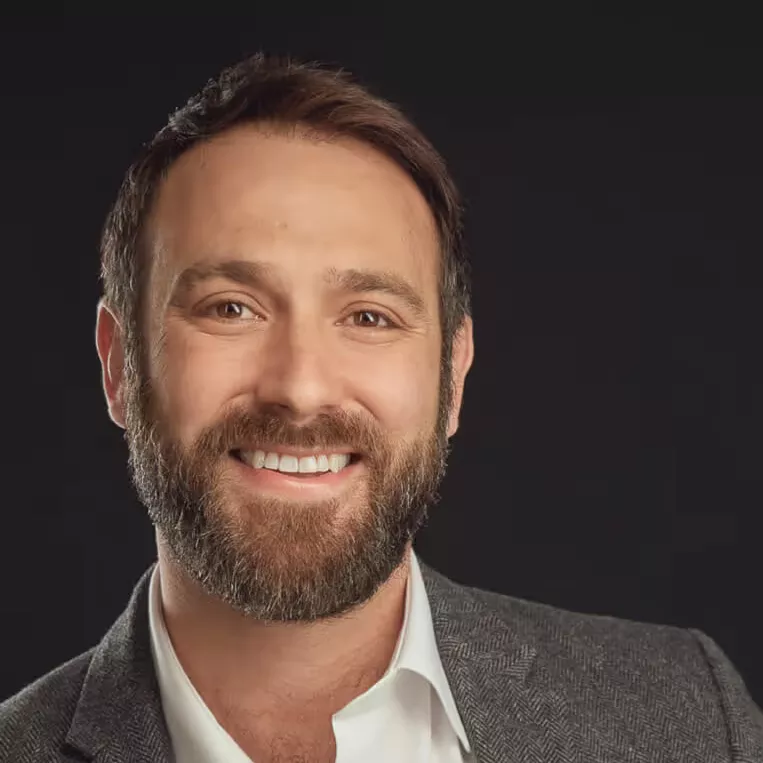
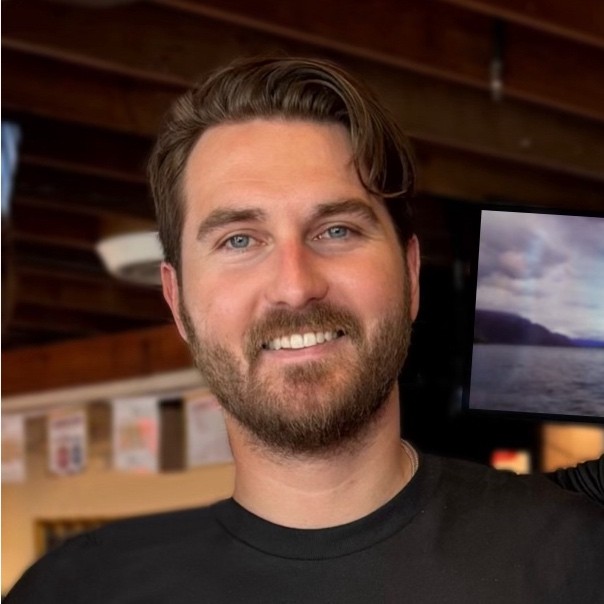
Leo Banchik
Voyager
Leo brings a rare combination to the table: technical depth as a mechanical engineer with a PhD from MIT, operator experience as a former founder, and the analytical rigor of a McKinsey diligence background. That blend makes his fundraising advice unusually grounded. Where many investors speak in generalities, Leo is specific. He walks founders through how to build their investor CRM, explaining why identifying who leads versus who follows is the most important filter. He also breaks down what he actually looks at first in a pitch deck, including the ask slide, the why now, unit economics, and team, giving founders a clear hierarchy to design around rather than guessing.
One of the more tactical and underappreciated pieces of advice Leo shares is around calendar density. He argues that talking to too few investors is itself a strategic mistake, not just a numbers game. Without enough conversations happening simultaneously, founders lose negotiating leverage, struggle to build syndicate followers, and can't generate the quiet momentum that nudges VCs to move faster. He also introduces a clever tip around using an FAQ inside a Docsend data room to gauge which VCs are actually doing their homework, a small but revealing signal founders can use to prioritize their time.
Leo closes with a sharp framework for the three phases of fundraising: getting the first meeting, moving VCs through diligence, and landing the first term sheet. He is direct that the first term sheet is the domino that makes everything else fall, and that the art of getting it is about subtly conveying momentum, such as mentioning upcoming site visits from other investors, without overselling. For first-time founders who have never navigated that third phase, this episode is one of the clearest explanations of how that game actually works.
On why the highest valuation is not always the best outcome for founders
On what it really means to have the right VC in your corner
On why calendar density during fundraising is a strategic weapon, not just hustle
On how the best founders handle deep due diligence questions
On the two ways startups fail
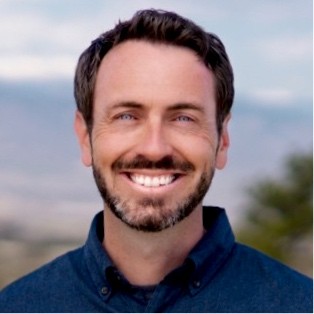
Mat Vogels (00:10)
Welcome everybody to another episode of fun raising where we interview top early stage investors to talk about the fund raising process that is actually not so fun. And I have an incredible investor today, Leo from Voyager Ventures that we've had, actually this is our second recording. First one was a little bit long and we've readjusted the format. So you get around two and I have no doubt that it is gonna be.
the best episode yet, but Leo, break us down a little bit on Voyager Ventures. What are you investing in? Average check size and stages are you focused on? And then we'll go into the Q and A.
Leo (00:47)
Absolutely. Yeah, Matt, thank you for having me. I've been looking forward to this one. Love the community. You know, at Voyager Ventures, are investing out of a $275 million fund too, which we've just announced. We're a deep tech and climate fund. We have just shy of a half a billion AUM and we write checks between two to five million typically, up to 10 million for the right opportunity. Stage wise, we invest pre-seed through series A.
Though for hardware companies, we sometimes start at the seed since there's a bit more technical de-risking that we need to see upfront. We like to lead and co-lead. We love to build syndicates. We love to roll up our sleeves and work with founders. Most of us are founders ourselves, former founders. And in terms of what we like to write checks into, we focus on energy, industrials, and deep tech decarbonization. Think energy storage and generation, industrial heat and process optimization, critical minerals, advanced manufacturing, and computing infrastructure.
We also are increasingly interested in dual use technologies. We've been spending a lot of time there, have many investments there, where climate solutions have strong defense or national security applications. We look at picks and shovels for emerging technologies like fission and geothermal, for example, enabling infrastructure that makes these technologies work at scale. just to say, all of what we focus on, we love to support technologies that win on economics, not altruism.
which is exactly how you solve the hard infrastructure problems if we're serious about climate and global competitiveness.
Mat Vogels (02:11)
That was a great answer. I think that the whole industry, especially on deep tech and climate is so broad and it's evolving every day, but it's exciting to see so many venture funds that are entering into it. The way that we're gonna break down this interview is kind of in four phases. The first is a little bit more about you and Voyager, and then we go into the fundraising process, which I split into three different sections. The first is a lot of folks listening to this, first time founders and never fundraised before.
We'll break down some tips on how they can actually get in the room, get that first meeting, that's step one. Step two, how do they knock that first meeting out of the park? And they do that multiple times across multiple funds and conversations. So they can go into step three, which is essentially that last push over the finish line, the diligence and filling up the round and closing it out. And then maybe we'll spend a little bit of time at the end talking about some advice post-fundraise as well. But let's go into the introduction about you, starting with you.
What were you doing before you got into VC and why did you choose to get into venture?
Leo (03:12)
Yeah, for sure. Well, I've been in deep tech and climate for about 20 years now. So I started working in solar in 2006. Huh? Before it was... ⁓ Well, we'll get into it a little bit later about why. But, you know, I'm a mechanical engineer by background. I did my master's and PhD at MIT. Early in my career, I worked at the Department of Energy at national labs like Lawrence Berkeley and Oak Ridge working to commercialize early clean tech.
Mat Vogels (03:19)
Before it was cool. Before it was cool.
Leo (03:38)
I was a former founder during my grad school days, operator after grad school. But right before VC, was at McKinsey advising a lot of PE funds, growth investors and crossover hedge funds. This was the SPAC craze. Did a lot of diligence on SPAC targets, supported funds on looking for the right companies, deep diligence in climate, logistics, robotics and semiconductors.
And so I wanted to take the, combine the technical background that I had with the diligence chops that I had learned at the firm and put them together and VC is kind of the dream role. Honestly though, I grew up in Las Vegas and so maybe I just wanted to keep gambling, but just with better odds this time.
Mat Vogels (04:15)
Ha ha ha!
Yes, that's great. What is your favorite part about the job and being a VC? What is your least favorite part of the job?
Leo (04:23)
So, I mean, the favorite part is easy. I get to work alongside extraordinary, phenomenal founders that are literally building the future. And, you know, I grew up reading a lot of sci-fi, Asimov, Clark, J.G. Ballard, which is a bit of a sleeper, but he's great, Philip K. Dick. And this job actually, you know, lets me actively play a part in making that future real. I the founders are doing a lot, you know, almost all the hard work, right? But we get to support them.
and we get to help build the infrastructure for the world that those authors imagined. So rolling up the sleeves with founders who are reshaping entire industries is really the dream and why I love this job. Get out of bed eagerly every day to support them. The least favorite part, you may probably heard this from other guests, but it's saying no. It is part of the job. We get many, many pitches. We can't say yes to everything. It never gets easier. You can't support everybody even when you want to.
Mat Vogels (05:16)
Yeah, the next question kind of falls into that where I find that a lot of VCs wish that founders better understood that like how many times we have to say no, but are there other things maybe related to that or if you want to double down on that that you wish founders could understand about what it is to be a VC?
Leo (05:34)
Well, I'd say a little bit more on the know and then maybe something that folks don't see as often. But we do see a lot of deals every week, just like you were saying. And if we pass, don't take it personally. There are a lot of reasons why it might not be a fit. And most of us will try to give you a very straight answer as to why to be helpful in your journey. Pay it forward for most of us former founders that took that feedback to heart, right?
Maybe we just invested in something similar or it's too early and we want to track to the next round. Maybe it's just outside our focus area. And then, you know, I also know that there's some founders that don't really like VCs very much or don't really understand our industry. Maybe there's memes of us, not us, but I should say memes of VCs on boats or skiing all the time.
Mat Vogels (06:21)
Yeah.
Leo (06:21)
But this is real work. The best VCs in my opinion and what we all strive to be at Voyager and at the other funds that we love to co-invest with are like Conseglieri, we're lieutenants. We're there to be strategic sound boards, to open our networks, to be a second opinion, to support on hiring. And that support is real if you pick the right partners.
Mat Vogels (06:42)
Absolutely is. What are some of the, you mentioned some of these earlier, but what are some of the industries that you are personally excited about? Is there any particular sector or problem set that is really exciting right now for you?
Leo (06:54)
Yeah, for sure. We got into it a little bit at the start, but right now I've been spending a lot of time in compute, energy storage and generation, critical minerals, and that dovetails into dual use. On compute, we all see it, AI is eating the world, but the infrastructure to power those data centers is woefully behind across the grid, across generation and storage. We need massive build out of power generation, transmission and distribution and data center infrastructure just to keep pace.
And it's become sort of the next geopolitical race, so to speak. Energy storage is finally getting interesting beyond lithium ion. Huge cost downs in LFP, exciting chemistries on the horizon. And we need diversity in chemistries and form factors from long duration energy storage to mobile applications for defense. Generation is obvious. We need clean, reliable, cheap base load power at scale that...
where speed to power is key. We need this now. There's like a seven plus turbine, seven plus year turbine shortage right now. And we need a lot of these technologies right now for the build out. Critical minerals are the picks and shovels of this transition. You can't build better batteries, semiconductors or defense systems without securing supply chains for rare earths, lithium, graphite, gallium, other critical materials. And a lot of that is both discovery, but also processing.
and final assembly. The geopolitical dimension here is real. The supply chains have become a national security issue and we see it all over the news. And then that lastly connects to dual use. We're seeing climate technologies with clear defense applications, whether it's energy resilience for forward operating bases, advanced materials for aerospace, manufacturing innovations that strengthen domestic production. Climate and national security are increasingly the same conversation, although it doesn't always feel like it.
And the policy tailwinds are aligning behind technologies that are better, faster, cheaper, and serve both missions. And that's sort of irrespective of which administration may be in the White House. It's bipartisan.
Mat Vogels (08:53)
I think that was a great answer because you highlighted, think, a key point that we're seeing across the ecosystem that when people assume like, AI investing, they think of the softwares and the labs and all these things. But what's really exciting are all the industries that are being not only pushed forward, but like tsunami forward with immediate urgency because of the AI tailwinds in there. So ⁓ it's exciting.
Leo (09:15)
Yeah, and just to dovetail on that,
there are those that say, well, know, Claude Code and some of the other coding assistants that are powered by these powerful LLMs are just going to commoditize software. And so what are folks going to be able to invest in? Well, you know, another reason to take more look at hardware. I do want to specify though at Voyager, we do invest in both software and hardware.
I just happen to be an incorrigible mechanical engineer by background that gets attracted to steel in the ground.
Mat Vogels (09:43)
There you go. Nope,
nope, nope, that's great. All right, last question for this little round here. Why should founders pick Voyager to be on their cap table?
Leo (09:54)
Well, mentioned before, but most of us are former founders. We have a lot of empathy for the role. We love to roll up our sleeves. We strive for excellence here. So we love to be helpful on everything from interviewing candidates to finding customers for you and making key introductions, non-dilutive funding through our connections into DC and to other...
large pocketed organizations that really want to support you to scale. It doesn't always have to be equity. It could be grants. It could be structured finance for your first two projects. And, you know, we're there for you. You know, we all talk to our founders multiple times a week for those deal leads that are in charge of each opportunity, each deal. And yeah, we just we love to see you succeed. We love to build strong syndicates
we love to roll up the sleeves.
Mat Vogels (10:41)
Yeah, love it. All right, Leo, let's go into the fundraising process itself, which again, break up into three different parts. The first being, how do folks listening to this that again, probably don't have a lot of the networks, don't have the connections, how do they actually get in the room and get that first meeting? Let's start with.
A lot of times I see founders, kind of build this list. They have a list of investors, a group that can almost like a CRM of investors they want to reach out to. Are there any pieces of advice that you would give these founders on what they should index on when building out that list of investors?
Leo (11:14)
Well, I would say, you you want to, you want to cast a wide net at the beginning and see, you know, who, who ends up putting in the term sheet that you can end up working with together. Ultimately, we'll get to it a little bit later on who you decide to choose, but you want to choose strong partners that are really willing to get in the trenches with you and have the capital to support you. But before all of that is you're building that funnel, that CRM that you just mentioned, Matt.
You want to make sure that the VC is actually in your stage, check size, focus area, and ownership target. Otherwise you're wasting your time and you're wasting theirs. know, don't pitch a pre-seed company to a growth fund. The other thing is when you're building out that CRM, it's pretty important to think through who can lead and co-lead and who follows. The advice I give the founders that I work with is when you're building the CRM, you really want to focus on lead hunting.
for your next round and then the followers can come in afterwards. It doesn't mean don't talk to the followers at all. You need to keep them along the pipeline such that when you get the lead, you can fill the round, but you really want to focus on the leads. That's where the priority should be.
Mat Vogels (12:17)
Yeah, because once you get the leads, everything does fall a little bit easier. What are some good ways that you've seen founders get in front of VCs? Maybe it's just in front of you or Voyager in general. What are some good ways that you've seen founders handle that?
Leo (12:31)
I'd say, and I'm sure your listeners have heard this before too, but a warm intro from a strong founder or another VC, preferably double opt-in if you can. But you can use LinkedIn to find second degree connections into the funds that you want to speak with. Now I've taken cold emails before, I've taken cold.
LinkedIn messages before, and they do sometimes work. have made investments based on those reach outs. We really try to cast a wide net. Talent can be in all forms. They don't just have to come from certain schools or organizations, right? But referrals do help cut through that noise. The wrong way, I think, is blasting generic messages on LinkedIn to every VC you can find. VCs aren't always on top of LinkedIn messaging anyways. And so if you do reach out cold, keep it crisp.
Mat Vogels (13:07)
Ha
there.
Leo (13:17)
Do your homework on what that VC actually invests in. Matt, I'm sure like me, you get many pitches on completely irrelevant things like AI enabled dating apps when we invest in deep tech and climate.
Mat Vogels (13:31)
Yeah. And I get, I get a lot of the ones where the data is wrong or my name is, you know, it's my full name. Anytime I see Matthew Vogels, I'm like, yeah, that's not, that's not accurate. Nowhere does it say Matt.
Leo (13:40)
Well,
it looks like we both have that trick because I'm Leonardo on my LinkedIn and that's my full name that my mom gave me after my grandfather, but I do go by Leo and so it's sort of a giveaway. we haven't met yet because you're giving me the full name.
Mat Vogels (13:46)
Yeah.
Exactly right, exactly right. So I definitely have that in place too.
What is on your side? So if somebody is sending you a cold pitch or an email, or maybe it is an introduction from a founder, I find that investors have a specific slide or metric or something that they go to first before they dive deeper into the rest of the pitch. And I find that the slide is probably the better way to frame it because that's where founders are kind of thinking of these that create their pitch decks. What is that slide or two slides, three slides that you go to first in picking what companies you want to meet?
with.
Leo (14:27)
I'd say, you know, it has to be in thesis first of all. So like a quick flip through the slide deck will make me feel like, okay, this is the right vertical. This is the least in scope for us, right? Sometimes I'll go to the ask slide first just to see whether the quantum they're seeking is also within our focus, right? If this is a hundred million dollars series B, it's not gonna be a fit for us, right?
And I'd say the why now is also important. The team slide is important. In that ask slide, having a clear use of proceeds and milestones to get to the next round helps me understand where the technology is. If we're talking about hardware and it's sort of something novel, it's a squishy spectrum, but the technology readiness level can be useful for describing where tech is. At Voyager, we used to...
We really like to see technologies between a TRL of about three or four. It's been proven in the lab. Now it's really about scale up. It's more of an engineering problem, not a science problem. And so getting a sense of what the milestones are for the next round, maybe the tech roadmap slide gives me a sense of what to look for. I'm giving you a few more than just one slide, right? But the market size is important as well. We want to make sure this is a big market.
Mat Vogels (15:39)
No, it's great.
Leo (15:44)
The unit economic slide is important because it lets me see, this an aspirin or a vitamin versus the status quo? The competitive landscape slide. mean, if what you're building is truly end of one, maybe there really is no other competition. Usually you're producing something that somebody else already produces. You're just doing it way cheaper, better, faster. And so again, the unit economics and the competitive landscape are important. I think maybe the least important slides are like a thank you slide or maybe a...
a vision slide that just doesn't say much, right? The why now is important, which is tied to vision a bit and where you wanna take the company, but I've seen some really fluffy vision slides that are like, okay, this is interesting.
Mat Vogels (16:24)
What's really fun is that that question you would think is consistent across all VCs and it hasn't been so far, which has been really interesting. So I have a lot of VCs that are like, I only look at the team slide and that is it. But the VCs are like, I only look at the vision slide because if the vision isn't clear, I don't care who the founders are. It's amazing how many different answers I get from what slide or things they look for in those initial ones. But I think it just shows that.
Leo (16:32)
interests.
Mat Vogels (16:48)
every VC has a slight different way that they like to tackle what is inevitably hundreds of pitches that they have to go through, whatever that little hook is that kind of gets them interested in there. You mentioned maybe, yeah, go ahead.
Leo (16:58)
I mean, if I were to choose, go ahead real quick.
If I were to choose, you know, absolutely one, I do think the team is very important and not to tag on with the others. I do think the team is super important and not just the pitch deck. will, you know, I and others will go to your LinkedIn if you've got one and just, you know, look at your background, see what you've done. If there's been evidence of you succeeding in prior roles, it makes us more excited to take that first call.
Mat Vogels (17:05)
Of course.
Yep. Are there, mentioned a couple of maybe mistakes or things maybe that they don't do well or slides that aren't as important. Are there slides or mistakes that you see commonly within a pitch deck that you're getting cold or those first pitch decks that you recommend founders avoid?
Leo (17:38)
I'd say having a pitch deck that's way too long, right? Typically the teasers, if we're talking about the hook that gets a VC to take the first meeting with you, you know, a 60 page slide deck is too much. It's too much to absorb. I think, and it shows like a lack of prioritization, right? A lot of spelling mistakes. I mean, if there's one, I'll give you the benefit of the doubt, but you know, just.
Do a spelling or a grammar check, The way that you show up VCs is the way that you show up with customers, new hires, suppliers, et cetera. So just do the quick check before it goes out. Another couple which are quite tactical, we tell all our founders to use Docsend because if you do make changes, you don't have a static PDF sitting in somebody's inbox, right?
Mat Vogels (18:20)
Totally. That's great advice.
Leo (18:23)
And I'd say you might be getting to it, but I do think that design matters. And the bar goes up with stage. So for pre-seed, I can excuse it if it looks like a PowerPoint template. But by seed or Series A, don't be afraid to spend on a designer. We want to make sure that the PDF doesn't look like a super default PowerPoint template, even though I love Clippy. But the design does matter.
And being crisp is also very important. If you've got, you know, 12 slides in the teaser, if it's a waterfall of text without any images, that's going to be really hard to digest. So you want to use a balance.
Mat Vogels (19:03)
Yeah, design obviously falls into two camps. you're right, was a question. was one of the more common questions that we got was like, how pretty does my pitch deck need to look? And I think that good design is obviously something that looks good. It feels pretty and well designed, but almost more importantly, it's the design on the clarity and all these pieces too. The length of it, how concise, all of that is a part of the design.
any last tips, tricks, things. I think you covered everything that folks would want to know about the initial phase, the getting into the first meeting phase. So nothing as you're meeting with them, but everything before that first meeting that you can touch on for founders.
Leo (19:38)
Having a website, again, at the pre-seed not key, not super critical, but increasingly with stage, it's important. At the seed, definitely by the series A, you want a website, needs to look clean, needs to tell the story, needs to look professional. Again, the way you show up with the VCs is the way you're gonna show up with everybody else, right? And it can make the difference between a scraped together $5 million seed and an oversubscribed 10, 15, 20 million.
Mat Vogels (19:40)
Mmm, yeah.
Leo (20:05)
seed, right? It's a, and I, you know, work with a lot of engineers and I know a lot of engineers that feel like if I design the tech and it's a better mousetrap, it will sell itself. And that is not the case because the way that people make decisions is they get swayed by stories and narrative and don't sleep on that. That's really important.
Mat Vogels (20:22)
Yep. That's great advice. Okay. Let's say that they've, they've done everything you said. Leo's excited. Voyager's excited. You're about to go into that first meeting. As you think about it from the VC side, what are the things that you are looking for? Whether it's the characteristics information translation that you need to capture during that first meeting, typically it's only 30 minutes and it goes by really fast. What are those things that you are trying to get from a founder?
during that phase, maybe we start there. Let's start with the information first. The next question will be more of the characteristic things that you're looking for, but from an information standpoint, what are the things that you need to have in that first 30 minutes?
Leo (21:01)
You know, an explanation of what the tech is, an explanation of why it solves this problem, how big the problem is, an explanation of the why now, right? What is the breakthrough? What's the secret sauce? And crisply articulated. And an argument, a cogent argument on why it's better than anything else that's out there.
and why this is the team to do it. I'd say from an information point, those are all very key.
Mat Vogels (21:33)
Nope, those are great. From a characteristic standpoint, is there anything that you're looking for? How do you want these founders to show up in those initial meetings? What are some green flag characteristic traits that you see?
Leo (21:44)
Yeah, I'd say obsession and passion and it comes through in the meeting. Knowledgeable about the space. But if there's a CTO, we don't expect the CEO to have all the details. If there are co-founders, it's fine to have a separate meeting for more technical questions if needed. The CEO should be telling that narrative and why it's so key. A strong handle on the union economics market size, what's going on in the mind of customers.
Mat Vogels (21:46)
Hmm. Hmm.
Leo (22:09)
Although that's more information, not characteristic, but I think that knowing your customers is very important. What makes customers excited to use your product and what in their minds makes this an aspirin versus a vitamin? Like I need this tomorrow or I need this today versus it's a nice to have, right? And I'd say we hear it from a lot of VCs, but there is a charisma and a sales angle here. Again, if humans are sort of convincing each other to go,
work together or collaborate based on narratives, the ability to convince somebody else of your narrative is key. How you show up with the VCs, how you sell to me, and it's a transactional word, sell, but the charisma that you use with me is the charisma that you'll use to attract the best employees, to attract the best customers, to get the best terms for your product.
That kind of charisma is quite key and you can feel it come through. Maybe one other green flag. Sometimes you'll see a chip on the shoulder that founders can share and I like that too. you know, can be fiercely competitive and I like seeing that in founders that are like, yeah, we want to dominate the market and this is why we're better than competitors.
Mat Vogels (23:20)
It's always a fine line across, you want to be too cocky, but not underselling, all these different things. But what about some red flags? What are some negative characteristics that you see founders carrying in? Is it just the opposite of what you said? Or are there other things that are more explicit that when you see it, you kind of go, nah, it's not going to work.
Leo (23:37)
Well, I'd say, you know, not to your cockiness point, like not showing some humility and a willingness to learn. You you want that confidence and you want to convey this kind of sense of speed. But but you also don't want to come across looking like, we know it all and we're going to figure it out. It's OK to say, you know, we don't know yet, but this is how we're going to figure that out. What I what I don't like is sometimes when you get a founder that says, we'll just figure that out.
but they don't go into depth on how they're gonna figure it out. Like walk me through, know, if you haven't done the customer discovery yet, that's okay, but like walk me through who you're gonna talk to, in what verticals, who are the folks that you're targeting at those organizations? Do you have a starter list? Right, walk me through how you're gonna do it rather than say, will figure it out.
Mat Vogels (24:05)
Yeah.
Yeah, that's a good answer. What are, there any questions that you would recommend founders gather from that first 30 minutes? Obviously not a question that you as a VC are like, oh, they asked it. That's a checkbox. That's good. But more the advice that you would give founders to better understand maybe the VC that they're talking with. Cause in these initial meetings, they might be talking to, you know, dozens over a couple of weeks. They should probably be information gathering as well. Which what are some of those questions?
Leo (24:45)
Great.
Absolutely, you know, this is a dating process to a large extent, right? And you should be asking questions of your VCs. Remember when we were talking earlier about the CRM and the funnel, who are the leads and who are the non-leads? That's a question. ⁓ know, do you lead or co-lead? And then you can update your CRM accordingly. And again, like VCs that follow are great. Like we work with lots of awesome followers, but...
Mat Vogels (25:04)
It is.
Leo (25:14)
And just because you say that we follow doesn't mean that the, if the founder feels like asking that question means that the follower will feel deprioritized. They shouldn't feel that way. And it'll come out in do you lead or co-lead, but it'll also come out in ownership targets. So you can ask for ownership targets. You can ask for average check size, max check size. You can ask about where you are in your fund cycle as well.
And maybe you could tease out how many more investments are you planning to make from the fund if you're talking to a fund that's sort of late in the fund cycle. Those are all questions that you can and should ask. And then at the end game, and we'll get to it a little bit later as well, but you should feel very open to ask for founder references. Hey, we like working with you. We've enjoyed the diligence process so far. We'd love to talk to a couple of founders that you can put us in touch with. And don't be afraid to also back channel.
go on the VC portfolio website, find some companies and then just message the CEOs on LinkedIn and say, hey, we're thinking about working with this fund. Would you like to hop on a call with us?
Mat Vogels (26:19)
Yeah, I've mentioned this in other pods as well, where it's a good thing to do that later in the process, if only because as a founder, when I was a founder, I had all these people reach out to me. And if it was too early in the process, it's not worth my time as a founder to take the extra step. It also becomes, especially if the ask is a combo, if it's a, hey, I just had a meeting with, you know, XYZ investor. Could you put in a good word for me and tell me about them a little bit? Like, only time I think it's you should
Leo (26:33)
100%.
Mat Vogels (26:47)
reach out to founders for that is when you're in the final decision, the funds probably shown a strong commitment and you're using this as a way of picking whether or not you let them in, which we will get to in the next phase as well. Yeah, exactly. So what are some of the mistakes that you see?
Leo (26:57)
That's exactly right. This is in the end game. ⁓ Exactly.
Mat Vogels (27:06)
founders make during this process where they again they're having a lot of these initial meetings. So this is not quite in the diligent stages but in these initial meetings phases where they're kind of piling up you know a dozen or so a week of these initial meetings with VCs.
Leo (27:21)
I'd say not piling up the invites is one of the mistakes. So a lack of calendar density. When you speak to two, and I'll explain why, right? When you speak to too few VCs, it makes it hard to generate that sense of momentum. And when you get one term sheet, if you play the end game with too few in the funnel and you get to one term sheet with very few or no other folks waiting in the wings, you lose your leverage to negotiate on round size.
Mat Vogels (27:24)
Hahaha, that's good.
That's such good advice.
Leo (27:47)
valuation, other terms as well. It makes it harder to build the syndicate afterwards if you don't have a bunch of followers along the way that have said, we don't lead or co-lead, but we'd be happy to put in a million or two million depending, right? Or 500K. And so what I tell the CEOs to prepare for calendar density is try to almost fully delegate the business to the other co-founders or the other employees, senior employees, senior managers while fundraising.
Obviously, it doesn't mean completely step away from the business, right? You want to step out of fundraising mode for key customer sales discussions or other important topics, other important activities, but definitely prepare yourself for multiple meetings a day. And it's up to you. I want to say the FOMO is very subtle. You can't oversell, but you can't just maybe let the VC run their process without
Mat Vogels (28:32)
Yeah.
Leo (28:39)
without these nudges. And so what I wanted to share here was these subtle things that you can do to generate a sense of momentum. I'll give a couple. If a VC says, let's talk in a couple of weeks after the meeting, after that first meeting, and you need to be able to communicate authentically and with truth behind it, of course, that the urgency of the round.
Mat Vogels (28:47)
Yeah, please.
Leo (28:59)
and get them to take a next meeting in three to five business days or they could miss out. Now you might not want to be that explicit, but it's this sort of subtle sense of urgency, right? The other mistake is thinking that the raise is going to go faster. Expect for the best, hope for the worst. Buffer up to six months plus in some cases. Obviously some raises can go in a matter of weeks, right? But make sure that you're leaving enough runway buffer to hit the milestones you need for the round.
Mat Vogels (29:12)
Yeah.
Leo (29:26)
and leave time for fundraising after that, right? So lastly, don't share who you're talking to with VCs. It's kind of, common parlance, it's common advice, but you know, most VCs know each other and asymmetric information is your friend.
Mat Vogels (29:39)
But what about when VCs ask? Because I almost inevitably a VC will ask, who else are you talking to? It's gotta be the most common, one of the most common questions VCs ask. Should founders share that or should they say no? Because it's a good question. I don't think it's the right answer. I'm actually curious to hear what you say. Because when I hear founders say like, no, we can't tell you, my first thought is like, well then they're not talking to anybody. But a lot of times it's because they've heard advice where it's like, well, don't share who you're talking to. So there is validation there. So how should founders handle that?
Leo (30:07)
I'd cut it down the middle. I mean, look, if you've known these VC for years and you trust them, you know, it's different.
Mat Vogels (30:13)
That's
not the case. Most of these, they're like the first time you've ever met them.
Leo (30:16)
Right, right, right, exactly. All so let's talk about that one. If you say, I'm not gonna share, there's a world between here's all the folks I'm talking to, let me share with you my CRM, and I'm not gonna tell you, there's a middle ground. We're talking to a number of institutional investors that were excited in deep tech and defense and dual use and climate, whatever it may be. And we're talking to a number of strategic investors as well that could potentially come into the round,
Mat Vogels (30:19)
Yeah.
Yeah. Yeah.
Leo (30:42)
and support in these ways, right? There's the sort of a middle ground where you can describe the types of funds you're talking to without needing to say who it is.
Mat Vogels (30:51)
Yep, that's really good advice. All right, any last tips, tricks, tidbits on the phase of the initial meetings? And then after this, we're going to go into the final phase, the diligence process and all the pieces there. Anything for the current phase?
Leo (31:04)
I think we'll probably sprinkle in few more things later too.
Mat Vogels (31:08)
Perfect.
All right, so they've nailed the first meeting, they nailed multiple. Now they have multiple ongoing conversations, diligence processes. Let's start with Voyager. What does the diligence process look like at Voyager when you like a deal and now you're kind of moving into that next phase where you're diving a little bit deeper?
Leo (31:27)
Yeah, well, it'll look like more conversations with the CEO, more conversations with, and I'm not giving you a number because it can depend on how fast the fundraise is moving, right? But more conversations with the CEO, meeting the other team members, at least the other C-Suites, the other co-founders. If we really like the company after the first meeting, you know, we'll typically ask for a data room.
And we'll give a list of things that we like to see in the data room. A cap table, financial projections so that we can run our exit models. If there's a bottom up that was used to establish what the market size is, the TAM, we may ask for that. The customer pipeline. Again, a lot of this is stage dependent too, right? So if you're series A, we're going to expect this to be there in quite some detail.
A good tip that I like to give founders as well is have an FAQ. And again, if all of this is in Docsend, all the data room is in Docsend or something similar, then you can have an updating FAQ. It's basically dynamic. And the FAQ isn't a critical piece, but it can help you to see which VCs are doing homework. Because if you're getting questions that were in the FAQ, you know maybe they haven't gone through the whole data room. So it gives you a little bit of intel as well.
Mat Vogels (32:38)
So true.
Leo (32:39)
But yeah, we will have several meetings. We'll meet some experts. Sometimes we like the external experts, but also we'll talk to occasionally scientific advisors or engineering advisors to the startup to get their take. We know they can be biased, of course, but we like to talk to them nonetheless. What got you excited to advise this company while you're full-time at Tesla or Rivian or GE or something like that, right? And...
Yeah, and we'll run it until we do a meet the team and then we have the team come and present to our entire investment team. Sometimes after that, we'll follow up with a bit of a due diligence questionnaire, some tight questions that get us to the end of our diligence process. And then we'll try to be very prompt, usually within, call it one to five, maybe seven business days on our answer. And that flex is based on how fast the round is moving.
Mat Vogels (33:26)
Yeah, exactly. And how fast the founder is moving too. It's a reciprocal relationship. It does go back and forth and sometimes it just depends on how fast both sides are moving there. Kind of hints at a different thing that I see commonly. There's so many hurdles during this phase. It's super hard. There's actually no real clear way of navigating this part of the process. What are some of the things that, you know, advice you give to founders of things maybe not to do or mistakes that you see during this phase where, you know, they're going through multiple children's processes. They're trying to build FOMO a little
bit, you know, actually trying to get checks in and quality. What are some mistakes that you see founders make during that phase? They could try to avoid that hopefully makes this part of the process a little easier.
Leo (34:07)
I'd say, and again, the bar goes up with stage, but not having a strong data room ready to go. And it's okay if you start with some pieces of the data room and then you add them later. Totally cool, totally fine. But maybe getting back to the VCs very slowly is another issue. If we send you a DDQ and it takes two weeks to get back, we know the round might not be moving quickly.
Mat Vogels (34:26)
Yes.
Leo (34:32)
Or that you, you know, maybe it's moving really fast, but we need to get in front of you a little bit more, right? I'd say, you know, yeah, just not communicating that, know, emphasizing that urgency and letting things go for too long. think one can do diligence maybe indefinitely, right? And I think having really,
strong answers to the VC questions is they go from like click zero down to click five, right? Five clicks deep. Having really good answers all the way down to that, you know, that depth across all parts of the business, whether it's unit economics, landscape, know, market size, et cetera, risks. Usually when I get good answers from the founders down to that depth and I...
and I feel comfortable with what I'm hearing from external experts as well, and I'm gaining conviction, then I have conviction that they can answer depths six and seven ⁓ well. So at some point, what I say the way I feel about this business is you can do diligence for a long time. What breaks you out of that cycle ultimately is the founders. It's like, I trust that they're gonna be able to answer these next set of questions very well.
Mat Vogels (35:23)
Yeah.
There's the old adage of time kills all deals and it's true and it happens both ways. If the founder isn't timely and quick, the deal's dead. On the other side, obviously on the VC side, it'll, they'll miss the train so to speak. The other thing I recommend here that you've hinted at is that all of these things, you should have an iterative process and you're updating stuff on the backend. So having a doc center, a data room where you're going to be hopefully getting all these inputs. One of the things you mentioned earlier, which is absolutely right is if you have more VCs that you're engaging with, you'll have a better understanding across the board of like what's.
and what's not normal. The biggest mistake I see to your credit is if you're only talking to a few VCs, one piece of advice that one VC gives you could change the whole way that you think about your company, the whole process. And they, you know, the VC holds so much power to these founders that if you don't have a lot of conversations going on, you could be really derailed with maybe what one VC says. And then if you have, you know, you've established that you have this person gave you
this
advice, add it as an appendix and like your data center, all these things that way when the next one asks, it's like, it's already ready to go. It's quick there. The questionnaires that come in from VCs. I've seen founders do this where they just have a, Hey, we actually have this long set of other questions we've got from other VCs and we put it in this one doc. It's in there. Plus some other questions that you might find interesting too. I love it when, when founders do that. So there's ways to hopefully learn and adapt during this process too.
Leo (36:40)
Yeah.
Absolutely, absolutely. The other fun tidbit since we were talking about Docsend, or it could be another program as well, but I think Docsend in particular, when the VCs open the deck as the founder, can see how long they've spent in the deck and which slides they were looking at. And that just gives you more data to be able to make tweaks as you go.
Mat Vogels (37:08)
Yeah, exactly.
It does.
Yeah. All right. One of my favorite questions here is inevitably, I founders are like, that'd a great problem to have. But a lot of times you will get to a point as a founder where you are, are oversubscribed. And I don't mean this in a way where, you know, you, you are vastly oversubscribed. You wanted to raise 5 million and you have $50 million in interest. It's usually like you wanted to raise 5 million and you have enough interest circling to be like 5.5. So there's enough to where you are kind of making some weird selections and choices here.
What are some of the things that people should index on when trying to build up their cap table and essentially choose who's gonna be in and who's gonna be off? It's almost like portfolio construction, but from the founder's side, any advice that you can give to founders that are trying to make those selections?
Leo (38:09)
Well, I'd say, you you start at the top. You're like filling a cup with sand, right? The large balls first and then the sand that fits around those, right? So you want to choose the co-leads you want to work with first and then work with that lead to maybe build the syndicate and fill in with followers. Maybe you've been talking to followers that you're excited about, but the lead actually has worked with some followers that they think would be super value add.
And, you know, it's a bummer sometimes if you've built relationships with those followers, but, you know, the lead has others, but, you know, be open to meeting new people and try to be objective about who will be the best partners for your round. But I would say it starts with the leader, the co-leads, choose them first, and then work to fill the round after that. I'm going to give a couple of other tidbits. So I have a lot of friends at corporate venture capital funds, CVCs.
Mat Vogels (38:53)
Please, love it.
Leo (38:58)
And some may hate me for saying this, but some, all, right? Not all CVCs are like this, but some don't have ownership targets. And so sometimes it's possible to push these CVCs outside of the institutional round, maybe it's a price round, into a post-closed safe or convertible note on good terms to founders. You know, maybe a low percent discount, maybe uncapped valuation. It's less dilutive to the founding team, gets you more capital.
It gets you the strategic support from these potential customers or stakeholders. And it can be a great move. And again, it's not all the CVCs, but some of them are like, yeah, we just want to participate. A million or $2 million check out of what could be a billion dollar balance sheet doesn't move the needle too much for them. So the last thing I'll say is, as you're building the cap table, make sure that you budget pro rata from your previous investors.
Some of them are happy to wave, but don't go in with that assumption, right? ⁓ You wanna make sure that everybody's on board and then they feel good about it because some investors could potentially hold up around from getting done and we don't do that. I don't know many folks that do, but I've heard of stories where an angel will absolutely not wave prorata and the whole round has to be sort of rejiggered, right? So.
Mat Vogels (39:52)
No, absolutely not.
Leo (40:11)
That said, in the end game, sometimes the former investors that did want to do this much per item might get squeezed a bit. And those are hard conversations you may have to have. And then we didn't talk about just taking more. you just, hey, if it's 500K, let's work with the lead. More capital means more runway, means more milestones before the next round. It could be a great thing.
Mat Vogels (40:24)
Yeah, of course. If it's there, yeah.
I think I had a couple of VCs that have had really good advice and that it feels as though during this fundraising process, we're kind of taught as founders to think like, just get it over with, like get the fundraising process over with, go back to building and all these. I think it puts a weird.
feeling during it to just like to just get over with and it's not an important part and like just get the money and keep building which is true sometimes but this is a relationship that you're going to have with these folks for 10 plus years maybe forever and you want to make sure that you're having the right people in there so take a step back
Take your time, don't rush it if you don't have to. The hard part is that VCs will feel like they're going to pressure you. And this is where it becomes really hard as a first time founder. You've never done this before. VCs have done this a hundred times, thousand times. So they know all the tricks and ways and they're not even doing it in a malicious way. This is how the game is played, but we've never played the game before. You end up being in this weird, awkward position where you can make some wrong decisions. So definitely take your time, get feedback from other families.
Leo (41:08)
Yeah. Yes.
Yeah.
Yeah. Yeah.
Mat Vogels (41:36)
phase we talked about earlier, this is where you should be talking to other founders that have maybe been with those companies or firms for a long time, get their feedback. That's when you'll find that founders are willing to open up because you're now in a position where you have the demand, you have the signal, they don't need anything from you except advice and you're willing to give that typically as a founder. So this is where you should lean on those portfolio founders a little bit more.
Leo (42:01)
That's right, that's right. And I've got one more here too, which is, as I mentioned, you may have to have hard conversations with some of the folks that aren't your leads. And so don't over promise at the start and then cut them down later, right? You want to be open and transparent the whole time. And then the second one, and we hear this quite often, is choosing the lead that gives you the highest valuation, just straight off the bat.
Mat Vogels (42:03)
Yeah, please.
Yeah. Ugh, Yep.
Leo (42:23)
I think even Elon Musk said he regretted raising, I think it was a Series C with one fund that gave him a much higher valuation than one fund that would have been a much better partner. Or a lead that has little experience in your sector, right? Maybe they're great software investors, but have little understanding of hard tech. Maybe they can be helpful, right? But I think it can hurt you in two ways, sort of over-indexing for valuation and for...
Mat Vogels (42:35)
Yeah.
Leo (42:47)
for folks that may not have experience, right? One is taking a term sheet at too high evaluation means that you have to earn that valuation at the next round or you risk a flat round or a down round at the next round, which can harm morale, dilute shares, it can affect your momentum. And then, you you wanna choose something fair for what you're building, the stage, the dilution is market. Two, choosing a lead without experience can harm you when you need your VC to support you. And it's not just...
Maybe ones with that experience, but ones that don't have the time to work with you too. Maybe they're on 20 boards or something and you want to know how active they're going to be. Now, I'm not talking about micromanagement, being there with you day to day, right? But you want somebody that's going to pick up the phone at 11 PM on a Sunday night when you're going through something.
Mat Vogels (43:30)
Yeah, absolutely. You need to have those folks on your cap table. It's important. Any last piece of advice for founders in the phase of closing out their round and actually getting their checks in before we go to the post round, what happens next?
Leo (43:46)
I'd say just work with the lead. you've built up a good relationship with them, they'll help you build that syndicate. ⁓
Mat Vogels (43:51)
They really will. A good lead
makes all the difference. It really does. And if you have that piece, then everything else will be much easier for sure.
Leo (44:01)
And the other thing, you know, well, we may get into this in the next section as well, but if it's a priced round thinking about who's going to take the board seat from that lead, it's going to be three person board, a five person board. Those are discussions you can be having with the lead as well as you're building the cap table. Because if there's somebody else that's putting in a pretty sizable check next to you, which is either a co-leader or a strong follower, you know, whether they get an observer seat, right, who's going to take that observer role. Those are all discussions you can have with the lead very openly.
Mat Vogels (44:28)
It kind of brings a question here. Do you see a lot of folks taking or having board seats at pre-seed, like their very first checks, or is that something that's rare? I see it every now and then, but yeah.
Leo (44:36)
I
find that to be pretty unusual. It does happen. And it's not a ret-
Mat Vogels (44:41)
What would you give to
founders that say they, they have an investor that is maybe not as notable, that's asking for a board seat at the pre-seed?
Leo (44:49)
I would say, you know, it really depends, right? It really depends. It's not a red flag, but it is more unusual. And you know, if that investor was helpful, great. If they weren't that helpful and they're not participating strongly in the next round, they can go to Observer or step off the board. And just because you're not on the board doesn't mean you can't help the startup. You can have recurrings with the founders, right? So we'll get into that.
Mat Vogels (44:56)
Yeah.
Of
Yeah. All right. The round is closed. Everybody's happy for at least a minute. But then the real work kind of starts after that. What are some actually start even going on the Voyager side first? What is the relationship look like with the founders that you invest in post? Let's call it pre seed, maybe seed. But you these are first time founders that just raised their first round. What is the relationship with Voyager specifically look like going forward from there?
Leo (45:41)
Well, I can talk about our experience, my experience. I like founders to use me, right? I want to be your consigniary, your lieutenant, be open on highlights and lowlights, where I could be helpful. I like to set up recurrings even between board meetings once every two to three weeks to make sure that I'm up to date.
on your progress, can support you with connections to customers, hires, government agencies, et cetera, that, know, not just me, but the strength of our fund, right? ⁓ Obviously, though, you know, the founders are in the driver's seat. We're not going to go run your experiments alongside you day to day. Although we might help you put up a whiteboard or build a work table with an impact wrench during a site visit. But yeah, I'd say don't just take the capital and go dark.
Mat Vogels (46:08)
you
Leo (46:24)
because that can be scary. We want to help. We want to see what's working, what's not working and help get you to those milestones that's going to get you to the next round.
Mat Vogels (46:33)
Yeah. You mentioned maybe potentially a mistake that founders make. What are those mistakes that founders make immediately after they close the round? You mentioned going dark. You want to double down on that or any other things that founders make during that phase?
Leo (46:46)
I'd say, you know.
Portfolio companies have one goal really, which is to make money at good margins. That's how this game works, right? And everything else is in service to that. And so it's okay if you have tech that you need to get, you have tech that needs to be de-risked. Again, this is stage dependent of course, right? But not moving quickly on customer traction is a key failure point that I see. Again, it's fine if there's work to do on the tech, but that customer discovery and sales,
can and should be done in parallel because the farther you can run while you get that, you know, most rounds give you about one to two years, I'd say one and a half to two and a half years of runway, the farther you can run up to that cash out date, again, with the buffer that you need to put in for fundraising. So let's say you raise two years of capital, right? Gives you two years of runway and then you buffer back like six to eight months. So how hard, how far can you get?
on the tech, but also on the customer side, more importantly, to some degree, at that moment where you need to start raising again. And I think that's a key. And that can make the difference between having to scrape together the next round or having literally everybody trying to come into your door within a week ⁓ of you, quote unquote, opening the fundraise. Sometimes you might get preempted. And it's really the pace of revenue growth and at good margins, again,
Mat Vogels (47:58)
Yeah.
Leo (48:07)
Some of these companies are gonna be through a J curve, but the revenue is really critical. For a series B and C, there are some investors that won't even take a first meeting unless you hit a certain revenue number. Series A as well, right? yeah. Couple more real quick, Matt. Poor hires. you wanna, as a CEO and as co-founder, as a founder, you wanna hire people that are
Mat Vogels (48:16)
traction milestone yeah yeah you know all right a big picture level yeah go ahead no
Leo (48:33)
Don't be afraid to hire people that are better than you, right? At a particular thing, you want a team of all stars, huh? Yeah, you want to set the bar really high on hires. You want to establish a good culture of transparency. And then PR, I think it's important to have PR for the round with good branding at the right outlets. Again, in some cases, if you're intentionally operating in stealth mode, it's different, but.
Mat Vogels (48:35)
Yeah. Please do, actually. Please do if you can, yeah.
Leo (48:56)
In many cases, PR can be great. It legitimizes the startup, your startup in the eyes of hires, customers, grant providers, et cetera.
Mat Vogels (49:04)
That's great advice. All right, high level. What are some of the reasons that you've seen startups fail? So this is not related to the fundraising process, but for founders that are just getting started on this journey, things that they can start to index on, look out for, prepare for at a high level, what are some of those things that you've seen that lead to the demise of a startup, which again is more normal. I want to normalize startup failure because it is the vast majority of the time.
Leo (49:32)
It happens. absolutely happens. I two ways that startups can fail. One, they run out of money or two, the band breaks up. know, the co-founders break up and the dream dies, unfortunately. you know, on, if we leave aside the band breaking up, the running out of money, you know, you want to make sure that you're hitting the milestones for the next round. If VC...
Mat Vogels (49:41)
Yeah.
Leo (49:54)
is the plan, know, raising more equity is the plan for the next round. And the way to ensure that you can hit those milestones and raise that next round is by moving forward with a sense of speed and urgency and having a focus on customers, building out the pipeline, getting to JDAs or material transfer agreements or...
know, LOIs with teeth and the gold standard, you know, take or pay off takes, right? You want purchase orders, right? So everything else is in service to that. And I would say that's key. In addition to minimizing your burn, right?
Mat Vogels (50:30)
Yeah. You can't assume that you're gonna get fundraising again. All those traps that you can fall into, they apply here.
Leo (50:37)
Absolutely. And lastly, I'll say on the minimizing the burn, of course, it's a balance. You want to be able to spend to move fast, but you don't want to be profligate in your spending. Make sure that you've got the books under control and you know how much you're spending and you know what your cash out date is.
Mat Vogels (50:46)
Yes.
Yep, absolutely. All right, Leo, we packed a lot into this. Any last bits of advice for founders that are in fundraising right now? Things that they should think through.
Leo (51:04)
I think that, you know, the three phases of the fundraising process that you alluded to earlier, that I also communicate to founders, get the first pitch meeting, right? Move the VCs through diligence. And then the third, which is getting your first term sheet from one of the VCs, which is the domino for which everything else falls. Yeah. The art is in the third.
Mat Vogels (51:24)
Yeah, it is. Especially if it's a lead, yeah.
Leo (51:30)
You got to be good at one, two and three, but the art is really in the third because VCs can sometimes just do diligence forever. We try to be very upfront with the startups through the process. What I'm trying to say here is we don't want to leave the startup hanging forever. And so we will try to make our decisions in a timely fashion. Other VCs, and I don't need to name anybody, but it's just endemic to the industry where sometimes the diligence can go very long. And so that third piece, how do you get that term sheet over the
Mat Vogels (51:43)
Yeah, of course.
Yes.
Leo (51:57)
over the finish line is an art. And it's something that you should consider how to subtly convey that momentum. have, know, VCs we're visiting this morning. We've got a few VCs planning to visit the site next week, just like little subtle ways you can share with the VC to let them think that we're not the only ones you're talking to. And we need to be able to move fast if we want to capture this, if we want to be able to partner with the startup.
Mat Vogels (52:17)
Yeah, absolutely.
Yeah.
And it's one of the things think that third step is where founders that have done this before really excel at it. First time founders, it's almost impossible, but if you've done it again before, you know how to do it. And you'll get better even as you go seed series A and beyond. But I think it's even more powerful when you've had a founder that has raised a pre-seed before and for a successful company or whatnot, and they just know how to do all these things again. not that you should iterate through these startups quickly, it's to say that it does get easier over time.
Leo, thank you. This was fantastic. Again, I think there was, there's so much knowledge packed into here. Where can folks follow you, Voyager, learn more about you, any last places where they can make sure to tag along?
Leo (53:03)
Well, you can find the fund on voyagervc.com and then you can find me on LinkedIn at linkedin.com slash in slash leo banchik. Just make sure that you're crisp and pitch us on things that fit our thesis, not AI enabled dating apps.
Mat Vogels (53:17)
There you go. Yeah.
Perfect. All right, Leo, we'll chat again soon. Thank you so much for coming on.
Leo (53:24)
My pleasure, Matt. Thank you for having me on. Thanks.
Mat Vogels (53:26)
Yeah, have a good one.










.jpeg)