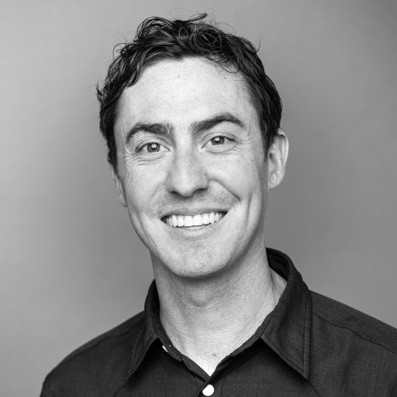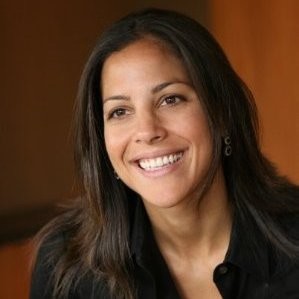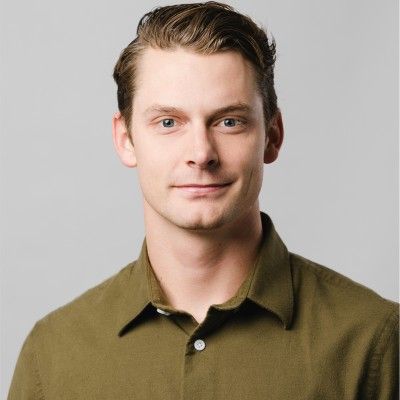
Santiago Pliego
Vashon
Santiago Pliego built his thesis around a specific macro claim: the last 70 to 100 years represent an anomaly characterized by globalized Pax Americana, the offshoring of physical industry, and a massive over-rotation into software and financial abstraction. His argument is that we are now exiting that anomaly and returning to hard physical things, national sovereignty, and critical supply chains. This isn't a generic "deep tech is hot" take. Vashon was deliberately designed to be capital that is native to this new paradigm, modeled on the merchant banks and trading companies of the 16th to 18th centuries that financed expeditions, secured supply lines, and took equity in the outcomes. The practical upshot is that Vashon operates in the same mountains and oceans as the founders it backs, front-running the upstream material and logistics bottlenecks those founders will eventually hit, and actively taking portfolio technology into regions where the geopolitical leverage is asymmetric. If you are building in mining, maritime, modular power, or anything that unlocks physical infrastructure, Vashon is not writing a check from behind a screen and waiting for a markup.
On pitch materials, Santiago makes a case that most early-stage founders should write a memo rather than a deck, or at minimum alongside one. The argument is operational: a memo removes the crutch of visual design and forces the founder to articulate the narrow problem sliver they have actually identified. His framing is that the most compelling pitch is not a large TAM but a demonstration that there is one specific cost curve or bottleneck hiding in plain sight across an entire value chain, one that nobody has identified, that if inverted would create a company worth $100 billion in that lane alone. He uses Durin Mining as a live example, noting that the materials Ted Feldman sent at the pre-seed stage were essentially a one-and-a-half page memo. For TAM, his take is dismissive: if the industry is well-understood (mining, maritime), you do not need a slide proving it is big. A TAM slide is only useful when the market itself is hidden, and even then, undershooting with a $1B number hurts more than it helps.
For the first meeting, Santiago is looking for what he calls the "beam them back a thousand years" test: would this founder be the one leading a group into battle, scaling a wall, conquering a city? He acknowledges this reads as abstract but is emphatic that it's the most predictive heuristic at inception stage, and that it manifests in observable ways, even in a first call. The single most common mistake he sees from technical teams is spending the meeting on component-level engineering depth rather than on company vision. The way he describes it internally: it feels like talking to a good engineering team inside Boeing or Lockheed, not a fast-moving startup. He extends this into post-close behavior: founders who immediately spin up a media and podcast circuit after closing a round are, in his view, signaling that what they wanted was the status of having raised, not the company itself. The FOMO that closes a competitive round should come through private group chats and word-of-mouth among the right people, not performative Twitter activity.
On the paradigm shift underlying Vashon's thesis
On what capital native to the new paradigm should look like:
On the single most important thing a pitch needs to show:
On what Vashon is actually evaluating in a first meeting:
On the mistake technical founders make in their pitch:
Mat Vogels (00:10)
everybody, welcome to another episode of Fundraising, a podcast where we interview early stage investors to answer all the questions that you as fundraising founders need to know about the fundraising process. And today we have a unique fund and a special fund that I'm excited for the folks that don't know to introduce you to.
For the ones that do, I think you'll be excited to hear from the man himself. Santiago, thank you for being on. You are the co-founder of Vashon, a very different approach in some ways to the VC world, but I also think one that is more suitable for the world that we're about to go into. So could we maybe start really quickly with a high level overview of what you're building and then we'll go into your background and stuff after that.
Santiago Pliego (00:57)
Sure, absolutely. Thanks for having me on. Good to chat. ⁓ Yeah, so Vashon, as you described it, is a kind of a unique kind of firm. I get a little bit into background, because that segues into why we decided to start this. ⁓ I mean, myself and my co-founder, Josh Clements. we, Josh and I met each other in college about 15 years ago. We studied classics.
Mat Vogels (01:01)
Yeah.
Yeah, I love it.
Santiago Pliego (01:20)
liberal arts, history, et cetera. And then early part of our careers was in the, what I consider now the sort of dying gasp or the last gasp, maybe the apex in a good way of B2B SaaS. ⁓ And built a couple of companies there, started investing full-time about four years ago. And it was during that time that we started personally backing a lot of companies in the...
Mat Vogels (01:31)
Yeah.
Santiago Pliego (01:44)
kind of general hard tech space. were early investors, angel investors in companies like Ballard, Atomics and Raymaker, Durin, Mining and a few others. It was through that work and backing a lot of those folks, companies that we think of as unlocking the physical world, that we, a lot of ideas that Josh and I had been thinking about really since college came, like all sort of came together. Generally or fundamentally, I would say our bet was that
we're going to exit what we would consider what we kind of think about as the 100 year anomaly of the last 70 to a hundred years, which was characterized by sort of Pax Americana in the sense of like post-war global order, overfinancialization of everything from capital to ultimately software, over-indexing into abstraction and artificiality.
we're going to leave that 100 year anomaly and return. We're going to see a huge swing back to reality, to real things, to physical things, away from, again, sort of over-indexing on abstraction and software back to things that are fundamental to civilization, to national sovereignty, and that for the last 70 to 100 years, we sort of put on the optional mode, things like critical supply chains, things that are grown or mined.
manufactured for, again, 70 years or so. We offshored them, said those are optional, we actually don't need those. Now we're seeing a massive return to that. if our thinking was if the companies that were, if the conditions that this paradigm shift create, which lead to sort of the perfect conditions where generational companies can be built in the physical world.
If those companies themselves are native to this new paradigm, they're not just net improvements on what's old, but fundamental new approaches to mining, power, logistics. If they're native to this new paradigm that we're entering, what does capital that is likewise native to this paradigm need to look like? It can't just be sort of software venture firms that are pivoting or rotating towards this Disney world.
And for us, answer, like what does capital let us native look like? For us, the answer was in the past, it was the Dutch East India Company. was the merchant banks of the 16th to 18th centuries that deployed capital in these really interesting, complex ways, complex and elegant ways, fundamentally in the field, fundamentally across ways that might look like venture capitals or early stage. You're designing the best ships. You could think of that as technology.
but you're also underwriting an expedition to go out somewhere in the world to secure a critical supply chain or critical material that's necessary for national sovereignty. And all of that leads to a venture scale returns. So we saw an opportunity, I've working with the founders that we had angel. We knew that they all had, where all of these guys were downstream of critical supply chains that in many cases span sort of a global theater. And then their own technology could be used in parts of the world where there were.
where there was latent asymmetric geopolitical effects to be unlocked. And we decided, let's build that firm. Let's build a firm that is field native, that works in the same mountains and oceans and fields as the guys that we're backing. And that does exactly those two things that I mentioned. We're anticipating upstream supply chains from the founders that we're backing. And on the flip side, we're taking their technology.
with our team to places in the world where there are immense geopolitical effects to be unlocked by the very nature of what the technology provides.
Mat Vogels (05:13)
I love that. That's a great background. think that again, we're entering kind of into this new wave of
industrialization, modernization globally in so many ways. And what we're finding is that founders, you capital, not that, you know, it's always been somewhat of a commodity. It's hard to get in some cases, but it's easy to get if you're in the right position and you need that additional like support value adds, obviously the cliche term from VCs. But I love that you've decided to take a different approach to this for a lot of the founders that are going into some of the hardest places to build, not only from a technical perspective, but certainly on a go to market.
So you're kind of fitting that need on both sides, which is great. Can you talk a little bit about like, so like a check size wise or anything like stage or anything like that, is it kind of agnostic or what are you looking for for the companies listening to reach out?
Santiago Pliego (06:03)
Yeah, so structurally, we're a, on the venture side, we focus on pre-sit and seed earlier inception stage. We're very, very comfortable with super early stuff. We've done a couple of friends and family rounds or what would be sort of a friends and family round stage investments. Check size, mean, mathematically, guess the average is 750K, but we are happy to go as low as 250, you know, and all the way up to one or 2 million, depending on the opportunity in the stage.
In some cases when we're investing so early, there's no room for 750k checks. you have to, know, a 200k check or whatever might actually be an amazing slug. And yeah, but as early as possible. And then the focus is companies that unlock the physical world. We don't, we think of them as we're an expeditionary capital firm. And we think of the companies that we're backing as sort of expeditionary technologies. In
It's slightly different. Sometimes people think that's defense. It's slightly different than defense. We again think back to what I said at the beginning. We think that a lot of interesting things are locked behind non-defense, but certainly field-like tech that can be used to unlock interesting things in the world. So more specifically, we really like things in mining, modular power.
Maritime, maritime robotics, comms, logistics, anything like that. Sea power is a constant across history that we think is going to continue to grow. ⁓ So any technology that unlocks the physical world is exactly where we play.
Mat Vogels (07:28)
Absolutely.
I love that. Well, appreciate the background and kind of the high level overview. I'm sure we'll touch back on some of those things as we go through some of the questions. The first set of questions that we have here, we're all kind of founder nominated and voted on to kind of give a peek behind the curtain on you and the life and world of a VC. The most common question was, what is the most exciting part, your favorite part about being a VC? And then what is your least favorite part about being a VC?
Santiago Pliego (07:59)
Yeah, that's good question. guess for us, in the unique model that we have as a expeditionary capital firm, the best part, a couple of best parts, the best part is just meeting people solving incredibly cool problems. There's a very sort of social aspect to venture that puts you in the front row of new trends in technology, certainly geopolitics.
and a host of other things that sort of all converge around the deployment of technology in interesting ways that advance civilization in significant ways. That just means you're interacting with lot of interesting people all the time, a lot of really sharp, top killers in their field. So that's all I found. Specifically for us though, the ability to go to interesting places in the world with the founders that we back or work with them to sort of solve puzzles that are locked behind.
you know, let's use the analogy of a lock that where the key is the technology that they're building somewhere in an interesting place in the world. That's always super fun being in jungles or mountains with the guys that we're backing and using their technology personally with our team is a lot of fun. That's the most, I would say broadly, those are the most interesting parts of the job is really being able to work with the best people in their given domains, whether it's politics, tech.
capital or somewhere in the middle to make great things happen.
Mat Vogels (09:14)
Yep, I love that. And then least favorite part.
Santiago Pliego (09:16)
Least favorite part, I would say just, this is probably true also from a founder's perspective. I think the least favorite part of the industry as a whole, my least favorite part of the industry as a whole is just how much, and this is true of any industry that has, where a section of the players really produce results. You're always going to have sort of Vivers and Cloud Chasers. I would say that's probably my least favorite part. It's such a...
Like we really strive to play in the performance driven side of of the industry. We'll work with guys who truly are killers and are delivering great results, building real things. Like I said, it's sort of reality as the most valuable thing is central to our thesis. but the industry as a whole, both in the venture side, on the LP side, on the founder side is full of buyers as well. Folks who just really like to, they want to be a founder. They want to be a VC because it's sexy and interesting and they can get invited on a podcast. And, that stuff is.
That stuff sucks.
Mat Vogels (10:12)
Yeah, there's a lot of that. We call it a playing startup or playing VC. It's like, you know, you're treating it more like a game. And I think we saw a lot of that on both sides, certainly during like the twenty twenty one. There was a lot of venture funds that were being started all over the place. lot of capital being put into Sass and crypto and all these areas. There was a lot of founders playing startup and then a lot of VCs investing and playing VC and investing in those startups. So I do think we're for the most part out of at least the bigger wave of that, because you saw so many of those funds, obviously, know, vast majority
Santiago Pliego (10:15)
Yeah.
Mat Vogels (10:42)
majority, what is it, 75 % of funds don't raise a fund two or maybe it's a fund three. So most of them fall off. You can't play VC forever.
Santiago Pliego (10:51)
Yeah, 100%. I think it's hard to fake generational faithfulness over the long term. so folks who've been there for a while and keep their heads down, or even there are folks who have earned the right to speak about what they're doing, and that's great. But it always comes down to what have you built? What did you get done this week, as Elon famously said, and working with folks across the entire sort of stack of venture LPs.
you know, other GPs that we like to work with and founders, that's always the most valuable thing. It's people, people who are real.
Mat Vogels (11:21)
For sure. What is something that maybe you wish founders better understood about what it was to be a VC? We hit it maybe at a couple right there, but about the process, about the day in a life, because I feel like if there's more of a mutual understanding, certainly from the founder's side, because it feels like a black box when you're kind of talking to VCs, anything that you could shed some light on to maybe give them some better appreciation for the life of VC?
Santiago Pliego (11:45)
That's a good question. A few things that come to mind, just like founders have investors, venture funds for the most part have investors in them as well. ACs are, of course these are LPs. And so there's sort of a chain of duty that founders have towards, certainly their employees and then their investors and investors have towards the LPs.
There are a few folks, it's different than angel checks, where it's your own capital and you can truly deploy it at whim and maybe in things that make no sense or make sense in unique ways. Funds have duties to their own LPs. The same way founders have duties to their board or to customers or to their own investors. And that in the best ways creates, like the best firms that have the right LPs,
the duty to where those LPs actually creates, gives the firm power or gives it it momentum in the worst ways, just like having the wrong investors, any founder who's raised capital knows this, it can be the worst thing in the world. And so I think that's an interesting thing for founders to realize is not just sort of a pool of capital is sitting there for anybody to take it over. Yeah, I mean, I would say that's
That's one piece and that creates constraints also what can and can't be invested, for the most part, yeah, that I would just.
Mat Vogels (12:55)
Yeah, that's a big one. And think the thing too that you hear certainly with our LPs and other folks, that our investors' funds, these are endowments, these are pension funds. Like these are funds where you feel the responsibility in order to make those returns. It's not like you are always, these are not billionaires or rich people that are giving you money and are like, yeah, I don't care what you do with it. A lot of times there's certainly a responsibility and we have to take that very seriously for sure.
Santiago Pliego (13:19)
Absolutely. the
flip side too, would say on a positive side, there's something certainly we've taken great care to do here at Vashon is the finding the right LPs. You said earlier, capital is sort of a commodity, certainly for founders. Anybody can give you a dollar. So who are you going to pick for funds in some ways? It's kind of the same. mean, if you have proven track record, everybody's going to try to invest in you just like a hot startup. But if you're relatively new and you can kind of pick who you're going to raise from on a fun side.
We've seen this with great funds, great emerging funds. We've certainly done this at Vashon. We try to look for LPs and work with LPs that can themselves unlock really important things for the founders that we end up backing. So we go race from an industrial family, for example, if one of our industrial families in LP and us, or somebody with deep international connections, we're going out and make an effort to sort of see the future a little bit and say, the guys that we want to back are
going to be able to take advantage of these capabilities of these relationships. it's easier, sorry, yeah, I guess in some sense it's easier to just go raise a dollar from an endowment or somebody just has a large pool of undifferentiated capital. But going out to find the right OPs that can, know, one or two steps removed help founders a year or two later in that fund is really important. And we've seen other funds do this really well.
We've done the same here at Bashan.
Mat Vogels (14:41)
I love that. Our last question here before we go into the actual fundraising process, you've already given some clues, but as a founder listening to this, why should they want you or Vashon to be on their cap table?
Santiago Pliego (14:54)
Great question.
This goes back to sort of the original ethos of the firm. We're an expeditionary capital firm. We front run or anticipate critical upstream bottlenecks of your technology. If you need like basic materials, critical minerals, relationships in particular countries, we're out there literally in the field, you know, get on a plane and go to random islands or random countries to anticipate those things and start securing them for you. That's sort of upstream.
On the flip side, we will work with our portfolio to deploy their technology in areas of the world where there's latent asymmetric opportunity and where in many cases you can only get to if somebody sort of gone ahead and scouted the country or the region for you, built those relationships, those trade routes. That's what we offer our founders. We are the complete opposite of sort of writing a check from behind the screen and waiting for a markup while we go hang out.
piece, that could not be sort more, more antithetical to the Vashon ethos. We're out there in the field with the guys that we back. And that's, that's what makes our firm unique.
Mat Vogels (15:59)
And especially in the early days, a make or break function as well that you help with. So that's fantastic. All right. Let's go into the fundraising process. We break it up into three different parts. The first being how do folks get in the room with VCs like you? How do they go from not having a Rolodex or being in this network to building that and then ultimately going into phase two, which is that initial meeting. It's very important. You'll end up stacking a bunch of initial meetings through your fundraising process. You have to treat every one of them as if they are the most important meeting.
meetings
in your world. And then lastly, how do you herd cats get over the finish line and close your round? So going back to the very first part of getting in the room, typically we see founders, they try to make these these list of VCs that they want to reach out to you, which is which is great. You should be thinking of it that way. Where we see sometimes they get it wrong are the types of VCs or how they index or characterize them. What feedback would you be giving to founders on how they should best
characterize or group these VCs? Like how should they be, what characteristics should they be looking for in the funds that they reach out to in these early kind of first phase?
Santiago Pliego (17:06)
Yeah, that's a great question. would say taking one step back before that, when founders don't have the Rolodex, but they know they have a cool idea that may be interesting to investors, something I've seen done well, we certainly do this at Vashon. This is kind how we work in many ways when we're talking to folks who are early. If you're a founder, find somebody on Twitter, on LinkedIn, through your network.
think of one investor you think like, like this person, they may be a GP at a tier one fund, they may be an angel investor, but somebody you know is active, somebody that you know is active in your space, that you know, that you know you want to work with and just reach out, reach out to them. And if you can lock them down as a champion, they may or may not invest, they may not be, you know, you may be too early for them, you may be too late, whatever the case may be. But if you can get them to buy into the idea.
You can reach out to them very openly and say, hey, I'm building this interesting thing. I don't come from venture, but here's my track record building ABC. Here's what I've done. Would love to tell you what I want building. That person likely, if they buy in, they'll probably introduce you to specific people, give you advice on how to even think about your company, structure everything from your fundraise to the materials to making the direct introductions or suggesting the right firms to work with.
Those folks, we did that when we started Vashon and we've done that for other founders. We've seen other founder friends do that very well. It's incredibly invaluable to sort of have a champion that can, whether they invest or not, in many cases they do, but whether they invest or not, to have that person say, hey, I'll come alongside you. I have the knowledge of the industry and I'll kind of Sherpa you through the unknown territory of Vibers versus people who are actually doing real work, structuring around your company, et cetera, to get you to be legible to capital.
Mat Vogels (18:50)
Yeah, I think one of the you kind of hinted at an important part of this process, which is it's so people driven. I think one of the things we hear commonly founders think about the funds that are behind them, which is which is true. And there's value in that. at end of the day, it's the individual investors that you want to try to find and build those relationships with and not necessarily just the the brand that's on the on the website. So I completely agree with that. Is there a right or wrong way that you've seen founders reach out to maybe folks like you? You can kind of go in either
direction that you want. So you could either, what are some of the best ways that you've seen founders get in touch with you? And then if you have any stories, what are some of the worst ways that founders can start getting in front of the right VCs?
Santiago Pliego (19:32)
Yeah, I'll start
with sort of the two sides of the same coin. We really love, I love cold messages. If you shoot me a cold DM on Twitter, unless it's gated behind the spam or the request messages, I typically always see it and usually respond if it's a good message. It always kills me when somebody sends me a cold DM or a cold email or a cold, whatever it is, and they sort of waste it.
where I thinking, man, I would have responded to you if you'd told me a little bit more about who you are and what you're building and just hooked me. You don't have to write an essay and write the magic words to sort of grab me, but I'll get folks who are fully anonymous on Twitter with like 100 followers, maybe a couple mutuals, but they'll just say, hey, Santiago, can I get 15 minutes of your time to learn about Vashon? I'm like, I can't give you 15 minutes of time.
based on that ask, if you say, hey, I'm building X really interesting thing, here's who I am. Even if you're an honor, you can self-docs in a DM and I'll keep your identity private. I'm happy to hop on a call. So it always sort of pains me when there's a wasted cold DM or a wasted cold email because my posture is one of overwhelming willingness to respond and engage with folks who are building interesting things. So my advice to founders who are listening to this particular section is,
Don't waste your cold DM. If you're an anon, that's fine, but show a little leg, talk a little bit about who you are, what you've done. There's no kind of set of magic words that will get us to respond. But like, this is another piece of, can I connect it to this? There's no like, maybe in certain parts of venture, there is venture speak where you have to write the right message to kind of code it to what the investors are expecting.
I do away with all of that. think back to what you said, Matt, it's a people driven business, right in a human way. Reach out to us the way you would reach out to another person that you want to meet that is not an investor, could be a customer, could be a partner, could be just right in a human way. And I will likely respond to you.
Mat Vogels (21:27)
Yeah.
Yeah, we see that all the time too, but you're so right. If you're reading it, you've already gone through, you you beat the odds a little bit because you're probably not able to read everything. So when you do, yeah, it is. It does always feel like a waste where you're like, had me, you had my attention just for a little bit, but you decided to do something that wasn't going to benefit you and move into that next phase. So it's so true. Is there any, I mean, you mentioned that there's maybe no pure right or wrong way, but are there specific things that you do want to see?
in that, like who you are, what you're building, that's fine. Are there any other stats that you wanna see? Is it a revenue thing? Is it a particular personal note? Any other tidbits that people could add into that?
Santiago Pliego (22:08)
Yeah, I think again, like anything else in a human, when you're reaching out in a human way, you want to show understanding for the person that you're reaching out to, that you understand the world they're in, you understand who they are, and that you're, at least there's a sense that you're not just copying and pasting his message to, know, Chad, show me a bunch of lists of investors, and then it generates a list of investors you blasted out to these people. So some understanding of where we play, where Bashan works.
Mat Vogels (22:32)
Yep.
Santiago Pliego (22:36)
if they can do, I'm always a fan of, and this is another one of those fine lines, I overwhelmingly hate name dropping, but there's a right way to do, to connect to somebody that we know and that it's the opposite. Like as much as I hate name dropping, as much as that will hurt your chances with me, on the flip side, connecting with somebody in the right way, connecting to somebody that we know in the right way, will up your chances massively. You say, hey, I'm really good friends with this person that you know, Vashon, holds in high regard.
or they, you you went to college with them or whatever the case may be or they're an angel in your company. That's all that stuff is fine. I can just in a human way. So make sure that you understand if you're a founder, make sure that you understand the firms that you're reaching out to, what they do, what they don't do, especially for us. Again, we focus on unlocking the physical world, not a lot of defense. So if you reach out with...
Knowing where we play and show some understanding of that, your chances of us responding and engaging with your company go up massively.
Mat Vogels (23:39)
Yeah, it's a multiple if you just show a little bit of a personal touch in there for sure. Let's go into pitch deck a little bit, because pitch deck is one of those things that people can create on their own time and they can use that as a way to get your attention, certainly to go into that phase two, which is that first initial meeting. Any high level feedback that you give founders just on pitch decks in general? Maybe it's any particular slides that are more important to you that they should focus on.
Santiago Pliego (24:05)
Yeah, this may be somewhat personal to us to bash on personal preference. Although I know a couple of folks who also like this approach. We typically encourage early founders, like founders who really early in their journey to write a memo instead of a deck or alongside a deck. We'd much prefer that. When we backed Ted Feldman at Durin, we did so, we'd met him, we'd spent time with him, but we did so.
The materials that he sent were fundamentally a memo. was like a one and a half page memo on the problem. It was basically like, here's who I am. Here's what I've done so far. Here's the problem I identified. Here's how I'm going to tackle it. Just incredibly simple. There's no, in a good way, the memo forces you to not rely on aesthetics, on these sort of adjacencies to, you know, to try to hang your pitch on. You have to be hyper-focused and say,
Here's where I am, the problem I've identified and why I'm the guy to solve it. To your second question about sort of what slide, but again, going back to the memo, although it applies to a slide, the most important slide or part of the memo for us, even in a cold message is, can you identify sort of that crux of the problem where you say in mining, and the entire, if you just reach out, I'm building a company in mining, mining technology company. Well, mining.
is the life cycle of mining is enormous from exploration, discovery, even before that, all the way to, you know, mineral processing and the end product. So if you just say, I'm building in mining, I'm hoping that you just kind of forgot to say which part, because that's an enormous aperture. And so if you can narrow both in your call message, certainly pitch deck and memo to say, I'm building a company in mining. I've identified that across the entire value of
Mat Vogels (25:19)
huge.
Santiago Pliego (25:44)
a life cycle of mining this narrow sliver in itself, if inverted, there's a cost curve here that if it could go like this instead of like this, you can build a $100 billion company just in that lane, then you have our attention. That's what Ted did with Duren. The best memos, the best decks always show that slide. I could care sort of less about the TAM in many ways. ⁓
Mat Vogels (26:06)
That's one of
more common ones we hear that are just like, nah, yeah.
Santiago Pliego (26:09)
Yeah, just
show me, if anything, want you to show that the problem in itself is sort of hiding in plain sight on the one hand, but it's also a problem that no one's identified.
Mat Vogels (26:21)
Yeah.
but easy problem to understand where it's like you don't need anybody to, and that's where I think TAM is in trouble. If it's an easy enough industry to understand, you don't need a TAM because it's like mining, we understand mining's big. So there's no need to go into depth there. The only time where TAM maybe comes in handy as if the industry is maybe more hidden. Like if it's, you hey, did you know that this one little part is a $10 trillion industry? Like that might be enough where it's like, okay, I wanna see a TAM because it's not very obvious. But then also sometimes we see TAM.
And it's like this is a 1 billion dollar tam and it's like that's too low and you shoot yourself in the foot So it's it is a tough line to walk for sure
Santiago Pliego (26:55)
Yes.
Yeah,
and that's where it gets to one of the areas where we like to invest is sort of this hidden layer or unseen layer of that's, you know, that are upstream of entirely large categories who say, right, we know we're all excited. You guys at Harpoon have your own bet on SMRs, know, Founders Fund has been on another SMR company, whatever. Everybody's got an SMR play. But upstream of all those is everything from, you know, pulling uranium out of the earth.
to uranium conversion, enrichment, fabrication. If you can say, I'm building the, I'm attacking this one secret layer that's upstream of, regardless of who wins at the SMR level, everybody's gonna need this one thing layer. That's where we're always very excited to invest. And if you can show me that in a memo, even if it's a thousand words, I'll take a call. I'll take a meeting.
Mat Vogels (27:48)
Yeah, definitely seeing more memos. I memos are a great way, especially, you know, this is maybe more of a, with AI especially. You know, I read through the memos, but it is nice. I'll upload it into, into Claude where we have custom, you know, agent areas that are helping us digest some of these things. And it's a great way for Claude to also gather a lot of information and then ask questions. It can also be very long. We have pitch decks. have to be very short.
I always see the tandem of a pitch deck and a memo together working well where the pitch deck is a high level. I'm going to read the headlines all the way through it. Memo, you can go deep and really show your thinking in this.
Santiago Pliego (28:25)
And I think that's,
yeah, I like that you mentioned that in some ways when you're investing in the lanes that we all are here, where we focus in the physical world, I'm fine if you send me, hey, here's a one and a half page memo or here's a 10 page memo. If you wrote that thing and you think that the problem requires going seven pages deep for whatever reason, if you can show that every word there is merited, I will very happily.
print that thing and read it on a flight, mark notes. And it's actually really cool. I really do enjoy reading good memos in ways that a five-page deck just isn't necessarily gonna grab me.
Mat Vogels (28:53)
Totally.
Nope, nope, completely agree. All right, let's say they've done all these things right, and now they're going into their first meeting with you or your team. What are some of the things that you're looking for as a VC in that initial meeting? What do you need to see? You're already excited because you don't take, know, it's a small percentage that you're actually gonna hop on a call with, so you're already excited. But what do you need to see in that meeting with that founder to move on to the last phases of the fundraising process?
Santiago Pliego (29:30)
I mean, a lot of this is, some of this is what everybody will say, the hyperfluency around their particular lane, deep domain understanding of mining or maritime, whatever the case may be. But on the more abstract sense, the more intangibles, what we really are looking for, especially when we're focusing on inception stage or super early stage stuff, a lot of it is getting a feel for this person, for this.
for the guy or the group that is building as the co-founding team, it may be one person, it may be three. The heuristic that we use is if you beam this founder back a thousand years before startups exist, are they conquering a city? Are they the type of person that are leading a group of men into battle, scaling a wall, taking over a town or a country? Because that's what it takes. That's what's fundamentally.
startups are all about. There's a domain, there's an area of the map as it were that nobody's taken over or maybe it's mismanaged by an incumbent. And what you're going to do is lead a group of people into the unknown, high risk, high reward, and hopefully conquer and win. And so that's really what we're looking for. Is this the kind of person that others would want to follow that can muster the kind of team that will be required to win this? If you're building something relatively simple,
you can be a simpler person and that doesn't require that sort of Napoleonic or sort of Homeric levels of leadership to take a team into victory. But if you're taking on something really, really hard, venture scale, if we want to use that term, you have to be the person that can just assemble that killer tier one team and then lead them to victory. That's really what we're getting a feel for. that, you know, that...
looks different in different guys. Some guys are straight out of college when we talk to them and nonetheless, they display these kinds of qualities. And in other folks who've had one or two successes, maybe they've built a company before, or maybe they tried to and they failed, but nonetheless, they're really good. They still display that quality. that's really in many ways, if you map that, if you have that, and then you match it with an incredible idea with a lot of upside, that's where we really get excited.
Mat Vogels (31:33)
I love that. And there's obviously so many different ways that they can show that as you mentioned. One of the things that the questions that we get a lot are from founders asking whether or not is having a pitch deck, does a pitch deck help during that process to show them what you're looking for there? Would you rather it just be an open dialogue and you're just talking in that initial meeting or where does the pitch deck come in?
Santiago Pliego (31:55)
I would say it depends. We at least don't have a hard and fast rule. If you send me, typically the way we like to work, and again, there's exceptions to this, and we're meeting somebody at random in a trip, and we don't see a pitch deck beforehand, it doesn't matter at all. But typically, if somebody sends us materials beforehand, like a deck or a memo, especially going back to the memo, we love to read a memo before a call and come prepared with at least an understanding of what this person is thinking.
If they want to voiceover, my suggestion I guess on the pitch deck is have it at the very least on ready. If there are one or two key slides where you can say, guys, let me just show you one slide that distills everything that this company, company A is going to solve. Then pull up that one slide. Again, we also do this for Avashan when we're doing different projects. We'll just have one slide, one visual that shows you see this graph or whatever the case may be.
You see this one sliver of the graph. That's the part we're going to invert and if we invert that this company is worth $100 billion Whatever the kids may be just have one piece that you can pull up on demand for the most part that we do like the voiceover sort of more conversational Structure in large part that again because going back to the heuristic of the founder We want us we want to see that you are able to think on your feet and don't have you know If you don't just have the scaffolding or their rails
to guide you in a traditional call. What are you doing in that moment? That'll in many ways, that's the easiest thing you'll ever do as a founder is talk to somebody about the company you're building. Actually go build it, it's gonna be really hard. So if you don't have the rails to hold onto in a pitch, that's fine, we're happy with that.
Mat Vogels (33:26)
Yeah. What about, do you like just the one CEO or founder on there? Do you like to meet most of the team on that first call or do you recommend that folks maybe just lead with whoever the point of contact is on that fundraise?
Santiago Pliego (33:39)
I'm not, we're not opposed at all to meeting with the point of contact. We, again, we've done this ourselves in different functions or, you know, seen founder friends of ours race in this way where maybe the CEO is traveling and so the co-founder has to help on a call. That's fine. But always, always, always, always offer to, you know, especially if you feel the call goes well, you know, highlight that, you know, that the CEO is not on the call or that the co-founder or the founding team is not on the call because you're just the one reaching out.
Mat Vogels (33:51)
Yeah.
Totally.
Santiago Pliego (34:07)
or maybe you're the one that got introduced to the investor and highlight, hey, let's do a call with the rest of the team and try to pull them on the next one. It's funny how many times we've done that where we talk to one of the co-founders, maybe the third co-founder, and that initial call goes, well, it's interesting. We like the guy. And then we hop on with the rest of the team and we're like, we'd never met on this team. There's clear.
Mat Vogels (34:30)
Wow,
Santiago Pliego (34:31)
or tension
Mat Vogels (34:31)
interesting. Yeah.
Santiago Pliego (34:32)
between the guys, or we found out that, know, whatever, two of those three guys have only known each other for four months, things like that where you start to throw red flags. always, even if you're not the CEO, always offer to get together the team on a subsequent call so that everybody meets.
Mat Vogels (34:49)
Interesting. So definitely, yeah, not having the founder dynamic, not being there, showing some of those things is a red flag. Any other mistakes or things that you think founders make on that initial call? Maybe something other than the inverse, as you mentioned, showing clarity of thought and being able to show those leadership qualities and everything there. Any other tactical mistakes or things that you see founders make on these calls?
Santiago Pliego (35:12)
Yeah,
one tactical mistake we see a lot is, especially from technical teams, especially building in the physical world is just going mega technical and not in the sense that we are not technical ourselves or are not able to or don't enjoy that. I just mean where their their own pitch is here's why technology is the best and not here's how we're going to build a large business. We understand and we're totally fine with the knowledge that that business plan, that business vision is going to
likely change like 90 % of the time is going to change significantly. But there's a lot of founders that hop on a call again, they get our attention, we're able to hop on them on a call with them. And then they spend the whole time telling us about why, you know, a particular component is just the most technically sound component ever been built. And you just know, you feel like we're talking the way we describe it internally is we feel like we're talking to a technical team inside of Boeing or Lockheed.
like inside a small moving, very, very good engineering team, but inside a large prime that's slow moving versus a fast moving startup that's going to fundamentally change the world. Certainly there's sort of an implicitness that technology is going to be unique or novel, but that's a big mistake we see founders make, is just getting, focusing on sort of the technical prowess of their work and not on the fact that they're building a company.
Mat Vogels (36:32)
That's one of the biggest mistakes to see with technical founders is because they're so technical and they've built this incredible thing. But it's not the thing that investor we want to see it. We want you to talk about it a little bit, but we don't need you to go in depth with it for the full 30 minutes. We at a point, we believe you.
Santiago Pliego (36:49)
Yeah,
of course. And the sort of worst example of this is, you know, the amount of, especially in the deep tech, hard tech space, we all know the amount of patents and interesting discoveries that are locked behind like university doors where so and so professor came up with this interesting way to synthesize whatever, they're not doing anything with it. And he, and so it goes to show that just having pure technical prowess and the most interesting way to produce or build or manufacture something.
doesn't translate to a business. have to actually, you're building a company, not doing a science experiment. So you have to show that.
Mat Vogels (37:23)
Yep, completely agree.
All right, let's move on to the last phase of the fundraising process, which is essentially herding cats and pushing this over the finish line. I mean, on the earliest stages that you're at, it can be, it can feel a little bit chaotic, especially if they're trying to close out the round. What are some of the tips that you would give to founders as they're trying to, again, create FOMO and they're really trying to build momentum, usually within a short amount of time. Any high level advice you give to founders that are trying to close out a fundraising round right
now.
Santiago Pliego (37:53)
Yeah, so fundraising in my experience takes like the first half is usually, again, this is generally the case, there are exemptions, but generally the first half, let's call it, of a fundraise is slow moving and then there's a tipping point where you're having to, you know, shoo people away because there's not enough room in the round. ⁓ Doing that, so I would almost think of those as two separate parts of the fundraise. The first part, try to get in,
Mat Vogels (38:12)
Yeah.
Santiago Pliego (38:20)
some really, really strategic angels, especially when there's room. There are a few angels out there in the world who are just unbelievably good. And by good, I mean, not just writing a check as capital as a commodity, but their capacity to open doors, to connect you with the right people, to make recommendations to funds or early hires is truly unbelievable. And if you want to know who those angels are, reach out to me, send me a DM on LinkedIn and I'll connect you with those folks. We are...
thankful to be partnered with a bunch of those guys. And I send as many founders to those folks because they are weapons. ⁓ So get some of those guys in and then start thinking, work with them in many cases because they're known, they're well known, they have credibility even in larger funds. Work with them to try to identify sort of the right investors to fill out the round. Maybe they can make introductions to tier one funds, et cetera. And then as you look to...
Mat Vogels (38:52)
Yeah.
Santiago Pliego (39:09)
close the round. I would say just keep your head down. There's a, in a good way, there's a temptation, again, going back to the Striver thing that we talked about at the beginning. There's a temptation, especially on Twitter, to just have come out early and started create FOMO in the wrong way. If you're building something real, the FOMO will be created in group chats, by word of mouth, by the right people making the right recommendations, and you almost don't have to touch anything.
Mat Vogels (39:32)
No.
Santiago Pliego (39:33)
If you feel like you have to post and do sort of weird performative things, that's where even investors who may be sort of seeing this from afar may start to get a weird feeling about the company, about what is it you really are after? You're after the clout of racing and building a company, or are you after really building this company?
Mat Vogels (39:51)
Yeah, I completely agree with that. You mentioned some really good key investors to kind of add on the cap table. What are some of the mistakes in the investors or funds or even maybe just in the closing fundraising process on the cap table side? like building the cap table is important. Having the right investors on is important. Any common mistake you see founders make on choosing or not choosing the right investors?
Santiago Pliego (40:14)
Yeah, definitely. Again, especially when capital is a commodity, there's an opportunity to background check investors and funds and say, hey, know, reach out to another cold, cold, cold, reach out to, have somebody introduce you to another founder or set of founders in your, in your category who raised from a fund that you want and say, Hey, how was your experience with such and such fund? Were they good? Were they bad? Were they scumbags? Did they try to do anything weird? And that stuff, we saw this on Twitter a little bit this week.
That stuff's going around. Yeah, exactly. so, founders should be able to do that and they should do that. So because the cost of having the wrong investors on the cap table, especially if you're building in the fence, especially if you're building in the national interest, if you're the fund that you, you know, you're, you're going after, if it turns out that they had Chinese LPs or whatever the case may be, that may come down to, to, to harm you two years down the road and you didn't even think to ask at the beginning. So.
Mat Vogels (40:40)
Yeah, I definitely did.
Santiago Pliego (41:06)
Definitely background check that stuff. Make sure you don't give out any equity on certain advisory sense. That stuff is truly valuable, not just for the company and for early investors, but for yourself. You're just giving out chunks of upside that you'll want to be able to give to other people, two killers on the team. And then I would say the last one, this was a little bit counterintuitive sometimes, is don't just be mesmerized by the marquee name on a fund. There are some funds, especially now that are very, very large ones,
that can in a sense afford to wait until the C or the A and you can still get them in, but there may be more useful, more helpful early stage investors, angels that you can get very, very early. And it's not like you're sort of blocking yourself from ever getting a tier one down there.
Mat Vogels (41:54)
Totally.
If anything, sometimes it's almost more likely we've seen that where they say no to a larger fund in that first round, but still keep them in the loop and whatnot. And they're almost more aggressive wanting to get into that next round.
Santiago Pliego (42:07)
That's right. And then
the early investors, the early angels, who in many cases, the best ones have good relationships with the tier ones, can keep giving feedback to the marquee funds and say, hey, you guys really need to take a look again at this company or whatever, because they're crushing. And that leads to good outcomes.
Mat Vogels (42:13)
Totally.
Yeah.
Yup. All right, let's say that they've closed out the round. There's celebration for five minutes, but then the real work kind of begins or continues after that. Any common mistakes that you see founders make in the first three to six months after they close that very first round of fundraising?
Santiago Pliego (42:40)
Yes, again, go back to clout. Just keep your head on, just go straight to building. There's now an interesting, the media domain, the domain of sort of publicity, Lulu is famous for saying, you go direct. And we're huge fans of going direct, but you can go direct in group chats. So you can go direct to your investors without having to go on Twitter and podcasts and do the entire podcast. ⁓
Mat Vogels (42:42)
Yeah.
media,
yeah.
Santiago Pliego (43:05)
And media sphere speed run just because you raced around and you're now a founder. If anything, that's a master red flag. And typically we can, you know, the best investors foresee that that will happen and don't back those folks. But don't do that. Just get down to billing. Now you have, that's the, in many ways, especially in the first round, that's where you're going to have the most enthusiasm from the folks that backed you.
the most willingness to help you, especially because they know that that's where the most risk exists at that stage of the company. And so if you can show both, you could reach out to them, be grateful that you raised, and now surround privately, and then just get to building, just keep your head down. The other piece is, going back to what I just said of enthusiasm being high and folks being very, very willing to certainly write you a check, but also help you.
Other mistake I've seen with founders at in that three to six months The initial three to six months is not reaching out to the investors. I just backed them for help Again, that's where they're the warmest and most excited about the company So if you have anything with the third during that three to six period a month period That could lead to an outsized outcome that one of your investors can solve for you just freaking reach out to them to keep them in the loop ask for the craziest things and
you'd be surprised at how many are at that stage is willing to move mountains for your company's success.
Mat Vogels (44:23)
Yeah, we want to, especially if we can identify that it's a real needle mover as well. We want to be value-add, we want to be put to work. So definitely, but it is up to the founder in order to do that. There's no question about it. For, I guess a lot of the founders listening, obviously it's very hard thing to build a successful startup.
Santiago Pliego (44:27)
Yeah.
Mat Vogels (44:41)
You mentioned maybe lack of focus being one example here. You've seen probably companies that don't make it end up shutting down. Are there any common reasons that you see for that that founders at the early stage can start to avoid or at least think about?
Santiago Pliego (44:55)
Yeah, sometimes you can definitely have a missed timing of the market. ⁓ could, no one's fault. Even the idea for Vashon, you know, all of us could have thought about this and written it on paper 10 years ago, just the conditions were in there geopolitical for us to build this kind of firm. Likewise, you know, many such cases where other companies, we see, yeah, we see this all the time. And this is true across software and hard tech, but especially hard tech.
Mat Vogels (44:59)
Yeah, which is unfortunate because it's like no one's fault.
Santiago Pliego (45:21)
just an idea whose time has not come. That's certainly a big reason started to shut down. The other one is getting the wrong people on the bus early on. We've talked about it from the investor side, ⁓ hiring the or bringing on board the wrong team, wrong co-founder, wrong founding team, early engineers. You really want to take, you have this interesting dilemma of speed, needing to hire fast because your company's running out of money early on, but also
Mat Vogels (45:30)
huge mistake.
Santiago Pliego (45:47)
not getting the wrong people on the bus because you're usually giving them the most equity, know, or investing schedule, whatever, but the most equity and then their early foundation, not just to that team, but to the company's ethos. So take your time. Again, this is where investors can really help you both source, vet, identify. We've helped a couple, we helped recently one of our companies avoid hiring a person that would have been utterly destructive to their mission.
because of a connection that that person had with a foreign national that was not gonna be good. And so those are the kinds of things that you really want to avoid, especially if you're building broadly in the national interest, especially if you're building in things that are really hard. If you're building software, whatever the case may be, usually easier. And then the third is also kind of a reversal of that though, is not...
not shoring up scarce talent quickly enough. So we've seen this in the past. We've advised companies to accelerate their hiring process. Maybe in a good way, they're keeping their head down too much where nobody knows they exist. And I'm telling them, hey, the talent that you're going to need to scale this company to conquer that city is scarce. There's only like 10 people in the world that can do what you're going to need them to do. other
Mat Vogels (46:36)
Yeah.
Santiago Pliego (46:58)
firms or other companies that are maybe more public or more well known may end up shoring up that talent before you do. So we need to accelerate that. We need to make sure that you get that scarce resource, which is people, early on. So not moving fast enough to shore up the best talent in the world can also just destroy a company.
Mat Vogels (47:16)
Yeah. And it's funny because everything you mentioned is absolutely true in destroying a company. But when done right, those are the things that actually propel you and accelerate you in those early days as well. So they're important to not get right or they're important to get right and very important not to get wrong.
Santiago Pliego (47:32)
That's right. Just reverse that what I said about getting those wrong. And then if you get those right, you'll be building with enormous fuel.
Mat Vogels (47:40)
No, Santiago, this was awesome. Thank you so much for being on. Where can folks continue to learn more about you and the company and everything else?
Santiago Pliego (47:50)
Absolutely.
So, easiest place for folks, especially founders to reach out is on Twitter. I'm, sure you'll put it in the show notes, but I'm on Twitter as San Santiago Pliego. And, then check out our site, Vashoncompany.com. you can reach out there as well. We have all of, the teams, both Twitter listed there and also, an email address that the people can reach out to.
And then the best way to also reach out to us is through mutual friends. If there are founders in your space that you know we know or that we've backed or other funds, et cetera, just have them connect you to us. And we're always happy to hop on a plane and meet with people who are building interesting things.
Mat Vogels (48:31)
Awesome. Well, again, thank you for being on today. I'm sure that we will talk again soon. And I really appreciate it. Have a good one.
Santiago Pliego (48:38)
Absolutely. Thanks, Matt.
You too.