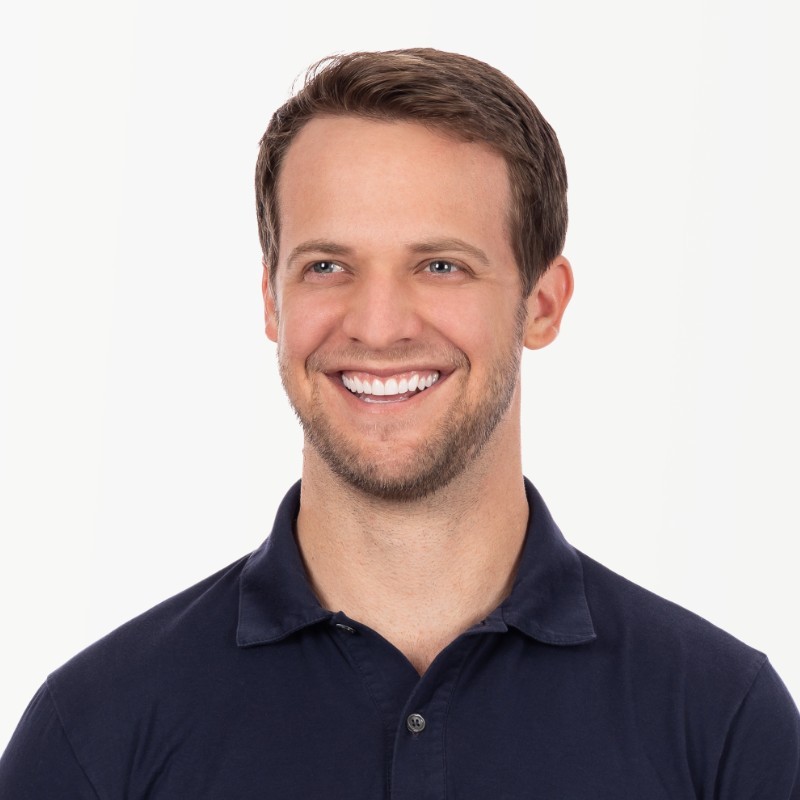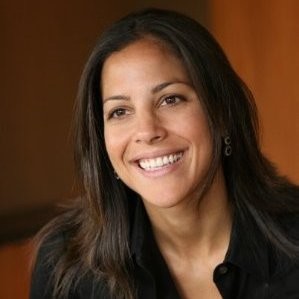
Natty Zola
Matchstick Ventures
Natty brings a perspective that's rare in early-stage VC: he's a founder-turned-Techstars MD-turned-fund partner, giving him an almost uniquely high volume of reps with early-stage companies. One of his most actionable frameworks is how founders should think about investor qualification. Rather than casting a wide net, Natty argues your top priority is finding the investor who already believes in your thesis and has been looking for you. Your second priority is the open-minded investor you can convert into a believer. The anti-pattern is trying to convince a non-believer, which is just a waste of time. He also flips the perceived power dynamic, reminding founders that VCs literally don't have a job without entrepreneurs building companies.
On the fundraising process itself, Natty emphasizes that fundraising is sales with one critical twist: unlike normal sales, you want every "customer" to close at the same time. That means running a disciplined, compressed process where you're actively speeding up some investors and slowing down others to get multiple parties near a decision simultaneously. He also prefers memos over pitch decks ("sizzle vs. steak"), gravitates first to team and competition slides, and wants founders to have three "must-airs" for every meeting, regardless of format. His advice on ending meetings is practical: always leave with a follow-up that's your responsibility, and create lots of small touchpoints rather than long updates.
Perhaps the most distinctive advice comes post-close. Natty's concept of "hiring in arrears vs. hiring in advance" is a framework every seed-stage founder should internalize. His recommendation: raise the round and don't spend any money for three months. Hiring in advance means filling roles you think you need; hiring in arrears means waiting until you're drowning in a specific task, so you know exactly what success looks like in that role and you hire better for it. He ties this directly to why most startups fail: they didn't make enough progress relative to the capital they had. The ratio of progress to capital is the most important metric for a startup.
On the power dynamic between founders and VCs
On finding the right investors to target
On what VCs look for in a first meeting
On multi-stage capital in seed rounds
On the post-raise mistakes and strategies
Mat Vogels (00:12)
Hey everybody. Welcome to another episode of Fundraising where we interview top early stage investors and ask them all the questions that you as a fundraising founder want to know or wish you knew about the fundraising process, which as the name implies is actually not very fun at all.
And today I have a very, very special guest, special to me, I think special for all the people that are gonna be listening. Natty Zola, partner at Matchstick Ventures and then was also managing director of Techstars for six years. We mentioned this before the call, I think it's absolutely true. I think there are very few people on the planet that have seen more pitch decks than you have Natty. Also wanna call out that you were also an investor in my first startup.
and can say very easily that you were one of the most impactful investors on my cap table. So again, pleasure is mine. I'm very excited to have you on here today. Can we start a little bit with a quick overview of Matchstick Ventures? What are you investing in? Average check size and maybe the stages that you're investing in.
Natty Zola (Matchstick.vc) (01:15)
Great. Well, thank you for having me on Matt. And it's been fun to follow your journey and be a little piece of it as well. So yeah, I'm a partner at Matchstick Ventures. I'm based in Boulder, Colorado. Our fund thesis, we're investing in pre-seed and seed stage companies that are based between the coasts. Heavy emphasis on Boulder, Denver, Salt Lake City, Austin, Chicago, Minneapolis, Toronto are kind of the six major markets where we're finding high quality entrepreneurs, high talent density.
Mat Vogels (01:21)
Well.
Natty Zola (Matchstick.vc) (01:42)
high entrepreneurial density, a lot of overlooked founders, frankly. And then we're opportunistic across the broader regions, but mostly focused on those six geographies. As I mentioned, pre-seed and seed stage, average check size, one to one and a half million. We're happy to lead, we're happy to follow. We mostly just want to get conviction in a partnership with a great founding team and work alongside of them. We are generalists, believing that we're not the best predictors of the future. The founders that we back are.
And it's our job to go out and meet tons of them and find the ones that we're most inspired by and line up capital behind their vision. So yeah, we are generalists and have historically done mostly software, but some of you will talk about later as we're doing a lot more hard tech and deep tech because we're seeing a lot of strength in those areas between the coasts, New Mexico, Colorado, leading in quantum, a ton of aerospace, advanced manufacturing, robotics.
stuff like that and that's very exciting to us right now as well.
Mat Vogels (02:37)
Yeah, I love that. It's a great overview. It's also a theme that we're seeing kind of across the board in venture these days. I feel like, you know, software and AI not only has it unlocked so much, but I think more than anything, it's unlocked so much more in hardware, like teams that, you know, historically would have taken dozens of people, maybe tens or hundreds of millions of dollars can now take, you know, a small fraction of team and cost to get further, further along. So we'll definitely talk more about that.
We have a few questions here, introduction ones that were essentially voted on by the founders that are listening. The goal of these is to get to know you a little bit, but also maybe a peek behind the curtain at what it is to be a VC. The first one is, why did you choose to be a VC? You have a unique background that maybe get into as a founder operator turned VC, which I think is one of the best paths, but maybe to the audience here, why did you choose to jump into VC?
Natty Zola (Matchstick.vc) (03:30)
Yeah, I started as a founder first. I got a finance degree, worked in banking for a while, but decided to start a business with my childhood best friend and moved into our parents' basements, taught ourselves how to code and built a company in 2008. And I loved building. I loved being a founder and I loved my VCs. And I think I got really lucky because I had really good VCs as investors in my company and VCs as friends and mentors. And I always thought while I was a founder, I'm like, someday I'd like to do that. But I was on my founder journey.
I, when I sold my company, worked at the acquire for a couple of years. And after that, I got a call from tech stars who was hiring a new managing director for the flagship tech stars accelerator program in Boulder. And I applied for that and realizing, Hey, this could be a great opportunity to start my investing career. And, I ended up getting that job and it was a great opportunity for me to learn and see, was I helpful at helping founders in the early stages? Did I like it? And I fell in love with it.
I think I'm a really good coach. think I'm a good player, but maybe I'm a better coach. so getting to be an investor, you get to help founders through the entrepreneurial journey. And, I kept helping founders through running tech stars. And the main feedback I got was, Natty, we love working with you. We just wish you could write a bigger check. And so I decided, Hey, I can go solve that problem. And I teamed up with another colleague at tech stars and, we ran matchstick ventures on the side for a couple of years and.
started writing bigger and bigger checks and raising more and more money into these founders that we were working with. And it just snowballed and now we're onto our fourth fund. yeah, I just, I love helping. think I'm a better, maybe better coach than player. And I just love entrepreneurs. think entrepreneurs build a better future for all of us. And so there's no better job than being a little bit of tailwind on that journey.
Mat Vogels (05:14)
And I'm a little bit biased because I got to ride along a little bit during the time when you were at Techstars. But I also think it was one of the more meaningful times that Techstars kind of had here in Colorado. It truly, I think, solidified itself. Not that before you didn't do that already, but certainly, what was it like? Late teens, right? Is that like 2015 to 2020? I think Techstars was really hitting its stride. And then I think obviously during the pandemic and all those areas, too, you were a cornerstone here in Colorado.
still remain to be. So we definitely attest to that. Another question here, what is your favorite part about the job and being a VC and then what is your least favorite part about the job?
Natty Zola (Matchstick.vc) (05:54)
Maybe two things I'll highlight on favorite is first, I just love working with super smart and ambitious people. think the best part of this job is like every day I'm just meeting people who are trying to build something, pursue something they're passionate about and wanna change the future. And ultimately we spend time, or most of our time we spend with people and I just get to spend it with inspiring people. So that's first, maybe and foremost. And then second I would say is like,
I did a find your why exercise and one of the main whys for me is helping other people feel safe and secure to pursue their dreams. ultimately like when I see a sappy, cheesy sports movie, like tears flow, I love seeing people like achieve big audacious things. And I don't know, it's just very motivating for me to be a small piece of that journey. so I just frankly, I love seeing people accomplish difficult things.
I love seeing people work really, really hard and hopefully succeed at the end of that. And even if they don't, just seeing the transformation of those people over time, that just fills my cup up. And so that's my favorite things, my two favorite things. I would say least favorite is probably the opposite of that is I hate seeing people not achieve their dreams. You know, it's hard, not every company works. People work super hard and don't get the outcome that they want.
I hope that they all can look and say, at least the journey was worth it. I grew, I did something that very few people accomplish, even if maybe I didn't achieve my goals. But I just think the hardest thing is seeing people work really hard and not achieve their dreams. So that's the toughest part.
Mat Vogels (07:28)
One of the things we talk about a lot on this podcast is that the odds are kind of against every founder. Most founders don't make it. So it is important to try and learn as much as you can and enjoy the process as best you can, even when the times are hard. Next question. What are some of the things that you wish founders may be better understood in the life of a VC? I think a lot of times it feels like it's kind of mysterious and behind the curtain a little bit.
Is there any information or things you wish founders may be better understood about the VC world?
Natty Zola (Matchstick.vc) (08:00)
I feel like the founders don't realize that like we need them more than they need us. So VC doesn't exist if there aren't people building companies. And I think the power dynamics and venture have been set up in a way that makes it feel like the VCs have all the power. And yes, entrepreneurs do often need money, but without entrepreneurs, we have no job ourselves. And so I'm always coaching founders to at least mentally somewhat flip the table for themselves and say,
the VC needs me to exist for them to have their job. And frankly, I'm giving them an opportunity to buy equity into my company and benefit from all my hard work at the lowest price possible and maybe make them rich, make them successful, help them achieve their goals and build a little bit more confidence and I guess take a little bit of the power away from the VC. So that's the thing that I wish founders more understood about VC is how much we need them.
that they have more power than I think they feel like or the system is set up to make them feel.
Mat Vogels (09:02)
You a lot of founders are saying they probably definitely don't feel quite that way. Maybe takes two or three companies in to feel that way after a couple of good exits or something there. Next question. What areas or industries are you personally excited about? You mentioned being a generalist, which is great. Any areas right now that you think of that are maybe more exciting or that you're excited about?
Natty Zola (Matchstick.vc) (09:24)
Yeah, a couple here. I think this trend around like service as software is really interesting. So we have a couple of investments where we're running a service business with a bunch of AI under the hood in ways that services business weren't able to be run prior. And ultimately what the goal of that is to just run a hot, increase the margins in these service businesses and therefore increase the quality of the offering to their customers. So I think we're really interested in that space. I would say we're
We're very interested in like a deep tech quantum aerospace. We've been doing a lot of work in New Mexico and there's a lot of really interesting technology coming out of there. Colorado and New Mexico have partnered on a quantum initiative that the federal government has backed. That's very interesting. Energy infrastructure, which is something I think VCs were not that interested in a while ago is something we've looked a lot at right now. So yeah, I would say like maybe stuff that's untraditional.
for VCs, services software and then hard and deep tech have been big focus areas for us lately.
Mat Vogels (10:23)
Yeah, I love that. Those are good ones. Our last question here on this particular section. This is kind of your moment to shine for a minute or two on why founders should pick Matchstick or you to be on their cap table.
Natty Zola (Matchstick.vc) (10:37)
I'll let our maybe our founders talk on that. So we have a super high NPS from our founders. And I asked them, you know, what, like, why do you give us a high rating? And ultimately they say the like signal to noise ratio from us is very high and the value to overhead or time ratio is very high. And ultimately the way we think about it is like founder time is the most important thing. So we should be like massively accretive to the founders time.
And so that means we don't bother founders with dumb things. We're really only like here to help open doors, put a little tailwind in the sales or be there for a difficult moment. And so maybe sometimes that shows up as like we're less hands on than other investors. Maybe we're more hands on, but it's very like, I don't know, I would say like the ratio of help to overhead is very high for us, which I think founders appreciate. We've all, every partner in our fund has been a founder. So we know what it's like. We've been in their shoes and
I think we have like a very high like EQ and empathy level for founders. I know every VC says that their first call, I truly think we are like the number of 11 or 12 PM phone calls on a Friday night we get is a lot. And I love every single one of those because it means the founders really trust us. And then I think a lot of founders want to have a local partner where they know we can drive over and see them or jump on a short flight. That's I think really beneficial as you're trying to scale a company between the coasts.
Another one is we've been very successful at helping companies graduate. Like our graduation rate to series A is two or three times the national average. And so many founders know that they need to raise that next round. And we're really good at helping a company not only achieve the milestones to earn that next round, but meet those investors, especially if they're based between the coasts. We often joke that many of our founders can't go to the Soma blue bottle and run into 10 series A firms, you know, over lunch. So we are effectively the Soma.
blue bottle for them where we build those relationships and make sure that those series A investors are paying attention to the companies in our market, which is a really, I think, powerful thing to help entrepreneurs between the coasts. And then the last one I'll highlight here is our LPs are mostly large charitable organizations and pensions. And so the returns that we generate go to people who are doing real heroic work, firefighters, police officers, school teachers. And I think many
founders prefer to have their returns go back to the great institutions that have chosen to back Matchstick that we're grateful to work on behalf of. So, I don't know, maybe those are the main reasons to choose it.
Mat Vogels (13:06)
Yeah. Those are
all, those are all really good reasons. And then I can say as a, as a former founder invested in by Matchstick that I think more than most VCs, you truly do have a, caring, you care about the founders almost not more than the returns, but I, lot of VCs, even some that were on my cap table, it was always a, how are things going? And what they were looking for was like, how's growth and how's revenue you would reach out and it would be truly on
How are you doing? Because at the end of the day, it's a very, very hard journey. And I always felt like you were in my corner as a human being. At the time too, when I was raising, I just had my first kid. In fact, I think I signed the first term sheet right when I was in the hospital. And you were there, I think, for the first few months and making sure that I was taking care of myself. Which, know, again, VCs all like to say they are the first call and they do care about those things. And they do. But I do think that you were truly...
truly great at doing that.
Natty Zola (Matchstick.vc) (14:02)
Thanks. Well, we do really care. And at the end of the day, it's people, you know, and we want, we want to see you achieve your dreams. And also like we deeply believe that the main limiting factor in a company is the capacity of the leadership team and their energy and focus. And so it's like, yes, we can solve a marketing challenge. Yes, we can make an introduction, but if we can help make sure that the founders are operating at their highest level, because we're helping them scale, we're helping them grow, or we're helping them just manage something in their personal life or aware of it.
Like that is what pays the most dividends in terms of like long-term leveling up of that, the potential of that company.
Mat Vogels (14:38)
Absolutely. It's a marathon, not a sprint. And that certainly plays into that too. All right. Let's get into the actual fundraising process here. We break it up into three parts, essentially. We have the first, which is a lot of folks listening. They don't have the network, to your point. They don't have a blue bottle of coffee or any place where they can go and just all of a sudden start meeting new investors all the time. They don't have the Rolodex. How do they actually start making those relationships? Get their decks in front of the right people.
choose the right investors to reach out to everything there. The second phase is they've done those things. They now have the first initial meeting, the first 30 minutes where they can hopefully make a good impression. How do they shine during that moment is the second phase. Third phase, they've lined a lot of those up. They've knocked him out of the park.
How do they actually push things over the finish line and close up their round? So we'll cover each of those. Starting with the first one, we see a lot of founders, what they typically do is they make a Rolodex, a CRM of all the investors that they want to reach out to. But a lot of times when I see these lists, there's a lot of mistakes. They've reached out to maybe, or trying to reach out to the wrong investors. What feedback would you give founders in making that initial list of VCs or funds to reach out to?
Natty Zola (Matchstick.vc) (15:46)
I qualification is super critical. Like everyone needs to do it. Sales people, founders, we need to do it frankly when we're raising our funds is who's excited about investing in pre-seed stage companies between the coast. And so I think qualification is super key and don't waste time and with people who are outside of, who are not focused on what stage you're at, what area you're in, et cetera. that should be table stakes.
The way that I advise founders on this is goal number one is for you to find the investor who already believes in what you're doing and has been looking for you. It's a little bit counterintuitive, but it's like you almost would rather have a smaller list of investors who are interested in your market than a lot of investors potentially interested in your market because it helps with the qualification step. But ultimately, like, and I mean this in a loving way, like you kind of just got to kiss a lot of frogs till you find your prints. And a lot of that is just figuring out like,
who already believes because it's way easier to get an investor to say yes when they already believe in your thesis or your business model and have been looking for you. So I generally think that that's your goal is to find the believers who already out there. Your second goal is to find the investors who are open-minded and like will become believers and you teach them something that helps them think differently about the world. And therefore they become a believer.
The anti-pattern is to try to convince an investor who doesn't believe it's just a waste of time. So I think the main goal of Founder has in the first meeting is just figuring out is this like a potential believer in my company or are they already a believer? And if you feel like no, I would move on from that investor. If you feel like maybe, okay, do another call. And if you think yes, put like mega effort behind that investor.
Mat Vogels (17:32)
Yeah, I think that it's very common that we see founders spend way too much time. Investors are very good, not maybe vocally saying how excited they are, but in their actions are usually pretty good at saying how excited they are about something. But it's hard sometimes to hear that. So I agree. Finding the right investors that are excited about what you're doing. That is absolutely true. Let's say they found that list. They have some investors. The goal for them now is to outreach and get in touch with these investors. What are some of the best ways maybe for you at Match
that founders can get in touch with you, but then maybe across the industry, where are you seeing founders have the best rate of getting in front of VCs?
Natty Zola (Matchstick.vc) (18:07)
Mm-hmm.
We pride ourselves on being accessible. like our emails on our website, we have a form on our website. And so we do look at everything and candidly, like it's an uphill battle to get our attention and investor attention. so the good news for founders is VC is more competitive than ever. We are all, we all want to be accessible. We all want to meet as many companies as we can. So it should be relatively easy to get in touch with someone, but that also means that there's way more noise for all of us.
And so my main advice on this is you have to do something to stand out. How do you stand out? That's like a warm intro is like the obvious one. Maybe accomplishing something that you can then share that is noteworthy, some sort of breakthrough in your industry that we can pay attention to, win a pitch competition, do an accelerator. You basically have to like do something to stand out.
And if you can't figure out a way to do that, maybe your best bet is to just write an incredible cold email. And I think that's hard to do. How do you keep it short? How do you make it memorable? But ultimately you just have to do something to stand out.
Mat Vogels (19:09)
Yeah, agreed. Is there anything that you look for in those initial cold outreaches emails, whether it's an email itself or even the subject line itself that can get your attention that founders need to include?
Natty Zola (Matchstick.vc) (19:23)
Yeah, the main thing for me is like, I'm always just looking to be surprised. So that is like an interesting stat I didn't know about a new market opportunity that's emerging because of some trend, some unique experience that someone had that makes them uniquely qualified to do this business. Like I just want to be surprised. And I think many founders don't realize, you know, we're meeting each of us is meeting somewhere between five and
20 companies a week or looking at. So we just see a lot and it all unfortunately kind of blurs together unless there's something that's surprising. So for whatever your business is, is figure out what's the most surprising thing around you or your company, around your industry and like try to use that as the way to stand out is my best advice.
Mat Vogels (20:15)
Yep, I like that. One of the best ways that you can get a VCs attention is in the pitch deck. If you've done the right things, maybe it's a warm intro, they've somehow written some sort of blurb that gets you excited. Usually VCs will go to the pitch deck. Are there any slides that stand out for you or slides that maybe you gravitate towards it being some of the more important ones before you'd hop on a call?
Natty Zola (Matchstick.vc) (20:37)
Mm-hmm.
think I go to two first. One is team. We're very team-centric investors. So I kind of want to know who you are. I think most team slides are terrible because they don't tell me why are you uniquely suited to solve this problem. They always kind of say like logos of where you worked. But I want to know like, why you? And so I encourage founders like make your team slide much better. Like what is your unique insight? What is your unique capabilities? Why you more than
what have you done in the past? And then the second one I go to actually is competition. And so I wanna know like, who do you think is your competition? And most competition slides are not good, but I really wanted to know the best competition slide I wanna see is what are other people doing in your space and what are they good at and where are they going? And how are you good at something different and going in a different direction? And so, I don't know, I kind of go to those two slides, which...
Yeah, that's where I start.
Mat Vogels (21:33)
Yeah,
those are good ones. And they kind of complement each other in a lot of ways too. So that is great. What about, you seeing more?
Natty Zola (Matchstick.vc) (21:39)
Competition also helps me know like how
are you aware of what's happening in your market and like are you picking good and real competitors, which gives me confidence that you really have done your homework on the market.
Mat Vogels (21:53)
Yeah, I agree. Are you seeing more memos these days too? I think the other thing you mentioned investing more into deep tech. Deep tech is hard because typically you have to spend a lot of time explaining very complicated, know, science developments, all these different things. What about memos or longer form ways that founders can get that in front of you?
Natty Zola (Matchstick.vc) (22:15)
I actually prefer a memo. Maybe I don't know if that's unusual, but I prefer a memo because I actually want to hear your, see your writing and depth of thought. think slides focus too much on aesthetic than content or like whatever sizzle versus steak or whatever you want to say. So I like a memo, but it also still has to be skimmable. like there's the layout of the memo is important. Like give me the skimmable headlines and then I will choose to dive in.
But I actually prefer a memo because I can, think I can get more depth of thinking out of that than a pitch deck.
Mat Vogels (22:47)
I saw, I've seen this on websites now, but we had a few folks do this more recently, which I thought was great, is they had a one click put into like Claude or OpenAI that immediately like uploaded their memo, but then allowed you to like talk about it and all these different things. It even had like suggested questions. And I thought that was great. And I see more founders or sorry, more VCs today that are taking either a pitch deck.
or a memo and they're just putting it into Claude and then using that as a way to kind of get questions back and forth. So if you assume that that's a process VCs are gonna take, it doesn't hurt to have that as solution too.
Natty Zola (Matchstick.vc) (23:24)
Great. Yeah, I mean, we do that too, for sure.
Mat Vogels (23:26)
Yeah, yeah. Other question, are there anything that we're missing on this phase of any advice, feedback, mistakes that you see founders make during this initial phase where they're reaching out to a lot of VCs, cold outreach, and just trying to get their attention, trying to get that first meeting?
Natty Zola (Matchstick.vc) (23:42)
Authenticity sells so like don't feel like you have to be someone else be yourself many of the big winners have come from people who are not out of central casting and I think like Lean into that if that's you if you're if you're out of central casting or whatever that means great. That's you too, but like Especially at pre seed and seed don't don't let too much like VC speak creep into your pitch deck or your memo or your narrative
Yes, like be aware of VC speak, like if you're not authentic, I think it's an easy, it's easier to dismiss it.
Mat Vogels (24:17)
I agree, I think the authenticity piece is huge too. And founders, I think try to pretend to be maybe something that they are not to really try and impress, but we see so many of these that sometimes it's easy to see right through that. So I agree, be yourself. It's certainly a long journey. It's gonna be hard to be somebody else for that long. All right, let's say they've done all these things. They've done the right things. They've landed a meeting with you.
What are you thinking of going into this meeting? What do you need to get as a VC during that 30 minute intro conversation with the founder?
Natty Zola (Matchstick.vc) (24:49)
Two big things I'm looking for is one is like depth of understanding of the business opportunity or market. And then similar to that is clarity of thinking. So I like to see founders who have relatively short answers, but are very precise and well thought out. so the longer the answer, the worse for me. I wanna cover a lot of ground.
get the materials ahead of time. We do decent prep for every meeting. And so we're ready to meet those founders and go relatively deep with them. And often it can be clear that there is not a huge depth of understanding or thinking because the answers are long. What's the classic thing? If I had more time, I would have written a shorter letter. That's really what we're looking for is like depth of thinking, depth of understanding, clarity of thought. And we want to cover a lot of ground in first meetings.
Mat Vogels (25:39)
Couple of recent questions that founders were kind of curious about, maybe like rapid fire style. What do you feel about multiple founders on a call versus just the CEO? Is there any sort of balance or cadence there? Because we have a lot of founders that are like, do we bring the whole team? Do we just bring the CEO? Especially with hard tech and deep tech, there's a little bit more questions there. What are your thoughts on that?
Natty Zola (Matchstick.vc) (26:01)
I don't care for the first initial call, but at least from our perspective, from our second call on, it's always the full team. want, like, we feel like we're investing in a whole team and we want to see how they interact with each other, understand their roles, how they divide stuff up. So for us, it's okay to like, when we're first learning about the company, keep it maybe just the CEO, but after that it's full team always.
Mat Vogels (26:24)
Yeah. Other question was pitch deck or no pitch tech in that initial meeting. Do you have a preference?
Natty Zola (Matchstick.vc) (26:30)
I'm probably 50-50. I don't think I care. Maybe more it's like, how do you use either of those, whichever way you go. A bad pattern is to say, hey, I'm going to pull up the pitch deck and then use 15 minutes straight going through it and not at least checking in. So like there's some EQ that needs to happen if you use the pitch deck, which is to first assess like, hey, have you seen the pitch deck? Do you have any questions off the top? Are there any areas you want me to emphasize?
I'm going to go through it at a certain cadence, maybe pause at the end of each slide to check in. can't tell you how many founders they feel like they can sort of like getting the pitch deck up gives them 15 minutes to just talk. And I'm like trying so hard not to check out, but it's like so hard not to check out if there's not back and forth. So if you're going to use a pitch deck, just be very intentional around how you use it. And then if you don't use a pitch deck, just know that you're not really as able to control the flow of conversation.
But I think it's a little bit better then because then you're, you're hopefully asking more questions to the VC around what they're interested in versus you sort of inundating them with the things that you want them to say. Let me take that full circle though. I do think founders should have three must errors, which are the three most important things they want to make sure they get across in every meeting. And that changes based on maybe it's meeting three with the VC versus meeting one, your must errors change, but you have to figure out a way to get those three things into every meeting.
regardless of what the structure of that meeting is and have the intention around that. And that's probably the more important thing is like, what do you want to make sure you communicate in this meeting and get across whether you're using a pitch deck or not.
Mat Vogels (28:13)
Yeah, kind of similar to that. You mentioned like a little bit of a back and forth. Other questions that we get from founders are whether they should be asking questions, like how much ownership should they take into this? You already mentioned some on maybe at the beginning on how to direct the call. What about towards the end of it or more specific to the fund itself? Are there any questions that you would recommend founders ask of the funds during that meeting?
Natty Zola (Matchstick.vc) (28:33)
Yeah. I mean, the classic ones are what's your process look like, but I would actually go deeper than that. I would ask them, what was their last investment they made and why did they get excited about it? That tells you two things as a founder. One, are they actually active? I met an LP once who we had five great meetings and I asked them in the fifth meeting, when was the last fund they backed? And it was 2015. And this was in 2025. I still love them. I mean,
But if I had known that in meeting one or two, I might have prioritized them differently and they're good friends still. So it's totally okay. But what was their last investment? So one, you figure out if they're active or not. Two, you kind of dig in and figure out like, what got them excited? And that gives you a lot of intel to then make sure you're telling sort of a narrative that can match that as well or figuring out where the gap is there. And then the other question I would ask is, what are they excited about or looking at right now?
in their pipeline specifically, because I think founders don't realize they are competing with what else is in the investor's pipeline more so than maybe anything else. Like every business I meet and every founder I meet like has some fundable story or is compelling. Like everybody has a compelling story. It's more just like I can only invest in one out of every 250 companies I meet or something like that. So you're really competing with the other 249 companies that I'm looking at.
more so than anything else. So you can kind of like get a sense of what someone is interested in and hopefully calibrate where are you in their pipeline is a helpful thing to ask.
Mat Vogels (30:08)
Yep, that's a really good one. What about towards the end of it? What do you typically see founders or what's the best way for them to end a call? A lot of times we see founders almost forcefully say, hey, like you're free on Friday, let's hop on a follow-up call and they almost push it too much. Sometimes that's good, but founders want to know like where's the balance and trying to schedule the next meeting or how should they end it in a way that continues to build momentum but maybe isn't too pushy?
Natty Zola (Matchstick.vc) (30:35)
think the founders should always figure out some sort of follow up the founders responsible for. So, hey, why don't I send you some research on our market? Or, hey, we dove in a ton on competition. I have a side memo on competition. Why don't I follow up with you on that and we'll set up. So I think you wanna marry that with also something that you're hopefully gonna get out of the VC. Almost always the next step with the VC is another meeting. And so you're likely trying to figure out like, how can I get that scheduled?
but the more little like touch points that you can get with someone, the better. I'll remind founders that VCs are super busy. sending long responses, like you want lots of little touch points. think the Mark Suester investors invest in lines, not dots is like so true. And so you want to figure out like, what are some dots that I can plant along the journey here as small quick check in touch points that like steer towards a meeting and show your momentum in progress.
Mat Vogels (31:28)
Yeah. Before we jump into the next phase, any other pieces of advice, pitfalls, mistakes, things that founders can do to better prepare or shine during the initial meetings?
Natty Zola (Matchstick.vc) (31:38)
Nothing comes to mind.
Mat Vogels (31:40)
Okay, perfect. All right, so they've done well. Usually they're lining up a bunch of these initial meetings. After that, you end up going into this next phase, which feels so strange. It can sometimes go quickly. Sometimes it can take a lot longer than you think. Usually it does. But usually you're kind of in this area of herding cats, you're trying to get in touch with VCs maintain momentum, you're trying to get answers from VCs. Like you mentioned, they're always busy. So it's hard to keep attention.
What are some of the things that you see founders do well, maybe during this phase of the process in keeping momentum strong as they're trying to coordinate all this?
Natty Zola (Matchstick.vc) (32:16)
The best thing founders can do is be very disciplined on their process. fundraising is weird. It's basically sales, except for unlike sales, your goal is to close as many people as soon as possible. The goal in fundraising for a founder, it's sales, but you want everyone to close at the same date. Or you basically want to like steer, like the best scenario for you is you get multiple term sheets at the same time. Or you...
said another way, have VCs all at the same point in their process at the same time. So as a founder, you have to really understand like your man, some people you're speeding up in your pipeline. Some people you're slowing down because ultimately you want to get like a bunch of folks close to decision, get one of those people to say yes, and then leverage that to like increase the number of options that you have as a founder so that you can pick the right partner for you. And so really the only way you can do that is to just be very disciplined on the process and your note taking.
and set it up ahead of time, try to do a ton of outreach at the same time, focus almost all your energy on fundraising for a limited period of time, not trickle it out over a long stretch of time. So I just think founders are too flippant on the process itself, and they would be better served to run it much tighter.
Mat Vogels (33:34)
Yeah. Speaking of process, could you give a quick overview of what your process typically looks like at Matchstick from the diligent side, from initial meeting to the kind of final check?
Natty Zola (Matchstick.vc) (33:46)
Our process is pretty light. So we have three, three investing partners on the team. You don't, as a founder, you don't need all of us to be a hell yes. You need one of us to be a hell yes. So we are a champion focused versus a consensus focused firm. And we believe strongly that one person needs to be a hell yes. The other two need to give it a thumbs up and say they support it because we're all responsible for everything in our portfolio and we'll help every company equally, but we don't all have to be a hell yes. So really what that looks like is
one of us gets super engaged and then we start to loop in the other people to use them to help us understand the opportunity, to get them comfortable with it. So our process is pretty organic. It's just a bunch of meetings. And so that can take two weeks. It can take six weeks. I think the fastest we've taken is probably four days, but ⁓ it's just a lot of getting us comfortable with you.
Mat Vogels (34:36)
you
Natty Zola (Matchstick.vc) (34:42)
And frankly, I think it's also you as the founder getting comfortable and excited about us. So we, one of our checks in our, in our processes, are we getting more excited every subsequent meeting with the founders? And hopefully are the founders getting more excited about working with us every meeting that they meet with us. And if those aren't trending up into the right, it's likely a pass on both our sides. And so I would encourage founders to not rush the process because you're dating us as much as we're dating you.
And I'll remind founders that the average startup journey lasts longer than the average marriage in the U.S. here. So this is someone you're going to be a partner with for a very long time. Make sure you're doing your diligence on the VC as well.
Mat Vogels (35:23)
Is this kind of a good phase where maybe asking for founder references, is that okay to do kind of during this phase if things are getting a little bit towards the end?
Natty Zola (Matchstick.vc) (35:30)
Yes, I think that founders should do way more of that than they do. Everyone's on their best behavior during this courting process, but like, how does that investor act when things aren't going well? How, like, go talk to a company that had a mediocre exit or a failure and how did that investor behave? I would be doing that for sure if I was a founder. The other thing that I think founders don't totally think about is like, who do you want to win or fail with?
like who's going to be someone that you, you go ring the bell at the New York stock exchange, the NASDAQ, whatever you go ring the bell. Like you're going to have 20 to 30 people up on the stage with you there. Is this a person you want up there with you? Are you going to like look over, like you want to be up there and look over and be like, I can't believe I just made that person a lot of money or like that person was such an a-hole. like, want to look around and like, I love that person. I love you. my God. Remember when we like figured that crappy thing out.
Mat Vogels (36:21)
They don't deserve to be up here. Yeah.
Natty Zola (Matchstick.vc) (36:27)
Like that's what you want. And so I recognize not every founder has that many options and sometimes you get what you get, but like I would do a lot more diligence on the VC if I was a founder.
Mat Vogels (36:41)
Yeah, that's some good feedback into kind of this other question. We see it kind of a lot. think founders will be surprised. It's not always the case, but having a fund or sorry, a round that is slightly oversubscribed is kind of what I call it. Maybe you have like one or two checks that you're kind of debating on. You have to move some pieces around thinking about who you'd want at in New York when you ring the bell is a good one. But what other mistakes or things do you think founders should index on when making that pick?
to fill up their cap table.
Natty Zola (Matchstick.vc) (37:12)
I will say something like I love the multi-stage firms and they're like great partners to ours. I don't think it's great for founders to take multi-stage capital at pre-seed and seed. I think it's too much signal too early. I think it's typically too much capital too early. And I think it's really an option on you. And you wanna have a partner for whom you're not an option, for whom you really, really, really matter. So I think that it's really important to raise money from firms that focus on your stage.
And I would say the multi stages are best from series A and up. And I would focus on who's a, who's a great seed focused investor in your pre seed or seed round. and then the second thing I'd say is, this is a tough one, but like, would focus more on partner than brand, meaning the person you're working with and the brand that that person works for. However,
there's more mobility and venture than we've ever seen. And so you can't really guarantee that that person's gonna stay at that firm. So have that conversation with them, like how invested are they at being at that VC fund? Because if they move to another fund, you're gonna get assigned a different partner. So I tend to lean towards like to like emphasize partner over brand, but recognize you may end up with like the brand is always with you. The partner may not always be with you, but that's why I love seed focused funds because it's very rare for,
Seems very rare for seed-focused partners to be jumping around like they are more in later stage.
Mat Vogels (38:36)
Yeah, that's great advice. I want to echo two points we've had from previous folks. One of them, Adam Burrows, who we both know, mentioned that his big thing is if you go with some of those multi-stage funds, to them, not that you're a drop in the bucket, but when you've taken a check from a smaller VC fund, especially a smaller fund from a amount of investors or partners in the fund, that check means so much more to you that they will be there and go to bat with you because if it doesn't work out,
it affects them heavily where, you know, if a tier one writes a check into unit doesn't work out, it's kind of more the norm. So I agree with that. think that that's true. Another one here, Leo from Humba, he mentions that he sees a lot of times more often than not founders will take a check from a tier one in the very early stage. And more often than not, that fund does not follow them, even though that's one of the reasons why they take that check. They think, tier one's giving me a check.
They're gonna be there for the next series A. I can't remember the stats on there, but it was the majority of the time he's found that they do not follow on. So it's not a reason to keep them in.
Natty Zola (Matchstick.vc) (39:40)
And that's a big red flag to other investors that, hey, this company was at the table and didn't follow on. And I'll remind founders, they are always there at the next round. Like their bread and butter is series A, series B. if you have a billion dollar fund, you need to be writing big checks. So actually saying no at pre-seed and seed is actually good because you make them feel a little bit excited about tracking you because, they didn't get in. And then you get them in at the right time because they're always
Mat Vogels (39:42)
It is.
Natty Zola (Matchstick.vc) (40:09)
still in play.
Mat Vogels (40:11)
Absolutely, no, that's great advice. Any other mistakes that you see founders make kind of during this final phase where they're wrapping things up and they're closing out their cap table?
Natty Zola (Matchstick.vc) (40:20)
Not, not, yes, but not, nothing notable.
Mat Vogels (40:23)
Nothing notable, that's great. All right, let's say that they've done all this, they've closed their round, it feels awesome, you get to celebrate for five minutes, but now the work kind of begins and it's this weird 180 kind of flip and switch that you have to kind of do. You've spent weeks or months fundraising and now all of a sudden it's like you're back in this new mode again. Maybe we go even take a step back. What is your relationship typically with the founder after they've closed their round? What does that look like for you in Matchstick?
Natty Zola (Matchstick.vc) (40:51)
Well, like we were mentioning, you for us, every investment really matters. Each partner does two to four investments a year. So like we're, I would say we're like quite hands on, but not like handsy. Like every company we work with, figure out like what's a custom engagement that makes sense for that founder and where they're at in their journey. I have one founder, for instance, he's incredibly experienced. We check in once a quarter and he's off on his, on his journey and doing great. I have another founder we're talking weekly.
So it really depends on what kind of help and where the startup is at. But like ultimately we're here to be a tailwind for that founder, open doors, help them benchmark. I think that's a huge thing that founders should use VCs for is benchmarking. Like what's the standard of performance right now that will raise the next round. And we're always out there understanding where the bar is and making sure that we can communicate that to our founders so that they know, okay, like, is this gonna be a hard series A or is it gonna be hard?
or an easy series A based on the benchmarks right now. So yeah, mean, it's just like whatever the founder needs rolling up our sleeves, a lot of tough love in a good way. Like maybe I should emphasize love on the first side, but also we're not afraid to be candid and say, hey, look, the data is not great here. Like, what are we doing about it? So yeah, I don't know. Hands on, but not handsy.
Mat Vogels (42:02)
Yeah.
Yep, I like that. Is there any other kind of from a high level, think they maybe the cliche is that typically what happens is they write the check and then the round is closed and the VCs kind of disappear. Is that kind of something like what's the precedent or what's the standard just so you can kind of set the bar maybe for what founders should expect from VCs after they close? Because I think you're an anomaly and what you're saying is maybe more of an anomaly. Any other like from from a high level expectation setting that founders should have?
Natty Zola (Matchstick.vc) (42:39)
think it depends on the type of investor. you know, if you got a multi-stage involved at Seed, I would sort of expect very low engagement from them and them just like wanting to get updates. If you have a dedicated seed fund investing, I think the standard is at least quarterly board meetings, if not monthly calls and like, actually that's good for founders. I think the extra accountability increases performance. I think it forces the investors to pull their weight and try to show up and help and not kind of get away with
with not helping. think the training for founders to be able to run effective board meetings or effective stakeholder meetings at seed and build muscle around that serves them really well when they get to series A and actually have to do do that at in a very formal setting. So I think the standard is like engagement. I think that's the standard also is that VCs are more like, I guess more difficult and like then
helpful. And I don't know that that like, I think that VCs tend to take up founder time in ways that don't actually make the company better and are just a cost to founders. And they don't realize that, like they think they're helping. And so that's the default. And so it's rare to find, and I'm sure I'm guilty of that too, but I really, really try hard to not do that. What you really want to find as a founder is a VC with that high like value to overhead ratio.
Mat Vogels (44:04)
Yeah, I like that. All right, last question here. What are some of the mistakes that founders make in the first three to six months after they close their round? And then maybe on top of that, are those the same mistakes or what other mistakes do you see that ultimately end up being kind of the nail in the coffin? Like why did the startups actually fail in the end?
Natty Zola (Matchstick.vc) (44:21)
Yep.
The biggest mistake I see is companies increase their burden too fast. And it's mostly around a concept that I call hiring in advance versus hiring in arrears. So this is a longer conversation, but the TLDR on it is often you raise money and then you're like, okay, we should hire a customer success person. Okay. We should add two salespeople. Okay. We need to add three more engineers. And all of sudden you spend all this time focused on hiring.
You take your eye off the ball on serving customers, revenue starts to dip, but you think, I'm gonna get all these butts in these seats and we're gonna figure stuff out. Then you get the butts in the seats and now you gotta find work for them. And you aren't totally, you actually didn't really have like a full-time amount of work for these people. So then you manufacture work, cause you're now paying this person to work and you feel like, I'm paying this person, I gotta find work for them. And so you end up unfocused. So my...
strong recommendation to founders is raise the round and don't spend any money for three months and just wait and figure out like, what do you actually need? And so that to me is hiring in arrears versus hiring in advance. Cause most of your burn goes towards people hiring in advance is what I described earlier, which is like thinking you need roles and hiring for them, but not really actually needing them hiring in arrears is shoot. I'm the CEO. I'm working 80 hours a week, 40 hours a week of that is task X.
Okay, I need to hire someone to actually take this work off of my plate. You hire better for that. You know exactly what success looks like in that role. And it's a good use of capital then, because then you can get those 40 hours a week off your plate or whatever it is and reallocate it somewhere else. So ultimately it comes down to like hiring too fast, increasing burn too fast. And then that does lean into, you know, why do I see most startups fail? It's that they didn't make enough progress on the amount of capital that they had. So really the highest.
the most important ratio for a startup is progress to capital or progress to time, but time and capital are effectively the same thing once you've raised money. And so you just need to be like tracking that ratio very, very closely because once you get upside down on that, you're likely to fail.
Mat Vogels (46:28)
Natty, this was awesome. This was a lot of information packed into a little bit of time. I think it was going to be very helpful for founders. Where can folks continue to fall along with you and Matchstick and continue on that journey?
Natty Zola (Matchstick.vc) (46:40)
Yeah, matchstick.vc. All of our partners are on X and LinkedIn. We've not been posting much lately, but actually a goal of ours this year is to post more. So hopefully you'll see more from us this year. But yeah, matchstick.vc, our contact info is on there and happy to meet founders, of course.
Mat Vogels (46:57)
love it. Natty thanks again. I'm sure that we will see each other soon, but I appreciate you being on. Have a good one. Bye.
Natty Zola (Matchstick.vc) (47:02)
Thanks for doing this.



















.svg)