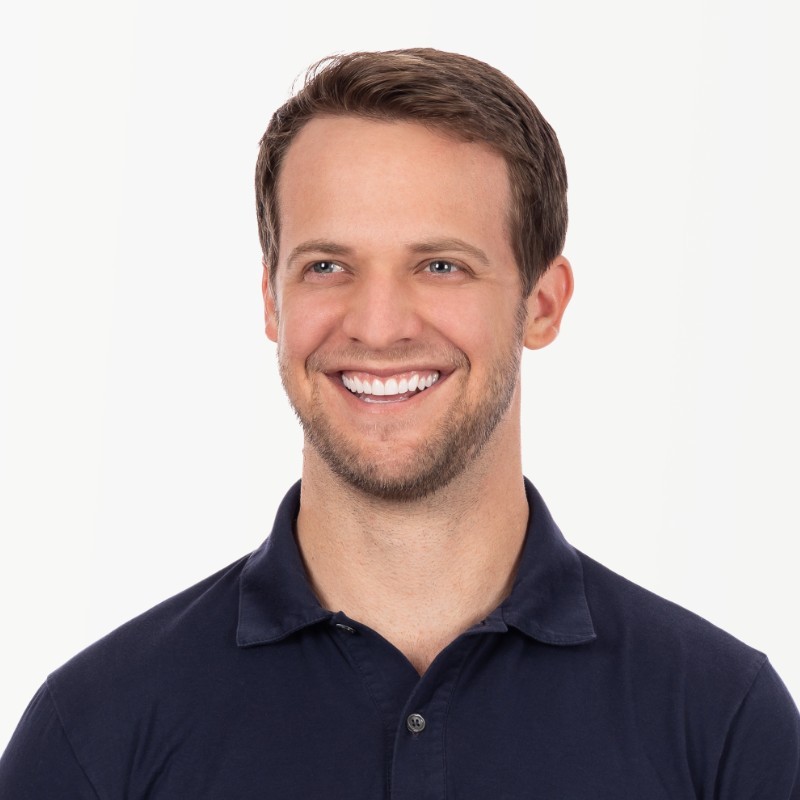
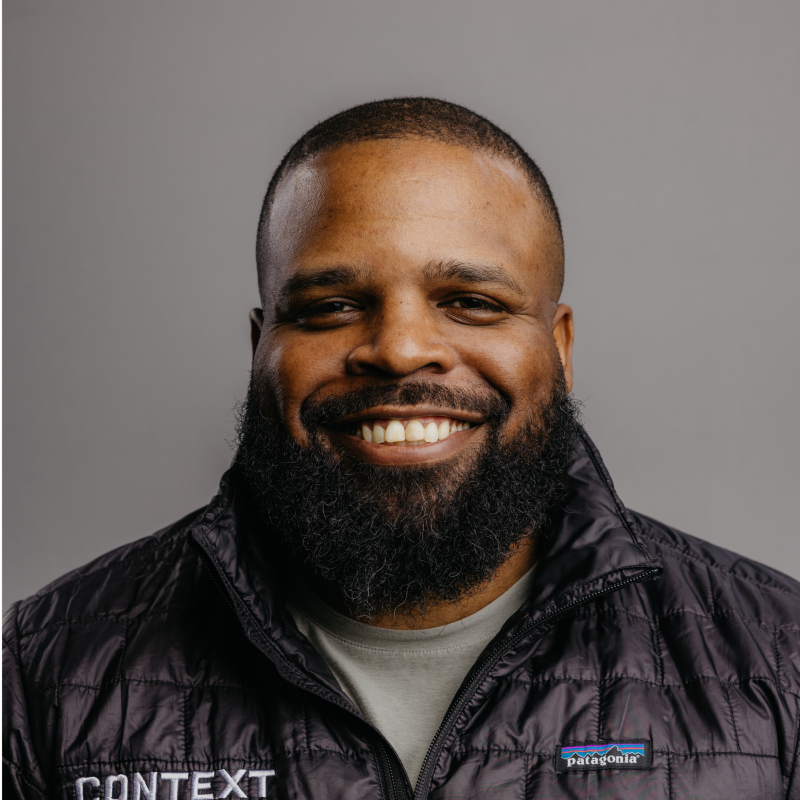
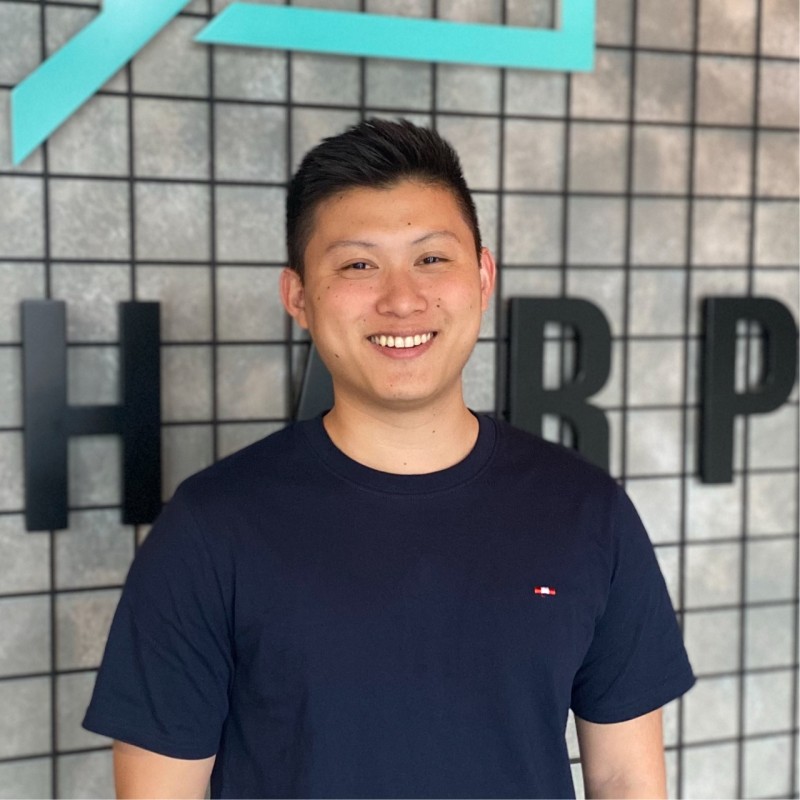
John Forbes
Julian Capital
John brings a rare dual perspective to this conversation. On the Julian Capital side, he's evaluating deep tech deals at pre-seed and seed across hardware-intensive sectors like robotics, materials, energy, and space. On the Deep Checks side, he's built a platform specifically to solve what he calls the "matching problem" in deep tech, where unlike software, it's genuinely unclear who the right thesis-fit investor is for any given company, and even investors' own sector preferences shift quarter to quarter. That combination means John sees the funnel from both ends: the founder trying to get in front of the right people, and the infrastructure trying to make that connection happen at scale.
His most actionable insight might be around how deep tech founders need to think about market pull differently than software founders. Because switching costs in physical industries can involve retooling manufacturing lines or changing entire supply chains, the bar for demonstrating that customers genuinely want your product is significantly higher. John zeros in on the problem and solution slides as the most important in any deck: is this a severe bottleneck for the customer's business, and is your solution an order of magnitude better than what exists? He's less interested in top-down market sizing (he'll ask for bottom-up math anyway) and more interested in whether the pain is real enough that buyers will endure months of integration friction to adopt.
The episode is also packed with tactical advice on running the fundraising process itself. John recommends treating it like a sales funnel of 100 to 200 funds, using well-written cold emails with calendar links (no need for heavy customization beyond a first name), and ending every investor call by asking "how close is this to your wheelhouse and what are your main concerns?" That last move, he says, catches the investor while they're fresh and gets you real-time objection handling before they move on to 10 other meetings. He also cautions against over-promising on round momentum, noting that VCs talk to each other and dishonesty erodes trust fast.
On why no customization is better than bad customization in cold outreach
On the question every founder should ask at the end of an investor call
On what separates the founders who jump off the page
On why raising too large a round can narrow your options
On why co-founder relationships are a top reason startups fail
Mat Vogels (00:10)
everybody, welcome to another episode of Fundraising where we interview top early stage investors and ask them all of your questions as an early stage, first time fundraising founder to demystify the fundraising process. And today I have a very special guest, a former colleague of mine, I would still say close friend of mine, John Forbes.
principal, a Julian capital, a general manager at deep checks. It's a special episode because you get a little bit of insight on how a early stage venture fund, but then also what would you call it, John, early stage fundraising platform or what's the right way of, of, of, of describing deep checks.
John FOrbes (00:49)
Yeah, totally. So DeepChex is a platform that we built through Julian Capital to solve the matching problem in deep tech. Whereas unlike software, it's not abundantly clear who the best thesis fit investor is to go to. Even myself as an investor, my sector preference changes quarter to quarter.
It's the same for most others. And so we've built this platform as a way to solve that gap. Founders can apply to deepchecks.vc. It takes about a minute. We send them out in batches to a network of pre-vetted, pre-seed seed deep tech institutional funds and help get you in touch with those right thesis fit investors. We've been at it a couple of years. There's been thousands of meetings that have happened. There's been many, many tens of millions that have been deployed. And it's really just the easiest, highest leverage way that you can start to put your deep tech ground together.
Mat Vogels (01:30)
Yeah, and Deep Checks was certainly in deep tech before deep tech was cool, which is why it's still very valuable today. But at the time of launch, it was kind of unheard of because there were so many founders that were really struggling to get their biotech or even niche defense or space tech company funded because so many VCs were just kind of playing tourists in deep tech. So it's hard to actually know who was serious about it.
John FOrbes (01:53)
Totally. When I started investing in 2019, I would have been told hardware is hard and we didn't even touch it as a fund. it's been very exciting to see how things have changed over the six or seven years or so.
Mat Vogels (02:03)
Yeah.
Yeah, love it. Can you tell us a little bit more about Julian Capital? What are you looking to invest in? Stages, check size and all those.
John FOrbes (02:09)
Absolutely.
Yeah, so Julian Capital is a pre-seed and seed sector agnostic deep tech fund. We generally invest 750k and are investing in anything with a hardware component to it. So that could be materials and industrials, that could be robotics and manufacturing, it could be energy or space, really anything with a hardware component or technical process that we believe is challenging to replicate. And that's about it.
Mat Vogels (02:32)
I love it. And again, I love that you have the yin and yang a little bit of the J cap side and the deep check side. And then throughout this episode, I love that you're going to have perspective on both. So I think it's going to be a really valuable episode for founders, especially if you are fundraising in deep tech. Let's dive first into a little bit more about John. What were you doing before you got into investing and maybe what led you into this world?
John FOrbes (02:57)
Yeah, I have an origin story that goes back nearly to birth.
And it starts with a strong, strong reverence for the founders that we work with. So as a little kid, my grandfather was a rocket scientist and he would take me to museums to see that the rockets that he, that he built and we would hang out in his garage and pretend to make a little time machine. And for whatever reason, as like a toddler, a preschooler, I had the ambition to start a business. And he encouraged me to be an inventor. And around the same time in my life, I lived by the beach and I had decided to convince my class to write notes to a Senator.
Mat Vogels (03:07)
Mm-hmm.
John FOrbes (03:31)
to save the whales. And so from early in life, kind of had these site. I knew I wanted to invent. I knew I wanted to start businesses and I cared about the planet. But to high school, I had started my first couple of businesses. It was a t-shirt business and a wellness app. And so really caught the bug around them and knew that entrepreneurship was in some way going to be my path and looking for the thing to like the area to start it within. And so I went to Berkeley, found climate to be that area. And my first foray into VC was being fortunate to join Doberman Fund, which is a student run.
venture fund as their youngest student partner. So I served for four years doing largely software investing, which was the first thing that got me into the world of VC, largely from the perspective at the time of if I want to go start a company someday, you know, how do I look at that from the other side of the table? And following doing that, I had done things like dropped out and worked at a disaster coordination startup as a chief of staff from zero to product market fit. I'd spent a number of years trying to start businesses largely in climate tech myself was a chief of staff at another one before.
getting back to my venture roots with Julian Capital and Deep Checks. I think the whole thing left me with a, know, entrepreneurship is a path that I have chosen for myself and lived myself. And it gives me that much more reverence for the people that we work with and respect for the challenges that they go through and excitement to get to share in the future that they're building with them.
Mat Vogels (04:46)
I know you and I had talked about this. think Dorm Room Fund is one of the more special early stage programs that exists. The talent and people that come through that are amazing. You being one of them, it's an incredible program for sure. What is your favorite part about being a VC and what is your least favorite part? This was one of the more common questions that we had nominated for this.
John FOrbes (05:07)
Yeah, I have a feeling everybody is going to have the same answer for the least favorite part, which is saying that, yeah, yeah. So I've got nothing new under the sun there. Since I have done, since I started Venture in 2019, I have always not enjoyed having to say no to somebody who is chasing their life's work and.
Mat Vogels (05:12)
so far. Yes, of course. Yeah,
John FOrbes (05:24)
All we can do is we try to be as quick and respectful and thoughtful in that decision as humanly possible. But believe me when I say we do not enjoy having to do so. My favorite part, I think, is a combination of things. you know, since I was a kid, but really since I was a high schooler, I've had this insatiable curiosity for the world. And I've had a mix of kind of interest in science and technology, but also, you know, philosophy and cognition and psychology and human thought and meaning making.
getting to meet with people who are chasing their life's work.
who are special enough to try to have the ambition to start a venture backed business. I think brings me this combination of getting to constantly learn more about the world. And in fact, it's my job to update my mental models constantly to make sure that I'm making wise decisions and to be able to have this like interpersonal piece of like, why do you want to go start a venture backed company? And how can I share in that vision with you and see if there's a world where we can, where we can make it come true. And it's this combination of learning about the world and getting to be around these
incredible people that are chasing shaping it that really, really motivate me.
Mat Vogels (06:27)
That's a great answer. And we get to have the best job every day of essentially doing that and aligning ourselves with founders like that. ⁓ What is something that you wish founders better understood about being a VC, the VC process? This was another question that was pushed up the ranks. Is there anything that comes to mind for that?
John FOrbes (06:34)
Totally.
Totally, yeah. mean, I think the thing to remember about a venture investor is...
we look at thousands of companies per year and are maybe investing in a couple of them. And so in our eyes, we're constantly making this like semi-qualitative judgment around, is this going to be one of the very best companies that I've seen out of thousands throughout a year ⁓ that we're going to be able to get over the line with and invest in? And I think one of the main disconnects that I often see is, you know, most businesses aren't right for venture capital. And in fact, you know, there's many, like,
Mat Vogels (07:08)
Mm-hmm.
John FOrbes (07:21)
First businesses are ones that would be better off without it. And so I think for founders to come to the table, knowing exactly what it takes and the type of business you need to build to raise venture capital is an important incentive alignment because it can make them make sure that in their pitch, they're able to convey a vision that leads to a large enough company within the timeframe of a venture fund and tailor the pitch in a way that shows the thoughtfulness behind what it takes to be able to get there, the speed that it takes.
market size that you might need to operate in, the degree of innovation that it takes to be able to get there. And so I think that is kind of the misconception that I would bring to the table.
Mat Vogels (07:57)
Yeah, I think the more that founders can understand that, and really this whole VC process, which is what we're diving into, the easier it'll be, I think, throughout the fundraising process. So that's a great answer. A couple more on the personal side. Are there any particular industries, sectors, problems that you personally are most excited about right now or over the next few years?
John FOrbes (08:19)
Totally. Yeah. So, I mean, I came to the world of deep tech through studies and work in climate tech. And so a lot of the businesses that I've had the most fun backing are ones that are incredible businesses that happen to be better for the planets. This led to things like materials and industrials and energy and, you know, advanced turbines for airplanes and a whole bunch of interesting directions I might not have expected from it. And so I think climate roots, but really kind of in areas where
We're simply doing things more efficiently, leading to starting better businesses in ways that happen to be better for the planet are things that I'm very excited about. And I think going forward, there's a confluence of trends that we're seeing around things like supply chain uncertainty, around improvements in both the cost of robotics and the ability of them to do things in the world.
that are leading to businesses being able to start within manufacturing and robotics, where we're able to make things that we used to be reliant on other countries for at the same price and at the same, if not better specifications than we've been building them. And I've been very excited to follow this trend of what does it look like in a world where we aren't so interdependent on production from other places via companies that are able to make the same thing at the same or better price and do so in our own
backyard.
Mat Vogels (09:32)
I love that. That's a good mission there. Last question here. Why should founders pick Julian capital to be on their cap tables? Before we dive into the fundraising process, the last little bit for you to kind of pitch yourself and or the fund.
John FOrbes (09:46)
Yeah, totally. I mean, we know that the very best founders are going to know what's best for their business and we largely stay out of the way and let them do their thing. But there are a couple distinct areas that Julien Capital comes in and helps out our founders. The couple being
We build and maintain websites for every single one of our portfolio companies. You may think, why does a website matter? For a deep tech company, when you're selling to large companies, sometimes fortune 500, when you're attracting the very top talent in the world from sometimes small pools of talents that already have great opportunities in front of them. And when you're fundraising from the top funds, being able to give an air of legitimacy through an incredibly designed websites, which for the viewers, Matt has done for many, many,
many years. It is the thing that we think lends you the credibility to go in part go close.
Larger sales deals, go close the great talents, go fundraise. So that's the core by which we help. And oftentimes it's a skill set that's just adjacent to the skill set of the founders that we work with. From there, our general partner, Julian Shapiro has run growth for a number of billion dollar businesses. And so he hops in as a strategic VP of growth, helping with things like marketing and sales positioning and figuring out what it takes to be able to hit the metrics that are needed to go from pre-seed to seed to series A. And then the third and maybe largest area is just the deep
ecosystem. We've been very careful to build a large network of investors at the pre-seed seed and series A stage and beyond that we can run tailored investment processes with to make sure that we're matching you with the perfect thesis fit investors to be able to close your current and subsequent rounds. And along the way we've met a ton of incredible service providers across legal, across equipment finance, across a number of other areas hiring.
manufacturing supports that are just relevant to deep tech companies that are areas orthogonal to our own expertise that we're able to go introduce you to as well. So those are the main areas. It's fundraising support through the Deep Checks ecosystem. It's building and maintaining your website and it's Julian helping out with growth.
Mat Vogels (11:37)
It's a heck of a lineup. It's fantastic, the value that you can bring from one fund, especially at the earliest stage. So that's great. All right, let's go into the fundraising process, which kind of is the title of the podcast says is actually no fun at all. But hopefully we can make it a little bit easier with what we're going to go through right here. So if you haven't listed the podcast before, we split it into three parts. The first is getting into the initial meeting. How do you go from being
somebody that maybe doesn't have a Rolodex, you're just starting with an idea, how do you break into an initial meeting with the top VC funder investor? Two, you have the meeting, how do you crush it? How do you really perform well in that initial 30 minutes? It might be the only 30 minutes that you have with the VC. How do you make sure that you take advantage of that? And then the last phase, how do you push it over the finish line? You've had maybe dozens of initial meetings. How do you now herd cats, herd investors and close out the round? So let's start with getting in the room.
Typically what we see with founders is they go and they build this Rolodex or CRM of the funds or investors that they want to reach out to. What is some advice that you would give some of these founders on what characteristics or things that they should index on when making that initial list of VCs?
John FOrbes (12:49)
Yeah, so I mean, I have two cheat codes that you could use when you're building this. The first one is apply to deep checks. It takes one minute. We'll put you in touch with the right thesis fit funders. And it's probably the highest leverage, easiest thing you can do to just add extra fuel to that fire. And you might find people that you wouldn't have found on your first run when you're researching funds in the first place. so start there. We would love to be of service to you.
Mat Vogels (12:52)
Love it.
John FOrbes (13:12)
The second being as you're putting together that list of funds, VC Sheet is an incredible resource to be able to go back to and say, are the right funds in this category? And it'll be able to help get together that Rolodex in the first place. In terms of funds to look out for and qualities to look for, I think, you know, sometimes it can be opaque from their websites. What?
specific things you might be looking for, but the thing at a higher level is, is there going to be sector overlap with the company that you are building and the types of companies that they invest in? I think targeting funds that have at least some level of expertise in the sector that you're going for is going to lend to an easier diligence process.
because they will come to the table with the right expertise and the right questions to be able to get to the bottom of whether or not they want to invest in you. when you go further and further out, there might be more education that needs to be done on your side. And so that's the first place that I would start from. And then in choosing the funds that you want to eventually work with, I think two things really matter.
One, can the fund meaningfully help you in ways that are material to your business and assess the individual value props of the funds that you're working for for their own merit and decide whether or not that is going to be a thing that's going to be of service to you over time. The second being it's a marriage. You're going to work with these people for potentially a decade or longer. So are they good people? Do you intrinsically trust them? Do you trust them to not get in your way? Do you trust them to be there for you when the going gets rough and using those meetings to judge whether or not this is a person that you want to be in a relationship with?
some sort for the next potentially decade of your life with I think is equally important as all the other stuff.
Mat Vogels (14:42)
That's a great answer. What do you think about from a volume perspective? What should founders be expecting? How many VCs do they need to kind of think through when they're going into this process?
John FOrbes (14:52)
Yeah, totally. mean, if I was raising today, I would treat it like a sales funnel. You get like, maybe it's a hundred funds, maybe it's 200 funds, but really it's just however many funds that you can find that are the right stage and sector for your startup.
You might as well go and reach out to them all and try to find a way and touch with them. Because at the end of the day, it winds up in some ways being a numbers game. And as soon as you're able to get that lead check, oftentimes that's a thing that can get momentum for you in your round. so by focusing on the funds that you know, we're going to be able to price the round or make decisions independent of it, which we're able to do at Julian Capital. You're able to generate that momentum as quickly as possible. And so I would err on the side of more.
say 100 to start, you could potentially make that 200, but there's only so many funds in the world that are going to be particularly relevant to you and your startup. And, you know, go broad, but make sure to constrain it to the people that are relevant to your stage and sector.
Mat Vogels (15:43)
Yeah, good advice. What are some of the better ways that you've seen founders get in front of the right VCs? DeepShack's already being obviously an incredible example that kind of does that for you. But what are some other ways? it LinkedIn? Is it DMs? Is it sending things in the mail? What's the best advice you give to founders in reaching out to all those hundreds of VCs?
John FOrbes (16:01)
Yeah.
Totally. mean, I think the best way to run it is the process that you just described. You put together a CRM, you get in touch with your entire network and you say, who can make a warm intro where warm intros are always going to be the easiest way into somebody's inbox. I actually think the second best way is a cold email. And in writing a cold email, all you really have to do is give an investor enough surface area to decide whether or not they want to move forward with the meeting. And they will if they're compelled enough. And so we look at every single submission that comes in at the Julian Capital website. I look at every single cold email that comes across my
inbox and I'll meet with everybody that I find interesting. think in writing those emails, if you can do things like include your deck, include a short description of the company, a couple bullet points around what traction you've gotten, who is on the team, why are you uniquely capable to solve this problem? And if you're open to it, calendar links. So Esther can just book directly.
If an investor finds you compelling enough, they'll probably book directly. You're saving us a bunch of time. And so I think a well-written cold email is a great way to get in touch with funds. And they honestly don't even need to be that tailored. You don't have to say, Hey John, I saw that you invested in blah, blah, blah. Say, Hey John, this is who I am.
Mat Vogels (17:01)
Yeah.
John FOrbes (17:05)
This is what I'm doing. Here's the details book a meeting if you're interested in that's more than enough to get me excited. I think some of the lower hit rate areas are actually areas like LinkedIn DMS personally and are an absolute mess. And it's hard to get in touch with me through there. And I imagine many investors feel the same. And so I think, you know, applying directly at funds websites is one way and a good cold email is another.
Mat Vogels (17:13)
Yeah.
I like that. Oddly enough, there have been a handful, if not more, VCs that have said LinkedIn is their preferred method. So it's all across the board. Maybe try a little bit of everything. But you're exactly right. agree. think founders should include a calendar link in their emails, and very few do. I think that's a little hack that if more founders did that, I think it would definitely save a lot of time.
You mentioned Pitch Deck. Obviously, it's one of the biggest things that founders can do to get as much information as possible directly in front of the investor. Typically, an investor will not schedule that first meeting until they have seen it. So it's very important. In your mind, what is the most important slide? What's the slide that you're gravitating towards and want to really dive into before maybe even reading the rest of the deck?
John FOrbes (18:16)
Yeah, totally. I think a lot of times for us, we start with the question of whether or not market pull is there. And market pull is the phenomena where when a customer sees the product in light of whatever switching costs or integration friction there may be, they know that they want to endure it to get that product. within deep tech, where switching costs can be extremely high, you're switching out manufacturing lines, you're changing supply chains, you're doing material integration.
Those switching costs can be months to years and, you know, complex workflows across organizations. And so I think the onus is even higher for companies operating in physical industries to be able to demonstrate that market pull in fact exists. And the way that we assess that is through the problem and solution slide. So for the problem slide, are you solving a genuinely burning pain point for the customers that you're working for? Where you know that they have budget to allocate to it. And it is the thing that they are thinking most about. I think oftentimes there are problems that might be problems, but they're not the main problem that
business faces or their problems, but they're sort of willing to endure what is currently happening. so companies that are able to come in and say, no, this is a severe bottleneck to the business that we are solving this thing for is what I look for in the problem slide. And then in the solution slide, are you in order of magnitude better than the existing solution that's out there? And do I believe that this in light of incumbents, in light of other startups, in light of other technologies that can emerge over time, is this the very best solution that is going to be for this problem?
And so those two slides are the two that I focus on most when I'm first looking at a deck.
Mat Vogels (19:40)
Are there any slides that you see founders maybe spending more time than they need to on or multiple sides that maybe don't do the effort that they're thinking they're doing?
John FOrbes (19:51)
Yeah, I mean, every slide is important to me. It all helps give me pieces about the story to be able to learn more about your business. So I think none of it is a waste of time. If anything, it's more, you know, is this slide giving the investor enough information to be able to
get excited and move forward with your business. And there's tiny nitpicky things, which is like, if you give me a market slide that is all top-down math, I am probably going sue you your bottom-up math by the time that we get on a phone call. But that's not going to be the reason that I don't take a first meeting in the first place. so I think just building the story that makes the most sense to you in terms that are exciting to venture investors, meaning you can be a venture scale company within the time frame of a venture fund.
However long that takes, however many slides it takes, to me it's all interesting and I take a close look at every single one of them.
Mat Vogels (20:35)
Yep, love it. Are there any mistakes that you see founders make during this phase of the process, be it in the cold outreach, their pitch decks, the way they present their pitch decks or anything like that?
John FOrbes (20:46)
Yeah, I think within cold outreach, oftentimes I'll see people automate emails and the automation will be wrong. They'll say, Hey, John from Julian capital, I see that you're a 30 % focus. you know, that's, that's not often that I get these, but I see them often enough that it's, it's to point out that like,
Mat Vogels (21:01)
yeah.
John FOrbes (21:03)
No customization is better than wrong customization. And again, just give founders enough surface area to get excited about you in the business and give them the chance to book that meeting. I don't think you need to customize it more than saying my first name and you can use tools that make it very easy to do so. that's, that's the first. then within pitches, I think the two things that stand out as yellow to red flags to me are.
You know, great pitches, investors will come up with questions beforehand. And so I would, I would argue to keep it conversational as opposed to just running through slides on a slide deck. And the other thing I think is being able to have depth of thought in your answers to that are asked is oftentimes very important to investors. And so those are, those are the two that I see most often.
Mat Vogels (21:37)
Hmm.
I like that. Any last pieces of advice, not necessarily mistakes, but any advice that you give founders when going in a pitch deck or reaching out to investors that we didn't cover before we jump into the next phase.
John FOrbes (21:55)
Yeah, I would say...
run it like you might run a sales process, be comprehensive, come up with that list of 100 to 200 funds, put it in front of your network so you can get interest to the people you can't get interest to write a good cold email that makes it easy to book a meeting with you. And by doing it in that sense, I think.
And I know and I understand and I respect that fundraising can be a very frustrating process. And the thing that I go back to with myself when I'm going through a frustrating process is you always have the rights to your inputs, but not the outputs. By being intentional about the inputs, you can set yourself up best for success.
Mat Vogels (22:23)
Mmm.
I it. All right, well, let's say that they have set themselves up for success. They have some meetings lined up. They have a meeting lined up with you, let's say, for Julian Capital. What are some of the things that you look for as a VC going into that initial meeting? What do you want to walk away with in that 30 minutes with the founder?
John FOrbes (22:47)
Yeah. So, mean, structurally, it's some of what we talked about earlier, which is, this burning pain point for your customers? Is your solution in order of magnitude better than what else is out there? Do I believe it's going to be the solution to this problem in light of the current and future competitive landscape? And do I believe the market is large enough to support a venture scale outcome? Does your go-to-market allow you to get to market fast enough to do so? And are you among the best teams in the world to be able to be building this thing? And so those are the things structurally I look for, but I
think
the more important answer is this kind of qualitative, what makes a team the best in the world to be able to tackle a visual problem. Oftentimes in deep tech, it is somewhat structurally answered because it's been somebody's niche area of research that there's only so many people in the world working on this thing. And it's a new scientific discovery. So, you know, that it hasn't been tried before. so things like that are things that get us excited about why it might be the right team to go and build the thing. But I think by means of
Mat Vogels (23:22)
Mm-hmm.
John FOrbes (23:44)
you
qualitative founder quality things that we look for are, has your life led up to starting this business? And are you incredibly mission driven in doing so? I think that's one of the things that helps get you through the highs and lows of starting a business. helps get you to be able to recruit the top talent and gives them a reason to join. It makes customer calls enjoyable. And it's one thing that we, that we certainly prioritize in the folks that we work with. Other things that are important to us are high degrees of persuasiveness, high degrees of thoughtfulness in thinking through
Mat Vogels (24:09)
Hmm
John FOrbes (24:12)
the idea means, meaning if we have a question about technical risk or competition or go to market or anything else, you have thought layers deep around what are the options that you have in front of you to move forward and why you're choosing the ones that you're going forth with. And then other things like having a high degree of agency and perhaps great achievements earlier in life that show you've been able to take situations of great ambiguity and turn them into progress are things that all get us excited.
Mat Vogels (24:36)
Yeah, I like that. And a lot of those are covered in, I guess, the process, the conversation that you're having there, the slides and things there. Any advice on from the pitch deck perspective, one of the questions we had founders ask was, is it best to just go through slide by slide? Do you let the VC decide? A lot of times founders show up to these meetings and they're kind of like, what do you want me to do? How do they go into these best prepared? What should they think about?
doing or how can they ask the VC what the process should be for those 30 minutes?
John FOrbes (25:08)
I mean, I think if an investor is being respectful of your time, they've reviewed the slides and they've come with questions ready and the general preference is going to be to keep it conversational. And so you. Yeah. Yeah.
Mat Vogels (25:17)
So maybe asking that, like, you seen, have you read through the pitch deck, like putting it on
them to see where they're at in that process.
John FOrbes (25:22)
Totally.
And you can go in and say, Hey, I've got slides. I'm happy to run through them. I'd prefer to keep it conversational if you got questions ready, but just let me know what you think. And some people might not have the preference to have you walk through the slides, but I think oftentimes investors will have come prepped, they'll have questions ready and they'll want to just keep it conversational so that they're making sure to spend the time on the things that are going to be most important to moving that decision forward on their end.
Mat Vogels (25:44)
Yeah, I've always found that if you put it on the VC to make sure that like, what do you want me to cover? What are you looking to get out of this so that I can then tailor as a founder, whatever that is. So that's, think that's exactly the right strategy. When you are in these meetings, you mentioned some of the things that you're looking for from the founder's perspective, whether it's what they're covering, the persuasiveness is a big one. Those are some green flags. What are some red flags? Is it the opposite of those or what are some characteristics or things that you've seen in some of these meetings that end up being
kind of no-goes for you.
John FOrbes (26:15)
Totally, yeah, I mean, it's oftentimes the opposite end of those spectrums that I mentioned. So, choosing a problem space to work on because it looks sexy instead of it being your life's work.
lack of thoughtfulness in your answers instead of a strong sense of having walked through the idea maze. Glossing over answers is another one. I'd prefer you be explicitly honest with me and be like, this doesn't work. This is at a tier L four. Here's what we're going to need to do to pare that risk down over time. Instead of saying everything is rosy. I think those are kind of the things that usually stand out the most to me. And being overly salesy, I think is another one. Like I think these conversations are meant to be.
Mat Vogels (26:33)
Yeah.
John FOrbes (26:50)
you know, like conversational and honest. And so keeping them that way, I think is important.
Mat Vogels (26:56)
What are some of the questions that you would recommend founders ask to the VCs during these meetings? Not because you look for them as like, I'm glad they asked that, but so founders can take control of this process as well. They want to know or they should learn about the VCs too.
John FOrbes (27:09)
See
Yeah, so mean, there's three.
that are incredibly important. The first being qualifying the funds, check size and lead status. So you should know after that call by asking them, what is your average check size? Do you lead rounds? Would you make an offer in advance of a lead so that you know how to qualify them in your own pipeline? From there, you should get the sense for how do they help after they invest so that you, as you're getting to decisions, as people are giving you yeses, you know which ones you want to work with and why. And the third, which I think is my
favorites that founders have done to me at the very end of a call is they'll say something to the tune of, know, so how close is this to your wheelhouse and what are your main concerns? And it puts you on the spot.
And lets you give them, like oftentimes I'll know exactly what my next set of follow-up questions was going to be, but I want to be respectful of their time and not make them go over. And so if you're able to end the call almost with this like sales qualifying E thing where it's like, what are the objections? Then it lets you have the investor while they're fresh, before they're going into some 10 other meetings for the rest of the day. And they might lose their training spot and give them those answers quickly on the spot, I think is a ton of value.
Mat Vogels (28:20)
Yep, I like that. Are there any big mistakes? You mentioned some of them, but any high level mistakes that you see founders make during maybe the entire, I call it the initial meetings process. So maybe not just with you, but as they're going through and they may have dozens of these in one week, what are some of the mistakes or feedback that you give to founders as they're in the middle of that process?
John FOrbes (28:41)
Yeah, I think something important to remember is that VCs are looking at a lot of companies at once and we sure try our best to move as fast as we can, but there are times when things get slowed down. so qualifying what the process is going to be for the fund and moving it forward in a tactful, but not forceful way, I think is something that makes sure that you stay at the top of that funnel for the investor that you're working with. And so ending that call with, and so what is your full investment process?
and
making sure that you have a clear sense of next steps from them and holding them to those next steps, know, tactfully, not forcefully, I think is the thing that'll make sure that you're moving through the pipeline with folks that you're talking to.
Mat Vogels (29:21)
I think sometimes VCs, a lot of folks we've talked to on this podcast have said that they appreciate when founders do send them an email reminding them all these things, like put it on the investor in some cases, because to your point, we are managing a lot of deals simultaneously. Sometimes things slip through the cracks that typically has no like negative on you. It's not that we don't care about you, but sometimes things do get lost and we get overwhelmed. So sending out the email a few days later to check in.
I think it'd be totally fine, especially if the VC had said that their process was going to be in a few days or whatnot. So that's great advice.
John FOrbes (29:56)
Thank you.
Mat Vogels (29:58)
Any other pieces of feedback for founders before we move on to the closing of the round phase, the diligence phase and everything there.
John FOrbes (30:07)
Yeah, I mean, would say lean into those qualities that I mentioned earlier, having an expansive vision, having a high degree of agency, having a high degree of thoughtfulness, having a high degree of mission drivenness. These are the things that are shown, not told in your pitch. And I think.
Mat Vogels (30:20)
Yeah.
John FOrbes (30:22)
You know, people will say when you meet an incredible founder, they jump out of the page at you. And that is entirely true. Like we will take a call every once in a while and think, wow, this person is special. And oftentimes it tracks to the resemblance of these qualities that I just mentioned. And so being, being cognizant of being able to show them in a way that's authentic to you, I think is something that really moves the needle.
Mat Vogels (30:44)
Yeah, and you're right, it's something different that you don't get in the pitch deck, we can maybe gauge some excitement or thoughtfulness. But when you're talking and communicating during that meeting, that's when those things can really shine. So make sure that you let those things out and make sure you double down on them. Those are great. All right, so let's say they've lined up, they've had all these meetings, they're now kind of in this phase of, it's kind of like herding cats, you're working with lot of VCs, different VCs, different processes.
You're trying to build FOMO and build momentum, but you're also going through diligence processes and all this. Maybe we go first with what a diligence process might look like on the Julian capital side. What does it look like after that initial meeting? What can founders expect from Julian capital over the coming days or weeks in that process?
John FOrbes (31:28)
Totally, we try to keep it as quick and respectful of your time as humanly possible. So our process generally is myself or our other principal, Jacob, will take a first meeting.
We'll either send around a follow-up questions immediately following them, or we'll move directly to a team call with Jacob, Julian, and I. And then from there, we'll ask one last set of follow-up questions. Sometimes we'll do reference checks, and we have our own process that will run on the back end of that. But our goal is that all you have to see is two calls with us, generally two sets of questions, and we try to get to a decision from there and always within 14 days of a first engagement.
Mat Vogels (32:03)
That's quick. I like that a lot. What do you think founders should have the expectation with as they're going through from other VC funds as it relates to diligence process just to shed some light?
John FOrbes (32:12)
Totally, yeah. mean, I would just qualify what their process is when you're talking with them. You know, if you have a larger fund, you have a larger investment committee that you're gonna need to get it through, which means that might mean an individual partner or principal or associate getting to their own conviction and bringing to the table to the rest of the team and then...
know, processes, processes vary, but it's usually some variant of a couple calls with investors on the team, the team running their own diligence process, whether that's a memo or a checklist or something else. And, know, coming to decisions from there and asking you questions along the way. so just determining what explicitly that process is on a fund per fund basis will help you keep track of how far along you are in each one.
Mat Vogels (32:49)
Any advice to give founders on like data room stuff, like having a data room, what you what they should have in there, are they updating it, anything from that angle?
John FOrbes (32:58)
Yeah, I think often for deep tech companies, especially once deploying physical infrastructure, having a really strong TEA is very helpful and necessary if you're going to be.
building a manufacturing line or doing something that requires sophisticated financial modeling. So oftentimes when I'm looking for a data room, that's the type of thing that I want to see. I love to see a financial model as well that shows what you think the revenue and margin could be over the timeframe of our fund, which is 10 years. so having a longer term financial projection, even if you're still working on some of the assumptions, I think is a thing that is extremely valuable. And then from there, things like...
technical primers or primers on why the problem exists or why your solution solves it. Just any other additional info that goes into more detail than a slide deck can to help give them context. A bottom-up market analysis that shows how you're thinking through your market sizing. Things like that just give additional context that help us know how thoughtful you are in thinking through each of these things about your business.
Mat Vogels (33:53)
Yeah,
that's good. It's a nice problem to have, but sometimes founders, I find it be more common than not that they get slightly oversubscribed is kind of the way I say it. It's like one check more than they might need. Usually it happens at the very last minute when you have, you're about to close the round and all of a sudden VCs that you spoke with, weeks ago are now interested again, everything kind of circles back. What is some advice you would give to founders that are in a process of kind of having to select...
who to keep on their cap table and maybe who to keep off their cap table in making these final decisions. What should they do and index on the most?
John FOrbes (34:28)
Totally. Yeah, I mean, think it goes back to those couple of qualities that I mentioned earlier, which is like.
Is this a fund who you intrinsically trust and want to work with for the matter of a decade or longer? And is this a fund who is going to materially be able to help your specific business in a way that matters to you? And so by using those two things as the rubric, think the dominoes will fall relatively quickly in terms of who is able to meet those criteria and who might not be. And so those be the two that I would use to make that decision based upon.
Mat Vogels (34:52)
Mm-hmm.
Yep, I like that. think a lot of the times the personal relationships, especially with the VC itself, not just the fund, can make a huge difference, even if they're not going to be on your board or anything like that. So I think that's valuable. What are some of the mistakes that you see founders make during the closing process? So when they actually are building FOMO, they're in the diligence process, they're trying to hurt all the investors to a final goal. Any big mistakes you see founders make during this phase?
John FOrbes (35:26)
The only one that comes to mind is over-promising. Like sometimes they'll say, we're at the tail edge with a bunch of leads, but then when you try to dig, it wouldn't be very forthcoming. I think, you know, yeah, yeah, yeah.
Mat Vogels (35:36)
from other VCs you mean, like when they have a term
sheet from XVC or something like that.
John FOrbes (35:41)
Yeah, exactly. And, you know, on one side, it is sometimes a process of building FOMO, and so maybe you mentioned, like, the number of funds that you're talking with, but it can be done in a way that feels misleading and dishonest at times. And so I think...
being genuine, but in a way that gives an accurate description of how far along you are and when you want to be able to close by is thing that's going to be able to help you get there. And really it's kind of like the when you want to close by, I think can be a thing that helps VCs orient their process around the timing that you expect. And so the combination of those two, I think is the right way to go about it.
Mat Vogels (36:19)
Yeah, one thing we mentioned on this podcast a lot is that VCs talk a lot during this process. I'm sure you guys do the same at Harpoon. We do the same where if we know that there's a handful of funds that are in the final stages, we will reach out to them. We probably already know them. It's a small community at the end of the day. So it's not worth lying or even exaggerating because sometimes it can come off as a lack of trust. So absolutely something to be to be weary of.
What are some of the mistakes you see founders make as far as the round itself? Raising too much, raising too little. They have too many big VCs versus small VCs. Any sort of, maybe it's more of like a cap table, cap table structure, or even just like round size mistakes that you see.
John FOrbes (37:01)
Yeah. I mean, there's two very obvious reasons companies die, which is that they didn't raise enough to get them to their next, to their next milestone, or they're not able to raise the next round. And the reasons why those two things happen is, you know, not raised. Like, I think if you go into a round, knowing the outcomes that you want to have by the next round, the amount of money it's going to take to be able to get there and give yourself a buffer, say call it six months, maybe more to make sure that as things inevitably come up, you have will.
to be able to deal with it on the fly. That's going to be about the amount of money that you should probably raise within that round that you're going for. And then the second consideration is if you raise a very, very large round, it just sets the expectation for that next round that much higher because you're going to want to raise an up round, which means you're going to want to raise an even larger round, which means you might, you know, as you go higher and higher in round size, the number of funds that are applicable to you.
might narrow and narrow, whereas, you know, large multi-stage institutional funds are, can be less valuation sensitive than smaller funds can. And so you kind of just wind up playing this game of like, it's okay to play this game, but the world of investors that you could go to might wind up being smaller. So that's, that's the only thing that I, that I caution in terms of raising around that is too large. And then in terms of cap table structure, I would say
You know, more is better than less as long as they're all great partners to work with and just have more people in your court. And so I would, I would stack it with people that you want to work with and people that are giving you check sizes that are meaningful enough to know that they're going to show up for you when you, when you need them.
Mat Vogels (38:31)
Yep. I like that. All right. Let's say they followed all of your advice. They've closed it around. They have five minutes to celebrate and then it's like back to work. What does the process look like with Julian capital after the fundraise? You mentioned obviously some of the help that you give. What are you expecting? Is it quarterly updates? You're trying to meet with the founder in a certain period. What does the relationship look like between you and the founders you invest in after they raise?
John FOrbes (38:56)
Yeah, totally. So, I mean, I think one of the most important things founders can do for us and for other funds is have some sort of monthly newsletter that just tells us what is going on, what is going good, what is going bad. And most importantly, what can we be of service with? Because we might've told you all the ways that we can help out, but if we don't know that you need help in doing them, then we might not know that the help is needed at that given time. so keeping a regular communication cadence, I think is something that's very important to us. And then, you know, from there, often
Mat Vogels (39:04)
Mm.
John FOrbes (39:25)
times we're in there working with founders right off the bat on how do we build the best website possible for you. And so that's a lot of kind of one-on-one communications with Julian. If we're going and helping out on the growth side, same deal. It's talking with him and strategizing and figuring out what the right next step is for you. And so I think for us, it's this combination of we love to have regular communications. Monthly is great, but if you don't want to do monthly, it can be quarterly. think updates are things that shouldn't take much, like
bandwidth of a founder's time, but are done often enough such that people are able to help at the time that it is needed, whatever that cadence may be for you. And then from there, we're getting in there, we're building websites for you, we're ready to help back and raise your next round by the time that you're going back out to raise again. And so we're on a full process for that and we're hopping in kind of ad hoc on projects that matter to you.
Mat Vogels (40:14)
You already mentioned that maybe not raising enough capital and cap table management could be an issue, but what are some of the other things that you see are common mistakes you see founders make immediately after they raise? Let's say that they've raised sufficient capital, they have a good cap table, those are set. What are some of the other mistakes that you see founders make as soon as they close? It's sometimes the first bit of money that they've ever seen. ⁓ There's obviously some mistakes to be made if it's your first time.
John FOrbes (40:36)
Yeah.
Totally. Yeah, I mean, I think same as when a venture fund raises that fund for the first time, it's like, you got the money and now the job starts. Same exact thing with the company. You got the money and now the job starts. It's building the team, it's hitting the milestones, it's getting right to work with the plan that you had in place following, you know, going into that raise. so...
No mistakes particularly come to mind, but I guess beyond not getting right back to it to the plan that you set out before you raised that money.
Mat Vogels (41:14)
Yeah, that's always a it's kind of the weird line of you have to spend enough, but not too much. And you have to your milestones. I think you just just nailed it. It's making sure that you can execute and hit your milestones and everything else falls into place for sure. Last question. What are some of the ways that founders can look ahead on at this point in your career? You've seen lots of companies either go through directly from the fun side or from just being tangential to them.
What are some of biggest reasons you've seen companies fail? Because at end of the day, 99 % of these companies will probably fail or at least not maybe receive some of the VC outcomes. What are the biggest reasons that you've seen that happen so that founders can start to think about it early on in their career?
John FOrbes (41:49)
Mm-hmm.
Yeah, I mean, there's just a couple of these binary ones where it's like you.
ran out of money, pre-revenue, and you weren't able to raise your next round. think more common ones are market pull doesn't materialize at the rate that you need it to, which is a thing that can cause that to happen. Or market pull wasn't there in the first place is one thing that we see. Another very common one is like, is an incredibly challenging thing to start a startup and things like team dynamics and life factors can get in the way. so, you know, making sure that your relationship with your co-founders and your relationships in the rest of your
in a really strong place to able endure the challenge that is to be starting a startup, I think, is one of the most important things that you can do. And it's important to be able to take care of your health and your people along the way.
Mat Vogels (42:39)
Yeah,
because 10 years, know, it's sometimes it's longer is a long time. You're not even the same person in 10 years. So it's hard to prepare for but founders can think about it early. It can definitely help them. That's absolutely right. John, thank you so much for hopping on. There was a lot of information covered in a short amount of time. To cap things off, where can folks fall along with you with Jcap with deep checks? How can they continue to be in your orbit?
John FOrbes (42:43)
Yeah, totally.
Yeah.
Totally. John at deepchecks.vc. Email me anytime. If you want help fundraising, apply to Deep Checks. It would be our honor to be of service to you. If you want to get in touch with the fund, email me directly or reach out at julian.capitol. And the last thing I'll end on is our beautiful host right here, Matt, has made this shirt that I've been wearing. You're gonna have to say it. He's wearing it same time. It says the future will be awesome and we couldn't agree more.
Mat Vogels (43:25)
Nah, which I am wearing too.
Agreed, John, thank you. I'm sure that we'll be chatting again soon, but thank you for being on. I really appreciate it.
John FOrbes (43:39)
This is incredible. Thank you, sir. You too.
Mat Vogels (43:41)
Have a good one. Bye.




.jpeg)







.jpeg)








.svg)