Mike Steadman
Context VC
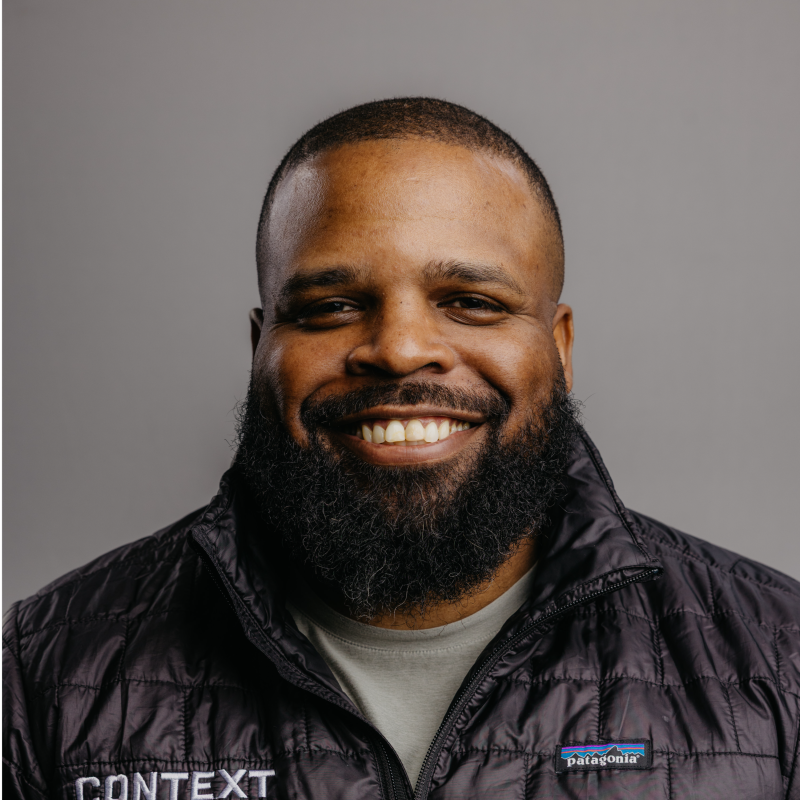
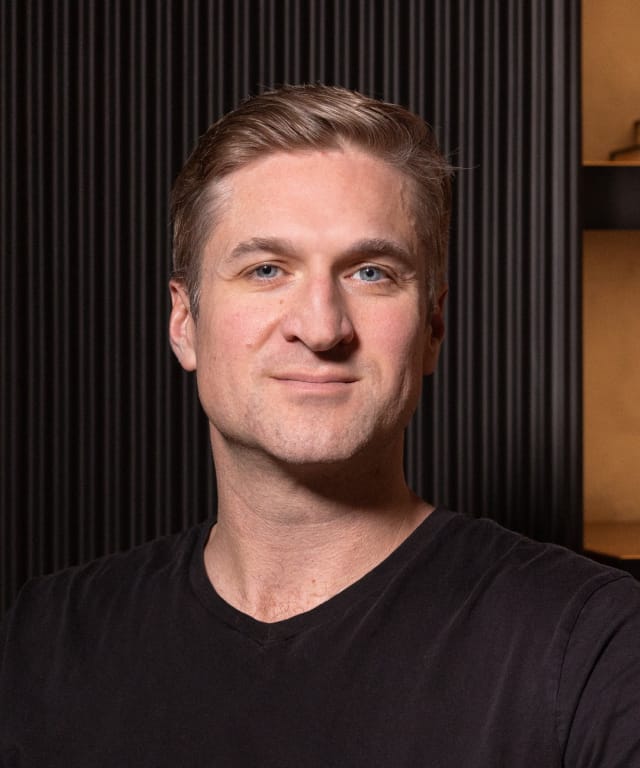
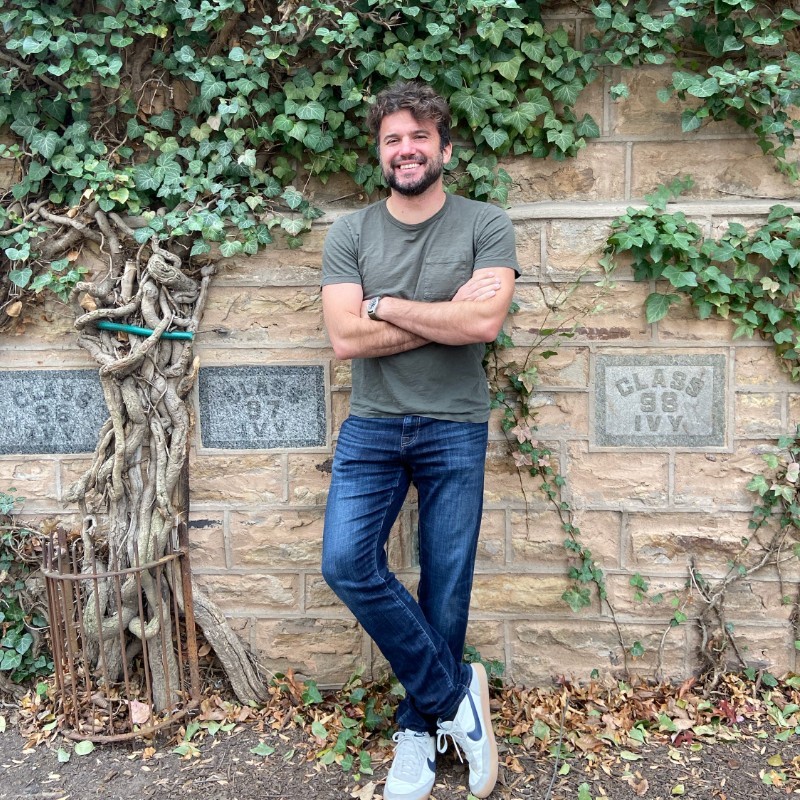
Mike Steadman is not your typical VC. A former Marine infantry officer, three-time national boxing champion, and self-described "underdog and misfit," Mike came up through bootstrapping businesses before landing at Context VC as a venture partner -- a path that gives him a sharp eye for what separates founders who get funded from those who don't. His advice throughout this episode is grounded, tactical, and refreshingly honest.
What makes this episode worth your time is how Mike frames fundraising as a second product that founders have to build and sell in parallel with their actual business -- and most founders are wildly underprepared for it. He walks through everything from how to build a hyper-targeted VC list using your "unfair advantages," to why your LinkedIn profile matters more than your pitch deck at the pre-seed stage, to how to behave in a GP meeting when a term sheet offer might land in real time. He also doesn't shy away from the harder truths: that you need to be talking to far more investors than you think, that warm reputation checks are a real part of diligence, and that closing the round is just the start of the hard work.
On treating fundraising like the main mission it actually is
On being ready to negotiate the moment you're in the room
On the volume of outreach founders dramatically underestimate
On what VCs are really evaluating before they even open your pitch deck
On why early-stage founders keep skipping the most important step
Mat Vogels (00:10)
Hey everybody, welcome to another episode of Fundraising, a podcast where we interview top early stage investors and ask them all the questions that you, as a first time fundraising founder, want to know about the fundraising process. And today, I have Iron Mike himself from Context VC, who I think is going to be maybe more authentic than perhaps some of the other VCs that we have on this platform. So I'm super excited to have him on here.
Mike, give me a quick introduction of yourself and Context VC.
Michael Steadman (00:44)
Yeah, well Matt, first all, appreciate you having me on. You know, like Matt said, my name is Iron Mike Steadman. I have the privilege of being a venture partner at Context VC, where we invest pre-seed in the early stage founders. Industry agnostic, our average check size is between 250K and 500K. We have a strong portfolio of military veterans, but we invest across the board. What we look for are called X-Men, so exceptional.
entrepreneurs that are building and we try to get to them early because we know how hard it is to go from zero to one but we're not afraid to play.
Mat Vogels (01:21)
I love that. All right, we're gonna break this up into a few different parts. The first is a little bit more about you. A lot of these questions were questions that founders submitted and then we kind of floated the top ones up to the top to ask here. One of the most common ones was more about why you chose to get into VC and maybe what you were doing right before you got into VC.
Michael Steadman (01:41)
So for me, I've always thought of myself more as an operator. I have a military background, had opportunity to go to United States Naval Academy, where I got really good at sport of boxing. By the time I graduated, I was a three time national boxing champ, two time most valuable boxer, and captain of my boxing team. And after I graduated, served as a Marine Infantry Officer.
went to Afghanistan, Japan, and the Philippines. And I set context for this because, no pun intended, but when I was transitioning out of the military, I didn't want to do entrepreneurship. I just wanted to start a boxing gym, right? And so I didn't go to pursue an MBA or anything. I moved to Newark, New Jersey, started my first boxing gym, and that entered me into entrepreneurship. And basically I just start, you know, bootstrapping businesses to pay the bills because there's no money in boxing, let alone amateur boxing.
Mat Vogels (02:16)
Hmm.
Michael Steadman (02:33)
let alone free amateur boxing for inner city youth in Newark. And over the years, just been a very prolific reader and tinkerer and whatnot. And one thing that I'm sure Matt, you've learned as well is the importance of taking small bets. And so over the years, I've gotten really good at kind of building a robust network, bootstrapping these little niche profitable businesses, and my confidence has grown throughout that process.
And I just see so many entrepreneurs focusing on the wrong things. And it got to the point to where I wanted to kind of be an EIR at a university to help mentor other entrepreneurs. But there's a West Point grad by the name of Tim Shaw who started Context VC. And he hosts the Military Veterans Startup Conference every year. Him and I build some rapport with each other. And I said, you know what?
I was like, wonder if I could be an EIR with Contex. And for the record, I didn't even really know what EIR meant. I just assumed you mentored founders. I reached out to Tim, we jumped on a call, and then he actually brought me on as a venture partner because for a lot of venture firms, EIRs are looking to spin out ventures themselves. So you kind of incubate on something internally, and then you gotta spin it out, and typically that firm will back it. But for what I was more interested in was just...
getting my hands on as many startup founders as possible, as many portfolio companies as possible. And then through that process, it's exposed me to the other side of the table of venture, which has been super enlightening for me. And so I say that to say of like, you know, I think of myself as like an operator and I've been able to be blessed to see the other side of the table. And I'm hoping during our conversation, I can share some more kind of tactical, you know, kind of lessons learned I'm seeing because, you know, up until recently and even still,
I feel like an underdog and a bit of a misfit because I don't have that kind of polish, finance background and yada, yada, yada. But I do know what it's like to take things from zero to one. And I'm getting firsthand experience working with a pre-seed fund seeing how founders get funded.
Mat Vogels (04:34)
Yeah, that's a great answer. I love that. One of the other common questions, you hinted at maybe a couple of them here. What is your favorite part about the job and being a VC? And then also, what is your least favorite part about the job?
Michael Steadman (04:46)
I think for me, it's been helping continue entrepreneurship forward. So I'm a category designer. We like to talk about missionaries and mercenaries. Mercenaries, all they care about is money. Missionaries care about impact. Entrepreneurship is like a core aspect of the American dream. being around founders who are able to raise, because that's a big lift for like
like 99 % entrepreneurs, just to be honest. We ain't even got to customers yet, but like getting capital, right, it's a big lift. And now it's been normalized for me, you know, because I've gotten to see it over and over at the highest level. When you're around founders that are able to raise those pre-seed rounds, then raise that seed and then go on, you know, to get that series A and above, it's like, okay, now the realm of possibility. So I definitely think like,
It's helped me maintain an abundance mindset. Like if you follow me on social media, I always say it's a great day to be alive. You know? ⁓ Because I think, especially with all the changes in AI and stuff, like there's just so much disruption going on. It's real quick to find yourself in a glass half empty kind of mood. But I promise you, people are getting funded. People are building. I've seen it, you know? And so it's out there. You just gotta make sure that you're focusing on the right things.
Mat Vogels (05:46)
I love that.
Yeah, I love that. And least favorite part about the job.
Michael Steadman (06:11)
Oh, that's the least favorite. Passing up on so many opportunities. You know, like there's great founders across the board, you know, and full transparency, right? Like, you know, we have a team, right? And we have one GP and he makes all the final investment decisions. But sometimes I'm like, I would invest in this. I would invest in that. I would invest in this, you know. So turning founders away probably sucks, to be honest. And people that are like, they're super passionate, they're hungry, but
Mat Vogels (06:15)
Uh-huh.
Michael Steadman (06:40)
I know it's just not a good fit for us and I also don't want to waste our GP's time as well. And so that's probably hard.
Mat Vogels (06:49)
Yeah, think founders take it too personally sometimes they think that it's a reflection on them not being good enough when a lot of times it's just not a right fit for the fund or the timing or there's so many variables that go into it.
Michael Steadman (07:01)
Yeah.
Mat Vogels (07:02)
The next question that we have here are what are some of the things that you wish founders, now that you've gone from operator to VC, you have kind of a peek behind the curtain, what are some of those things that maybe as an operator you didn't necessarily appreciate now that you're a VC, you can be like, so that's how that works. I have an appreciation for maybe the VC game a little bit more now. What are some of those insights that you maybe got from flipping into a VC?
Michael Steadman (07:29)
So here's what I've learned, okay? And I already knew this from my work on category and stuff, et cetera, but it's super important for those of you that are interested in raising capital. If you're raising venture capital, you're really building two products. One product is a company and business model that you have to sell to investors, and the other one is the product that you have to sell to end users, okay? Those are two different languages, and those are also two different lines of effort.
Mat Vogels (07:33)
Hmm.
Mm-hmm.
Michael Steadman (07:57)
I was on with a founder early because what I have found is that the successful founders that I have seen, right, they make a decision that they're going to raise that pre-seed and that pre-seed is going to be their number one priority. And they treat it like a movement to contact in the military, which means that like, like you can't build any business in the world talking to one or two customers a week, probably not going to raise around talking to one to two VCs a week either. Okay. So
understanding like like the sequencing right so like if you can get away and build a product bootstrapping and get some traction that way and then get VC to kind of get there faster that's one thing but if you need VC to build the product right and that becomes the main effort like the main friction point it's like you can't even do your thing if you can't raise the capital then you need to treat that and prioritize it like it deserves and
like what successful founders are doing. I mean, this is super enlightening for me as like underdog and a misfit, right? Like number one, like having a end goal in mind of when you want to close a round by. Even if it's a pie in the sky, but it's important, I think, for founders to focus. So they know that like, hey, I want to close this round by this date, and I'm going to give it everything I got in order to make that happen, right? And I think the decision choice with that alone is just going to free up your clarity.
because it's hard when you're doing 10,000 things while trying to raise capital talking to one or two investors a week. Probably not gonna happen, right? So I would like literally put a timeline around that thing. think the other thing I would also think about is being prepared for success, you know, acting as if. So like, let's say you do get on with the VC who's interested and he says, me your data room, send me your stuff. Like that's not the time to be scrambling right then and there, you know?
So you need to have that stuff kind of set up and ready to go. Now, one thing Tim, the GPA context likes to say, he's like to say, we invest in friends, family and fool, right? No pitch deck, no product, no revenue. Now we don't like to be fools, right? There are certain founders that can get away with that. know, some of us mere mortals, we need the basics. We need the pitch decks, we need the stuff. And so just making sure that like you have those things. And then the other thing I will say too is,
Make sure you know who you're talking to. So I think one of the challenges now is like, people are just like, I need VC. Did you even look at the firm? Why is this a good fit? Right? Like they invest series A and you're looking for, you know, pre-seed, right? So you're wasting their time now. So just being intentional. And I think if you go back to just the basics, this is like, you know, who's just like, who's your perfect customer as a startup founder? Who's your ideal VC? Who do you want on your cap table and why, right? You'd be very intentional about that.
Mat Vogels (10:22)
Yeah.
Michael Steadman (10:49)
And for us, I will say, which was like super enlightening for me was, and I should have known this from a sales perspective.
If your number one goal is to raise venture capital and you get a GP in front of you, the person that can make the investment decision, and he's on the call with you, that is the most important meaning in the world. Whatever you got after that, cancel it. The other thing is be prepared to potentially receive an offer on that call depending on who you're on the phone with. And that means you need to be able to do live negotiation.
Right then, not, I'm gonna send an email, and I'm gonna, cause all that stuff saws momentum. This was super enlightening for me. You know, because you can get caught off guard by that kind of stuff. But just understand, I think what's happening now is like, time is just such a finite resource that particularly like the higher up in the food chain you get, right, they just don't have as much time. And so when you are in front of them, like you're the most important thing in the world, and just make sure you're making most of that time you have right then and there.
Mat Vogels (11:37)
Yeah.
Michael Steadman (11:49)
not like, following up emails and yada yada yada. It's like, that could be the negotiation. I've seen it, witnessed it. The other thing I've witnessed is, I've witnessed, and I asked this at our Military Veterans Startup Conference. I think when you feel like you're got a chip on your shoulder and you believe that you're not good at something, like you're not good at sales or you're not good at fundraising, rather than going through the reps to get good, you wanna outsource it to someone else who's gonna make it easier. And there's a lot of,
Mat Vogels (11:56)
Absolutely. Yeah.
Michael Steadman (12:18)
I've talked about missionary and mercenaries, a lot of mercenaries out there. Brokers that are wanting to take a big chunk of your raise. yeah, it's just so many red flags out there. And so just be on the lookout for that. So let me sum up. Number one, act as if. Have a timeline and close for your ways. I I was blown away. People were jumping out the internet that I've never met before. And you're like, we want a raise on Friday. We want to close by Friday. You're like, we don't even know you. ⁓
Mat Vogels (12:24)
man, it's a huge mistake. Yeah, yeah.
Mm-hmm.
Mm-hmm.
Michael Steadman (12:47)
that the fact that that, they, some of them gonna be successful, you know? So having that mentally making the decision of what the main thing is. If you need to raise, you raise. If you need to get customers, get customers. Whatever is the number one goal, set that priority and get it across the line. And then like be prepared to negotiate on these calls. Like this is the arena, this is sparring, you know? And just be prepared for success.
Mat Vogels (13:12)
I love that. That was a great overview of a lot of things that we're going to cover too, is some of these questions when we go into the fundraising process. But I love hearing it from a perspective of an operator, again, turn VC to be able to give that high level look. We're to go into the rapid fire round version of this where we essentially ask specific questions, usually like a minute or so responses on very specific aspects of the fundraising process from a VC.
We break it into three sections. The first is getting in the room. How does somebody actually get their pitch deck or get their idea in front of a VC to begin with? Two is how do they crush that initial meeting once they do get it and make a good impression that allows them to continue the fundraising process? And then three, we're gonna go into the fundraising process, the meat of it. How do you get it over the finish line, the diligence process and go from there. So you ready? Ready for some rapid fire? Here we go. All right, getting into the room.
Michael Steadman (14:02)
I'm ready, let's go.
Mat Vogels (14:06)
when founders are, mentioned a little bit of this earlier, but specifically when founders are creating that list of VCs, usually they have a list of 20, 50, a hundred VCs that they kind of make. It's like their checklist, their CRM. What is some advice that you would give founders in making that list? What are some characteristics or things on these funds that they should really index on when making that initial list of VCs they want to reach out to?
Michael Steadman (14:30)
All right, I'm give y'all a disclaimer here. Nothing I say here, it means I'm right. This is my bias and my opinion. So feel free to tell me the kick rocks. Number one, I would stack every unfair advantage first. So let's say I went to a specific university. I would know everyone at that university that's working in VC and stuff, et cetera, because that gives me a low hanging easy fruit kind of touch point, you know? So I would compile lists based off of that. Where do I already have...
Mat Vogels (14:35)
Yeah, I love it. Yeah.
Michael Steadman (14:56)
a zone of influence, right? If you're a military, right? Maybe it's that background. And so you shake the tree of all military investors or Jason, because they might know someone, you know? I think that's low hanging fruit. I would also think about like the funds that's fit the vertical I'm interested in. So if like I'm trying to raise for a CPG brand, right? I need to know all the VCs at the pre-C level that invest in CPG.
Same thing for alcohol, same thing for AI or hard tech or whatever. Like you really need to know your category. You need to know who the players are. And then I would prioritize off of that.
Mat Vogels (15:32)
I love that. Yeah. then, mean, building up a list that's hyper-focused is just going to make your fundraising process that much better. So definitely worthwhile putting in the effort early. When you look at a pitch deck, a lot of times a pitch deck is kind of like it's the window into the company. It's the one thing as VCs, we can get a really good high level pitch or view without meeting first. What I find is that a lot of investors have a particular slide or a stat or something that they look for first.
before they dive deeper into the whole pitch deck itself. Do you have that slide in your mind? What is the most important slider thing that you look for in some of these cold outreaches that you might get or even somebody throws it your way as an introduction? What are you looking for first before you dive deeper?
Michael Steadman (16:18)
I'm gonna tell you, at the pre-C level, we know it's a crapshoot. So what are we looking for? We're looking for who is the individual we're looking to get behind, which goes back again to the X-Man. I think what a lot of y'all don't realize too is your LinkedIn profile, right, is like a landing page these days because it tells a story. It tells a story, you know? So I'm first, who is this person? What is the market that they're going after?
Mat Vogels (16:27)
Yeah.
It's so true. Yeah
Michael Steadman (16:45)
Why are they the ones who go after this market? We ain't even got to the pitch deck yet. And the reality of it is, is the pitch deck gives us just a quick snapshot. And I think that's one thing that's hurting entrepreneurship, to be honest. think there's just been so much, I don't know, shark tanky, all the stuff that makes people think that's real life, that's not real life. People wanna get to know the people that they're willing to invest in, at least through a conversation.
And I think what I've been seeing too is like even with the pitch decks is like founders are like, if I could just get through the pitch deck, we're talking right now. Yeah, but what about the pitch deck? Yeah, the pitch deck is good, right? It's a good enabler, but like you need to be able to talk about what it is you're building and why. And you need to know the questions and have the answers with a conviction, you know? And if you don't know the answers, right? Like what's your path to validating sooner rather than later, right?
So it's more about like, you? Why are you the one to solve this problem? Have you thought about this problem in the correct way? You know, do you know your category? Who are the other players? You know, there's so much that goes into it. But like, I would say like, as much as you're focused on the pitch deck, if you're at the pre-seed level, I'm just gonna say the pre-seed, and you don't come from deep pockets, okay? The biggest thing is, is your, which is like 99 % of us, what's the signal that you're given?
Mat Vogels (17:57)
Just most people, yeah.
Michael Steadman (18:05)
You know, have you built multiple products in this vertical? Beatstrapping, whatever, right? Like, what do you, there needs to be a story. And I'm telling you, your LinkedIn will tell a story and then your pitch deck needs to align with that story.
Mat Vogels (18:19)
That's great, that's great advice. And it is weird because I get a lot of feedback on like really LinkedIn, like you guys are old looking at LinkedIn, but it is, it's the only place we can really go to see the story to your point where it's, know, everything from where you went to school, what you studied, what you did, it's all there. And unfortunately it's the shortcut that a lot of VCs will use. In a similar vein, what is...
What is a right way or a good way that you've seen founders get their pitch deck in front of investors like you? You cold email, introduction. What are some of the best ways that you think founders can go about getting into the inbox even, or at least having it being opened for these VCs?
Michael Steadman (18:56)
I'm gonna tell you right now, you gotta understand the VC business model. So what are their priorities? Where do they get deal flow from and stuff, et cetera? At Context, we just hosted the Military Veterans Startup Conference. We had over 400-some founders attend that event. What do you think we're prioritizing? What list do you think we're prioritizing of startup founders? Probably the ones that went to that event.
Because again, it's important, right? Because we use community building to source the best founders, right? And if you're a founder and you're prioritizing like one of our events, right? Like, what does that probably signal? know? So like that stuff matters. I definitely think, especially now in like the age of AI and just like fake internet people, you know? Like I think the closer you can get to...
your target demographic in real life from an investor perspective, I think that's another unparalleled competitive advantage. know, going to an event, shaking hands, kissing babies, right? Having a really tight one-liner about what you're doing for whom, right? That lives rent-free in people's head. That way when you follow up, you're memorable, you know? So like all that like interpersonal practice and that stuff, I think that stuff's super important because it's all about like, I think too, what I'm seeing is
Everybody wants to solve for alpha like at the same time. You know, I want to pitch to VC I want them to understand my tech I want them to understand all these things. I want them to write the tech. It's a process. Step one is like are you interested in and memorable enough to get the meeting? You know to get it to get interest right then you get the interest and then you can go to the
the fundable business model, yada yada, then you can get into the tech stuff. And you see this really with super technical founders. They wanna lead with all the technical stuff first, but like the first is like, it's all story. What's the story you're telling? Why am I interested in? Why am I backing you? Now we can get to the next phase and then we can get to the next phase. So just understanding that there's a sequence in, but I would definitely understand the business model of the VCs, where they're spending their time and seeing if you can spend your time to get there as well.
Mat Vogels (20:57)
Yeah. Yeah.
Yeah, I like that you hinted at, you sometimes a mistake that these founders make is to lead to technical. Are there other mistakes that you see founders make in like this initial code out cold outreach phase that they should avoid? Like whether they're getting feedback from it from somewhere else, but you see it often enough to where you're like, just don't do that. That's not the right way of getting in front of a VC.
Michael Steadman (21:31)
Yeah, I think the hard part is, it goes back to volume, right? One thing I wrote while you were talking is TOFU, which stands for topofunnel. And we have a saying at the context, topofunnels protein, okay? A lot of times I'll ask a founder, how many VCs have you talked to? Or how many funds have you talked to? We're like the first ones, which is not a bad thing. We wanna be the first ones. That's actually really good for us. But for the founders, you need to get reps in, you know? Get like,
Mat Vogels (21:37)
Yeah.
Michael Steadman (21:59)
Talk to as many as you can, stack it, you know, because it's gonna give you conviction, right? And again, VC, can't pick the, like, if we could predict the future, we'd all be rich. It's just not, you know, people are wrong all the time, right? It doesn't mean we're right. And it doesn't mean it's you. It could just not fit certain people's thesis and stuff, et cetera. But yeah, I would definitely, I think people just don't have a structured approach to fundraising, right? Like one thing that I knew,
Mat Vogels (22:10)
Yeah, of course.
Michael Steadman (22:27)
right, like particularly for like underrepresented founders and I'm just gonna be quite frank, right? They were always kind of fundraising, you know? I never heard of the fine start and stop, you know? So what do I tell underrepresented groups now? Have a start and stop timeframe and give it that full measure, you know? It's kind of like these rolling raises or, but it's like, it doesn't, it doesn't, I don't think it conveys confidence and like conviction.
Mat Vogels (22:38)
Hmm. Yeah.
I know, yeah.
Michael Steadman (22:54)
And then even for you as a founder, like fundraising is hard. Like it's mentally draining. The cognitive load it takes on you is hard enough to fundraise, focus on customers, grow your team, and by the way, your whole personal life and stuff, et cetera. So you need to owe it to yourself to like sequence and stuff and prioritize and stuff and like, you know, having a Excel spreadsheet with your notes and your hit list. You need to just...
You need to treat it serious, not just like a pie in the sky thing, because otherwise it's a distraction.
Mat Vogels (23:30)
Yeah, there was a, I've heard some other good advice where people think of, know, founders go into the fundraising process thinking about it as something they just need to get through, get over it. know, fundraise quickly so you can go back to building it. And I see founders oftentimes if they don't have to your point, like almost take it seriously, treat it as something your full effort, start and end time. It'll just consume you and then it'll never end. And you don't want that to happen. You don't want that to happen at all. Last bit.
on the getting in the room. Is there any value in your opinion of having like reaching out to founders? A lot of the advice they get is like getting founders in the portfolio or warm introductions or anything there. Maybe a quick little tidbit on whether you think that's critical. Do founders need to do that? Are you guys reading cold pitches that are coming in? How should founders think about warm introductions?
Michael Steadman (24:20)
Okay, let's reverse the genuities for a sec, I'mma opt for this. I can tell you at Context, we're always looking for the best deals. That's it, we just want, let's start with that. Best deals, okay? Where do best deals come from? Right, all over the place. Our inbound, people that go to our website and stuff. Maybe we're hunting them, you know what mean? People that come to our events and stuff, et cetera.
Mat Vogels (24:23)
Mm-hmm.
Michael Steadman (24:48)
you want a reverse engineer because most VCs, I would assume that all of them want the best deals, right? They want to support the best founders. So it behooves them to look through things, right? But again, it goes back to like, got to understand the game you're playing. It's like the signaling. How can you, how do they know that like, I should take this person serious or not, right? Like it goes back to your LinkedIn profile, right? Like if you,
Mat Vogels (24:53)
Yeah, of course.
Michael Steadman (25:13)
where like four times at Meta, Pinterest and something et cetera, now you're in stealth mode, maybe you can get away with it. Us mere mortals, they wanna know if we're all in. So make sure that stuff, and you can get scrappy and whatever, but just make sure that stuff is tight and signals to people that you're all in. VCs have office hours. You could go to their office hours. Kicking up dirt there.
Mat Vogels (25:23)
Yep.
Yeah, I like that.
Michael Steadman (25:42)
You know, talking to other founders in their portfolio. You know, I promise like, um, and it's funny too, because when I got brought on with Tim, it was important for me. was like, I I started poking around, you know, LinkedIn and I'm not trying to like bash other people, but so much of the content out there was like breaking into VC. And I was like, I was like, this kind of whack. I want to talk about building companies and stuff. Like, is that the end goal? Is it like break in?
Mat Vogels (26:04)
Yeah.
Michael Steadman (26:09)
You know, so like we always think like company building, community building, right? And so it's like, where are the channels that we do that at? So like, gang, stack every unfair advantage, right? And this is for customers too. I think in an ideal world, people think like, you I got so many prospects, right? Like, just got 10 prospects. No, man, you gotta kick up dirt. You gotta talk to like 10 people with a pulse, tell them what you're doing for whom, and then for every...
four or five you talk to, they say I know a guy or I know someone. And then guess what? You track that down. I would do the same thing. I would just put it in people's ear, leverage your existing network, right? Start with a tight shot group. So if you know, like, let's say you went to a school or you're part of an affinity group who are, and VCs within that space that you could potentially get a conversation with, or people that work in the field that you can shake to get access to someone you can get a conversation with.
So you just gotta talk to a lot of people. And I think, again, you drastically underestimate how many people you need to talk to. One of our portfolio companies that just closed at seed, because we come in at the pre-seed level, and obviously a lot of founders have aspirations of raising these giant seed rounds, but sometimes, when you're unproven a bit, you gotta raise that pre-seed, a little product, get a little traction, then you get those favorable seed round terms. But even those, they were like, man, we...
I talked to 150, 200 VCs, they'll tell you, and they track it, like on spreadsheets with notes. And so again, just understand at a high level, at a tactical level, like what it takes to actually make it happen. I think sometimes we do a disservice to entrepreneurs by just not, by speaking from pie in the sky versus a lot of times people need to know tactical. No, get a spreadsheet, fill it in with 200 names.
notes, follow-up dates, etc. and like freaking work it.
Mat Vogels (28:10)
Yep. I love that. That's all good advice to get into the room. Now let's move to the next phase of actually being in the room. You as a VC, you're going into these meetings. What are the things that you are looking for? hinted at some of them earlier. What are some of the things that you as a VC are looking for in those initial meetings that founders can make sure that they index on if they're talking to you specifically, but also maybe across the whole VC landscape.
Michael Steadman (28:37)
I think again, going back, I speak, I'm a venture partner with Context. I know our investment thesis, right? I know what valuation is like. We're out. You know, not a good fit. You know? So understanding that. And I'm also trying to run screen for our GP, because I don't want to waste his time. And I know what he's looking for. So that's what I would say too, is like, know what the investment committee, depending on what firms you're going after, what are they looking for? How many deals can they cut a year? Right?
Mat Vogels (28:45)
Yeah, exactly. Yeah.
Yeah.
Yep.
Michael Steadman (29:06)
Those things matter too because again, that guides to decision. So I'm looking for, number one is, we're industry agnostic, but let's be hard. Certain categories are like playing entrepreneurship on hard mode. So if you're doing like CPG and you know, you better be excellent. Because then I can be like, okay, there might be something here.
But if you're a first time founder and you're going after one of these really, really hard categories that you have no background in whatsoever, that's probably a little bit of a harder sell for the most part. I also think, again, in just the basics, how much you're looking to raise, when you're looking to close, tentative valuation, these things that just make it easier for us to pass up. So I'm looking for what industries we are.
Mat Vogels (29:40)
Yep. Yeah, for sure.
Michael Steadman (29:55)
kind of shy away from what spaces we do, what kind of fire us up. The founder, right, like are they serious? You know, can I go back and look? Does a story match? Like that. And it's like, are they the ones to solve this problem? Why does this make sense for them? Another question I ask too, me personally, is why now? So, for a lot of, there's a lot of disruption going on across the board. And certain business models have been tried before.
Mat Vogels (30:15)
Yeah.
Michael Steadman (30:22)
but for whatever reason they weren't successful. What changed? What shifted? Why does this opportunity present itself now? The other thing I'm always looking for is validation. What any kind of demand signal do you have? Now know it's hard to precede at times where you haven't built a product yet, but let's say you worked in industry and you saw the budgets go into X, Y, and Z. That matters. so it's like, I think
Like at the end of the day, it's freaking hard. Like you gotta understand, if you're looking to raise venture capital, you're basically jumping into like the professional sports league. You know, you're like, I'm not doing amateur. I'm not doing college. I'm going straight in that veil. Right. And the way these portfolios make money is we got to take a lot of small bets, you know, and hope that like two or three get through the void and return the whole fund. Right. Because we know how hard it is. So just understand that if people are going to be taking a risk on you. Right.
Mat Vogels (31:00)
Yeah, it's not amateur anymore.
Michael Steadman (31:22)
They want to know you got it. Like you got the, you know, doesn't mean we're right, but just be like, he's got it. You know, what gives that? What conveys that? Right. yeah.
Mat Vogels (31:33)
Yeah, you mentioned, mean, you kind of hit on it. One of the other questions was, what is a characteristic, like a founder trait that you look at? And it is kind of that. It's this sense of confidence without being cocky. Like it's you have this spark or like whatever. It's like that energy that you can't really explain. Any other points, I guess, from like the like the characteristic or trait that you've seen founders have that end up going all the way?
Michael Steadman (31:59)
I the X factor, right? Like we said, just the X factor. Like I'm telling you, people are wanting, and even as entrepreneurs, Matt, you and I could joke about this. We can tell they ain't got it. That invoice didn't get paid. Now they're ruffled and they're running around, right? Like you see where I'm at. We work, coworking space, head down. I got all the podcast equipment, but I told you, I said, hey, I was in it. So just making sure that you're like, cause entrepreneurship, I think a lot of people,
Mat Vogels (32:02)
You mentioned X-Men. Yeah, yeah.
Yeah.
Michael Steadman (32:25)
It sounds good. Like you see the panels and you see television. It's work, man. You're moving dirt every day. It's like, it's like walking around with a bloody nose. 99 % of the time. Occasionally you get your, you know, wipe your blood, but then it starts dripping again. So people just want to know like, are you in it? When I talked to Tim about some of our portfolio companies that are doing really well, they're just like, just consistent. You know, just consistent. You know, they like, they just move dirt every day.
Mat Vogels (32:30)
yeah. Yes.
Yep. They move dirt every day. ⁓
Michael Steadman (32:55)
like very polished, know, like good on the follow-up, good on the sense of urgency. You know, it's just like the basics. Like they've gotten really good at like the blocking and tackling. I think one of the challenges now is so many people are used to talking, like talking fast, yada yada, but it's like, can you execute? Have you proven you can execute? Do you have a track record of execution? You know, because again, if you take VC money, here's another example, right?
they're gonna probably wanna be a board observer.
Guess what? Every time you do your check-ins, you know, or even your one-on-ones, right, just kind of checking in at meetings, it's like, are you making progress or not? Did we get to what we say we were gonna do? If not, what have we adjusted? What have we shifted? You know? I think those things matter, and it's just like, ability to execute. And at the end of the day, the market gets a choice, though. Like, that's the other aspect, right? You can execute, but if it ain't there, it ain't there. But still, like, I think,
We just want to feel confident that you were the right one to bet on.
Mat Vogels (33:57)
Yeah, and however you can show that. Is the opposite of that a red flag or what are some red flag characteristics or traits that you've seen now multiple times and you're like, we can't do it because you're seeing those red flags.
Michael Steadman (34:11)
Alright, I'm gonna give y'all
Mat Vogels (34:13)
There we go.
Michael Steadman (34:15)
Cause it's like a catch 22, right?
to say this, the best founders don't need help.
give them the football, run it. They execute it. And we don't like to bother people because we know they're out there like executing. But let's say you do need a little help. You probably need to be coachable.
Mat Vogels (34:21)
Sure. Yeah.
Mm, that's term I haven't heard. That's so true though. You're absolutely right. If you're looking to be coached, you need to be coachable, yeah.
Michael Steadman (34:38)
Yeah. Like, and again, you
need to be coachable. If you're not coachable, you know, that's like a double whammy. You know, not only do you need help, but now you're not coachable. Right. And again, at the end of the day, points on the scoreboard matter. You could be not coachable and still win at the end of the day. And then we're all up there like, you know, celebrate you and talk about how amazing and stuff you are. But again, for us mere mortals, right.
Mat Vogels (34:51)
Yeah.
Michael Steadman (35:07)
that see founders running off cliffs all day every day. It's like, you know, be coachable, you know? If you get feedback, can you adjust fire? But then at the same time, it's like, can you make decisions from a place of conviction, but also deliver? My mentor, Chris Lockhead, he's got a great quote. I'm about to steal it. Results don't equal no results plus an excuse.
Mat Vogels (35:32)
Wow, that's great.
Michael Steadman (35:33)
That's a great quote, ain't it? You know?
Mat Vogels (35:35)
Yeah, I feel like today you've
dropped so many of those. want a shirt that has like all these different things. We have to listen back and have all the different quotes on here. Yeah.
Michael Steadman (35:42)
Man, this is from people around me, Tim. You know,
another quote Tim says, the success is a lagging indicator. You know, if you focus on the right inputs, the success should come out. But it's like, and I'm learning this too, is like, I talked to Tim about this a lot too, because I feel like in the VC space, there's so much posturing. But at the end of the day, it's points on the scoreboard. Did you get returns or not? That's why a lot of funds are gonna be going away. Because they didn't get the returns, you know?
Mat Vogels (35:49)
It's true.
yeah.
Michael Steadman (36:10)
And so we just got to make sure we're focusing on the right thing. And that's why the founders we back is really the most important thing because they're going to be the ones doing the work. They're going to be the ones in the trenches day to day, you know, and when chaos is going on around them, right, can they make a way out of no way? And it's like, it's so hard to figure out if people kind of, you never really know, but is there signal that shows like this person is going to work it, you know, they're going to push through.
Mat Vogels (36:37)
Make a way out of no way. I love that one too. Last question on this particular topic. Founders were curious if there were questions that they should ask VCs in those initial meetings. I they get feedback sometimes to ask questions, but then other times they get some pushback or it comes off as rude or anything. Are there questions that you think, not from a VC perspective and like, I'm happy to ask that question. It shows initiative or something, but more, these are questions they should be asking for their own process during the VC.
your fundraising process? What are some of those questions that you would say founders should be asking VCs in those initial meetings if there's time?
Michael Steadman (37:15)
Yeah, I would definitely say like, I'd be interested to know like who I'm trying to get on my cap table. So like, what are some of the funds? What are some of the companies and portcodes that they've invested in? Now, obviously you can do your homework ahead of time. Maybe look at their website and stuff. But like, if you're a good human and you can make conversation, it might be worth it just kind of understanding their perspective and their point of view, right? I'm big as a category guy, I'm big on point of views.
Right? So like I'd want to know what their point of view is about the world or where do they see the world headed? What they're seeing too out there on the venture landscape. I mean just be human, you know I'd also probably be you know, how much they come in at like what's their average check size the same questions You know we open with because you don't want to waste your time But you also don't want to waste their time So if there's any kind of threads any insider knowledge that you would want I would just go ahead and ask it but remember
Mat Vogels (37:50)
Yeah.
Michael Steadman (38:08)
Depending on who you're talking to, Like we got, let's say the first initial call is like 30 minutes, right? We want to kind of, people are busy now, you know, which is why your storytelling needs to be so good because you don't want to bury the lead. You know, one thing I have, and I could be wrong again, I'm not saying I'm right. I can literally be wrong, but I was on with a founder today and I was like, you know, he's got a super impressive background.
Mat Vogels (38:17)
You
No, true.
Michael Steadman (38:34)
But the thing that he said, right, like the schools he went to, he didn't go to the Stanford, to the Harvard, to the, and not saying that that stuff matters, but like, we've been honest, like that lets people get a little signal. People are like, oh, you can walk and chew bubble gum. But this guy had worked at Meta for like five years on the very senior's project. Where was that in his LinkedIn? All the at the bottom. I said, hey, put that front in the center. You know, that people slide, you know, a lot of founders have the perp people slide, like the very end, the team.
Mat Vogels (38:45)
does.
Michael Steadman (39:04)
maybe bump that up to like that second slide, you know, to kind of set the tone for like, who are you? Why should we care? Okay, you got some signal. And then now we can get into like the rest of the pitch.
Mat Vogels (39:17)
Yep, I like it. All right, next phase is kind of the meat potatoes of the fundraising process. You've had a lot of these initial meetings, they've gone well, you're now kind of in this weird diligence process. Let's speak specifically on Context VC. What is your diligence process look like when you're in those phases of you like the founder, like what they're doing, you're moving into that next phase? What is a specific diligence process look like at the pre-seed for you?
Michael Steadman (39:42)
So we do have a deal team. And so the deal team will kind of go through and look, and we'll have to write up some notes, right? And like make our recommendations to the GP. But again, the GP also will have the final decision. But then also people want to poke around a little bit, right? So let's say you're a veteran entrepreneur, right? We don't know you. We need probably to pick up the phone and call somebody and be like, hey, what can you tell me about so and so? Or, you know, one of our portfolio companies
I actually served in Afghanistan with him. And he jumped out the internet, co-deemed our GP, and he called me. This was before I was a venture partner at Context. This was like in, I want to say like 2023. He called me and said, hey, what can you tell me about this person? I was like, man, he's the best thing since sliced bread. Served with him in Afghanistan. He was my executive officer. I got nothing but positive things to say. He backed him off that conversation.
Mat Vogels (40:34)
Hmm.
Michael Steadman (40:35)
So what does that tell you? Relationships are super important. How people talk about you when you're not in the room, that's part of the diligence process. The other stuff is coachable, right? Like make sure you got this stuff, yada yada. People can work through that, right? But when people pick up the phone and start calling around and asking about you and your reputation, it's what happens. It really does matter. So that's why I always say be a good human. Treat people kind.
Mat Vogels (40:54)
what happens 100 % of the time it happens yeah
Michael Steadman (41:03)
You know, we had our contact, we had our event this last week. I told a founder like two years ago, you know, he came up to me, asked me some questions, because I basically paneled at our event every year, even before being a venture partner. And I just gave him some good advice. I was like, sure, how can I be helpful? You know, he didn't know me out the blue. I didn't know him out the blue. I just asked him, like, how can I be helpful? Man, that stuck with him. And he came up to me this year and was like, man,
Thank you so much. That was so helpful for me. You just making time. You just being hopeful. So like that's putting good will out and you never know where it's gonna come up. I was just being me. But like I have a saying, just don't be an asshole because you never know. Right? So like your plan sees now. You're building your brand now. Every person you talk to, every work product you put out, you're building your brand that you might not realize you need to eat off of at some point. So just like literally just be a good human.
Mat Vogels (41:43)
Yeah.
Michael Steadman (41:59)
treat people right, know, and pray that they talk about you, how you would like to hope they talk about you when you're not in a room. But it goes back to what do you want to be known for? That's really the thing. What do people know you for?
Mat Vogels (42:11)
And we've seen this so many times where we've loved the founder and we, the meetings all go well and all these things. And then we talk to people that used to work with them and it falls apart. It's like they have nothing but bad things to say and those deals will fall apart quickly.
Another question during this phase of the process, founders, I think are surprised sometimes when they have to start making some selections on who they allow into their round. It feels like a nice problem to have. It oftentimes is a nice problem to have, because not every company is gonna get to a point where they're, know, quote unquote oversubscribed or whatnot. But they, even if they aren't oversubscribed, they have to make decisions on who they take capital from. It's more important when they are oversubscribed, because then you have to say no to some VCs, yes to others.
What are some of the things that you would recommend founders index on when they're making selections like this? it the type of fund, how much capital they have? it multi-stage? Can they invest in later rounds? What are some of the things that founders need to think about when they're making their own picks on VCs to let into their round?
Michael Steadman (43:14)
Oh, this is good. I actually wrote about this in a newsletter this morning. If you're fortunate enough to be oversubscribed, right, and now you get to turn people away, be very intentional about who you want on your cap table and why. And you need to apply second order thinking because now you get the opportunity to do that. Right. So now you're playing chess. You're not checkers. Right. You're probably thinking through like from a biz dev perspective.
Mat Vogels (43:17)
Oh, I love it. Perfect.
Yeah.
Yes.
Michael Steadman (43:42)
who would make the most sense for me to go with, right? Because maybe they've supported other founders in this space, in this vertical that I'm gonna be able to tap into. Who do you want on your board? Because now this is a long-term relationship, right? Remember, you might be with some of these people 10 years, right? That changes things, you know? So you might have people that come in or funds that come in kind of hot and heavy and promise you the world and yada, yada, yada, but like, do they have a track record of this?
You know, I'd probably start talking to some founders in the portfolio and get the real inside scoop because guess what? If you have customers and design partners, right? A lot of these funds, they're going to want to talk to your customers and design partners. So now you should be willing to do the same thing. Talk to portfolio companies to see like, Hey, is this a good match? Is this a good fit here? I would also think about like competitive advantages. Like how can you stack unfair competitive advantages? Right?
Follow-on investment super important. What's their relationship? Because imagine you take capital from a VC fund has a terrible relationship with other VC funds So what happens now when you look to raise follow-on investment, you're not taking that serious These things matter right especially as so many people are kind of jumping in the game now Really pay attention to like who the GPs are as well where decisions are coming from Scrutinize that term sheet to just make sure no funky stuff got thrown in there
Mat Vogels (44:48)
Yeah.
Michael Steadman (45:08)
kind of at the last minute, things that you don't want. And then also you gotta be, you gotta be, how do I say this? You have to know what you want. So like again, one of our portfolios was very adamant about like ownership, know, not diluting himself out, you know, and wanting to make sure that like on the board, right, it stayed, you know, where...
You know, they made majority control. That was very important to him, right? That what's important to you. So just really think about those second order, just second order thinking and just like the long term aspects if you're fortunate enough.
Mat Vogels (45:42)
Nope.
Yeah, it's such a, it's so hard. There's no right or wrong answer either. It almost, it just depends obviously on so many different variables, but it can be one of the most important things. This goes back to what I said earlier where a lot of founders think of it as like,
Let me just get through the fundraising process. can't wait till it's over. But these decisions, the VCs you do let into your life this way, they might be the most important people in your life for the next 10 years. And it can make a huge difference on whether you succeed or fail. But even then, if you don't make it or if you do, the reputation, all these things, it ties into those VCs that you let in. So it is a very important decision for sure. And I think sometimes founders try to breeze by it or brush by it without thinking as deeply as they should about it.
Michael Steadman (46:23)
Yeah, I said it's been super enlightening for me. But these are good. That's a good problem to have, right? That's a good problem to have to be oversubscribed and stuff, cetera. like, it's just a grind, man. It's hard. That's why it's good you're doing content like this to help ease the burden on people.
Mat Vogels (46:29)
It is, of course it is.
Yeah.
Yeah. Exactly. All right. The last bit of this is what happens after the fundraise because I think especially if you're a first time founder, you're the first the fundraise process is hard. But then what happens next? You close the round, everybody's happy and excited that lasts for maybe like a minute. What are some of the things that
you see founders do wrong right after they close their round. What's a common mistake that you see founders make when they've closed their round and the first three months, some of those things that they're doing or not doing?
Michael Steadman (47:10)
I think, again, what you call...
When I got my boxing gym, I'll never forget the day I got the space. And I just remember that feeling of like, now what? I talked a big game for many years. I was gonna do a gym, I was gonna do a gym. I got a space, had nothing in it. It was completely empty. That was that now what moment. For us at the pre-seed, it's like, okay, get the money, you raise, now you gotta go deliver. Right? So now you gotta shift from fundraising mode to operator.
execution mode and just like, like again, best founders don't need help. They just need to get it. They need to build, talk to customers. Number one, not talking to enough customers. Top of tofu, Top of funnel, right? Treating like protein. I think the other thing too is, and this was a big theme from our conference, those hires are so important. You know, because now like when you're raised capital, you're a capital allocator.
And most of the founders that we serve, right, like you're not just gonna be head down building product, right? You're probably gonna have to recruit a team to help you build product. Maybe your co-founder can build or whatever, but somebody's gotta be shaking hands, kissing babies. What we gotta do now is we gotta move like a team.
Mat Vogels (48:20)
Exactly.
Yeah.
Michael Steadman (48:24)
The best way to get to the Super Bowl is have people that have been there before or got the potential to be there. If you recruit people into your team that are not meant to be there or not a good fit, it's just gonna stall you out, right? So just like we take small bets as like building things, finding demand signal, et cetera, you probably should take small bets with hires. Can you ease people in on like a 90 day, see if they can deliver?
Mat Vogels (48:27)
Yeah.
Yeah.
Michael Steadman (48:52)
Etc, etc. Because again, like a bad hire will like just freaking wreck you. I think the other thing too is like I wrote a note on this yesterday because I was actually talking to Tim about it and Tim is the GP of context. Head in the sky, feet on the ground. It's great to have all these aspirational, we got built in here. You gotta execute, you know? It's like, yeah, okay, this is good. We got this long like
Mat Vogels (48:57)
Yeah, it does.
Michael Steadman (49:15)
10 year vision, this new category that's gonna change the world, but what are our priorities for the next 30 or 90 days? Can we focus and can we execute? And I think that's a hard thing for all entrepreneurs to do. It's like, how do you focus? Cause you're getting pulled from many different directions. man, should I go to this event or I'm gonna go do this, I'm gonna go do this. But I'm big on process, right? Like what's your process you're doing to execute? And I think sometimes it's like, everybody's got good ideas.
But it's like, yo, what did we commit to? Did we give it a good run for 30 to 90 days and not just jump from here to here to here and then just moving upstream? But if you're talking to customers, talking to customers will solve a lot of problems. Everybody's trying to scale. Everybody's trying to scale. People don't got one customer. They don't got 10 customers. Get 10 customers, then try to scale. But running around with no customers ain't it?
Mat Vogels (50:05)
Mm-hmm. Yeah.
Yeah, I people make the mistake of thinking that like, but I need to get 100 customers and build something people want. YC was ahead of lot of this type of feedback, but a lot of it is very, very true.
Michael Steadman (50:22)
Why do you think that is now? I think we're at the point now where simple advice sounds stupid to people. It's like, people that know me, I'm like, get 10 customers. They're like, I know it's not rocket science, right? And I know it sounds simple, but ask anybody who's built something from nothing. Those first 10 customers was hand-to-hand combat. It was a knife fight, especially
Mat Vogels (50:31)
Yeah, it's
Yeah, yeah.
Michael Steadman (50:50)
if you're doing enterprise level, where the sales cycle is like, know, freaking forever. And just people underestimate how hard it is to get 10 customers, the level of personal touch you have to have to it. You know, I was reading about the founders of Figma, man, their first customers, they used to go on site, you know? Why do you think Palantir created the Ford Deployed Engineer? That was just another way of rebranding consultant, you know, somebody to be in the field with them to get people to actually use the product.
Mat Vogels (50:57)
yeah.
Yeah.
Michael Steadman (51:20)
but I feel like founders, they think they can skip the grunt work. You don't just get to 100 customers. Every great company was built off of one customer at a time. Eventually you're able to scale it and get lots of them, but like when you're going zero to one, you need to manually onboard your customers and people just think that they don't have to do that.
Mat Vogels (51:40)
Yeah, and I think that part of it's because you see all the headlines and all these companies that go from like zero to a hundred million in two months and everybody wants to be the exception to that rule. And I went through Y Combinator many years ago now, but the feedback's a lot of the same. And Dalton and Michael, think, built a lot of the core pieces of feedback. And it was all very simple, the same thing over and over again. And I think that the reason we've lost it to your point earlier,
Michael Steadman (51:47)
You
Mat Vogels (52:06)
is because it feels as though there are so many companies that are skipping it now, and they're the ones that are getting all the attention. And I think that if you're not doing that, then you're maybe doing something wrong. And so people just like try to go for that. The shortcut is the only way, if the shortcut's not working, you gotta find a new shortcut or something like that.
Michael Steadman (52:26)
Yeah, I literally watched that video. Michael Siebel from Y Comanary, his video on your first 10 customers, like over and over again. I send it to people. check.
Mat Vogels (52:33)
Yeah, I mean, I would argue
he is the single smartest startup mind in the world. He was our batch mentor, like the one that we got to work with, and I felt so lucky that we got to do that. He is the king of feedback and advice. And we would sit in the same room with dozens of other companies, and he would just give the same advice to every single one. It doesn't matter what industry, doesn't matter what level or stage, the advice is the same for every company.
Michael Steadman (52:39)
Yeah.
Yeah, early on I had an advisor and I just couldn't understand his advice. He's like, because he came from the cold calling days. Like that's how you got customers. You pick the phone, you call 50 people. He would just tell me, talk to 100 people. I'm like, what? I could conceptualize it. Now I get it. And I just made it easier for first time founders. I'm just like, get 10 customers, right? Like that's the proving ground. But like, yeah, Michael Siebel is great. And this advice, I think it sounds offensive because you're like, I got
Mat Vogels (53:08)
wow,
Mm-hmm. Uh-huh. Yeah. ⁓
Michael Steadman (53:30)
I got $500,000, I got 1.5. I can get 10 customers, you don't have them. Because you're not talking to enough people. Go get them. And it's just, we can pontificate on this for days, but I'm gonna write an essay about it.
Mat Vogels (53:32)
Yeah, yeah.
Yeah.
There you go, I love that. All right, the grand scheme of things, people are trying to build successful companies, but the vast majority of them do not make it. One of the most common or popular questions that we got from founders was, what are the more common ways that you see companies fail? And most of them don't make it to, know, seed series A. So in those early stages, what are things that you would recommend founders keep an eye out for because it ends up being the thing that leads to them failing?
Michael Steadman (54:11)
Again, I'm gonna preface, none of us could predict the future, because if we could, we'd all be rich. And it doesn't mean that we're right. But there's a book called The Myth of the Idea by Newton Campos. And in it, he talks about how, know, we're in this idea, everybody thinks about founders and they just came up with this great idea. And then they just wielded into existence. For like 99 % of people, that doesn't work. The rest of us have to have some deep industry experience.
Mat Vogels (54:14)
Yeah.
⁓ yeah.
Michael Steadman (54:38)
some unfair advantage, right? So that way as we come up against roadblocks, you can work your way around it, right? It's why like, let's say you don't come from a FinTech background. You didn't work in finance. You got no relationships in Bank of America or across the board. And then now you're trying to build something in the space. Guess what? You just chose entrepreneurship on hard mode, right? Because now when you wake up to go to market after that 500K check and you get ready to pick up the phone,
to call people, who are you calling? You don't have those relationships. You don't have those networks you can leverage, right? So that's an example of not having founder product fit. I think the other thing is, and I'm bullish on this, is category, right? So Matt, if you and I say we're gonna start a print newspaper for our local hometown this week, probably challenging, right? Category collapse on top of itself.
Mat Vogels (55:26)
No.
Michael Steadman (55:33)
Good example is narrative podcasting. If we said, we want to raise $10 million for our narrative podcast company, right? Good luck, right? The Gimlet medias of the world and a lot of those companies that were around, you know, up until like 2022, 2023, they're no longer there. That category collapsed. It's not growing as fast as people thought, right? So it's just bad positioning. You want to position for opportunities that are going to be around 10 years from now.
Spaces that are growing where is funding flowing right obviously like with harpoon. There's a lot of Attention being given on defense tech across the board right? What does that signal category growth right JP Morgan invest in 1.5? Don't 1.5 true. There's a lot of money going in the category right that's growth Which is why you're seeing more conferences pop up and stuff etc. Where are you seeing conferences closed down? You know?
Hey guys, no more, we can't afford, you know, and just learning how to read the room. Good example too is alcohol consumption is going down across the board, right? People are Gen Z, like 56 % of Gen Z are like not drinking alcohol or something, okay? Doesn't mean that there's not opportunity there, it just means is it the hockey stick growth from before? You see a lot of craft breweries closing down, distilleries closing, that's the signal of like a category collapsing.
So what you want to do is like you want to catch waves. Like where is the future headed? And a lot of times that's packaged in new emerging categories. LLMs, prompt engineering, autonomy this, autonomy that, stuff that didn't exist two years ago, right? Now it's got money flowing into it. And so just understand like, and there's a book called Play Bigger, how pirates, dreamers create and dominate categories. It's like,
It will change the way you think, but I always try to think about how am I positioning myself to catch a wave, not being stuck in just still water.
Mat Vogels (57:34)
Yeah, I love it. Well, Mike, that was a lot of valuable information. I'm super excited for founders to listen into this. Any last bit piece of information that you want to leave founders with that maybe we didn't cover today?
Michael Steadman (57:50)
No, just, just make sure if you want to raise venture capital that it's the right fit for you. I think again, entrepreneurship has kind of been hijacked in a way, but at the end of the day, man, people have been building something from nothing forever. There's a very successful entrepreneurs that have bootstrap businesses. And I'm not saying that like bootstrapping is a say all end all, right? Because there's pros and cons with it, of course, but like,
You know, get as far as you can, you know, using some of these tools and stuff that exists today that didn't exist, you know, years ago. I mean, you can run MVPs, you can get landing pages up. I mean, look at Matt. Matt, you got content, you got stuff for days, right? It's like, that would've been hard. That would've been, you know, thousands upon thousands of dollars, you know, 10 years ago. Back in the day, you used to hire a web developer who would build you a website. Good luck getting a hold of him to make updates and stuff.
Mat Vogels (58:32)
Ahaha, huh, yep.
Impossible, for sure.
Michael Steadman (58:47)
versus now you can get, you can hire him to create the shell or the skeleton and then you can go in and like update yourself. So definitely think about, you know, for the underdogs and misfits out there and you know who you are, cause you probably self identify as one, we need to be excellent, excellent at the basics. Blocking and tackling, finding demand, validating demand with paying customers, spending our time, focus on the right things. If we have gaps,
find mentors, read books and stuff, et cetera, but be committed to winning, not just playing to compete, right? Because like, you don't get this time back. So if you're gonna spend time doing this, right, you owe it to yourself to treat it like a professional.
Mat Vogels (59:29)
Yeah, I love it. All right. Any, where can people find out anything more about you? Anything you want to point people to that we can put in in show notes or anything for people to learn more about you, context VC and so forth.
Michael Steadman (59:42)
Yeah, we're always looking for the best founders. Feel free to visit our website, contextvc.com and pitch us. I'm easy to find on LinkedIn, ironmikestedman. I also have a website, ironmikestedman.com. But now I just appreciate you guys putting this educational content out there. I think it's super helpful. And it's also helpful for me to spar with someone around what I'm seeing and share those lessons learned as well.
Mat Vogels (1:00:06)
No, love it. Thank you so much. It was pleasure having you on and I'm sure we'll talk soon.
Michael Steadman (1:00:11)
Awesome, thanks.