
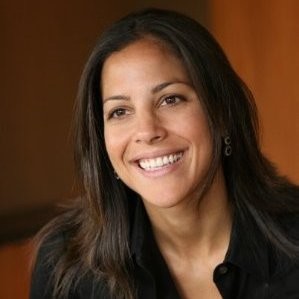
Matias Zorrilla
Harpoon Ventures
Matias brings a rare perspective to early-stage investing: he spent years at Goldman and Bank of America helping late-stage and public companies raise hundreds of millions in capital before joining Harpoon Ventures to focus on pre-seed through Series A. That background gives him a clear-eyed view on what founders get wrong about storytelling and financial positioning. His core thesis on pitch decks is refreshingly simple: he cares about founders and market, and almost nothing else at the early stage. He actively discourages founders from including detailed revenue projections or elaborate TAM slides, arguing that speculative financials can actually work against you because investors will anchor to those numbers later. Instead, he wants to see a narrative arc: what's the problem, why hasn't anyone solved it, and what makes your technology the unlock.
One of his most practical insights is about team slides, which he says are one of the most commonly botched elements of a pitch deck. The mistake he sees constantly is founders listing their name, title, and a few company logos with zero context. He points out that without a brief explanation of what you actually did at those companies, investors will fill in the blanks themselves, and usually not in your favor. He'd rather see a first-time founder with no brand-name experience write two honest sentences about their connection to the problem than see a wall of impressive logos with no substance behind them.
Matias also offers sharp advice on the late stages of fundraising. When a round gets oversubscribed and founders have to make hard choices about their cap table, he urges radical transparency: email each investor individually, explain the situation honestly, and ask if they'd be willing to adjust their check to make room. He warns against the temptation to over-optimize for ownership percentages or valuation at the earliest stages, pointing to the Silicon Valley joke about a founder wishing he'd taken a lower valuation. His parting advice is equally grounded: think of each fundraise not as an isolated event but as one leg of a lifelong capital-raising journey, and give yourself real margin for error on how much money you'll need to hit your next milestone, especially if you're building hardware.
On what actually matters in a pitch deck
On the most common team slide mistake
On what he looks for in a first meeting
On being transparent when your round is oversubscribed
On thinking about fundraising as a lifelong process
Mat Vogels (00:10)
everybody, welcome to another episode of Fundraising where we interview top early stage investors and ask them all the questions that you as a first time fundraising founder want to know about the fundraising process, which as the name implies is actually not very fun, but hopefully after this podcast, after this episode, Mathias can.
maybe give you a little bit less things to worry about. And I have no doubt this is a special one because Mattias is a colleague of mine here at Harpoon. He not only reviews and does a lot of the deal management here at Harpoon, but then is also the front lines for Black Flag, our program within Harpoon. So we have kind of a double whammy as far as the advice and insight that you can provide with the founders today. But.
Matias, I'll let you take it away for just a couple minutes on maybe your background and why you came to Harpoon Ventures, what you were doing before. And actually, maybe before we dive into that, could you give a quick overview? I assume people know who Harpoon is, but give a quick overview of who Harpoon is, what we invest in, average check size, and maybe the stages that we invest in.
Matias Zorrilla (01:19)
Sounds good. Thank you for having me on that. So as a quick recap of harpoon harpoon is an early stage venture capital firm and what we focus on from an investment perspective or what we see as kind of critical technology domains for the United States So how do we invest in technologies that really accelerate? Our strategic capabilities as a country and I think sometimes, you know People might associate that directly with defense and true defense is a huge pillar of what we do But it's certainly not excluded to that and so we invest
AI, know, cyber security, data infrastructure, all the way to kind of the more deep techie realms, energy, manufacturing, robotics, aerospace defense. And so it kind of runs a big spectrum. But a lot of what we like to do is help companies navigate government procurement and really scale with the government as a customer. And so that's kind of the big unlock we try to provide at Harpoon.
Check size typically, I'd say like 250k on the smallest end all the way up to 5 million. And stage, you know, it is a little bit dependent on the stage that the company's raising, but anywhere from pre-seed to series A is kind of the sweet spot for us. In terms of how I got to Harpoon, you know, I think it was one of those like very fortuitous, right place, right time moments. I started my career in banking and a lot of different functions across kind of the capital raising process.
The first was at Goldman and I was covering kind of the debt capital markets. So helping traditionally large public companies think through how to raise debt from institutional investors. I think there was a point where, you know, there's only so much I can learn about setting interest rates on bonds and maybe there was like a greener pasture out there for me. I was very fortunate that one of my friends at the time at Bank of America who was focused on kind of industrial sector
Mat Vogels (02:49)
Hahaha
Matias Zorrilla (03:00)
flagged an opportunity with the bank. One of the things that was happening at the time was Bank of America was trying to rethink its positioning in the banking world and thinking through how do we get exposure to these high growth tech companies that will soon and hopefully one day be the leading public companies out there. And for them, the priority was to engage with companies sooner. And so as a firm, which had not been traditional in the Merrill Lynch
pre-financial crisis, but even after post and really engaging companies earlier in their company life cycle, say like Series C, Series D, and helping them think through their later fundraising, the types of capital that traditionally may have been associated with public investing that have now shifted towards kind of private markets. So think of like your T-Rows or Fidelities that very large public company investors are now kind of sitting in this weird place.
where they wanted to unlock some of the gains and kind of returns associated with these high growth tech companies. And then ultimately, hopefully helping them raise their IPOs or do large scale &A. And so I was on that team specifically focused on kind of deep tech and climate tech sectors. That was kind of the pocket that I sat in and was fortunate to work with some great companies across the board, but some that were harpoon portfolio companies. think the most memorable one to me because
it was the first deal I'd ever done at Bank of America was for Soligen. So they raised the 350 million Serisi. We helped bring on BlackRock, Bailey Gifford, and Timossak, the sovereign fund from Singapore onto the cap table. And really it was amazing to see one, not only how transformative some of these technologies were, but also kind of the influence that they might have in changing what we
Mat Vogels (04:22)
Nice.
Matias Zorrilla (04:46)
what we might associate with kind of very incumbent legacy industries. And so got familiar with the Harpoon team from that experience, ended up joining a few years down the line and was very lucky to join a team that I think beyond anything.
carries a very special mission in the venture capital world. Like I don't think a lot of firms, you know, are able to have some similar value prop in the sense of, you know, how do we really unlock like a different avenue for a startup today? And I think it was like this whole idea of building for the government, building for the country and leveraging government as a partner earlier in the company life cycle, something that we've seen kind of develop over the last few years, but I think it's always been kind of the ethos of Harpoon.
that was something pretty special.
Mat Vogels (05:30)
Yeah, I love it. Another interview that we did earlier this week was with Larsen Jensen, the founder of Harpoon. And we talked a lot about how unique the culture is and what we get to provide for founders, which we'll dive into in the fundraising process for sure. Thank you for that background. think that's helpful for the people going into this. think what's really cool about Harpoon and the background that you bring is a mix between kind of the financial and the banking side, which I think is very important. Founders don't realize
the fundraising process, how important finances can be. And then especially as they get further in the process. So you bring, I think, unique insight on that angle, which is great. Before we dive into the fundraising process, we had questions that founders had essentially nominated and up voted that they wanted VCs to answer. So we'll dive into some of those first. The first being, what is the hardest part and the easiest part, or actually maybe let's say it differently.
What is the part that you like the most about being a VC? And then what are the parts that you maybe like the least about being a VC?
Matias Zorrilla (06:30)
Yeah, I think...
on the most part, it truly is seeing where the world is shifting towards. Before I think I would have ever had experience on it, on the banking side or even, you know, kind of as a public investor and maybe to put like a tangible, you know, case study for that. I remember when we made an investment in Allo Atomics, you know, I think this was still very early on in kind of conversation about what it meant to have real baseload.
capacity for energy generation in a way that is sustainable. There had been a big push, say 2019 era, when climate was a sector that was quite hot in the ecosystem, but I think they were framing it almost in a different lens. was how can we come up with alternatives to traditional fuels and perhaps ones that had a cleaner or greener look to them. And so we went through that cycle and I don't think like nuclear really
Renaissance until the last couple of years work where we saw a big tech kind of put focus on it, but I remember thinking like You know even from like a like a private investor lens. I was like, you know what I like as a byproduct of What I think I see our focus as an ecosystem pushing towards and in this case, it's kind of a a sovereign energy generation solution You know, there's all sorts of implications about like the ecosystem needed to support
that infrastructure. so like, you know, from that vantage point, I was like, maybe it'd be a good idea to invest in a company like GE for Nova, which has historically been a huge supplier of turbines for energy generating assets. And so, you know, if you look at it from today's point of view, maybe over the last couple of years, stock prices like skyrocketed. But I think that's like a very privileged perspective to have had, because I understood what was happening on the ground level with nuclear as
a venture-backed industry. And so think that's like my favorite part. It's just kind of the amazing work founders are doing and kind of the insight it has onto kind of society at RIP large.
I think the hardest part is almost the same thing. We come across hundreds if not thousands of amazing founders every year. And then fortunate reality is like we have a very limited pool of capital that we can invest from. And so what that means is oftentimes we can invest in people we think are great, ideas we think are great, markets we potentially think are great.
And it's that kind of like fine line that we have to walk as kind of trusted fiduciaries for our limited partners. is certainly something that weighs on me. Like if I had my own pocket of money, like I for sure would invest in a lot of founders that, you know, maybe it be hard to invest in as kind of a venture fund.
Mat Vogels (09:05)
Yep, it is. Andrew, another one of our colleagues said that, you know, the same thing, one of the hardest things is that we are spread so thin, we go a mile wide and an inch deep at times. And that can be hard because we can't invest in everybody. We wish we could. Next question that founders wanted to know was whether there was something that you wish founders maybe had a better grasp on as it relates to being a VC, whether it's our own process.
Will we deal through our day to day or anything like that, but kind of a peek behind the curtain, so to speak.
Matias Zorrilla (09:35)
Yeah, I think like, not that it's interpreted this way by founders, but I feel like, you know, sometimes in the cases where VCs have to put on kind of the villain costume and say no to an investment opportunity, like it creates this challenge because like, truly, we might've thought you were a generational founder or a fantastic founder in the ecosystem. Like your idea certainly is novel and we think like the technology you're building is important.
And sometimes like the nose, I feel like it may be interpretation of us dismissing, you know, a belief in their technology or their sector. And sometimes it's not in reality. Like it's just limitations on, you know, how we think about fund deployment, maybe how we're thinking about sectors that we're trying to focus on. It's just there's a bunch of factors that go into our decision making that sometimes it makes it hard to invest in everything that we want to.
so I think one of the things that maybe is misunderstood sometimes is we're not trying to be bad people or we're not trying to be dismissive of you. We're just trying to think through everything that we have to as an investment firm. And hopefully we come to the best decisions at the end of the day for our LPs, but we get it wrong sometimes too.
Mat Vogels (10:48)
Yeah, absolutely. We're not trying to be the bad guys, even though a lot of times we're depicted that way. Next question was, what are some of the areas that you personally maybe are most excited about right now? You talked about some of the things that we're excited about with Harpoon, but is there anything particularly exciting for you right now?
Matias Zorrilla (11:08)
Yeah, and I think for me, it's a similar thread to what I was kind of putting down with GE Vernova. I think over the last, call it handful of years, there has been a big focus on like...
How do we get more domestic critical mineral discovery? How do we get more US energy generation capacity? But I think like the solutions that are building towards that one are very much necessary. Like we just need better technologies to solve fundamentally hard problems. But I think the challenge comes that we'll see like given a lot of these are very long dated ideas and deployments. Like we haven't yet seen kind of the implications for surrounding
technologies and infrastructure we need to support that as well. And so, you know, I think it'd be very cool to see more advances in like...
energy transmission, thinking about end of life cycle products for things like nuclear, whether it's kind of waste recycling or waste disposal, know, things like how can we rethink EPC companies for like this AI native era that we're also seeing in parallel to kind of the boom and deep tech and defense tech. You know, how are we thinking about what has traditionally been done that have been historical limiters to deployment for a lot of these things and finding solutions
to kind of accelerate that for today's era.
Mat Vogels (12:37)
I like
that. And I think it's just a space, obviously, it's going to continue to grow and be exciting for the next handful of years. Our last question before we dive into the fundraising process itself. This one's kind of a moment for you to shine some light on Harpoon. Why would founders want Harpoon on their cap table? What's kind of the pitch for Harpoon to founders that are fundraising right now?
Matias Zorrilla (13:01)
I truly believe this with a bond in my heart and I guess you could say I'm biased, but I don't know a team that will work as hard as we do to really unlock what we think are primary values. I think we have built a tremendous track record in being able to get government contracts or at least put you in position to maximize your odds of getting some type of grant, award, some type of congressional appropriation. That is a lot of expertise.
Mat Vogels (13:06)
Yep.
Matias Zorrilla (13:31)
of the team that is beyond me, I can't take personal credit for it. But I think these are folks that have...
built their entire careers around relationships and working with the government. They have a vested interest in supporting the government. And I think that is a very transparent, even in the overall dollar figure, I think today it's a little bit under 1.2 billion that we've helped founders in our portfolio get from a government revenue perspective. And I think like...
You know, maybe it's not as discussed as much, but I think like the things, you know, you do Matt for through black flag through kind of just ongoing marketing is also extremely valuable. Like one of the things that I've learned more and more through this experience and venture is how powerful like storytelling as a function within the, within the venture backed company life cycle is like. There is so much that the technology alone can speak for. If you don't have the right way to message it to different counterparties, whether it's a government investors.
know, partners, customers, like that is a critical piece to the success of a startup. And I think like there are so many initiatives that you're working on that is really helping to accelerate that for companies in our domains.
Mat Vogels (14:45)
That's a good answer. I love it. And I'm biased as well, but I agree that I don't think any fund out there works as hard as we do for the founders that we invest in. So completely agree there. Okay. Now for what, what people are here for the actual fundraising process, we're going to break it up into three different parts. The first is how do founders go from, I have an idea. want to fundraise to that first meeting. So getting the first meeting is the first phase phase two. They have that meeting.
How do they crush it? How do they knock it out of the park? How do they make a good impression so that the conversations can keep going? Step three, you've had a lot of first conversations. Now it's just kind of herding cats and then pushing around over the finish line. We'll talk about the diligence process and what it means to maybe have people on your cap table or nots and making some of those hard decisions later on. We'll then have a couple of questions on some of the things that you see founders do after they fundraise. And then we'll go from there. So starting with
getting in the room. Typically what we see founders do is they create a Rolodex, a CRM, a list of funds that they want to reach out to. So the question for you is what would you recommend founders index on characteristics of these funds or people that they should be looking for when making that initial list of funds they should reach out to?
Matias Zorrilla (15:59)
Yeah, I think it's very important actually to think about who actually is a strategic partner for how you want to run this company. think having a broad level sense of like,
the attributes you're looking for a partner and they might not be different in every single partner you want to bring onto a round. And so maybe there's a function for a fund that specializes in marketing because to you, like again, like maybe you don't have that native background, you want help in that area. Maybe it's somebody like Harpoon where we can really accelerate you on the government side. And so just to get through like what are the actual the priority areas where like as a founder, maybe not weak areas in your kind of toolkit,
but areas that you feel like you can have support in, I think that's an important thing. I think like some of that conversation can be done through research online. I'm sure there's a lot of AI tools these days that are kind of working towards helping with that. I think both on our side, but on your side, on founder's side as well, like tapping into your friends that you trust, that you have seen go through the venture fundraising process and getting their take on who they have as trust partners is extremely valuable.
And honestly, from the venture side, it's also great for us because when we invest in a founder, we've already gone through the process of vetting them as an investment and as an investable person. And so when we get references from founders, we take that very seriously.
Mat Vogels (17:24)
Yeah, the references from founders is huge. this is kind of another piece that our colleague Andrew said that your fundraising process really starts like months before. And it's trying to build those relationships. Any advice or tips for folks that are needing to build some of these relationships first before they can actually rely on some of them for warm intros.
Any advice for some of them on how they could be doing? Is it going to events? Is it somehow joining some of these networks? Or what advice would you give them on how they could start building that network now?
Matias Zorrilla (17:55)
Yeah, I think events are helpful. think, candidly, or maybe from my perspective, events are great as kind of a baseline level of introduction to somebody, but it's hard to make meaningful relationships just off of an event, in my view. ⁓
Mat Vogels (18:12)
I agree, especially if it's
just one off, you meet somebody and then that's it, yeah.
Matias Zorrilla (18:15)
Yeah, I think, know, again, to the extent that you can ask for, I know there's always toss around, but warm intros to firms or, you know, to groups. That's always a great way to get tapped into the ecosystem. You know, hopefully you can build a good relationship even months before you form the raise a process. And if you do with invest, like if there's certain investors that you start to get really good repertoire with, know, VCs, like that is the name of the game is just kind of networking and sharing. And so I'm sure a lot of
these firms are open to kind of...
Introducing you to some of their their partners that they've worked in the past from a venture perspective So I think like just finding points of connection whether it's through founder friends whether you know somebody in a venture firm as kind of like a beachhead and then leveraging those relationships to expand to people that they know and that they've heard of from a reputational perspective is Is kind of always the best way to go I also like personally really appreciate cold cold emails and cold linkedins. I know not not everyone is
Mat Vogels (19:12)
I was just gonna ask that,
Matias Zorrilla (19:15)
fan
of them, but you know honestly when I was starting off adventure like that was my biggest toolkit I didn't have a network and so sometimes like Yeah, a lot of it like wasn't even cold calling or cold emailing to founders It was other VCs because I wanted to just start building reputation with firms that I had known over and heard of So that at some point maybe we could be partners on a deal or they could share something with regards to a deal It's always kind of beneficial in the long
Mat Vogels (19:43)
Yeah, so let's say that they're reaching out to you cold. What are some of the things that they can do in that email or in that message that you're looking for to stand out? Because as we see as we get hundreds of emails per month that are like, look at my startup. What are some things for you personally that can help grab your attention and even before you open the deck?
Matias Zorrilla (20:03)
Yeah, I think like a couple things here, like.
You know, one, as VC, especially on the kind of lean team like Harpoon, we're always context switching and doing different things and different tasks. so, an extent, you can keep it relatively succinct. That is always generally a helpful framework. You don't want something that is like, I don't know, 10 paragraphs long. In reality, I don't know if I'll read it. I think the second thing is, it's very clear when, as a receiver, something was kind of mass emailed.
mass distributed. There's kind some telltale times, like maybe you've got like a couple emojis with these bullet points and it's very framed as like a generic email that you sent to a bunch of people. I think to that extent, the more you could personalize it, actually, Andrew on our team shared this tip and trick with me, just generally about dealing with people in the ecosystem. like, say you had met somebody at an event, ask them for a photo because you never know, maybe you need to reach out to that person later and you could attach it to the email and
Mat Vogels (20:59)
That is so smart.
Matias Zorrilla (21:01)
and be like, hey, I don't know if you remember me, but we met a couple of months ago, we talked about what I was doing, and you said to reach out down the line. find points of connection, even if you had never met a certain person that you're cold emailing. Maybe do a look on their LinkedIn, or just a search on their venture firm's website.
See what their interests in, maybe see what something in their past from a work perspective or whatever and see if there's a mutual connection that you have through those different things. so I think anything you can do to slightly tailor it to the person that you're reaching out to will go along.
Mat Vogels (21:41)
Yeah. Yep. Agreed. So there's probably no better person to talk to or it may be fun to talk to. And when he was maybe YC or some of these larger accelerators, but we see a lot of pitch decks, a lot of pitch decks we through Harpoon and Harpoon, mentioned, know, we might get some introductions or warm intros there, but on the black flag side, we get a lot of cold pitches. Essentially people are submitting their pitch decks directly to us. So maybe you better than, most people in venture.
have the perspective of what it means to have a compelling pitch deck. So I guess let's start with that. What in your mind is or makes a compelling pitch deck just right off the bat?
Matias Zorrilla (22:22)
Yeah, think fundamentally, and this has shifted a lot in my perspective over the last couple of years, but for me, there's namely two things I look for. It's founders and market. And so from a pitch deck perspective, it's like...
from the founder side, it's not even necessarily like, here's our two pictures and all the logos of the companies we worked at. I think it's helpful as like a quick reference of like, oh, maybe this person has an expertise, but I always like to see like a little bit of me in a pitch deck about like what a person was doing. Maybe it lends to their expertise. Maybe your academic researcher did a PhD in this area. Maybe you worked at a company that is kind of pushing the frontier of a similar domain. I think that's helpful too.
Or perhaps it's that you had kind of like an insight as a founder that you don't feel like traditional industry has kind of seen. So I think like that's helpful from a founder perspective. And I think on the market side, I think what I don't mean by this is just having like a slide with TAM numbers. Like I think, you know, the assumption is always hopefully that the market you're going for is large or that your solution can make it large. But kind of going back to like this insight point on the founder side, like
As with everything in fundraising, it's a story time. I want to understand what is the fundamental problem or bottleneck that you saw? Why is it that no one is addressing this in an effective way? And I want to see what is it with this technology that you're building that is such a fundamental unlock or game changer to address that issue? And so it's a little bit of the narrative arc of can I believe that
those three pieces are true at one point in time. Yeah.
Mat Vogels (24:13)
I like that. mentioned, mean, team being, I mean, one of the more common slides of people saying that's the most important one or one of the most important ones. In your mind, what can founders do to make their team slide stand out? And even then, what are some mistakes that you see often with team slides too?
Matias Zorrilla (24:29)
Yeah, with team slides, in my view, the biggest mistake is having, and I see this all the time too, even sometimes with portfolio companies, having just your image, your name, and your title, and then two or three logos of places that you worked at. It might be, again, it is, okay, directionally, does tell us some sense of your work experience or your background, but I feel like you're leaving
so much on the table. there's only so much I can gather from a logo and maybe, you know, sometimes it's the case where like you'll see all those logos. You're like, wow. Those are amazing companies, candidly. But then you go on somebody's LinkedIn and it's like, you know, I was an intern there for three months and it's across the board and like, well, that's a little bit misleading to be honest, in my opinion. So, so even if it's not like, even if you're coming at this, you know, first time founder, maybe you don't even have work experience, like including like a little blur.
Mat Vogels (25:05)
.
Matias Zorrilla (25:23)
about like...
what your connection to this problem is, like what the authenticity is and why you're addressing this issue. And again, like maybe that is like, maybe that is your background. Maybe it's like you live this problem. And so maybe you can write a couple of sentences, like I worked at SpaceX on this specific issue within the rocket supply chain. And it was a huge ball, yada, yada, yada. But I think having like a little bit of that context kind of feeds into,
understands what the problem is that they're addressing and why they're doing it.
Mat Vogels (26:00)
Yeah, I mean, you brought up a point earlier that I've heard from a lot of VCs on this is that when you omit information, VCs will almost always now assume not the worst, but you gave the example of seeing like a Tesla logo or SpaceX logo. If you don't tell us what you did there, we see that so often that people put stuff like that. And then sure enough, they were just an intern there for like a week or a day or a summer, or maybe they just did some little small stint there for six months and they didn't actually do anything there.
Because that happens so much, when we don't see contexts, if you do omit it, we will just kind of assume that it's for a specific reason. And you shouldn't do that. Unless you really wanna make sure you're putting your best foot forward there whenever you can. Because we see so many of these, we will sometimes assume the narrative for you, which isn't in your best interest at all. Any other slides, you mentioned mission and team.
any other slides in there or something that maybe a pitch deck needs to have in your opinion that you see is constantly left out or anything like that.
Matias Zorrilla (27:00)
Not necessarily that left out. Again, I think it's important to show, it's not like a single slide per se, but that narrative arc of high level problem issues with market solution in a way that very cleanly tells a story.
We see sometimes that like, you know, I don't, I don't take it in a positive or negative way per se, but sometimes I feel like it's not necessarily needed, especially the more hardware intensive you go is kind of like, at the early stages, it's kind of like your expectations for revenue. And again, like Tam, I think like these things are great in theory, but like, they're so, they're so subject to change. I think like sometimes it actually is like, almost goes against your favor because I can look
back into the deck and say, if we invest in you and not that I'm holding you accountable to those numbers, but like it's at least like a frame of reference for like what inferior you could be benchmarking to. I feel like that actually might, might hurt to some extent in the longterm. But again, it's not like I'm actively like looking for, for those things. It's just like, like I thought you had said that you were going to hit five million in revenue by, you know, X year, but you're only a one. So, so, you know, I think it's.
like maybe to your benefit as you know a very early stage founder to just focus on you know the things that you're in control of right now and maybe not include things that are as speculative.
Mat Vogels (28:28)
Yeah, maybe. mean, if you go and show us a little bit, like we know that you've thought about it. Sometimes that's all we need. But if you spend almost too much time in it, to your point, we might actually not hold you accountable. But we almost look at that as more of a wow, OK. You know, you're going to get five million, two hundred eighty three thousand dollars in revenue down to the decimal. So so I agree that there's a there's a fine line there for sure. Any mistakes that you see founders make just in the pre
meeting phase in general before we jump into the actual meeting itself.
Matias Zorrilla (29:00)
That's a good question. From the pre-meeting phase, not really. There's never been something that triggered me that was like, okay, he did this before a meeting, absolutely not gonna meet him anymore. This is a major red flag.
Mat Vogels (29:13)
Yeah.
Matias Zorrilla (29:15)
I guess it's not necessarily in the action of what you might send in an email or correspondence. I think sometimes, well one, I think it's always helpful to shoot around a deck before you have that meeting, just to give the VC a little bit of context on what you're doing. Maybe it's like a teaser deck so it's not taking away the script that you're gonna speak to. But again, I think like...
One thing that could be a red flag in my mind is if you set that deck and there's just a huge misrepresentation of something you put in there that from a factual perspective is factually wrong. To some extent, the things we were talking about, like...
Logos on the team slide like if that is like completely, you know Maybe an exaggerate. Yeah misleading is probably best word like that is like a red flag to consider but you know again, I don't think that's like necessarily a Go-no-go consideration on taking taking the meeting
Mat Vogels (30:01)
misleading. Yeah.
Yeah. All right. We'll say that they've they've impressed you enough. They have a meeting on the books. They're meeting you for the first time. What are you looking for in that initial meeting? 30 minutes or so. You're meeting the founder for the first time. What are you looking for in that meeting to give these founders some perspective?
Matias Zorrilla (30:32)
Honestly, it's a little bit of...
This is a little bit weird to talk about because I think it is like it goes into like some of the softer, harder to kind of pinpoint exactly. But I think it blends both into like authenticity and attitude. Like I think sometimes it's very, it's hard to find yourself like personally motivated to, you know, want to present a company to, know, your investment committee or your team. If you don't feel like there's a reciprocating enthusiasm from the founder in, in, you know,
what they presented. Sometimes this happens where like, you know, I think the technology is very cool, but I just like, it's, I don't get the sense that like the founder was really trying hard to sell me onto this vision of what this company can be. And that really is like a lot of, you know, what we try to do or what we try to invest in.
And I think like to that point too, and maybe this bleeds into your attitude towards it, like really like the heart of wanting to build this. Like it's very clear when somebody is like so passionate about what they want to build, about like their purpose to build.
And it really does bleed through the conversations you have. It's hard to describe exactly, but you know it when you see it. And so I think it's important that whatever you're doing, you truly feel like it's something worthwhile your time and your effort and the sacrifice that you make as a founder in building your company.
which I'm sure is kind of true across the board, but I think having a true passion for it is important.
Mat Vogels (31:56)
Yeah, you just brought up a really good point that we should kind of double click on here. The first meetings are sometimes going to be with maybe one person on the team, one person on the, in the investment team. And if you aren't motivating us or selling us to then take that to the rest of our team, because what ends up happening, it's like carrying a bucket of water. You're going to fill up our bucket of water. We got to go carry it to somebody else and show them it's inevitably going to spill. If you don't fill up our bucket, you know, full enough, it's not going to be enough to convince the rest of the team.
to do this, so much of that first meeting is giving maybe the one person that you're talking to on the team enough ammunition to then take it. And we talk about internally a lot, pounding our hands on the table to move a deal forward, because sometimes that's what it takes, because there's so many deals that we're maybe talking about. So you're exactly right on trying to motivate us or give us energy to then carry that forward as well.
What are some of the green flags? So you mentioned, you know, having that energy in there. there other green flags or traits that founders carry in those meetings that they get you excited?
Matias Zorrilla (33:00)
Yeah, think like this is almost like paradoxical, but I think like at some point again, and this is kind of goes towards like demonstrating, you know, maybe your passion or not. So maybe it's like a representation of that, but.
Being able to distill what inevitably will be a very complex subject, whether it's software or hardware, a way that we can understand, and Harpoon is a relatively generalist firm from an industry perspective, it's also very clear when you know so much about the work you're doing and about the product that you're building, that it's so easy to describe and kind of like,
relate from an explanation perspective. What you might be working on, you could probably explain it to a scientist in very precise terms, but also being able to translate that to investor talks at times. ⁓ It's a valuable skill, but it's also, I think, is a good representation of where are the founders at?
Mat Vogels (33:58)
Yeah.
Yeah. So maybe a different way of thinking about this too is are the opposites of that red flags or are there additional things that maybe founders can do in that meeting that are a huge turnoff? You're thinking, you know, I cannot, can't invest into this person. What are some of the things that founders can avoid on these initial conversations besides maybe just the lack of energy or the lack of knowledge or are those the only two things?
Matias Zorrilla (34:30)
I and this goes back to the whole point of storytelling and the conversation you're having with the investor. ⁓ Maybe this is just my preference too, but I think sometimes when...
Mat Vogels (34:39)
Mm-hmm.
That's great.
Matias Zorrilla (34:49)
you're going through your first fundraising cycle, like maybe there's, you know, this idea that, you know, you kind of have to have a script, you have made your pitch deck, you need to like run through it and give kind of the same conversation. I think like being able to have like an open engagement dialogue, like a very dynamic conversation is interesting. Like sometimes like...
I get lost a little bit when it's just like somebody reading a deck for 30 minutes straight. And maybe that's maybe speaks to my own attention. But, you know, I think being open and like having a very kind of, I don't know, natural discourse about, you know, the problems you're seeing in the world about, you know, your view on what needs to be fixed. Like that, that is like the interesting meat. And we can read through the slides if we need to after the call.
And so maybe that's one thing to kind of avoid in my mind.
Mat Vogels (35:39)
A couple of fast questions here that founders were just curious about going into these. What is your opinion on multiple founders being on the call versus maybe just the CEO?
Matias Zorrilla (35:50)
I think it's very dependent. even I can see within our own portfolio, like sometimes the CTO or, you know, the COO has a lot to add from like a storytelling perspective too. Like I think the, a great point of case is, is kind of Matt and Yasser at Allo. Like I think they're both exceptional at being able to sell the story of why Allo is a valuable company. And I think Matt,
One, he's kind of a fantastic salesman in general, but I think Yoster is so fluent in the technology side of things that it helps having that and giving you the assurance that there's a little bit of a tech de-risking that you can talk through. And so there are cases where it makes maybe sense to have both co-founders on. That being said, I don't think it's always the case. Sometimes you may feel like you just need to have somebody else on to showcase the team.
If you feel like you have control of being able to shed light on the company in the best possible way, I don't think you necessarily need your co-founders there.
Mat Vogels (36:51)
Yeah, okay. Another question was, what does the pitch deck look like? Is it just walking through a pitch deck the whole time? What is your preference on whether you want to be read to, or do you prefer not to have a pitch deck, or what does that balance look like to you on that first meeting?
Matias Zorrilla (37:07)
Like I think pitch decks can be helpful if you think that there's certain parts of it that illustrate what you're saying in a way like that it's hard to verbalize. Like that is helpful. Like maybe there's a chart or diagram or whatever in there.
Mat Vogels (37:20)
Mm-hmm.
Matias Zorrilla (37:21)
And so the same extent, like demos oftentimes are very, very cool to see because then we can see like in a quasi real world setting, you know, how does the system function or how does your technology work? So demos videos. but I certainly wouldn't like lean on the deck as like the focal point of, of the meeting.
Mat Vogels (37:41)
Agreed.
Where are some of the questions that founders should maybe ask VCs during that first meeting? Or do you have any opinion on whether they should be asking questions at all? Not because we want to see them ask it as like a positive characteristic or check mark, but more because it is important for founders to take ownership of this process. What are some of those questions that when founders ask you, you think are helpful for the fundraising process itself?
Matias Zorrilla (38:10)
Yeah, I mean, I totally think founders should be asking questions like the relationship you build with the VC like this is a relationship you're gonna be having for, you know, maybe seven, 10, 12 years. And so, especially at the early stage, and especially when you're starting off, you know,
Maybe there's a group of like two, three investors that you're really going to on a, you know, whatever day to day, week to week, month by month basis to have kind of their perspective on what you should be doing with your company. And so think it's very important that you understand like who you're getting into that, that relationship with, like what that firm or what are the values of that firm? What are the things that they may be able to help in the near or long term?
And fundamentally, are these people that I feel like I can have that relationship over the years? You don't want to get stuck with investors that may not have your best interests at heart, and maybe to some extent malicious at some point of your journey if things don't go their way. And so I think it's important that you kind of suss these things out naturally through the conversations that you have.
Mat Vogels (39:17)
Yeah, agreed. Any other feedback or advice you give founders from this phase of the process, those initial meetings phases?
Matias Zorrilla (39:25)
Nothing else right now like I actually I will say You know obviously like there is always a little bit of a mental game being played in the fundraising process and so to some extent like I Don't want to say play games for the sake of playing games with like I think just be cognizant that there are things that investors may see as signals
of a successful raise of a not successful raise that that sometimes are in your control and sometimes not. And so like, feel like the one of the things we talk about sometimes is like sometimes feeling too needed during the process or like you're always the one that is being proactive about reaching out versus like the VC. Like that might be in some extent like interpreted as like you needing the money more than you know, necessarily we want to be giving the money. And so it creates like this a little bit of a weird dynamic
Mat Vogels (40:00)
Mmm.
Matias Zorrilla (40:16)
And so again, I think just being like, cognizant of fact that some of these things are running through an investor's mind at some point in process is kind of like something to keep in thought.
Mat Vogels (40:26)
Yeah. that's a, I that plays a big role into kind of this final phase of you're developing FOMO and you're really trying to get investors kind of interested, but you're right. There's a fine line between wanting to keep them interested, but then also come off as being maybe overly needy. And that's not something that you want to want to build there. Our colleague, Andrew again, kind of mentioned this phase being like, how do you become the most attractive girl or guy at the dance? Like, how do you just end up stealing attention away?
which can be hard to do and it's definitely a balance. But going into, maybe we take a step back, the phase that happens typically right after that first call. Let's say they have a good call with you. What does that process look like at Harpoon, let's say, for getting it through the entire process? What do the meetings look like? What does the diligence process look like from there?
Matias Zorrilla (41:15)
Yeah, I, a process perspective after the first call, you know, I think, uh, we're very fortunate to have such a cohesive team. so, you know, we, we run pretty nimble and we can run fast depending on, you know, the situation that the founder is facing. But typically what it'll look like maybe holistically four or five meetings with the team. Uh, we'll, bring on, um, more team members as you go through the process, we'll loop in our government team at some point to.
So they can start forming ideas about you where do they see opportunity on the government side and how they can be additive as a partner to you but from like a diligence perspective on our end, yeah I think it's a mix of things like of course, there's a traditional research I think oftentimes in like domains that are maybe a little bit beyond kind of the background of our team like we'll reach out to subject matter experts that we know of in our ecosystem Get their views speak to other venture capital firms that we trust and that we've partnered with and get their
perspective and so to that extent too like this this is kind of touching on what what not to do and kind of like the misrepresentations that happen during a fundraise but like for sure I would caution against you know making claims about how engaged certain VCs are or you know the fact that you know you almost have certainty that a certain VC is going to be in the round because like it is a small community at the end of the day like at some point somebody in the
knows perhaps somebody at that firm and so it's always like one text or one phone call away where we can verify whether that's true and if it's not true that you know that's obviously not a good sign.
Mat Vogels (42:47)
yeah.
And it happens a
lot. It happens a lot. It's not, you know, very, you know, super common, but common enough to where we see it quite often.
And I think the problem with it is that sometimes founders get overly excited about the feedback they've gotten from other investors. So we see this too, or maybe an investor's like, we're really excited. Maybe Friday we can think about, you know, term sheets and contract stuff. A founder hears that they take it to another VC to be like, we're getting a term sheet on Friday from X, Y, and Z fund. And then we'll be like, okay, great. We reach out to them and the funds like, no, we never, we never said that. So there's this weird game of telephone that happens kind of during that phase where
This is more just feedback for founders to be very specific and sometimes understand that even on the VC side, we may come off as feeling overly excited or more excited than maybe we plan on being or can be. And so you just have to be careful. So it's not always on the founder's side of being like, sometimes they do feel like a VC might've said something, but there was slightly misinterpreted there.
Matias Zorrilla (43:56)
Yeah, exactly.
Mat Vogels (43:57)
So sometimes we see during this phase founders get to a point where they have to make a hard decision. It sounds like a nice problem to have, but they might be, I call it slightly oversubscribed where they have like one or two checks that they kind of have to either go back to an investor and push them down. Sometimes you have to take an investor off completely to make room for a new investor. And then other times you're kind of making maybe a decision between a handful of investors to move on to your cap table.
Matias Zorrilla (44:07)
Sure.
Mat Vogels (44:22)
The question is around what advice would you give those founders in making the best choice that they can? It's such a hard thing because you might have only known these people for like three weeks and you're kind of making these lifelong bets with them. But what are some of the things that you should or the founders should index on when making that selection of who to keep on their cap table and maybe who to keep off?
Matias Zorrilla (44:43)
Yeah, and my response will kind of go on a slight tangent, at the end of the day, I don't know if I have the best advice on who they should be choosing. I think ultimately it's a little bit of their discretion on what they feel that venture firm brings to the table. I think probably where I have better advice on is how they should go about it. We have certainly been in situations at Harpoon where...
Maybe there is like...
this per perception that we formed that we're going to be involved in the round to some extent or another, whether it's kind of like the check size we wanted or not. And then we get kind of like, somebody may leverage our, our offer to then go to another VC and kind of, you know, flip, flip what we would have invested and get somebody else's attention. think the biggest advice I can give is like, be transparent with all the partners that you're seriously considering. And so if, know, if you have a firm,
Mat Vogels (45:29)
Yeah, all the time.
Matias Zorrilla (45:43)
that's leading locked in and there's three other firms that want to follow on but maybe like you know only really allocated space for what would have been two of them.
I shooting each an individual email saying, like, look, this is a situation I'm in. I'd ideally love to have X, Y, and Z all on my cap table. Is there any chance you would be able to willing to reduce your check? Um, take slightly a little bit less ownership so that I can have all of you guys. think all of you would be fantastic partners in your own way. And I'd love to have you all in my cat. I think like that level of transparency kind of gives us the feeling that like you actually are thinking of like the best
interest not only for yourself but of like the partners involved like it builds like a level of trust in like the things you're telling us I think that that is like super valuable
Mat Vogels (46:33)
Yeah, I agree. And it's all about trust, over-communicating as best as you can to try to keep things moving through. Are there any other common mistakes you see founders making during this process, whether it's building up at the cap table, doing the final round of interviews or chats with VCs, anything founders should be weary of during this phase?
Matias Zorrilla (46:52)
I think...
Especially in situations where like there is maybe hotness to the round for lack of better words.
Mat Vogels (46:58)
Yeah.
Matias Zorrilla (46:59)
You may be tempted as a founder to always take what is most favorable to you, but I think it's helpful, I mean, it's hard because obviously this is your life's work and this is what you're giving everything to. But in a very simplified, short way of saying it, sometimes it's helpful to take a step back and not think so myopically about the small nuances of I'm giving up.
18 % ownership versus 19 with this term sheet. Like I really do think you have to think about it from like, what is the long-term value of this partnership and how do I optimize for that here?
And I think like, yeah, again, it is like, I'm not gonna lie, it's a challenging thing because like, of course, like it may be in your interest to have more ownership, not just in this round, but for future rounds for dilution for your employees. But I think really giving, you know, a strong consideration of everything at the table, not just, you know, the percentage amount of the dollar amount is sometimes things you have to think about. You know, there's like that great clip from Silicon Valley where, or Richard, the CEO of
Vyper is talking to his friend who started up one bad and he's like, know, if I just hadn't taken that term sheet that like overvalued my company, like I would have, I feel like I would have been so much successful on Richard's. I wanted to just ask for the last. And he's like, I could have asked for less. I could have asked for lower valuation. Yeah. Is it, you do that? You know, it's true on the valuation side to like mitigate against overvaluation, but I think it's just true in general that like
Mat Vogels (48:25)
You could do that? Yeah.
Matias Zorrilla (48:35)
know what you're optimizing for and sometimes like, you know, specific nuances in ownership or dollar isn't necessarily that the strongest indicator of what you should be optimizing for, but maybe it is.
Mat Vogels (48:46)
Yeah,
well, especially in this very, we're assuming in this case, it's like the very first round as well. So when you're this early, especially trying to either vastly inflate evaluation or even trying to keep it really low for dilution purposes or whatnot, in the grand scheme of things, if you believe your business is going to be massively successful, it doesn't matter as much as you might think in those very, very early days. So completely agree.
All right, let's say that they've closed their round. There's five minutes of celebrating and then kind of reality sets in and they got to get back to work. There's a couple of questions kind of in this phase I'm curious about from you. The first is, could you set maybe an expectation bar for how founders should think about their relationships with investors going forward after that? Any advice or feedback there?
Matias Zorrilla (49:36)
Yeah, I have always been a proponent of having good communication with your investors. Like the reality is like, you know, we know for sure as a founder, you're giving everything to your company and maybe like it doesn't seem like the priority is always to give your investors updates. And so, you know, I know there's a little bit of a balancing act to do there like
of building your own company versus just posting investors on probation. But think having a somewhat healthy cadence of updates, not only it feels good from an investor's perspective, it also just...
I think gives good signal as to the trajectory of the company. This is probably more important as you think about follow on raises too and getting prorata from your inside base.
These investor updates to some extent are like a continuation of fundraising in the sense that like, course you don't want to be omitting information that is like materially good or bad for the company. But I think like you can frame certain updates in a way that really shows like the progress you're making at a company. Of course, we know there's going to be hiccups and lowlights, but like it also is an opportunity for you to like really show like how much the team is putting into, you know, build this company. And I think like that makes the conversation
a lot easier internally for VCs when they're like, oh, they're raising more money. Look at everything they've done. Look at everything they've done in the past 12 months. And so it's just building a case. But I also think it's a good from just a general relationship keeping perspective. VCs want to help. If there's things you need help with, maybe that's a good reason to reach out and put what your asks are from investors. And maybe they can help to some extent in a way that you didn't maybe imagine.
But also it goes towards this idea of building trust with your investment. They want to be, well maybe some more than us, but they want to feel a part of your journey and we want to hopefully be helpful in your journey. And we can't do that if you don't necessarily give the time to be able to share with us.
Mat Vogels (51:39)
Help. Yeah,
no, absolutely. What are some of the biggest mistakes that you see founders make perhaps immediately after closing the round? Let's call it the first six months maybe after they close their round.
Matias Zorrilla (51:51)
I think like one is,
fundamentally like run your own race. I think like we're in this interesting position today where we maybe have seen technology and investment and new startup formation in physical realms or at least technologies supporting like the physical world expand at such an exuberant pace compared to maybe the 2000s.
And I think that has come with it like a certain level of competition in domains that like we hadn't traditionally seen. Like if you go back, you know, I mean even today like you look at a company that we invested in like Estranis, like there's not really that many companies like
building modular satellites for high orbits, but you do see like hundreds of companies building for drones today. And I don't think that necessarily was a common thing back then. And sometimes, you know, sometimes I see founders like both on the fundraising side and just in a general company building side, like get into this race with each other where like you're seeing your closest competitor, you know, achieve X, Y, Z. Maybe they just announced.
a $15 million fundraise, maybe they just expanded their headcount by 50 and it almost gives like, know, fairly enough, you're a competitive person as a founder, like it gives you this like drive to match that, but it may not necessarily like make sense for your business case. And so I think it's always important to just like always have that in mind that like
This is fundamentally your company. You're not like there's like, there's a quote I had heard the other day that there's something along the lines of like, be yourself because like everyone else has taken. And it's like the same in the venture world. It's like run your own race. Don't let the noise of the outside world.
Mat Vogels (53:37)
Exactly.
Matias Zorrilla (53:43)
gets you. So I think that's probably a couple things in there embedded that are quite important.
Mat Vogels (53:52)
Yep. Matias, this was awesome. We covered a lot of information in less than an hour. Any last piece of advice you give to founders that are going out right now to fundraise before we hop off?
Matias Zorrilla (54:05)
Yeah, I think the last thing I'd probably say, know, fundraising is hard. It just is. Like, it's not fun, as you said earlier,
Mat Vogels (54:15)
Yep.
Matias Zorrilla (54:16)
and that shows through and, I think too, like from, this is maybe more of like a tactical response, but
especially as like this new wave of kind of again like maybe this is more leaning towards physical technologies as well, but really think about Think of like fun like if you think about fundraising is like this sequential thing that essentially never ends as a company like even once you're a public company you have to raise your IPO which is in and of itself another fundraising round then you have to raise, you know follow on Financing through the public markets
You know, these things will always stay. And so don't just think of like the fundraise as an isolated case. And really do you think about like the money and the capital you're trying to raise in terms of like what it means to get to this next goal? I think like a lot of like young founders have great ideas and a good sense of like the product they want to build, but building anything, but building hardware too is very hard.
And so like give yourself some margin of error. Know like in a very like in a very thoughtful way, like think about what you can actually achieve in like a stated timeframe. And just ensure that like you have the appropriate amount of capital to actually get there. Like one thing I've seen a lot in like the physical world right now from a company perspective is like, I think people have underestimated like
how much capital necessarily will be needed to get to point, from point A to point B. And so we see a lot of like these, know, bridge rounds for lack of a better word. And not that there's anything inherently wrong with them, but I think like sometimes it is the perception that like you need it because the company like it just needs it to survive.
And so I think just like really thinking through it at that point in time, like what it means for that fundraise and like how long that gets you is always important as you plan your fundraise.
Mat Vogels (56:07)
Yep.
That's a great way to end it. Thank you again for being on today. I think that there was a lot of founders that are gonna find this very helpful. Any last places where folks can follow along with you with Black Flag and Harpoon, obviously we'll include some links in the show notes as well.
Matias Zorrilla (56:24)
Yeah, mean for sure follow Black Flag Harpoon on LinkedIn, on X. I'm Matias Zaria, so that's my LinkedIn. And I think across the Harpoon team, we always try to be active on our socials, so always great content coming out of there.
Mat Vogels (56:41)
thank you again for being on and we'll chat again soon. Bye.
Matias Zorrilla (56:45)
Thanks for the time,




















.svg)














.jpeg)