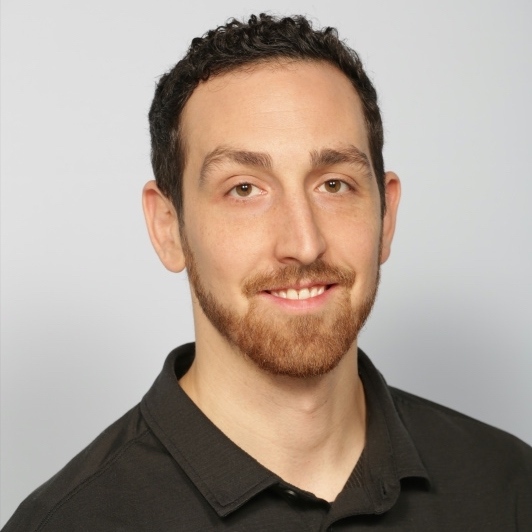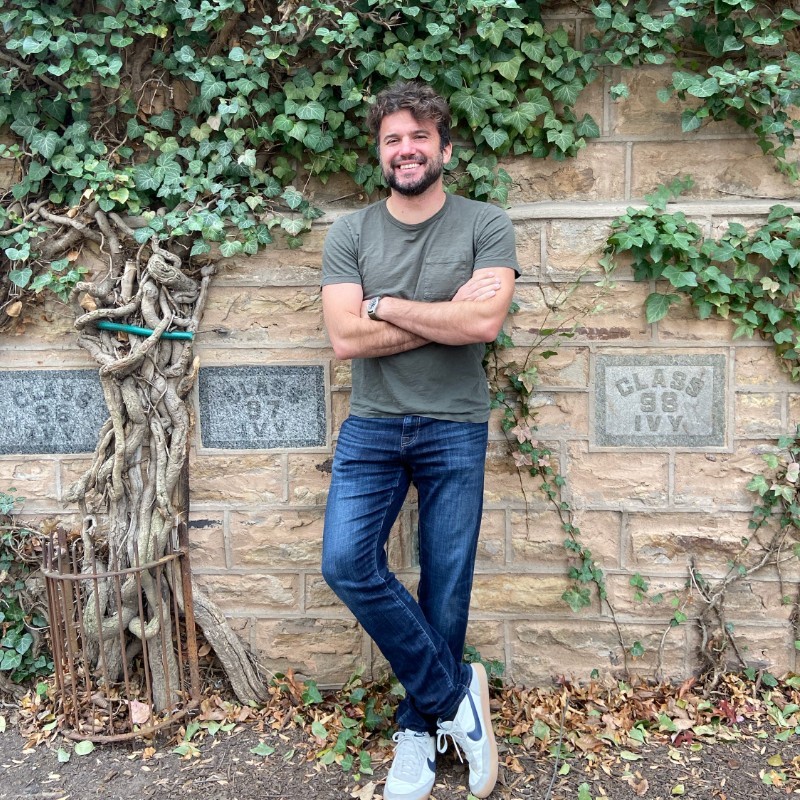
Kenan Saleh
a16z
Kenan brings a perspective that's rare even among founder-turned-investors: he's sitting inside one of the most visible early-stage programs in venture (Speedrun sees 20,000+ applications per cohort) while being only about six months into his role at a16z. That freshness means his advice isn't abstract or ten years removed from the founder experience. He sold his first company, Halo, to Lyft, got exposed to a16z through Ben Horowitz's board seat, and went back to building before eventually crossing over to the investor side. His advice is practical and grounded in what he's watching founders do right now, in real time, through the Speedrun program.
One of the most counterintuitive takeaways from this conversation is Kenan's stance on pitch decks. He argues that most investors barely look at the deck before a first meeting. They're scanning the email blurb, clicking through to your LinkedIn, and making a snap judgment on whether the team and category are interesting enough to warrant a conversation. Founders, he says, should be spending far more time on how they present themselves online and how they tell their story in the room than on making a beautiful 30-slide deck. He even suggests that the best first meetings often don't use a deck at all, favoring a more conversational dynamic where the investor can ask questions and the founder can demonstrate depth and conviction in real time.
The other standout advice is around process discipline. Kenan recommends founders build investor lists of 100 to 200 funds (not the 20-30 most founders default to), and he references Vinod Khosla's point that time spent preparing for a fundraise may be more important than the fundraise itself. He also has a clear framework for handling oversubscription: rather than running a bidding war on price, he advises founders to identify the best long-term partner and then ask that partner to match competing offers. It's a less adversarial approach that he believes leads to better outcomes for the company over the long run.
On why the pitch deck may not be as important at early stages
On what investors are actually scanning before they take a meeting
On why founders should go wider than they think with their investor list
On choosing the right investor over the highest price
On the value of fundraise preparation
Mat Vogels (00:10)
Hey everybody, welcome to another episode of Fundraising where we interview top early stage investors and ask them all the questions that you specifically as a first time fundraising founder want to know about the fundraising process. And today we have a very special guest, someone from...
not only one of the arguably top early stage investment funds, but also on the speed run team at Andreessen Horowitz. Kanaan, thank you for being on today. I think the advice that you're gonna be able to give to these founders is going to be exceptional. So I'm excited to dive in. Can we start really quickly with a brief background on how you got into venture and then maybe some of the companies or stages that you guys are looking at right now?
Kenan Saleh (00:56)
Yeah, well, thank you. Thank you first Matt for having me on excited to excited to chat To answer your question. I started my career on the other side of VC. I started my career as a founder I started a company right out of school when I was in college and My company was called halo is a was a ride share based advertising Startup and we did ads on top of cars and ads on top of taxis if you've ever been in New York And then the way I got an adventure was I started as a founder
We sold that company to Lyft and then that's actually where I got my first exposure to Anderson Horowitz because at the time Ben Horowitz was on the board of Lyft and A16Z was the largest investor and largest institutional investor, at least a venture capital investor in Lyft. then, so that's how I sort of ended up getting, I got introduced or at least got exposure to VC and some of the funds. And then I started another company and then after that I ended up.
joining Bain Capital Ventures for a little bit as an EIR and then I became an investor here at A16Z about six months ago. So my path was from entrepreneur to operator into investor after.
Mat Vogels (01:56)
And honestly, we find that, especially on this podcast, I've done dozens of these. I think that the founders turned investors have some of the best advice. I think because you have a little more empathy, you understand what it is to be on the other side of that table, where if you haven't been a founder, it's really hard, I think, to apply some of those things. So let's dive into a little bit. These are some of the questions that founders specifically were asking that we asked VCs during this process. The first being, what is your favorite part about being a VC?
And then perhaps what is your least favorite part about being a VC?
Kenan Saleh (02:26)
Yeah, well, I think that my favorite thing about being a VC and the thing that I did not get as a founder is as an investor, you get an incredible amount of breadth, is very exciting. It's very interesting and kind of stimulating to be able to look at all different types of companies. And you get to meet companies building in every sector you can think of and different types of founders, different types of businesses, different types of business models. So the exposure and breadth that you get to see is incredible. And there's probably nowhere else where you get the same amount of breadth. When you're a founder.
You're rewarded for being the deepest in your domain. So I was building kind of a advertising business and it was out of home advertising. So I spent four or five years probably being the world's expert. I mean, at least top five world expert on out of home advertising. And, but I didn't know that much about anything else. I didn't really know that much about any other industry. I didn't know much about other types of businesses or models. So as a VC, you get a incredible amount of breadth, but not as much depth. So you see a lot of different types of companies. You see a lot of sectors and types of founders.
but you go somewhat deep, you're not deeper than any of the founders and entrepreneurs. So it's a different type of experience, and that's my favorite thing about it, which I did not have when I was founding and operating.
Mat Vogels (03:30)
Yeah, I always feel like when you have that lens too, if you ever become a founder again, it's a whole different way of, think, of thinking about it. What are some of the industries that you are personally excited about right now?
Kenan Saleh (03:42)
I think we're excited. I'd first say that myself personally, I'm not so industry driven or sector driven in investing. think that me and then some of other people on my team, we are very people driven investors, especially the earlier you go where we look for the kind of highest, the strongest founders and the smartest entrepreneurs that we can find. And then we're excited to look at whatever they think is interesting and whatever they think is.
worth working on and we find that the founders have better ideas and better insights on the market oftentimes than we do. So we're really kind of chasing great people for the most part. That being said, I think that the area where I'm spending a ton of time and meeting companies is we find that the AI applications are still, it's still wide open and there's a lot of companies that are building all different types of vertical software for industries and it's kind of like vertical SaaS before, but you know, an AI version of that and all of these.
products now are kind of AI applications or AI software products for different verticals. And so that's been great. And then the other big trend that I'm spending a lot of time in is the services as software trend, which is all of these businesses that are, they're building kind of, they're delivering end services using software. So instead of selling software to some service company and then they use your software tool to deliver the end service, there's a lot of companies that are just vertically integrating and
delivering the entire service end to end and using software to do that more efficiently. the classic example is you can build software that you sell to a law firm and there's been some businesses doing that. The other version of this is why don't you just build a law firm that uses software to natively and to deliver the end service at much higher quality. And so that kind of trend is very exciting and we're still investing a lot behind that. And it's been popular for a year or two now, but we still feel that there's a lot of white space there.
And a lot of other stuff that's interesting, but I think those are the two that jump out to me right now.
Mat Vogels (05:24)
Yeah, those are, those are really exciting. think especially with some of the latest companies going to speed run, you probably see a lot of folks that are, that are developing in that space. Maybe the final question kind of in this round, before we jump into the fundraising process, why should founders think about speed run maybe in this case, or you could talk about why founders should reach out or think about Andreessen Horowitz being on their cap table, but founders wanted to get.
maybe like a one or two minute pitch of why should they choose you as they go into this fundraising process. In this case, maybe why applying to speed run might be a good way of framing it.
Kenan Saleh (05:55)
Yeah, well, there's a few things that I would say are the benefits that we give to entrepreneurs. So the first thing that I would say is as a program, I think we are kind of some of the most hands-on and value-added of investors that you'll find. think most investors, especially early-stage investors, are really just money, and they're really just capital, and they give you money. And then maybe you talk to them every once in a while, but it's up to you to build a business, and then they don't have.
other people to help you and they don't really spend huge amounts of time with you. I think one thing that we do differently is that we have, and this is true across all of industry and is that most of our team are not investors. Most of our team are operators and we have an operating team of specialists. Their full-time job is to help the portfolio companies and to give them unfair advantages. So that means we have recruiters on our staff full-time that are sending candidates and recruiting on behalf of the portfolio.
We have people who focus on GTM and this means making customer introductions and maintaining relationships with potential customers. We have full-time people who are focused on people and HR and figuring out how to deal with employee issues, co-founder issues, legal issues who are experts and have seen this in all different permutations where they're to help and advise you. We people who are experts in marketing who will help you record a marketing video and launch it on social media and make sure that it does well on social media and will amplify it because we have great reach on our media platforms. And so there's very few other...
I mean, I'm not aware really of any VC fund that has this much support and has the resources that we have. And so that's, think, the primary reason to come work with us.
I think those are like the main areas where we are much more than capital, much more than an investment. We obviously all
also obviously offer that, but I think the other areas is where we differentiate.
Mat Vogels (07:31)
Maybe before we dive into the fundraising process, are you allowed to say maybe how many companies are going through speed run on a given batch or program? And then maybe how many applications you see just to kind of lay the groundwork of
the context and advice that you're giving and maybe how much ground it covers.
Kenan Saleh (07:48)
Yeah, well, we do as of right now, and this is two batches, we do two batches a year at around 70 companies in the last couple of batches. And we don't have an exact target, you know, we kind of each batch we decide based off of how many of the companies that we see that we think makes sense to have as part of the program. And then in terms of number of companies,
for the last batch, had 20,000, over 20,000 applications for the most recent cohort. And then for the next one, you know, I think we're tracking in a similar amount. So in the order of 40, 40 plus thousand applications.
Mat Vogels (08:25)
That's awesome. but the grand scheme of it is that you see a lot of pitch decks in a lot of companies on a given year. And that is going to, I think, really help in the feedback that you're going to provide as we dive into the fundraising process itself, which we'll do right now. We split it up into kind of three phases. So founders that are going through the process, especially first time founders, the first hurdle is how do they actually get in front of the right investors?
How do they go from maybe having no Rolodex to getting in front of people, having those meetings? Phase two is how do they actually crush those meetings? How do they have really good initial meetings with investors? What are you looking for as an EC to help them do that? And the third one is once they've had those initial meetings, how do they herd cats? How do they push people over the finish line and then ultimately build their cap table to close their early round? And I think what I'm excited about with this is you can provide a little feedback from
the investor side, but then also I think on the speed run side, you're now helping other founders go through this exact process themselves. And you see how they've gone through it successfully and have raised capital too. So this is going to be great. Starting with the, how they get into the room. Typically what we see VCs do or sorry, founders do is they make a list of VCs or investors that they want to reach out to. Any advice or feedback that you would give them on what they should index on characteristics.
in this case maybe during that seed phase, so after they've gone through speed run, what's some of the advice that you're giving founders on how they should pick those initial investors to start having conversations with?
Kenan Saleh (09:54)
Yeah, the playbook that we give to people, so first is we obviously have relationships and we know almost all the investors across Silicon Valley and outside both in the US and internationally. So one of the things that we do is we give our companies a list of all of the venture firms and our history of working with them and have they invested before and we share our thoughts on them. So part of it is we tell all the companies, here are all the VCEs and we help them figure out which ones make sense for them.
But general advice for someone not in speedrun is I think you want to start off with people who understand your domain and your type of business well. So I would look for investors who invested in similar companies and maybe not direct competitors. maybe don't want to speak to funds who invested in direct competitor but adjacent businesses because they'll understand your domain well and they'll probably understand your business. So both they are more likely to quickly get it and invest if they like it and it goes well. And then
If not, they'll likely have good feedback for you because they've seen similar pitches or they've seen why other businesses maybe they didn't work or maybe they passed on investing. So the feedback will be the most helpful. That's one thing. The other area is certainly I think that, you know, I think that brand does matter at this stage. think that there's the quality of the specific investor, which is what I was saying before, but also I think the platform and what
what kind of fund, what's the brand of this fund, how will other recruits perceive it, how will other investors perceive it, how will customers perceive it, I think that all matters. That's an important thing to keep in mind and have as part of your list. And then the third thing I would say is we also tell companies to go very wide. And I think there are many more investors than people think. People often make a list and it's like 20 or 30 funds. And we push people to make that 100 or 200 funds because there are lots of great investors and there are many more. I mean,
In totality, there are like thousands of investors, actually. And we have a list of thousands and thousands. And you may not know all of them, but they all are active and they run investments. And we find that you'll be surprised when you talk to them that you maybe haven't heard of them, but they're great. And then on top of that, if you're running a process, you know, wouldn't you want to see all the options and you'd want to understand what is the both market clearing price for the investment that you're the funding round that you're putting together and also who are the best partners.
Mat Vogels (11:59)
Yeah. One of the things that we find kind of in this phase that founders focus a lot of time and attention on is their pitch deck. As we mentioned, you see a lot of pitch decks going into each bash and then probably sent directly to you or to Andreessen. What are you looking for? What is, is there a slide? Is there a theme? What can founders do to make sure that they're, putting the right pieces of content?
in their pitch deck so that they stand out among the hundreds or thousands that investors might be getting.
Kenan Saleh (12:30)
Yeah, I actually think the pitch deck itself is not that important. And I'll explain why at this stage. For the most part, when a pitch deck is getting sent across at least early on, an investor is quickly scanning to and not just the pitch deck, they're quickly scanning mostly an email or a blurb or a text or whatever is sent to decide is this worth should I meet this company? And very few investors are actually looking at the deck in depth before the initial meeting.
They're usually quickly going to the team page or quickly going to the summary, the idea, the problem, the solution, like one of the slides to decide, should I take a meeting or should I not take a meeting? Very rare that they actually go through the entire deck and look through all the slides. So really what you want to do is just have a hook that makes someone want to take a meeting. And then from there, they're usually going to base their evaluation on the meeting and how the meeting goes, how you present, what you say, they asked you questions, how well do you answer the questions? That is much more important than the pitch deck that was sent.
So I would say that the founders should spend much more time on the story once they get in the room and the narrative and how they present it more than the pitch deck. And then the other thing I would spend much more time on than the pitch deck is the email blurb that you send to somebody and stuff like your LinkedIn's and how, you know, compelling your LinkedIn's look and so forth, because that is really what investors are scanning. The pitch deck is often used more after I find that
What'll happen is that you might have a first meeting. You see an email, you read the email, you see something interesting, you set up a first meeting. First meeting goes well. Then you might go deeper into the deck and then you might use the deck. You might want to share it with your colleagues and other partners to get them up to speed on the business and to help, you know, if you want to present it to them and then they can, they can read that ahead of a follow-up meeting. So the deck, think beforehand though, before all of that is actually not as useful. And so
Mat Vogels (14:04)
Yeah.
Kenan Saleh (14:11)
I would spend less time on that and making it long and beautiful and more time on the rest of it. In fact, a short deck that is compelling and well done is much better than a long deck.
Mat Vogels (14:20)
Yeah, from the blurb or the email or the outreach, what kind of pieces there, mean, from a length wise, is it long, is it short? You mentioned brevity being important there. What key pieces need to be in that email for it to make sense or just does it depend on the investor?
Kenan Saleh (14:35)
Brevity is certainly very important. think you want something that they can quickly scan and quickly say yes to. And sometimes more information actually hurts you because sometimes you see something seems interesting, you read more and more and then maybe you're not sure or maybe you don't read the whole thing. And sometimes if you get an email that's too long, you bookmark it for later because, you know, I don't have time to read this right now. I'll come back later. Or if it's too dense, then, you know, you look at it at end of the day and maybe you forget to. So in general, like, you know, the shorter the email while conveying all the proper information is better. And then the key things that you want to highlight are
The most important thing at our stage, and I think even at later stages, is the team. And so people are going to look at like who are the founders, what are their backgrounds, and they're really looking for are these strong operators, are these highly intelligent, highly effective people. And so they're going to scan and they're going to look at your prior experience and also how you present yourself online for the most part. The most common thing that I see an investor do is open someone's LinkedIn.
scan their recent experience and then look at like the bio and some of the other information like, and then decide, know, should I meet here? And so some of this you can't control. You can't control your work experience and education stuff, but I think you control how you frame it. And then there's stuff you can control, which is, which is like, you know, what does the bio say if you have a bio, don't have a bio, what's the header? There's a lot of these micro things that people pick up on. So I would kind of craft your, your profile in the way that you think best represents who you are. And then the second thing that's most important is
So obviously you need to highlight that in the blurb, highlight, know, if you have great experience, make sure that that's in the blurb and prominent, make sure it's easy for them to click a link and go on your LinkedIn's to see who you are. And then from there, I think the second most important thing that the investors will look at is what does your problem space? What's the idea? Is this an area that they're interested in? Is this the type of market that they like investing in? And so they'll quickly scan usually the one liner and understand, you know, at a high level, am I interested in this space or am I not interested at all in this category? And so I think most, most investors that I know the checklist is
Is this a category that seems interesting? Yes or no. Do these founders seem, you know, interesting to me and they seem like strong operators? Yes or no. And if you see both of those, you probably are towards meeting. And then if not, then maybe you decline the meeting. And if I had to add a third thing is maybe traction, which is, you know, this is what we're working on. This is who we are. This is how far we are. And if you had a blurb with just those three things, even if it was like three bullets.
and then those three things were good, you would get a lot of meetings.
Mat Vogels (16:53)
Yeah, I like that. So let's say that they've done that well and they are going into that initial meeting. And let's say it's with either going through the speed run process or the interview process, or maybe it's the first meeting with an investor at A16Z. What are you looking for in that initial meeting to then give you kind of the thumbs up, thumbs down on continuing that fundraising process? What are you looking for from the VC side?
Kenan Saleh (17:16)
Yeah, I think the most important thing you're looking for is you're kind of assessing the founders here and you're looking, you're trying to pick up signals of how smart, effective, committed, resourceful, relentless, all the good attributes and qualities are these founders. And so you're mostly picking that up through interactions and almost like smaller signals, which is how well do they present? How well do they answer questions when you push them on?
In some area do they have they thought it have they thought about it? Do they have thoughtful answers? Can they communicate? Well, can they you know? Do they demonstrate commitment to the idea and then how do they interact with each other if they're two co-founders? So I'd like 90 % of the meeting maybe not 90 % but the majority of the meeting for me is spent on just kind of observing the founders and getting a read of what What is my opinion of these founders and then the rest of it is really on the the market the product and the business but
I would say the initial initial meeting is very founder and people driven. And then as you go later in the process, you might spend more time in the idea in the market. Because first thing is that, you know, you'll leave and be like, I really like those founders. I want to spend more time. And then you might go deeper into the market, the idea and so forth. Whereas if no matter how good the idea in the market is, if you have questions founders, then you might you might pass for that reason. So that is that is most of it. And then the second thing you look for once you move beyond, once you're like, I'm convinced these are really smart, great founders.
Then you start thinking about, is this the right idea? Is this the right market? All that kind of stuff. And from there, you're going to push to see, they have, have they thought deeply about the market? Do they know more about it than you? Do they have good answers to your questions? And then do they have some unique insight or something that differentiates them from other people or explains why that what they're doing is going to work now versus if it didn't work in the past or why it's new? They need to have something unique that I couldn't, ideally it's something that I don't understand right away or they're teaching me.
because they've spent more time on the problem than I
Mat Vogels (19:01)
Yeah, I like that. A couple of short questions that founders kind of asked about this bit. Pitch deck or no pitch deck? Because a lot of times we see founders, they join these calls, they have a pitch deck and then they ramble for 30 minutes going slide by slide. What's the right way of like a pitch deck, no pitch deck? How do they balance that?
Kenan Saleh (19:18)
Yeah, our advice is that for initial meetings, especially early on, it's often helpful. We find that it's better not to have a pitch deck and to turn it into a conversation for the most part. I would say that some founders, the pitch deck is helpful to frame the conversation and to make sure that it goes down a certain path and they hit on all the key points and it structures the conversation. And some founders prefer that and that's great.
But other founders are comfortable in a more freeform environment where they're just talking about the business and then they know that they want to hit on the certain points. Your structure of the meeting should actually be kind of, you know, somewhat the same regardless. I mean, in a pitch deck, you're going to talk about the team and the problem, the solution, the traction, and you're going to go through all of them. If you're talking normally and it's a conversation, you should still hit on probably all those same points, maybe a slightly different order. Maybe it's a bit more conversational and so forth. But if you miss those points, you know, that would be weird. And that's why sometimes
It's nice to have a pitch deck to make sure you don't miss any of those points. But we are towards no pitch deck initially and then only, you know, use one to guide the conversation if you feel, if it makes you feel more comfortable and it's more helpful. we find the best pitches are more conversations than they are pitches. Oh, I definitely, I definitely not like 30 minutes of pitching, you know, this should really be a conversation. It's best if you say things and they ask you questions in the middle and you kind of have a back and forth and it's more of like 20 to 30 minutes of
Mat Vogels (20:24)
Yeah, I agree. ⁓
Kenan Saleh (20:38)
of kind of presentation and Q &A and that's a more fluid dynamic than let's say 25 minutes presentation, five minutes Q &A at the end. We don't recommend that structure.
Mat Vogels (20:47)
Yeah, I agree. The other question that founders were curious about was whether or not they should bring their whole founding team there or do you typically for that initial meeting, like just the CEO, one or two people, what does that look like for you?
Kenan Saleh (20:58)
We typically advise that just the CEO goes out and fundraises. And the main reason is because you usually want to divide and conquer responsibilities of the business. And so you want somebody to make sure that the business is still progressing and handling customers and product and all those things. And then another person who can focus on fundraising. Because fundraising is often so involved, it ends up taking about 100 % of someone's time. And so if you have both founders on fundraising, then the business might just fall apart. So usually you want one founder fundraising, one founder focusing on the business.
And then we recommend that as some investor conversations progress, then maybe you loop in the other founder with the ones that you're going deeper with. So initial meetings, you lots of them, you probably have the CEO take all of them. And then as you go into later rounds, as you get towards the end with the investor and maybe they're about to give you an offer, they probably want to meet your co-founder and you probably want to loop in the co-founder for the ones that are getting serious. But that's like a handful at the end. And that's really a motion more than anything.
Mat Vogels (21:51)
Yep, I agree. Maybe the last question for kind of this initial meeting. Are there any questions that founders should be asking of VCs during this process? You mentioned a dialogue back and forth. These can be questions that may be at the very end about how the process continues. If you have capital to deploy it, anything that you recommend founders engage with on the VC side or kind of ask or tell founders to ask these questions during that process.
Kenan Saleh (22:14)
Yeah, I mean, every investor is going to have their own preferences. So actually, what I recommend is I don't I find I think that as a you if you're coming into pitch, you really should be coming into pitch. And I think that you should not be I don't find that it's appropriate in the first meeting to go be asking the investors a lot of questions. I think the know, the reality is that dynamic is you're coming in and you're asking for money. So you're kind of, you know, you're not the one interviewing you're you're being interviewed. And so I treat it as like, you know, you should try your job is to get them interested.
And so to answer their questions, present yourself in a compelling way. And then at the end of the meeting, if they're interested, then I think, you know, then you have the right to go ask some questions, you know, and I think then it's maybe reasonable to ask about like, what do you look for? What are the next steps in the process? So on and so forth. think if you open up with that, I think it's a little bit jarring where it's like, you know, you show up and you start asking them questions and the investor response can sometimes be. I don't even know you, you know, you're asking me all these questions. You just showed up. I thought you were here to pitch me.
your business and so forth. I recommend don't ask any questions really until maybe towards the end of the first meeting. And then as you go deeper in the process, then you start asking more and more questions. But it's like if you, you know, start up on the first date, and then before you were kind of telling people about themselves, you just started grilling the other person. And that's a little, that's a little off.
Mat Vogels (23:24)
Yeah, no, it definitely is. And fundraising feels a lot like speed dating in a lot of ways. Let's say that they've had a lot of really good initial meetings. They're now kind of in the meat of the process where they're having multiple conversations. They're meeting other partners in the fund and they're getting deeper in there. Maybe take a step back and you could either say from your experience at A16Z or Speedrun or what you've seen founders go through.
But at a high level, what should founders be expecting in the diligence process at these early stages for perhaps their first fundraise?
Kenan Saleh (23:55)
Yeah, I mean, every process is slightly different depending on who you're talking to. Every investor has a different process and then every fundraising timeline is different depending on how quickly or slowly it moves. But I would say that the usual things are the normal process would be an initial meeting with an investor at a firm and then you usually will have a couple follow up meetings and they'll usually bring in other partners. Assuming this is a fund that let's say has multiple partners.
And then they might do a couple meetings and you might want more than one partner to be excited and sign off. And then from there, they may ask for some references, customer references, maybe founder references. And then from there, they usually do their own diligence work on the market and so forth. And then they'll give you a decision. the whole thing should be for a seed round, it's common for it to be maybe two to three meetings over a week or two. That being said, it can happen where you have one meeting and they commit during the first meeting. That happens a lot.
It can be five or six meetings and then, you know, it doesn't, they don't commit or they, or maybe then they commit and you could have an investment committee at the end where you need to present the whole partnership, particularly for larger firms. So every single process is slightly different.
Mat Vogels (25:00)
Yeah, totally. My guess is that happens a lot where folks going through speed run or if they have a 16 Z on their cap table, there's probably a lot of companies that get slightly oversubscribed or maybe vastly oversubscribed. What is some advice you would give us some founders if they're in this hard decision of having to do they increase or decrease the valuation, all these things, maybe high level advice on how they can manage that if they're oversubscribed.
Kenan Saleh (25:24)
Yeah, I mean, this is a privileged position to be in. So if you're in this position, what we usually recommend is a couple of things. First is that we there are different philosophies. So, you know, some people want to maximize price, and so they want to find the investor that gives them the highest valuation. That's, you know, reasonable, reasonable approach. And then another of the other approach that we see commonly taken is the one they want to maximize and pick the best partner. So they want to pick the fund that they think will be.
give them the best advice or customer intros or whatever it is that they value. We generally advise companies to pick the best partner. And we have a bunch of reasons why. But, you know, and I think founders will have different preferences. But the TLDR of why we advise that is the interim, this valuation is one milestone on the way to a very long journey for the company. And so the goal is that this company is worth, you know, billions or tens of billions or hundreds of billions of dollars in the future. And
having the right partner early on maximizes the chances of that reality or that outcome being realized. And the interim valuation is important in the short term, but in the long term and in the grand scheme of your company is not material for what's material is do you become a billion dollar company or do you not become a billion dollar company? You know, the price of the seed round is actually less material in the long run. So
But this is kind of our advice and founders obviously this is up to them and their decision and so both are totally fine. So anyway, your question is if you're oversubscribed, we usually tell people to like figure out who is the right partner for you. And so the goal is not start bidding everybody up and saying, know, I need you. They're doing X, will you do X plus one and then X plus two. And we don't recommend this kind of like crazy bidding war process. We reckon one more of spending time with all of the people and say, hey, we have a lot of options. We want to make sure we pick.
the right partner, can we spend a little bit more time to understand how you're to work with us, you know, how you'll add value and then almost no VC. If they're interested, we'll say no. If you say we want to make sure we're making the right decision, can we spend more time with you? Almost no VC on planet will say no to that. And so we recommend that. And then, you know, you get comfortable and you figure out who is the right partner. And I think it's reasonable to ask them if you have offers at a higher price, a reasonable ask is to say, we like you guys. You are our number one preferred partner. We want to work with you.
That being said, we have offers at a higher price. If you will match this price, we'll take it today and we will handshake on that right away and we will turn off our other conversations or come close. And that's a reasonable thing to do. And so we recommend that. The other approach is you just straight, you you try to run an auction and you just go back and forth bidding, bidding back and forth on price. And, you know, that's one approach that you can do as well. We will support founders who are doing that. It's not our recommended approach, but it's reasonable.
Mat Vogels (28:01)
Yeah.
That was some of the best feedback. I think I've heard where if you can optimize on personally, which investor you want to work with, then they will most likely, maybe not most likely, but oftentimes they will meet you at whatever price you end up getting to. If that's what's going to be the deciding factor. Last question here. What happens after the fundraising process as far as maybe the expectation for the investors, for the founders, what should they be expecting to do now that the round is closed?
the real work begins, what's the frame of reference there?
Kenan Saleh (28:35)
Well, I think the reality is kind of like once the money's in the bank, now you need to go do what you said you were going to do. So it's really like back to business is the most part fundraising is like this interesting process that like you get pulled out of the business and it's a unique you're doing something completely different for those few weeks. And then when you're done, we really recommend going back to building and you know, like it should go back to what you're doing before and obviously with more money and you're now you're going to start scaling and doing everything you put in the pitch deck. So
I think it should just kind of go back to normal. I don't think there's anything different. I do think that the one thing we recommend founders do is it's a good time to, you know, now you have new partners. So the way you run the business is going to change slightly. And then the other thing is that you can get a lot of value out of these partners. And I would figure out quickly, how establish a great working relationship and then how can you get as much value out of the investor that you're working with as possible. And we find that you can often get a lot of value out of your investor if you ask for it. But a lot of times it's more of a pull model than a push model.
where if you tell them you want customer intros or you set up time with the investor, they'll do it for you and they're often happy to do it, but you have to go make the ask and push for it.
Mat Vogels (29:31)
And we see a lot of that with investor updates as well, where if you can do investor updates, two birds, one stone, you're giving your update, but they can also do asks in that as well.
Kenan Saleh (29:39)
Yeah, I find actually you can get way more than that. know, if you go spend time with them and you're proactive, if you just send an update and say, hey, can you help us with this? I think that the conversion rate is very low because investors read it, they get a lot of updates, maybe they archive it, maybe they don't have time. But I think if you say, you know, we want to spend time with you as our partner, we want to get your feedback and then we want to ask you for help at the end of this call or do a working session or brainstorming session that they can actually do a lot for you.
Mat Vogels (30:10)
Love it. That was amazing. That was the, that was certainly a speed run of questions. I think we covered quite a bit. Any last little bit high level feedback you give to founders that are just going into the fundraising process before we wrap up.
Kenan Saleh (30:23)
I think that one thing that helps a lot in the fundraising is if you spend time. So Vinod, Vinod Kostal has this great presentation on about how, how to prepare for a fundraising process. And he makes a point that I think is extremely true, which is that the time spent preparing for the fundraise is as important or maybe more important than the actual fundraising process. And so if you spend time to properly prepare.
then it makes that process go, you know, it can go much more smoothly and fast and so forth. Whereas I think sometimes people jump into the fundraising process without taking all the time to properly prepare for it. And I think preparing for a fundraise doesn't sound like you're making progress because you're saying, what are you doing this week? Well, I was like preparing the story or preparing the pitch or preparing the investor list and intro paths. And who's going to introduce me to all of the...
funds, it doesn't sound like you're making that much progress, but I think that is extremely valuable. And so a well-choreographed, well-organized fundraising process can happen quickly and go extremely well. A poorly-choreographed one can take a long time, and then you have to huddle and can be suboptimal. So I think that spending more time upfront is usually a good idea for most founders that I see.
Mat Vogels (31:34)
I love it. All right, where can folks continue to follow you and where can you point them in the right direction for next steps if they wanna stay along?
Kenan Saleh (31:42)
Yeah, well, for me personally, you can follow me on X or, you know, formally Twitter, at Kenan H. Sala. And then I'm on LinkedIn. And then also, you know, if anyone's interested in speedrun, my email is ksaleh at a16z.com. You can reach me through any of our mutuals. We have an application on the website. There are many ways to reach us and we would be excited to chat.
Mat Vogels (32:03)
Kanan, thank you so much for being on today. This is gonna be super helpful for founders and I look forward to chatting soon. Have a good one.
Kenan Saleh (32:09)
Awesome. Thank you so much. This is great.