
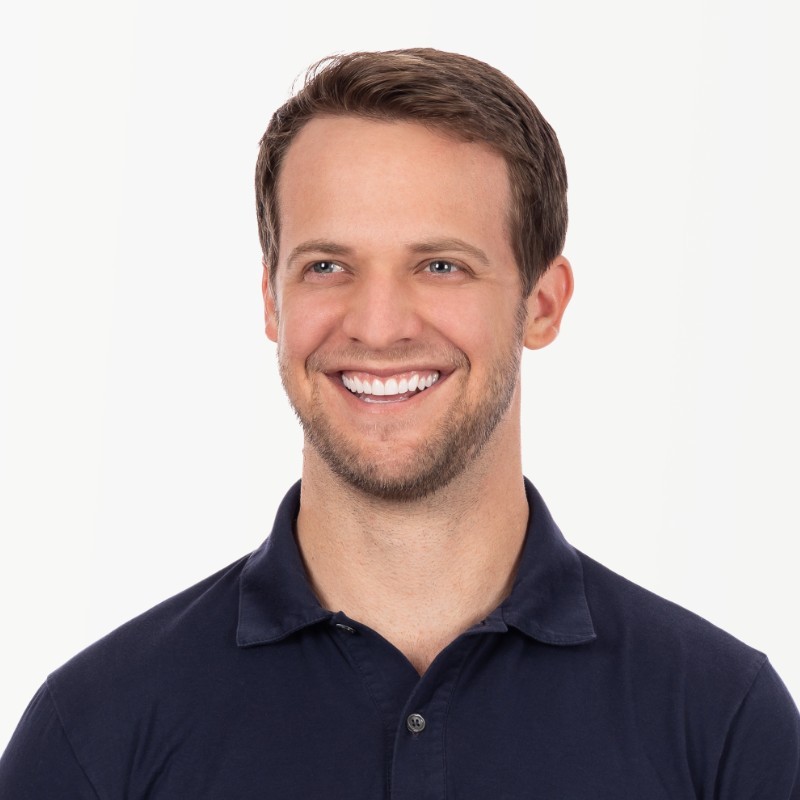
Mat Vogels
Harpoon Ventures
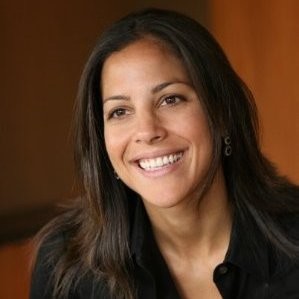
This is the role-reversal episode where Mat steps out from behind the host mic and gets grilled by Ali Rohde about his own playbook. Mat invests at Harpoon Ventures (deep tech, $1M to $5M checks) and runs Black Flag, Harpoon's pre-accelerator that often writes the very first check into companies before they've even incorporated. He came up as a YC founder (Zestful, killed by COVID), pivoted into VC via Julian Shapiro, and treats VC itself like a product, building tools like VC Sheet and pitchrec.com to make the fundraising process less opaque for first-time founders.
He's bullish on cold email in a world where everyone else worships warm intros, sharing the story of how he raised his first check with an all-emoji email to Shrug Capital. He thinks pitch decks are quietly dying because firms like Harpoon now run every incoming deck through AI before a human ever opens it. And he's brutal about what he's actually looking for in the first meeting: not your idea (he's seen a dozen versions of it, including the ones you think are unique), but whether you have the energy and depth to go a thousand miles deep on this for the next decade.
On closing, he lays out the most honest cap table framework I've heard in a while: roughly 60% of VCs are net zero on your company, 25 to 30% are net negative, and only 10% are net positive. The goal isn't to chase the positives, it's to avoid the negatives. He also breaks down a "wave approach" to building real FOMO without lying, and offers a counterintuitive post-raise warning: today's bigger mistake isn't spending too much, it's still acting frugal when you've raised real money and need to deploy it fast.
On why most founder ideas aren't actually unique
On AI now screening pitch decks before any human sees them
On the 60/30/10 split of VC value on your cap table
On the real post-raise mistake nobody talks about
On why VCs say no for reasons founders almost never guess
Ali Rohde (00:10)
Welcome, Matt. Very excited to interview you for fundraising. This is an unusual episode where I'm interviewing you, but this is your series. So can you tell us more about the series and the thinking behind it?
Mat Vogels (00:25)
Yes.
well, Ali, thank you very much for being the one to interview me. I've been thinking about doing this one for a long time. And I think that I had to find the right person to maybe match my energy and then, you know, match the banter that I'm sure we'll go into. so I really appreciate you being on here. The fundraising podcast itself was started because vc sheet.com a website that we both created. We were realizing founders were very desperate and eager to get more resources as it related to the fundraising.
process.
A handful of months ago, we put a survey on the website and asked them what type of resources would they need. And a lot of them essentially at the root was that they just didn't understand how the fundraising process worked at all. You have to keep in mind, most founders that are interested in fundraising advice have never fundraised before, because once you have fundraised once, you kind of know what to do and you're not really looking for these type of resources. So people that are looking for a podcast like this have never fundraised before.
So they needed a glimpse behind the curtain for the whole process from we break it up into three different segments here We do how do you get in the room? How do I go from I have an idea? I've created a pitch deck How do I get it in front of somebody like Ali or me that's step one step two is all around the initial meeting Which is very important. It's usually the first impression. Maybe the only impression you get so we dive into that and then lastly It's everything else beyond it, which sounds like a big step and it is but it's kind of the same game and day
It's the building momentum and FOMO and you trying to create all of this energy to close out your round So we break it into that and we have to do the whole thing because again if you haven't done it before It's it's a blind box. There's no one really knows what to what to do with it And it's as the I like to say we call it fundraising But fundraising is the least fun thing that you will do period for your startup So there's a little bit of a tongue-in-cheek there
Ali Rohde (02:14)
Yeah.
Yeah, I think that's awesome. You we've worked on VCSheets together. We care a lot about putting resources out there that you can just like go to a website and see, but I think it's very different to listen to someone being interviewed and all the context they share that you can't really capture on like, hey, we write 200 to 500K checks and we like deep tech. So I think it also gives a lot more color that's really useful for founders.
Mat Vogels (02:32)
Yes.
And
we mentioned this before we started recording, you we've talked to other people even at Harpoon and it's funny how even individually, not just as a fund, so VC sheet, you can track, you know, fund data, average check size, what they're interested in, but every investor has their own unique way of grading a pitch deck, who they say yes to, what they look for in founders. So having these types of conversations, I think also gives founders the understanding that every VC is different.
Ali Rohde (02:57)
Yes.
Yeah, and it matters too. I think, you know, when founders make lists of folks to talk to, they're like, okay, let's go talk to Andreessen and let's go talk to Lux and let's go talk to Harpoon. And so then they get an introduction to one person there. But that is actually a really important inflection point because whoever you talk to at most funds tends to be then like the owner of the deal, the owner of the company. And if you talk to someone who doesn't care about your area,
or just doesn't understand it, they can totally overlook what you're building and therefore block the deal, even when their fund, other people at the fund, even people who are like higher up might've actually been interested. And so I think that's another thing to emphasize here, which is that the person you talk to at the fund matters. And to your point, the variance is huge in terms of what their reaction is going to be.
Mat Vogels (04:04)
Yep, that's exactly right. All right, I'm ready for the, I'm ready, I'm ready, I'm ready. I've done so many of these on the other side. I think I can do it. I'm gonna wing these though. I have not studied for these, although I feel like I have obviously a very unique advantage.
Ali Rohde (04:06)
Okay, let's dive in. Let's go. All right, we're go fast. Yeah. Okay. Okay.
All right, first things first, let's go over the baseline details. So tell me fun name, average check size, all of that.
Mat Vogels (04:21)
Mm-hmm. Mm-hmm.
Yep.
So I am an investor at Harpoon Ventures, also essentially lead Alar Black Flag Initiative, which is not necessarily an accelerator. We call it like the pre-accelerator inside of Harpoon. So there's kind of two different angles that I'll talk about today. Harpoon, we invest in critical technologies and AI, essentially investing into deep tech. Before deep tech was kind of cool as it is today. We write anywhere between 1 million and $5 million checks and pre-seed, seed, and then it seems like now almost a little bit
more in in series a than we did before because so many of these companies are moving so quickly. On the black flag side we invest in the companies typically the very first check in half the companies we've invested in weren't even incorporated when we started talking to them. So we write those first checks typically between 250k and a million dollars there so very early much earlier than the average harpoon check.
Ali Rohde (05:18)
Got it. And then for the harpoon checks, what is the average check size there?
Mat Vogels (05:23)
Yep, between one and five million. And it kind of varies a little bit more, but usually between there, maybe even closer to between three and five.
Ali Rohde (05:25)
100.
Got it. And you said mostly seed.
Mat Vogels (05:34)
Mostly seed, yeah, seed's probably the average, because then on the black flag side, we do more pre-seed, and then we also do some series A though on the harpoon side.
Ali Rohde (05:41)
Got it. And then you said deep tech, anything more specific than that in terms of areas or industries?
Mat Vogels (05:45)
Mm-hmm.
I wish there was. I would say that deep tech is so broad now. I remember five years ago, you said deep tech and no one invested in that. And it was just kind of one category. Now, obviously you have energy, robotics. I'd even put quantum and certain AI things in deep tech because it is becoming so complex to continue to iterate on these systems. Bio obviously in there, defense is in there, manufacturing, critical minerals, mining, it's so broad. And we invested into every single one of them.
I would argue that we are perceived, I think a lot of times as being defense focused. Defense is actually, I think, less than 10 % of our portfolio in a way, pure defense. We've invested, if you look at our sector distribution, it's pretty evenly across those sectors that I just mentioned.
Ali Rohde (06:33)
And I should also say we are co-investors in at least one company, not more, MadEx, ⁓ which we both love, which is DeepTac, which is a chip specialized for LLMs. Most recently raised a Series B, absolutely crushing it, and it's been fun to be co-investors there. Okay, let's get into about you specifically, to our point earlier about individual investors matter.
Mat Vogels (06:35)
Yeah, Mad X, at least one that comes top of mind, which I love. Yep.
Mm-hmm. Yep. Absolutely. For sure.
Ali Rohde (06:58)
For you, what's your story and why did you choose to go into VC and what was your path in?
Mat Vogels (07:00)
Yeah.
and
Yeah, so like many VCs, I'd argue some of the better VCs started as an operator. I was a founder, raised capital. I went through Y Combinator, had that whole journey. So I've been on that side of the table. I loved it, but I realized pretty quickly as I was going through the founder journey that I probably wasn't a founder. And the reason is I never really had that thing that I was willing to go a mile deep on, which I think is one of the more important things that you have to have as a founder, which we'll talk about
about
a little bit later, you have to have the thing that you are willing to go a thousand miles deep on, like spend the next decade only thinking about that thing. The startup that I had founded that I went through Y Combinator with was employee perks. were essentially building on top of the Stripe issuing API before, know, ramp and brecks kind of around when they were getting started. And we were building programmatic credit cards and debit cards for companies to add $50 a month that could only be spent on gym memberships or only spent on Netflix.
great and it worked well. Two things happened during that time. One, I feel like looking back, I didn't want to spend a decade in HR tech. Like that was not something that I woke up every day and said, you know, I wanted to do it. The funny thing is, is that you listen to some of the Airbnb founders, I think at the beginning, they probably would have said the same thing. So what they did well, what I think a lot of founders can do well is you shape the narrative around that. So Airbnb, like renting out rooms and people's houses, like, sounds boring. Helping people belong, which was kind of
their
thing that they built around, like going to a new city or a new culture or world and helping people belong there, that's something that you could spend a decade building. I had some of those things with Zestful, which was the company, but not enough to spend probably a decade on. Unfortunately, but maybe fortunately, COVID hit and just completely destroyed the business. Like overnight, the business went to essentially zero from a revenue perspective, budgets for employee perks went to zero, and we just never really recovered from that. So in the phase of shutting
Zestful Down, our mutual friend and also co-founder of V.C. Sheet, Julian Shapiro, like many people back in like 21, 20, were raising a venture fund. And I think he kind of convinced me because I was actually reaching out to him because he was doing like a rolling fund at the time. I had another idea that I was thinking about pursuing. And he I remember we are having this call and all of a sudden he stops and he's like, wait a second.
why don't you just join me here? Like you should become a VC. And it was like that moment where I actually never thought that I was gonna go down and be a VC. And he starts explaining to me like how it all works and all these things. And I realized that the thing that I actually love to do the most is I love working with founders at the earliest stages. I was a mentor at Techstars. I loved helping founders get ready for demo day and creating pitch decks. And I was like, well, I could do that as like a full-time job as a VC. And Joyn Julian was there for
a years and just fell in love with the VC process because the opposite of what founders do and going a mile deep, I could go a mile wide and like an inch deep across all of these incredible sectors and areas that are so inspiring. Meet with founders that are so inspiring. That is what essentially brought me into to VC world. I joined Tarpoon about a year ago to essentially double down on the thesis of how do we treat VC like a product? How do we build things on top of VC? We spent some time before this talking
about
with AI today, you can build almost anything on top of these, but Black Flag was an initiative there. We have a bunch of tools and resources we continue to build. So in a way, I joke that we are a startup within a startup that invests into startups and kind of a weird thing. And I love it. So I that's a long winded answer.
Ali Rohde (10:35)
Yeah.
Yeah. You said you used to be an operator, but I would argue that you're still an operator very much and a product builder.
Mat Vogels (10:41)
So true.
I would agree.
Ali Rohde (10:45)
I think you kind of alluded to this, but what is your favorite part of the job? And then we'll go into least favorite after that.
Mat Vogels (10:49)
Ahem.
Yeah,
the common answer. I think it's very rare that we get different answers here. The favorite part is I get to go a mile wide in an inch deep, meet so many incredible founders working on so many incredible things. Their life's passion is in their work and being around those people is so infectious and so inspiring. It's the reason I think it's one of the best jobs in the world. I joke for anybody that has kids, it's very similar when you have kids or when you have grandparents. The grandparents have the best job in the world because they can kind of step in when they want to and it's like, this baby's
so cute I love your kids but then they can drop them off and then go home and get a good night's sleep. That's exactly how founders are.
Ali Rohde (11:23)
Wow, VCs as grandparents.
I had not thought of that, but that kind of works.
Mat Vogels (11:27)
Yeah, that's what it is.
I, you know, as a founder, founders listening will appreciate this obviously. I rarely slept every night. You're waking up at midnight, 1 a.m., 2 a.m. with random thoughts like, what if we did this? Or like, this person like mentioned this and that bothered me. You're constantly just like in this moment of panic because things are changing all the time. I don't have that as a VC. So I know this is like a, you know, VC problems type of thing. I don't have to carry the problems that our founders have home with me, which is a benefit of being a VC. And again, it's,
It's the easiest part, it's the best part about it. You get to surround yourself with these incredible people. The hardest part is I wish we could say yes way more, especially me. I'm awful at saying no. I wish I could give everybody money because you have people that are coming to you constantly, hundreds of people every single month that are pouring their life into this thing and then you have to say, which is really, really hard. So that's definitely the worst part.
Ali Rohde (12:17)
What's something you wish founders understood better about being a VC?
Mat Vogels (12:21)
Yeah, there's a few different things I wish founders knew and I think you have to be a VC to understand this. But the big thing is that when we say no, which again, we have to say a lot.
It's very rarely for the reasons that the founders think founders take it very personal. I obviously took it personal when founders or VCs would say no to me. Sometimes it's not that it's your business is bad or they don't like you. A lot of times it's that maybe they have another portfolio company that's like doing something similar. They don't want to invest into you because they have a company that's in stealth that could do that. And it's not because and even then taking the meeting or doing these calls isn't like we're spying on you or trying to stake information. Usually it's not.
what the company is doing now, but we're like, 10 years from now, they're probably going to be competitors. And in our fund, a smaller fund, if you're in recent Sequoia, you're gonna have overlap across all of these. Our fund is much smaller, we're not making nearly as many investments. When we do make an investment, it's essentially our bet on that industry. And sometimes we have to say no, because we already have a portfolio company that's too close to that. Another reason I wish more founders understood, we have bosses to our LPs have given us capital, because we've convinced them
around a specific thesis that's very unique. And we can't really go away from that. Like I say yes to a company that's doing like SaaS for dentists, for example, which is an example that Julie and I used to always joke about, although there are now like very successful SaaS for dentists companies out there. But the reason why we couldn't invest in them is because I can't as soon as I do, and I report that to an LP, they're going to be like, wait a second, we didn't give you money to go invest into SaaS for dentists. ⁓ And that could be even in Yeah,
Ali Rohde (13:43)
Yes.
Yeah. Right. What's the market size here?
Mat Vogels (13:56)
Exactly right and it's we can't do it because we know that we're gonna receive questions and that's gonna affect our future fundraise Which brings me to the third and last one? VCs are always fundraising to which sucks. It sucks for VCs as well We have to fundraise with LPs and convince them to give us money to give founders money and we spend a lot of time doing that It's not as luxurious as founders think where it's like we're given all this money and then we get to deploy it and then step away We have to work really hard to raise money as well
So if you are a founder understanding that, that we have bosses that we have to raise money from, I think you'll appreciate more the reasons that we have to say yes or no.
Ali Rohde (14:34)
Yeah, I'm guessing it'll even not just give you more appreciation, but better understanding too. I think once you understand the incentives for someone, you can then figure out, okay, what do they need to get to yes here?
Mat Vogels (14:46)
Yeah.
And even though maybe the other thing to add on there is that I think most of the time, 90 % of the time, I convince founders to not raise capital versus raising capital because so many things that people are trying to raise money for are not venture backable businesses. And this has actually even gotten more so over the last few years with AI. A few years ago, could be a sat, you could be sass for dentists and you could come in and be like, Hey, we're raising $5 million to hire an engineer or two to build this and maybe a marketing person that we're going to go and turn this into a
Ali Rohde (14:54)
Mmm.
Mat Vogels (15:17)
50 million dollar a year revenue business, which would maybe bring them to a billion dollar outcome
Billion dollar outcomes are almost not the game anymore. You got to be a deca billion dollar outcome for a VC to take it seriously. There are very, very few businesses that can do a hundred million to a billion dollars in revenue a year. So if you are a founder listening, I wish that they would better understand that there's a difference between VC outcomes and just building a very good business. And I think that you need to understand if you are truly a VC outcome or not.
Ali Rohde (15:48)
Yeah. Yeah. I wish the bootstrapped business were more glamorized the way the VC backing business is. Maybe that'll change. I think a little bit also because, you know, we scoff at VC is like, what's the market size if it's only like 500 million? That's huge. And if you build something there, especially if you own all or most of it, that is a completely life-changing outcome. And so I wonder with AI,
Mat Vogels (15:56)
I so true. I do think it's becoming more so though. Yeah.
Ali Rohde (16:17)
given you can now build products that have extremely significant revenue much more easily if we'll see the revitalization of bootstrapped businesses and kind of eschewing venture as the default path.
Mat Vogels (16:31)
Yep.
We're going back to almost a two decade or more ago period where venture was not meant to be like a fund where software business or a software fundraising for software business. It was meant to be something like we're doing today where it was to build railroads or to like build very hard things where it was very risky 10 year time horizons. But over the last couple of decades with software and certainly with crypto and all these things, it became a way almost like a get rich quick thing where you're building something you can
Ali Rohde (16:43)
Yeah.
Mat Vogels (17:01)
put it into Google ads and Facebook ads, and that makes it grow that much faster. And all of a sudden in a year or two, you're a billion dollar business. That wasn't really what VC was created for. And I think we're almost going back to the root of what VC was created for, which is investing into satellites and infrastructure and all these things that do cost a lot of money that just can't be underwritten by a bank. A bank wouldn't be able to give you these type of loans. So in a way, we're getting back to the old school VC.
Ali Rohde (17:27)
Yeah. What areas are you personally most excited about?
Mat Vogels (17:31)
There's so many, think that maybe there's two things here. One is the ones I'm most excited about from a VC lens. Anything that is touching this wave that AI is pushing. Like AI is creating markets upon markets with the usage. What I mean by that, MatX we mentioned earlier, like there's a whole market for chip manufacturing to make chips more efficient, more powerful to handle the load that AI is creating through the immense demand. Energy for the data centers that are being built in there. So energy is exciting to me.
then I think that AI creates robotics advancements and bio advancements. So this is a cheap answer because there's not really a particular industry or sector that's doing it, but all these things that are just being pushed viciously by AI to improve rapidly are the ones I'm most excited about.
I think maybe specific domain that I'm excited about. I love the ocean. think there's so much to be built in the ocean. Space is right there too. I just think both of those frontiers because of AI are now wide open. And I think there's trillion dollar ecosystems waiting to be built there. So those are a couple of areas. And then I would say from a personal perspective though, the areas I'm most excited about that I would not necessarily invest in from a VC is consumer AI stuff. think every obviously every week, every day there's new consumers
consumer
AI stuff, whether it's through Claude or some of these software tools and things that are being built, that me as an individual, I love it. So those are the things I'm most excited about from a personal level.
Ali Rohde (18:52)
Yeah. Yes.
Give me an example
of something there.
Mat Vogels (18:59)
I mean, Whisper Flow is maybe an example, although obviously they've raised a lot of money in their big business too. But that's an example of a software that because of AI can exist. And then me as a consumer, my life is dramatically better because of it. There's a lot of tools I use for design inspiration that I think are very good so that you can use AI to help with design inspiration. Mid Journey, although again, a very venture backable business now, although they haven't really taken any venture capital. Anytime those tools get better,
day gets a lot better. So those are some that I use all the time.
Ali Rohde (19:27)
Yes, I completely
agree. I'm obsessed with the newest tools that I can use via Claude code and like who has a good API, who has a good CLI, who has a good MCP. And it's actually been a nice thing to talk about with founders. When I talk to someone, like, okay, this doesn't feel the right fit for our fund in terms of market size and investing, but like, can I be your first user? Yeah.
Mat Vogels (19:32)
Mm-hmm.
Yep.
Mm-hmm. Totally.
The other one
that I use very frequently is I use Suno. More than 50 % of the music I listen to is music that I've created with Suno. I have four artists that I've created in Suno, different genres across the board. And every now and then I'll be like, oh, I want a song that's like this genre that's about this. And I just put it into Suno and it makes songs for me and I save them. And I have playlists of like a hundred songs across different genres that I've created, that AI has created.
Ali Rohde (19:53)
Really?
Really?
Mat Vogels (20:19)
that I listen to is like the music that I would listen to.
Ali Rohde (20:22)
Wow, okay, we have to talk more about that. You are the first person I've met, though, granted, I haven't really asked people, that is actively creating music for themselves just to listen to day to day.
Mat Vogels (20:34)
I'm convinced that Hot Take might have a son that's seven. He does this for his own music too. I think that, know, yeah.
Ali Rohde (20:38)
Okay, I see the children's use case for sure, but keep going.
Mat Vogels (20:42)
Although his music is more like, know, fart sounds and like annoying things for his brother. So very different. But the I do think that the next decade or two, you know, I would argue that 50 % of the content that this next generation, this AI generation is going to consume video reading music certainly is going to be AI created from either them or their friends and those types of things. I think more than 50 % easily. And I think the reason is today or for you and I,
Ali Rohde (20:45)
Hahaha
Mat Vogels (21:10)
we grew up appreciating the artist and obviously the future generations will still appreciate the artist but I think they'll do so in a less personal way and I think that there's something that you know I get this right now there are times where I will create a song the same way that you create an image in mid-journey or you you create something a prompt that like blows you away those moments of like my gosh that they're inspiring to you you feel like you created something valuable in the world without really doing much work but those moments I think are
enough to over or like to supersede the passion that you might have for a particular artist going forward. That being said, I obviously huge fan want artists to continue to use these tools and make these incredible things. But I do think that next generations are going to create their own stuff and then share it with their friends and they will almost become the artists within their own circles.
Ali Rohde (21:51)
Yeah.
Yeah. I could ask a million more questions, but I know we have limited time. Why should founders pick your fund to be on their cap table?
Mat Vogels (22:05)
Yes
Yeah, so we work very, very hard. We roll up our sleeves and we mean it. I am in, you know, 20 different Slack channels. I'm essentially a co-head of design for dozens of startups that we invest in. I do a lot of our branding website design, certainly pitch deck design and fundraising help there. We also have, I think, the best government go-to-market team in the world. Our team has helped secure over a billion dollars and growing quickly into non-dilutive funding opportunities for the companies that we get.
So even if government is not something top of mind that you're going, government is a customer. Government is actually the largest customer in the world in the form of trillions of dollars in spending per year. And we have unique access to getting these programs available to the companies that we invest in. So whether it's in, you know, defense, energy, robotics, transportation, logistics, software, cyber security, all those areas that are certainly going to do well and consumer have
where you could very early get real revenue and non-dilutive funding through government who's desperate for technology like this. So those two reasons I think are reasons why we, and we're also, we think we're just really cool. I know a lot of VCs think that, but we hope that we are likable and are your first call.
Ali Rohde (23:26)
Yeah, which is actually extremely important. Like liking your VC is not to be overlooked because it is like a marriage. Yeah. Okay, now kind of transitioning to founder advice and starting with how to get in the room. What should founders be looking for in the right investor during this process?
Mat Vogels (23:29)
Mm-hmm.
We'll get into that. I think it's the most important thing.
you
Yeah, you mentioned this earlier and you were spot on when you go to something like a VC sheet, there's plenty of resources online to try to find investors, podcasts like this. Certainly they have blogs and areas where they're showing you and telling you what they're interested in. If you can find the individual investor, like you said, not necessarily the fund that is interested in what you are building. That's what your list should be. think a lot of founders go and they say, you know, Andreessen, Sequoia, Lux, and they create these fun lists. That's fine. Maybe you start there.
because you can get a high level of check size and sectors, but then you need to dive deeper into the individual investors that are there, that are passionate about what you're building and then reach out to them. Because to your point earlier, you could reach out to somebody at a harpoon, although I feel like we're more consensus, but some funds are not. So you can reach out to somebody and a partner might be like, yeah, totally.
Ali Rohde (24:32)
like a founder's fund. Founder's fund is like the extreme of this.
Mat Vogels (24:36)
Exactly right. So broad and they have different areas that they're very special in and sometimes they'll pass it to the right person. But because we see so many pitches every month, it's not top of mind. mean, I may not know what my team member is interested in today versus last week. So trying to find those individual people to reach out to is is important. And then I also think the mistake here founders don't make a list big enough. But then if they do make a big list, they also don't do it personal enough. So you have to do the hard thing, which is 100 individual
that you are going to be very personal with. It's not 100 people that you're using AI to send cold emails to. It's 100 people or 100 individuals that you've done homework on that you're gonna write. You can still use AI, but write something that feels personal to that investor.
Ali Rohde (25:21)
Yeah, I mean, think that gets at the next question I had, is, what is the best way for founders to get their pitch in front of VCs?
Mat Vogels (25:27)
I've heard people say that LinkedIn is the best way to do it, which feels kind of crazy to me. But I think that cold email and cold outreach is the best way that you can do it. If you do not have access to the ecosystem, the very common answer here, which is true is warm introductions. If you know founders or people that you can get in touch with that can introduce you to a VC, that is by far and away the best. I've learned that that is very rare. Most of the people listening to this podcast don't have that. So it's hard
hard
for them to do it. And then what they do is they hear that advice, then they go email people or founders that know a VC, cold blue, I still get these by the way, from my startup where it's like, hey, I saw that this, you know, invested into your startup, can you make an introduction? Because they think like, warm introductions from people that do it, but it's like,
I get dozens of those a month. I don't know you. I don't have the time to get to know you. So Andrew on our team had a great answer for this. He said that the fundraising process starts months before you start fundraising, if only because you need to start embedding yourself into the ecosystem in a very natural organic way so that six months from now, 12 months from now, you actually can have these relatively warm introductions because you've gone to meetups, you've been curious and you started talking to people very early. But if you don't have that and you're just
looking to get started today, just cold email. And we'll get into this answer a little bit later, but I think there are reasons why cold email is actually a good format for founders to do it.
Ali Rohde (26:51)
Hmm,
interesting. I think there's an art to the cold email too, which maybe we can talk about a bit later. But that's really interesting. I think that's kind of a little bit of a contrarian take that you are more bullish on cold emailing than many.
Mat Vogels (27:04)
I will say that my, when I raised my round of funding back in the day, it was almost all cold emails. Cause just like founders here, I even, I even went through YC and I still felt like I didn't have the connections to do like to reach out to investors or get warm intros. Or if I did, you know, it wasn't, it felt like it was still kind of cold, warm intros. So I emailed thousands of VCs. I went the opposite. went just so many cold emails to people and played the volume game. And almost my entire round was built out of at least a few people that responded cold.
Ali Rohde (27:09)
Yeah.
Yeah.
Mat Vogels (27:34)
and then they helped me raise the rest of my round.
Ali Rohde (27:37)
Okay, cold emails for the win. When you do get a cold email, when you get a cold pitch, what are you looking for there?
Mat Vogels (27:41)
Mm-hmm.
Yeah.
I need to see something unique right out of the gate. Cause again, we get hundreds of these a month. They almost all feel kind of cookie cutter. ⁓ and this is goes back to the personal email. If you can write something that's very descriptive and very concise about what you're building, why you're the most important person to build it. In fact, by the time we launched this, I'll link to it. I'm building a blurb tool that founders can use where you can upload your pitch deck and it'll write a blurb that VCs will actually want to respond to because so many blurbs are like they're either too
Ali Rohde (27:50)
Mm.
Mat Vogels (28:13)
long, too fancy, and too like your very complex thing and it's something very simple. So I need to see that in email because I wouldn't even open your pitch deck if I don't feel like I've captured that from the email. The way that I raised my first check, so Neve at Shrug Capital was my very first check that I ever got. I wrote an email that was all emojis to him. The subject line was emoji with a question mark and then the whole thing was like emojis in the, because all of his at the time his portfolio company was like emoji.
icons. And again, that was a unique thing that he maybe he had gotten before, but I think it was unique enough to where I stood out. And then he took the initiative of like reading the pitch deck. So if you do something unique, maybe emojis isn't the right way anymore. But if you were to be a little more personal and unique, I will then open your pitch deck, which is what you're essentially trying to do with that cold outreach.
Ali Rohde (29:01)
what slide within a pitch deck, once you're convinced to open it, what slide do you gravitate towards first?
Mat Vogels (29:04)
Yep.
I don't have a slide specifically. A lot of VCs here say team slide, is obviously very important mission slide, very important.
I AJ from outside capital kind of had this you're not outset. Sorry outlander capital He said that he got he does like the the heading review for each one So that's what I do I go through if I'm reading a pitch deck I will go heading heading heading heading heading heading heading. I don't even read the text I don't look at the images I just go heading heading heading heading and I think it's because I want to make sure that this pitch has everything that I'm looking for first Before diving into it another thing that you and I mentioned before this which I think is true. I am really
Ali Rohde (29:38)
Mm.
Mat Vogels (29:44)
reading less and less pitch decks every day. I think a pitch deck is kind of going away because VCs, certainly us, we have AI read all the pitch decks that come our way.
first and we've trained it, know, thousands of lines of code and all of the things that we look for. And it's very good these days at interpreting all these things. And even then my AI that I built for these actually looks for things like clarity design, which is unfortunate because I'm just a designer. like pitch decks that are well designed. I think well-designed pitch decks lead to well-designed thoughts and articulation. So that's a grade that goes into this. By the time I open a pitch deck, it's because our AI has actually said like this one
is that we use to analyze it. If you were to put your deck into pitch rec.com, you will get a slide by slide analysis and then an overall grade. That's the same grade that we get. So if you get a good grade there, that means that it is going to be a deck that we open if you get a bad
grade there, a neutral grade, I probably won't see your pitch deck unless you just completely nailed the cold outreach blurb.
Ali Rohde (30:48)
Okay, you said pitchrec.com.
Mat Vogels (30:50)
pitchrec.com, P-I-T-C-H-R-E-C.com.
Ali Rohde (30:54)
All right. Let's move into how to crush the initial meeting. When you do take an initial founder meeting, so you've graduated, you've seen the deck, or you've seen the blurb, now you're in that meeting. What do you need to hear to move it to the next stage?
Mat Vogels (30:59)
Yes.
Yep.
I think a lot of VCs will agree with this. I want to see that the founder is ready to go, you know, a thousand miles deep on this, like I mentioned earlier. And there's a few ways that you can do that. You can share a story of why it's personal to you, why this is something you want to spend the next 10 years on. All the things that you say are important, but I think it's the way that is said that is more important to me. I want to see that you have energy and excitement behind this. A lot of times I don't get that and it's hard for me to look past it. And the hard part is
is if you're a founder, maybe this is your fifth meeting that day. It's really hard to carry that energy forward into all of these things, especially if you're two weeks in and you've gotten a bunch of nos. Fundraising is like getting punched in the face 10 times a day and you have to still show up to the next meeting like smiling about it. It's kind of psychotic, but that's what being a founder is. I need to see that, I need to see that you're excited. After that, which is usually within the first minute or two, I also wanna see that you are the right team
to solve this problem. And I'll say that by the time I'm meeting with you, I've already done the research on the market. I've already done the research on like what you're building and why it's something that should exist. I think most VCs do this. They wouldn't take the meeting otherwise. Really?
Ali Rohde (32:20)
actually about to push back there. You might be unique in how
well-prepped you are for a meeting. I've seen plenty VCs that even if a deck is sent ahead of time, they haven't really looked at it.
Mat Vogels (32:30)
That's a shame. I think that you need as a VC you should because
Otherwise, there's there's so many decks that come our way. We don't I don't have time to meet with somebody if in the first 30 seconds I'm like, that's what you guys are doing. Like, I'm actually not interested in this. So I very much will only take a meeting if it's something that I know I I'm interested in learning more in and I think there's a business here. So for me personally, at least in this if you're meeting with me for the first time, you don't need to spend as much time on the the market why this is important why this is big, which is what a lot of founders usually spend that first
meeting doing it's like they're they're convincing me why this is a good idea. For me personally, I'm already convinced it's a good idea, or at least I'm leaning that way already. I'm more interested in that first meeting figuring out why you are the one that is going to solve it. And for me, that's, know, you have the desire to go a mile deep on this or 1000 miles deep on it. And you also have, you have a technical know how or the ability to somehow do it better than the next person that might have the same idea. Because honestly,
when I'm it's very, rare. I can't even remember the last time that I sat with somebody for the first time. It was pitching me an idea that I hadn't already seen a dozen times before. That's another thing that I founders don't understand. Their ideas very rarely unique, very rarely, especially because so many startups today are in stealth. You don't know how many competitors you actually have. You have a lot of them and you don't even know it. So by the time I get it, it's maybe not exactly the same thing. And maybe you have this slightly different technical thing that you are doing, which maybe you should
talk about in your differentiation, but it's, just want to see you as a founder are actually the most differentiating factor for why this will work or why it won't. That's what I want to know in that initial call.
Ali Rohde (34:14)
Yeah, I think that starts to answer my next question, which is what's a green flag founder trait that gets you excited to invest?
Mat Vogels (34:21)
Yeah, it's exactly that. It's that you can show me that you are the person to do this and you show that to me it's I'm an energy person. I want you to have a lot of energy be excitable because I think that if you can show me that in this first call, you're going to show other VCs this which will make it easier to raise money. You're going to show this for the people that you have to hire. It's so hard to hire the right people showing that energy and excitement is how you're going to hire the right talent. And then obviously with sales, most founders are going to be the people that are selling their products to
you know, government to large enterprises and you need to have that energy to do it. So for me, that's the green flag and the red flag is kind of the opposite of that. It's when you don't show me those things, I immediately am like, you're not going to be able to convince other investors to hire the right people and to sell to the right customers. So it's the inverse. I think to me, that's the reason I would be like, it's not worth it, even if everything else is perfect.
Ali Rohde (35:13)
What's a question that founders should ask VCs during the fundraising process?
Mat Vogels (35:17)
Yeah, I do believe that founders should ask questions because it is a two way street. You are also going through plenty of calls and want to figure out who the right VCs are. I appreciate when founders are direct, but they're not like arrogant. We get a lot of arrogant founders. Maybe that's another red flag where they go into this almost overconfident and are kind of like.
you're lucky that I'm having this meeting with you. And they kind of treat it as like they don't want to answer questions. They answer very quickly. And I can tell right away it's like they're trying to build FOMO. I know they don't have it, but they're trying to do it with like this I don't care personality. So by asking questions that show there's a mutual interest, I think kind of solves for that. ask, you
Ali Rohde (35:48)
Yeah.
Yeah.
Mat Vogels (35:59)
Is there anything that I said here today that was confusing or that I could add on to? How does your process work internally so that I make sure I can give you the things that you need? So treated more of like a you're not asking questions to be arrogant. Like why should I choose you to be on my cat table? It's more how can what can you give me so that I can give you more to make this process easier? How do I push you into conviction? Find the way to ask those questions in a way that doesn't come off as being arrogant, like
when can I hear from you next? Instead of saying that, you should say, what does your process look like so that I can better support you in that process type of thing.
Ali Rohde (36:33)
Yeah. Yeah.
What's a common mistake you see founders making during this phase?
Mat Vogels (36:40)
There's so many, think the one that kind of stands out is this, it's very easy during this phase to start.
Stretching the truth because you feel like you have limited time to cover so much that you start to really stretch the truth and it's either stretching the truth with Lois that you have or revenue that you have Progress you made technically all these things that right out of the gate You feel like you have to lead with to get the second meeting and then also you start saying like VCs or we have ten meetings the VCs They're almost all saying yes Sometimes I get name drops with VCs, which is a huge mistake because we all talk to each other. I'll shoot a
Ali Rohde (36:47)
you
Mat Vogels (37:14)
to somebody and be like are you talking to this company and they'll be like yeah we meet with them on friday and it's like so you haven't talked with this vc yet those things suck and i get why you have to do it i was guilty of that when i was fundraising as well so i do give a little bit of a leash but it is a very quick and easy way to lose the trust from vcs right out of the gate because they will find out the truth so a common mistake is stretching the truth a little too far in that first meeting
Ali Rohde (37:40)
Okay, second to last category, closing the round. What does the diligence process look like for your funds? For your fund.
Mat Vogels (37:43)
Mm-hmm. Mm-hmm.
Yeah, I
think we're very, for a fund our size, so there's maybe, you know, four to five people that are on the deals team. Typically what happens is, you know, one of the people on the deals team will find a startup or a founder they like. Usually it's the one person that'll take that intro call unless the round is moving very quickly. If we stumble into a company that's like, Hey, you know, via email or via intro, like we're closing in two days, we will then like get the whole team behind meeting with them ASAP. Because typically the process is we have an individual meeting.
Then have a whole team meeting. Then we kind of have another whole team meeting where we kind of ask any questions there. So typically it's a few meetings. We're making these decisions depending on how fast the round is moving is how many meetings we have. So if it's very hot moving very quickly, we might just have one meeting where our whole team is there and we try to just get everything out. All the things that we mentioned before. Why are you the team to build this? How far along are you? How's the round dynamics and stuff filling out there? So typically it's those. It's so weird. Diligence is weird these days.
because I think that half the time we can afford diligence because maybe the round isn't moving as fast. we can, you know, we put it into AI, we have our own set of experts across different areas that we rely on. A lot of our founders we rely on. we'll send them like, what do think about this? Is this something that you would buy if you're a potential customer? We go through a formal diligence process where we do ask all these questions and we do follow ups. I personally don't like doing customer interviews because I hated that as a founder, but that's something that could be
Ali Rohde (39:14)
Mm.
Mat Vogels (39:15)
done
depending on what area you're selling into or if you've said that you have customers that are very happy with your product, we might be like, Hey, do you mind if we reach out or talk to them? If you have VCs that are in there, that's another one that we love doing. And when founders share that it's really great. If you have a VC that's already locked in, typically they're your best people to sell the rest of it. So part of our diligence process is going to be talking to those other VCs that already have conviction. And they'll typically do a good job of speaking VC language and giving us conviction.
well. So it's a mix of all those things again depending on how quickly the round is going.
Ali Rohde (39:49)
Yeah.
So maybe also for founders, tell your investors if it's going fast and if you have a hard deadline, but also don't lie if you don't.
Mat Vogels (39:56)
⁓ yes.
Yes, it's a weird, I'd say this is this weird line where you have to build FOMO even when you don't have FOMO, but then you can't lie about the FOMO either. So your goal is to like build real FOMO, but you have to do it in a way that feels respectful and organic. And I think that you can give the feeling of FOMO by just showing urgency without having a reason for it. Like, hey, you we're looking to get yes or no's within the week. You don't have to say why. A VC can ask and be like, we're treating this as a wave approach.
Ali Rohde (40:04)
Yeah.
Mat Vogels (40:30)
to to a group of VCs that we think is the right fit this week, which includes you. We'd love to have you on, but if it's not a fit, that's okay. Next week, we're to be reaching out to another set of VCs that we think are also interested. And we're kind of, so it's a great way to build a phone. Now you're not saying we're trying to close around by Friday. It's like, well, maybe you are. And that's great. Sometimes that's true, but I see founders say stuff like that. And then like two weeks later, they come back to me and they're like, Hey, we're actually not close. Do you still want to talk about it? And then your whole cover is blown. Um, so the one that I like to use and
Ali Rohde (40:40)
Yeah.
Yeah.
Yeah.
Mat Vogels (41:00)
see is that you say, Hey, again, we're trying to treat this in waves. We're reaching out to 10 VCs at a time, starting with the VCs we think are the most important like you, we were trying to get answers with this wave within the next week or two. If not, we're going to move on to the next wave. Totally fine, respectful. And then as things move quickly, if you do really have, know, we have a term sheet coming in on Friday. If you have a VC that also wants to write a term sheet, that's totally fine to share it so long as you actually have a term sheet. So it's a weird navigational process. It's, kind of
of a dance and an art than it is a science.
Ali Rohde (41:32)
Yeah. Although a nice problem to have, sometimes founders have to make hard decisions about who to let on their cap table. How should founders think about that?
Mat Vogels (41:42)
This is personally was the hardest thing for me as a founder. It was by far the hardest. I lost way more sleep during this phase of the fundraising process than any of the other ones. And it's weird, it's very cliche and meme-like. You talk to a lot of VCs, most of them say no. Once you get to like 50 to 100, you all of a sudden get a check and then another check.
Ali Rohde (41:45)
Hmm.
Mat Vogels (42:02)
And then all of sudden the VCs that said no to you like weeks ago are now coming back because you have a good check of someone that they know and they're like, Hey, are you still raising? We're interested. And your first thought is a, is a founder is to be like, fuck those guys. They, they skipped out on me and do that too. You have to try to like sweep those under the rug and carry that momentum forward. Even if you don't plan on taking capital from them, you can learn from that. Maybe you change your mind and it turns out they were interested, but for whatever reason they had to pass early, always keep everybody in the loop.
don't count anybody out, too small of a circle to do that. But it's so hard because you will have people, this is what happened to me personally as a story. I had VCs that were there early, they'd been on me and said like, we're in, but I never really took any term sheet or check from them. Then all of a sudden you get a VC that you really like and you're like, man, they're a good brand name, I love the founder, the partner there, I'm gonna take a check from them. But then that like sometimes will push out people that were there even earlier.
And that sucks, it just sucks so bad. So my answer here is maybe less of a.
there's a right or wrong way to do it and more that it's going to happen and you just have to roll with the punches, choose what is best for you and maybe the best ways of doing that are who do you like the most? We talked about this earlier. If you like somebody from a personal level, they should be on your cap table. So long as you feel comfortable that they're gonna be a good partner, they're not gonna be too overbearing on you, they're gonna be helpful, all these things. Another person on this pod,
who said that most VCs, the vast majority are a net zero on the, on the, like the help. So let's say that like 60 % are a net zero. I'd argue that another 25 to 30 % are a net negative and then only 10 % are actually a net positive. So very few are actually gonna be net positives for you. Your goal should be not to have any of the net negatives and be okay with net zeros or neutrals.
And then if you can identify those net positives, which for me are people that, you know, it's the airport thing. Who would you want to hang out like in a layover for four hours with just hanging out with? That's who I would say you want on your cap table. And you should, I would say overindex on those people for your first round.
Ali Rohde (44:12)
All right, last question in this section. What's a common mistake you see founders making during this phase of the process?
Mat Vogels (44:18)
We hinted at it earlier, I think it's the same thing. It's building false FOMO when you don't have it. By far the most common mistake. So you say that you're closing on Friday, but you're not really closing on Friday. You're just trying to create that sense of urgency. Sometimes that works 80 % of the time it doesn't and it backfires. Similar to that, it's saying that you have a term sheet when you don't. The problem is I've said this in other episodes, I've seen this happen where VCs are kind of guilty of this too. A VC might say like, hey, we're thinking about a term sheet.
sending to you on Friday. What the BC is saying is like, we might send it, we might not, like maybe it's there. A founder hears that, they go tell the other, we're getting a term sheet on Friday from Harpoon Ventures. And we wouldn't say that necessarily, we try to be very clear, but they say that.
We then get a text that's like, hey, you're putting in a term sheet by here. And I'm like, no, we're not. But it's this weird game of telephone. So again, it's really hard to build FOMO and do that organically. You need to, I just really stress, you really need to do it in a way that isn't stretching the truth too far, because I've seen this happen so many times, I'm sure you have too, where you have a round that's actually very close to being closed, very close. You could close it tomorrow if you wanted to. Maybe you get greedy, maybe you start extending for,
more equity, ownership, and higher valuation, all these things. Then you start saying stuff like, hey, we're closing on Monday because this term sheet's coming in. Finds out that actually there's no term sheet, and then the VC drops out. And now you're back to zero again. And now you have to go uphill with the battle of people that no longer trust you. I've seen that happen so many times. It's just not worth it.
Ali Rohde (45:50)
Yeah,
I think founders can underestimate how much VCs talk. VC is a very small world and we're all gossips and we all know each other. So be careful. Yeah. All right, last section. What happens next? So the round is closed. How does Harpoon or you specifically work with your founders after the raise?
Mat Vogels (45:55)
Yes. The worst gossips.
Yep, agreed.
Yeah.
So we typically, same thing I mentioned before, I will then, if they need it, I will hop in immediately with any sort of branding. A lot of the companies we work with are very much in stealth. So I get a longer period of working with them. We'll do logo stuff, we'll do website stuff, we'll do high level branding stuff. Again, it's usually even maybe even a year before they actually plan on revealing anything, which I love, because it gives me more time to kind of think with them and work with them. But that's something that we'll do right away. Usually a little bit later, we'll start thinking about pitch deck materials and we'll start creating some of those and getting
Ali Rohde (46:19)
That's so cool.
Mat Vogels (46:42)
out for, you know, sometimes it's a seed or a series A if we've invested really early. Typically, if we're going in at a late seed, like a very expensive seed or a series A, I'm not needed for that. They typically already have enough funding, they're going to hire a design team or an agency, which is totally fine. But that's one thing we do right away. We also immediately will get our go to market team again, working with you, even if you don't plan on selling to government, we can at least start to educate you on the industry on opportunities that you might have. It's a long process. Typically, there's a lot of form
application stuff so our team will start working with you right away as those things go.
Ali Rohde (47:17)
it.
What's a common mistake you see early stage founders make right after they finish the raise?
Mat Vogels (47:23)
It almost depends on how long the fundraise is, but I feel like right after you fundraise, there's this moment of like relief and you kind of like slow down and all you felt like you just went through a battle. And then all of a sudden you actually, that's how the race starts. It's like, you just ran a marathon, but then like the gun goes off and you're like, wait a second. I thought I just finished this marathon and now I'm like running the actual marathon. So there's this moment right away where I think you have to, you know, maybe take a week off, like just really recalibrate, but then you kind of, the race has to start and you have to start moving.
Ali Rohde (47:25)
Hmm.
Yeah. Yeah.
Mat Vogels (47:52)
Another mistake, it's always with money. You either see founders spend too little or too much. I think that founders spending too little is actually the harder or the thing that is the bigger problem today. You've spent maybe two years at this point being so frugal and you're not spending any money and you're trying to do it cheap. Now you have money, especially if you've raised a meaningful round, you need to start spending it. The problem is, is that you have to start spending it in all the right ways, hiring the right people, spending the right money in the right places. So that's the hard part.
but you have to spend it. The companies that win are the ones that spend all the money that they were given in all the right ways. So that's the North Star. Anything besides that is maybe not a mistake, but is not as best as you could be doing.
Ali Rohde (48:34)
Yeah, I like what you said. I hadn't thought about that before, especially for folks that are doing their first ever round of funding. They're used to being so frugal. Like maybe they took some friends and family money, but they have very little in the bank. And then especially if you do a significant raise, which we're seeing more and more.
Mat Vogels (48:43)
Totally.
Ali Rohde (48:51)
then you are optimizing for different things. Now it's about speed and building the team and getting to the next milestone so you can raise the next round. So the dynamics of your business have significantly changed, but you're still in this frugal mindset and that can take too long for people to grow out of.
Mat Vogels (49:06)
Totally, yep, it's hard. And this is why you see second time founders and third time and obviously beyond, they handle this so well, because they've already done it before. So they don't have that lull as much. That's why second time founders are always great to invest in. But if it's your first time, yeah, it's maybe the first time you've ever seen that much money in a bank account period.
Ali Rohde (49:24)
What's a common reason that you see startups fail?
Mat Vogels (49:28)
There's two reasons. One is very much like a YC answer and it's that you just didn't build something people want. It's true at the core of every startup. I went through YC and I always say the best they give the best advice because it's always just the most simple advice. If you don't build something people want, you just will not make it. And what that means is that, you know, the market wasn't there. Maybe the product that you built, maybe the market was there, but your product wasn't good enough. And the harsh reality is I think that happens most of the time. The common real technical answer is that there's found
breakups so you have a founder or co-founder that doesn't work I would argue that the reason they break up is because they just built something that no one wanted so it's the stress of a year two years three years of like no one's buying this and all of a sudden you start butting heads with your founder your founder says that well maybe we should try this or try this you disagree on those things winning like covers all bruises type of thing so if you just if you are doing well and you have something people want you find product market fit so many of these things like I know founding teams where I'm like you guys don't belong together
You
guys are like, you know, but they make it work because they're winning together and that solves everything so I again co-founder breakups and not getting around with your founder is probably the main reason but I'd say it's because you're not building something people want maybe the last thing is that If you don't have that thing that you are willing to go a mile deep a thousand miles deep on That's also something where it's so hard building startups is hard founding company is hard two three four five years in you don't have any traction that's normal all of a sudden
if you really don't care about that thing, you're going to start giving up on yourself, on your team. So if you don't have the thing from the beginning that you want to spend the next 10 years doing, even if you weren't making any money, that's another reason why. So you give up on your mission.
Ali Rohde (51:11)
Okay, last question to wrap up. For the founders listening to this that want to get in touch with you, what's the best way to reach out?
Mat Vogels (51:15)
Mm-hmm. Mm-hmm.
We'll have a lot of the links in the show notes here, but obviously blackflag.vc, harpoon.vc, you can find all of us, including myself on LinkedIn. We wish that we were more vocal on X, we're not cool enough, I don't think, to really write there. But both of those websites, we have a lot of resources for founders. And then of course, vcsheet.com, we're continuing to add more resources to as well.
Ali Rohde (51:39)
I disagree that you're not cool enough to be on X, but appreciate the candor.
Mat Vogels (51:42)
Maybe it's I'm not
cool enough to just I don't have the time to like continue conversations which X kind of requires No Thank you. This was great
Ali Rohde (51:47)
Yeah, it does. Thank you so much, Matt, for allowing me to interview you, but also putting
together this series. I can see it being very helpful for founders.
Mat Vogels (51:58)
Thank you. I appreciate it. And your episodes coming up next. We're going to throw that hint here somewhere. Bye, Ali.
Ali Rohde (52:02)
Okay, sounds good.






















.svg)









.jpeg)