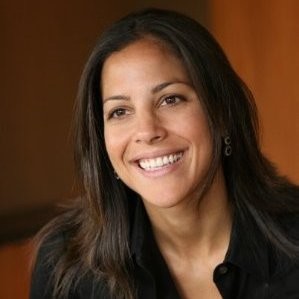
Grant Brown
8090 Industries
Grant brings a rare perspective to the fundraising conversation because he came up through the industrial world, not finance. He started in oil field operations, worked pipeline infrastructure across Texas, Louisiana, Pennsylvania, and beyond, then helped build out a corporate venture arm from scratch before joining 8090. That hands-on background means he's evaluating founders less on polished decks and more on what he calls "hyperfluency," the ability to talk about your technology, go-to-market, and vision at any altitude, from a fifth grader to a deep technical audience. He's explicit that domain credibility doesn't require 20 years of experience; he believes the information age has leveled the playing field for younger founders who've gone deep.
One of the spicier takes in this episode is Grant's view on the TAM slide: he doesn't want to see it. He argues that in well-known industrial sectors, founders and investors both already understand the market, and the time spent making a pretty SAM/TAM/SOM chart is better spent showing how you'll dominate your beachhead. He also flags a subtle but important red flag: when the CEO isn't the one doing most of the talking in the pitch. At 8090, they don't like "regime change," so they need to see that the person in the CEO seat is the one who can carry the company from seed to IPO.
Grant also offers sharp tactical advice on round construction and post-raise execution. He encourages founders to set their raise target at the minimum of their range (say $10M instead of $10-20M) to avoid the optics of an undersubscribed round. He's a strong advocate for strategic angels, arguing they're "worth their weight in gold" because their hands are less tied than institutional VCs. And post-close, his advice is clear: spend the money, hire fast, and don't develop a scarcity mindset. The capital is meant to accelerate your mission, not sit in the bank.
On what he looks for before the deck even opens
On why the TAM slide is a waste of time
On why the CEO needs to be tip of the spear in pitch meetings
On keeping momentum after a good meeting
On the underrated value of strategic angels
Mat Vogels (00:15)
Hello everybody, welcome to another episode of Fundraising. My name is Matt Vogels and I am asking all the questions that you as fundraising founders have to some of the best top early stage VCs in the business. And today I have the one and only Grant Brown Industrialist at 8090 that's gonna go through the ringer.
and we might have some spicy ones that we'll add in today. So stay tuned through all of these, but let's start Grant with a little bit about yourself, a little bit about 80, 90. What do folks need to know about you in 80, 90 as they go into the fundraising process?
Grant Brown (00:50)
Absolutely. Thanks for having me on. So 80, 90 industries, about a five-year-old firm, early stage industrial deep tech. We're focused on hardware specific innovation in the industrial base. So that's everything from energy manufacturing, aerospace defense, robotics, logistics, transportation, aviation, all the good stuff. Our team is predominantly infrastructure, hardware, heavy industry experts.
We're a team of about nine, just about 300 million in AUM. just over, I think we have 51 portfolio companies as of this recording and continuing to grow.
Mat Vogels (01:27)
I love it. I appreciate it. What is the average check size and like stage of the companies you guys are investing in?
Grant Brown (01:30)
Yep.
Yeah, so we're typically pre-seed seed and a little bit of series A. Check sizes can be very dynamic. So from 500k to 5 million typically at entry. And we have a very hungry and forward thinking LP base of backers. So we're very, very active throughout the life of investments through SPVs and continuity vehicles. So that's typically us.
Mat Vogels (01:54)
Great answer, I love it. We're big fans of 80 90 here at Harpoon and Black Flag. So I'm very excited to go through this with you. Okay, so the way that we're gonna format this today for all the listeners out there, we do a little bit of an introduction, rapid fire introduction to get to know more about Grant. Then we'll go into what I like to call the three stages of fundraising. One, get in the room, you have an idea, you have a startup idea, how do you actually get into that first meeting with some of these VCs? Second step, you got the meeting.
How do you crush the initial meeting? How do you make it so that you're memorable and they wanna have another meeting and then obviously continue the process. The last phase of the fundraising process, sometimes the hardest, also the one that people I feel know the least about because it's rare to get there. How do you close out the round? How do you make it through that final gauntlet and actually get the check? And then maybe we'll talk a little bit about what happens next after that because a lot of founders are unaware of maybe what the process looks like immediately after you close that round. But let's start.
with you Grant question number one, why did you get into VC and what were you doing right before you got into venture?
Grant Brown (02:57)
Yes, I got into VC ⁓ not knowing anything about VC. I started my career in the oil field, worked field operations and tech services in the pipeline industry, worked on assets and projects in Texas, Louisiana, both onshore offshore to projects in Pennsylvania, New York and New Jersey. Saw firsthand what big time infrastructure looks like.
and chase the itch of curiosity into some different roles within the industry. did a short stint in commodity trading and commercial ops, helping traders move gas primarily around the United States. And customers work heavily with utilities and then chase the itch of curiosity into a team that became New Energy Ventures. We joined that team when it was about six, seven people. That organization at my last employer
scaled to close to 40 people, built four business units and incubated a CVC. the CVC was very, I'll speak Silicon Valley here. We first principled VC by finding technologies that changed the future of our company. And what we found was these companies were the best partner. have thousands of miles of real estate and hundreds of thousands of acres. And we operate some of the largest infrastructure systems in the world.
So we're an ideal pilot partner, but these companies need to raise every 18 to 24 months. so in a past life, we wanted to tip the scales and keep those companies alive and humming. so built a CVC to support that effort. you know, didn't know anything about VC before this besides Shark Tank. And so ⁓ ran that CVC for a couple of years before joining 8090. And the primary reason was to
touch other parts of the industrial base outside of midstream natural gas into things like cement, steel, aerospace, defense, and try to reshape the way industry operates. So that's how I got into VC. Totally God's plan there, but I am absolutely in love with the process and the folks that we get to work with on a day-to-day basis.
Mat Vogels (04:52)
What a time to be doing what we do. What is your favorite part about the job and being a VC and then flip it a little bit? What's your least favorite part about being a VC?
Grant Brown (05:01)
Yeah,
so I'll start with my favorite. My favorite is the founders. You get to meet folks that are 100 % heads down, fully convicted on a mission that they believe is the most important mission in the world. Now, as a VC, you recognize that there are hundreds of valiant missions out there, but interfacing with founders who have the utmost belief in themselves and their teams to solve critical problems and being maniacally focused on things that the general public.
overlooks, that is my favorite part. My least favorite part, founders out there, we're fundraising too. We fundraise every few years and fundraising is a perpetual motion. so I think it's a necessary part of the job, but it does feel like fundraising, you know, if I could be sitting with a pre-seed founder that wants to change the world or convincing people as a surrogate that that founder is worth
allocating capital to. I love getting my hands dirty and building. But the founders certainly make that part of my job that I don't love that much easier because they are so tremendous in their endeavors.
Mat Vogels (06:05)
of the other questions that's similar to what you just said was, what is something that founders don't or should know about being a VC? And you mentioned the fundraising piece. I think that's gonna be a very common answer. Are there any other things or do you wanna tackle that one again?
Grant Brown (06:18)
Yeah, I mean, it kind of ties into what is another one of my least favorite parts of the job that is a reality is that we can't fund everyone. And there are the way you structure a portfolio, the way you look at areas of most need a lot of that is perception across a team. And so building strong relationships with multiple team members across the venture platform is incredibly important because it allows for you to have
multiple advocates under the same umbrella, but also understanding that VCs that pass are not always, it's not always, they didn't believe in the pitch or they didn't believe in you. If you need the motivation, take it, right? I'm okay with that. But, you know, the reason for pass can be numerous, much of which is probably outside of your control. And it's just one of the parts of dealing with venture firms, primarily those that are not
the multi-stage big firms who technically do have the capacity to fund almost everyone if they would like. So that's something I think founders should know as well from our side.
Mat Vogels (07:19)
Yep,
that's a great answer. Lastly, on the introduction about you, what are one or two sectors that you are more excited about than others right now? Is there anyone that's standing out?
Grant Brown (07:29)
Yeah, I mean, think there's two that are incredibly important and critical that are just starting to come into their own, one of which is pretty obvious, right? Like energy begets everything, both intermittent and base load. The ability to produce electrons to support reshoring on shoring is critically important for us. What we're seeing is going all the way to the asset deployment and the selling of electron.
is incredibly valuable from the venture space. It's worth spending a lot of time there. I would say also ⁓ the base layer, and this is not a software perspective, but the base layer for manufacturing and reindustrialization is incredibly important. So not only is your logo on the aircraft that's going to the DOW, but all of the components that feed into that. There's a
A tidal wave of key suppliers and critical component manufacturers to be built to support the next generation of industry that are incredibly important. And it takes investors who are deep in the hardware game to be able to see around those corners and understand who are the future critical suppliers of the industrial base that may never have their logo on a really cool piece of equipment.
Mat Vogels (08:42)
No. Yep. That's a good one. All right. One quick hot take in here on the whole fundraising process itself. Is there any advice that you hear on the VC side that you're either hearing VC say or that founders are telling you they're getting advice from that you think is just flat out wrong. So a common piece of advice that other founders or fundraising founders are getting that you think is flat out wrong.
Grant Brown (09:05)
think advice around the strategy of the business from an investor, take with a grain of salt. Now, as an investor, I have perceptions from a few pitches or from your data room of what I think might be an interesting way to grow your business, align strategy, and execute. But following the intuition of your investor who has spent the order of tens of hours with you and your company versus you who have put thousands of hours,
These points are not intended to change the strategy of the company. They are intended to demonstrate that we are proactively thinking about ways to grow your business. And so it's a positive signal that they have thoughts and they're invested without fiduciary investment, but they are not at all intended for you to change course.
Mat Vogels (09:49)
It's good advice because I think that founders end up taking feedback from investors to heart as if it's the it's it's the only thing that matters and that's that's not always true. Okay, now to the fun part the fundraising part again, we're splitting it into the three sections get in the room crush the meeting and then close out the round. So question one on getting in the room. What should founders be looking for? So before they've even started, you know cold messaging investors or whatnot trying to find them on the streets. What should they be looking for?
for the right investor in the process, know, stage focus size. What are some of the things that you think founders should be filtering for?
Grant Brown (10:23)
I would, there's a few things I would filter for. First of all, know our portfolio. And some of that is on the website. Some of that is not, right? So that's everything to LinkedIn, X activity, being able to understand what is in the portfolio, both for competitors, right? But also for folks that are investing in sectors that are adjacent. One step beyond that.
⁓ is talking with founders, within that portfolio about their experience with that VC. and again, these are not decisions to make your allocation, you know, sequence accordingly, but it gives you a really good understanding of like, what are their competencies? What are they good at? What's been your experience working with them? You know, headaches, big wins, all the above. think that is the single most important thing that a founder can do.
⁓ before making contact is having an understanding very quickly who are folks that i know that are in the portfolio who's in the portfolio and then from the mission do we fit within the mission is a topic that they haven't already covered.
Mat Vogels (11:25)
Yep. And quick notes on that set expectations too, because I I've been a founder before and attached to emails where it's like, Hey, can you I still get dozens a month of Hey, you know, you were invested by this founder fund. Can you tell me about him? Let's get 30 minutes to talk about it. Don't feel bad if the founders do not respond and don't let that reflect.
anything related to the fund or anything like that. It's just ⁓ everybody's everybody is busy. But I agree if you can talk to the founders and even just researching them a lot of times founders have said stuff online as well. There's a there's a good a good nugget of information there. All right, what is the best way for founders to get their pitch in front of you? So not VCs in general, but how do they get a pitch in front of Grant Brown?
Grant Brown (12:10)
Warm founder intros. I mean, and that'll probably be a common answer, but it is 100 % true. We have a number of founders in the portfolio that are well-networked that send us interesting companies all the time. Aaron Sladoff from Atomic, Ted Feldman from Durin, Dan Wright from Armada are pushing through interesting founders that they meet at events or that they know from a past life. That is the easiest way to get on the calendar.
And so I would say, having not been a founder, I would imagine if you run in the same circles with people and are non-competitive, building those relationships for both how you run the operation that you're building, but also for introductions and insight into the investor landscape, I think is incredibly important. That is the fastest way for me to respond and get you on calendar is if somebody like Aaron, Ted, or Dan says, hey, these guys are really special.
building something cool.
Mat Vogels (13:01)
I love that. So let's say that the introduction is made. What are you looking for in those initial pitches or emails? Is it just that they were introduced to you and that's enough or is there an additional thing you're looking for like traction? Do they need to be at a certain phase or stage or anything like that? Or if they're an introduced from another founder, are they gonna get on the calendar?
Grant Brown (13:22)
Yeah, I mean, I think, I think Danielle from 1517 said this really incredibly. we're looking for hyperfluency and that is the ability to speak in depth or for a fifth grader on technology, commercial go to market, the vision of the business, the, the execution and operation, the ability to, for any audience, relay your message seamlessly. Right. And as you go through the course of diligence with VCs, go from
very high level to very granular. I think that is something that very quickly we look for because not only are you going to have to build a generational business and recruit new investors, but you have to recruit new talent and you'll have to align the vision, which is ever changing again and again and again through many iteration cycles. And so the ability to be able to communicate and hold a consistent vision at a high level, at a low level.
I think is incredibly important. So I would say that's one thing that we look for in the early days. And from the first call, you can kind of have an understanding of the level there. I would say on credibility and 20 years in industry, I think that is not what we look for compared to other firms. think in the information age, there's a lot of opportunity for
young people to get up to speed very, very fast and have an understanding and a domain expertise well ahead of what maybe legacy experience would be. And so, yeah, I would say that demonstrating hyperfluency and the ability to talk 360 around the problem is incredibly important. And then some of this is an art and not a science, but to feel the conviction.
of the founder and that does not have to mean, you know, William Wallace, Brash and bravado, but that can look a number of different ways. But if we're going to get in the fight with you as an investor or watch you fly, I don't want to oversell too much what we do. We want to know that you're in it to win it and that you have kind of a 360 competency of what you're doing.
That was a little more long-winded, but yeah.
Mat Vogels (15:36)
I love that. That's a great answer. Yeah.
Yeah. What is this is a common question that we got from founders. What is the single most important slide in the pitch deck and what is the least important and is there one of each but in your opinion, what is the most important slide was the least most important slide.
Grant Brown (15:54)
would say the most important slide is the conversation that happens before the slide opens. The ability to interface with a new person and an investor and relay your conviction is incredibly important. Obviously, your mission statement and then your tactical plan for how you engage six months from raise, 12 months from raise, five years down the road.
Mat Vogels (15:58)
Ooh.
Grant Brown (16:17)
and having that be seamless and not jumbled, I think is incredibly important to know that you're planning for the future. And again, things always change and we're not gonna hold you to account for that plan on the initial pitch. But knowing that you're thinking about things both near term and long term is important. The least important is the market, the market analysis. don't want, I don't care about.
Mat Vogels (16:36)
Ooh, that might be a hot
take. I need a hot take buck and that might be a hot take.
Grant Brown (16:41)
I don't care about TAM, especially in spaces that are incredibly well known. I don't need a TAM. I want to know what is your entry point and how are you going to be the LeBron James of making that market entry? think Teal said this too, and I think it's true. Learning to dominate in your beachhead and or small markets teaches you to dominate big markets.
And so I'm a huge believer that like being fanatical about what is it? Your S O ⁓ or what are the acronyms being fanatical about what that is. I can think through, okay, this could be application. You could have applications here or there, but these big, like the, you know, the chart, some Sam Tam, I don't ever want to see those anymore because you know, it's, it's, it's overkill.
Mat Vogels (17:24)
Yeah, yup. I love it. They're also kind of made
up anyway. Yeah, it's one of those weird ones.
Grant Brown (17:31)
100%.
How many pitches have I looked at that are in the same industry that I see different numbers there? And I'm like, man, how many McKinsey analysts are getting paid here to come up with completely different numbers? So that's a hot take, but hopefully it saves time, right? Like, you know the market because you committed your life to build this company. We know the market because we are supposed to know the market to be able to figure out where technology fits in. And so I wouldn't waste.
Mat Vogels (17:37)
all the time.
Grant Brown (17:56)
a bunch of extra time making that pretty when I really want to know how are you going to execute? What is it that makes you guys unique and what is the credibility of the team to do it?
Mat Vogels (18:05)
I like
that. So maybe the most important slide, I like to call it the vision slide. It's the slide that can articulate how you get from point A to point B and C and perhaps beyond least important slide, which again, I think might be a hot take is is market and TAM. So I like it. But if you do your job in the first one, you don't need it. Cool. All right. Let's say they've crushed it. They got a meeting on the books with Grant. How do they crush the initial meeting? What are the things in that first meeting?
Grant Brown (18:21)
Yep. Yep.
Mat Vogels (18:31)
that you are looking for with the founder.
Grant Brown (18:33)
Yeah, I would say.
It kind of hit on it earlier, but conviction in what you're doing, a competency of the space that you're attacking, both from the point of entry and the ability to grow. then the credibility of the team that will never show up on a pitch meeting. And I love when founders put on their engineering staff and they say, look, he's our chief engineer. I will probably not meet him until the investment is made.
But being able to boost and talk through your team that's going to execute and make this happen, I think those are things that stand out immediately that, you know, I'm not just investing in a founding team, but I'm investing in a team because that is a huge risk that we have to underwrite is if the founding team is incredible, but their ability to amass talent is at all a risk. We think through that.
Plus I think it's just good business. I think it's good business for leaders of teams to understand the skills and capabilities of their entire team. And obviously that can't happen in thousand person organizations, but you're not that.
Mat Vogels (19:37)
All right, so you just mentioned some key green flags, things that you look for. Those are all great. What is a red flag that you catch in these initial meetings and those early stages with a founder that just sends you running for the Hills.
Grant Brown (19:49)
Hmm. I hate, you know, look, fundraising is incredibly hard, right? So I want to preface by saying like, if you are a founder, I have tremendous respect for you. It is probably the hardest thing professionally to do. One thing that sometimes gives me pause is when the CEO doesn't do the most talking. Maybe it's a chief commercial growth business.
you know, somebody that's used to pitching. It is a little bit of an alarm bell for us because the CEO is the tip of the spear. They will drive the vision and execution of the company. And at 80 90, we don't like regime change. And so I want to know that the CEO and founder or co founder and CEO is able to ring the bell right at the stock exchange.
an IPO and build a generational business. think that's incredibly important. So if you are a team that is pitching VCs, make sure that whoever is in that seat is ready to do a lot of the talking and the interfacing. And then obviously pull in your team as the tech gets more granular and subsequent diligence calls, obviously defer that to the CTO. having a strong tip of the spear is incredibly important.
And if that is not present in the early pitches, that is a bit of an alarm for 80-90. There are other VCs who love regime change, right? We don't. So that ends up being, that can be a roadblock in some pitches.
Mat Vogels (21:16)
So the other thing that we like to ask is on the founder side, it's an interview that goes both ways. Are there questions that founders should be asking in those initial interviews or those initial meetings to the investors? Is that a red flag? Is that something they should be doing?
Grant Brown (21:31)
Not a red flag at all. This is a two-way interview. I think establishing the viability and credibility of your investors for what you need them to be, I think that's incredibly important. You do not need an investor that is going to meddle in your business. So don't look for that in the Q &A. A common question that comes up is, is your process? I think that's a good question. But I think a better question is, when can I talk to you next?
I think that is incredibly important. Beyond that, another question is when can I meet the GP or the IC? And I think those are more pointed and get you where the root of the question, what is your process, is intended to get you. At VCs, if you're talking to an associate, an investor, a principal, a VP, you want to know who's on the IC and how quickly can I talk to them.
because they will make a decision one way or another, and that's certainly the case at 80-90. Know who holds the pin on underwriting your investment. And I think saying, when can I talk to you next? And say, I got time tomorrow, the next day. Making that imminent to keep momentum is incredibly important because we are taking pitches all the time. Now not taking as many pitches as Boost VC likes to brag on X about, but we are taking lots of pitches and keeping the momentum.
In my head, we just had a great call. I'm to do a little bit of research, but I don't need a week to do that. I don't need a month to do that. So how do we keep the momentum going so this continually stays top of mind from your champion and gets on the calendar of your check writer? I think that's incredibly important.
Mat Vogels (23:05)
Like that. That's good. Yeah. It's empowering to founders too. They can ask those questions. It cements, I think a lot of the process. and I do think it's a good signal. I VC is like, like hearing that. What is a common mistake that you see founders have during this phase of the process? So I would say everything from, you know, they got a meeting with you, but you haven't gone into diligence yet and they're still kind of in that, that early stage of the process. Is there any common mistake that you see founders do or something that you could tell founders right now? Like that's a no, no, don't do that.
Grant Brown (23:33)
I would be very thoughtful around how much money you want to raise and always the minimum, right? Like if you want to raise 10 to 20 million saying we're raising 10 and we have, you know, and maybe we can oversubscribe. I think that is the way to go for two reasons. One, you establish that it is on the smaller end of the round and so allocations will be fewer.
The second is if you say 10 to 20 or you target 20 and you're raising 10, that looks in effect like an L when it's not, right? And so I think that's something that founders think through strategically what you need to raise and how you message the raise because I think that ultimately in a game where optics should be not
a part of the equation they are in and so i think that's something that you know it's some of it is out of your control but i think it's it's important to think through.
Mat Vogels (24:30)
So a lot of times what happens during this phase is that founders will ghost it isn't the right word, but this is where I think a lot of the fumbling happens on both accounts and both parties. What are some of the things that you want to prepare founders for that happen? Let's say the meeting is there. We don't have anything else on the books. Let's say, what should you, what kind of advice should you give founders when that meeting's over and what can they prepare for? Cause they had the meeting and now it's kind of an unknown.
Grant Brown (24:39)
Ahem.
Mat Vogels (24:59)
any tips or tricks for them during that phase?
Grant Brown (25:01)
If the meeting goes well, I would not leave the meeting unless there is at minimum established that we want to talk in the next few weeks and I may be different but for me have my number or my signal so that you can text because things do get lost in inbox and and they do so I think and for me I love being able to be in text communication if
Mat Vogels (25:17)
And they move quick, yeah.
Grant Brown (25:24)
the call went well and I think it went well and I try to be transparent because I want to know if unnamed tier one fund is moving really fast because I want an allocation or in for our case, we typically want to lead, right? Like I want to be able to know that like things are moving and know that at, you know, a couple of a couple of texts and not not get lost in the email. So I would say not leaving the call without an established
firm point of contact, not an email is important. you know, for, are going to be a lot of folks that you feel the call went well and it, they don't reciprocate or they have other things going on. think not taking those to heart and bumping things in the email or via text. can't tell you how many things that, you know, I have a great call and it's on top of mind, but I'm doing other things. And it's a couple of days later, it's like,
Hey, bumping this, I do think that's incredibly valuable. That does translate for me.
Mat Vogels (26:17)
you.
No, I love it. Okay, so we've gone through the process. Let's say that the round is taking form. You're interested, other funds are interested. They're in the thick of it now. Can you give some high level advice or idea of what founders can expect with the diligence process? You said you're interested. What should founders know about what happens during that phase where funds are now interested and there's things happening all over the place?
Grant Brown (26:44)
Yeah, I would say every funds process is different, most funds are able to move at the speed of around. If they're not, then there's a hole in, you know, the overall conviction. If a round is happening very, very quickly and a fund is interested in getting in, they will get in. So I think that is like important to know. That said,
Mat Vogels (27:06)
And on your case, on 8090's
case, how do you treat those processes?
Grant Brown (27:10)
We, that's, you know, for the investment team that reports into the GPs and the investment committee very quickly getting on the phone and saying, Hey, this is a deal that is materializing very quickly. I want you to meet the founder and then preparing our materials accordingly. Now everyone's underwriting process is different, but the process accelerates when the pin is on, on the call. And so I
you know, for us, like, we've done as much as months of diligence, and we've done as little as a couple of days, because, you know, typically, those couple of days, those are sectors that we have thought on long and hard, have established, like studied the white space with no company present, so that we can quickly put two and two, two and two together. But deals can happen fast, especially when there's impetus. And so
You as you're putting together around and you have things accelerating, being transparent with others, and trying to build the best syndicate. And I think establishing that before you raise is incredibly important. Like, do you have a bunch of pre-seed investors and you're okay with more of a consolidated round at seed? Or do you want breadth? Or if you're a dual use technology, do you want somebody that's more commercial sector, somebody that's more defense oriented?
In your round and establishing that earlier makes like the chaos less chaotic. And then once you're in, I think establishing what the perfect round is for you and always aligning to that true north. That's the best thing that you can do when it gets hot in the kitchen.
Mat Vogels (28:39)
I like that. What's a common mistake that you see founders make during the closing part of their round? Yeah, anything that stands out is something that they don't do well when it's coming together.
Grant Brown (28:51)
Hmm.
I think at that point, it's really in the founder's court, particularly if you're going to oversubscribe or running the risk of oversubscribing. I'm not in position to tell founders like, you did that poorly. It's like if you kick us out. It was your prerogative, it's your company. You had great investors, you had a ton of interest. We could have done something better in our process. That one I probably like abstained from answering, right? Like there is no...
wrong way to wrap up your round so long as you have a lead that you have built a relationship with and are comfortable with and you have folks that are willing to come in at the mark that that lead is setting.
Mat Vogels (29:26)
And you hit it at a good point there. If you are oversubscribed and you're busy, what are some of the traits that a founder should be looking at for the funds that they do let in? If they are gonna be oversubscribed, what do they need to bring in?
Grant Brown (29:34)
Thank
I think the historical track record of the fund is important. My personal opinion is that if you have the opportunity, a solidified tier one name is important. Emerging managers will say, they're not going to give you any time, and we're going to give you all the time. But that big name can matter as you continue to raise rounds. And they obviously have deep pockets to continue to support the business.
You know, my personal opinion is a good blend of those two emerging managers who, although not on your board, are going to help you network and contextualize. They'll pick up the phone immediately when you call with some tier ones who have pelts on the wall is important. And one thing I think is underappreciated is the strategic angel. Even in the seed, a folks that are not investing from a fund or, but are investing personally that are either.
ex-founders, current founders, those folks are incredibly helpful. And those allocations, if I were a founder, I would preserve because I think they're worth their weight in gold. In a lot of ways, their hands are less tied than VCs and they can provide all of the strategic impact you need. Particularly if they're ex-founders, they understand your plight better than many VCs, which again, probably a hot take, but like...
Am I going to understand your flight better than Palmer Lucky? No. And I can know everything about the business, but that guy has done it before and knows people across the industry. And so I think having strategic angels at any level is incredibly important, even if they're small dollars.
Mat Vogels (31:09)
We're in the final phase. Let's say we close the round. Everything is great. Let's talk a little bit about what happens right after you close the round because a lot of founders never even get to that level. So there's a peek behind the wall here. What should founders think of with the relationship with the investors after they raise? They get the check. What should the expectation be with that relationship with the investors that are in?
Grant Brown (31:29)
Yeah, I mean, I think the expectation of investors should always, I'll talk from the perspective of an investor. My job is to have arrows in the quiver that when called upon are helpful for you. My job is not to interject and change strategy of a business that is growing, but to be available for resources, connections that
I may build on the side, many of which founders will never know. And I think that should be the relationship between, especially like on the board type of investor. And so I think for founders understanding that, that you may bring folks on your board, be very selective about who you bring on your board and their track record as board members. But your investors at times will be in the heat of battle with you.
but those will be very few and far between. And if they're good investors at your election. so preparing that you're still running your business and you have this capital infusion and for investors like 80 90 that have strategic connections within the sector that you're, you're pursuing using those.
efficiently and effectively and in times of great need, I think are awesome. you know, investors want to be in the know and we want to know before something is going to be announced through PR Newswire or we want to know if a certain part of the business is struggling because we're talking about these companies to peers, RLPs, and so being able to have line of sight there is incredibly important. So
the quarterly or monthly report out from the CEO are great situational awareness for us. But I would be as a founder, very ready to run business as usual and know what your investors can bring to the table or have a track record of doing for strategic interjection at your election and be very thoughtful around when that is. You know, for me, you know,
I love being in the trenches with our founders all the time. Is that the most helpful and do sometimes what I bring up a boondoggle for all the 10,000 things they're juggling? Yes. So if there is something strategically, just know that investors are building the quiver to hopefully be catalytic or helpful at any time, but it's still your business to run and we trust you to run it better than we trust ourselves. Otherwise,
you know, we wouldn't have invested.
Mat Vogels (33:58)
Yep, that's a great answer. Let's say that, you know, founders raise, you've seen a lot of founders that get their first checks in, seed rounds closed. What's a common mistake that you see founders do immediately after the raise? Or shortly after?
Grant Brown (34:12)
That's a great question. We don't invest in a lot of the, ⁓ buy a Lamborghini and go to Vegas with the seed round guys. It just, we don't do it. I don't have, I don't have any problem with those that do. We don't. but I think post-rays is a continuity of pre-rays, which is we have these milestones we want to hit. This capital is catalytic, but we want to be judicious around
Mat Vogels (34:20)
Happens though, sometimes, yeah.
Grant Brown (34:36)
where that goes, but the intention of venture capital, and I think Catherine Boyle says this best, right? The intention of venture capital money is for you to spend it and come back to us when you need more. And it's your job as the founder to make sure that like, you're not being cautious with the money or having a scarcity mindset, but really accelerating your development. I do see founders sometimes like, you know, say they're gonna build team.
raise money, and then hiring is very slow. I think hire fast, fire faster. Like bring in the team to accelerate the mission to get more done. And I think having a pipeline of that, although it's incredibly complicated during a time of fundraise, having a pipeline of folks that are, when we get the money in, they're signing their offer and coming, I think that is incredibly judicious and something that the best founders do.
Mat Vogels (35:24)
That's great. Long-term. So as the company continues to develop and grow, you've probably seen a lot of companies fail. Hopefully not that many, but what is the most common reason that you see founders, companies not make it to the ultimate finish line?
Grant Brown (35:40)
Probably two things. One is like, you're going to get this a lot, like the founding team lack of alignment. and so that happens and that's okay. People are people, as things materialize, there are disagreements that I think that is, a fracturing that comes with being a multi-co-founder team. Now, my, here's a hot take. I'll just take an aside. I wish there were more founding teams of three plus.
I do. I mean, you look at Anderol, right? Like any one of those gentlemen could have gone and started their own company. It's the fact that they decided to band together that has built the circle of competency upon which Anderol has changed the game. And so I think, you know, the downside of having multiple co-founders is like, okay, well, there's more opportunities for fracture.
That said, there's also greater opportunity of success because you're stacking people together. And so I think that's one thing. The other, what's the question again? The reason, yeah, I would say at series A, we're seeing this like valley of death. Getting to series A with no product is incredibly challenging. And this is, this may appear dumb, but like,
Mat Vogels (36:38)
the common reason for startups in general failing.
Grant Brown (36:52)
Making a non-economic MVP that physically works in the hardware space prior to series A is important. And it may be a perceived waste of time or waste of resources, but having something demonstrable at A is important. If you do not, things get very, very challenging, especially for as you start entering into, depending on the size of the round, the gross and
growth investment community. And so those are two things, Like fractures within the founding team, some of that, like you try to scope out as best you can early, but is a part of the game. The other being like not a thoughtful strategy about what may not be sure the fastest way between point A and point B is a straight line. But if you have to stop for gas between there, how are you doing that?
to justify point A2 to B.
Mat Vogels (37:44)
That's good, it's basically running out of capital and momentum before your next raise. So if you don't achieve the milestone, you get to that next milestone and you can't fundraise off of it because you haven't gotten there yet. That's gonna happen and it's common and there are ways to fundraise out of it but I agree, that's ⁓ a tough one.
All right, wrapping up here, thank you for all the insight here. I think that again, founders are gonna appreciate a little bit of a peek behind the curtain. Where can founders learn more about you, learn more about 80, 90? How can they get more involved and follow what you guys are doing?
Grant Brown (38:16)
Yeah, I mean, think stay tapped into our socials. 8090 does a great job of, we do not have an 8090 branded active X account, but the members of our team do. And so I think staying tapped in there is incredibly informative. Obviously LinkedIn, Rayon puts out some good stuff on LinkedIn. So keep track of us there. And then look, we're trying to be, at least in the U.S. and all the major hubs. I'm based in Texas, but I'm in
Southern California, Northern California, New York, Detroit, DC. We're trying to be out there. So look, you can find us anywhere. The better question is like, how do we find you? And that is the game, right? Like if you're building something generational and it's your life's passion, I wanna find you. So if you can help me find you, please. So yeah, find us on socials.
Mat Vogels (38:52)
Yeah.
Grant Brown (39:04)
I'm pretty quick to transition things as much as I can into text. I'm a big texter. So text is easy. I got a lot going on. You got a lot going on. So yeah, I hope that this is helpful for the founders. I hope this gives a little bit of a peek behind the curtain. And I hope that this is a vessel to meet some of the greatest execution minds on the planet. So cheers to that.
Mat Vogels (39:28)
Agreed. All right, Grant. Thank you, buddy. Have a good one.
Grant Brown (39:30)
Yep, have a good one,









.jpeg)





.jpeg)