
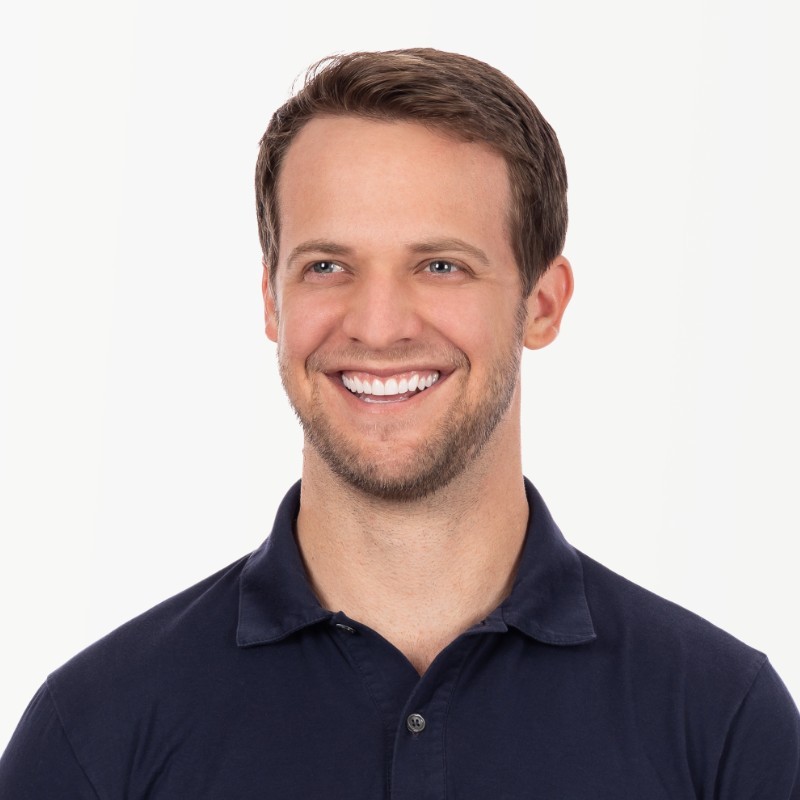
Turner Novak
Banana Capital
Turner Novak is one of the most unique voices you'll hear in early-stage VC. As a solo GP at Banana Capital writing $100K-$250K checks, he operates more like a founder than a traditional fund partner, and that perspective shapes everything he says. He's built an audience of nearly 200,000 followers across social platforms, and he actively uses that distribution to help portfolio founders get in front of customers, recruits, and co-investors. His advice throughout this episode has a practical, ground-level quality that's rare when VCs talk about fundraising.
On the process of getting in the room, Turner is clear-eyed: VCs aren't ignoring cold outreach because they dislike founders, they're ignoring it because they simply can't process everything that comes in. His advice is to stop thinking about warm intros as a "nice to have" and start thinking about them as table stakes. The best intro you can get, he explains, is from a former boss who is already putting their own money into your round and vouching for you personally. Everything else is competing against that benchmark, and founders should build their outreach strategy accordingly.
Perhaps the most useful part of the episode comes when Turner breaks down what happens after you think a VC is interested. He's direct about the 1% conversion rate reality, the signals that tell you someone is truly out (like a refusal to book a follow-up call on the spot), and how to keep momentum alive between meetings by sharing real updates rather than vague "just checking in" messages. He also covers what investors actually need to see during diligence, what post-close relationships should realistically look like, and the single biggest mistake founders make after the money hits the bank.
On what VCs are actually evaluating every time you pitch
On the power of the right warm introduction
On the hard truth about getting a yes
On a red flag that kills deals fast
On what founders should actually expect from investors post-close
Mat Vogels (00:10)
Hey everybody. Welcome to the latest episode of the fundraising podcast, a podcast where we talk to the best early stage investors and ask them all the questions that you as a first time fundraising founder want to know. We surveyed over 1500 founders. We got the feedback. We got the questions. Hopefully these interviews can help demystify the process. And I can't think of
a better human being to take money from than Turner Novak. Break it away a little bit. I'm not gonna try to do bios for anybody. want everybody to speak for themselves. Tell us a little bit about what you're doing over at Banana Capital.
Turner Novak (00:45)
Yeah. Thanks for having me. I'm honored that I was, I was chosen to, to grace everyone's, ear, ear waves, airwaves. yeah. Name of the fund is banana capital, invest a hundred to 250 K checks in people call it pre seed or seed. I just think about just try to invest really early in people building generational companies that will compound for really long time. that's kind of what's most interesting to me, areas and industries. I'm.
Fairly generalist, probably actually more generalist than most investors who tell you they're generalist, because I do invest in consumer stuff. I have invested in a CPG brand once, which most VCs will not do. I do invest in some deeper tech stuff. I'm probably out of this universe of people being interviewed on the, on VC sheets. I may be like, probably like the truest generalist and I will do pretty much anything. It's really just, can you build a company that can get really big?
And can it be a public company? Can you do billions in revenue? That's, that's really kind of the thing I'm trying to answer at the end of the day. And I just think it's really fun. So that's, that's a little bit more about me and banana.
Mat Vogels (01:47)
I love that. And we'll talk more. We'll dive deeper into it. But a couple of things that you said are really important for founders as you're looking out there is when you're doing your research, you do got to go a little bit deeper and understanding what they're investing, check size, all these things. We'll dive deeper into what you need to know when you're going into these meetings. But let's go into the questions as a quick refresher for folks listening. It's going to be rapid fire. We're going to go through around 15 to 20 questions today and we'll give you all the information that you need, hopefully, have a successful fundraise. Let's start a little bit more with you.
dive deeper. Why did you choose to get into VC? What were you doing right before you got into VC?
Turner Novak (02:24)
Right before I was working at the endowment of a nonprofit that does cancer and epigenetics research. So our team is just, you have an endowment portfolio. You have, at the time was 1.6 billion and you invest across every asset class. That's hard to do on like, you know, we want VC. So we're going to invest in this pre-seed stage startup, or we want, you know, exposure to mines in Australia. So we're going to go, you know, visit the mine. So you just give them money to people like venture capital firms to hedge funds to give you that.
They basically, they're like your experts that you give money to, then they deploy the capital for you. and I just grew up on the internet. grew up liking technology. thought it was fun and I really liked investing. And you just kind of think of the intersection of all those things as VC. And I ended up starting my own fund because I just kind of grew up watching my mom have her own small business. And I just kind of thought I would start a business one day. Just kind of think about the intersection of all those things. It's start your own venture capital fund to.
invest in and help founders that are starting their technology company. That's basically how it all started.
Mat Vogels (03:23)
Yeah, a lot of people don't realize that VC funds are startups, which maybe ties into the next question here. What is your favorite part about the job in being a solo GP and a fund? And what's your least favorite job or part of the job?
Turner Novak (03:38)
favorite part about being a solo GP, it's basically your thing, your name's on the door, you make all the decisions, you do everything. If you want to, going to a water park with my kids for a couple days in the middle of February and a non-standard vacation time, you can just kind of do that. Also, I can work 16, 18 hours a day if I have to or want to, sometimes it's both of those things. And you just get the flexibility when you're an investor.
Mat Vogels (04:02)
Mm-hmm.
Turner Novak (04:05)
But you're at another fund, like you have a boss and you ultimately, might have a directive of, can't invest in this category or I must invest in this category. and that, that would be my least favorite is like, have to kind of follow the rules and the kind of like the, you're like an employee of someone else. Ultimately, I think most founders can probably kind of relate to wanting to run your own thing, wanting to make your own decisions. also the least favorite part is a.
Like I've raised money from other people. I'm not a billionaire. It's just a lot of work My funds are pretty small So it's pretty similar to raising a pre-seed or seed round But instead of stopping when you get to a million two million bucks, you kind of keep going until you get to around 10 million So it's just kind of like perpetual fundraising It's my least favorite part, but you kind of understand what founders are going through when they're when they're raising so you can kind of relate a little bit It's not quite the same in both directions. It's easier and harder in some cases
Um, so that'd be my least favorite part, kind of like the, fundraising. And then also there's like ops compliance, legal, the same things you kind of have to deal with the founder on the founder side, starting company. It's the same thing on a fund, potentially sometimes worse and less fun. So.
Mat Vogels (05:14)
I would agree. It kind of ties into the next question too. You're doing a good job of rolling through. What's something that founders don't or should know about being a VC? And one of them might be fundraising. Like you have to fundraise too.
Turner Novak (05:27)
Yeah. I mean, I think that's a way to tie into how you pitch yourself and talk to investors is you're kind of the, you're sort of their customer, but you're also their product. So if they invest in you, you're sort of the product that their investors are investing in. And they might want it, know, quote unquote exposure to AI or exposure to the certain trend or category. And if you don't fit into that bucket, or if you do,
That's somebody just kind of think about as you're navigating this. And then also like just when you're talking to investors, like understanding where they kind of are in the food chain, are they an employee? Are they, you know, the equivalent of being like a director, having a budget that they can have say over and write a check. Are they the founder of a firm that can just make a call by themselves? Like how many people do they have to convince? Every investor, probably if they're running a fund has to convince someone and whether it's a boss or their own investors.
I would incorporate that into how you think about your pitch and it's ultimately just, they make money if they invest? Like that's the end of the day. That's what everyone's trying to do. They're trying to make money. Um, so I would think about that.
Mat Vogels (06:31)
Now, our last question on the introduction side here, you mentioned you're a generalist, you're investing across the board, but are there particular industries or verticals that you're personally most excited about right now?
Turner Novak (06:44)
Am I allowed to just kind of say a couple?
Mat Vogels (06:46)
Yeah, totally.
Turner Novak (06:48)
Yeah, I think that the kind of food system in the world really is, it's kind of messed up. it's incentivized towards keeping food is keeping food productive and eatable and edible for as long as possible and not necessarily make us, healthy. And I mean, it's trillions of dollars a year. It's a massive market. Most of them are public companies and owned by passive shareholders. so I think as a founder, there's.
Interest it's an interesting opportunity trillion dollar market with competition. That's a sleep at the wheel And that's kind of why I have a little bit of an interest in CPG. I just think that there's opportunities there I think like everyone I'm interested in AI native products that basically do work for you I think That's you can read blog posts and tweets and other podcasts about that. It's pretty big opportunity I Am also interested in
just building real things, solving hard problems. So if you've come across something that you have a unique expertise in, or it took you like a life's experience of work, a body of work of understanding and learning this thing, and you are uniquely positioned from 10 or 20 or 30 years of experience to solve this really hard problem that you have figured out how to solve, and it's just hard to compete against you because you've earned the right to solve this problem.
And that can kind of cover a lot of things, whether it's in software, deeper tech, like a consumer category. I think housing is a pretty big problem in the U S right now. it's, think it's tricky to invest in just like a home builder or something like that. Or, you know, we've kind of solved some of these things with Zillow, like home discovery. We have open door. That's maybe trying to improve the process of buying a home. but I just think it's another market that's trillions of dollars and.
At the same time, think, I think healthcare, it's like 20 % of GDP in the U S and most people just don't even know what the price of anything is. It's usually 20 to 30 % of your income that you're spending on health insurance. And then you pay even more when you go to the doctor, like it's just kind of messed up. kind of a messed up industry. so ways to make people healthier, maybe that ties into food, maybe not. those are, you know, probably covers the majority of it, but yeah, it's really, it's
Massive market you solved a real problem. You can make things better for the customer. That's ultimately what I'm looking for And I think maybe one other One other flow through of that question is I have a lot of people that follow me on the internet So I usually look for backing founders who can benefit from the distribution that I built up I have I know almost 200,000 followers on Twitter and I have about 250 if you just count newsletter LinkedIn tick-tock Instagram my podcast and I'm just kind of trying to find founders where
Mat Vogels (09:03)
Love it.
Turner Novak (09:24)
You know, I align with it. I like what they're doing. It matches my thesis, but also I can materially move the needle for you. And just in terms of having people know what you're doing, whether it's customers, recruits, other investors, different suppliers or third parties that you might be working with and vendors, it's kind of across the board. So that's typically what I'm looking for.
Mat Vogels (09:43)
love it. It just shows that there's so much opportunity everywhere right now, which is exciting. All right, going into more of the fundraising process itself. The way that I always like to think about the fundraising process for founders is there's almost three phases. The first phase is how do you get in the room? How do you get the meeting? How do you go from, I don't know anybody in BC, I haven't talked to any investors to you're now talking and having meetings with investors.
The second phase is you get the meeting. How do you execute in that meeting so that you can get follow on diligence and then go into the final round and close. And then the final piece is closing the round. So starting in the getting in the room, what should founders be looking for? If I'm a founder and I'm going to fundraise, what do I need to look for on, on VC sheet or other research where is it a sector thing? Is it an early stage, late stage? Am I looking for specific investors, people?
What advice would you give to founders that are just starting this journey and that research process for funds?
Turner Novak (10:37)
I think that is a, you know, one to two to three hour long question to really get the, the, really unpack all the angles. But I think ultimately it kind of ties back to what I said earlier is that every investor is trying to make money and they all have a strategy for doing that in an area of expertise. So you just need to think of if I give this person, if I'm reaching out cold or meeting them for the first time and I have 10 seconds or 30 seconds to kind of tell them what I'm doing, will they think they can make a bunch of money if they give me money?
Mat Vogels (10:43)
Mm-hmm.
Turner Novak (11:06)
That's how I would think about it. And you need to customize that conversation in that pitch for basically everyone. but so whether that's you have really, uh, incredible background to solve this problem that you're doing, or the company has extraction in your chart looks like a hockey stick going up, or you have other people that have already supported you or you've accomplished different things in the past that kind of indicate that you may be able to solve this problem. Maybe it's just.
that the market is really big or that the market is changing and growing fast. Maybe it's at the competitive products aren't very good and why you're 10 or a hundred times better or faster or cheaper. I think those are maybe all things that you would want to figure out how to convey. Those are ultimately all things that people are looking for. mean, basically investors looking for if I give you money, how fast and how much will you make more money for me? And like I said, there's a lot of ways to answer that question, but that's ultimately what everyone is trying to answer.
Mat Vogels (11:51)
Mm-hmm.
Turner Novak (12:01)
and everyone's doing it in a different way.
Mat Vogels (12:03)
Yeah, I'm gonna tie that one. That was one of the questions later. I think that was a good answer for what are folks even like looking for in some of these early pitches as a VC and you kind of hit on a bunch of those there. As far as like the process of I'm a founder.
What would you recommend like the reach out process? Should I be DMing people on Twitter, reaching out on LinkedIn, sending them flowers in the mail? What are the best ways for founders to get their pitch in front of VCs? And then maybe at the tail end of that, what's a wrong way? What's a red flag way of doing that?
Turner Novak (12:35)
Yeah, I think the one thing you need to think about is there's a lot of founders that are basically trying to do the same thing as you. And they're probably sending messages to investors and there's all the investors are also getting a lot of other email and they only have a certain amount of time they can prioritize. So you just say, VCs work eight hours in a day. They do eight one hour meetings. Are all of those new founders? Probably not. Some of might be a follow-up call with someone. Some of them might be.
Internal on their team. They might need to hire someone. They might be helping portfolio companies do things. They might be fundraising They might be doing a legal compliance thing related to the fund And there's some times where you might have more people on the team Like you might have some people on the team their only job is to take introductory meetings with founders They maybe have more slots in the average like seasoned investor But really the thing to think about is that VCs just can't even talk to all the people that reach out to them and they kind of have to prioritize
So usually for that first, if you're coming to kind of reaching out cold or getting introduced for the first time, or they're coming across you for the first time. I mean, you probably have to be in like the top 10 % of just interesting. This will potentially make me money things that they're looking at in order to kind of jump on that first call ways you can kind of get into that top 10%. If you have, if you are reaching out cold with no connection to them and just hoping they'll read it.
They might, you might just have a bad subject and they just delete it without opening. And that's something you got to think about. You might have, let's say you worked at a company that was in their portfolio before and they met an employee, like your boss, the investor knew that might be a way to get introduced. Or if you know the founder of the company and you worked with the founder, the founder might be able to introduce you to the investor. Let's say you, you like fixed a critical issue with the product or you close the biggest deal in the history of the company and you made.
the founder and the investor, a bunch of money or whatever. That's a proof. That's this pretty big proof point. think the biggest thing I would look for it's, it's someone who was your boss introduces me to you or introduces me to you. think very highly of your boss and your boss has something like, this is my best employee. I don't want them to leave. I've tried to convince them to stay because they're just amazing. And I haven't been able to convince them. They're starting a company and I'm investing.
And I'm trying to help them raise the round because I just know that they're going to crush it. mean, that is probably the most on a silver platter type of an introduction to an investor. And you're competing against that if you don't have that. and then there's other elements of, know, how impressive that scale is. Like let's say the most extreme example I can think of, you know, everyone wants to invest in Anthropic right now. They're probably really like the best AI company and Dario at Anthropic.
Introduced me to you and says that he's investing because you're amazing and you you built Claude code or something and you know, every every VC will be like, yeah I'm I don't even need me. I'm just gonna wire you a blank check that you can put the money in So you want to hit on that on that spectrum? You want to be as close to that that I just described as possible?
Mat Vogels (15:26)
You
Yeah, it kind of hits to the first question too of finding the connected tissue is one of the filters that you should use when reaching out to VCs. figure out if you have a friend or a boss or somebody that knows a specific VC or fund and then use that as, you know, a short list of funds that you should reach out to. A specific question that we had asked. Yeah. Go ahead.
Turner Novak (15:58)
Yeah. And I think it's what I was going to say. And
I think that that the way to think about that is like, as a founder, you have to prioritize your time. And a lot of investors are kind of in the same position where you just have to think about how can I make them prioritize me? How can I make them think that what I'm doing is important? and like, it's not like, there's usually not like a negative thinking, like every email they open, think like, this sucks. I don't want to do this, blah, blah. It's just that like, man, I have so much to do.
I need to figure out how do I prioritize. So I would just think about how do you make them prioritize you?
Mat Vogels (16:27)
Yeah, I like that. A specific question that we got from founders that were curious was, does having a well-designed pitch deck really matter? And maybe that translates to having like a website or a brand or something that feels carefully designed.
Turner Novak (16:42)
I think so, but not in the way that you would think. So when you say well-designed, it could just be like white background with black text and like it's designed well and like it conveys the information. Honestly, some of my favorite decks are the companies that are going through YC and presenting a demo day. It's literally usually like, yeah, it's usually like four to 10 slides. mean usually like six or eight. And it's just like extremely compelling problem.
Mat Vogels (16:58)
They do the best decks, I know.
Turner Novak (17:08)
that you can resonate with. It's like, oh, this is a huge issue. We've solved the problem. Here's the product. Here's why it's a big market. And like, here's the team in our background. And like, that's the deck and it's sometimes like four or five slides, but it's designed well on the way to convey the information. Um, one thing, one interesting stat that one of my portfolio company founders told me, uh, Austin, Peter Smith at how we, uh, how we.ai is the website. If you want to check it out, it's like a AI.
executive assistant that lives in your inbox and plans all your meetings for you. It's pretty cool. He looked at a bunch of docs and data and basically every investor spends about three minutes on a deck, whether you have five slides or 50 slides. And so it almost doesn't matter what you put in there. You'll probably get three minutes on average. And some people might give you one. Some people might give you five. but I think the format that works really well is really bold headline. Like you want to design it so people will just look at your.
Mat Vogels (17:49)
Hmm.
Turner Novak (18:03)
titles, like your, big biggest font. And then maybe there's like some supplementary information that people can dig into if you want, but you really want to design as if they're going to spend three minutes or less on this thing. I need to put all the information that I can to get them interested in meeting me and talking to me and not necessarily convince them to invest. and I think, I think about like your website is like a
Mat Vogels (18:21)
Mm-hmm.
Turner Novak (18:28)
representation of what a candidate or a customer might look at. And honestly, a candidate is probably going to spend more time thinking about joining you than an investor thinks about investing. if they, if, if they're going to bet like a, yeah. And like an investor has a portfolio, maybe 20, 30 investments that they're making in a fund. And it might be 10 years, 20 years into their career. So they made like 200 investments and you know, that might be an hour. They spend an hour thinking about this and all their pattern match. Like, yeah, this makes sense. But a candidate is like, I have kids.
Mat Vogels (18:36)
So true. Especially good candidates, yeah.
Turner Novak (18:58)
I have health insurance, 401k, I have a mortgage. Do I trust you with my life and my retirement? This stock you're giving me is my retirement plan. So they might be spending a week full time thinking about this and doing research. So I think you really want to make sure that the things that you're conveying in your website, marketing materials, et cetera, also is well-designed in the same sense of like, do you convince people to do business with you and partner with you essentially?
So I think it's super important, but not in the sense of, it looks like you paid an agency $50,000 to design this thing for you. That might be the case. And that might get you a really great product, but you don't necessarily have to, in my opinion, it's about the, well is it designed? Not how pretty it is. Like the design is like conveying information and convincing someone to make a decision.
Mat Vogels (19:47)
All right, so let's say that everything that you just said was great. The founder crushes it, they go through, they get the meeting. Now they need to crush the initial meeting. So this is going into that first meeting that you have with a founder, first time you're meeting them face to face or over Zoom. First question is, what are you looking for in that initial founder meeting?
Turner Novak (20:06)
I'm trying to ultimately answer like, do I think that the, this founder can build a company to get to billions of dollars in revenue? you can look up all the things about how VCs do their calculations and all the size of the market, how big the company is to get, design their portfolio, et cetera. I'm usually like the first person in the food chain. when I did analysis, my last fund, was the first in the first fund or the largest investor.
for 78 % of the portfolio. So I'm usually like the first big check that's like, I'll give you some money. I'll lend you my credibility. help you out with stuff. and so I'm ultimately looking like, do I think you'll be able to go through this gauntlet of what it takes to raise venture capital and go through all the honestly bullshit that you kind of have to do and then build like a big business at the end of the day. So I mean, that's ultimately what I'm looking for. And it's, can you, do you understand your customer and what they need and what their problems are?
Can you expand that initial product with the customer? I think generally you want to get to a point where you can have some customers that you make over a million dollars in revenue from. If you, if you look at any public company, there's some exceptions to this, but most of them, you know, you, really only have thousands, tens of thousands of customers. And there's some that might pay you seven figures in revenue per year. So I'm ultimately looking for like, do I think you can get there? Usually need about.
100k you need to be able to prove you get a hundred K per year revenue customers usually to raise a series a This might be like slight. It's not a hundred percent true, but that's generally how I think about it So then I think about okay Can you get to that a hundred K number in the next probably two years? Well, you're probably if I'm investing today, you're probably gonna run out of money in two years So you probably need to get to that point So and a lot of it is just can you make progress? Can you build a product? Quickly do you move fast? Is there like a sense of urgency of just?
I need to accomplish this and build this thing because the, I mean, cause your investors want it, whatever, but also like the world needs it. Like we need to move quickly because we need to be the first to do this or the best or the correct way of doing this. are you able to convince people to hire you or to, work with you? Can you hire people? Can you convince them to join you? Can you sell the division? being able to fundraise is really important. So I kind of think about that. I've had portfolio companies that just, just can never raise money and they just kind of.
Mat Vogels (22:17)
Mm-hmm.
Turner Novak (22:22)
run out of money and die could be a function. It could be a function of other things. Like they couldn't raise money because of, you know, whatever other issues, but you generally need to be able to raise capital as like a skillset. Sometimes that can be learned. it's like, do you think that they'll be able to learn to do, to learn certain skillsets? You don't have to able to do all these things today. I think a lot about, how fast you'll learn new things.
Mat Vogels (22:24)
even if the product is great. I see that all the time.
Turner Novak (22:48)
Like, will you be able to delegate, effectively? How do you just think through problem solving? Like, you able to evolve quickly and learn new things at a quick pace? I do think about the market and like the, how, how excited I am personally about not only investing, but also potentially helping you. Cause I generally try to not be dead weight. I mean, I'm pretty hands off. I try to be responsive and if you need help, I try to help you and just.
I think about it as a shower test. Like if I'm taking a shower, would I like come up with an idea? Like when my mind drift to what you're doing and think about, my friend, Matt is a really good designer. You should work like go, like I'll introduce you guys because you were hiring for a designer. And if I'm just not interested in what you're doing, I won't do that. But if I am interested in what you're doing, I'll just naturally be thinking about what you're working on. And like, I think you want that from an investor, someone who actually cares.
So those are maybe all the things that kind of think about that was maybe a little bit of a long answer. But again, it ultimately comes down to just if. Yeah. I think it comes down to just, if I give you money, will you make a bunch of money? Like that's it's, it's the most capitalist way of thinking about it, but there's all these different kinds of things that flow out of that.
Mat Vogels (23:42)
No, it's a good one. Yeah.
Yeah.
Yeah, you answered two questions there, which I think is great. The one of like, what are you looking for? You hit it on the head. think a lot of VCs, they just want to know that you're building a big business. And I think that's one of the biggest mistakes I see founders do is they don't make that evidently clear right away.
And a lot of times people are looking to raise capital when they don't have a big business available, but you need to show everything that you can to make sure it is. And then you also hit on another piece here, which is what are some of the green flags that you look for? You mentioned a few of those, your ability to pitch and fundraise, convince people that what you're doing is worthwhile, your own ability of being interested in it. So the curiosity that you have as a VC is there. The next question that kind of ties in is the opposite of that. What is a red flag? What's a red flag when founders start talking
or doing things. Maybe it's the exact opposite of what you said. It's not a big business and they're not interesting or can convey that. But are there other red flags that you've seen that immediately send you running for the hills?
Turner Novak (24:47)
Yeah, probably. I mean, on the most extreme end, like fraud, lying, um, stuff like that, just like extreme examples that hopefully are self evident. Um, I mean, other ones, yeah, maybe I just don't think that you can build a big company here. Like, and it's always subjective. Like I'm sure there's been tons of companies where like, if I got their, their pre seed or seed pitch, I would say, yeah, that's, that probably isn't a big market and that it ends up being like Coinbase or.
Airbnb or something. Um, so, but, I think the thing to clarify there is it's okay. your initial product or market is small, it's just, need, I think, I think about, can you acquire customers that you can expand with and help them more and add more value to them and then you can generate more revenue. Um, so maybe, I don't know, yellow flag is like not having thought through that as much. I mean, I think a red flag is not really understanding the customer and what the customer needs and what they'll want. Um,
Not having thought through like what the business model ultimately will look like or being open to discussing it because again I think a lot of these things you don't have to have solved like to be a public company You need to hire a CFO like you don't need to know the answer of what a good CFO Looks like or who are you gonna hire as your CFO in eight years when you're starting the company, right? So I think it's okay if you don't know these answers, but maybe knowing what's important what to prioritize Maybe like other yeah
Maybe like a red flag is not understanding the nuance behind something like too many buzzwords and then not being able to explain them to a normal person. I think a lot about, you know, if I talk to my grandma about this, could she understand what you're doing? Or is it just like, you know, we make AI modernization products for the modern enterprise. You're just like, what did you just say? Like, what does that actually mean?
Mat Vogels (26:36)
Mm-hmm.
Turner Novak (26:37)
and maybe that's a great company, but also maybe it's not because they, doesn't mean anything. so maybe that's like pretty, another pretty big red flag I look for is also, when you're, when you're looking at your market, like, yeah, at a high level, you can say this market is $500 billion. But I think you also need to look at on a customer basis. Like we are acquiring customers that become customers of us and they generally generate revenue. Like realistically, what does that look like? and you might be able to say.
You know, FinTech is a $5 trillion market, but what is that even like when you actually break down what you can actually do and build in FinTech? I mean, your initial product, initial customers might only be like a $200 million market, which on the surface sounds really bad. you stop there, no one would know VC would take that meeting. But then I would be looking for is like, well, this is the opportunity to expand with those customers into serving other products. And then it actually.
Maybe it maybe that's how you get to the five trillion dollar tam. just I don't think that's actually a reasonable tam number. I don't think anyone has a market that's over a trillion dollars. But but yeah those are would be kind of some of the red flags that maybe think about or look for.
Mat Vogels (27:41)
a little bit. So the, let's say that you're, going through the process and typically as a founder, you forget that it's an interview that goes both ways, right? You need to be able to ask the right questions to figure out if the VC is going to be the right fit for you. What are some of those questions as a founder during this first meeting that I should be asking specifically to the VC to know whether I should continue following along with this process too.
Turner Novak (28:10)
Probably try to book a follow-up call. mean, VCs probably know. feel like most of the conversation someone has relatively early or even by the end of it, they kind of know if they want to do another conversation. So honestly, just try to book a follow-up call. I mean, this is a sales process. If you look at sales best practices, honestly, sales best practices is like constant follow-up on different channels, get their text, like get their number to like.
Mat Vogels (28:22)
They do.
Turner Novak (28:36)
text them and have another touch point, always be giving them a different piece of information. we, you know, we just closed another, we, we closed, um, you know, we're a crypto company and we closed, closed Brian Armstrong, the CEO of Coinbase is like an angel. Um, having these different, or like we just went live with a new customer, like we're a Bitcoin product and we're now listed in Coinbase or whatever. Like that's another kind of update that you can give.
And don't say like, just checking in, like, did you have time to think about this or something? You want to show momentum and like things are happening and that's ultimately what most VCs are looking for. So, Yeah, I would say like, ultimately you want to try to get a second meeting. Most people are probably not going to make a decision on a, just one, one 30 minute meeting. Me personally, I kind of like to talk to the founders for two hours, maybe three hours over the course of time. I like to meet all the co-founders. Like I like to.
Mat Vogels (29:20)
No, not at all.
Turner Novak (29:28)
Sometimes it's surprising. Like I'll be the only person that met the CTO, which is always kind of, my opinion is kind of shocking. They're like, you don't want to meet all the, you want to meet the person who's probably building the product. and so I would, I mean, that's another tool you can use is like, I'd like you to my co-founder in the next call. so yeah, I would say just, you always want to have like an action item. And if they're, if the investor doesn't show like a willingness to move forward within 24 hours.
Mat Vogels (29:38)
Yeah.
Turner Novak (29:54)
95 % of the time it just means they're probably not interested Of course, there's exceptions to that, but I would just always be thinking about how do you how do you get like a next step? I think honestly like a
Question you shouldn't ask is like what does your process look like a lot of people kind of ask that question I think people say that's a question you should ask to like show your thinking about it Every VC pretty much has the same process though I would ultimately like the real the real thing is like do you want to have another conversation about this? I would say that's like the ultimate Yes, or no choke point. You probably want to figure out
Mat Vogels (30:27)
That's a good question. That summarizes
even the next meeting thing.
Turner Novak (30:31)
Yeah. Because I, there's been so many times where a founder will bring that up and I don't want to do another meeting, honestly, like candidly. so I would try to get them just set it, set it up during your call, pull up each other's calendars, try to schedule something. And if they don't, it means they're probably not interested or there's some other reason that's maybe, maybe makes sense, but most likely they're probably going to be out. So, yeah, just, just get it done with just skip to it.
And then you know too.
Mat Vogels (31:00)
The ultimate question is to ask if they want to keep talking. ⁓ It is. Because you don't want the answer sometimes. Yeah.
Turner Novak (31:03)
It's the, it's the hardest question. Like I would say like that is you're probably going to get no. Yeah. And the
answer is most likely no. Like on average, I think that people say like, you'll see VC say I take a thousand pitches a year and I only invest in 10 companies. So it's like a 1 % conversion rate ultimately. So you're probably going to get no, but you just have to keep getting more notes. And then eventually you get a yes. It's a pipeline thing. Just get as many names in the spreadsheet as you can talk to as many people.
and just move on from the nose because they're going to be there you're not going to convince them otherwise. But people who say yes, they'll they were preconditioned to say yes, you just have to find them.
Mat Vogels (31:37)
What's a common mistake, if you can think of one mistake that you see founders make during this process, so in that first meeting, what's a big mistake that you see founders make often?
Turner Novak (31:47)
Probably not getting into it pretty quick. Probably not. I think, well, I think there's two sides to that. You don't want to just jump in. Like you join the call and be like, Hey, my name's Turner. Like, let me tell you about my startup. But also at the same time, it's like, you don't make it interesting quickly. So think you ultimately, you want to understand more about the investor that you're talking to and understanding what they're looking for. And then like immediately make it interesting to them.
because not, when I think about that, it's not just how you're like pitching me on this, just, like, this guy's never going to close customers. Cause it's just, he's, he's not getting to the meat of it. Or like, I don't know if she's going to be able to hire anyone because just is, will she convince candidates and people and talent to be able to come work for her based on this conversation? I don't know. Like it just doesn't seem like an inspiring person to work for. So I think you kind of, you gotta understand your.
Like do the discovery process of the investor you're talking to and like make it interesting for them and like tied into what they're looking for. And honestly, sometimes I can take a lot of work and maybe it's, so that's like not a fair thing to put on a founder. Um, but I think that that is something that people mess up a lot. Um, not just for me in particular, but just generally speaking, um, kind of broadly and how you're pitching what you're doing.
Mat Vogels (33:02)
All right, the final phase of the fundraising process. Let's say you followed all of Turner's advice, you've crushed the initial meeting, you now need to close the round. think a lot of founders, mostly because most founders don't actually get to this part of the process, but when they do, they're surprised at oftentimes how stressful and long it can be. The, hey, we want to invest, to like actually getting the check and closing the round out.
Could you shed some light? This might be a longer answer, but could you give a hint to these founders of what a typical diligence process looks like? And maybe even just speaking from your own side, like what are you doing when you're diligenting a company? You want to invest, you're in that final phase, shed some light on that diligence process.
Turner Novak (33:44)
Yeah, I guess I can give you like the two minutes on it. I, if I haven't quite, let's say I've met them twice. I'm basically just trying to figure out, do I trust them with the capital? Like, will they be able to build a company with this? Um, you're maybe trying to do some reference checks. Sometimes it can be helpful talking to other investors that have already seen you work or have already committed to the round. They might tell me a piece of information like, we talked to all the customers and like, this is a huge problem or it's not. Um, you also.
Might be looking for, Just any, you know, potential like trip ups of like, there's like 18 other companies that kind of do this and this product doesn't seem quite as good based on feedback from customers or the opposite of like, this product is amazing based on customer feedback. you for, for me, honestly, maybe my process is kind of unique cause it's just me and it's just my fund and I have like the capital sitting there in the bank. Like I just.
kind of sync you up with my fund admin, we do all the closing docs and we wire you the money. And it's basically just like whatever pace you're closing the round. Honestly, I usually try to wire as fast as possible because I've had it before where, you, kind of like miss out on something. Like let's say there's, you know, you wanted to invest a certain check size and it gets taken up by someone else. Cause you just sat there and waited. I just, my philosophy is I decided I'm in, I'm just going to send you the money right away. And other people can deal with.
Mat Vogels (34:55)
Mm-hmm.
Turner Novak (35:07)
Not getting their check size. honestly, as an investor, think you want is you want people that like, just, want to give you the money no matter what. on the other side of that, I think there is actually a risk to, let's say I invest a hundred K in your pretty capital intensive, complicated project. And then no one else comes in. My money's tied up and like, that's super risky. Honestly, what you just think of like, you know, ultimately you want to mitigate the risk in this stuff.
Um, that's ultimately what investors are doing. They mitigate the risk by like the market being big, having real customers, having revenue, the company is whatever size already, et cetera, et cetera. Um, other investors are already on board. These are all things to think about mitigating risk. So I generally try to make sure if I'm the very first person that you're not going to run out of money immediately. And, and, or I probably know some other people that can probably come in and I feel pretty confident, like we'll be able to raise you, raise you the money. Um,
So that's maybe going into it. Yeah, I mean, that's basically it on my end. On other funds, like you got to get approval. There's maybe it's like a, there's a process for how they, how they like write a check. Like Matt might've brought in the deal, but Matt's not the founder of the firm. like Jerry who started the firm technically has to meet you and sign off. One thing I tell founders to be weary of is SPVs. So what an SPV is as a founder, as a investor will go out and raise money just for your specific company, not.
Mat Vogels (36:09)
yeah.
Turner Novak (36:29)
As part of their fund that's already kind of raised that can be good and bad. the, the, the downside, I'll just go into the downside of it is that it might take a while. Like they don't have the capital raise. they, it might be hard for them to raise the money to, to then give to you. there's also the function of, don't have any reserves kind of put aside for like, if thing, if you need a little bit more capital, you can't really bank on.
Just an SPV to, have to go out and raise another one and they have to their investors, Hey, this company that we thought was going to be a rocket ship has to raise more capital. And it might not be a good thing. I've, I've had before where, that's kind of been something that kind of trips founders up. but also, it can be a way there's some groups that that's their model and like, they're really efficient at it. So I would just make sure they like, ask them how many they've done, how many SPV they've raised, how often.
What kind of other companies they've raised SPVs in. It's usually easier when you're a later stage company and it's like, here's a spreadsheet. Here's all the numbers it's working. Open AI and Anthropic have been raising a lot of their capital through methods like this. So it's like not, it's not an uncommon thing, but just something to be aware of. would say when you're, when you're going through that process, it could take a long.
Mat Vogels (37:36)
Yeah, it's definitely less common at the earlier
stages. Although we're seeing that more often these days in some, some cases, but I think you highlighted another point that founders don't realize is that, um, you said it, you're an early stage VC. want to get in early. So you write your check early, but there is, and it happens all the time. Very often. I mean, it's common enough to where you think about it. You put the check in. This is why VCs are always a little bit too annoying about, you have a lead? Who else is in the round? I think a lot of founders look at it as like, well, they're followers and you
Turner Novak (37:43)
Yeah.
Mat Vogels (38:06)
They don't want to, they don't have conviction and all those things. And maybe that's true, but it's also that as a VC, we've had it multiple times where you give a little bit of capital, no one else comes in. You don't really ask for the capital back because the founder kind of needs it. So they're going to try to do the best with what they've got. And then, you know, the, the, ability to create a successful company without the funding that you set out to go and get.
is it's not a nail in the coffin, but it's kind of close. And so it is tough. So for all the founders out there, that's the reason.
Turner Novak (38:32)
Yeah, you might have only-
Yeah, you might've only raised two months of runway, right? Like I gave you a hundred thousand bucks. You use 50 K a month and then you're just back to fundraising again. And no one wants that. Honestly. I want you to be able to not focus on fundraising for at least a year. Sometimes it's like 18 months, sometimes 24 months, sometimes longer. So like it can, that, is why I think a lot of it'd be me personally, like if there's no one else in, I'm like making sure. Okay. think Kevin does 500 K checks and I think I can, he's probably going to come in.
Mat Vogels (38:40)
Yeah, that's, yeah.
Yeah.
Turner Novak (39:05)
And I know like six other people and I bet I can get you like to a million bucks and like, we'll solve for this. Yeah.
Mat Vogels (39:06)
There you go. That buys you some runway, yeah.
Yeah, I like that.
So let's say you're a founder that's oversubscribed. It's a good problem to have. It happens a lot. It's surprising how stressful it can be when you have a competitive round and they usually happen at the, excuse me, at the end of the process. What are some advice that you can give to a founder that's maybe in this position right now? They actually have to pick in shoes. Good problem to have. Some of the investors they want on the cap table. What should they be looking for to help make the cut, the final cut of which investors to allow in?
Turner Novak (39:38)
would basically say there's like this first maybe like bar is just like, you trust them? Do you want to potentially have to work with them on good and bad things? So you just like, just trust them that they will honor your.
I guess like opinion and thinking as a founder and like the value of the equity that you're creating for yourself and for your family. Um, so that's just like, can be like, will they, will they fire you for no reason or will they like make your life hell? Or also if you do decide to step away and like it's your decision as a founder, will they still be on your side of even supporting you stepping away? Um, if you need to, um, I think there's also an element of, I think that's probably the first one is just, do you trust them? Do you trust them to like own part of your company?
But there's a second element of like, they increase your chances of success? it's really hard. You just look at the data, most startups fail, et cetera. Sometimes they fail because they, there's like an investor that's like suing the company or in spending a bunch of time and resources or like leaking information to competitors. Or I mean, that that's probably like the worst it could possibly get, but like, that's not good. You don't want that.
Also, will they be able to introduce you to customers? Could they maybe help you hire some people? Will they be supportive helping you continue to raise capital over time? these are all kinds of things to think about is like, will they just increase your chances of success? So I think like at a base, if you, if you don't have any options, like if you're still kind of getting to that point where you're oversubscribed, just make sure you trust them and that they're not going to mess anything up for you. And then once you do get oversubscribed, it's probably like.
Who do you want in your corner? Do you feel like they'll increase your chances of success? and what's the thing, the topic of being oversubscribed, like every oversubscribed round was undersubscribed at some point. So, and it always happens at the end, right? Like it's the last day or week or whatever.
Mat Vogels (41:14)
Yep.
Yep. That's why it's so stressful. You go
from being like starving to all of a sudden, it's just, it's a problem you're not used to. And then VCs can be a little bit scary when they want something and you end up having to say no and all it's, it becomes a thing. I know it sounds like some of the founders out here are like, I want that problem. And you do, of course you do, but it can be stressful still.
Turner Novak (41:45)
Yeah, it's, it's annoying. I don't know. haven't had, I haven't had too many portfolio companies have to deal with it. I mean, the thing that. That gets harder is an early stage investor. When your companies get further along, it's just like, you just have less say like your company's doing hundreds of millions in revenue and you have like the big fancy funds that are like, Hey, we'll give you a ride in a private jet. I mean, that's not something I can really compete with. So you kind of, it gets harder at that point. So that's why I like investing really early, having a good relationship with them.
Mat Vogels (42:08)
Yeah.
Turner Novak (42:12)
kind of become friends, hugging you, help them out. And then you continue to just help each other as you go.
Mat Vogels (42:17)
My guess is that I obviously did not raise capital from U-Turner, but I think I could see you as being one of the investors that I would text when I needed help the most. I look back at my own cap table. My favorite investors weren't the biggest ones necessarily. They were the ones that I felt the most comfortable.
Texting at you know midnight when I can't sleep because you know I need to fire this person or you know this customer left and You need to have those people in your corner So finding those people I think is is critical
Turner Novak (42:46)
Yeah, because again, it comes back to will they increase your chances of success? Like if you're stressing about firing this person and you don't do it for three months, that's probably not good. Like your, your intuition was probably correct. And you want people that will like enable you to lean into your own intuition because that's the reason you're the person that's starting this company is like you're individually like the best to do this. And you have the most earned life experience and understanding of like, is the right thing to do? So you want to just.
Find investors that you can trust and maximize your chances of success.
Mat Vogels (43:16)
I love it. All right. The last few questions here, we'll do these, we'll do these more rapid fire. shouldn't be, is, is detailed as the other ones, but what happens next after the round is closed, you've closed the round, you have a cap table. How should founders think about the relationships with their VCs after the race? This one probably can go, this one's a little bit longer, but what should founders expect? Cause I think if you haven't raised before the round closes,
Turner Novak (43:23)
Okay.
Mat Vogels (43:42)
Sometimes VCs disappear a little bit. Like it's all of a sudden they're like, they're onto the next one. Set the expectation for us. How should founders think about that relationship after they've closed the round?
Turner Novak (43:53)
I mean, I don't think they should expect their investors to do much candidly. Like, they, it's, it's nice to have somebody who responds to you. And like, when you have questions, answer the questions. but ultimately I think you should just expect, like, I don't want to say you should expect them to disappear, but like, you don't want an investor. That's like every day, like they want to meet up for lunch once a week and like ask you how things are going. Like, have you, have you sold any new product yet?
Mat Vogels (43:57)
Yeah, it's true.
Ugh. Yeah.
Turner Novak (44:20)
If they are truly helping you, that can be great. like they're making their introducing you to a couple of customers every week because you're talking about the pipeline constantly and you're like, they're actively trying to help, but you don't want someone who's like, you know, I want like a book report once a week on like how things are going. I don't know. mean, I just, I just think about it as like, I ultimately like you want them to do as little as possible while adding the most amount of value when they do.
Mat Vogels (44:35)
No.
⁓
Turner Novak (44:45)
So it's probably like
Mat Vogels (44:45)
Yes.
Turner Novak (44:46)
understanding what they're good at and then only tapping them or talking to them about those things. I mean, I mean, I'm like, I'm kind of friends with a lot of my portfolio companies with the founders anyway. So it's like, that's like a whole different thing that, um, that could be good or bad candidly. Um, but you're, more inclined to help them be thinking about your friends. Problems than maybe like someone who's not a friend. So, I don't know. mean, you want to build trust with them. Ultimately your investors will probably help you a lot with future fundraisers.
They'll probably introduce you to a lot of downstream investors. So you want to have touch points with them where they can see your progress. Most like a series a investor will ask you like, Matt, you just introduced me to Turner. Like, what's he like? Are you guys investing again? what's like, how has he evolved as a founder over the past couple of years? And you want the person to say, you know, I'm investing again. They are, they're like the best founder I've ever invested in. They move super fast. They've grown to real quickly. Their products so good. The customers love it. Like those are the kind of things.
You want your investors to be able to say sometimes that's even more helpful coming from an, like an existing investor than you as the founder. so I don't know, share those things. Like I have one of my portfolio companies like send me screenshots, like customer feedback and stuff. And I know that it's happening. So when people ask me, be like, yeah, like people seem to love the product and I'm not making it up. He's literally just sending me screenshots. So, yeah, I feel like it's, it's up to you as a founder, like you, you might be like,
Creating Oxygen to like, know be usable on the moon or something like no one's done that before and like no one knows anything about that So like you don't you're not gonna get much help from your investors and some of that tactical stuff So maybe you do want to be a little bit more Secluded and that's okay, too. Like it's I just figure out what are your investors? It kind of comes into like the do you trust them and do you think they'll increase your odds of success? It's just like do you feel like like how that working relationship can kind of can kind of vary?
Mat Vogels (46:34)
Yep, agree. It's a process. It's a relationship and those can be hard. The best part is is that I found that just like many things in life when you're winning all of these things become easier when things are going well. None of these things are really problems. It's when things don't go well where some of these things start to be problems. You have the investors that are creeping in a little bit too much and you have to send the updates and the updates aren't good and it's just it becomes a process. So just just do really good try to if you if you excel then things will be easier.
Turner Novak (47:04)
That's yeah, just went.
Mat Vogels (47:06)
Just win, win baby win. Okay, what's a common mistake you see founders make as soon as they raise the capital? So I've raised the capital. What's a big mistake that you see founders do right out of the gate when they've raised capital?
Turner Novak (47:19)
Probably spend money on dumb shit. Like unnecessary. And it's not even.
Mat Vogels (47:21)
Yeah. What's
the dumb shit that they spend on? Yeah.
Turner Novak (47:25)
Um, it's probably just like hiring, probably hiring too many people too fast. Um, maybe like too, too big of an office, which can be like, it can go both ways. Like maybe you do need a big office to grow into things, but I would just say like not managing the capital in a good way and running out of money too quickly and spending like, do you really need a Keurig in the. Yeah. And it's also like, do you really need a Keurig in the office? Do you really need a ping pong table in the office? You might.
Mat Vogels (47:29)
Yeah, that's a big one.
Start playing startup a little bit. Yeah.
Turner Novak (47:53)
That might be like a talent retention strategy. That might be like a customer acquisition strategy. Who knows? but it just like some of those things where it's like, probably didn't need to spend the money on that. I've met someone that personally, honestly, a lot of times. and then, also I think it's pretty easy to just stay in touch with your investors. Like for me, I send quarterly updates to my LPs, tell them how things are going. same as a founder, it's a company like you should be spending a lot of time like talking to customers, building the product, but
I mean, if I just think of like, love getting the first of the month in the morning, you just get that email of like, you know, here's the past month, a couple of bullet points, how things are going, share the information that you feel is necessary to share. You can spend 10 minutes on it, or you can spend an hour or more. Um, but even just like literally spending five, like I have one founder who, um, he literally sent like a two sentence update, like, you know,
We grew 46 % this month working on closing the series a and that was the update like that. was, but it was helpful. so you just sending like some kind of monthly cadence or quarterly cadence weekly. Honestly, you can do whatever feels right for you. but investors can't help you if they don't know how things are going or what you need help with. yeah, I would just stay in touch with them, communicate with them if you can, and don't spend money on dumb stuff.
Mat Vogels (49:08)
That's good piece of advice. Last question here. What is the most common reason now that you've invested into a lot of companies, you've probably seen some fail. What's the most common reason you see these startups fail?
Turner Novak (49:21)
founders give up or run out of money. And sometimes it's like they rate, they raise the capital for something that they truly weren't passionate about and wanted to work on for a really long time. Or they couldn't generate revenue from customers or they spent the money on things they probably shouldn't have spent the money on. that's those, those are all pretty nuanced things, but I feel like that's what I've seen the most across my portfolio. And then also when you look at like the data, like why C will put out studies, co-founder conflict is a pretty big reason.
which is why I think it's important to meet all the co-founders and just get a sense. Yeah. And that kind of comes into like, you've been grinding for two years and like one founder's like, know we can get this. The other one is like, I don't know, man. Like I just, I want to just go back and work at Google. Like that happens. It's a, it's a common thing. and like sometimes that's okay, honestly. but it is, it is a reason that startups fail.
Mat Vogels (49:48)
It's It's the most common one, think, statistically, yeah.
a lot.
All right, Turner you put the fun in fundraising today. Thank you so much ⁓ I'm excited for for founders That put the fun in fundraising
Turner Novak (50:17)
That is the cheesiest line I've ever heard. Do you say that for every guest?
Mat Vogels (50:23)
Hey, for somebody,
Turner Novak (50:23)
nice.
Mat Vogels (50:24)
mean, you're the, you're the king of memes and actually that's our, that's a part of our marketing. We're going to be doing a lot of memes to, to get some of the attention out there. ⁓ anybody would be lucky to get capital from you. So definitely reach out where can founders find you specifically right now. And what is the best way for them to send you a pitch deck or an email or whatever it might be.
Turner Novak (50:31)
nice.
Um, my email is Turner at banana capital dot VC. You can, um, in the, in the words of Kurt Signe, the coach of the Indiana football team, you can Google me. Uh, they'll Twitter will show up. LinkedIn will show up. You can add me on LinkedIn. Don't send me a message on LinkedIn. There's just a bunch. It's mostly spam. So I just don't always see stuff. I also have a podcast where, um, I don't know. It's less fundraising focus. It's more of like lessons from founders, things they've learned that have built up building their companies. Um, like.
Mat Vogels (51:04)
It is.
Turner Novak (51:14)
founders of like Robin Hood, Mercury, um, deal box, Sam, Sara, pretty like across the board, athletic brewing, CPG company, um, soul, you Jen deep tech company, just like stuff they've learned. Uh, I like learning from it. So you can listen to that podcast if you want. Um, and that's called the peel. Again, if you just Google this stuff, you'll find it. Maybe you guys throw, maybe you guys throw a, yeah, you said you're a, you're a pretty active listener. So
Mat Vogels (51:34)
It's great. I recommend it.






























.jpeg)