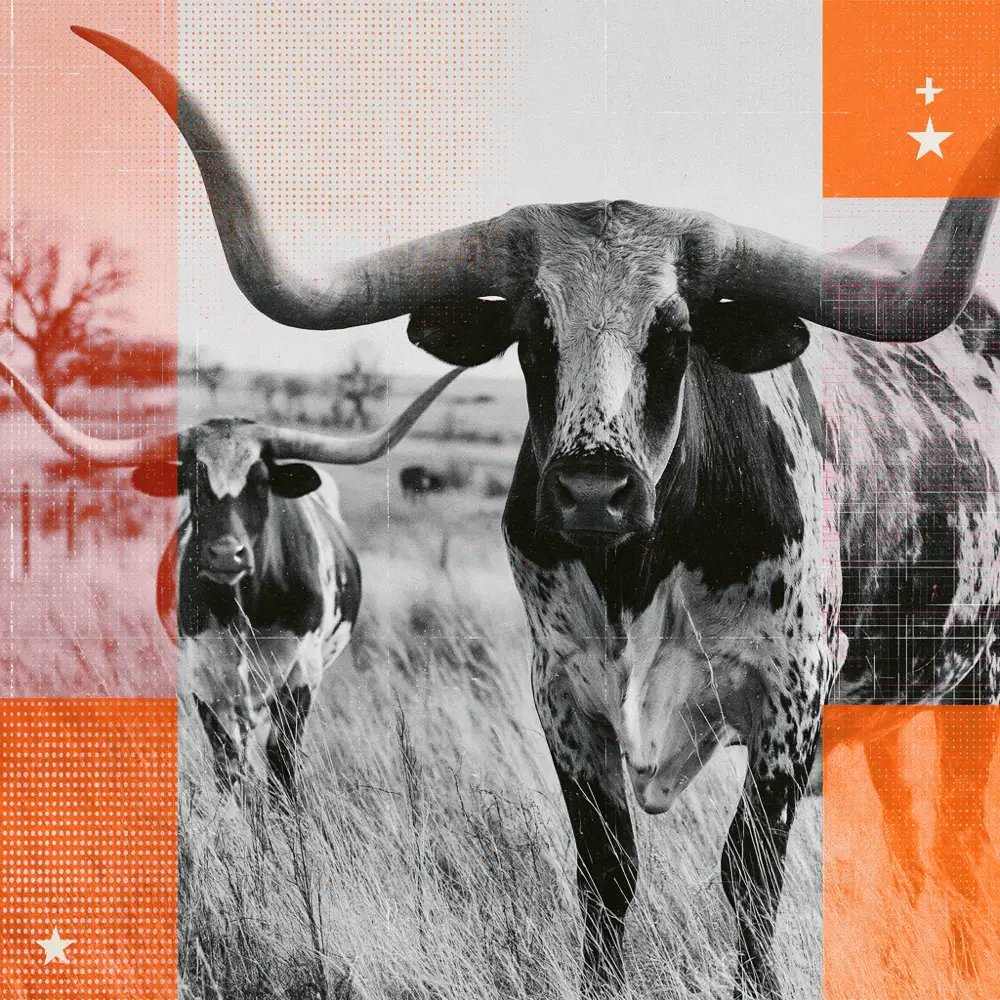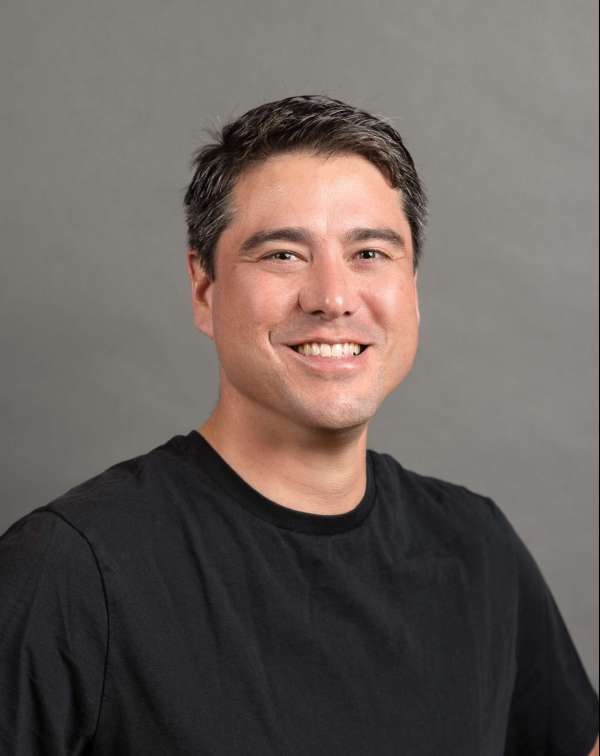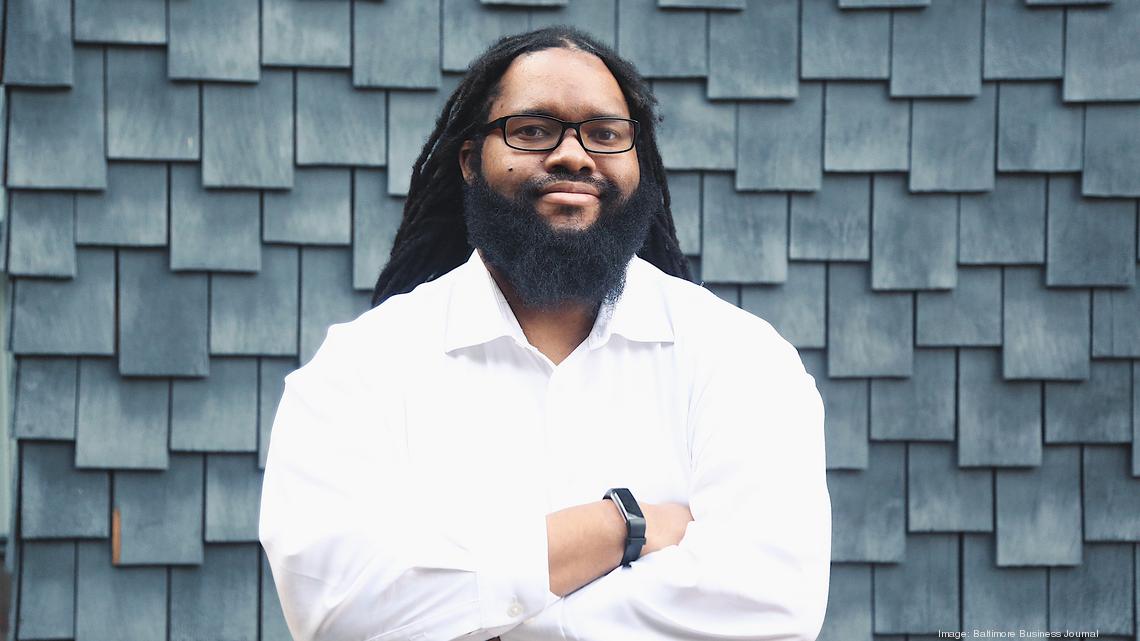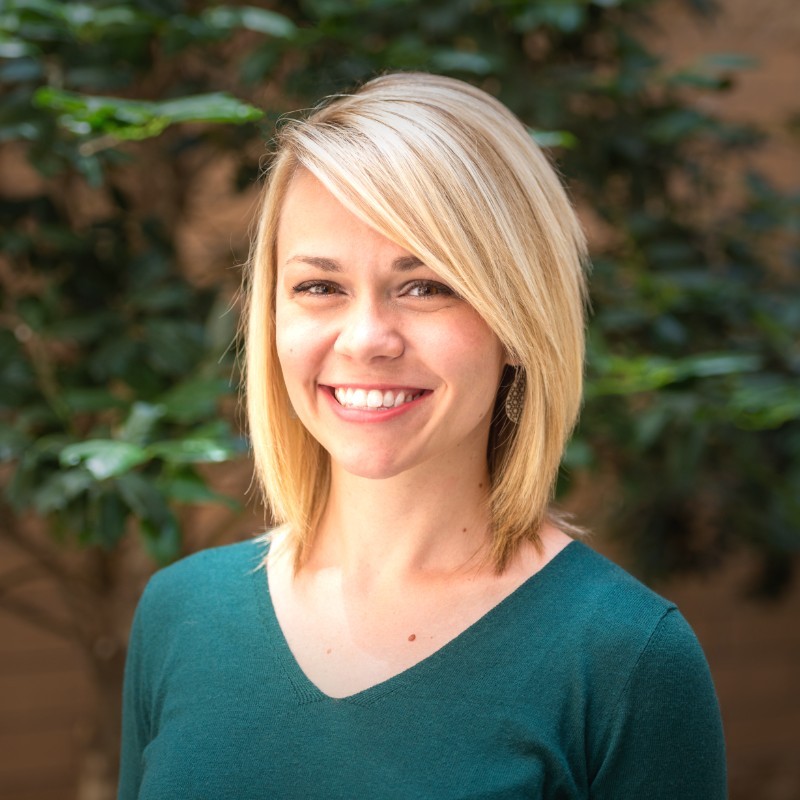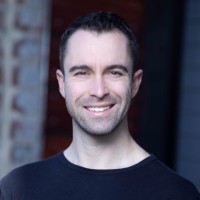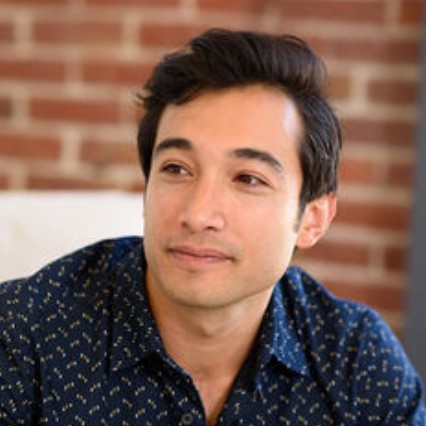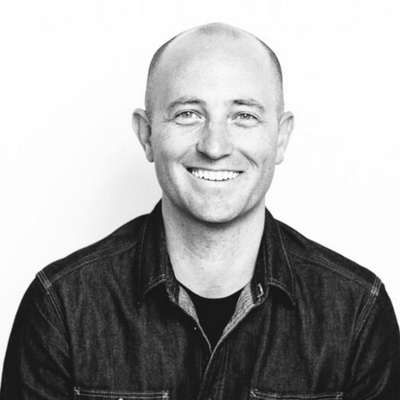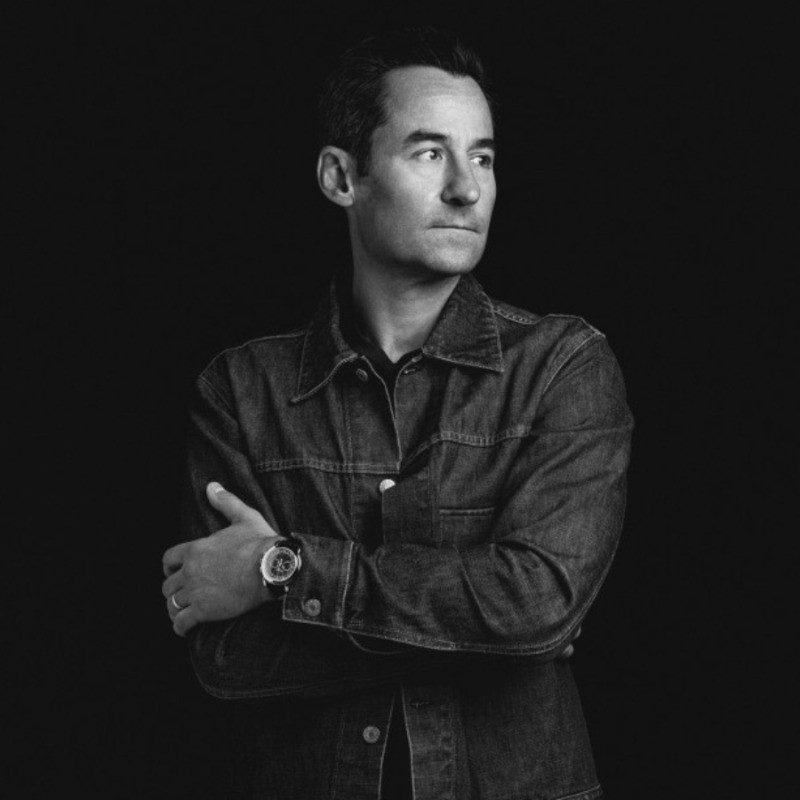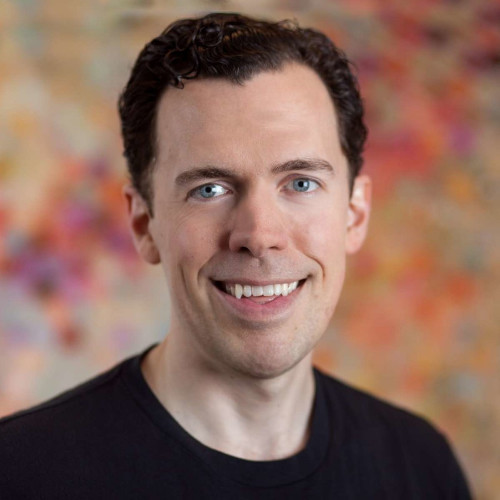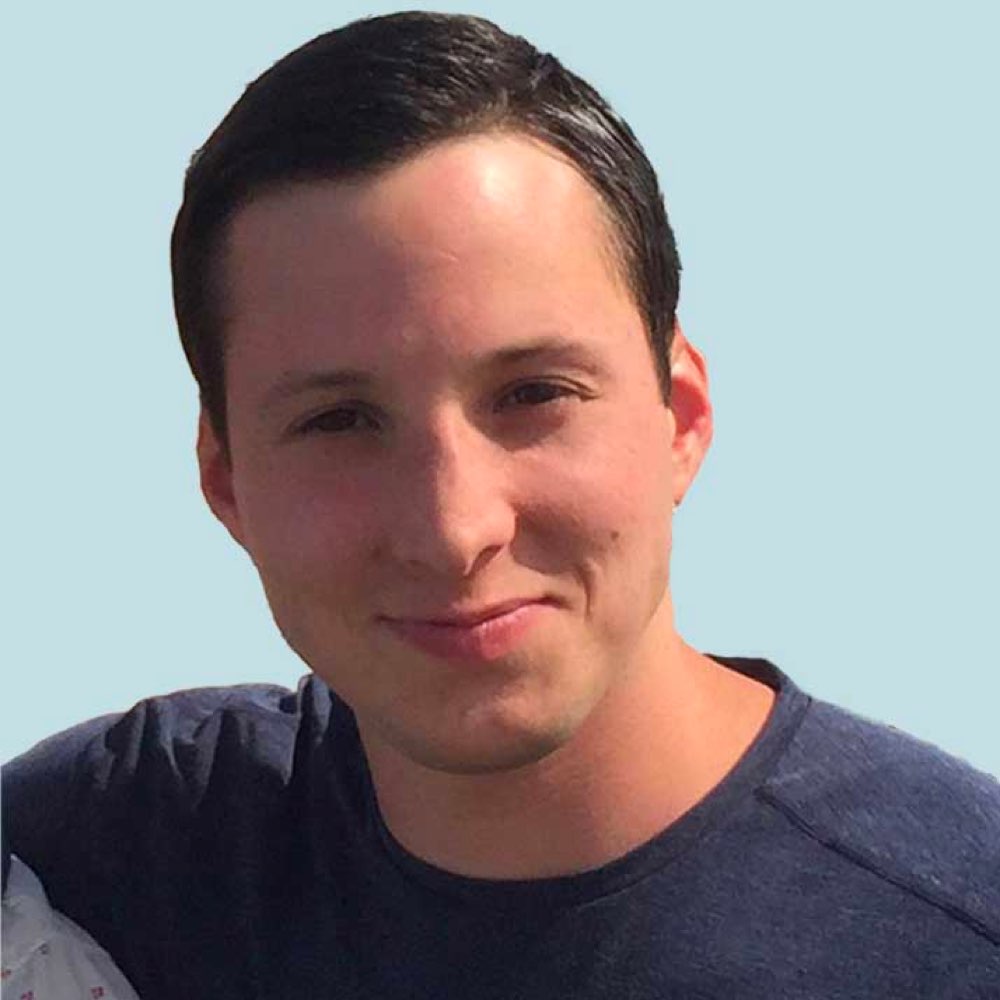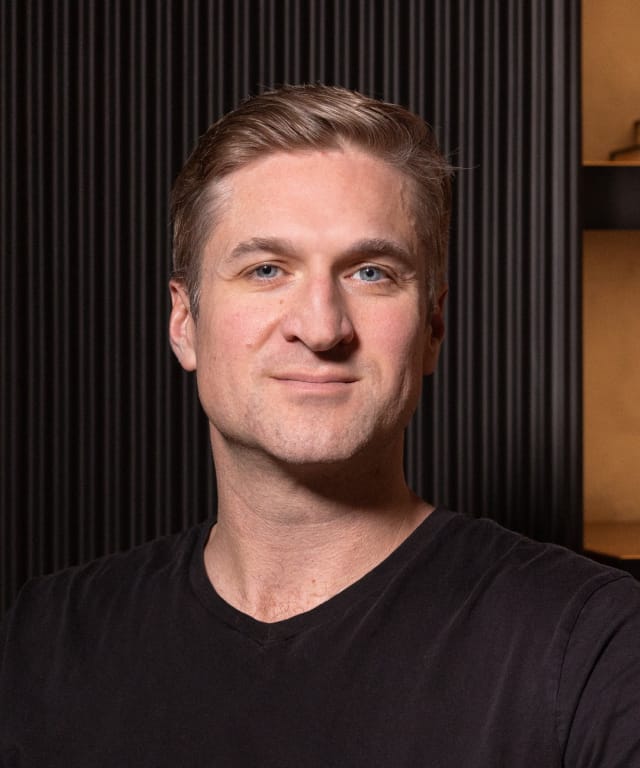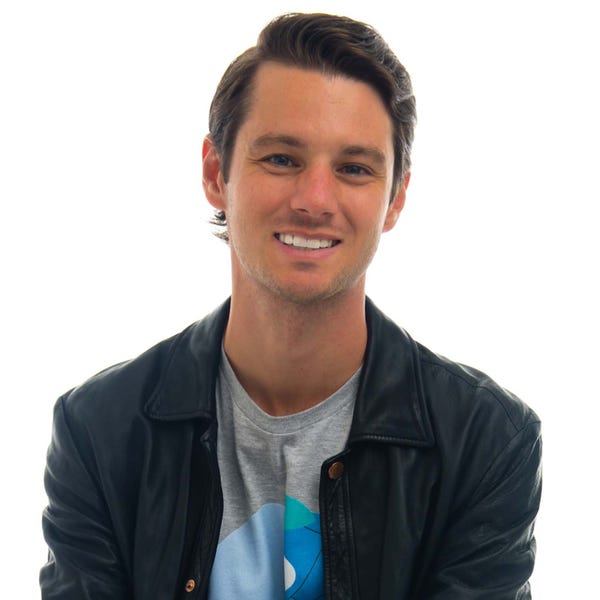

Banana Capital is built by a "chronically online" founder who broke into VC by publishing meme-filled Twitter threads and a "fantasy VC portfolio," then parlayed that online audience directly into a fund, operating from Ann Arbor, Michigan while building a global, internet-first brand far from traditional SF/NYC VC hubs. The fund explicitly brands itself as an "internet-first founders" fund that backs category-defining platforms with differentiated distribution, using radically small initial checks (often $25k–$300k) globally across all stages from pre-seed to pre-IPO, while Turner Novak's "Chief Meme Officer" persona and The Peel podcast serve as proprietary sourcing infrastructure.
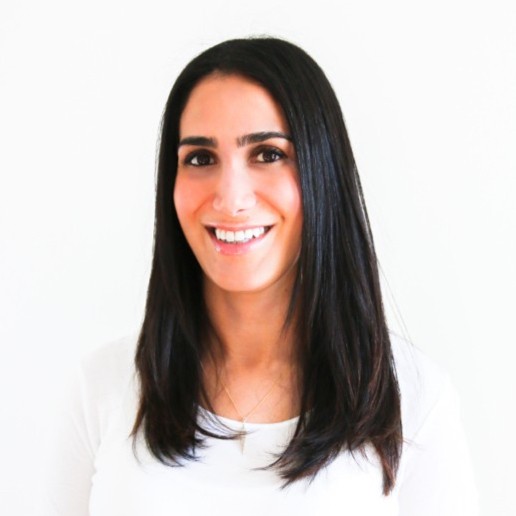
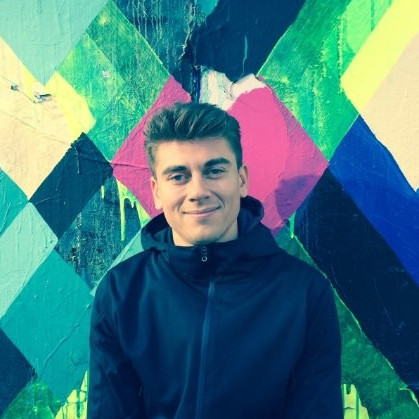
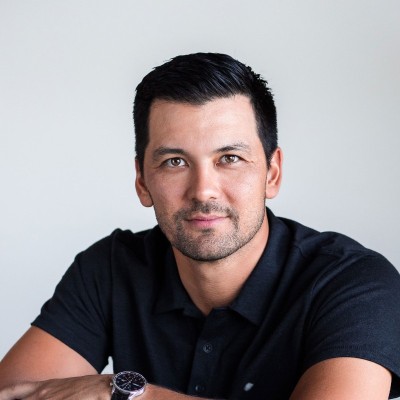
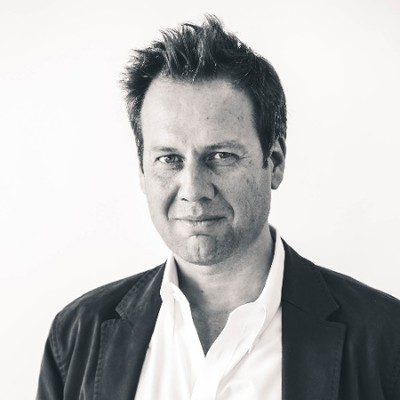
Investors AT THE FUND
Notable Investments
What Makes them Unique
Video Interview
On what VCs are actually evaluating every time you pitch
"Every investor is trying to make money and they all have a strategy for doing that in an area of expertise. So you just need to think of if I give this person money, will they think they can make a bunch of money? That's how I would think about it."
Turner Novak | Banana Capital
On the power of the right warm introduction
"Your boss introduces me to you, I think very highly of your boss, and your boss has something like, this is my best employee, I don't want them to leave, I've tried to convince them to stay and I haven't been able to. They're starting a company and I'm investing and I'm trying to help them raise the round because I just know that they're going to crush it. That is probably the most on a silver platter type of introduction to an investor."
Turner Novak | Banana Capital
On the hard truth about getting a yes
"On average, people say you'll see VCs say I take a thousand pitches a year and I only invest in 10 companies. So it's like a 1% conversion rate ultimately. You're probably going to get no. But you just have to keep getting more nos. And then eventually you get a yes. People who say yes, they were preconditioned to say yes. You just have to find them."
Turner Novak | Banana Capital
On a red flag that kills deals fast
"Too many buzzwords and then not being able to explain them to a normal person. I think a lot about if I talk to my grandma about this, could she understand what you're doing? Or is it just like, we make AI modernization products for the modern enterprise. You're just like, what did you just say? What does that actually mean?"
Turner Novak | Banana Capital
On what founders should actually expect from investors post-close
"You want them to do as little as possible while adding the most amount of value when they do. Figure out what they're good at and then only tap them or talk to them about those things."
Turner Novak | Banana Capital
Press & Media
No items found.

Is this information out of date? Let us know
Popular fUNDS
Fund name
Active in
Rounds
Avg. Check
Links









Or automatically find your investor matches
Upload your pitch deck to get your best investor matches in minutes.
Reveal the very best VCs to pitch for your startup
Get matching investors' email addresses
No ads. No catch. Free from VC Sheet.
Thank you! Your submission has been received!
Oops! Something went wrong while submitting the form.
Success. Check your email in 5 minutes.