
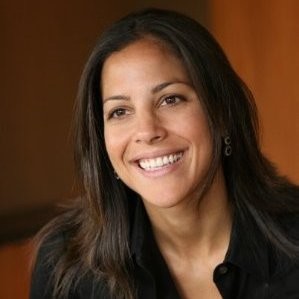
Jakob Diepenbrock
Discipulus Ventures
Jakob brings a refreshingly practical, no-nonsense perspective to early-stage investing, shaped by building his own community-based fund in El Segundo, the hardware and defense-tech hub that grew out of SpaceX's roots in LA. Unlike most VCs, Discipulus runs a physical two-week residency that front-loads the relationship-building, network access, and demo day prep that most founders spend 6-12 months scraping together on their own. For founders who are technical, mission-driven, and relatively early in their career, Jakob makes a compelling case that plugging into the right ecosystem early is one of the highest-leverage moves they can make.
On the fundraising process itself, Jakob offers a strategy that many first-time founders overlook: start with angels who genuinely like you as a person, use those early commitments to build social proof and momentum, then work your way up to the bigger funds. His reasoning cuts to the heart of how most VCs actually operate: FOMO. He's candid that the majority of pre-seed and seed investors are driven by "if I don't invest today, I'll pay more tomorrow," which means founders need to manufacture real momentum, not fake it.
Jakob is also direct about some of the biggest mistakes founders make as they near the finish line: over-representing investor interest, setting fake deadlines they can't enforce, and playing up FOMO in ways that feel manufactured. His advice is straightforward: the hard-tech and defense space is a small, tight-knit world where investors talk constantly, and a bad reputation travels fast. Be kind, be honest, and build real urgency through real progress.
On why first-time founders should start small before swinging for top-tier VCs
On the one thing that will immediately end a conversation with him
On the mistake founders make when trying to manufacture urgency near the close
On how tight-knit the hard-tech investor world really is
On what he really looks for in a founder
Mat Vogels (00:10)
welcome to another episode of fundraising where we interview the best early stage investors and ask all the questions that you as a fundraising founder have during the fundraising process
And today we have the one and only Jacob from Discipulous. Am I saying that right? Is that the right way? And they have a program I'm not going to talk too much about. I don't want to take the wind out of the sails for Jacob. But it's an interesting model that might be different than some of the other investors or early stage investors that you are looking at. So I'm really excited to dive into this episode. Jacob, give us a little background on yourself and maybe more specifically what you are building.
Jakob Diepenbrock (00:49)
Yeah, yeah, Matt, thanks. So I'm originally from the Seattle area. I started a company when I was in high school. Ended up working for Steve Ballmer's family office for a little bit early in my time in college. Did some kind of fun to fun stuff there, a bunch of different stuff, but it was kind of a cool exposure to the venture world generally. And then my freshman year of college, that summer, I ended up meeting some founders from El Segundo. So El Segundo for context is this place in LA where...
SpaceX started back in 2002 and there's kind of been this massive resurgence of founders from companies in the LA area, or founders in the LA area coming here and building in heart attack and critical industries. The kind of thoughts I have when I came in were kind of met Augustus, this guy from a company called Rainmakers, named Isaiah, company called Baller Atomics, are two founders here and two main things. One, for hard check, this is the best place to build.
supply chain wise, high-sensitivity machine shops anywhere in the country, and then talent wise, some of the best hardware engineers are in the area from companies like SpaceX and Androel. And second, there comes this general cultural resurgence of people excited about building these hard companies, solving these hard problems for the country. And I was like, this is kind of the best place to do it. Like, there's all the right people here. There's this massive history, a culture built around solving these hard problems. And I was basically like,
How can I be like the on the ground investor here, meet people early on? And then the way I thought about this is like, if we can just plug number one, the best early stage founders, we're like looking to get plugged into El Segundo and meet the right people and get plugged into the right networks and have like a partner from day one that's valuable and that's how we operate. And then two, if people want to build here on the hardware side, we can kind of be like that plugging point to the ecosystem here. And what we do that is we have this house here. It's we call it like a residency where basically you come and live here and we provide everything for you for.
about two weeks long in person. And the goals basically are one, plug you in with the best later stage founders in the area, two, kind of give you a close peer group of people building in similar areas to you who all of them go on and become very close friends, look together, et cetera. And then three, we run these demo days where we bring out a bunch of the best investors in the space and help them get funded. So it's kind of generally the way we do it, but we've worked with a bunch of awesome companies. When he's like, Dern, it's a mining company here in El Segundo doing autonomous mining rig, called Rune. It's a...
Logistics software company for DoD. We've done one called Vanguard Defense, doing Data Label for Defense, a bunch of cool categories. We do mostly hardware, but we do also some interesting stuff in software for critical industries. And they've been funded by some great phones like A16Z and locks and better lock, et cetera. that's kind of a quick rundown.
Mat Vogels (03:28)
love it.
That was a great rundown. Is there a program style? you talk quickly about what the program looks like, application process, capital, anything like that?
Jakob Diepenbrock (03:40)
Yeah, yeah. So the application process, we have a website, disciplinefieldsventures.com slash cohort. And there's a little apply now button. Apply there. We have some questions we've found over time, help us kind of narrow down people. And once that happens, I'll just set up a first call. And then generally we try to move very quickly. So it's like first call, if we like you, we'll maybe ask for some references and then we'll maybe set up a call with whatever advisors or members of the IC.
And usually this is all put together in a very three, four day time span, is great if you want to get back to it quickly. And then we invest 175k on cap safe for all the founders. And then we take kind of a small equity chunk upfront as well. So it's kind of like the general way we invest.
Mat Vogels (04:34)
I love it. That's a great rundown. I think it's a really cool alternative to even.
an accelerator program or certainly just going after some of the other early stage VCs directly. I think that the camaraderie and in relationships that you build as you go through those is is definitely an added benefit as well. We're to go through a few different sections here. The first is going to be a little bit more about you. And then we're going to go through what I like to call kind of the three stages of the fundraising process, which might be slightly different in a program like yours. But it's essentially feedback and advice for a found
that are, I have an idea, how do I actually get it in front of you and go through the process of maybe getting a meeting, which is the step two, how do you crush that initial meeting so that there's a chance that we can continue the conversation? And then the third is getting it over the finish line in any process that might happen to finally getting the thumbs up equity, in this case, accepted into the program for you. And then maybe more broadly,
Jakob Diepenbrock (05:31)
Yeah.
Mat Vogels (05:33)
what happens after you've seen now multiple companies go through the program, but then also have gone on to raise capital. We'll touch a little bit on what feedback and advice you've, you can now give based on what you've seen with those companies. So let's go back into a little bit about you and the VC job itself. Cause at the end of the day, think you would still, would you consider yourself a VC still ish? I know it's kind of a weird word, but would you consider yourself a VC?
Jakob Diepenbrock (06:00)
I mean, like technically I have a fund and I invest a lot of funds, so guess that is the definition. I try to think more about what we're doing is less of just like we're playing the VC game, which is like find interesting people super early. Don't worry about like round-out analytics, just like find them and give them money and just like help them. Like that's kind of the way I think about it. But yeah, I guess technically I'm an investor.
Mat Vogels (06:03)
Yeah.
Technically there.
Love it. In that case, what would you say is your favorite part about the job of being an investor into startups? And what is your least favorite part about the job?
Jakob Diepenbrock (06:32)
Yeah, I mean, I think it's, mean, like it's most of the time, I just like on the early stage side, at least I enjoy, I like just meeting people who are getting started with stuff early on and just like being the first person to bet on them. I think it's a cool experience, especially being like the first chef, which we are most of the time. Like basically make their thing, their money, they want to work on like a reality in a way. Or not reality, but like make the thing they're working on like able to work on. And then I think, I don't know.
I mean, I don't really have any complaints, like the admin part, like doing back end stuff and making cable. Yeah.
Mat Vogels (07:05)
Yeah, exactly. It's a very common answer. That kind
of ties in, I think, to the other question that we got a lot that was, you what is something that you wish more founders knew about being an investor? And my guess is that's one of the more common answers there is that there's a lot of admin work that goes into being an investor that founders just don't really think about.
Jakob Diepenbrock (07:26)
Yeah, yeah, it's a pain. That was like my first, the first, first hire I made was just very much focused on doing that, so I don't have to do it, not fun.
Mat Vogels (07:29)
Yes.
Yeah.
Yes, exactly. That way you can free yourself up to, I'd say fun stuff, but at the end of the day, it's still work. It's not all fun and games on this side as well. Last kind of question digging into you, are there any particular sectors that today you are really excited about? Doesn't have to be like, you the most excited first, second, third, but what are some of the areas that are getting you really excited right now?
Jakob Diepenbrock (08:00)
Yeah, mean, I think like honestly this does, it changes a lot. It's like there are companies that solve problems that are needed. But like I guess today we've, I think there's some interesting stuff and kind of like the chemicals industry in the US. I there's a lot of untapped areas, especially, I think lot of the stuff that's being done right now is development. And there's a lot of areas down from that, like scaling and focusing on kind of these critical chemicals that aren't made in the US. That's something I've been interested in.
I've been interested in kind of testing for different types of hardware. I think there's like lot of interesting areas there that haven't been solved or are still like pretty untapped. I think the kind of isotope space is interesting. mean, there's like obviously companies like General Matter that are doing stuff on the uranium side. There's a ton of other stuff beyond that. It's like, they're very, very large market. So yeah, those are a couple things.
Mat Vogels (08:57)
Love it. Yeah, there's never been a better time, I think, to build right now, is exciting. All right, let's go into the actual fundraising process itself. These answers can be more personal to you and the fund and the program. They can also be...
more generalist based on the feedback and advice that you've seen founders go through. wherever, wherever your heart desires on some of these questions as founders are going into the process of, have an idea and I'm looking to find an investor or a program or an accelerator. What are some of the things that you would recommend that they, that they look for? Maybe it's a characteristic. it some sort of filter? Is it feedback from founders? What would you recommend that founders index on as they're looking for capital allocators at the very beginning?
Jakob Diepenbrock (09:26)
Mm-hmm.
Mat Vogels (09:40)
of their startup journey.
Jakob Diepenbrock (09:42)
Yeah, I think it depends on a lot of factors. But yeah, I think if you've raised money before, you can probably raise money quicker. And you can probably go and find people that are kind of like the top of the top investor, talk to them earlier, versus if you're, I don't know, 20 something years old, or 20, let's say 23, or whatever, you just left school, or you just started your first job, and you don't have any experience in fundraising, it's probably gonna harder to do that. So I think.
Like usually if you're that age, I mean, that's where a lot of people come to us for is like, they're smart, technical, obsessed with the problem. And we kind of be like that entry point into these larger funds and larger networks that they didn't have access to. I think, yeah, I think that just like being in the right network, which takes a while to figure out all the time. So that's another kind of value what we're trying to do. But I think as you kind of, if you're, I don't know, if you're at like a SpaceX for 10 years or whatever, raise money pretty quickly. If you just call any call Catherine Boyle, she'll probably give you a check.
Mat Vogels (10:37)
Yep.
Yeah. I think, I think in, I think in your case, you mentioned earlier, I the easiest way for founders to get in front of you is to go to the website and then submit their application. Essentially. Do you have any high level feedback maybe for founders that are approaching VCs directly or funds directly?
Jakob Diepenbrock (10:40)
So, yeah.
Yeah.
Mat Vogels (10:59)
on some of the better ways that you've seen some of these founders get in front of a traditional VC, where maybe they don't have kind of an application process or something as easily as you've created.
Jakob Diepenbrock (11:10)
Yeah, I mean for us, the good thing about Wargaming is we're very, very merit-based. If I see an application that's interesting as in it's an interesting team, interesting tech, interesting market, I don't really care about anything beyond that. I think for most funds though, most Pre-Seed Seed Series A funds, a lot of the ones that you're gonna talk to or founders will talk to are, to be honest, kind of...
FOMO driven of like, if I don't invest today, I'll pay more tomorrow. That's kind of generally how a lot of investors think about it. like the key there basically is like one, you want to go into important meetings, important venture calls with some kind of ability to push a deadline or push a, I guess, yeah, drive FOMO in a way. So I think like a way to do that is like, I like to kind of encourage friends, start with like angels who are like,
Like you as a person and like want to help you as a person and like you're not going to be driven by that. That kind of gives you like a baseline and then go to like lower to your funds who like can also kind of help give you again kind of pat you on a pad and it's like start there, get people interested there, of just work up as you build up a base and then as you have interest that you have like offers and you have momentum on the fundraisers and that's when you kind of go to the big funds you want to talk to like you want to take your first meeting with like patterns, fundraisers, that's not a good idea. But as you kind of build up momentum there, that's kind of one.
it makes sense to those like, I guess more important calls to lock up their word. So yeah, I would just kind of think about that. think warm intros are always helpful for phones. Again, for the same reason of like, they think somebody they respect is talking to you, they'll probably want to talk to you. Cold emails sometimes work, don't always work, depending on the investor. So, yeah, those are a couple thoughts.
Mat Vogels (12:50)
Yep.
Yep. I like that. When you're looking through applications, there's maybe few VCs that go through an application process, which gives you that pattern matching ability. You see a lot of pitch decks, you see a lot of new companies and ideas. Is there a slide or some sort of area in question or anything like that that you look for during that process? there, yeah, what slide would you say?
Jakob Diepenbrock (13:03)
Yeah.
Mat Vogels (13:15)
is the most important? And then is there a slide that you see quite often or maybe something in the application process that people are trying to harp on more that is not as important as maybe founders think?
Jakob Diepenbrock (13:23)
Yeah.
Yeah,
I think at end of the day, like I said earlier, for me at least, this is not all investors and hopefully it's most investors. I think if I see something that stands out, it's interesting and unique, because I've talked to many people now, it's like if something stands out, I won't talk to the person. So it's not like there's one thing where it's like, is the thing I need to see, but it's like, like I said, if it's the tech itself, it's super interesting and unique. If it's the team itself, we're interesting and the right people to solve the problem. If it's the market itself, it's very interesting. It's one of those three things usually at this stage.
So I think, yeah, it's not like one area. I think generally we like to find people who are like technical so can build the tech, understand the problems, like understand the market and what's needed. And then for what we're looking like, we like people who are young and very high agency and like have shown consistent progress in like just making things happen and like pursuing their goals since they're young and like being leaders and just like, yeah, kind of always finding ways to get what they want and build what they want.
Yeah, but I mean, it's all a wide swath of different things that we've found out. The questions have been really adapted over the last four years as we've gone going to see what works and what doesn't work. So yeah, they're all relatively important, but usually I'll be to tell quickly as we dance out.
Mat Vogels (14:33)
You mentioned, mean, standing out, one of the most common questions that we got, oddly enough, was whether or not having a well-designed pitch deck or website or some sort of submission, is that one way that you've seen can help stand out or does it actually not matter that much to have something that feels well-designed as they're putting through it?
Jakob Diepenbrock (14:52)
Yeah,
I think for most funds, I think that does help for sure because they expect when they're talking to somebody at a certain level of progress or again, kind similar pattern matching type thing of like people that back to the far where at this point, this is what everything looked like. This is kind of, that's how they've done in the past. We don't even care about, I don't really look at pitch decks unless it's like I'm taking a call and I'm just looking at it beforehand. The application designs, we don't have to look at those pitch decks.
for us, I don't really care. But I think, if you're to like a typical precinct seed investor, unless again, you have like SpaceX 10 years, like you probably should have at least some put togetherness around what you're doing.
Mat Vogels (15:32)
I think the reason why my guess is that a lot of founders ask that is I see sometimes founders that spend too much time trying to make it look really good and that they're not gonna send it until it looks perfect and all those things. So it's more of just getting it out there and getting it in front of folks, getting feedback the same way you would in building any sort of company. So.
Jakob Diepenbrock (15:47)
Yeah.
Mat Vogels (15:50)
So that's great. Okay, so let's say that they go through the first process, they've caught your eye and you're now going into kind of that second phase, you're meeting them for the first time, you're going into let's say the first meeting, let's wrap it around that block. What are you looking for in that initial founder meeting? What's a green flag that you look for in some of those early founder conversations?
Jakob Diepenbrock (16:03)
Yeah.
Yeah, mean, kind of back to my earlier point of like, again, there's like usually three parts of early stage company and team tech market. So I think, again, some of these just end up there. What we like to see personally, and this is kind of our archetype people, our founder like, is like very young, very technical, deep in touch with a particular problem. And that drives them to want to go and like create this solution. Usually they're not like super...
VC finance bros are just like obsessed with one problem, want to solve this one problem, that's kind of like their driving factor. There's usually some deeper reason why behind it, whether it's a family connection or a deep value that drives them to solve this problem that they're focusing on. And then...
Within that, there's a lot more, obviously. It's like, on the market side, they understand who they're selling to, have they spent time with the people in this market, is what they're building a unique solution that no one else is trying to build. Is the market itself open for disruption? I think you've probably seen the same thing, but maybe three years ago, there was a lot of open space on defense side. If you build a drone company, it was unique. Now there's a thousand drone companies, and it's a little bit less unique in what you're building there.
So I think it's something we also look for is like, is this a space where like venture dollars have not already flooded in too? Because from there, there's like two issues. Like one, if they've already invested in like other ledgers, if they've already invested in these companies, in RNA company in this space, like it's hard for them to do.
A thousand other ones, right? So that's one part. And then two, it's just like, if there's already a solution, there's probably other areas are more important to focus on. So those are like a couple big things we like to look for. But again, it's very much just like what stands out. And because you guys, like if you talk to thousand people or whatever, like you know what is special and what's not special and it's just kind of like a pattern matching game. So usually I mean, just spiky in all of these areas I just mentioned.
Mat Vogels (17:51)
Yeah.
Is there a red flag or something that's kind of, is it just the opposite of the green flag or is there another characteristic that when you see it, you kind of get a little hesitant or even run for the hills?
Jakob Diepenbrock (18:06)
Yeah, I mean, I think, like, don't lie about stuff, don't over-represent stuff. Something I've actually had, just like, I'm done, I'm not gonna talk to them again. If, what else?
Yeah, I mean, think, again, a big thing that I think is just very important for us being the very first investors, if we brought in a counter-UAS company, and again, there's a thousand of these now, there's probably not as much demand on the investor side, and because we're a smaller company, have to make sure they go on and raise more, so it's like...
being aware of what's out in the market and why this is a unique solution to a unique problem that nobody else is looking at. I'm very keen on finding people like that. So yeah, those are probably two things that come to mind.
Mat Vogels (18:50)
Yep.
Yeah. I trust is in lying. I think that'll end up being 90 % of the responses that we get for that, which I think is, is absolutely true. what is a question that you would encourage founders to ask during the investor process? And maybe it's in that first meeting, or even just during the process itself, as they get to know the investors they're talking with.
Jakob Diepenbrock (19:09)
I mean honestly I don't really care unless people ask questions. think obviously, yeah, probably we don't to waste our time. Like, are we looking to raise now? are you raising like a Series A? Probably shouldn't talk to me. Yeah, just like general make sure this is the right people. But it's not like I don't want you to ask me about my, I don't know, my family or something. That's been important to me.
Mat Vogels (19:11)
Yeah.
Sometimes I feel like
I went to Y Combinator and they would give advice sometimes that I would carry into these meetings and it would almost be a red flag like asking, you know, who's the, who makes the decisions around here, which are good questions to ask. But I will say sometimes VCs get a little bit offended by those. They shouldn't. But yeah, every now and then I'll see founders that spend a lot of time, like all of sudden they have a list of questions and the interview flips. Sometimes it can be a little more annoying, but.
Jakob Diepenbrock (19:43)
Yeah.
Yeah,
I think maybe when that was a new thing, I was like, this guy's smart. He's thinking about it in a way. But now it's just like, everybody knows this is like step five of YC's interview and back to the guys. So it's not as unique.
Mat Vogels (20:06)
Yeah, exactly right.
Are there any common mistakes that you see founders make during maybe the fundraising process as a whole?
Jakob Diepenbrock (20:14)
Um, common mistakes. Um, yeah, I I think the stuff I mentioned earlier, those two things, right? Um, I think what else stands out? Um, I think like, don't be too needy. Like to be honest with you, like if an investor misses two or three follow-ups, like they're probably just not interested. Um, and I think it's just like, it's time to go and find other people that are interested. Um, I think what else?
Yeah, it's like one piece of paper.
Mat Vogels (20:43)
Yeah.
Nope. That's good. So let's say that they've gotten to the phase where you're interested, you're, getting super close. Your conviction's close. Let's talk a little bit about the process that goes from, you know, interested to a full yes. In your case, could you, could you pull the curtain back a little bit and give a little bit more of what maybe the diligence process would look like going into your program specifically, or just, yeah, what the process might look like going from that first meeting or second meeting to you're in the program.
Jakob Diepenbrock (21:02)
Yeah.
Yeah, I so I mentioned stuff earlier, I personally like to look for it on the first call and what stands out to me from there usually it's like, I think there are two areas that usually I personally don't like have a super deep understanding of. One, like the person's background, if I don't know them, then I wouldn't be able to figure out the risk if they're telling me it's true about themselves.
So that's usually for some way to verify that, whether it's just network connections to them or just getting references from people that they've worked with in the past. And then two, just the actual customer they're selling to. if it's a mining company, I'm not a freaking...
exploration company or whatever the customer is going to find a way to basically get that perspective. So usually I'll ask those two after the first call up, I like the founder and that'll usually be like in a day or two. I'll have those calls get set up. And then from there, I mean, I have a IC type group of advisors who will chat with the founders if needed and then.
If there's maybe I'm a little like uncertain about some area that I want somebody else's piece of protective on, I'll bring one of those guys on. then usually if all that stuff goes well, then that's kind of the general process. it's just, again, should take like a couple of days max and then get you an answer quickly.
Mat Vogels (22:19)
Love that. Is there any, I guess, mistake or advice that you tell founders not to do during the kind of the final rounds are getting close? And maybe it's not even in your case, but some mistakes that you've seen founders make as they're in the final rounds of a fundraising process with other investors.
Jakob Diepenbrock (22:35)
Yeah,
for us, like I mentioned stuff that I think is important and we're again, we're like FOMO focused. So it's like really an issue. I will say though, like I think some people try to push too much on the FOMO stuff. Like, oh, GEC's lead the round, like jump in now or like, oh, give me an answer in three days. You're like, oh, just trying to push that too much. Like think you want to have some amount of that, but like it should not be fake. It should not be, oh, like obviously constructed.
So yeah, think people should just be aware of that. One, you shouldn't over-represent another investor's interests. Two, you shouldn't make false deadlines unless you have a way to enforce them. Three, you shouldn't act arrogant. I I also see lot of first-time founders try to act out like, oh yeah, if you miss out on this, you're stupid, inconstant, and people just will think you're, they know you're talking about. So yeah, don't do that. Just be kind.
Obviously you want to be able to build a on, kind of gave like that kind of a couple of step process to do that over earlier, but you shouldn't do it in a way that like is not real or is like obviously misrepresenting what's actually happening.
Mat Vogels (23:40)
Yeah, should definitely be kind of the founders forget how small of an industry it is and how close so many VCs are. Like they assume we don't talk to each other or know each other or anything. And sometimes, you know, a bad response like that, especially if it's cruel or mean or stubborn, can hurt in the long run. So yeah, definitely don't do that.
Jakob Diepenbrock (24:01)
Yeah, like in this R space, for example, like this kind of hard tech space, like I know very often with these investors and like they talk about they're talking to and like if I bring somebody up and like, this is a bad experience. Like, yeah, I to talk to them. And like, this is the rounders like random people. We all we like it very much in the industry together. We know each other and we're sharing sharing stuff together. And like, have to understand that.
Mat Vogels (24:21)
Yeah, and investors have weird egos that are sometimes get our feelings hurt fairly easy comparatively to others sometimes. So yeah, just better to be kind all the way through and not have to worry about that. ⁓ Let's shine a little bit of light on the fundraising process is done. They've raised capital. In this case, going through the program, what can folks expect?
Jakob Diepenbrock (24:31)
See then.
Mat Vogels (24:41)
after they've gone through, what does that relationship look like with you or with other folks that go through it? Shine a little bit of light of what they can expect after going through it.
Jakob Diepenbrock (24:50)
Yeah, yeah, I mean, kind of I mentioned the three value adds earlier that we think are helpful. Again, the key part here being like we can get the best relationships you should have in this ecosystem here. Again, investor side, founder side, peer side into like a very short period of time that we think would take normally like a year or six months. We do this in like two weeks. That's kind like our core value add. And then me having helped these founders raise and help these founders, helped lots of others build from.
I'm gonna preach to you in series A and beyond. Like I have those projectives and those people in mind that can like, I can make this connection. So it's kind of the main way we like to think about how we help people. And then following the program, did the big demo day. had like 350 investors apply the last one. Then I'll basically help.
run through the fundraising process that our founders, I mean, we help the whole prep there. Like, have a fund called HFZero that's one of our investors and they come run their demo day prep. Then we have a, we have like, you're deck ready, you're pitch ready. And then once you finish off, I'll send out information to all like my network investors. It's just like 500, 600 plus now. So that helps with fundraising. Then I'll kind of be there and we'll do catch up calls as we're walking through the process to make sure that you get the round done.
And then we do events and stuff, so make sure you're getting right to those and dinner with some of the best founders. And Brian Armstrong recently, and we're stuff like this all over the LA, which is awesome. So yeah, it's kind of be part of the community. We are kind of the ecosystem here because there's nobody else in El Segundo. So make sure that you get all the right people around you and you're moving as quickly as possible.
Mat Vogels (26:20)
Love that. And now you kind of mentioned a good thing. One of the benefits of being such an early investor in a lot of these companies is you get to help them and support them as they go through some of those later fundraising stages, even if it's, you know, a seed round from from a pre seed. What are some of the
expectations that you could set for founders that have either closed maybe a seed round or a series A after they've gone through the program. What should that relationship look like with those investors? Because I think sometimes that's been a disconnect that we've had is what should I expect from investors after they've written a check? Obviously, it varies. But could you shed some light maybe quickly on how founders should set expectations to maybe a traditional VC fund after they've written a check?
Jakob Diepenbrock (27:04)
Yeah, yeah. I mean, think sending updates, like I've heard people say, like, send weekly updates, like, don't do that. It's not normally to do that. But like, I don't know, quarterly, I think it's helpful. mean, as an investor, honest, you should ask them, like, what do you expect from me? So I think, yeah, sending updates is helpful. Like, if you're in SF or LA or wherever your investor is, like, meet up with them, keep them updated. And then if you need help with stuff, like, you should have a list of people that can help you, which is usually your investors. And if you need, whether it's customer intro or a...
Mat Vogels (27:10)
Yeah.
Jakob Diepenbrock (27:35)
intro or whatever it is, just have those people that can help and they have their job, right? then usually in quarterly updates, you should have a very clear asks and then people will help with that. So that's kind of my general advice.
Mat Vogels (27:48)
I like that. Is there any mistake that you see founders make after they've secured the bag where they've raised capital, maybe not quite in the pre-seed, but seed stage when they get some of that real money? Is there a common mistake that you see some founders make after they get the capital?
Jakob Diepenbrock (28:05)
Yeah, I think once you raise a big round, you got to go and use it for the right reasons. the fundraising part's not the actual, like that's not what building a company means. It's like a part of it. That's not what the goal of the company is. So I think just like you got to execute with what you're doing. then I think you got to be prepared to go on and raise more, like the nature of, especially hardware, like you got to raise money relatively quickly. And I could use a junk of money relatively quickly. So just like kind of have timelines set out so that you can do that.
For like an A fundraiser, that's a more in-depth process than it is for like a Spruce Ed C. Sometimes seeds are all like saved, A is definitely going to be like a price round, so you be aware of that and then the timelines that go with that.
I think to the point earlier about your investors, investors are great. We had mentioned they know other investors. Meet with them and figure out where you need be to raise that A, figure out what time frame you want to put out to start initial conversations, close those conversations. So yeah, that's generally what I would say.
Mat Vogels (29:06)
I like it. Last question here. What is a common reason that you've seen startups, whether it's fail completely or you see them stumble in kind of a big way, not just after fundraising, just ongoing and obviously is a big hurdle. If they do not overcome, could be the nail in the coffin, so to speak.
Jakob Diepenbrock (29:24)
Yeah.
Yeah, I obviously fundraising, like you can't pay for anything or hire anybody. You can't build anything. So that's like a important part. But I would say beyond that, what is important? To my three points earlier, like, can you build the tech? it maybe like the tech risk too high and it's taking you long and then you didn't figure that out. Fundraising wise, you can't go and raise to keep doing it. It's one option. I think that's going to happen. Do some out.
team risk, like are you hiring the right people? Are these people capable of what they're doing? Are you good at managing them? That's the team part, and the market-wide part, is this actually a product that's needed? Is this too early, is this too late? Is this not the right solution? That's kind of the question there. So those are all the things that come up, I think, after you raise and you don't raise, and then you can't do any of stuff.
Mat Vogels (30:08)
Yep. Awesome. Well, Jacob, thank you so much for for happening on. was a was definitely rapid fire. I think it was a big help, especially, like I said, because your program is unique and that is it's not a traditional VC fund, but more of a collaborative process for you. All the mentors, incredible people that you have go through it. Can we do a quick wrap up on where folks can can learn more about you, about the program and in any next steps they could take?
Jakob Diepenbrock (30:21)
Yeah.
Yeah, just go to our website or look us up, discipulus.com slash cohort is kind of the cohort application and the cohort information. then, yeah, if anybody has any questions, feel free to email me. name is Jacob.deepinbrock at discipulusventures.com. So that's kind of a quick rundown.
Mat Vogels (30:59)
And I recommend it. Thank you so much for hopping on, and we'll chat soon. Bye.
Jakob Diepenbrock (31:03)
Yeah, thank you.
















.jpeg)


.svg)











.jpeg)