

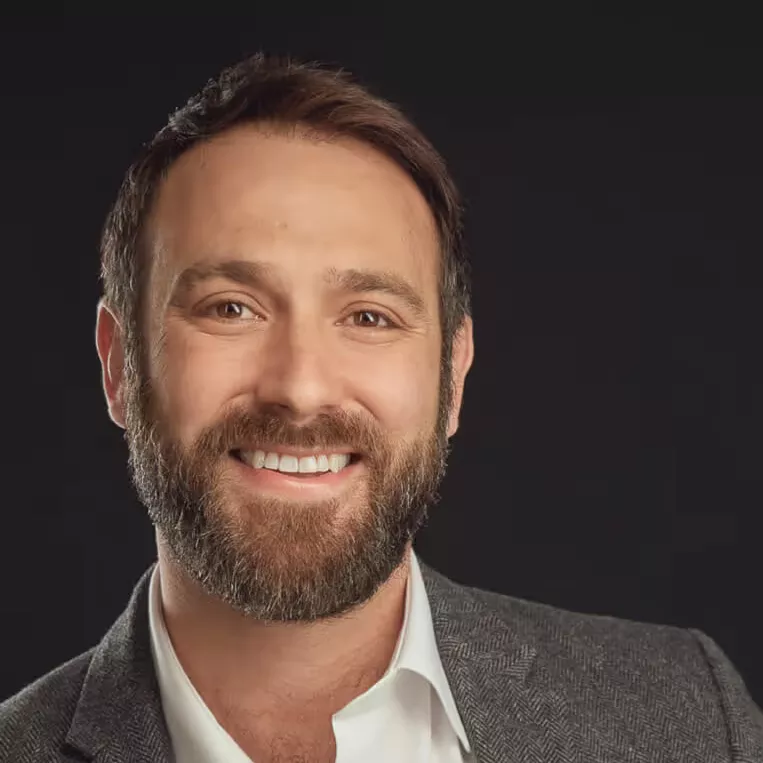
Brett Calhoun
Redbud VC
Brett's approach to pre-seed investing is built entirely around the founder, not the idea. At a stage where most companies have little to no traction, he goes straight to the team slide and digs for founder-market fit, how the team met, and why this specific group of people will push through when things get hard. His take on pitch meetings is equally refreshing: he doesn't want a presentation, he wants a real conversation. Founders who come in reading slides or rattling off name drops lose him fast. He's looking for emotional intelligence, self-awareness, and someone who can show their passion without slipping into sales mode.
On the process itself, Brett gives some genuinely tactical advice that doesn't get talked about enough. He recommends founders have recorded customer calls and testimonials ready in their data room before diligence even starts, since reference calls are a bottleneck that can slow a round by a week or more. He also prefers investment memos over slide decks because the writing reveals the depth of a founder's thinking in a way that slides never can. And when it comes to building the cap table, he cautions against letting one large fund take the entire round, pointing out how dangerous that signal becomes if you miss your metrics and that fund walks in the next raise.
Brett also doesn't shy away from what happens after the check clears. His warning to post-raise founders is one worth sitting with: once you have investors with opinions, you need a very strong filter. VCs have incentives, and those incentives don't always align with what's best for your business. The founders he most respects are the ones who move fast, stay honest, trust their gut, and filter feedback without losing conviction. His closing advice is almost provocatively simple: stop thinking about fundraising, and just build.
On why the venture math is harder than founders realize
On how to approach VCs before you're actually raising
On integrity being non-negotiable in the pitch process
On why customer recordings belong in your data room
On filtering investor feedback after the raise
Mat Vogels (00:10)
Hello everybody. Welcome to another episode of Fundraising where we interview top early stage investors and ask them all the questions that you as a first time fundraising founder want to know about the fundraising process. And today I have Brett from Redbud.
VC
Could you give an introduction a little bit of the fund, what you're investing in, check sizes, stages, and those things?
Brett Calhoun (00:32)
For sure. Yeah, so I'm a general partner at Redbud VC. We invest at the pre-seed stage and how we think about that is first check to first institutional round. Average check size is about 400k in this fund. And we invest in people who don't give up. So really it's a super generalist thesis across industries and technologies. About 15 % in hardware, a little bit in life sciences, a little bit of consumer, and we have done quite a bit of vertical over horizontal.
really like folks who have unique insights, secret about an industry, founder market fit, distribution, or crafty ways they can hack for distribution.
Mat Vogels (01:09)
I love that. Is there a particular sector that you're excited about right now or more interested in or is it still just almost looking at those founders?
Brett Calhoun (01:18)
we definitely have a ruthless strategy around sourcing and pulling in, as much talent as possible. So casting a wide net, with the philosophy that the higher the quality of the pipeline, the more you grow it, the higher chance of success, know, picking a solid founder. we have had a lot of success in healthcare, in FinTech in the built world, industrial type investments.
and some in hardware and robotics.
Mat Vogels (01:42)
Love it. Let's take a step back Brett. What were you doing before you got into to VC and why did you choose to get into VC?
Brett Calhoun (01:51)
Yeah, so I had a hodgepodge journey, untraditional path here. I did have a couple of companies I helped. Co-found was on a first person on the team for an incubation at the Legal Tech Fund called CapGains. Co-founded a lending startup for veterans called Charlie Mike. We financed closing costs and VA mortgages. Worked with the Legal Tech Fund, worked with a fund when I was in grad school at Mizzou that was just focused on investing in Missouri based founders. Was an early employee at a company called Patient.
but before that, I mean, I grew up in small town, Arkansas, lived in Missouri, Illinois, played football at a D2 school, like did not come from like roots that are like typical to getting into VC. was lucky to meet some of the right people that opened up their networks for me. One of those guys was Jay Malik who had started a firm called Countdown. And, so yeah, very much an untraditional path, but a bit of finance, entrepreneurship and VC in there before.
Mat Vogels (02:46)
I like the untraditional paths often make the best VCs, in my maybe selfish opinion, but what is your favorite part about the job? What is your least favorite part about the job and being a VC?
Brett Calhoun (02:56)
Favorite part is meeting all the amazing people who know so much about their specific niche. Yeah, that is the joy I get. mean, this is a relationship business and if you don't like that, you should not be in VC. What I least like about venture is probably telling everybody no because now you to tell somebody that their dream and passion and life work is not good enough for your capital.
Mat Vogels (03:08)
So true.
Hahaha
Brett Calhoun (03:21)
Not because it's not good, but just because we have finite capital. So I think when you first get into VC, it's like a candy shop, everything looks good, then you start, cynical's probably not the right word, but you start to move the bar, and then you start saying no to pretty much everything. So that's probably the worst part of the job.
Mat Vogels (03:38)
Yeah,
absolutely. Along that line, is there anything that you wish that more founders maybe understood about being a VC? Common one is that we have to say no the vast majority of the time. Is there anything you want to touch more on there or anything else that you wish founders better understood?
Brett Calhoun (03:55)
I think there's a couple things. So two big ones I think I would touch on. One is that the venture math is like really hard and I don't think people understand that. So yes, we're like super open-minded about terms and valuations and all that stuff. But if you're 5x the median valuation, you have to be 5x the exit outcome. If that's not the case, then you're squeezing venture margins. If venture margins get squeezed, it's hard for anybody to raise additional funds. And so
I don't think a lot of entrepreneurs realize how hard it is, you know, at the pre-seed stage with future dilution and whatnot to actually return your fund. And then the second thing I think is so many entrepreneurs look at VCs, there's like, you're like sitting on this throne and like, oh my gosh, I'm pitching an investor and it's like, dude, I'm just like you. Like there's literally nothing special about me. So yeah, those would be the two big ones.
Mat Vogels (04:49)
Yep, those are good ones. Final question here. Why should founders pick you or Redbud VC to be on their cap table?
Brett Calhoun (04:57)
Yeah, so we're a collaborative investor. I think very complimentary to the cap table. We come from Columbia, Missouri, which is pretty unique. mean, one, we're the only fund in Columbia and you know, it's not like there's that much capital going to the coast or outside of the Midwest from Missouri. And so a couple of things that we have are one is like a completely different network of potential customers and talent in the middle of the country that most of our co-investors don't have. So we can fill that gap and the network effects.
And the second thing is like we have phenomenal operators in the team. my, of us came from flashy backgrounds. My partners didn't go to high school or college, took a company through YC and that company just went public two weeks ago. It's like eight or nine billion market cap, a thousand employees. So like that right there is like a potential customer for anybody in construction, finance, employer benefits. mean, there's, we're able to leverage them a lot. So those are some reasons.
Mat Vogels (05:47)
Yep.
Love that. That's always that's that's great. I getting out of the bubble and having VCs that are out of that bubble is a great addition to the cap table. All right. We're to go to the fundraising process now. I like to call it kind of the three phases. The first for a lot of folks listening that don't have a network. They've never done this before. It's how do they get the initial meeting? How do they go from not knowing anybody to talking to people and getting to the first conversations? Second phase is you've had those first conversations. How do you continue the process, get the second meeting and then ultimately close the
And then the third phase being kind of closing around and then how do we handle things from there? What happens after we close the round? So starting with the getting in the room Is there anything that you would recommend to these founders out here when they're building a lot of them have this initial list It's a list of you know 20 50 100 maybe a thousand VCs that they should at least start reaching out to or thinking about What are some of the things that you would recommend these founders index on when when looking for the VCs for them?
Brett Calhoun (06:46)
Yeah, so one, it's obviously making that list and obviously cutting it down to a pretty targeted list. I mean, I would not go scrape pitch book and then reach out to a thousand VCs at once. That is, I've seen a lot of people make that mistake. So yeah, one, getting the prospect list really down to your ICP of who the investor is. And then even before you want to raise, mean, months before that, you're tinkering with an idea.
Like I would be networking with other entrepreneurs who have a network with VCs who've raised funding before. One is like mentorship, but then also who can open up their networks. If they see that you're executing and have a high velocity moving fast, I I'm sure they'd be open to, you know, suggesting introductions to their current investors and whatnot. So that this is more, I'm tailoring this more for the point of view that you're a first time founder, never really been exposed to VC.
so that's a really good intro path. I mean, there's, would obviously try to find VCs, know, who, who accept cold outreach, engage with their content on socials. I mean, we get hundreds of pitches a month and in bounds and DMS on Twitter and LinkedIn. mean, it's like, that just doesn't like, we try to go through it, but it's really hard, to spend a lot of time. so if you don't have like incredible pedigree, you're not going to raise any eyebrows on like the cold outreach. And so.
yeah, I mean, it's, yeah, reaching out to people, adding them to updates. Like I would be approaching this more as like, Hey, I want feedback. This is what I'm building. You've invested in XYZ company. You could probably share some insights as opposed to I'm raising a million dollars. I have nothing raised. Like that is you have zero leverage going into those conversations. so if you're coming into it more for like feedback and mentorship and, yeah, you're updating people.
once you get to the point where you're ready to raise me, have investors start asking like, hey, are you taking money yet? So yeah, those are the approaches I would take.
Mat Vogels (08:37)
Yeah.
Larson Jensen, our GP here at Harpoon has a saying that I always love, which is that if you want money, ask for feedback. And if you want feedback, ask for money. And I think it's so true in this case, for whatever reason, it just triggers something in our brains to be a little bit more open to, to at least opening the door and then having that conversation. So you kind of talked a little bit about maybe some of the good things or right things to do when reaching out to VCs. there wrong things or the things that you see that just don't work? And it's like, Hey founders, don't waste your time on that. far as reaching
out or trying to get in front of VCs.
Brett Calhoun (09:09)
I think it's trying to play the game too hard. where you're telling somebody like, I have commits at like a 12 post, but if like, you commit now at an eight, like I'll, you can have it. It's like, okay, clearly like you're, you're selling to me. Like I, like I, over time, if you're talking to good VCs who's been around for like a few years.
Mat Vogels (09:14)
Mm.
Brett Calhoun (09:34)
They're able to spot people who are selling to them and have the spidey senses to sniff out what's real and what's not. And so to be honest, default, I think is to just be honest and have good integrity. And that is like very important. Like that's one of the top things. Like resilience for us is like the number one thing, but like if you don't have integrity, like we can't partner with you. Like that is no stop. So I would say like that's something that a lot of...
founders who get bad feedback from other people certainly lean into and yeah, I would watch out for that.
Mat Vogels (10:06)
one of the things that we all read, so we get, like you mentioned, hundreds of emails, DMs, but ultimately we get a lot of pitch decks or memos sent to us. And I find that a lot of times a VC has a specific slide that they get to, they scroll to immediately and they look at first. And then maybe if they're interested, they go back and they start from the beginning and go through.
Do you have that slide or is there an important thing that you are looking for in those initial outreaches that get you excited about having that first meeting?
Brett Calhoun (10:32)
Yeah, I mean, it's generally trying to get to the team side. I mean, most of the companies we're looking at probably don't have a ton of traction. If I was a seed stage investor, I'd go straight to the traction slide. But yeah, mostly the team typically glaze a bit over the problem side. I mean, if we're familiar with the industry, we're familiar with the problem. We don't really need to read too much into that. Assuming that it's a unique wedge that could either be multi-billion or unlock multi-billion.
But yeah, the team slide is most important to us.
Mat Vogels (11:01)
Is there anything on that team slide that you think founders need to include or make sure that they talk about? And how does a team slide stand out for you?
Brett Calhoun (11:10)
Yeah, one I wouldn't put that we have a combined 100 years of experience in XYZ industry. I don't know why, but that is.
Mat Vogels (11:17)
Sometimes it's
funny I see those and it's like one person that has like 50 and then it's all these other folks that don't but yeah.
Brett Calhoun (11:23)
I think including like, yeah, what like how you discover this problem, like why you're so passionate about it, what your unique insight is, and then how you met like the people on your team. Like if you guys worked together in the past, I don't think people include that enough. It's more like, I worked at SpaceX and so like I, you should invest in me. I think that's certainly relevant, but like, I think there's a bit more personal, personability you could add to the team side.
That just saves us time to be honest. There's some things that we try to check off that's like, okay, this is interesting. Yeah.
Mat Vogels (11:57)
I like that there was a, I've seen a few founders do this where I think it's great where they have a dedicated team slide and they show all the names and faces and then either on that slide or even on a different slide, they have a quick little story of like how they met each other. And I actually liked that too, because I think there's, there shows some initiative, a little serendipity to it. Cause typically it's like, how did three incredible people meet up? So I liked that. That's a really good, a really good insight there. All right. Let's say that they've, they've impressed you enough, Brett, and you're ready to schedule a meeting or going into this meeting.
So now they're in the initial meeting phase for your fund for a bunch of funds They all kind of happen typically around the same phase of the process here. What are you looking for as a VC? Maybe it's selfish or what do you think broadly? Are you looking for in the initial meeting? So obviously you mentioned the team slide is important. So probably some pieces on the team there What are the things you want in that initial meeting and to get excited to go to the next meeting or the next phase of the process?
Brett Calhoun (12:52)
Yeah. So I really don't like doing pitch presentations. just feel like I'm sitting in a class and someone's talking at me. also probably partially my ADD kicking in, but, really like to just get to know the person and understand what gets them excited and be able to see the passion coming, flowing through them of what they're doing. you know, why they're doing it, why, like when times get tough, this is going to be the
you know, they're going to pull through. and just get a feeling for like their upbringing, how they grew up, like how that perspective has like shaped like what they're doing now and how it's going to influence building their company. Um, and then also understand like how detailed and thoughtful they are about it. Um, and just making sure that it's, you know, it's not another salesperson on the other side, just trying to sell me like I'm a customer. Um, because I think a lot of people fall into that trap.
Mat Vogels (13:44)
Those are some good green flags and characteristics. Are there any red flags or things that you see founders do in that initial meeting that ends up being something that has you running for the hills?
Brett Calhoun (13:54)
I would say the ones that go on a 20 minute ramble about their background and their company without even allowing me to ask a question or anything. Like, I think that's like an immediate turnoff because, yeah, we want somebody who has good emotional intelligence and understands the room and, and wants a collaborative conversation. or people who name drop like 12 times in five minutes. It's like, you know, it.
Mat Vogels (14:19)
Yep.
Brett Calhoun (14:21)
It just goes back to the sales personality that I had mentioned before. It's like if you can spot somebody who's really selling you, like that's not necessarily a bad thing. Like having good salespeople on the team is awesome, but like you need to have the emotional intelligence of like when to push and pull on that skill set.
Mat Vogels (14:39)
Yeah, and especially if it's not true, which happens quite a bit. It's not like it's lying, but there's definitely some exaggeration.
Brett Calhoun (14:44)
So much
and especially now it's a It's so easy to like spin up something and like I have all this stuff and then I mean, I've certainly had a of this is one I mean an entrepreneur who got us all excited about how much traction they had and then you dig in and you're like, okay, well like That's not a RR. Like that's an LOI. You know, mean like that it's and so
Mat Vogels (15:08)
Yeah. Yeah.
Brett Calhoun (15:11)
That stuff is, yeah, immediately turns us off. Like we feel like we can't trust the person. It's kind of like an end of discussion at that point. So.
Mat Vogels (15:20)
Are there any questions that founders should be asking of VCs in that initial meeting? And I'm not thinking of it in the lens of when you hear it as a VC, you go, that was a great question. I'm glad they asked it, but more, it's a founder process too. They need to take control of the process. What are some of the questions that maybe you would recommend that they take control of or ask during that first meeting?
Brett Calhoun (15:39)
Yeah, would be one, think founders should ask for referrals on funds before you're partnering with them, especially if they're taking like a significant amount of the round. mean, I've certainly had entrepreneurs in our portfolio who have partnered with funds. They didn't do that. And then those funds ended up causing issues for future rounds for them. And so, yeah, I would not view it as transactional. That's for sure.
And it depends on the founder. it, there are some funds that want to meet bi-weekly. There are some funds that are a bit more passive. Like I try to figure out what kind of investor personality you want to have and how that fund likes to interact with you. how they view, you know, board observer seats, board seats, like more of the governance stuff. Like you don't want to run into issues where somebody is not, you know, signing documents for, one of those reasons. and then I would really try to understand like how this fund is going to support.
your company in the long term? Like is it a fund with fall on capital? Is it a one and done? If you have a lead investor in a round and a pre-seed, probably, you you want somebody who's gonna be able to invest the seed or take pro out or whatever, or help raise those future rounds. So yeah, I think that's the bulk of it.
Mat Vogels (16:51)
Are there any other pieces of feedback that you would give for founders that are in that initial meeting phase, whether they're in the meeting themselves or just coordinating them, any feedback, pitfalls, advice that you would give?
Brett Calhoun (17:03)
Just be yourself. mean, it's actually kind of funny to see the different types of interactions those entrepreneurs have if they're talking to my associate, then if we're doing a meeting together, they're talking to me. And then like if we do a meeting with Willie, I mean, it's my partner Willie. mean, it's like if somebody has consistent personality and acts the same and doesn't get rattled, like that is a great sign. But
you can see a sense of like nervousness, like accelerate as they go through our process. And that can, we can see a bit of caution because like when we invest in people, we want to invest in killers. Like we want A players only. And if somebody's getting rattled in a pretty informal meeting with us, then that we tend to have a bit of caution and those folks may just need a bit more coaching and time before coming to us. So yeah, would, yeah, I would just try to.
be really prepared and not be too stressed out and nervous for meetings.
Mat Vogels (17:58)
Yeah, that's good feedback. All right, so let's say they've had these initial meetings, they're in the phase now where they're having second meetings, they're going through diligence processes. What does the diligence process look like at the Redbud VC for you guys?
Brett Calhoun (18:12)
Yeah, we try to move with the founders timeline. So if they need a response in three days, if they need, if there, if there isn't really a timeline, I would say our average is about two weeks from first meeting. So we'd probably do three or four calls with the teams. You know, we're in Columbia, Missouri, so we can't meet everybody in person. We're not a lead investor. So it's awesome if we're going to meet people in person, but it's not the end of the world. Diligence these days is like, I mean, it's,
so much easier with like deep research on GPT or using Claude or any these. I mean, so a lot of the research and like being able to understand what somebody's doing is great. Where we spend the most time obviously is trying to get to know the team and understand them. But the second thing would be just cross-referencing your hypothesis and like some of the secrets and unique insights that you're sharing with us are true. And so we certainly like to leverage our expert and customer network.
Mat Vogels (18:39)
Yeah, true.
Brett Calhoun (19:05)
and maybe even make intros to customers through the diligence process as, you know, like, hey, talk to this company. Maybe they're even interested in if they're buying your product, obviously we're probably investing. And then we love doing references and talking to their customers as well. If it's a fast moving process, I think for founders, a good thing to do is to have like recorded testimonials or like customer calls recorded in your data room.
because you're gonna have a lot of VCs ask for reference calls, so why not just have those ready already? So I think that's like, if a founder's trying to expedite something by like a week, like you have to have customer recordings. Like that is the easiest thing for us. And then investment memos, I actually like way more than decks because just there's something with the writing and how much research and thoughtfulness goes into the memos versus just having a slide deck.
So yeah, that's kind of what we look for.
Mat Vogels (19:56)
Yeah, that's great. What are some of the things that founders, when they get to this phase, sometimes they'll have to make some choices. And a lot of times it's a good choice, it's a fun place to be, but you'll have to pick which VCs you ultimately let in. What are some of the pieces of feedback or advice that you would give those founders and what VCs they should let on their cap table versus leaving off?
Brett Calhoun (20:14)
Yeah, I would, I think it's great to have big brand names. That's a big splash. I would be cautious about saying like, if you're raising a 3 million pre-seed and then, you know, a larger fund wants to come in and take the whole thing. Like I'd be slightly cautious about that because if you have, if you just slipped barely, I mean, maybe you didn't hit your metrics or whatnot. Now this fund doesn't want to support your next round. Like you're screwed.
It's a very bad signal. Now, I mean, I think there's more funds being raised that are actually taking advantage of some of those opportunities, but still, I mean, that's a big risk. Also, when you're partnering with only larger funds, it's a bit more corporate. And so your time spent with that fund is not going to be as intimate as it would be with a smaller emerging fund, like a harpoon or like a redbud. You're going to get access to partners more often.
You're going to get folks rolling up their sleeves more trying to make customer intros, trying to get data points so that they can raise their next fund and show like this is I supported the portfolio. And then certainly I think you don't only want specialized funds. Like I think you want a mix of generalist and specialized funds. Specialized funds could bring a network, could add some credibility to all these people, the diligence and whatnot. then...
I think having generalist funds with good operators definitely provides a unique flavor and a different perspective than somebody who only knows that specific market.
Mat Vogels (21:34)
Are there any mistakes or hurdles that you should have founders watch out for during the final closing days or weeks of their fundraise?
Brett Calhoun (21:42)
Yeah, I mean I would watch out for people slipping in terms or side letters that you had never talked about before that could materially impact the company. mean I've You know it could be somebody who wants like warrants to buy you know stock in the company and subsequent rounds that fix valuations like that could cause some pause or liquidation preferences or board seats or like I would be very cautious of that stuff and I mean I've even seen
people request legal reimbursement on safe rounds. That is just, I don't know, those, yeah, mean, do you really wanna work, do you really wanna start a relationship off like that? I think having it as, the market is so good whenever the terms are pretty middle of the road where it's leaning fairness for both sides. It's not just, my gosh, we're gonna pay 100 million valuation because we won the round.
Mat Vogels (22:17)
crazy.
Brett Calhoun (22:36)
It needs to be pretty fair to have an efficient market in VC and it is a very efficient market. so, yeah, it's on both sides. You want integrity with both.
Mat Vogels (22:45)
great. Alright, let's say they've closed the round, everybody's celebrating, champagne's popping, everybody's happy. What does the process look like for these founders right after? Let's start with maybe with Redbud VC. What is your relationship like with these founders right after the round closes and then ongoing?
Brett Calhoun (23:01)
Yeah, I mean, I think the first month after investing, we certainly have more touch points. And, you know, I'm texting him like, you know, what can we do? How can we help? But then there's a point where it's like, OK, I have this capital and most good founders we talk to don't really want to talk to investors that often. I mean, they're heads down building their companies and like, my God. Yeah, I just want to stay out of the way. Like I want to be on a tech basis with all of our companies. I want to be very personal.
Mat Vogels (23:19)
Especially right after the fundraise, it's like, I just got done with this.
Brett Calhoun (23:30)
I mean, this is typically longer than a marriage. mean, you're in these companies for 10 to 15 years. And so, you know, I don't want to maintain a good relationship over the course of that time. want, you know, if I'm raising another fund and LPs are doing reference calls on us, like I want them to know that like we've done everything we could to support our companies and been there and have had, you know, high integrity and been good kind people. But yeah, I mean, we don't...
We don't have a cadence of like meeting every month or bi-weekly. I I send them annoying quarterly emails like, update me on what's happening with the company. And, you know, all this, like how we make this more personal, like I think that increases the quality of communication our companies have with us and keeping us in the loop because we're not a lead investor. So we're going to have a bit of a different relationship than a lead investor would. Yeah, that's, mean, in a lot of the work, I mean, obviously,
know, our companies have founder splits or things happen and you know, lot of oftentimes those things that are pretty hard internally for the companies. I, it's really good to loop Willie in on our team who's been there and done that and hired thousands of people and had, you know, co-founders and whatnot issues. And so on the other side where we spend most of the time is helping our companies hire talent and get early customers and happy to roll up my sleeves and
either use my existing network or grow the current network. And as we think about building a firm, that's really important for us is kind of doubling down on this Missouri operator network and having a unique gap in the market that most co-investors don't have.
Mat Vogels (25:04)
Yeah, that's incredible. And it shows that we mentioned earlier about having that VC that's on your cap table that isn't necessarily in the bubble. And not that they forget about you, certainly not. But I think having somebody that can actually roll up their sleeves and be there for you when you need it is pivotal, especially in that first month after the raise. What is one of the mistakes that you see founders make immediately after the fundraise? I've heard a variety of really good answers here, but I'm curious if you've seen any that are common in your case.
Brett Calhoun (25:32)
I would say you now have a lot of cooks in the kitchen and a lot of people with strong opinions. And I mean, this goes to like picking the right people out the gate, but, if you have a board now, if you have a lot of investors who have opinions, like they're not the ones building the company. And so you just have to have a really good filter on the feedback and insights that people are pushing on you. and so.
Good founders that we invest in certainly have very strong opinions and they will not move away from those unless there's good facts to tell them that they're wrong. so hopefully, we're not investing in having these issues, but I've certainly seen it where you're taking bad feedback or let's say that you raised XYZ amount of money and VCs are like, you need to go hire five more people right now. You need to spend this money faster.
You should be like trusting your gut and building your company, not doing what investors are pushing you to do because they need faster results to raise their fund. Like that is like something I try to like stay away from. Like quick markups are amazing. Passing the hot potato is awesome. It helps you raise a fund. But if an entrepreneur is scaling a business and they're like, well, I don't really need a raise. I'm like, I don't care. Like as long as we're investing in good businesses, they're going to have massive outcomes. That's all I care about.
Mat Vogels (26:30)
Yeah.
Brett Calhoun (26:50)
And so yeah, I would just push founders to really have a filter on their feedback and trust their gut and know that they know what's true in their business, not the investors.
Mat Vogels (26:57)
That's great advice. You hinted at a couple maybe of these earlier, but what are some of the common reasons that you see startups fail? Ultimately, at the end of the day, it's a very hard job. It's the hardest job in the world to build a successful company. Most will not make it and that's okay. What are some of the reasons that you've seen most commonly, whether it's through your portfolio or in your past experience?
Brett Calhoun (27:17)
It's, I really think it's like the velocity of like execution of teams. mean, the tech world, way too slow. Like it's, I think velocity of execution too slow, trying to be too thoughtful, waiting too long to launch. It's gotta be too perfect. Like if you're moving, like if somebody is like paranoid and moving fast and just a hustler, like just resilient hustler like.
Mat Vogels (27:22)
it being too fast or too slow or both.
Brett Calhoun (27:42)
you're going to figure something, you're going to find out quickly, okay, I had conviction in this, but I have new data. have to move. Like that, those are the best founders and the ones that take too long to discover those insights that, what I, what I started building and my hypothesis turned out to be wrong, um, are the ones that typically fail. Cause then now you've burned 12 to 24 months of your runway building something that's not going to work when you could have pivoted into something, um, you know, nine months ago that you had discovered and
Mat Vogels (27:49)
Mm-hmm.
Yep.
Brett Calhoun (28:11)
And so I would think, yeah, cause if it's bad timing and you have a war chest of capital deploy and a gray team, like you have a team and you have resources, you're going to build something. Whatever we invested in might not be the thing, but because you move so fast, you're going to discover what that is. And if you are moving fast and your hypothesis turns out to be true, well, you're going to get customers, you're going to scale, you're going to raise money. And you have to out hustle everybody else in the market. It's the same thing with VC.
Mat Vogels (28:38)
Yeah, that's exactly right. And I think that moving slow is being stubborn is another one where you mentioned you spend 12 months and you realize maybe you're, you're, whether it was your idea or the problem that you were tight, whatever it was is wrong. And I see founders that they don't pivot. They, they stay on it. They get hard headed. I don't know what, what's the right advice there because I've also seen where it ended up being the right decision. And then they come out the other side and they were the only ones right. But. ⁓
Brett Calhoun (29:03)
That's a good point.
Mat Vogels (29:05)
More often than not, I would say it's that they don't move and they were too stubborn to move and it ends up being the nail in the coffin, but it's hard. It's a hard world.
Brett Calhoun (29:15)
Yeah, I mean that kind of goes to timing. It's like, yeah, you might be like 24 months early and if you stick it out and you're ready in 24 months, like that's a good point. I should, generally speaking, that is the advice, but overall it's not true for everybody's journey. So.
Mat Vogels (29:32)
Yeah, that's the standard VC answers. It's like, it's not for everybody. thank you, Brett. This was great. Any last pieces of wisdom that you would pass on to founders, either fundraising or in those early stages?
Brett Calhoun (29:45)
I would not focus on fundraising at all, just build your company and then naturally, know, things will happen. yeah, thanks for having me, man. This was fun.
Mat Vogels (29:48)
There you go.
Yep.
Perfect. Any places where can people find more about you, about Redbud, get in front of you? Any last comments there?
Brett Calhoun (30:02)
Yeah, I'm at Brett at Redbud.VC or you can find us at Redbud.VC. on X, LinkedIn.
Mat Vogels (30:10)
Awesome. Thank you so much, Brett. This was great. I appreciate the time and we'll chat again soon. Have a good one.
Brett Calhoun (30:16)
Awesome, thanks man, talk soon.






























.jpeg)