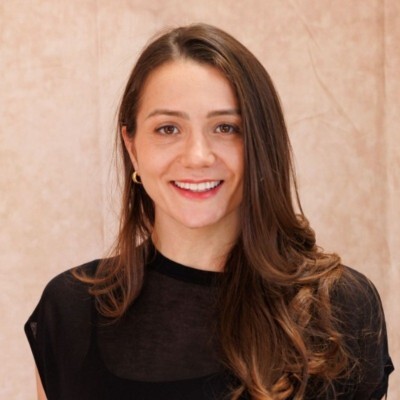
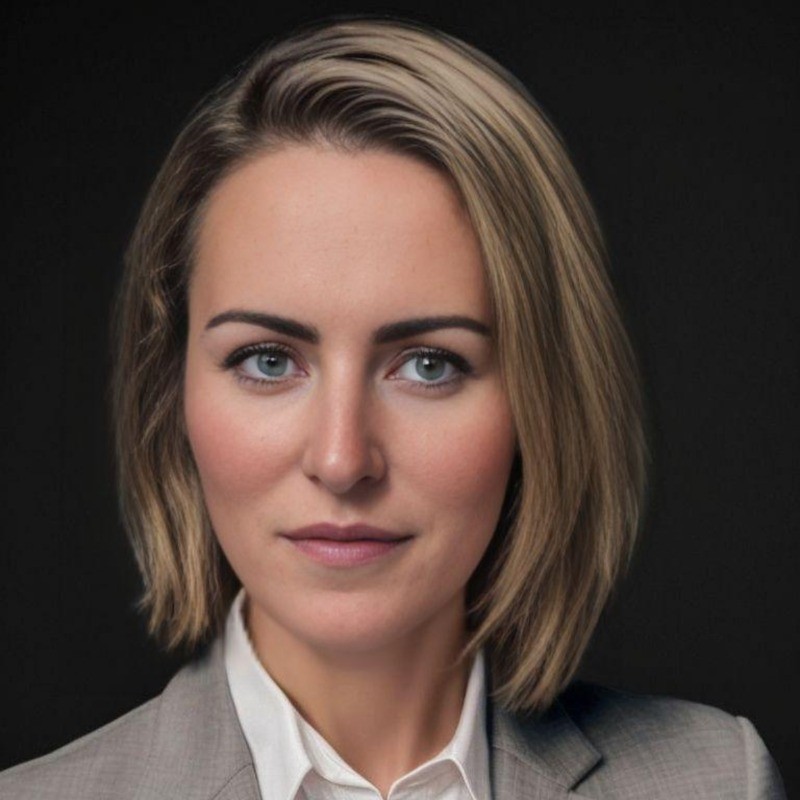
Alexandra Vidyuk
Beyond Earth
Vidyuk is not a generalist software investor applying pattern-matching to hard science. She has a physics degree, three PhDs and a Nobel laureate on her team, and she writes $500K to $2M checks from pre-seed to Series B in fields most funds avoid on principle. That background changes the diligence itself: she spent 18 months studying fusion and concluded the technology is roughly 20 months from working, not the 20 years the consensus assumes, then made an unannounced investment on that call. The takeaway for founders is that a technical investor is running a different playbook, and the way to reach one is with substance, not polish.
Her most useful advice reframes signals founders usually get backwards. Traction in deep tech is not revenue, it is evidence of hustle: sign 20 LOIs and she assumes 19 die, but she also knows you talked to 200 customers to get them, which she treats as the best available predictor of future sales. On positioning, she is blunt that VCs track you in PitchBook, Crunchbase, and Specter before you ever pitch, so she tells founders to audit their own database presence and check whether they would survive a sector filter. She also flags "zombie VCs" between funds and tells founders to check a firm's last investment date before spending time on a meeting.
The through-line is that she wants to be the investor she needed as a founder. She describes the ideal founder as someone with a 20-year vision and three concrete tasks for next week, and she asks founders not to pitch the product first but to explain what will keep them going when the company gets hard. On closing, her guidance is patient and specific: never take the first term sheet, assemble a combination of leads by role rather than chasing the highest valuation, and reference-check investors by calling three of their portfolio companies to ask, directly, whether the investor was helpful or toxic.
On the real odds of a cold pitch
On her fusion diligence and timeline call
On why signing LOIs can mean just as much as revenue
On the strongest signal a founder can send
On auditing your own database presence
Mat Vogels (00:10)
Hey everybody, welcome to another episode of Fun Raising, a podcast where we interview early stage investors to help you, as a fundraising founder, navigate this process that right before this, Alexandra, we were saying that is actually no fun at all, even though the name itself might imply that. and today I have a very special guest.
Alexandra Vidyuk, CEO and founding partner of Beyond Earth Ventures, fellow Deep Tech investor, which I always think is is a very fun process to navigate and the fundraising process. Alexandra, thank you for being on today. could you please do a quick introduction on Beyond Earth Ventures, what you're investing in, the stages and then check sizes that you're investing in.
Alexandra Vidyuk (00:55)
Thank you so much for having me. I love this podcast and it's so good to be here. So Beyond Earth Ventures is a US based deep tech VC. We invest in early stage companies in sectors such as energy, robotics, space, material science, communications, and anything which sounds cool to us, right? So we typically do from pre-seed to series B. So we are flexible. I don't want to be very strict.
Mat Vogels (00:58)
Mm.
Alexandra Vidyuk (01:20)
in specific stages because you know in deep tech stages sometimes not exactly the same as in software. So we try not to be very strict about that but just look at the stage of the company. Our check size typically between half a million up to two million.
Mat Vogels (01:32)
That's great. Yeah, you're exactly right. I feel like these days deep tech there I've seen pre seed companies and seed companies that might as well be series A companies from a price standpoint or what they're raising. So it's just the the barrier or the the gradient is so big.
Alexandra Vidyuk (01:47)
Exactly.
Mat Vogels (01:48)
So the way we do this podcast is we kind of go a little bit into yourself. A lot of these intro questions are questions that founders had nominated and upvoted. And the goal is to give a little peek behind the curtain on yourself, but then also maybe on the day in the life of a VC as well. Because it feels like this very mysterious job for a lot of founders. And when they better understand the process, I think it helps them in the fundraising process itself. So maybe we start a little bit on your background. Why did you choose to become a VC? What were you doing maybe before you went
Yeah.
Alexandra Vidyuk (02:20)
So I studied physics as a kid and I have a degree in physics from university. So I always wanted to become a scientist, but...
somehow ended up in banking and I spent 10 years in international banking in London, Hong Kong, and then I built my own company. was a payments technology startup. So I built something I would people normally say it's like from zero to one, right? The first fundraising, first round, first product revenue. And I absolutely loved it. And I was like, okay, I love to be in this entrepreneurship world, but I'm done with finance. So I don't want to do banking anymore. So was like, okay, great.
So how can they combine science plus finance plus entrepreneurship? And I think Deep Tech VC was an obvious choice for me. and here I am investing in Deep Tech founders. Typically, sometimes I describe my job as making scientists billionaires and looking for NVIDIA next SpaceX, right? So that's kind of in a nutshell, that's exactly what I do.
Mat Vogels (03:17)
Ha ha ha.
I love that mission. Do you feel like the the physics background maybe gives you not an edge but a better way of understanding some of the complex pieces that these folks are building in today?
Alexandra Vidyuk (03:35)
It does help a lot. Of course, we have an expert network as well, which we call when we have a specific question. I think it helps to, I mean, first of all, appreciate what people do more than, I guess, people with, like, know, especially I love to go to the labs. I love to, you know, look at microscopes and see what people do. Like, it's kind of amazing. I enjoy it personally, but I think also it's.
how to sometimes with quite a basic checks, think as well, like in terms of science, like, or like asking the right questions. And I mean, a lot of founders appreciate that, right? So instead of people asking like, Oh, what's the variation of your lead term shade? ask, Oh, what do you think about this plasma parameter? It's kind of a a bit of different approach. I guess, yeah.
Mat Vogels (04:19)
Founder empathy is one of the most powerful things a VC can have, and you kind of have it on two levels, not only from being a founder yourself and gone through that gauntlet, but also as a scientist. A lot of these founders are indeed scientists and engineers, so that you can speak kind of both of those languages is great. Another question, this is a common one that we hear founders asking, what is your favorite part about the job? And then what is your least favorite part about the job and being a VC?
Alexandra Vidyuk (04:44)
My favorite part about the job is to speak to founders, right? That's the kind of, it's people who have, mean, like one of the smartest people in the world who have an ambition, who have passion, who have energy. They want to change the world. They want to build something no one else built before. This is just so contentious. This is so inspiring and I get a lot of energy. mean, unfortunately, this is not the kind of everything what I do, right? I also have to go speak to my own LPs, negotiate with
you know, like with other VCs and go to all of these conferences just to meet new people, which sometimes, you know, new startups as well. I don't like admin stuff of my job, right? So sometimes reporting and taxes and kind of all of that. Luckily we do have tools now to manage that and AI helps a lot. So I think our lives getting better in that regard.
Mat Vogels (05:35)
I would agree. But it is still every now and then we do a lot of work that we wish we would rather not do. in a similar vein to that, is there anything that you wish maybe founders better understood about the day in the life of a VC? As I mentioned earlier, it feels like this mysterious and oftentimes like overly glamorous job. It's not always. Is there anything that maybe founders, if they better understood about being a VC, could better understand or appreciate the fundraising process too?
Alexandra Vidyuk (06:02)
So I think we get a lot of emails, a lot of cold outreach, LinkedIn on email. So think on average, I probably get around 200 deals a month and we try to invest one deal a month. So it's a lot of incoming.
Mat Vogels (06:16)
Less than one percent,
yeah.
Alexandra Vidyuk (06:18)
Yeah, it's lot of incoming requests. It's impossible for me to reply to everyone, even with a yeah, even with like, you know, Gemini auto proposal. So that's why if you don't reply, that's because there is a lot of something, something going on, right? So I probably say, probably I spent half of my day, talking to founders, lot of pictures, I would say maybe like three, four different pictures. Sometimes,
It's a kind of going through due diligence, maybe it's different team members, maybe advisors and so on. Sometimes it's the first time meeting with the founder. Spent a lot of time in data rooms. So going through patents, articles, financial models, kind of checking everything.
talking to experts, talking to their clients, talking to potentially competitors. So, I mean, a good VC will speak to all competitors in that sector before investing in a category winner. We also fundraising by ourselves. So I'm fundraising always for my current fund, my next fund, portfolio companies are also raising next round. So I want to bring them good investors. I want to bring other VCs to this. So it's very important.
important
to have a good relationship with other VCs in our specific sectors. So when they have a deal, they call me. When I have a good deal, I call them. that's kind of, I mean, a lot of people think that we like always speaking at the conference with a mic on the stage. We do that because we want to, of course, everyone takes a picture when we go to a conference. We do that because we want to meet more.
more good projects, more good startups, other investors and co-investors.
Mat Vogels (07:57)
It's a it's a networking game, obviously, like like many other things, but you're always selling and again you're always raising even as a VC. What are some of the areas or industries or sectors problems that you are personally excited about right now? You you named some of the sectors that you're investing in. Any specific things right now that are really exciting to you?
Alexandra Vidyuk (08:18)
I love energy. think energy is...
It's a limitation for development of our civilization. The more energy they have, the more entropy you have. I mean, it's easy to say that it's an AI upstream. Of course, data centers need energy. That's why there's so much demand. But generally, think that the energy, there's so many innovations happening. So we have fusion energy. We have SMRs. We have innovation in solar panels, in storage, in grid management. So in every sector you look and you think, there's probably a couple of breakthroughs. No, it's like,
hundreds of them. Almost any good university has several labs and several patents coming out. It's amazing to see that. We have invested in a number of companies in energy sector. One of the most exciting ones recently was nuclear fusion. We spent 18 months looking at the sector, trying to define and understand, is that still 20 years?
years away from today, or is it 20 months away? And we decided it's actually 20 months away. we have, you know, after speaking to probably every single expert in the world in terms of fusion energy, we've made an investment, but it's not announced yet. Hopefully we'll be announced soon. But it's an amazing company. we think it's, if we have fusion energy working, that will be like an LLM moment for our civilization.
Mat Vogels (09:30)
Okay. Mm.
Alexandra Vidyuk (09:39)
you
Mat Vogels (09:40)
Yeah. And the thing with energy that's always so fascinating is that it's such a global problem. And I know one of the things you mentioned earlier is you have such a global thesis and energy being solved in one part of the world needs to be solved everywhere. And that distribution and scale is a problem in itself too. So it's it's definitely one of those industries that has a lot of runway to keep going.
The last question that we have here is a little bit of an opportunity for you to to shine. Why should founders pick you and or Beyond Earth to be on their cap table?
Alexandra Vidyuk (10:15)
I mean, there's always kind of every VC trying to pretend they are the best and probably will say like, cliche things like, we like much more than capital. mean, my story is very similar. So, I mean, one of our portfolio companies mentioned to us that we were the smallest check on the cap table and the biggest value. That's exactly what we're trying to do. I smallest check, it's kind of not the good thing. We're trying to improve that as well. So fundraising more and
and that kind of for the fund as well, it helps, right? But it's about, I mean, we all exit founders by ourselves and we have three PhDs in the team. We have Nobel Prize laureate and our advisory board. I mean, that's not some typical like we see, right? So we are very like, know, hardcore deep tech and we don't shy away from crazy ideas as well. We will at least try to speak to them, maybe give some guidance, maybe try to
ask them to pivot or something, so we can improve the materials so for other VCs they can have a better storyline. It's about, I think the VCs are here to help people to talk to government, lobby, find the right people, bring other VCs to the round.
late stage VCs as well as possible. Write recommendations about hiring, about some service providers. Our team is very international, so I'm calling today from Singapore. Even then, our VC is US based. I do spend half of my time in Singapore, half of my time traveling to the US and Europe. It's also very important. It's a very difficult geopolitical situation, but you need to be very careful which countries and which partners you work with.
But there's a lot of international collaboration between Singapore and the US.
lot of grant opportunities, lot of R &D opportunities, local universities, which like, no, top 10 in the world, right? So we are trying to facilitate that as much as possible. And of course, there's a lot of capital. Singapore is one of the capitals of capital, say. So that's kind of, we always try to see if we can help. But I think the best way is like, I think I was a founder by myself. The worst we see is we see who is like, you every three months and say, where is my quarterly report?
And I try not to be like this. try to be... I need... If we didn't have cases when Friday night the founder calls me and say, I need to apply for a grant by Monday morning. I don't have a partner.
Can you find me a partner? And we did and they applied. and I was like, I am a VBC, I'm trying to be a VC, which I wanted like when I was a founder. So I think that's kind of the best experience to live with first and then you can become a VC.
Mat Vogels (13:00)
Yeah.
Incredible answer. I agree. Be the VC that you wish that you had when you were fundraising is is a great way of of doing it. But navigating global capital and opportunity is is an incredible value add that is rare, I think, in in in this world too. So that's that's a great answer. All right. The way we break up the fundraising process is in three parts. The first is all about getting in the room. A lot of folks that are listening to this are all over the world and they might be in places that are not a
San Francisco or in New York, and access to capital may not be as easy. A lot of them are reaching out colds or trying to get warm introductions. So the purpose of this segment is to hopefully give them some tips and tricks to navigate that a little bit better. We see a lot of founders when they first start this process, they make a list of VCs that they want to reach out to. Usually it's it's a lot less than they than they actually think, but sometimes they make mistakes on the type of VCs or funds that they're going after. What advice would you give?
Alexandra Vidyuk (13:59)
And there's a different school of thoughts, right? Some people say start with tier three and then kind of you polish the pitch and you go to tier two, you polish and then when you're ready, your pitch in data room is absolutely 100 % correct, then you go to pitch to tier one. Some people say go opposite, like do tier one vcs first and then, you know, when they reject you go to tier two, you go to tier two. So you have to basically like navigate this process. I don't know what's a good answer. I normally say that
just try to think about sectors, right? So, okay, if you're like, let's say space energy, right? So you can go startup, you can go for space VCs, you can go for energy VCs, you just go like generalist deep tech VCs. I normally try to say maybe you should also have a combination of like two or three lead investors, right? So one highly specialized VC, probably like the best in the class. For example, if it's a photonics,
you know who are the top three photonics VCs, for example, that in the world, right? At least even if they put like a small check, it's a quality stamp. This is like, you know, highly validated technology, right? So we know it's good. Then you have a VC which can lead you next round, right? So never go for like, you know, like, like never go for like set of VCs, which this is the last round they can participate, right? So it's better to be
Okay, if they can lead series A, try them to put a small check into seed round, just a relationship check. And then they will monitor you, they will know you better and they can lead series A. So for example, that's an example. And also we say, but series A, you should also have someone who can lead your series B and lead you all the way to IPO. So kind of think strategically about that.
of the combination of if people if they start up from India for example or Europe right so we recommend also to have exposure to different VCs like okay maybe Indian plus US or like Europe plus US so at least you have
different geographies and then you can always call them when you travel and say, hey, listen, I'm in town, can you introduce me like to three people? Right? I'm here to kind of think, talk about my next round. Right? So that's helped a lot. If you have no one in the town, then that's difficult. Right? So, I mean, we always say in Deep Tech, you have to leverage a lot of government funding. So there's a joke which we have between Deep Tech we see in the US saying that, you know, the good thing about us is like,
we invest in one dollar, the government gives free. So it's a non-valued funding. And we try to see that in financial models as well. So how much you're raising?
equity and how much you get in non-deductive funding. there is a, of course, we know a number of different opportunities to apply different grants. In different, I think US of course is like, it's a very good environment now to be with like a lot of capital available. So that's, I think a lot of people think about that as almost like must have today to see that this is especially for
very capital intensive projects. If you're doing some software or it's not that capital intensive, yeah, of course you can just use VC money, it's fine. But for capital intensive projects, it's important.
Mat Vogels (17:18)
Yeah. Yeah, it's especially for the long run too. So it's not just a short term capital allocation, it's the long ten year journey and as you mentioned, trying to build your roster of VCs early that'll continue to be along for that ride can be important. And that starts with the very first round of funding for sure.
Alexandra Vidyuk (17:35)
Exactly.
Mat Vogels (17:36)
You mentioned getting, you know, two hundred pitches a month. It's a lot, but it's not uncommon for VCs to get dozens, you know, if not hundreds of pitches sent to them per month. The hard part is how do you stand out as a founder? What are you looking for in some of those inbound pitches? is it the pitch deck, the blurb? What can they say to grab your attention really quickly?
Alexandra Vidyuk (18:00)
So.
Unfortunately these days, because we have AI and AI agents, we're generating a lot of incoming messages. It's almost impossible to go through my LinkedIn emails or even email posts. I honestly try to spend some time every day, but it's just like, for some reason there's a lot of irrelevant information and I can clearly see that people using AI. So it's getting more more difficult. And I even started noticing that I am missing some of the very important
and I guess other people like me also have the same situation. So cold email is like last resort or cold LinkedIn message. Try to be as warm as possible and try to meet people face to face. events, trade shows, meetups.
try to see who is going there. If you see, for example, like I posted like, I'm going to be in Tokyo next week and it's conference, right? So yeah, people will, mean, I'm sure that there's some startups will try to meet me in the corridor and say, or like, like, let's talk. At least I will remember their face. I might like, you we might joke a little bit. might remember them. Right. So it's, and it's much easier to message like, we met in Tokyo. Let's have a call. Right. Let's have like a virtual coffee. It's much easier than just
kind of absolutely blank, cold email.
engaging advisors, other founders, because that's what we like, right? So I love our founders which we invested. We try to build relationship with them. And very often I ask them, recommend me another founder, because I like your taste, I know you're good. Recommend me someone like you, but earlier stage, right? And if they recommend me, I'll speak to them. So that's...
That's quite common, So we would listen to our founders' referrals. hopefully they don't actually recommend a lot, right? So it's only kind of limited amount. So it's fine. mean, so of course there's a lot of startup events. Some of them good, some of them bad. I some of them, like, you know, there's a lot of accelerator.
demo days, investors. I think it's a good way to meet people, but it's also a mass market. So there is especially big events, like know, have like 10,000 people. It's almost impossible to even like, you live with like 2,000 cards, right? After that, I don't think anyone actually, I just take pictures of the cards and they upload everything to spreadsheets using AI.
But it's not like it's sometimes also very difficult to like big events. I don't think they like very good for building a proper like relationship.
So yeah, I mean, I don't know. Some founders, do kind of, use AI in a very smart way. For example, if you just like use a basic like cold email outreach, you can also use, be a bit more smart, for example, say, okay, I read your article, I really like this quote. And I thought about that when you said that.
That's, know, it's not just kind of, you know, it's very personal and exactly. And people say, yeah, actually they remember my quote here. And it's actually interesting. I mean, the likelihood that people will actually open this LinkedIn message is very low anyway, but at least you kind of building up your chances that that be something. And I think so.
Mat Vogels (21:07)
Personal. It's unique, yep.
Alexandra Vidyuk (21:24)
I can recommend two books I read recently about that as well. So one is, I think it's called Infinite Machine, right, about Demis Hassabis and Deep Mind. And they go through the fundraising process, how Deep Mind, how they flew to meet Peter Thiel, then how they met Elon Musk, and how they organized that, how they...
orchestrated meeting of Peter Thiel. So they kind of had to be a speaker on the stage than to go to this specific speaker, like VIP party where Peter Thiel was there. So it's kind of, you know, it was highly, it was not like a random chance, right? So I think it's a good strategy, right? And I think another book which I really like is Nvidia Way. It's about Nvidia and how they built it as well. So I think that this is like almost like a...
Mat Vogels (22:02)
No.
Alexandra Vidyuk (22:12)
kind of the manifest, right? How to build a good transformative deep tech companies. And a lot of good tips about like generally fundraising, but not just fundraising. So highly recommend these two books.
Mat Vogels (22:24)
Yeah, we'll we'll definitely include those in the in the show notes. I agree, especially both those companies being very hardware intensive and very long thinking journey companies, which a lot of founders are starting today. So those are those are great. Let's talk a little bit about the pitch deck. founders create pitch decks all the time. It's one of the the better ways for them to wrap their story and their company into something that feels somewhat bite-sized for us VCs to dive into. Is there what what makes
What
makes good pitch deck in your mind at a high level? And then maybe a different question: what is a slide and or slides that you gravitate towards as a VC first?
Alexandra Vidyuk (23:04)
So there's a lot of recommendation, right? Like, you know, like those sick voyeur top pitch decks and then a lot of data points as well, how like VCs actually look like on average, like four minutes, right? so like, yeah, I think, I think actually decreasing every year. it's attention span.
Mat Vogels (23:09)
yeah.
Mm. If that, that'll be a long time.
Yeah. With AI,
to your point, it's found or VCs are spending founders are spending less time creating these decks and VCs are certainly spending less time reading these decks.
Alexandra Vidyuk (23:31)
So, I mean, it's a very good test, right? Upload your DAG to Anthropic, like to Claude, and imagine that probably most of the VCs, they have their own version of Anthropic or Gemini, whatever they use, right? So, and say, okay, upload, imagine they upload, I mean, if it's not NDAG.
100 % they upload it and ask for feedback. So upload it and see what would be the negative and positive idea. That's kind of a very basic check you have to do, I think, I guess, before sending it to anyone. I mean, some triggers, right? So is that what? Is that?
An amazing university you can mention, is that a good advisor? Is that, I don't know, some traction you have with some kind of already, some kind of amazing customer, you have amazing lead investor. Mention is like, know, whatever you have. ⁓
Mat Vogels (24:19)
Yeah. Don't be bashful, yeah.
Alexandra Vidyuk (24:22)
Yeah, exactly.
Just put like on the first slide, right? Because it kind of makes us keep reading, right? I don't think it has to be like this, like, know, boring, like problem, solution, market, you know. I creativity is also refreshing, right? So you're like, oh, yeah, actually, people put like, they have 20 angel investors from SpaceX. interesting. They must be, they must know what they're doing. Okay, so let me click to the next slide, right? So that kind of, you know, uniqueness, I guess.
I think that helps. I think also the other thing which I wanted to mention in the previous question about how do you meet VCs.
You know, we all using databases. We using pitch book, we using crunch base, we using specter. Everyone, because I can see that my like co-investors are the VCs. They're also there because I can see like it shows who is looking at each deal. We probably already tracking you, right? And we probably already looking, make sure you are in the databases and check by yourself. Are you in pitch book?
And what does it say about your company? So if I apply filter, I like companies in energy, press it. Are you going to make the cut? If you are an energy company, right? So people laugh. I mean, the early stage we see.
We like stealth mode companies, right? If you apply, if you change your LinkedIn title, like to stealth mode, energy or space kind of company, whatever. I mean, of course, probably next day, 20 VCs will message you on LinkedIn.
Mat Vogels (25:52)
Yep. Yeah,
especially if you have a good pedigree and you went to the right school and you worked at the right company and yep.
Alexandra Vidyuk (25:59)
Exactly right. So I think it's a proactive management of having the right presence in these databases which everyone uses them. And strategically positioning yourself there as well. it's kind of, yeah, I think it can be a good strategy.
Mat Vogels (26:18)
Excuse me. That's great advice. I think that yeah, being prepared ahead of time is is a is a great way to get in front of it. All right, moving on to the next phase of the fundraising process. We call this the crush the initial meeting phase. What are you looking for as a VC in that initial meeting when you meet with the founder that you're hoping to see before going on to the rest of the process?
Alexandra Vidyuk (26:39)
It's a very basic psychology, right? like, play formal, right? And like, if you're not fundraising.
because you have, I don't know, for some reason, you just closed around, you have already termed from the lead investor, you have revenue. mean, it's kind of making us think, okay, that must be something very good, right? They're not fundraising, they don't want to talk to me. I want to talk to them, I want to follow them, I want to kind of build a relationship with them, right? So it's like, that's, I mean, I know it's probably stupid, but this is, I think that's worked for many of my
Mat Vogels (26:59)
Yeah.
Alexandra Vidyuk (27:16)
colleagues as well, my kind of friends from other VCs. Energy, we want to have like one of the best description of the founders which we invest is people who have vision for 20 years and have like three priority tasks for next week. So it's a combination of long-term vision and very practical steps how to get that, right? Energy.
Mat Vogels (27:33)
Yeah.
Alexandra Vidyuk (27:38)
kind of greed. like, kind of, we always feel it, right? It's like, you know, like, is this person going to give up next month or not? Or is it, they, how are they going to handle that? I mean, this is something you can probably feel when you were a founder by yourself, right? So it's almost kind of invisible, I think.
kind of characteristic of a founder.
We like to see, I mean, everyone says traction is important in startups. Traction doesn't mean you need to show revenue, especially in deep tech. We're not expecting revenue to happen day one. It's not software project, right? But we want to see that you have right partners. You're talking to them. You are hustler. you can, if you sign 20 LOIs, I know that probably like 19 of them will never turn into a commercial contract. But I know that you spoke to probably 200 companies
Mat Vogels (28:12)
Course.
Alexandra Vidyuk (28:30)
And 180 of them say no, go away. And 20 of them say, okay, I am going to send LOI with you. So that's kind of for us is one of the best predictor of how good they're going to do sales. Right? It's probably like next cycle. They probably spoke, speak to another 200 customers. then, know, we are data driven, right? We can't just guess is a person going to be with a good founder or not.
We try to use as much data as we can.
Mat Vogels (28:59)
Yeah, you kind of mentioned the thing that we hear a lot is is momentum. VCs are looking for this this momentum and you wanna feel pulled into
the conversation and that founder's journey. I know that was it Andreessen Horowitz had this tweet recently where it's it's old feedback but it was it surfaces every now and again that you know your job is to sell people that are actively trying to give you something. So VCs are always trying to give founders money. Your your job is to do that, which should feel easy, but one of the best ways to do it to your point is to almost build this gravity and pull them into it. And one of the best ways is obviously momentum.
A little bit of FOMO and and showcase that you know that you're the one to do this, basically.
Alexandra Vidyuk (29:41)
Yes, yes, exactly.
Mat Vogels (29:43)
Are there any mistakes that you see founders make on these calls? Maybe not just the opposite of what you just said of you know maybe they they don't tell a good story, they don't pull you in. Any other mistakes that are even more tactical that founders make on these intro calls with you?
Alexandra Vidyuk (29:58)
Probably a bit of cliche, right? But sometimes, first 15 minutes, we don't understand what people are talking about, right? I talk about technology as an abstract, right? Or also sometimes, I say, OK, I give you a chance because I love technology, I love science. I would like to understand more about that. But also, respect our time as well, right? So it's kind of...
Mat Vogels (30:05)
Wow.
Alexandra Vidyuk (30:28)
learn about storytelling and I think that with AI now as well it's kind of...
You can build a good storyline. mean, this is kind of, you after several hours of talking with LLM, I think it's possible. I always try to be, I try to speak one to one with the founder because I think that's kind of a little bit more kind of open and honest conversation than I would invite like all my team to the first meeting. So I would like to understand the person, the story behind them.
And I always say, don't pitch me your product immediately. Tell me about yourself, About what motivates you? Why you started this company? What's the mission behind that? Because there will be difficult times in every founder journey. mean, something inside. Exactly, but something should.
Mat Vogels (31:16)
Sometimes more difficult than than good ones.
Alexandra Vidyuk (31:20)
inside them, drive them, right? So I would like to understand that, right? So kind of big mission, big idea, so which will give them energy to go through work, like, you know, late hours, kind of weekends and probably a lot of travel as well, right? So it's, yeah, so I think, think kind of some basic stuff, I guess, yeah.
Mat Vogels (31:39)
Yeah, I like that.
are there any questions that you would recommend founders ask VCs during this meeting? Not because it comes off as showing that they're prepared or or a good characteristic, but more to empower them to help take control of the process themselves.
Alexandra Vidyuk (31:55)
I mean, there's a lot of zombie vices, right? kind of we call them vices, which like between, between fun. That's my. Can you please remove? That's yeah. ⁓
Mat Vogels (31:57)
Yes.
no Are you okay? my goodness. Are you okay?
backdrop. There you go.
Alexandra Vidyuk (32:14)
Is that better? Yeah, that's probably it. We can cut.
Mat Vogels (32:14)
There you go. Yep, you're good. Yeah. We'll cut that.
we'll go here. I'll maybe I'll ask the question again. You want to start from there? That better? Cool. are there any questions that you would recommend founders ask during this process? Not because it's something that you look at as a positive or it comes off as like a a good characteristic, but more so founders can take control of this process for themselves.
Alexandra Vidyuk (32:40)
Yeah, I think one of the most important questions which I always ask people to like, you know, don't be shy is like a lot of zombie vcs, right? And then people who like between funds, right? And it's okay. mean, they keep relationship with them, build them, but like, don't kind of don't allow yourself to believe that there's a potential term shift coming like in the next next week, right? So it's okay to ask, are you actively investing or
Like even before that, go to pitch book and check when was the last investment they made. If it's like 18 months ago.
There's something, you have a right to ask a question. You have capital to deploy or not, right? It's okay, you don't have to immediately drop off to that. can just, okay, let's just have a quick chat. I'll tell you what we do. But you know, come back to, I'll add you to my update list. But then, know, when you have capital, let us know. About check size stage, can they lead, can they not?
I guess it's kind of just make sure that you're not spending things exactly. I mean, a lot of these things you probably can know from the website, but sometimes it's not obvious and sometimes it might be like not updated. Right. So it's kind of important to come prepared. And yeah, just kind of.
Mat Vogels (33:41)
It's a qualifying yeah.
Alexandra Vidyuk (33:59)
have they invested in your competitor or are they considering any of your competitors now because they might just a reference call with you not actually they just want to validate that you know like and kind of you know maybe asking
Mat Vogels (34:05)
Good question.
The more learn about the industry,
how you're long, how far along you are.
Alexandra Vidyuk (34:18)
Exactly, or like, or just kind of get some of the insights. They can help their own portfolio companies instead of investing in you, right? So it's kind of, you never know. It's a very fine line. It's almost impossible to get it right 100 % every time, but kind of be mindful of that, of course.
Mat Vogels (34:40)
Yep. I agree. All right, let's say that they've they've knocked it out of the park. They're going into the last phase of the fundraising round, which is it's it's the meat of it. It's a lot of ups and downs. I like to call it it's like herding cats. You are essentially trying to maintain momentum and FOMO and put together a round of funding where a large percentage of the folks that are writing checks are kind of they're waiting, they're doing their own process, they're moving at their own pace.
So the question that I have for you is what advice would you give to founders that are kind of navigating this area where they're trying to bring investors together on a similar timeline? they're trying to build FOMO and momentum, but not do it in a way that maybe has them lose credibility. Any advice that you give founders kind of in this final phase where they're in the process of closing out their checks?
Alexandra Vidyuk (35:26)
So I think, know, like deep tech is very different, right? So like, you were thinking, let's say, imagine like FinTech, London, I don't know, like 10 years ago, right? You found the company, you send the term sheet the same day, you didn't tell any of your friends, right? In deep tech, we all friendly, right? I mean, like there's so much capital need to raise, like, and most of the, most of the...
Mat Vogels (35:48)
Yes.
Alexandra Vidyuk (35:54)
funds which we work at like you know top funds big funds right they always share this is a deal this is my investment memo do you want to co-invest with us sometimes you need to ask sometimes they do it by themselves right so it's very important to have a term sheet and
Ideally, several term sheets, delete term sheet from lead VC, right? So don't jump on the first one.
you can wait and don't share the term shit with like other potential lead, right? So maybe they will have better variation, maybe they will have better terms. Never accept the firm's term shit. You always can negotiate more, small things, right? Like just make sure like, know, it's all what you want, right? So, and then you have hopefully good people, know, friends, advisors.
this is on your cap table already who will help you to also review this term. Don't I mean think strategically about you sometimes it's very tempting to accept the biggest variation but think strategically does it like what's the value like is that a good brand on your cap table are they going to help are they going to lead you next round what are they going to bring apart on capital.
kind of ask examples and also do their own deductions as well. So go to their website, find like three companies, call them and say, did they help you? How much did they help? Are they toxic? Are they not? Because a of this is also can be toxic, right? And then they go. Yeah, it's almost like it's almost like a longer than average marriage now, right? So it's kind of can you.
Mat Vogels (37:24)
Yeah. And you're with them for ten years.
Alexandra Vidyuk (37:33)
Can you mention sitting with them on every quarter, meet them on quarterly board meetings? Are they going to block your potential &A at some point because they have some conflict of interest? So there is kind of all these questions. The good advisors will help you to also kind of potentially like.
ask all of these questions, right? So, and you know, it can be, doesn't have to be one lead investor, it can be several as I mentioned before, right? And ideally a combination like of different expertise. And maybe you can think about like as a...
puzzle, right? So one of these is kind of reputation to the round, another one bringing connections, another one bringing next round capital, for example, right? So that's, would say ideal, right? So you have,
And one of them, for example, maybe can be like a strategic potential future acquire. But also it's dangerous because you don't want to block any other potential strategic investors having a very prominent, it's kind of case by case situation, it can be interesting.
Yeah, so I guess kind of if you have time, just wait and make sure that you know, you have selection of terms, you chose the best, you negotiated it, like don't accept immediately, think about all the terms you want to include. Yeah, and then don't you don't have to put like everything in one closure. What I normally see the good one of the best founders, which I've seen like in terms of fundraising.
They always fundraising. It's never like someone come to you between rounds and say, by the way, I missed the last deadline for the previous round, but I want to put like 2 million now open safe.
open because you never know. Tomorrow might be another COVID, might be another war, another geopolitical crisis, Like everyone will freeze their assets and their capital. Just if people give you money and if it's the right VC, right person for you to work, it's just open safe and do a first closure, second closure. It's also very common, right? But just make sure that you like
Don't left kind of capital hanging around there. I just see if people want to wire today, just make sure you have paperwork in place. Make sure they buy because again, it might happen tariffs tomorrow. People say, yeah, we're not wiring anymore because we are waiting for whatever head office decision, whatever. So make sure you have, you open the doors for capital, but also give them enough time. If people would like to bring friends, great.
Just have a second closure. Let them do how you do. It's a very common practice that lead investor provides investment memo to other investors in their own. For that people, yeah, people normally ask for, okay, can I speak to your lead investor, GP? I normally say do it after the riot because you don't want anyone to give like...
Oh, why do you, I think, you sure about the variation? You know, you should like do less, right? Or something. So make sure like after they're white and you can allow them to talk to other people.
Mat Vogels (40:36)
Yeah. I'm glad that you said that 'cause I I also encourage founders to kind of raise that way and it helps build momentum and you can close checks kind of as you go. But a lot of VCs don't like it. Even on this this podcast we've heard VCs that say that they they don't like when they've
come into a round where they've just missed it or that you know they feel like they're overpaying for something that just two weeks ago was less and the unfortunate reality is that's the name of the game and th if if that's something that you're as a VC not going to like, then yeah, that's just the reality of how quickly some of these companies are moving and some of that momentum is built. So it's always good hearing another VC that can echo some of those same things.
Alexandra Vidyuk (41:15)
Yeah, but for us, if you invest like two weeks ago, now we have a huge markup. It's amazing, right?
Mat Vogels (41:20)
Yeah. Well of course. I mean, yeah, that's I mean that's
kind of the the goal. I mean, Sequoia historically has done that as like a part of their their process for for a long time, where they invest in two tranches right out of the gate, to to have a little bit of that momentum and and FOMO built in. But
This has been this has been amazing advice on the fundraising process. I think you you answered a lot of questions all together, which is which is fantastic. Let's talk maybe really quickly before before we head out on what happens after they close these rounds. Founders will close these rounds of funding, and there's this weird snapback period where now they have to go from fundraising mode back to founder mode and builder mode.
What are some of the the mistakes or maybe advice that you could give to founders that have just closed their first round of funding and what happens in the first, you know, three to six months after? What are some of the common mistakes that you might see that founders can start thinking about and try to avoid?
Alexandra Vidyuk (42:12)
they spent all the money and... Yeah, no, I mean, there's a discipline, right, of course. And I think it's kind of immediate hiring and people just kind of go crazy, right? So I think it's kind of financial discipline. think kind of setting up a little... Every time you raise around, you need to have more and more processes, right? And probably hire more senior people and who can help you, right? Setting up.
Mat Vogels (42:14)
They spend it too quick.
Yes.
Especially if you're a first time founder. A lot of these things you've never experienced before.
Alexandra Vidyuk (42:41)
Yeah, I mean, if you need to hire at some point after Series A, Series B, you need to hire a proper CO4, right? Who can orchestrate for you the financial controls and further fundraising and everything, right?
I mean, just, and you know, that kind of people who on the cap table is not just capital, call them. I know, don't be afraid. Just, yeah, you have some problems. You can't get through this contract in the, with one of your clients, just, or some delays, I don't know, with one of your kind of supply chain. Yeah, just call, we see and ask them. So what do I do, right? Can you help me? Can you pull this string? Can you advise what other portfolio companies
do here, right? But some people still kind of, mean, a lot of people take a holiday, probably it's a good way to kind of reset and just kind of, okay, now I want to switch to builders mode, but it's never builders mode. You're always fundraising, right? It's never, you kind of, you still keep talking to people, still, but at some point, yes, you, so also,
Mat Vogels (43:39)
Always.
Alexandra Vidyuk (43:45)
Think about events, right? When you're fundraising, you go to a lot of trade shows, lot of events, kind of meeting a of people. You don't have to continue doing it like, you know, every day, every week, right? When you have enough capital, just build and then only go if there is, let's say, a way for you to meet your customers or your potential future strategic partners or kind of.
best way for most of the founders in my portfolio, my portfolio companies is a one-to-one meeting with a customer. Of course you need to have visibility, of course you need to have building brand, but the best way to sell, the best way to close fundraising, it's not in a networking event. It's a one-to-one meeting.
So try to maximize that as well. for us as a VC, of course, we want to go to fundraising events, or networking events. But for founders, I think it's a little bit different.
Mat Vogels (44:37)
Yep, and continuing to do that and and build in that that muscle and rep and the reputation and all those things is is important for sure. Alexandra, this was great. You packed a lot of information into a short amount of time here. Thank you so much for being on. Where can folks continue to follow along on your your globe trotting journey these days and and continue to follow along with the fund?
Alexandra Vidyuk (45:00)
I post on LinkedIn, I post on Substack. Twitter is not like my favorite platform, I have email on my kind of LinkedIn page as well. I mean, like we discussed about cold outreach, but I mean, it's actually a very good way as well, just to comment with something interesting, like on the post as well. That's always kind of, know, especially something controversial. I always reply to people like, okay, why did you say that? Okay, tell me, tell me more.
I'm interested now, right? So it's a good way, I guess, to engage. But yeah, mean, happy to, I'm happy, always happy to talk to people, start-up founders, deep tech, we love it. So happy to see the pitches.
Mat Vogels (45:40)
Yep, love it. Thank you again. Hopefully you have a great trip out in in Tokyo this week. And hopefully we'll we'll chat again soon.
Alexandra Vidyuk (45:49)
Thank you, Matt. Really enjoyed it. Thank you so much.
Mat Vogels (45:52)
Have a good one.








.jpeg)










.svg)