
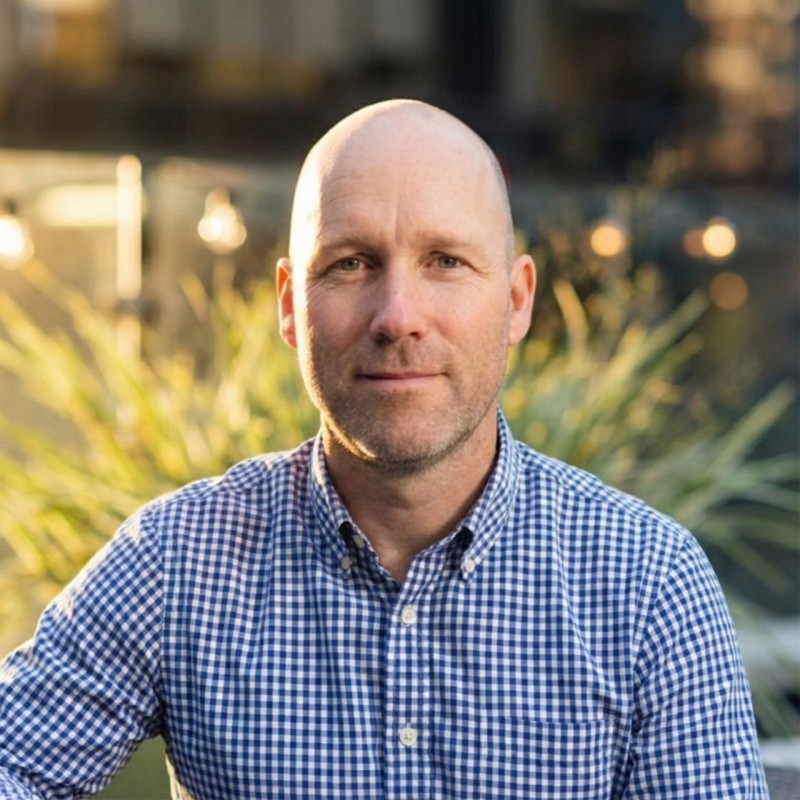
Bob Mason
Argon Ventures
Mason isn't a finance-first VC. He spent his career as a software engineer and CTO, building two enterprise companies from team formation through public offering, and he invests the way an operator reads a room. That shows up in how he triages: before opening a deck, the only question is whether the company maps to a pattern already in Argon's portfolio. If you're a consumer shopping app or a therapeutics company pitching a deep-tech fund, the warm intro won't save you, and he says so bluntly. His advice to founders building a target list is to rank investors by genuine portfolio alignment rather than blasting the top funds on a public sheet.
The most useful material is his honesty about the asymmetry founders are walking into. He states plainly that a VC has no real incentive to tell you the true reason they passed, because they want to preserve optionality and avoid burning the relationship. He pairs that with a reps argument: VCs run hundreds of deals over a career while a founder runs a handful, so the only fix is building your own peer network to close the experience gap. On the deck itself, he pushes founders off the slide they tend to overbuild. Market sizing is table stakes that everyone games, so the leverage is in articulating competitive dynamics and a defensible technical moat instead.
His first-meeting framework is concrete. He opens with "why this, why now, why this team," and he's listening for what he calls religious fervor, then storytelling ability, then a long-term technical moat. A founder who won't spar intellectually about their own product is a soft no, because at pre-seed he expects the first product to be wrong and is betting on learning speed. On closing, his repeated warning is against overplaying your hand: founders who manufacture false scarcity get caught, and the credibility hit is silent but real. When a round is oversubscribed, his frame is that the dollars are fungible, so choose the lead who can show you specifically how they've carried founders through the worst moments.
On why VCs rarely give honest pass feedback
On closing the experience gap with the VC across the table
On the slide founders overbuild
On what he listens for in the first meeting
On overplaying your hand while closing
Mat Vogels (00:10)
everybody. Welcome to another episode of Fundraising, a podcast where we interview early stage investors to ask them all the tips and tricks and secrets about the fundraising process. And today we have a very special guest, Bob Mason, the co founder and managing partner of Argon Ventures. I'm excited to have you on today, Bob. Thank you for being here.
Bob Mason (00:31)
Yeah, thank you for having me.
Mat Vogels (00:33)
Let's start with some quick questions about the fund. Could you give us a little bit of detail on what you're investing in, average check size, and then we'll go into specifics from there.
Bob Mason (00:43)
Yeah, absolutely. So Argon is an operator-led fund. It's myself and my partner Andy Feinberg. We've been friends and colleagues for over 20 years, including a large stint building our own startup from Xero through IPO. And so our engagement with founders is really mediated through these personal experiences we've had of building teams, launching products, and growing them into global companies. We're investing most often at pre-seed, so for us that usually means the company has little to no revenue.
The product's probably half baked, sometimes literally at company formation. We have done some later seed and even a couple of Series A deals, but tend to be as early a stage as possible. And we write 250 to 500k checks. We are happy to be a lead, even when we're not the majority of capital. We find being a lead is more of a state of mind than based on how large of a check you can write. So we can help catalyze around, we'll do so.
Mat Vogels (01:41)
Love that.
Bob Mason (01:41)
And
and when we launched the funds six years ago, our thesis from day one was applied forms of AI. And I would say there's a few different themes because obviously that's expanded a lot over the last year that resonate with us. one topic is sort of radical productivity. How does the work of teams or corporate processes get changed, reorganized, made you know much more efficient, with AI sort of at the center? We also love bringing that.
Essence of 10x efficiency to the physical world. So manufacturing, supply chain, logistics. Often that can be a hardware-software combination where you need sensors, perception, or robotics to be the interface to the physical world as well. And then a third category are these really interesting, maybe like non-traditional cybersecurity problems where the sort of sometimes after effects of AI or
Second order effects of new technology trends. So things like deep fakes, fraud, scams. We've made an investment in a quantum networking company to think about post-quantum cryptography. So those are areas that sort of really interest us. And often there's really strong technical founders that sort of have insight around sort of deep technology and data motes and proprietary models that we can really lean into.
Mat Vogels (02:58)
Love that. That's a great overview of the fund. Let's ask maybe a couple of questions. These are founder questions specific on your side. You mentioned you were an operator before this. So maybe don't go necessarily into what you were doing right before, but maybe talking about how being an operator helps you on the investing side. Why is that a value add that some of these founders could could appreciate?
Bob Mason (03:21)
Well, sometimes to be honest, it's the empathy of being in the proverbial shoes of the founder and really kind of understand that journey. you know, I I've been fortunate to be part of the founding of two startups who took both public, but they were never a straight line. and I think the ability to kind of like
Mat Vogels (03:24)
Mm.
Bob Mason (03:41)
live in this paradox of like understanding this 10-year North Star vision you have while having daily urgency is really incredible. And and I think founders really appreciate people that can sit around the table and and kind of help them through that journey.
Mat Vogels (03:58)
I completely agree. What is your favorite part now that you're in the on this side of the table, on the VC side, what is your favorite part about the job and what is your least favorite part about the job?
Bob Mason (04:08)
Yeah.
I mean, every day is fun in the sense that you have you're meeting with smart, intellectually curious people, with a certain amount of naive optimism that you can like build something new and transformative. Like you can just feed off of that energy all the time, right? I'm I'm still a builder at heart, even though I haven't written any real code in a while. And so I love the creative problem solving of really kind of understand what the
Mat Vogels (04:12)
Mm-hmm.
Bob Mason (04:35)
Customers are looking for how the product and technology strategy can align with that overall. I think that you know the least favorite part, you know, intellectually you can manage as a VC because you have a diversified portfolio. But I think we all have to recognize that at the end of the day, this is the singular most important thing that a founder or executive management team is focused on.
And it doesn't always go right. Despite best effort, despite you know, working through hard challenges, sometimes you still fail. And kind of like helping them get through that process can be emotionally really challenging, but is a really critical element of the startup journey on on itself as well.
Mat Vogels (05:21)
Absolutely true. What is something that you wish founders better understood about being a VC? And maybe more specifically, what is something that would, if they understood it, would help them during the fundraising process? Like almost more empathy, maybe on the VC side.
Bob Mason (05:38)
Yeah. Well, I I don't know if it's gonna distill empathy, but I think the the the the stark reality is that there is misalignment between what a founder wants to hear for feedback and what a VC is willing to share. Now we strive and hope to be very transparent and like give real critical feedback or our perspective on why we're passing on an opportunity. But I mean the reality is that
Mat Vogels (05:43)
Yeah.
Mm.
Bob Mason (06:06)
There is no real incentive for a VC to get to the root of why they don't believe in what you're building, because you know, they may want the optionality to come in later or or or not to piss off people or what have you. And so I think that is something that sometimes founders forget about. The other element is that.
There's information disparity between how VCs share deal flow and perspective and founder references. And that's why it's so critical for founders to have their own peer support network. Because we as VCs may do dozens or dozens of deals, maybe hundreds of deals in our professional lifetime. A founder might start a company a few times, right? And so the the set of
of reps they have as life experiences doing deal negotiations or connecting with investors is just not going to be at the same cadence as a VC. And so you gotta collectively bring together your own tribe to be as as knowledgeable and as experienced as kind of the VC network.
Mat Vogels (07:11)
Yep. I love that. I I like to say that a lot too, that I feel like VCs have such an unfair advantage going into any of these meetings or the process itself, because even if we've only invested into, you know, call it a dozen companies a year, 20 companies a year, we've gone through the process ten times more than that because there are so many deals that we still do initial calls for and meeting founders and and having these conversations. So it's such an unfair advantage that
VCs do have, I think, over founders in that case.
Bob Mason (07:41)
Now hopefully that that unfair advantage that the founder has translates into an unfair advantage they can bring to the founder once they're on the other side and they really believe and had conviction and and close and make an investment because then you could leverage their experience to help you make better decisions, at least in deal negotiation, financing, et cetera.
Mat Vogels (07:48)
Mm-hmm. Yeah.
Yep. usually that's the case. Hopefully it is. but I agree. What are some of the industries or areas that you are personally excited about right now? Like maybe one or two problem sets. You mentioned some of the industries and things that are exciting for you, but is there maybe a problem that you're hoping that somebody out there is is is solving right now?
Bob Mason (08:21)
You know, I get excited by a founder's vision. ⁓ that's always been even my personal experience. I was never always the person that came up with the idea, but I was the person to help figure out how to get that to be executed. and so like I I certainly geek out and being super excited about what nowadays is we called physical AI. So trying to understand and perceive our world through computers computer systems.
Mat Vogels (08:25)
Mm.
Bob Mason (08:49)
we have a lot of investments that use computer vision, LIDAR, perception as a way to sort of gather data to make actionable decisions on the world. So I think that's a particularly interesting opportunity for founders to build within, particularly in this era of vibe coding. Because if you're building physical systems that interface with the real world,
It's a lot harder to vibe code your way through a you know alternative competing solution you know, over a weekend.
Mat Vogels (09:20)
Yep. I completely agree with that. All right. Last question here for this phase. Before we jump into the fundraising process, a little time for you to shine here, Bob. Why should founders pick you andor Argon to be on their cap table?
Bob Mason (09:34)
Yeah. So I think, you know, first and foremost, it is rooted in our operator experience. so for myself, particularly I have a strong affinity with technical founders. prior to be me being a founder, I mean an investor, I was a software engineer, a founder, and CTO for two Boston enterprise startups.
both of them from the original team formation launched our products and grew each company through the respective IPOs. So I have a a really deep well of experience of the earliest stages of product definition, formation, and kind of getting those to global scale. And I was a classic CS grad, first job out of college was a startup. So I kind of only ever know the startup tech realm. And I've I've really sort of, you know, for people that maybe are first-time CTOs.
or like elevating like their technical leadership, I can really, I think be a really helpful mentor and advisor to kind of have them figure out the type of CTO that they want to be. And that's a really fun personal development journey that founders can kind of go through as well.
Mat Vogels (10:41)
Yeah. And learning from founders that have been there through every phase of that, like yourself, is hugely valuable.
Bob Mason (10:46)
Yeah.
Yeah. And and my partner Andy, he's amazing. he's on been on the business side of the world. He's actually a lawyer by training. One of his secret n superpowers is that he can write read a 200 page master service agreement, identify all the key risk factors, coach a CEO how to, you know, win a deal, even when their corporate outside attorney says it's too complicated and you can't get it done. and so ⁓
Mat Vogels (11:12)
Wow. That is
a superpower.
Bob Mason (11:14)
Yeah, exactly. So we really like to think of ourselves as like an on-demand executive team. Like, you know, if it's just a couple of founders or a small team, you may not have all the core functions of like what you need to run and operate the business. And so we can kind of step in and help with many, many different aspects of just helping you figure out key strategy or a sort of tactical day-to-day work that needs to occur.
Mat Vogels (11:39)
Yep. I love that. All right, Bob. Let's go into the actual fundraising process here. We break it up into three different parts. The first is how can these founders get in the room? A lot of these folks listening, they don't have a network. They don't have any any Rolodex they can call upon. It's their first time doing this. How can they actually get their pitch deck in front of folks like you? So let's start there.
The first thing that we kind of see founders do and sometimes recommend that they do is to build out, you know, their CRM, their list of investors and funds that they should reach out to or think about reaching out to. But that we've noticed that there's definitely a gap between just going into even a VC sheet or going into some, you list that they find online and just putting down the list of all the top funds in the world and then reaching out to them. Are there any characteristics or advice that you give founders in building up?
in better characterizing that that list that they should reach out to.
Bob Mason (12:32)
Yeah, I mean ultimately I think sort of modern AI tools help a lot with this where you know what you're really trying to do is see a pattern where a VC's existing portfolio has some sort of alignment or matching with what you're doing. And it's a very sort of qualitative, subjective evaluation process.
I think historically it's just like it would just take forever to like literally go through every single portfolio company and try and like internalize what they're doing and how it aligns with you or how you can sort like frame your story in the context of what this firm is doing. But like using modern you know large language models or j Gentech systems, like you could build a system that sort of summarizes and prioritizes a lot of this work. So you may get a like a default list.
But you should be able to like drive that through a process that you can rank and prioritize them based on some sort of alignment. I think the next step that's really, really critical is like the reality is the cold inbound email is just not gonna be very effective. And so I know a lot of people talk about how they don't have a network or they may not be right connected, but the reality is the world is a lot smaller than you think.
Mat Vogels (13:29)
Yeah.
Yes.
Bob Mason (13:47)
And so probably at least within a few der degrees of connection, you can reach out to them or have a founder help do an introduction and kind of go from there as well.
Mat Vogels (13:59)
Yeah. That was gonna be my next question. I think you're exactly right. It's a common answer is how powerful is it to have that warm introduction versus a cold outreach? And whether founders should spend time perfecting the cold outreach or working towards a better warm introduction somehow. Yeah.
Bob Mason (14:17)
Yeah, I mean
I mean there is a little bit of a paradox here where like the alpha, like the most craziest idea that you want to invest in, right? Because like that's where maybe the market is shift, may come out of left field where there is no network connection. But the stark reality is that most VCs are are still need to evaluate and triage deals. And it's just like the amount of noise that comes through.
Cold inbound connections, it's just too high, right? And so in some ways, the warm referral is a filtering mechanism just to manage time during the day. And so I would definitely strive to look for some sort of personal connection and introduction, and it's definitely gonna get our attention a lot more than elsewhere's.
Mat Vogels (15:06)
I agree. Let's say that if let's say that in this case they they can't do a warm introduction. Is it possible for you to have you invested into okay, perfect.
Bob Mason (15:13)
Yeah, I mean they can still want to Yeah,
I mean we so my email is just bob at argon dot VCs you can certainly email me. I I can't guarantee that the junk, you know, spam gods won't send it down in some river or or what have you. Yeah.
Mat Vogels (15:22)
Ha ha.
Mm-hmm. Which happens a lot for founders
listening out there, especially if you have attachments and all these things. It happens a lot.
Bob Mason (15:31)
Yeah.
Yeah, exactly. You know, there are also like non-traditional ways to get involved or to expand your network. So for example, how is your university entrepreneurial program set up? Oftentimes they'll have forums where like mentors, advisors, people connected to the startup community get involved. That's a really great spot to start building a network.
Maybe you s you join up or get involved with a local Text Stars chapter, right? you're not necessarily even a founder at that stage, but like you're part of the community, and through those different events you can get to to know people. A16Z is doing this great work around tech weeks all through the different major cities. We had ours in Boston a few weeks ago, and there are great opportunities for founders or people even with
you know, just early ideas about interested in startups could connect with me personally in person and and so I think once again there's lots more forums for people to s to start and get engaged with and to start building a network than maybe they initially think.
Mat Vogels (16:34)
I agree. And like you mentioned, the world is sometimes smaller than you think to, and it's worth exploring there. Let's say that you are getting a warm introduction, or even if it's cold outreach, is there any piece of that forwardable or you know, before you've opened the pitch deck, let's say, in the blurb or something that you are looking for that gets you excited to dive deeper into that pitch deck?
Bob Mason (16:36)
Yeah. Yeah.
Yeah.
Yeah, so the first thing is like, is this a domain that we have interest in, right? And so that's why I talked about like actually analyzing our portfolio and understanding, okay, is there a pattern where they're investing in companies that are somewhat similar to what we're doing? and that's an initial thing. So for example, if you know, we're not dogmatic, but like if a B2C consumer, I don't know, shopping app came around, like
We just never have invested in anything like that. So why would you even bother reaching out to us, right? We've never invested in therapeutics. So why would you bother investing reaching out to us in that regard? But if I don't know, you're you're building a yield optimization system around manufacturing. Heck, we've got like a half dozen companies doing working in problems in that area. So that really could be a good fit overall.
And so for us, that sort of functional triage is the is the the initial quick scan that's most important.
Mat Vogels (17:50)
Yep. Yep, I like that. Now going into the pitch deck itself. a lot of times it's one of the best ways, a pitch deck and or a memo. one of the best ways for us to quickly gather a lot of information before we go into meeting the company. Is there a slide or or some piece of either of those pieces of material that you are gravitating towards first before maybe diving in a little bit deeper?
Bob Mason (18:12)
I'm I'm hoping for something to surprise me in a way that is insightful. so there's something that I I didn't understand about the world that I will think about new. Now that's pretty rare, that's a high bar, but like if you can get that across, that's really interesting, right? I think obviously in connection that, like if you have a if you have research data, customer discovery journals, not even like revenue.
Mat Vogels (18:17)
Mm.
Bob Mason (18:39)
that sort of backs up that insight, that makes it even more powerful. So I think the the question of like w your angle of attack and kind of the qualitative or quantitative data that you can back up, your assertions, I think it's really, really important at the earliest stage.
Mat Vogels (18:57)
Yeah. I I'm trying to think of a couple different examples of that. I feel like mo more commonly I get surprised exactly the way you said, and the the problem itself is one that I never knew existed, but am now finding out or discovering that it does. And then the second, which is similar to what you were saying there, is your attack angle or unique insight on a problem that I've heard of before is unique. So those two definitely make sense. Any other ones that that come to mind for how you've been surprised in the past?
Bob Mason (19:24)
I'm a geek at heart, so I always like to like, how does the thing work? what does it actually do? and if someone has c the clarity of being able to sort of articulate that in a really sort of short, pithy way, visually descriptive, I find that really, really helpful. Like I pr because I'm because I'm a you know a software engineer, a product person, I
Mat Vogels (19:29)
⁓
Yep, I like that.
Bob Mason (19:48)
I actually think about markets in the context of like what the product is and what it does and like how it interfaces with the customers. And so if I can't really internalize that right away, it becomes harder for me to kind of understand where the market potential might be.
Mat Vogels (20:04)
Yeah, I like that. Kind of a a different twist on that on that same piece. We see a lot of pitch decks and sometimes I I I see a pitch deck and I go, you could tell they spent way too much time on these slides that are irrelevant or I don't care about. Are there slides that you would recommend for founders maybe not to overindex on and not spend as much time on?
Bob Mason (20:20)
Yeah.
I ironically think the market sizing ones, ⁓ and yeah, and and the r obviously like we have to believe that the market's big enough. but the reality is like if you're building a startup pitch deck, everyone has probably figured out some way to frame their market to be big enough. So the real heart of this discussion starts coming in the conversation of understanding the nuance of what's really happening in this market. Is there some regulatory change? Is there a
Mat Vogels (20:28)
Yeah. That's a common ant for sure. Yeah.
Bob Mason (20:54)
New inflection point? Is there something that someone else? Yeah, exactly. So I think sometimes people put too much effort in trying to position market sizing where that's just like everyone's gonna have something to that degree. I think sometimes I don't think enough people put emphasis on the competitive dynamic, or like once again, often us as VCs are not gonna be experts in your field.
Mat Vogels (20:55)
Yeah. The why now, yeah.
Bob Mason (21:19)
And really trying to frame your solution in in more than just like a checkbox chart of like why you're really gonna win and what are the deficiencies of the other systems, I think that's really, really helpful.
Mat Vogels (21:33)
Yep, it definitely is. All right. Let's say that they've gotten your attention, you're excited, and you're going into what we call in the phase two, that initial meeting. So this is the first time you're meeting with the VC. You have maybe 30 minutes. And a lot of times this is where the decision is made from the VC side. They're in the first five minutes is a common phrase that VCs will say. They've made a decision on whether they want to invest in this company or not. What are you looking for in that initial 30 minutes with a with a founder that
gets you to move on to those next phases.
Bob Mason (22:06)
I'd say there's probably three elements. the first question I I typically ask is this question of why. Out of everything in the world you could apply yourself to it, why is it this? Why is it now? why is it with this team? you know, start up building a startup is freaking hard. it is not a straight path. even successful companies have
Often almost died or changed dramatically on the ways. This happened to me personally. And so I really kind of need to understand the religious fervor that you have that you can create behind your company. The second element is the storytelling capability. So, like you've got this mission. Can you actually create alignment? Can I perceive how you would rally a team to go tackle this problem? And and I
And I got heard some great advice from another VC that said, basically, if I wasn't enjoying my job as a VC right now, could I foresee myself working for this individual? Like, and and if that comes across like really, really clear, that's a really powerful motivator. And the third component for us, at least in particular, is really getting a strong sense that there's a
long-term technical, defensible moat, key IP proprietary models, like we really just believe in in that long-term aspect of technical innovation. And if we don't get that sense, that might be, even if someone's a great storyteller or has a really strong personal motivation, we just may be less interested overall.
Mat Vogels (23:43)
Yeah. Is there are there any red flags that come through that are different than just the opposite of what you said? So those are obviously green flags, things you look for. If they don't hit those, sometimes, you know, you can still get it through it. But other things that when presented during that meeting are almost an immediate no or red flag?
Bob Mason (24:00)
Yeah, I like to have you know an intellectual conversation about the product and strategy, almost like a little like a little sparring. You're like, well, have you thought about this or what about that? Or maybe you should take this different approach? Like, have you thought about these different things? And if they are not really willing to engage in that intellectual discussion about like who they are, what their customers want, what the product should do.
then I think they're probably not gonna be on a really good learning curve. And ultimately at the stage that we're investing in, we're investing in people that can learn really rapidly in a great market. I'm expecting the first product to be wrong and we got gotta go figure that out together.
Mat Vogels (24:46)
Yep. What are some of the questions that founders should ask during the initial meeting? And and maybe said differently, are there ways that founders should take ownership in these meetings to kind of get what they need from it before before the call is over?
Bob Mason (25:02)
Yeah, I mean there's the classic things about like what's your check size and what's the last investments you've done and and things of that nature.
I think I think founders, you know, are so focused on closing money that they forget about what life will be like after the money is in the bank. and so I think founders should really try and take the time to understand who the people are that are investing in their company and like why are they excited about your business? how have they helped founders through challenging or difficult times?
And really kind of probe into the psychology and the dynamic of who the investor is, just like we try and do that for the founders.
Mat Vogels (25:44)
There's a couple of rapid fire questions that we've gotten from founders on on this particular kind of phase. So we'll go through them. They're they're pretty quick. One, do you recommend that in the first meeting, should it be the entire founding team or just the the CEO, whoever's leading the fundraise?
Bob Mason (26:02)
I th I do think a big team is makes the meeting awkward sometimes. it's fine if it's a couple of founders, but if someone's just sitting there and doesn't really contribute, that's like a just weird and awkward. so I think it Yeah, exactly. So I think if you're gonna have both founders, it's really important for
Mat Vogels (26:15)
Yeah. They're like answering emails off to the side and yeah.
Bob Mason (26:23)
the two of you to really sort of orchestrate like well what parts am I gonna take on, when am I gonna hand off and be really like clear and succinct about that. I I personally, since I'm you know on the engineering technical side of the world, I don't mind talking to the CTO very beginning. and in fact sometimes that's a really positive signal. So like if the CTO is a great storyteller, if they think about customer problems and they're not just fixated on code and engineering.
I think that's a really good indicator for the potential of of their leadership.
Mat Vogels (26:55)
I do love it when I get a good one two tandem on like CEO CTO in that initial meeting. It's it's more rare, which is why usually I recommend that it it should be just one because it's hard, I think, to do the tandem. But if you can pull it off and you have like a rehearsed way of who's talking about what and it doesn't feel very awkward where you're kind of like, Do I talk about that? Do you talk about that? those do actually go very well, I think. And it's a good opportunity for us to see both founders in action.
Bob Mason (27:19)
Absolutely, yeah, yeah.
Yeah. It shouldn't be scripted though, right? Like you both have to be able to operate on the fly, dealing with questions, but you should be such like good partners to each other that you know your strengths and weaknesses and you can defer or hand off to someone else to pick up a a response if if you think they're gonna contribute really meaningfully.
Mat Vogels (27:24)
Of course, yeah.
Mm-hmm.
Agreed. all right. Next next question was, should they bring a pitch deck? Should they be reading through a pitch deck? What are your thoughts on how the pitch deck presents itself in these initial meetings?
Bob Mason (27:52)
Yeah, so I I I'm totally agnostic to be honest. I think it's I think f some founders will work better with a pitch deck and that's totally fine. I like to be able to review the pitch deck ahead of time though, so because it helps me prepare questions and really understand what they're trying to go after. And so if someone is being super repetitive in a pitch deck, I think that's not a good sign, particularly if they know that they've already sh shared.
Pitch deck, I'm trying to be prepared for this. So I think you just have to be on your toes and be able to bounce around and have a really dynamic conversation. But as a cadence, if there are really key points that you want to get across, I think a pitch deck can be a good storytelling element for that.
Mat Vogels (28:35)
That's great advice. And then ⁓ yeah. Hmm.
Bob Mason (28:36)
I think if you have a demo, you know, once
again, I I like I love products, so if you have a if you can do a demo and that's not just like a video, I think that can be really even more effective than the pitch deck.
Mat Vogels (28:48)
I agree. so yeah, if it's visual and it's hardware especially, having those can be can be very helpful. last question, what should folks how should folks end these meetings? What's a good way? I I think sometimes they feel awkward or it feels like they they don't want to leave without scheduling the next meeting or you know, they don't want to leave without having next steps. Is there a right or wrong way to to end these meetings?
Bob Mason (29:10)
Well, I think the I think the meeting needs to end with the VC either being asked or proactively explaining what are the next steps on their side. And so for us Absolutely, 100%. Like that should be how the meeting should be done. Like clearly, if there's action items where the I as a VC have asked them, could you send me this information? Like you should follow up on that. But ultimately what's most important is for the founder to have clarity.
Mat Vogels (29:19)
If they don't, maybe the founder should ask that. Yeah.
Bob Mason (29:38)
Of what the next step in the internal firm's decision-making process is like. So for Argon, typically myself or my partner Andy will do one of these really relatively quick 30, maybe 45-minute intercalls really to understand who the people are and just to get clarity on the deck and all the materials. But then I need to go back to my partner and we need to have like an internal discussion about like relative priority of other deals that we're operating on.
So like I'm not gonna commit to scheduling another meeting now until like we can actually have that internal process, right? But our goal is to like you know come back to them at least within you know a week or two at the far extreme to just give them a level of interest. Like, okay, like we are interested. here's the type of diligence questions we wanna get through. and they should understand that one of the most important parts of our diligence process is to kind of
Hear the voice of the customer. So that doesn't mean they have to be a paid customer, but if you have people in your network that will help us understand the solution that you're bringing to market, like that's gonna be a really critical element before we get to a yes. And so us explaining what that is like for them, I think is really, really important and critical.
Mat Vogels (30:54)
Yep. Yep. Agreed. All right. Let's say that they've done everything right. So they've they've crushed the meeting. They're moving on to the last phase, which is the hardest phase and it's kind of the most nebulous phase. It's you're herding cats, you're building FOMO, you're just trying to push this fundraise over the finish line. This is, I think, gonna be really valuable for founders from from your lens, because like you mentioned, I like to call
Bob Mason (30:58)
Mm-hmm.
Mat Vogels (31:17)
Funds like yours conviction investors, where you have your own conviction, you're not waiting for someone else to tell you necessarily that this is a good deal. So you get to see a lot of founders in this position of actually having to push something over the finish line. Any advice or feedback you give to founders in in doing that, like I I yeah.
Bob Mason (31:33)
You should yeah, you
so so let's assume for the sake of argument you get a conviction investor, lead investor, whatever you want to sort of like call it, like you should leverage them to work hard to get this deal closed. like we roll up our sleeves, we are bringing in our friends, we are explaining why we're so excited about this, like we're supporting their diligence process. like we should work.
Mat Vogels (31:45)
⁓
Bob Mason (32:00)
As hard, if not harder, than the founder, to get the financing done. and I think the founders should have an expectation that the VCs are gonna work hard to get it over the finish line. Now, at the end of the day, like the CEO is responsible for like getting all the documents signed and the checks in the bank account, and it's and no financing is done until the money hits your bank.
And so just like being very clear and over communicating about where you are in that process, what's happening, if it is gonna be a price equity round, like when docs are gonna get shared, I think it's really important for for the founders to be really succinct and responsive to those types of questions.
Mat Vogels (32:43)
Yeah. Are there any, you know, hurdles, red flags that you see founders or red flags isn't the right word. Mistakes is probably the better word that founders make during this phase where they are trying to build momentum and and herd cats, which are kind of investors in this phase.
Bob Mason (32:58)
Yep.
I I I think the classic challenge is when people overplay their hand. you know, there's a little bit of bluffing that's always involved with, you know, a fundraise. but I've seen sometimes founders almost seem like if you're not in now, you'll never gonna get in. if we're we're squeezing everyone out, like they're just like they're trying to be too grandiose.
And play a fiction about how the financing is gonna come together. And granted, there are deals that happen like that. it's not unheard of, but the reality is like most deals are a lot of work to get put together and to make sure that all the right investors are lined up, that the full round is coming together. and so like
Occasionally a VC will just call bullshit and just like, I don't believe you, or and so you're you're actually losing credibility even if they're not saying that.
Mat Vogels (33:53)
We see that a lot where it'll it'll go at the last minute too, where they feel like they have all the leverage. They may even have term sheets or close to it, and then all of a sudden it crumbles down because they're like you mentioned before, there's a lot of back and forth. VCs will have these internal conversations with each other. So it can fall apart very fast if you are if if you do overplay the hand.
Bob Mason (34:13)
Yeah. So I mean I I'm probably more humble you know than than other, you know, founders may be, but I think some transparency and honesty goes a long way and ultimately you need to build trust with your investor group. And if they come away with a feeling of some sort of distaste in their mouth, that's just not a great place to to be in.
Mat Vogels (34:36)
Definitely not. Although it's a nice problem to have, sometimes founders will find themselves in the the position where they have almost an abundance of options. They have, you know, they're oversubscribed. And even then, it could be just one or two deals oversubscribed or funds oversubscribed. A lot of times it's with the lead. You have to pick your one lead and you maybe have three at the table. Maybe it's that you have a few other funds that are trying to get in for the last 300K.
Bob Mason (34:45)
Yeah, absolutely.
Mat Vogels (35:01)
Any advice that you give those founders and in making the right choice there for some of those final picks?
Bob Mason (35:05)
Yeah.
obviously the dollars are fungible, right? So like get three hundred K or a million from one you know, firm versus another, it you know, the dollars aren't gonna matter themselves, right? So that's why I really advocate for founders to try and build a relationship with these investors and really understand the type of impact they may have. now, you know, maybe a f maybe a firm really is just money.
They're they're passive, they're not going to be involved. Maybe that's okay. but like I think it's really important for you to like understand that. But if you have people that are like fighting to be your lead investor, like you really need to know that these people are going to have your back when something hard happens. and that's where it's yeah, exactly. And so that's why I think it's just really important to understand the motivations of who these investors are, why are they
Mat Vogels (35:51)
Which will happen.
Bob Mason (36:00)
they so excited to invest in your company? Like can they articulate the value proposition and the excitement? and can they give you direct illustrations about how they help founders and executive management teams get through some of the roughest times of building a company?
Mat Vogels (36:06)
Mm-hmm.
'Cause to your point earlier too, your investors are gonna end up being some of your greatest allies in future fundraises. And if they can't do those things well now, they might never be there for you.
Bob Mason (36:28)
Yeah.
And you're on just like having those h human conversations, your own spidey sense might go off as a founder. It's like, well, I don't know, maybe they're just doing this because they think everyone should be investing in this category, but they actually have like no particular insight of what's going on here, right? So like we have won deals where we have written a smaller check at a lower valuation, but the founders really thought
Mat Vogels (36:34)
Mm-hmm.
Bob Mason (36:57)
we provide true insight and that we were actually gonna have a really material positive impact. And that only came because we invested the time of building a great relationship with each other.
Mat Vogels (37:08)
Exactly. We had a somebody else on that said that VCs will present themselves the absolute best during this initial check in their initial phase. Not that it usually good investors, it'll stay the same and or maybe get better, but it's rare that it gets better. So founders listening sometimes if they're showing you something that doesn't feel right early when it should all be going really well, it's it's probably only gonna get worse from there.
Bob Mason (37:25)
Yeah.
Yeah, no, I agree. you know, if if a VC puts like really weird or like terms into a deal, like that's a bad sign. if they are unresponsive to your needs, like particularly when a closing is happening, that's a bad sign. and and it's that's why it's also important for founders to have a really great peer network because you need to be referenced to checking the the VCs.
Mat Vogels (37:42)
Mm-hmm. Yeah.
Yeah.
Bob Mason (37:59)
and you once again you have a catalog of all their portfolio companies. It's probably pretty easy to go through LinkedIn, find shared common connections and and learn who these humans are on the other side of the of the table.
Mat Vogels (38:11)
Yep. Yep. Agreed. All right. Let's say that they've closed the round. there's a point of celebrating here. You last maybe five minutes and then it's back to work. What are some of the what what maybe advice, but then maybe common mistakes that you see because of that during the first two, three months after a fundraise? Because a lot of times it's the founder's first time with this type of capital and and this type of responsibility.
Bob Mason (38:19)
Yeah.
Yeah, I think I think founders just need to spend more and more time understanding deeply customer problems. I think the the biggest pitfalls are when and I've I've had this exact same problem myself, so I I speak as like someone who has done this fallacy, is you make assumptions that you know what the customer problem is, and you just go build.
And then you go sell and you try and sell the thing that you've built. but ultimately if even if you just take an extra 30 days, 60 days, 90 days to get you to the next level of understanding and kind of do that in a continuous learning process with your product and engineering team, you'll actually build something of tremendous intrinsic value. and that's why I think most people are like, no one wants to deal with the fundraising process, they just want to go to build.
particularly if it's technical founding team, but ultimately you need to understand customer problems before you build deeply.
Mat Vogels (39:34)
Ongoing, especially as it relates to the relationship that you have with your customers. The other one that's important is also the relationship that you continue to have with your investors. What are some of the best ways that you've seen founders navigate that relationship as well? The ongoing quarterly updates, the emails, texting, how can founders think about that relationship?
Bob Mason (39:51)
Yeah.
So I think I I know it feels like busy work for most founders, but I think the monthly or at least quarterly update is really helpful less about informing us of what's going on, but for you to take a moment in time and to really think deeply about the state of the business, what's going well, what could improve, what are the statistics and trends that you're seeing, and the process of writing that.
Not just sending a bunch of data into Claude and have it like generate a deck, but like actually sitting down and taking a little bit of quiet time and putting proverbial pen to paper and then sharing that in a way with with others, I think provides a tremendous retrospective value. and I think this once again, you're trying to build a culture of self-learning in your in your organization and a culture of like
doing you know sort of five wise root cause analysis and really being a voracious learning machine and the process of of gathering that information writing down I think is a tremendous asset for founders. And I unfortunately I don't think enough people do that often enough. Yeah. Yeah.
Mat Vogels (41:04)
No, it's hard. It's it's easier
said than done for sure.
Bob Mason (41:08)
But once again, like in the spirit of like going slow to go faster, I actually think like you you will solve more important problems if you if you take that time. The other thing I would just sort of add is I think sometimes people think they're only really working or having impact for work when their hands are on the keyboard and their face is staring at a screen.
And what I have found personally is that some of the most important problems that I've solved have been while I've been walking the dog, riding my bike, taking a walk in the neighborhood. And so I think it's really critical for founders to make sure that they carve out that time and step away. They are still working. Their mind will synthesize and process information, and often you'll have your greatest breakthroughs.
when you're away from the computer. And so I just really try and remind founders that to take that time and be retrospective about the state of the business.
Mat Vogels (42:09)
Yep, yep. I like that a lot. The hard part about this game that we play is that we oftentimes see founders, you know, at their best and at their worst. Most companies will indeed fail in the end, which is the unfortunate truth. What are some of the reasons that you've seen as maybe the more common reasons for for founders or companies failing? So that even in the early stages, founders can kind of start to think about that and look to avoid them.
Bob Mason (42:35)
Yeah. I think it still once again goes to this notion of solving a a p material enough customer problem. it's it's easy to build a shallow solution that may be useful for a few people. and you use that as a signal to like, we're on the right path. and so if you're not really aggressive of like testing assumptions and working off for first principles.
And continually looking for new layers of validation, you can get to this local maximum where it feels like you're writing success, but then you just hit the wall. And I think ultimately that's where a lot of founders fail, is like they have solved a problem, but it's not the most important problem to their customers. And so that's why I really continue to reiterate this notion of like customer discovery and unpacking customer problems.
Mat Vogels (43:27)
And sometimes it's the that's the difference between a venture backed business or a venture outcome in a way or even going public versus a very good small business is that you find something that is very much a problem that they need solved and the market is all these things versus you've built something that there are some people that want it and they pay for it. And sometimes that's okay too, but understanding where you fit in there towards the end is important too.
Bob Mason (43:52)
Yeah, and but it is a very iterative process. So my last startup, you know, I I don't know, I would have to think, but like over the course of the first few years, we probably built five or six versions of our product and like had to shut down different aspects and refactor code out and like launch new things. And so is this we were a learning machine and we really like valued the perspective that customers were telling us and we were not afraid of like aggressively
Mat Vogels (43:54)
Mm.
Bob Mason (44:21)
stopping things if we'd realized it wasn't working and then like just could go build something new.
Mat Vogels (44:27)
Amazing. Bob, this was great. There was a lot of information packed into a a short amount of time. Where can folks continue to follow you, learn from you and and what you have going on?
Bob Mason (44:39)
Yeah, so our our website's argon.vc. As I mentioned, my email is bob at argon.vc. You can always connect on me through LinkedIn. try and post regularly there and stuff like that. I'm not really a Twitter person, or X or what have you. but those are some of the the key areas.
Mat Vogels (44:52)
Yep.
Awesome. We'll include all the links to those places in in the show page and we'll continue to update it as as time goes on. But again, appreciate you being on. you had some incredible answers today. I always love when again talk to conviction investors that have very honest and actionable feedback. And I think founders got that here today. I appreciate that. I appreciate it. All right, have a good one.
Bob Mason (45:14)
Well, you're a great host, Matt. Thanks for the good conversation.
You too.































.jpeg)