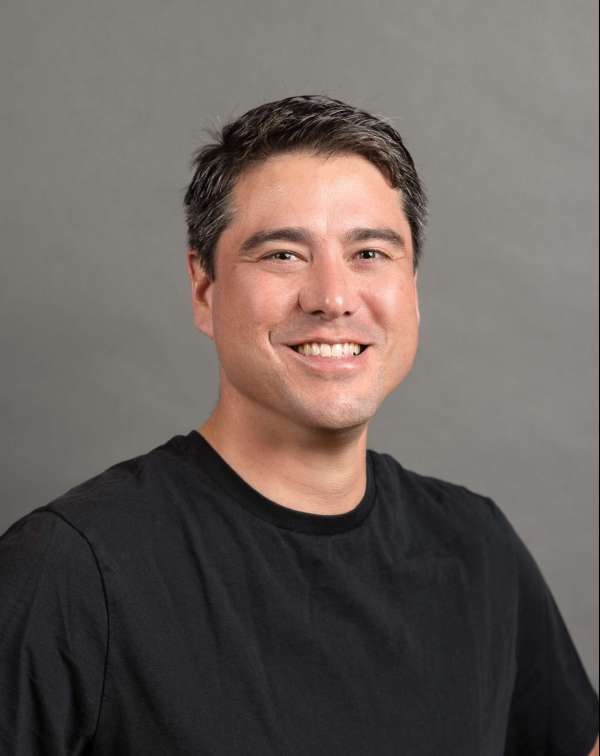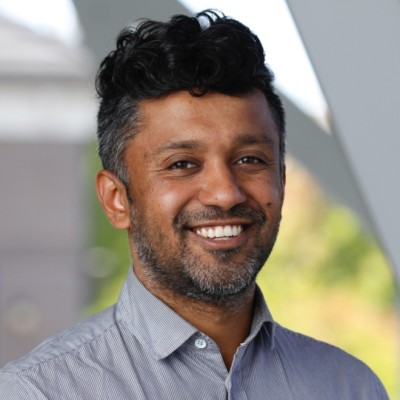



Kotaro Yamagishi started at Keio in 1995 right when Windows 95 and the internet were changing everything, interned at NetAge where he met a future GREE co-founder, later became the founding editor-in-chief of CNET Japan, and says what drives his career is wanting to be part of moments when society is changing rather than climbing the usual ladder. At Keio Innovation Initiative, he pushes companies to think about what happens after they go public, works with advisors like Nao Sudo to turn ideas like Theory of Change and IMM into real tools instead of buzzwords, treats deep-tech investing as something to work out case by case since Japan has no fixed playbook yet, and has trained himself to operate in English as comfortably as in Japanese so he can talk directly with investors and founders overseas.
About their Fund

Keio Innovation Initiative

Keio Innovation Initiative was the first impact fund among university-affiliated VCs in Japan, expanding beyond Keio-originated research to back deep-tech startups from other universities and research institutes in fields like regenerative medicine, AI, and health, while building out a formal impact strategy—including a Theory of Change, impact measurement, and shared KPIs with startups—from due diligence through execution. Backed by an unusually large group of investors, including Keio, Nomura, Japan Post Insurance, and major banks and insurers, and led by a CEO with a background spanning journalism, startup operations, and university governance, the fund supports technically complex startups from the lab stage through post-listing, aiming to advance quality of life, social systems, and environmental protection.

Notable Fund
Investments
Sheets they're in
Sheets they're Fund is in
Popular Investors