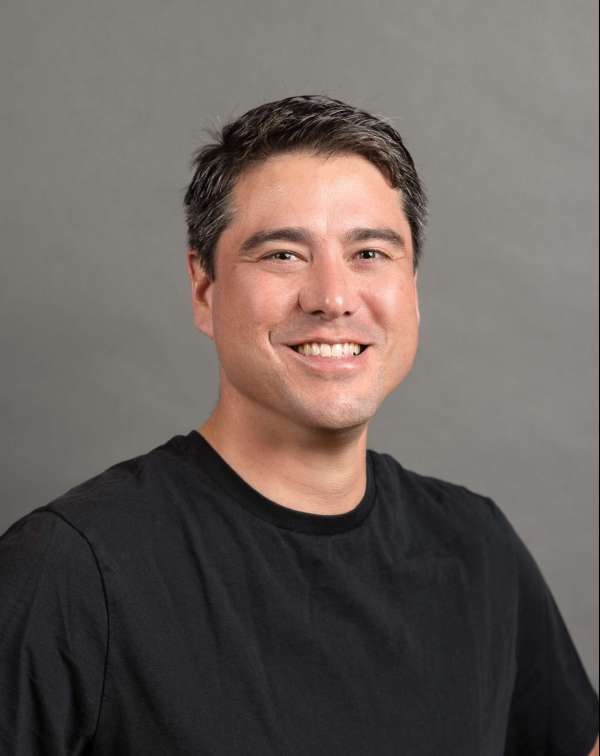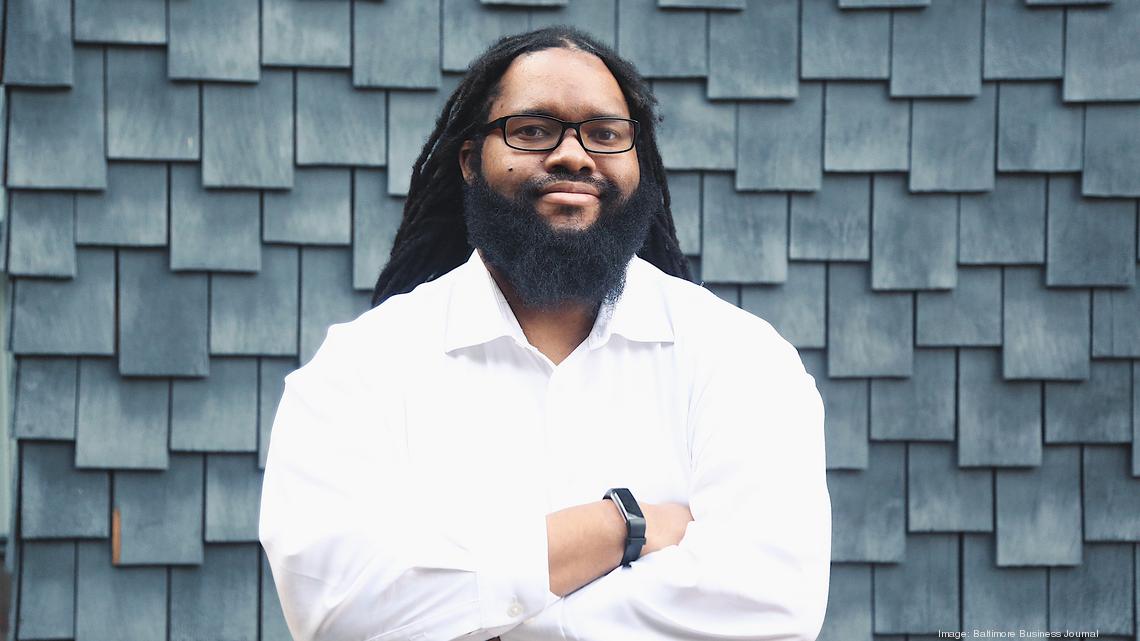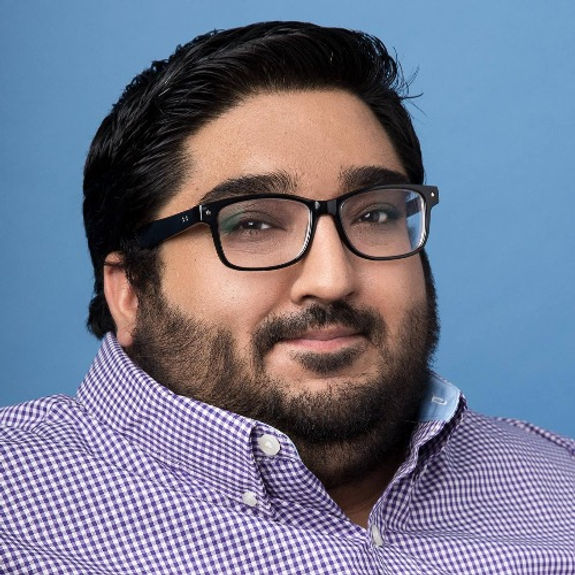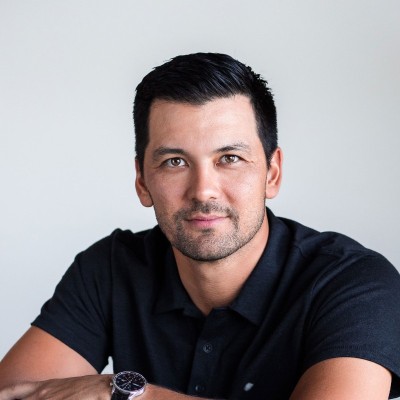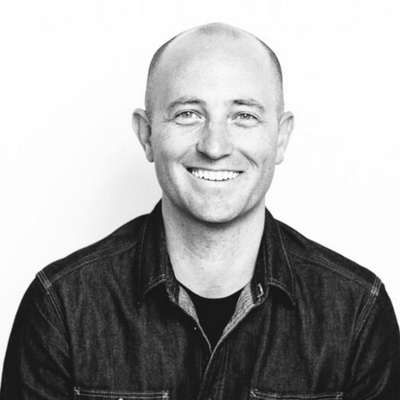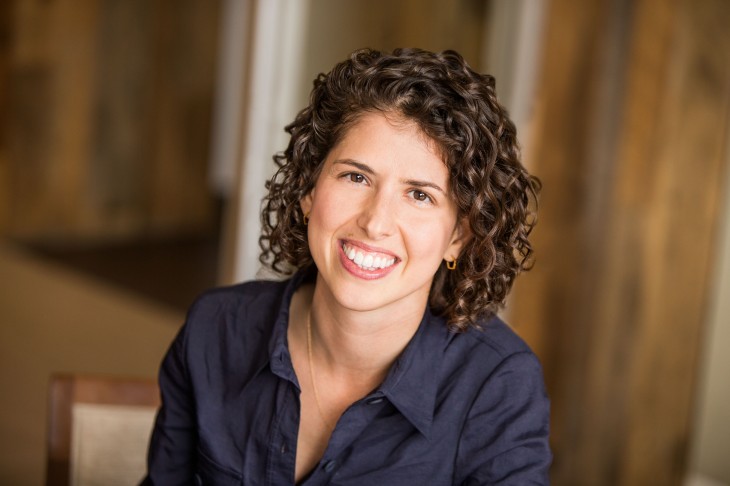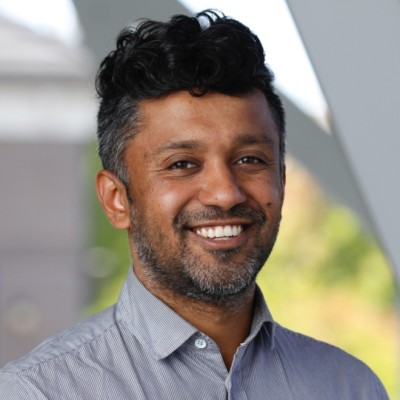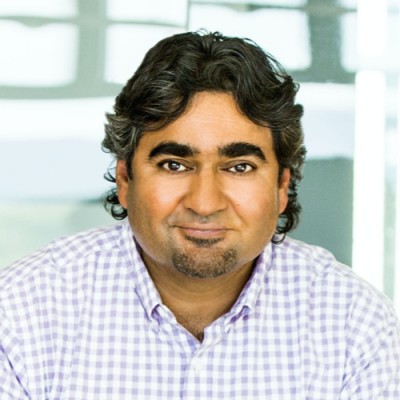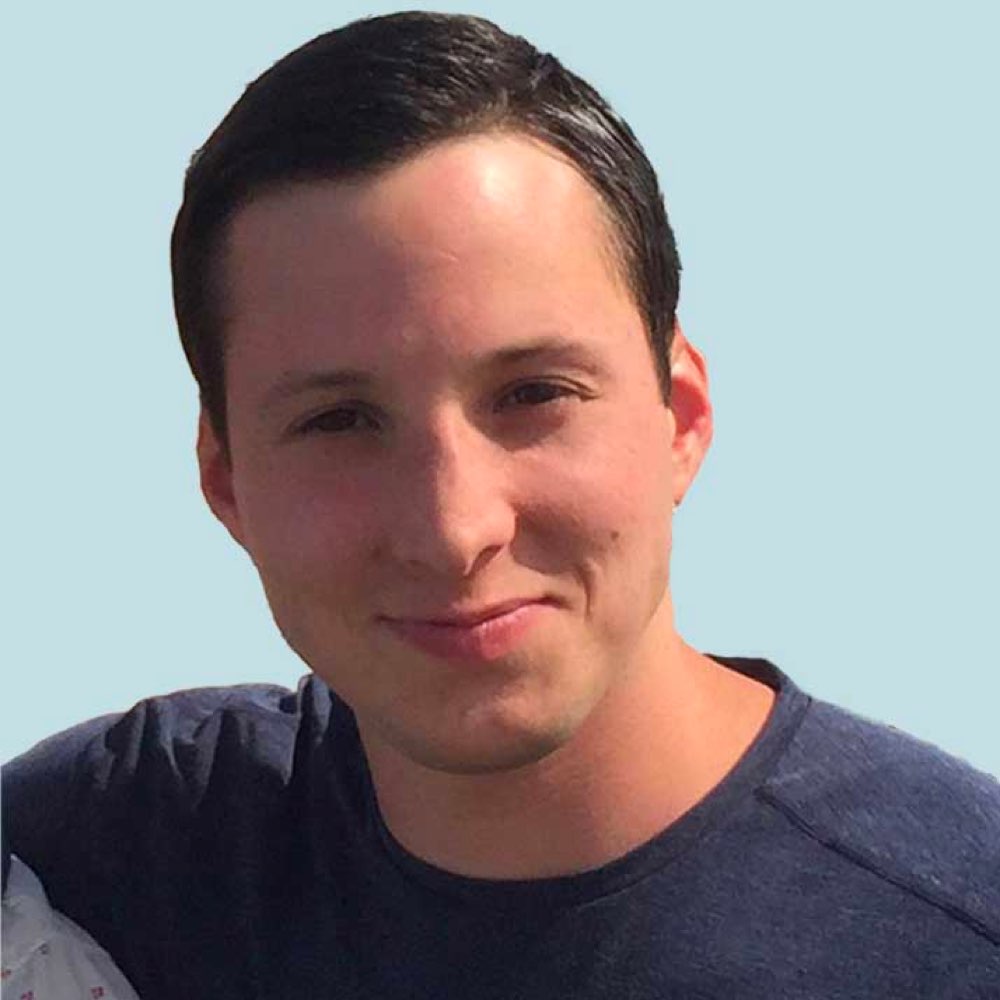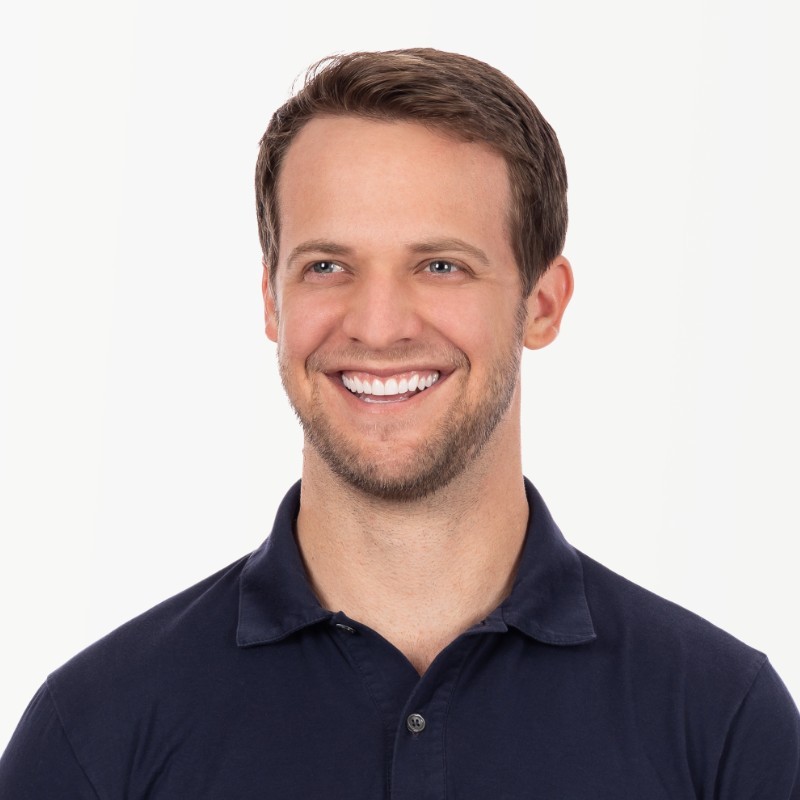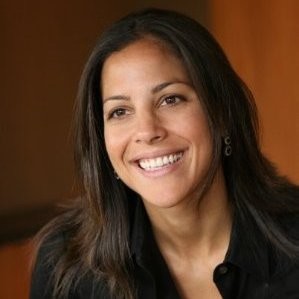



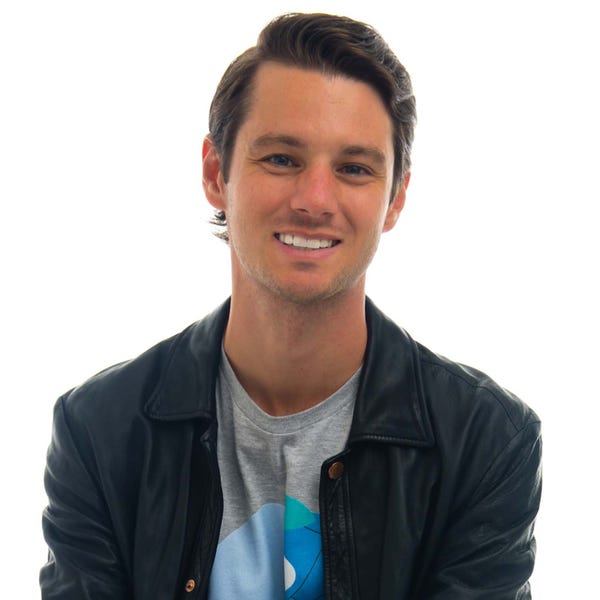
Dev Khare grew up moving between India and abroad as the child of an Indian Foreign Service officer, later built and sold a mobile company before becoming one of the earliest investors bridging the US and India through deals like SlideShare, and now argues that India's biggest winners fix broken, fragmented supply first rather than copying US or China templates, growing steadily and profitably instead of burning cash for hypergrowth. He's especially drawn to founders he's tracked for years, thinks about what startups will matter once AI makes raw intelligence cheap, and sees Indian venture investing as tied to the country's own growth in areas like digital payments, defense, and energy.
About their Fund

Lightspeed India Partners

Sectors
Consumer, Fintech, SaaS, Enterprise, AI
Rounds
Avg Check Size
Notable Investments
Lightspeed India focuses on solving India-specific problems rather than copying U.S. or China playbooks, invests mostly at the seed and Series A stage but can offer much larger follow-on funding through its global platform, and writes checks from about $1 million to $100 million across India and Southeast Asia using the same fund. The firm also provides dedicated in-house support in areas like talent, leadership, and M&A, has added experienced operators such as former Boat CEO Vivek Gambhir and Gojek cofounder Kevin Aluwi as venture partners, prefers secondary share sales over IPOs as its main way of returning capital, and sees India's biggest AI opportunity in application-layer tools and upgrading IT and BPO work rather than building foundational AI infrastructure.
Other partners at the fund

Notable Fund
Investments
No items found.
Sheets they're in
No items found.
Sheets they're Fund is in
No items found.
Is this information out of date? Let us know
Popular Investors
investor name
Active in
Rounds
Avg. Check
Links


Deeptech / Hardware

Robotics

Biotech
+
12
View more in profile...
Unknown
Pre-Seed - Seed
Unknown
$400K - $2M
Unknown


Defense
Deeptech / Hardware

Energy
+
7
View more in profile...
Unknown
Pre-Seed - Series A
Unknown
$100K - $5M
Unknown

Defense
Deeptech / Hardware
Energy
+
7
View more in profile...
Unknown
Pre-Seed - Series A
Unknown
$100K - $5M
Unknown

Biotech

Health
Deeptech / Hardware
+
2
View more in profile...
Unknown
Pre-Seed - Seed
Unknown
$250K - $2M
Unknown




Climate
Deeptech / Hardware

Materials
+
4
View more in profile...
Unknown
Pre-Seed - Seed
Unknown
$400K - $1.5M
Unknown

Deeptech / Hardware
Robotics
Biotech
+
7
View more in profile...
Unknown
Pre-Seed - Seed
Unknown
$400K - $2M
Unknown

Deeptech / Hardware
Robotics
Biotech
+
2
View more in profile...
Unknown
Pre-Seed - Seed
Unknown
~$750K
Unknown


Fintech
Deeptech / Hardware

Devtools
+
2
View more in profile...
Unknown
Pre-Seed - Series A
Unknown
$250K-$1M
Unknown


Or automatically find your investor matches
Upload your pitch deck to get your best investor matches in minutes.
Reveal the very best VCs to pitch for your startup
Get matching investors' email addresses
No ads. No catch. Free from VC Sheet.
Thank you! Your submission has been received!
Oops! Something went wrong while submitting the form.
Success. Check your email in 5 minutes.